分类: politics

  • Trump remarks about Nato troops in Afghanistan are ‘insulting’, says Starmer

    Trump remarks about Nato troops in Afghanistan are ‘insulting’, says Starmer

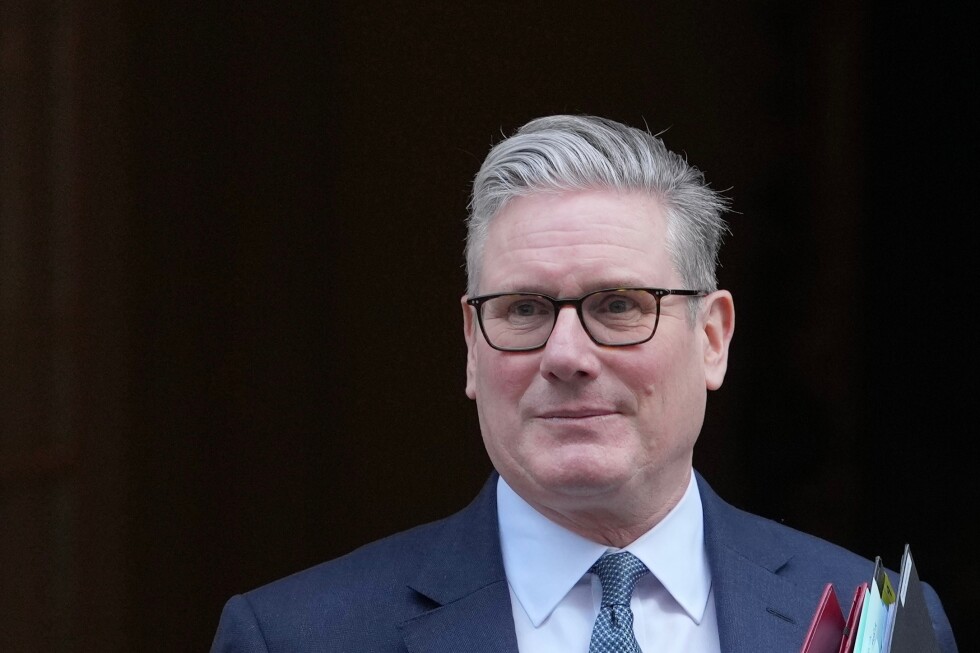
    British Prime Minister Sir Keir Starmer has characterized former U.S. President Donald Trump’s comments regarding NATO troops in Afghanistan as “insulting and frankly appalling,” triggering widespread condemnation across the United Kingdom’s political spectrum. The controversy emerged following Trump’s Fox News interview where he suggested NATO allies remained “a little off the front lines” during the conflict and questioned their reliability if the U.S. required assistance.

    The remarks have particularly stung British veterans and families of the 457 UK service personnel who lost their lives in Afghanistan, the second-highest casualty rate among coalition forces. Corporal Andy Reid, who lost both legs and his right arm to an IED explosion, countered Trump’s assertions by recalling his direct combat experience alongside American soldiers: “If they were on the front line and I was stood next to them, clearly we were on the front line as well.”

    Diane Dernie, mother of severely injured veteran Ben Parkinson, described Trump’s words as “so insulting” and characterized them as “the rantings of a child trying to deflect from his own actions.” She joined growing calls for Starmer to directly confront the former president with demands for an apology.

    The political response has been notably unified, with Conservative leader Kemi Badenoch calling the comments “a disgrace to denigrate their memory” and Liberal Democrat leader Sir Ed Davey referencing Trump’s five deferments from Vietnam military service. Reform UK’s Nigel Farage, typically a Trump supporter, also broke ranks stating unequivocally that “Donald Trump is wrong” about British military participation.

    The White House has doubled down on Trump’s position, issuing a statement defending his criticism of NATO spending contributions while avoiding direct address of the apology demands. The controversy highlights ongoing tensions within the transatlantic alliance as Trump continues to question traditional military partnerships and European defense commitments.

  • Envoys travel the globe to push a US plan for ending Russia’s war in Ukraine

    Envoys travel the globe to push a US plan for ending Russia’s war in Ukraine

    A concerted diplomatic offensive spearheaded by the United States to terminate Russia’s protracted four-year war in Ukraine has intensified significantly since late 2025 and continues to advance into 2026. This peace initiative has triggered an unprecedented flurry of high-level meetings involving national leaders, seasoned diplomats, and special envoys across multiple global capitals.

    The diplomatic chronology commenced on November 19, 2025, when Ukrainian President Volodymyr Zelenskyy undertook a strategic visit to Turkey, explicitly aiming to reinvigorate stalled negotiations. This was swiftly followed by revelations of a comprehensive 28-point peace framework jointly prepared by American and Russian officials, which immediately drew criticism for its perceived pro-Moscow orientation.

    Subsequent days witnessed U.S. Army Secretary Dan Driscoll’s briefing of Zelenskyy in Kyiv regarding Washington’s proposed settlement terms. On November 23, Secretary of State Marco Rubio conducted productive talks in Geneva with a Ukrainian delegation led by Presidential Chief of Staff Andrii Yermak, though specifics remained confidential.

    The diplomatic dance expanded geographically when Driscoll engaged Russian officials in Abu Dhabi during November 24-25, while November 30 marked Rustem Umerov’s assumption of delegation leadership following Yermak’s resignation amid energy sector corruption allegations, meeting U.S. counterparts in Florida.

    December’s diplomatic calendar featured Zelenskyy briefing French President Macron in Paris, concurrent with a American delegation’s Moscow visit. The month culminated in a five-hour Kremlin meeting between President Putin and key Trump administration figures Jared Kushner and special envoy Witkoff, described as constructive but incomplete.

    January 2026 witnessed intensified negotiations, including a Paris summit where Ukraine’s allies pledged security guarantees against future Russian aggression. Despite renewed attacks on Ukraine’s energy infrastructure, diplomatic efforts persisted through meetings in Davos and additional rounds in Abu Dhabi, marking the first trilateral discussions involving all conflict parties under U.S. administration mediation.

  • Somaliland president pitches business opportunities to Trump’s son

    Somaliland president pitches business opportunities to Trump’s son

    In a significant diplomatic offensive at the World Economic Forum in Davos, the breakaway republic of Somaliland has engaged in high-level discussions with both Israeli leadership and Eric Trump, signaling a strategic pivot toward international recognition and economic investment. President Abdirahman Mohamed Abdullahi, colloquially known as ‘Cirro,’ conducted separate meetings with Israeli President Isaac Herzog and Trump Organization executive Eric Trump, marking a continuation of Somaliland’s global outreach campaign.

    The presidential office confirmed that bilateral relations with Israel dominated discussions with President Herzog, building upon last month’s historic recognition of Somaliland by Israel—the first nation to formally acknowledge its sovereignty since its 1991 declaration of independence from Somalia. This diplomatic breakthrough has triggered objections from Somalia, the African Union, China, and Turkey, who maintain that the recognition violates Somalia’s territorial integrity.

    Simultaneously, President Abdullahi engaged Eric Trump—senior figure within the Trump family’s business empire—in talks focused on economic opportunities. According to presidential advisor Abdirahman Bayle, Trump demonstrated particular interest in Somaliland’s livestock and agricultural sectors, with discussions centering on industrializing these industries for global export. Notably, Bayle emphasized Somaliland’s transformed approach: ‘For the first time, we are not asking the world for aid. We are offering our resources.’

    The strategically located territory, positioned along critical Red Sea and Gulf of Aden shipping routes, highlighted its deep-water port of Berbera as a potential logistics hub for trade and energy infrastructure during the discussions. This positioning aligns with Somaliland’s broader strategy to leverage its geographic advantages for economic development.

    Israeli President Herzog characterized the meeting as ‘positive,’ expressing enthusiasm for deepening cooperation between the nations. This diplomatic activity follows Israeli Foreign Minister Gideon Saar’s landmark visit to Somaliland earlier this month, where he committed to advancing relations ‘with momentum.’

    Despite functioning as an autonomous state with its own government, currency, and security forces for over three decades, Somaliland’s quest for widespread international recognition remains ongoing. The Davos engagements represent a multifaceted approach combining diplomatic recognition efforts with economic diversification initiatives.

  • Kosovo authorities arrest over 100 people over alleged ballot manipulation in December vote

    Kosovo authorities arrest over 100 people over alleged ballot manipulation in December vote

    Kosovo’s political landscape faces renewed turmoil as authorities announced the detention of 109 individuals on Friday in connection with extensive electoral fraud allegations. The scandal has prompted a nationwide recount of December’s parliamentary elections, casting doubt on the integrity of the democratic process in the Balkan nation.

    Prosecutors from the southern municipality of Prizren revealed that suspects face serious charges including election result falsification, coercion through threats, and systematic bribery. Chief Prosecutor Petrit Kryeziu disclosed that the alleged manipulation affected a staggering 68,017 ballots in Prizren alone, representing significant electoral interference.

    The Central Election Commission mandated a comprehensive recount earlier this week following evidence of widespread irregularities. Despite the scale of suspected fraud, officials indicate the overall election outcome remains unchanged, though individual candidate results within specific parties may be altered.

    Prime Minister Albin Kurti’s Vetevendosje (Self-Determination) party had secured a decisive victory with approximately 51% of votes in the December snap election. This political force had previously dominated February’s polls but failed to form a governing coalition, triggering months of political paralysis that necessitated the December revote.

    The unfolding crisis threatens to prolong Kosovo’s governmental instability, potentially delaying parliamentary formation and budget approval. With a critical presidential election deadline approaching in early March, failure to meet constitutional requirements could force yet another snap election, further destabilizing the young democracy.

    Kosovo, which gained independence from Serbia in 2008 following the 1998-99 conflict, continues to grapple with economic challenges as one of Europe’s poorest nations. The current political impasse complicates its aspirations for European Union integration alongside other Western Balkan states.

  • Russia, Ukraine and the US are holding peace talks in Abu Dhabi. They’re coming at a key moment

    Russia, Ukraine and the US are holding peace talks in Abu Dhabi. They’re coming at a key moment

    In an unprecedented diplomatic development, senior envoys from Ukraine, Russia, and the United States convened in Abu Dhabi on Friday, marking the first confirmed trilateral engagement facilitated by the Trump administration to address Moscow’s protracted invasion of Ukraine now entering its fourth year.

    The high-stakes negotiations emerge amid intensified diplomatic movements across Europe, though substantial hurdles persist regarding territorial sovereignty. While Ukrainian President Volodymyr Zelenskyy indicated during Davos discussions that a peace agreement appeared ‘nearly ready,’ critical disputes concerning territorial control remain fundamentally unresolved.

    This dialogue distinguishes itself through both its location in the United Arab Emirates capital and Washington’s direct participation. Previous encounters between Russian and Ukrainian officials occurred without American mediation, making this trilateral format a significant evolution in diplomatic efforts. The engagement follows closely timed bilateral meetings: Zelenskyy’s hour-long closed-door discussion with President Trump in Switzerland, which both leaders characterized as productive, and an extensive four-hour nocturnal Kremlin meeting between Russian President Vladimir Putin and U.S. envoys Jared Kushner and Steve Witkoff.

    The Ukrainian delegation features National Security and Defense Council head Rustem Umerov, Chief of General Staff Andrii Hnatov, and Presidential Office head Kyrylo Budanov. Russia’s representation is led by military intelligence chief Admiral Igor Kostyukov, accompanied by Defense Ministry officials and presidential envoy Kirill Dmitriev.

    Central to the negotiations is the incendiary issue of territorial concessions, particularly regarding the Donbas region. Zelenskyy identified this as the pivotal obstacle, while Kremlin officials emphasized that lasting resolution remains impossible without addressing territorial claims. Russia demands Ukrainian withdrawal from eastern territories it annexed in 2022, despite never establishing full military control. Meanwhile, Ukraine seeks binding security guarantees from Western nations to prevent future aggression.

    The talks occur against a backdrop of continued military action, with Russia maintaining offensive operations against Ukrainian energy infrastructure during winter months. Although Moscow has achieved significant territorial gains since initiating hostilities in 2014, these advances have come at substantial economic and military costs due to international sanctions and determined Ukrainian resistance.

    The Abu Dhabi negotiations are scheduled to conclude Saturday, with parallel economic discussions occurring between Witkoff and Dmitriev alongside the primary security dialogue.

  • Xi congratulates To Lam on reelection as General Secretary of CPV Central Committee

    Xi congratulates To Lam on reelection as General Secretary of CPV Central Committee

    In a significant diplomatic exchange, Chinese President Xi Jinping has extended formal congratulations to To Lam on his re-election as General Secretary of the Communist Party of Vietnam Central Committee. This gesture underscores the continuing commitment to bilateral relations between the two neighboring socialist nations.

    The congratulatory message, delivered on January 23, 2026, emphasizes the strategic importance both countries place on maintaining strong party-to-party connections and advancing their comprehensive cooperative partnership. President Xi expressed confidence that under To Lam’s continued leadership, Vietnam would achieve further accomplishments in its national development agenda.

    This diplomatic communication occurs within the broader context of China-Vietnam relations, which have historically balanced cooperation with occasional tensions, particularly regarding South China Sea claims. The exchange follows established protocols for such leadership transitions within communist parties and reflects the institutionalized nature of inter-party relations between the two countries.

    Analysts note that such congratulatory messages serve multiple diplomatic purposes: reinforcing political solidarity, maintaining open communication channels, and signaling continuity in foreign policy approaches despite leadership changes. The timing of this exchange coincides with both countries’ ongoing efforts to navigate complex regional geopolitics while pursuing economic development goals.

  • Trump says US ‘armada’ moving towards Iran amid renewed threats

    Trump says US ‘armada’ moving towards Iran amid renewed threats

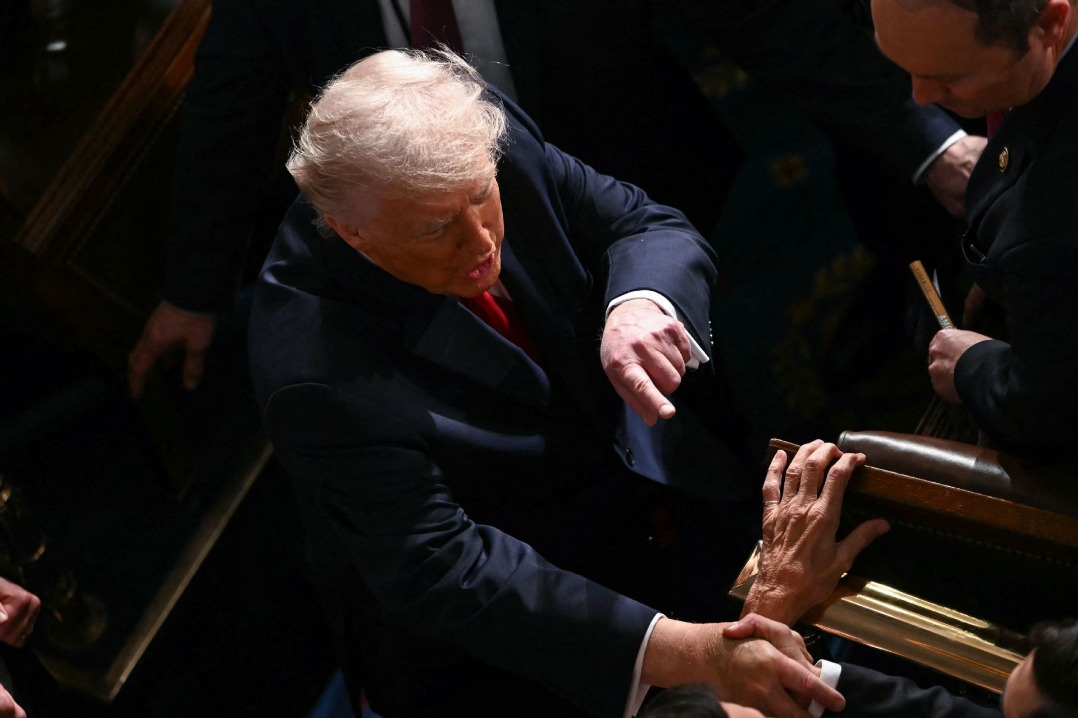
    In a significant escalation of military posturing, President Donald Trump announced the deployment of a substantial naval force toward Iranian waters on Thursday. The declaration came following his return from diplomatic engagements at the World Economic Forum in Davos, Switzerland.

    Speaking aboard Air Force One, Trump revealed that Washington is closely monitoring Tehran’s activities as U.S. naval assets advance toward the region. ‘We have substantial naval resources moving in that direction as a precautionary measure,’ Trump told journalists. ‘While I would prefer no escalation, we are maintaining vigilant surveillance of their actions.’

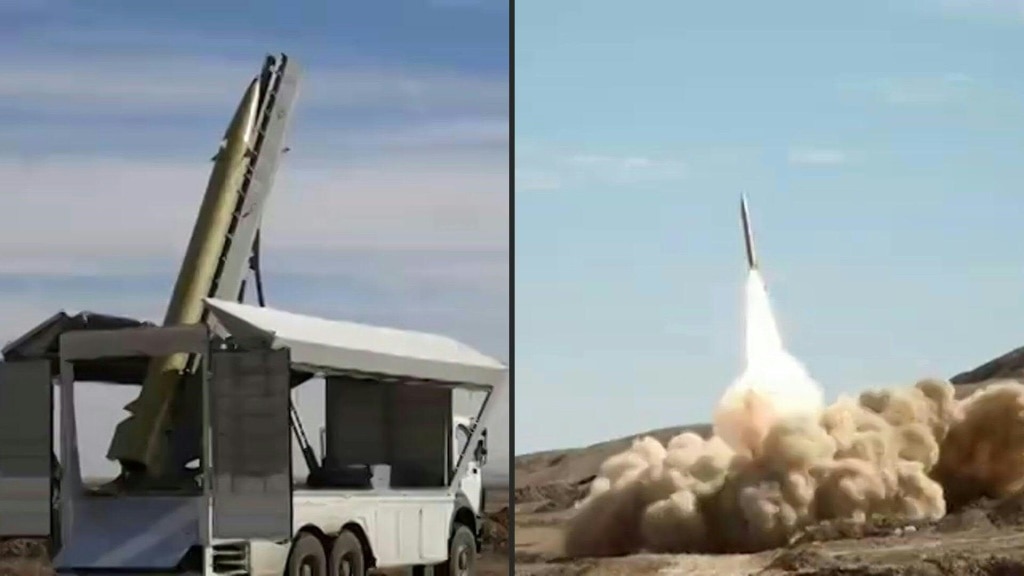
    The naval deployment includes the aircraft carrier USS Abraham Lincoln accompanied by multiple guided-missile destroyers, according to unnamed U.S. officials who briefed Reuters. These vessels, originally stationed in the Asia-Pacific theater, began their repositioning last week amid deteriorating relations.

    The administration is reportedly considering additional defensive measures, including enhanced air defense systems to protect American installations throughout the Middle East from potential Iranian counterstrikes.

    This military mobilization follows earlier U.S. strikes against Iranian nuclear facilities in June, operations that drew widespread international criticism for allegedly violating established international legal frameworks. The latest deployments substantially expand America’s military capabilities in the region.

    Tensions have intensified following months of civil unrest across Iran, which Tehran claims was instigated by foreign interference. Trump has repeatedly threatened intervention, accusing Iranian authorities of lethal violence against protesters.

    Iran’s Supreme Leader Ayatollah Ali Khamenei has acknowledged that ‘several thousand’ citizens perished during recent nationwide demonstrations. While Trump asserted that nearly 840 executions were canceled following U.S. warnings, Iranian officials reported the confirmed death toll had exceeded 5,000, including hundreds of security personnel.

    The President issued unequivocal warnings regarding Iran’s nuclear ambitions: ‘Should they attempt to reactivate their nuclear program, we will respond with even greater force than previously demonstrated.’

    The protests originated in Tehran’s Grand Bazaar on December 28th as economic demonstrations before evolving into broader antigovernment movements across the nation.

  • Could trilateral talks yield a breakthrough in Ukraine-Russia war?

    Could trilateral talks yield a breakthrough in Ukraine-Russia war?

    In a significant diplomatic development, representatives from Ukraine, Russia, and the United States have convened for unprecedented trilateral discussions, marking the first such meeting since Russia’s full-scale invasion of Ukraine in February 2022. This groundbreaking dialogue represents a potential turning point in the protracted conflict that has reshaped global security architecture.

    The high-level meeting brings together key stakeholders at a critical juncture in the nearly two-year conflict, suggesting possible behind-the-scenes diplomatic maneuvering that may pave the way for more substantive negotiations. While specific agenda items remain confidential, the very occurrence of this tripartite engagement indicates a potential willingness among parties to explore diplomatic channels alongside military operations.

    International observers are closely monitoring these talks for indications of potential compromise areas, including security guarantees, territorial considerations, and humanitarian arrangements. The participation of Washington as both a major military supporter of Ukraine and a global superpower adds considerable weight to the proceedings, potentially creating conditions for confidence-building measures that could de-escalate tensions.

    This diplomatic initiative occurs amid evolving battlefield dynamics and increasing international pressure for conflict resolution. The involvement of all three principal actors simultaneously distinguishes this effort from previous bilateral contacts and suggests a recognition that sustainable peace requires addressing the concerns of all major parties involved in or affected by the conflict.

  • Danish PM visits Greenland for talks after Trump climbdown

    Danish PM visits Greenland for talks after Trump climbdown

    In a significant diplomatic development, Danish Prime Minister Mette Frederiksen concluded crucial talks in Nuuk with Greenlandic leadership following the de-escalation of U.S. territorial ambitions toward the autonomous Arctic territory. The high-level meetings occurred against the backdrop of withdrawn acquisition threats from President Donald Trump, who instead agreed to a nebulous ‘framework’ for future negotiations through NATO mediation.

    The diplomatic confrontation reached its peak when Trump abruptly abandoned his aggressive stance toward Greenland after intensive discussions with NATO Secretary General Mark Rutte. While specific details remain undisclosed, the arrangement purportedly satisfies American strategic interests while respecting Denmark’s territorial sovereignty. According to sources familiar with the negotiations, the framework centers on modernizing the existing 1951 defense pact that already permits U.S. military presence on the island with prior notification.

    Danish Foreign Minister Lars Lokke Rasmussen clarified that no formal agreement had been finalized, characterizing the arrangement merely as ‘a framework for future agreement’ that replaces ‘drastic ideas about needing to own Greenland’ with negotiated solutions. Both Danish and Greenlandic officials have emphatically declared sovereignty protection as their non-negotiable ‘red line’ in forthcoming discussions.

    The geopolitical tension has paradoxically strengthened the relationship between Denmark and Greenland despite historical colonial grievances. Greenlandic Prime Minister Jens-Frederik Nielsen emphasized that no international agreements could be valid without direct involvement from Nuuk authorities, echoing Frederiksen’s consistent position on self-determination matters.

    Analysts observe that Trump’s aggressive posture has temporarily unified Greenland’s political spectrum, causing independence advocates to prioritize solidarity with Denmark amid external pressure. This unexpected diplomatic episode has accelerated security discussions while highlighting the Arctic region’s growing strategic importance in global power dynamics.

  • High stakes but low expectations ahead of Ukraine talks with Russia and US

    High stakes but low expectations ahead of Ukraine talks with Russia and US

    In a significant diplomatic development, representatives from Russia, Ukraine, and the United States are convening in Abu Dhabi for their first tripartite negotiations since Russia’s full-scale invasion of Ukraine in 2022. This meeting marks a new format in peace discussions, though fundamental disagreements between the parties remain largely unchanged.

    Ukrainian President Volodymyr Zelensky has characterized his recent discussions with former US President Donald Trump in Davos as “really positive,” expressing hope for enhanced air defense support against Russia’s ongoing assaults. Despite this optimism, Zelensky maintains cautious realism regarding the Abu Dhabi talks, describing them merely as “a step” toward peace rather than a breakthrough.

    The core obstacle to any potential agreement centers on territorial sovereignty in eastern Ukraine. Russia continues to demand control over substantial portions of the Donbas region—territory it has failed to secure militarily. Ukraine remains steadfast in its refusal to cede these lands, where countless soldiers have perished defending the nation’s integrity.

    Concurrently, Russia has intensified attacks on Ukrainian civilian infrastructure, creating a humanitarian crisis during the harsh winter months. Kyiv’s mayor has advised residents to evacuate if possible, warning that critical infrastructure remains vulnerable to systematic bombardment.

    The reliability of US security guarantees under a potential Trump administration presents another layer of uncertainty. Previous actions, including the temporary suspension of military aid and intelligence sharing, coupled with Trump’s unconventional approach to international alliances, have raised questions about America’s long-term commitment to Ukrainian sovereignty.

    Despite these challenges, Ukraine approaches negotiations with determined pragmatism, recognizing that diplomatic engagement remains essential both for achieving peace and maintaining international support.