分类: politics

  • UK opposition leaders demand human rights activist be stripped of citizenship for past tweets

    UK opposition leaders demand human rights activist be stripped of citizenship for past tweets

    LONDON — British political leaders have ignited a fierce controversy by demanding the revocation of citizenship and deportation of Egyptian-British human rights activist Alaa Abd el-Fattah, following the resurfacing of social media posts from over a decade ago containing allegedly violent and antisemitic language. The demands emerged just days after the activist returned to the United Kingdom following years of imprisonment in Egypt.

    Conservative Party leader Kemi Badenoch and Reform Party leader Nigel Farage have spearheaded the campaign against Abd el-Fattah, citing historical tweets from approximately twelve years ago in which the activist allegedly endorsed violence against ‘Zionists’ and law enforcement personnel. Badenoch characterized the posts as ‘disgusting and abhorrent’ in a commentary published by the Daily Mail, while Farage asserted the views expressed were ‘completely opposed to our British way of life.’

    The controversy erupted after Prime Minister Keir Starmer expressed delight about Abd el-Fattah’s return and reunion with his family, triggering renewed scrutiny of the activist’s digital history. The tweets in question, originally posted during regional conflicts in Iraq, Lebanon, and Gaza, along with periods of heightened police brutality in Egypt, have been described as containing antisemitic, homophobic, and anti-British sentiments.

    Abd el-Fattah, who recently returned to Britain after Egyptian authorities lifted a travel ban that had confined him to the country since his September release, issued an extensive apology on Monday. While acknowledging the offensive nature of the posts, he maintained that some had been ‘taken out of context and misrepresented,’ characterizing them as expressions of ‘a young man’s anger and frustrations’ during tumultuous times.

    The activist’s imprisonment history includes multiple detentions by Egyptian authorities, most recently on charges of spreading false information about President Abdel Fattah el-Sisi’s government. His case has drawn international attention from human rights organizations concerned about political repression in Egypt.

    Despite Abd el-Fattah’s apology, political pressure continues to mount, with Reform Party leader Farage formally requesting Home Secretary Shabana Mahmood to review the activist’s immigration status and suitability for British citizenship.

  • Washington at odds over insurance

    Washington at odds over insurance

    A critical healthcare crisis is looming for millions of Americans as enhanced Affordable Care Act subsidies approach expiration at year’s end, exposing deep political divisions in Washington. The premium assistance measures, initially implemented as COVID-19 relief in 2021 and extended through 2025, face almost certain termination without Congressional intervention.

    Current nonpartisan estimates indicate approximately 22 million citizens—representing over 90% of ACA marketplace enrollees—benefit from these enhanced subsidies. Their expiration would trigger average premium increases of more than 100%, disproportionately affecting low-income families, small business owners, and self-employed workers who rely on marketplace coverage as their primary insurance option.

    The Kaiser Family Foundation reveals nearly half of adults under 65 enrolled in marketplace plans are either self-employed, small business owners, or employees of firms with fewer than 25 workers. This demographic now faces impossible choices as projected monthly premium hikes of $1,000-$2,000 threaten to make coverage unaffordable.

    The return of the ‘subsidy cliff’ would particularly impact households earning just above the federal poverty threshold (approximately $63,000 for individuals). Under current enhanced rules, premiums are capped at 8.5% of income, but expiration would eliminate all subsidy support for these borderline earners.

    Age compounds the challenge significantly. Cornell University health policy expert Nick Fabrizio notes that early retirees ineligible for Medicare face disproportionate burdens, with 60-year-olds potentially seeing premiums jump from 8.5% to over 20% of income.

    The political landscape offers little optimism. Despite bipartisan efforts in the House of Representatives, similar legislation has already failed in the Senate. Emma Wager, KFF senior policy analyst, states, ‘It’s virtually guaranteed at this point the subsidies will expire,’ highlighting the uncertainty of January legislative actions.

    Geographic and demographic disparities exacerbate the situation. Southern states that voted for Donald Trump in 2024 have experienced the most significant ACA enrollment growth since 2020, with larger Black and Latino populations that achieved notable coverage gains through the enhanced subsidies.

    The potential coverage loss arrives as households already struggle with inflated costs for housing, food, and energy. Small business owners like Kathy Many of Vermont express fears that being uninsured could lead to financial ruin from a single medical emergency.

    This impending crisis raises fundamental questions about the US healthcare system’s ability to provide stable, affordable coverage to the small business and self-employed sectors that form the backbone of local economies and communities.

  • US offers Ukraine 15-year security guarantee as part of peace plan, Zelenskyy says

    US offers Ukraine 15-year security guarantee as part of peace plan, Zelenskyy says

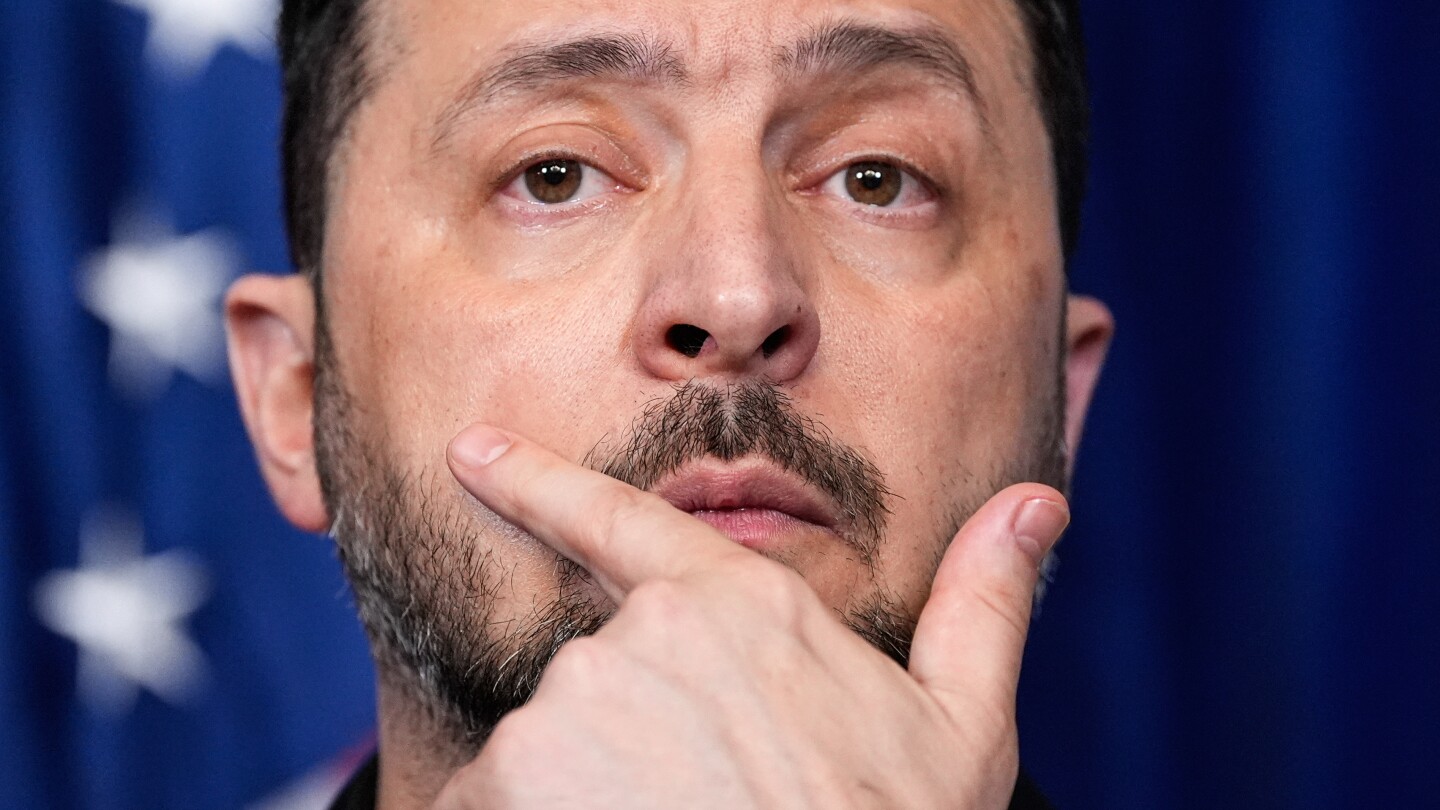
    Ukrainian President Volodymyr Zelenskyy disclosed on Monday that the United States has put forward a proposition to extend security assurances to Ukraine spanning 15 years within the context of a prospective peace arrangement. Despite this development, Zelenskyy articulated a preference for a more prolonged American commitment extending up to half a century, asserting that such a long-term deterrent is essential to prevent future Russian aggression and territorial encroachment.

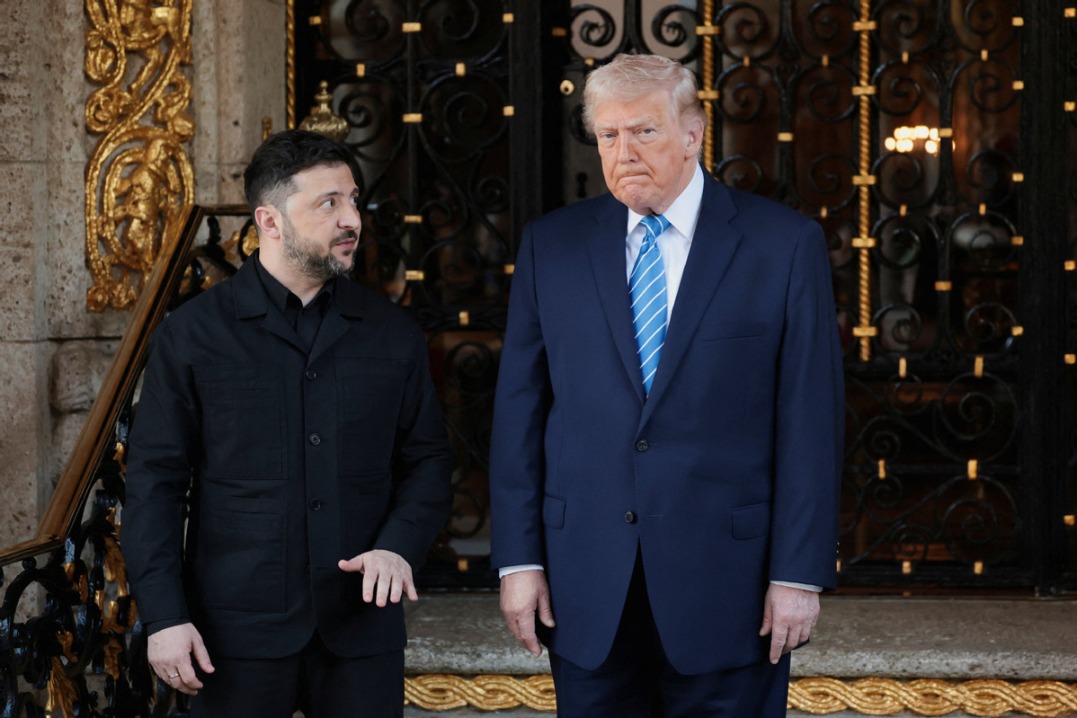
    The announcement follows a consequential meeting between Zelenskyy and U.S. President Donald Trump at the latter’s Florida estate on Sunday. President Trump subsequently characterized the peace negotiations as having reached an unprecedented juncture, remarking that Ukraine and Russia appear ‘closer than ever before’ to achieving a diplomatic resolution. Nonetheless, he concurrently acknowledged the fragile nature of these talks, cautioning that the U.S.-mediated discussions remain susceptible to potential collapse.

    Critical obstacles continue to impede a final agreement. Negotiators are grappling with complex issues including the delineation of military withdrawal zones and determining the future operational control of the strategically vital Zaporizhzhia nuclear facility—one of the world’s largest atomic power stations, currently under Russian occupation.

    President Zelenskyy emphasized the indispensable role of security guarantees, stating unequivocally that ‘without security guarantees, realistically, this war will not end.’ While specific details of the proposed American security package remain confidential, Zelenskyy indicated it encompasses provisions for international monitoring mechanisms and a defined ‘presence’ of partner nations. This latter element has already drawn opposition from Moscow, which has explicitly rejected the possibility of NATO troop deployments on Ukrainian soil.

    The geopolitical dimensions continue to evolve, with Kremlin spokesperson Dmitry Peskov confirming anticipated communications between Presidents Putin and Trump in the near future, while simultaneously noting no planned dialogue between the Russian and Ukrainian leaders.

    In a coordinated allied effort, French President Emmanuel Macron announced that Ukraine’s international partners will convene in Paris during early January to solidify individual national contributions to these security arrangements. Any final American guarantee would require legislative approval from the U.S. Congress, with parallel ratification processes necessary in other participating nations.

    Complicating the diplomatic landscape further, Zelenskyy revealed intentions to submit the comprehensive 20-point peace proposal for national referendum in Ukraine. However, this democratic process necessitates a minimum 60-day ceasefire—a condition currently unattainable given Moscow’s steadfast refusal to implement any truce absent a comprehensive settlement.

  • Myanmar kicks off 1st phase of election

    Myanmar kicks off 1st phase of election

    Myanmar has commenced its inaugural phase of multiparty democratic elections, marking a significant political milestone following the military’s seizure of power in February 2021. The initial voting stage unfolded across 102 townships on Sunday, representing the country’s first electoral process since the establishment of the State Administration Council after the ousting of Aung San Suu Kyi’s democratically elected government.

    Military Chief Min Aung Hlaing, who has maintained his position as acting president following the lifting of the state of emergency in July, assured international observers of the election’s legitimacy. “We guarantee it to be a free and fair election,” Hlaing stated during a press briefing in the capital Nay Pyi Daw. “It is organized by the military; we can’t let our name be tarnished.”

    The electoral landscape features over 5,000 candidates representing 57 political parties competing for approximately 950 parliamentary seats across various legislative bodies. Only six parties, including the prominent pro-military Union Solidarity and Development Party, are competing nationwide for Union parliament representation.

    International observation teams from China, India, Kazakhstan, Russia, and Vietnam are monitoring the process, which state media outlet The Global New Light of Myanmar described as “opening the new chapter of Myanmar’s political landscape” in a Sunday editorial. The publication further characterized the election as “a bridge for the people of Myanmar to reach a prosperous future.”

    The electoral process is scheduled to unfold in three phases, with subsequent voting scheduled for January 11 and January 25 in 100 and 63 townships respectively. While vote counting and result announcement timelines remain unspecified, constitutional provisions mandate that a new parliament must convene within 90 days of the election’s commencement to select leadership and form a new government.

    Analysts emphasize that the election’s ultimate success will be measured not merely by the voting process itself, but by post-electoral progress in national reconciliation, public welfare improvement, and effective responses to security and development challenges. The elections occur against a backdrop of significant humanitarian concerns, with the United Nations reporting approximately 3.6 million displaced persons due to ongoing conflicts and natural disasters—a figure projected to reach 4 million in the coming year. Additionally, the World Food Programme has warned that over 12 million Myanmar citizens may face acute food insecurity in the near future.

  • Amendment adds green focus for fishing industry

    Amendment adds green focus for fishing industry

    China’s legislative body has enacted a comprehensive revision of the nation’s Fisheries Law, marking a significant shift toward ecologically sustainable fishing practices and green development within the aquaculture sector. The updated legislation, ratified during the December 28th session of the Standing Committee of the 14th National People’s Congress, will become operational on May 1, 2026.

    The revised legal framework establishes a dual emphasis on both production output and ecological quality, mandating equilibrium between developmental objectives and environmental security. It introduces strengthened provisions governing aquaculture operations, enhanced fishery resource protection protocols, and more rigorous oversight mechanisms.

    This legislative modernization addresses critical challenges that have emerged since the law’s initial 1986 implementation, including resource depletion concerns and industry modernization requirements. An official from the NPC Standing Committee’s Legislative Affairs Commission noted that previous amendments, including the 2013 revision, had become insufficient for contemporary ecological and industrial demands.

    Key innovations within the revised law include:

    – Enhanced support for fisheries-related scientific research and technological commercialization
    – Authorization for localized recreational fisheries management policies
    – Promotion of resource-efficient and environmentally sustainable farming methodologies
    – Mandatory scientific stocking density calculations and regulated use of feeds/pharmaceuticals
    – Requirement for wastewater treatment meeting discharge standards before release
    – Implementation of fishing quotas based on resource regeneration capacity principles
    – Graded licensing systems for fishing vessels and equipment
    – Establishment of protected fisheries-critical water zones
    – Improved fishing ban specifications regarding geographical scope and duration
    – Creation of national aquatic germplasm resource bank for genetic conservation
    – Tightened import/export controls for aquatic genetic resources
    – Clarified enforcement jurisdictions between fishery authorities and coast guard agencies
    – Strict prohibitions on unregistered vessels with port service restrictions

    These comprehensive measures provide legal instruments to eliminate illegal fishing operations while advancing China’s ecological civilization objectives within marine resource management.

  • The US in 2025: a year of deep divisions

    The US in 2025: a year of deep divisions

    As 2025 draws to a close, the United States confronts the profound consequences of one of its most politically turbulent years in modern history. The nation finds itself grappling with unprecedented governmental dysfunction, systemic immigration breakdown, and deepening societal fractures that have left the country battered and exhausted.

    The federal government endured a record-shattering 43-day shutdown from October 1 to November 12, paralyzing essential services and highlighting the extreme partisan gridlock in Washington. The much-publicized Department of Government Efficiency (DOGE), launched amid grand promises of trillions in savings during President Donald Trump’s inauguration, was quietly dissolved in November. Its functions were largely absorbed by the Office of Personnel Management, while the aftermath of its budget cuts continues to reveal nearly $300 million in terminated contracts and criticized reductions in foreign aid programs.

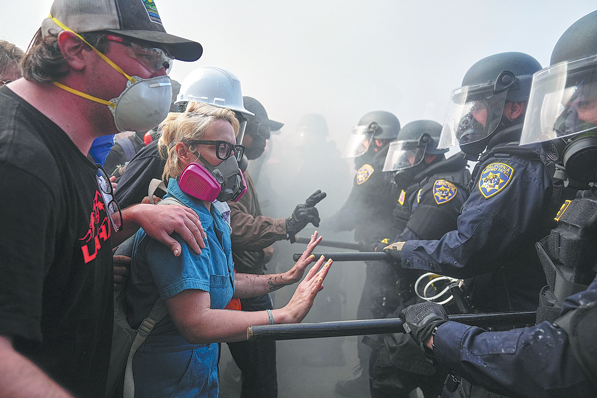
    Harvard researchers document that by mid-2025, over 60% of US counties had experienced protests, reflecting widespread social unrest. A Pew Research Center survey in July revealed that 80% of American adults believe Republican and Democratic voters cannot agree on basic facts, reaching the highest level of perceptual division in recent tracking history.

    Immigration enforcement emerged as a particularly contentious arena, characterized by ambitious goals that overwhelmed systemic capacity. The administration extended travel bans to citizens of 39 countries while dramatically increasing H-1B skilled-worker visa registration fees to $100,000 per application. Congress approved a historic $170 billion four-year funding package for border security and enforcement operations—the largest such investment in US history.

    These measures produced severe operational consequences. The US Citizenship and Immigration Services reported a net backlog surge to approximately 5.4 million cases by FY2025 Q3. The immigration court backlog reached nearly 3.8 million active cases, with many asylum seekers waiting years for hearings, creating prolonged uncertainty and straining humanitarian resources.

    Anthony Moretti, communications associate professor at Robert Morris University, described the overall state of US society and politics as “unsettled,” noting that enhanced enforcement measures “defy common sense” and contradict America’s historical philosophy of welcoming those needing humanitarian assistance. The American Immigration Council warned in a November blog post that the administration’s “new mass deportation playbook” has created widespread fear and humanitarian challenges not seen in recent years, while simultaneously erecting new barriers to legal immigration and exacerbating distress for vulnerable populations.

  • Egyptian dissident apologises for tweets as Tories push for UK deportation

    Egyptian dissident apologises for tweets as Tories push for UK deportation

    A significant political controversy has engulfed Westminster following the arrival of Egyptian-British democracy activist Alaa Abdel Fattah in the United Kingdom, with mounting calls for the revocation of his citizenship over resurfaced inflammatory social media posts.

    The situation escalated when historical tweets attributed to Abdel Fattah surfaced containing violent rhetoric targeting Zionists, police officers, and white people. In one 2012 post, he allegedly stated: “I consider killing any colonialists and specially Zionists heroic, we need to kill more of them.” Another tweet reportedly read: “I am a racist, I don’t like white people.”

    Conservative leader Kemi Badenoch and Reform UK’s Nigel Farage have jointly demanded that Home Secretary Shabana Mahmood review whether Abdel Fattah’s British citizenship can be legally revoked. Farage characterized the activist’s views as “racist and anti-British” in a formal letter to the Home Office, while Badenoch condemned the remarks as “disgusting and abhorrent.”

    Prime Minister Sir Keir Starmer faces criticism for publicly expressing delight at Abdel Fattah’s arrival last Friday, with opponents claiming he demonstrated an “extraordinary error of judgement” without conducting proper due diligence on the activist’s controversial online history.

    Abdel Fattah, who was granted citizenship in December 2021 through his London-born mother during Priti Patel’s tenure as home secretary, has issued an unequivocal apology. “I do understand how shocking and hurtful they are, and for that I unequivocally apologize,” he stated, while maintaining that some posts had been “completely twisted out of their meaning” and taken out of context.

    The 44-year-old software developer and writer recently concluded a 12-year imprisonment in Egypt after being convicted in 2021 of “spreading fake news” for sharing a Facebook post about torture allegations—a trial widely condemned by human rights organizations as grossly unfair.

    Legal experts have questioned the feasibility of citizenship revocation, noting Britain’s obligations under international law to avoid rendering individuals stateless. Dame Emily Thornberry, chair of the Commons foreign affairs committee, emphasized that “he is a British citizen” entitled to constitutional protections.

    The Board of Deputies of British Jews expressed “profound concern” over the case, with senior vice-president Adrian Cohen warning that Abdel Fattah’s rhetoric poses threats to British Jews and the wider public, while criticizing what he described as “a broken system with an astonishing lack of due diligence by the authorities.”

  • Trump calls meeting with Zelensky ‘terrific’, few details released

    Trump calls meeting with Zelensky ‘terrific’, few details released

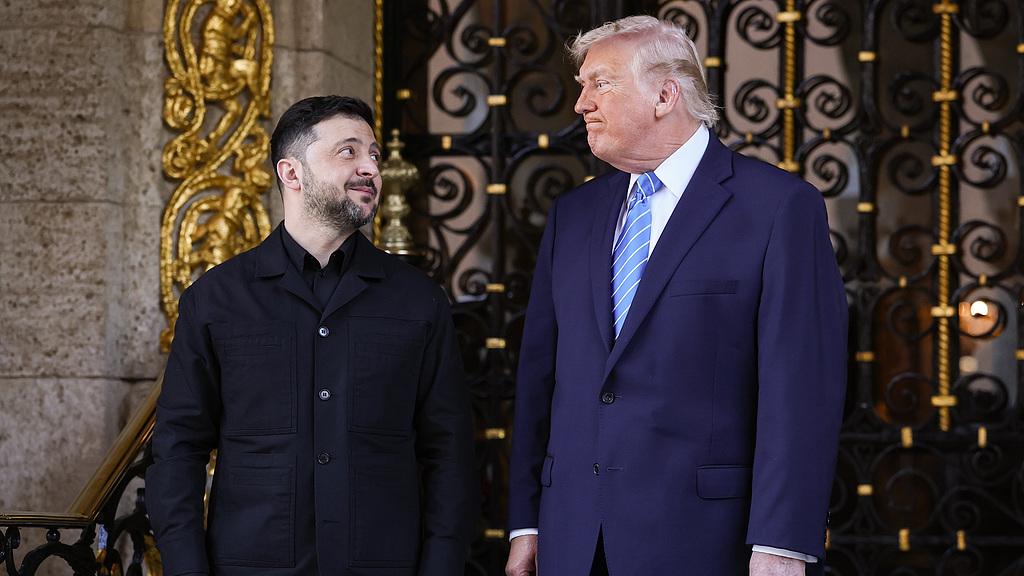
    In a high-stakes diplomatic engagement at his Mar-a-Lago estate in Florida, former US President Donald Trump hosted Ukrainian leader Volodymyr Zelensky for critical negotiations aimed at resolving Europe’s deadliest conflict since World War II. Both leaders emerged from the December 28, 2025 meeting characterizing the discussions as exceptionally productive, though significant hurdles remain before a comprehensive peace agreement can be finalized.

    Trump described the closed-door session as ‘terrific’ during a subsequent press briefing, noting that substantial progress had been achieved despite persistent ‘thorny issues.’ The US leader revealed that the negotiation process has been ongoing for approximately one month, emphasizing that ‘this is not a one-day process deal’ but rather ‘very complicated stuff’ involving multiple stakeholders.

    Zelensky corroborated Trump’s assessment, indicating that approximately 90% of a peace framework had been agreed upon by the negotiating parties. The Ukrainian president highlighted security guarantees as the cornerstone for establishing durable peace, noting that such protections were nearing finalization between Ukraine, the United States, and European partners. ‘We agreed that a security guarantee is the key milestone in achieving lasting peace,’ Zelensky stated, adding that technical teams would continue working on all aspects of the agreement.

    The Mar-a-Lago meeting represented the fifth direct engagement between Trump and Zelensky on US soil, underscoring the continuity of diplomatic efforts regardless of administrative changes in Washington. The US delegation included Secretary of State Marco Rubio and Defense Secretary Pete Hegseth, while Ukraine’s representation featured Economy Minister Oleksii Sobolev among other officials.

    In a revealing prelude to the Florida summit, Trump disclosed that he had held a ‘good and very productive’ telephone conversation with Russian President Vladimir Putin. Kremlin spokesperson Yury Ushakov confirmed the exchange, noting that both leaders shared the perspective that a temporary ceasefire would merely ‘prolong the conflict.’ The Russian administration further urged Ukraine to make prompt decisions regarding the status of the Donbas region without delay.

    Outstanding contentious issues include the disposition of Russian-occupied territories encompassing four key regions and the Crimean Peninsula, alongside the operational status of the Zaporizhzhia nuclear facility. Moscow has consistently demanded that Ukraine abandon its NATO membership aspirations, warning against any deployment of alliance troops on Ukrainian soil.

    The diplomatic movement occurs against the backdrop of competing peace proposals circulating in recent weeks, including a 28-point plan believed to originate from Moscow and a 20-point alternative put forward by Kyiv. Zelensky reinforced Ukraine’s commitment to peaceful resolution through a social media statement preceding the meeting: ‘Ukraine is willing to do whatever it takes to stop this war. We need to be strong at the negotiating table.’

    Significantly, the Ukrainian leader has indicated willingness to withdraw NATO membership applications if equivalent security protections are provided. The United States has recently committed to offering Ukraine security guarantees comparable to those extended to NATO members. When questioned about these assurances, Trump affirmed that ‘there will be a security agreement’ involving substantial European participation.

    The diplomatic tempo accelerated during the holiday period, with Zelensky holding discussions on Christmas Day with US special envoy Steve Witkoff and Trump’s son-in-law Jared Kushner. While characterizing these exchanges as addressing ‘certain substantive details,’ the Ukrainian president cautioned that ‘there is still work to be done on sensitive issues’ and anticipated intensive negotiations in the coming weeks.

    Trump struck an optimistic yet realistic tone regarding conflict resolution, observing that ‘Russia would like to see it end, and Ukraine would like to see it end, and I think it’s time to end.’ The Mar-a-Lago meeting thus represents the latest development in a complex multilateral negotiation process that continues to evolve amid persistent geopolitical challenges.

  • Trump says ‘a lot closer’ to Ukraine peace deal following talks with Zelensky

    Trump says ‘a lot closer’ to Ukraine peace deal following talks with Zelensky

    WASHINGTON — In a significant development toward resolving the prolonged Ukraine conflict, U.S. President Donald Trump declared substantial progress following high-level discussions with Ukrainian President Volodymyr Zelensky at a Florida summit on Sunday.

    At a joint press conference, Trump revealed that diplomatic efforts had advanced remarkably, stating that approximately 95% of peace agreement terms had received consensus from involved parties. The President characterized the remaining challenges as ‘one or two very thorny issues’ requiring further negotiation.

    The bilateral meeting featured expanded diplomatic engagement, with both leaders conducting consultations with European counterparts, including leadership representatives from NATO and the European Union. This multilateral approach signals strengthened international coordination toward conflict resolution.

    Ukrainian President Zelensky corroborated the optimistic assessment, confirming near-complete agreement on security guarantees for Ukraine among the United States, European partners, and his government. ‘We comprehensively examined all aspects of the peace framework,’ Zelensky stated, indicating thorough preparation for potential implementation.

    The diplomatic breakthrough follows extended periods of stalled negotiations and represents the most substantial progress toward peace since the conflict’s inception. Both administrations emphasized continued commitment to resolving outstanding issues through diplomatic channels.

  • Top diplomats of China, Cambodia and Thailand meet as Beijing seeks a stronger role in dispute

    Top diplomats of China, Cambodia and Thailand meet as Beijing seeks a stronger role in dispute

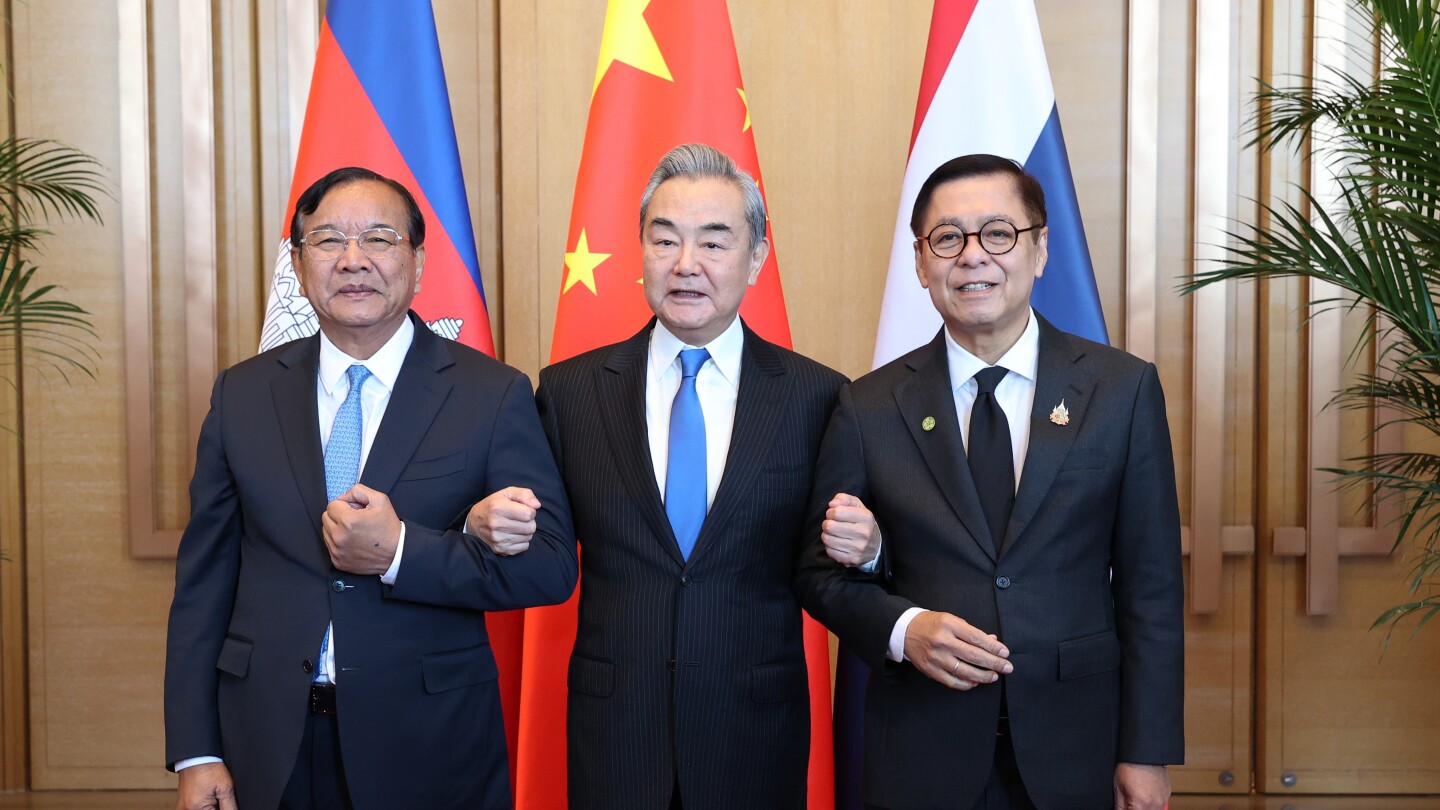
    In a significant diplomatic development, Chinese Foreign Minister Wang Yi hosted his counterparts from Cambodia and Thailand for trilateral talks aimed at consolidating a fragile ceasefire between the Southeast Asian neighbors. The meeting, convened in China’s Yunnan province near the contested border region, represents Beijing’s latest effort to position itself as a regional peace broker.

    The diplomatic gathering followed Saturday’s bilateral ceasefire agreement between Thailand and Cambodia, which concluded weeks of hostilities that resulted in over 100 casualties and the displacement of hundreds of thousands of civilians. Thai Foreign Minister Sihasak Phuangketkeow characterized the discussions as producing ‘progress in the right direction,’ emphasizing the priorities of maintaining the truce and rebuilding mutual trust.

    Strategic significance emerged from the meeting’s location in Yunnan province—approximately 2,500 kilometers southwest of Beijing—demonstrating China’s geographical and diplomatic proximity to Southeast Asian affairs. Minister Wang articulated China’s stance, stating, ‘Allowing the flames of war to be reignited is absolutely not what the people of the two countries want and not what China, as your friend, wants to see.’

    The parties reached consensus on implementing the ceasefire without reversal, restoring diplomatic channels, and gradually normalizing relations. China committed to providing immediate humanitarian assistance to displaced populations while the three nations agreed to enhance cooperation against transnational crimes, including telecommunications fraud and online scams.

    The conflict dynamics reveal complex regional interplay. An initial July ceasefire, brokered by Malaysia under U.S. pressure, collapsed into renewed December hostilities accompanied by propaganda warfare. The current agreement includes provisions for Thailand to repatriate 18 captured Cambodian soldiers after 72 hours of sustained ceasefire and mutual commitments to landmine non-proliferation.

    Cambodian Prime Minister Hun Manet reflected on the asymmetric nature of the conflict, acknowledging that while ‘we can still fight, as a small country we still have nothing to gain from prolonging the fighting.’ The diplomatic movement signals China’s growing influence in mediating regional disputes as it expands its global diplomatic footprint.