分类: politics

  • EAC warns Israel move to recognize Somaliland threatens stability of the Horn of Africa

    EAC warns Israel move to recognize Somaliland threatens stability of the Horn of Africa

    The East African Community (EAC) has issued a stern warning that Israel’s groundbreaking recognition of Somaliland as an independent sovereign state poses significant risks to stability throughout the Horn of Africa. In an official statement released Sunday from its Secretariat headquarters in Arusha, Tanzania, the seven-nation regional bloc firmly rejected Israel’s diplomatic move and reaffirmed its unwavering support for Somalia’s territorial integrity.

    The EAC, comprising Rwanda, Kenya, Tanzania, Uganda, South Sudan, Burundi, and the Democratic Republic of Congo, emphasized its recognition of Somalia as a unified sovereign state within its internationally established borders. The regional organization explicitly urged all parties to respect established international legal frameworks governing state sovereignty and territorial integrity.

    This declaration aligns with the African Union’s consistent position on Somali unity. On Friday, African Union Commission Chairperson Mahmoud Ali Youssouf expressed profound concern regarding recent developments surrounding Somaliland, reiterating the continental body’s unequivocal opposition to any initiatives recognizing the breakaway region’s sovereignty. Youssouf emphasized that Somaliland remains constitutionally part of the Federal Republic of Somalia.

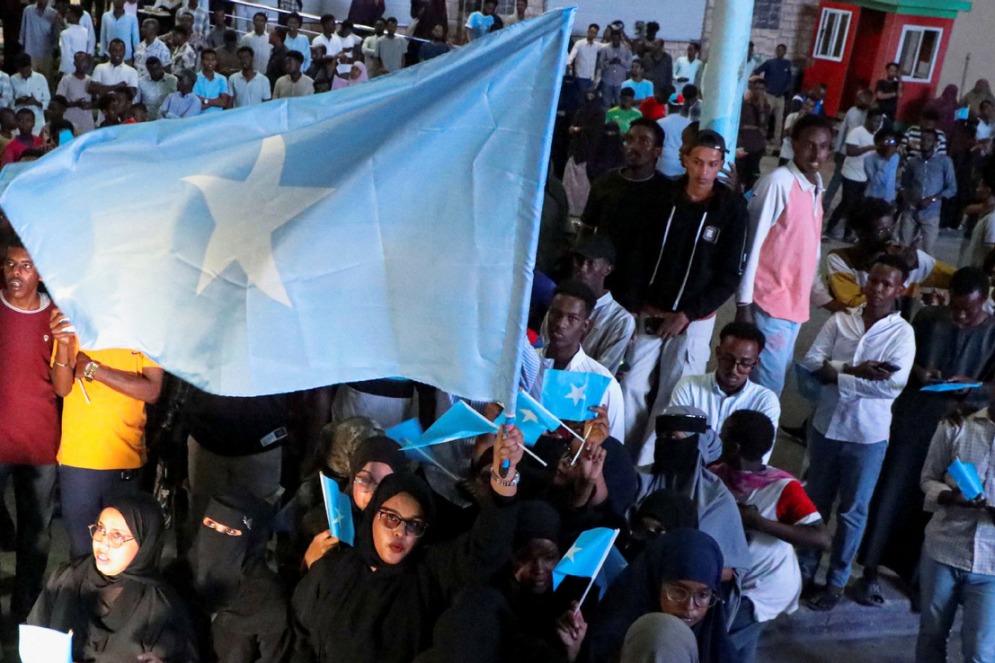
    These diplomatic responses came after Israel’s December 26 announcement that it had formally recognized Somaliland as an independent state—marking the first time any United Nations member nation has granted such recognition to the region that declared independence from Somalia in 1991. The EAC cautioned that such unilateral recognition moves could substantially complicate both political landscapes and security dynamics throughout the volatile region.
  • Trump says the US ‘hit’ a facility along shore where he says alleged drug boats ‘load up’

    Trump says the US ‘hit’ a facility along shore where he says alleged drug boats ‘load up’

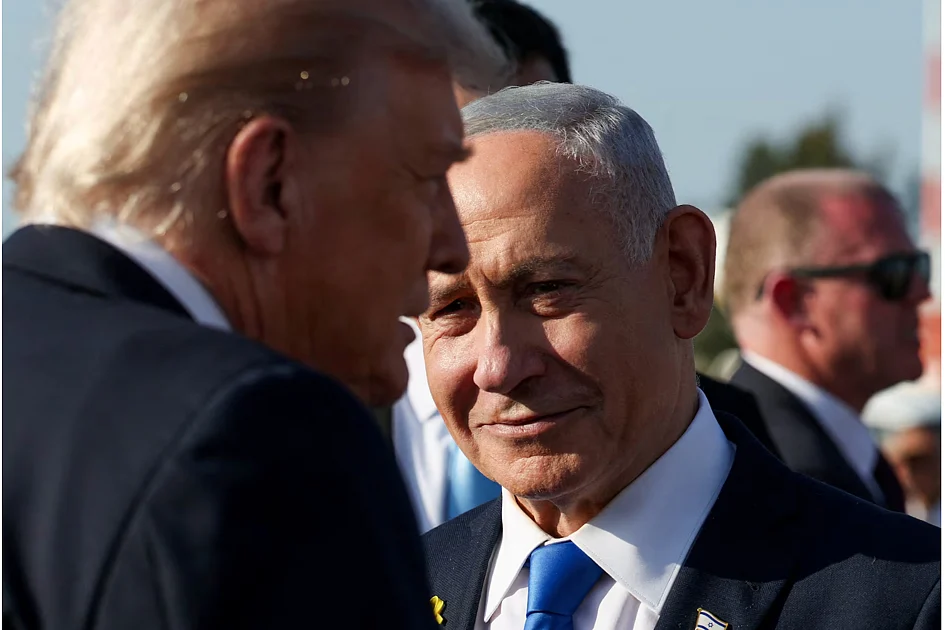
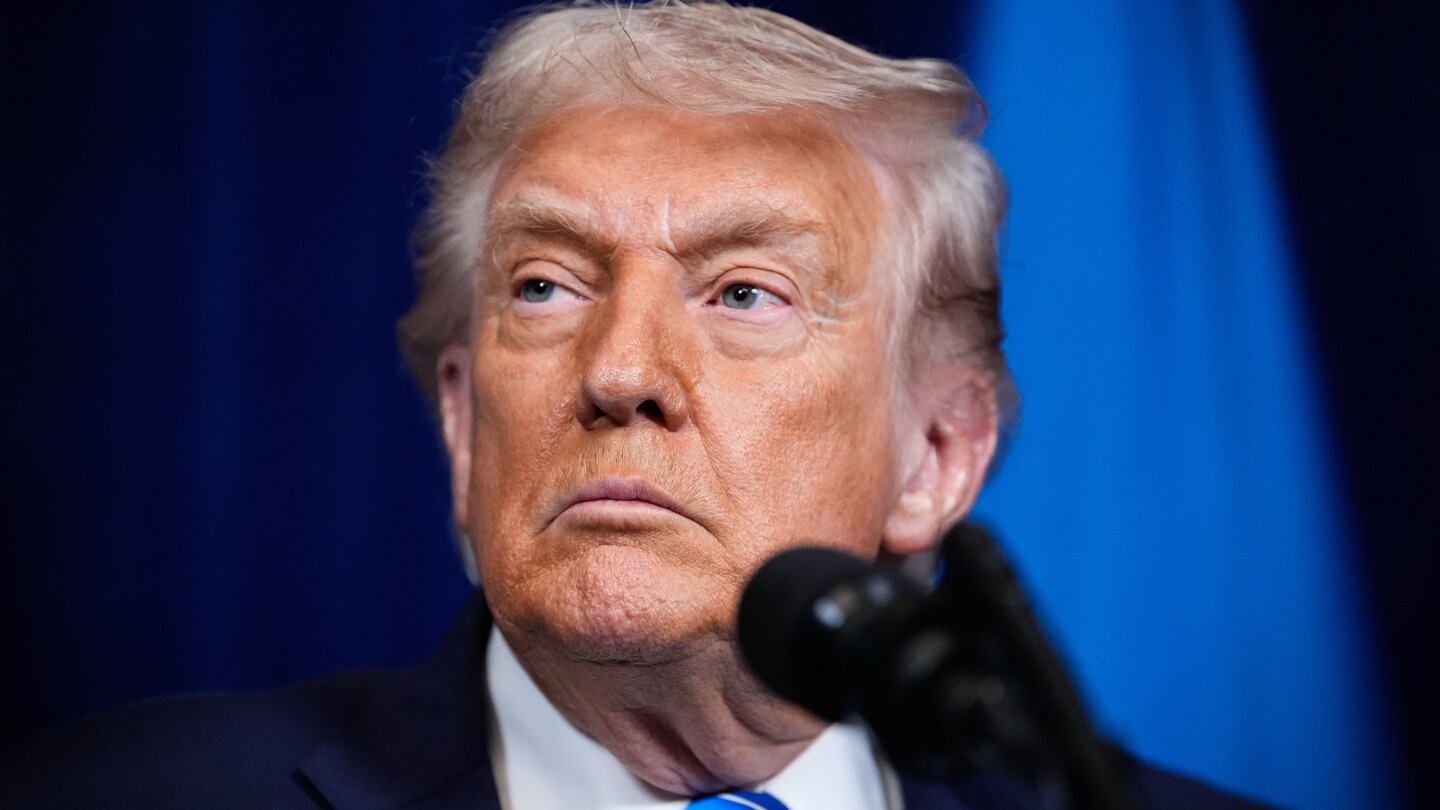
    PALM BEACH, Fla. — President Donald Trump has revealed that United States forces targeted a dock facility along Venezuela’s shoreline as part of an intensified pressure campaign against narcotics trafficking networks. The disclosure came during an exchange with reporters on Monday while meeting with Israeli Prime Minister Benjamin Netanyahu in Florida.

    Trump described the targeted site as a major implementation zone where vessels suspected of transporting illicit drugs were loaded. “There was a major explosion in the dock area where they load the boats up with drugs,” the president stated. “They load the boats up with drugs, so we hit all the boats and now we hit the area.”

    The operation represents a significant escalation in the Trump administration’s anti-narcotics initiative, marking a transition from intercepting vessels in international waters to conducting strikes on coastal infrastructure. This strategic shift aligns with Trump’s repeated warnings about potential land-based operations in South America targeting drug cartels.

    According to administration figures, U.S. forces have conducted at least 30 strikes since early September, resulting in 107 casualties. Just on Monday, the military reported another strike in the eastern Pacific Ocean that killed two individuals aboard a suspected drug-smuggling vessel.

    Despite Trump’s assertions, the administration provided limited operational details. The president declined to specify whether U.S. military or CIA assets executed the dock strike or confirm its precise location within Venezuela. “I know exactly who it was, but I don’t want to say who it was,” Trump remarked during the briefing.

    The Pentagon redirected inquiries to the White House, which had not responded to requests for clarification at the time of reporting. Venezuelan government officials similarly remained silent regarding Trump’s claims.

    This escalation occurs alongside other pressure measures including naval deployments, regional military buildup, and the seizure of oil tankers. Administration officials characterize these actions as part of an “armed conflict” with drug cartels aimed at stemming narcotics flow into the United States.

    Venezuelan President Nicolás Maduro maintains that the true objective behind U.S. operations is regime change. This perspective finds support in recent comments by White House chief of staff Susie Wiles, who told Vanity Fair that Trump intends to continue military actions until Maduro ‘cries uncle.’

  • Ukraine denies drone attack on Putin’s residence

    Ukraine denies drone attack on Putin’s residence

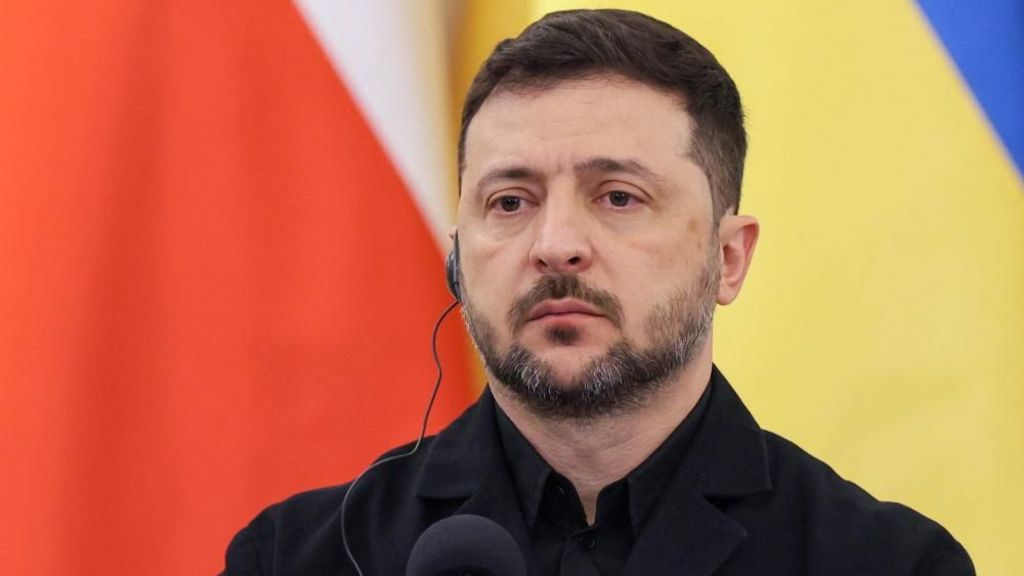
    Ukrainian President Volodymyr Zelensky has categorically refuted Russian allegations that Ukraine targeted one of President Vladimir Putin’s residences with drone strikes. The denial comes after Russian Foreign Minister Sergei Lavrov asserted that Kyiv had deployed 91 long-range unmanned aerial vehicles (UAVs) against Putin’s state residence in the Novgorod region overnight.

    Lavrov stated through official channels that Russian air defense systems successfully intercepted and eliminated all purported drones, resulting in no casualties or structural damage. However, he declared that Russia would reassess its negotiating stance in peace talks, citing what he termed the ‘final degeneration of the criminal Kyiv regime’ into ‘state terrorism.’

    The allegations emerge amidst heightened diplomatic activity, following substantial US-Ukraine discussions in Florida where President Trump and Zelensky advanced revised peace terms. Zelensky characterized the security guarantees offered by the United States—spanning 15 years—as nearly finalized, with Trump indicating approximately 95% completion. Outstanding issues reportedly include territorial disputes and the status of the Russian-occupied Zaporizhzhia nuclear facility, while the Donbas region remains a point of contention.

    Zelensky dismissed Moscow’s claims as ‘typical Russian lies’ designed to justify continued aggression against Ukraine and undermine recent diplomatic progress. He emphasized the critical importance of international vigilance, urging global leaders not to remain silent amid what he described as Russian attempts to sabotage peace efforts.

    The White House confirmed that President Trump subsequently held a ‘positive call’ with Putin, adding complexity to the evolving diplomatic landscape as all parties navigate accusations and counter-accusations.

  • Top political advisor meets Chinese Buddhist delegates

    Top political advisor meets Chinese Buddhist delegates

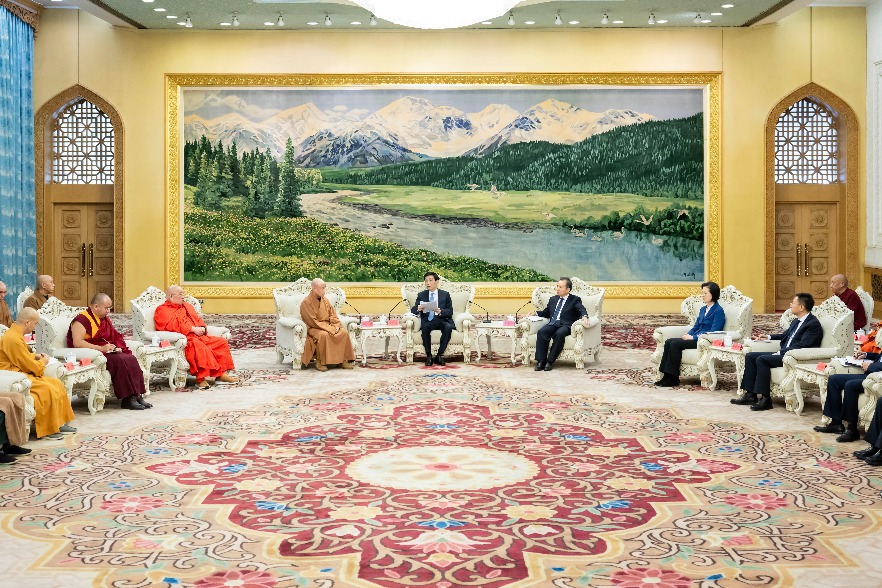
    BEIJING – Wang Huning, Chairman of the Chinese People’s Political Consultative Conference (CPPCC) National Committee, convened with delegates from the Buddhist Association of China during their 11th national congress in Beijing this week. The high-level meeting emphasized the strategic alignment of religious practices with national development objectives.

    As a senior member of the Communist Party of China Central Committee’s Political Bureau Standing Committee, Wang articulated the necessity of implementing the Party’s fundamental religious policies. He called upon Buddhist leaders and adherents to actively contribute to China’s comprehensive modernization initiatives, highlighting the role of religious communities in national progress.

    Wang directed the association to strengthen internal governance through rigorous oversight and enhanced legal awareness. He emphasized the imperative for clerical personnel to maintain strict adherence to both national laws and traditional monastic disciplines, ensuring proper faith practices and conduct.

    The political advisor further encouraged the Buddhist community to develop talent well-versed in both religious teachings and China’s rich cultural heritage. He advocated for expanded international exchanges on Buddhist matters, promoting cultural diplomacy through religious channels.

    The congress itself marked a significant organizational milestone, featuring the adoption of revised constitutional documents and updated religious regulations. Delegates elected a new leadership team to guide the association’s activities in coming years, signaling a fresh chapter for organized Buddhism in China.

  • Southern California newspapers call Trump’s trade policies ‘disaster’

    Southern California newspapers call Trump’s trade policies ‘disaster’

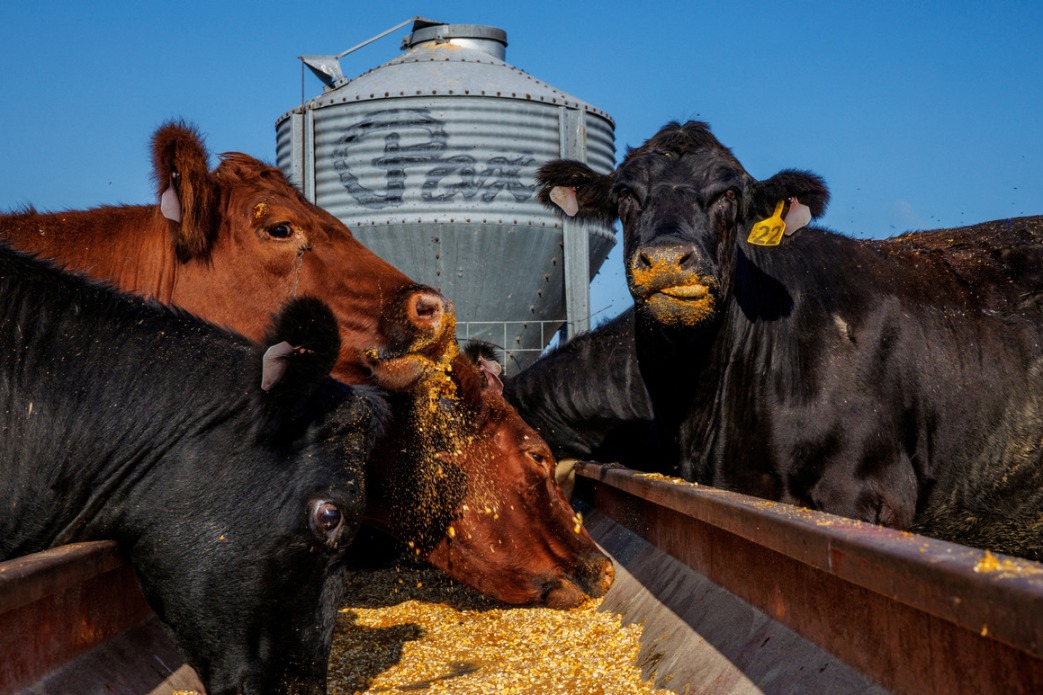
    In a scathing editorial published Sunday, the Southern California News Group (SCNG) characterized former President Donald Trump’s trade policies as economically disastrous, citing his administration’s $12 billion agricultural bailout as evidence of fundamental policy failure.

    The editorial board’s piece, titled “$12 billion payout to farmers is a tariff-based disaster,” presented a rigorous critique of protectionist trade measures, arguing they function as hidden taxes on American consumers. The analysis challenged the rationale behind the substantial financial relief package for farmers, framing it as an admission that tariff wars inevitably harm domestic industries.

    Citing economic expert Jay Shambaugh of the Brookings Institution, the editorial warned that such trade conflicts would inflict multidimensional damage—harming consumers, undermining productive enterprises, slowing economic growth, and weakening international relationships. The piece particularly emphasized how previously stable agricultural exports, especially soybeans and other row crops, faced sudden market disruption due to retaliatory tariffs from trading partners.

    The criticism extended beyond crop growers to agricultural machinery manufacturers, noting that industry giant John Deere anticipated $600 million in losses for 2025 directly attributable to tariff policies. This comprehensive assessment portrayed the bailout as an inadequate solution to problems created by the administration’s own trade strategy.

    The Southern California News Group, representing 11 daily publications across five counties in the greater Los Angeles region, positioned its editorial as a substantive challenge to protectionist economic theory in an era of globalized commerce.

  • Court orders release of prominent Turkish journalist from prison pending appeal

    Court orders release of prominent Turkish journalist from prison pending appeal

    A Turkish appellate court has mandated the provisional release of prominent journalist Fatih Altayli while his appeal against a conviction for allegedly threatening President Recep Tayyip Erdogan undergoes judicial review. The 63-year-old columnist, whose YouTube commentary programs attracted substantial daily viewership, had been incarcerated since June following his sentencing to four years and two months imprisonment last month.

    The regional appeals court justified its decision by citing three primary factors: the absence of flight risk concerns, the complete collection of evidentiary materials, and the duration Altayli had already served in detention. This development was formally reported by Turkey’s state-operated Anadolu Agency.

    The case originated from Altayli’s remarks during his program ‘Fatih Altayli Comments,’ where he analyzed survey results indicating over 70% public opposition to Erdogan’s potential lifetime presidency. The journalist expressed unsurprise at these findings, contextualizing them within historical patterns of Turkish resistance to prolonged authority. He referenced historical precedents where Ottoman sultans faced assassination, strangulation, or suspicious deaths when public favor waned.

    Altayli has consistently maintained that his commentary constituted political analysis rather than personal threats against the president. During his detention, he continued disseminating perspectives through legal correspondence channels before ultimately suspending his program.

    This case occurs against the backdrop of Turkey’s media landscape transformation, where numerous independent journalists have migrated to digital platforms like YouTube as traditional media outlets face increasing government influence or state control. The situation highlights ongoing tensions between press freedom and governmental authority in contemporary Turkey.

  • China-Cambodia-Thailand foreign ministers’ meeting held, press communique issued

    China-Cambodia-Thailand foreign ministers’ meeting held, press communique issued

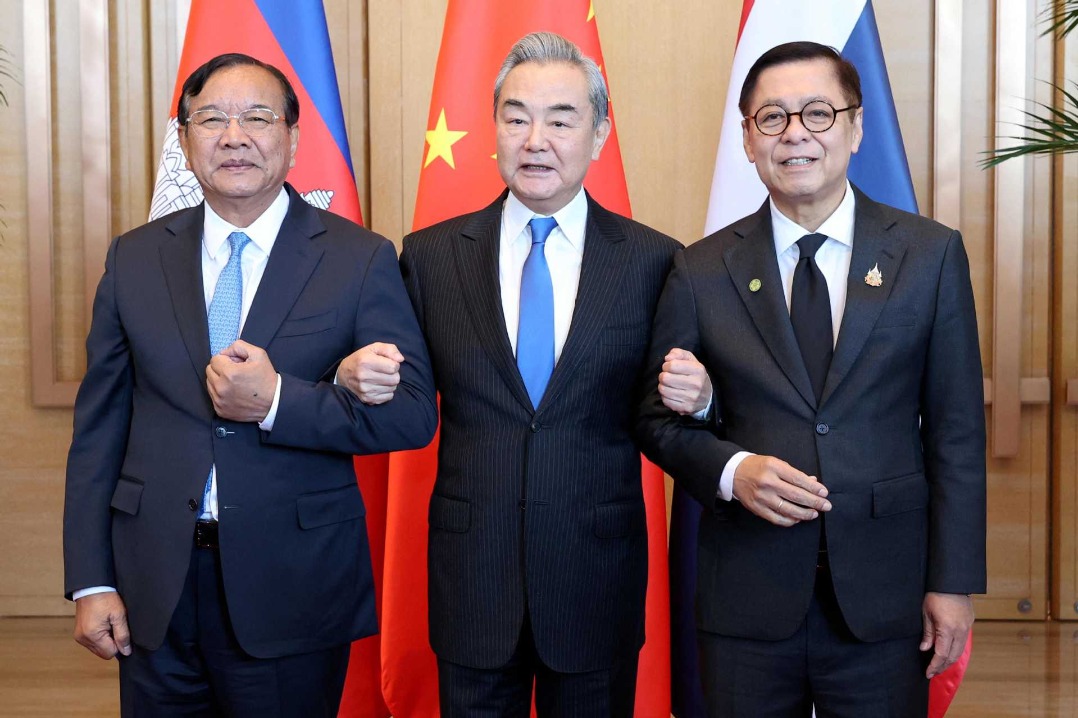
    In a significant diplomatic development, the foreign ministers of China, Cambodia, and Thailand convened in Yuxi, Yunnan province on December 29, 2025, marking a crucial step toward regional stabilization. The trilateral meeting, hosted by Chinese Foreign Minister Wang Yi, resulted in a comprehensive press communique outlining a five-point roadmap for conflict resolution between Cambodia and Thailand.

    The joint communique establishes a clear framework for the neighboring nations to enhance communication channels, deepen mutual understanding, and systematically consolidate the current ceasefire arrangement. The agreement specifically addresses the gradual restoration of bilateral exchanges, the rebuilding of political trust, and ultimately achieving a fundamental turnaround in diplomatic relations.

    This diplomatic breakthrough follows the recent signing of a joint ceasefire statement between Cambodia and Thailand, with both nations’ delegations meeting in China’s Yunnan province from December 28-29 at Wang Yi’s invitation. The successful mediation effort underscores China’s growing role as a regional peace broker and demonstrates Beijing’s commitment to fostering stability in Southeast Asia.

    The meeting in Yuxi represents a concrete implementation of China’s broader foreign policy approach that emphasizes dialogue and consultation in resolving international disputes. The participation of all three foreign ministers at this high-level gathering signals strong political commitment to the peace process from each government involved.

  • Trump, Netanyahu to discuss second phase of Gaza truce plan

    Trump, Netanyahu to discuss second phase of Gaza truce plan

    Israeli Prime Minister Benjamin Netanyahu and U.S. President Donald Trump are scheduled for a high-stakes meeting at the Mar-a-Lago resort in Florida on Monday, December 29th, to address the implementation challenges of the second phase of the Gaza ceasefire agreement. This diplomatic engagement occurs amid growing White House concerns that both Israeli and Hamas authorities are deliberately delaying progress.

    The Trump administration is reportedly preparing to announce by January the establishment of a technocratic Palestinian government to oversee Gaza, accompanied by an international stabilization force. This initiative aims to create transitional governance structures while ensuring regional security. Israeli government spokeswoman Shosh Bedrosian confirmed that discussions would focus on Hamas disarmament and Gaza demilitarization requirements.

    Netanyahu’s agenda extends beyond Gaza, with plans to address Iran’s nuclear program and regional influence. The Israeli leader intends to advocate for increased U.S. military strikes against Tehran’s nuclear facilities, highlighting concerns about Iran’s accelerated nuclear reconstitution since June’s joint strikes.

    This meeting concludes several days of intensive diplomacy in Palm Beach, following Trump’s Sunday discussions with Ukrainian President Volodymyr Zelensky regarding Russia’s ongoing invasion. The Gaza ceasefire remains one of the Trump administration’s significant first-year accomplishments, though implementation has encountered substantial obstacles.

    According to Middle East expert Yossi Mekelberg of Chatham House, ‘There are increasing indications of American administration frustration with Netanyahu. The fundamental question remains what actionable measures will be taken, as the second phase currently shows minimal progress.’

    The initial truce phase successfully secured the release of nearly all hostages from Hamas’s October 2023 attack, while the subsequent stage requires Israeli troop withdrawals from Gaza positions and Hamas’s complete disarmament—a persistent negotiation hurdle. Concurrently, plans advance for an interim governance authority and international security deployment.

    Political analysts suggest Netanyahu’s emphasis on Iran may represent a strategic diversion from Gaza challenges as Israel approaches election season, with Mekelberg noting ‘all decisions connect to maintaining political power.’

  • PLA drills around Taiwan a necessary response, expert says

    PLA drills around Taiwan a necessary response, expert says

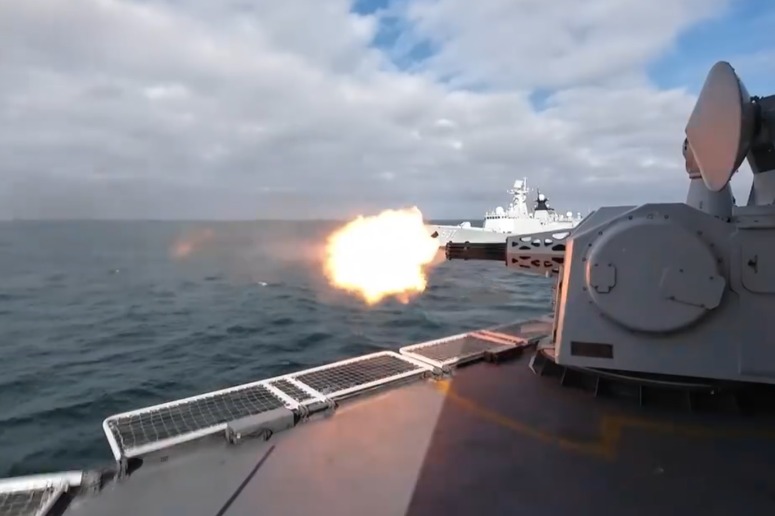
    In a significant escalation of regional tensions, the People’s Liberation Army has initiated comprehensive military exercises surrounding Taiwan, which Chinese military experts characterize as an essential countermeasure to recent US-Taiwan defense collaborations. The drills come as a direct response to Washington’s unprecedented approval of over $11.1 billion in advanced weaponry to Taiwan, marking the largest arms package in the history of US-Taiwan relations.

    Fu Zhengnan, a prominent researcher at the PLA’s Academy of Military Science, emphasized that the latest American arms transfer represents a substantial escalation in both scale and strategic nature. The package notably shifts from previous defensive systems to explicitly offensive capabilities, fundamentally altering the regional security landscape.

    This development, according to Fu, constitutes a severe violation of the foundational principles established in the three China-US joint communiques, particularly the August 17 Communique. The inclusion of integrated systems such as the Taiwan Tactical Network and Team Awareness Kit effectively transforms Taiwan’s regional forces into an extension of the US combat infrastructure, dramatically increasing the potential for direct confrontation between major powers.

    Despite repeated diplomatic warnings from Beijing, the continued US-Taiwan military collaboration has compelled China to undertake these necessary and lawful defensive measures. Fu underscored that protecting national sovereignty and territorial integrity represents the unanimous will of China’s 1.4 billion citizens, including patriotic compatriots in Taiwan.

    The military scholar concluded with a stark warning to separatist elements, stating that regardless of external support, acquired weaponry, or political disguises, the pursuit of Taiwan independence remains fundamentally doomed to failure.

  • Nepal’s former rapper to run for PM months after Gen Z protests against corruption

    Nepal’s former rapper to run for PM months after Gen Z protests against corruption

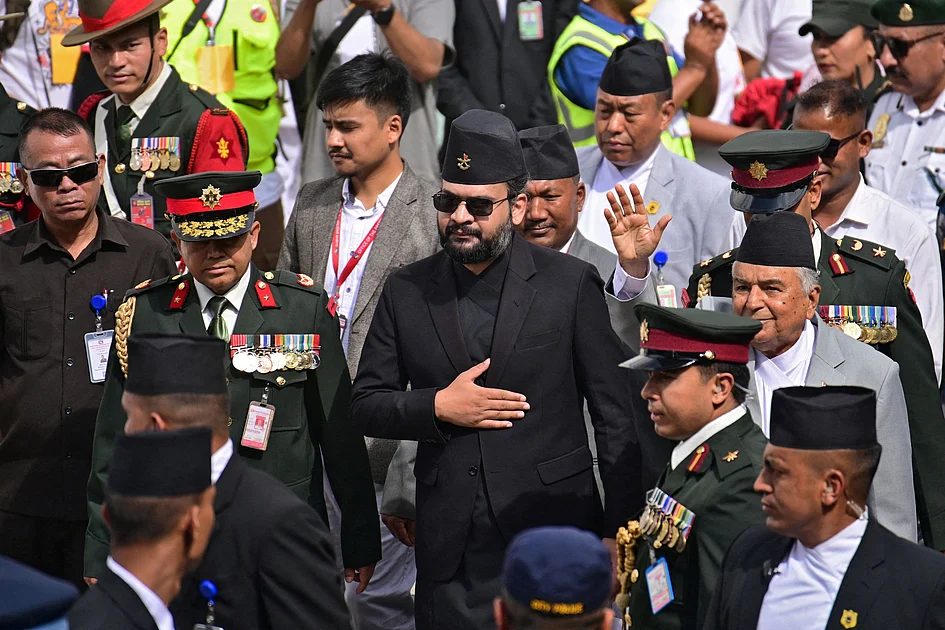
    In a dramatic shift within Nepal’s political landscape, two prominent youth-oriented figures have formed a strategic alliance that threatens to disrupt the country’s established political order. Balendra Shah, the 35-year-old rapper-turned-Mayor of Kathmandu popularly known as Balen, has officially joined the Rastriya Swatantra Party (RSP), led by former television host Rabi Lamichhane.

    The partnership, announced Sunday, positions Balen as the prime ministerial candidate should the RSP secure victory in the upcoming March 5 parliamentary elections, while Lamichhane will maintain his role as party chairman. This development comes just months after widespread youth-led protests against systemic corruption resulted in 77 fatalities and ultimately forced Prime Minister K.P. Sharma Oli to resign in September.

    Political analysts view this alliance as a calculated maneuver that capitalizes on the growing discontent among Nepal’s younger generation. ‘This represents an exceptionally astute strategic move by the RSP to incorporate Balen and his substantial youth following into their political framework,’ noted analyst Bipin Adhikari. ‘Traditional political parties are experiencing significant anxiety about losing their young voter base to the RSP.’

    The election commission reports that approximately 19 million of Nepal’s 30 million citizens are eligible to participate in the March elections, with nearly one million new voters—predominantly youth—added to the rolls following the recent protests. Balen emerged as an unofficial leader during the September demonstrations and subsequently played a role in establishing the interim government under former Chief Justice Sushila Karki to supervise the electoral process.

    This new political force now presents a substantial challenge to the Communist Party of Nepal (Unified Marxist-Leninist) and the centrist Nepali Congress party, which have dominated the Himalayan nation’s governance for most of the past three decades.