分类: politics

  • A tense calm holds on Venezuela a day after Maduro was deposed by US

    A tense calm holds on Venezuela a day after Maduro was deposed by US

    CARACAS, Venezuela — An atmosphere of apprehensive stillness enveloped Venezuela on Sunday, marking the aftermath of a dramatic U.S.-led military intervention that resulted in the capture and removal of President Nicolás Maduro from power. The capital city, typically a hub of activity, presented an eerie tableau of deserted streets and shuttered businesses, as the nation collectively held its breath regarding its political future.

    In a stark contrast to the previous day’s frantic scenes of citizens stockpiling essentials, the urban landscape of Caracas remained largely motionless. Major thoroughfares, usually vibrant with runners and cyclists, stood empty. The presidential palace, now a symbol of the seismic power shift, was secured by a combination of military personnel and armed civilian supporters.

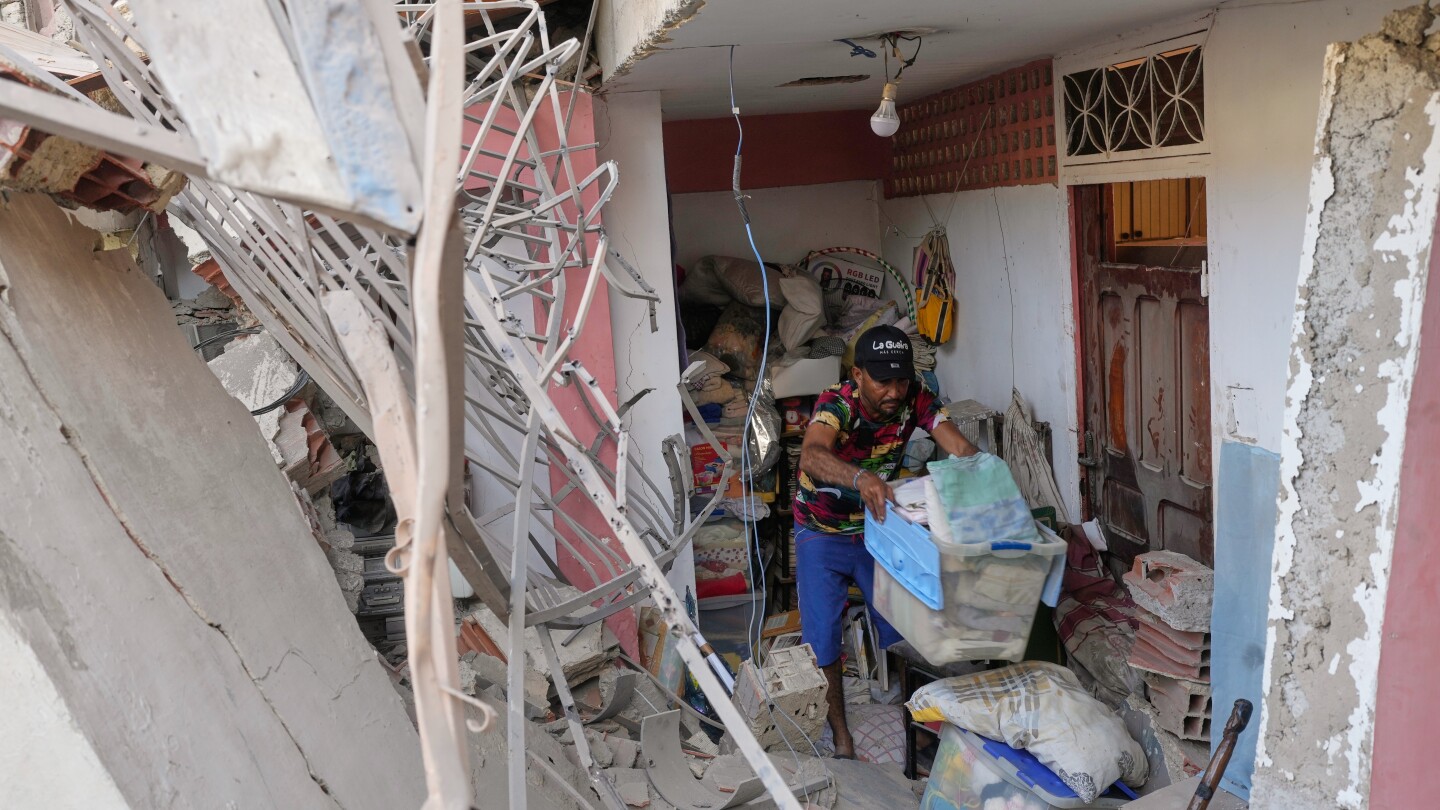
    Beyond the capital, in La Guira state, residents navigated the physical wreckage of the operation, clearing debris from homes damaged during the explosions that accompanied Maduro’s apprehension. The structural damage to some buildings revealed gaping holes in walls, serving as tangible evidence of the preceding day’s violent events.

    The political vacuum created by Maduro’s unexpected ousting has generated widespread uncertainty across the nation. President Donald Trump’s declaration that the United States would collaborate with Maduro’s former Vice President Delcy Rodríguez to ‘run’ Venezuela has done little to clarify the country’s immediate trajectory.

    This pervasive uncertainty manifested in the subdued behavior of citizens. In eastern Caracas’ low-income neighborhoods, such as where construction worker Daniel Medalla gathered with fellow parishioners, even religious services were canceled. Medalla, 66, suggested that the deserted streets reflected not concern about additional military action, but rather fear of potential government retaliation against any public displays of celebration, a apprehension rooted in memories of last year’s election crackdowns. ‘We were longing for it,’ Medalla confessed regarding Maduro’s removal, capturing the conflicted sentiments of many Venezuelans who desire change but fear its costs.
  • Starmer ready for closer alignment with the EU ‘in the national interest’

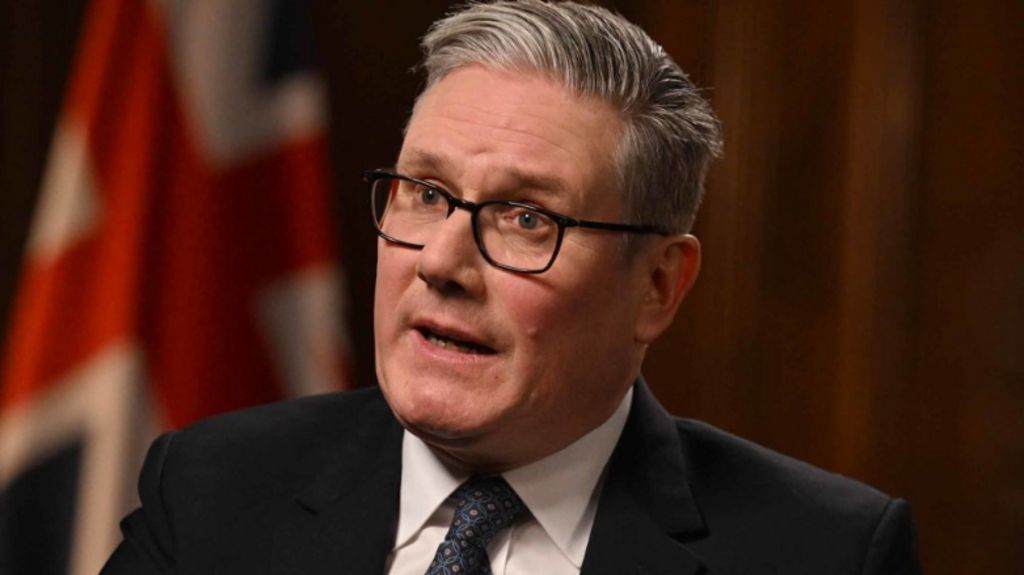
    Starmer ready for closer alignment with the EU ‘in the national interest’

    In a significant policy declaration, UK Prime Minister Sir Keir Starmer has articulated his vision for enhanced economic cooperation with European Union markets, provided such moves serve Britain’s national interests. During an interview with BBC’s Laura Kuenssberg, Starmer emphasized that future alignment should prioritize the single market framework over the customs union to preserve recently secured trade agreements with India and the United States.

    The Prime Minister carefully distinguished this approach from any reconsideration of fundamental Brexit commitments, explicitly ruling out rejoining the EU single market or customs union, or reinstating freedom of movement principles. His comments represent the most definitive indication to date that the government seeks to cultivate a more integrated relationship with Europe across multiple sectors.

    This strategic repositioning emerges as the UK already synchronizes certain regulatory standards with Brussels in food and agricultural sectors to maintain access to Europe’s vast economic trading zone. Starmer characterized this alignment as a sovereign determination that has yielded what he described as ‘the best relationship with the EU for 10 years.’

    The government maintains its established ‘red lines’ regarding EU relations, as reiterated by Downing Street in December. Starmer’s position responds to mounting pressure from within Labour movement circles advocating for deeper European integration to stimulate economic growth through reduced trade barriers with Britain’s primary market.

    Addressing concerns about ongoing youth mobility scheme negotiations, the Prime Minister clarified that such initiatives would not constitute a return to freedom of movement, though he expressed strong personal support for educational exchange programs like the recently rejoined Erasmus scheme.

    The commentary follows similar sentiments expressed by prominent figures including David Lammy, Deputy Prime Minister, who noted Turkey’s economic growth through its customs union with the EU, and Paul Nowak, the UK’s senior trade unionist, who emphasized the necessity of close EU relations for economic prosperity.

  • Venezuela’s supreme court orders VP Delcy Rodriguez to serve as acting president

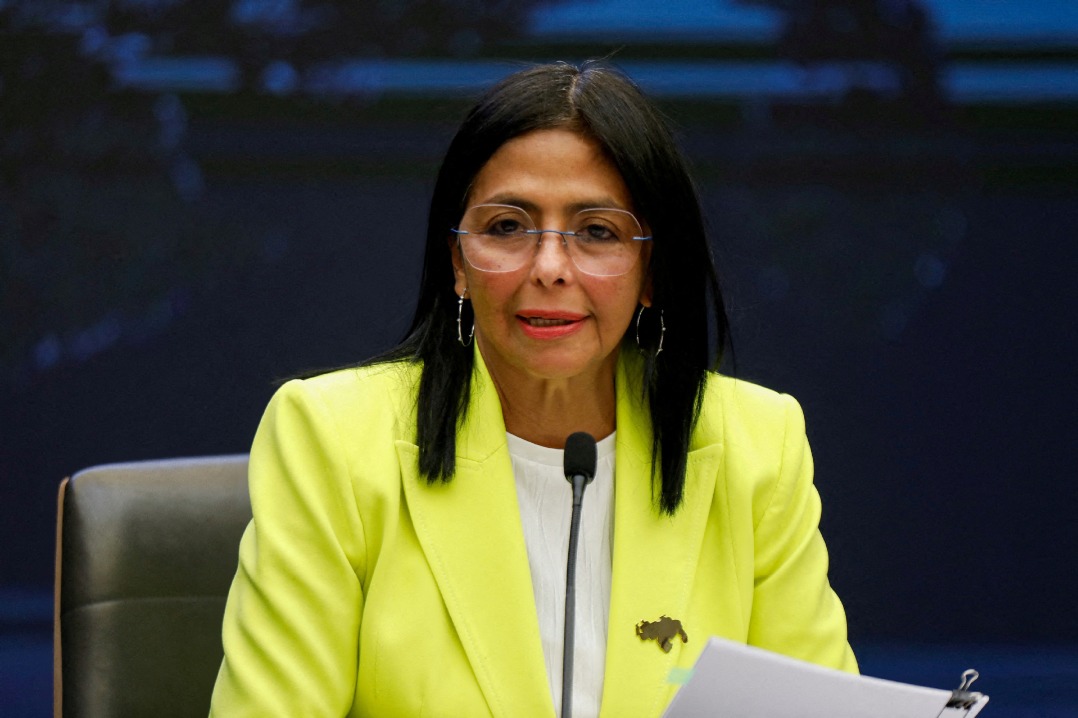
    Venezuela’s supreme court orders VP Delcy Rodriguez to serve as acting president

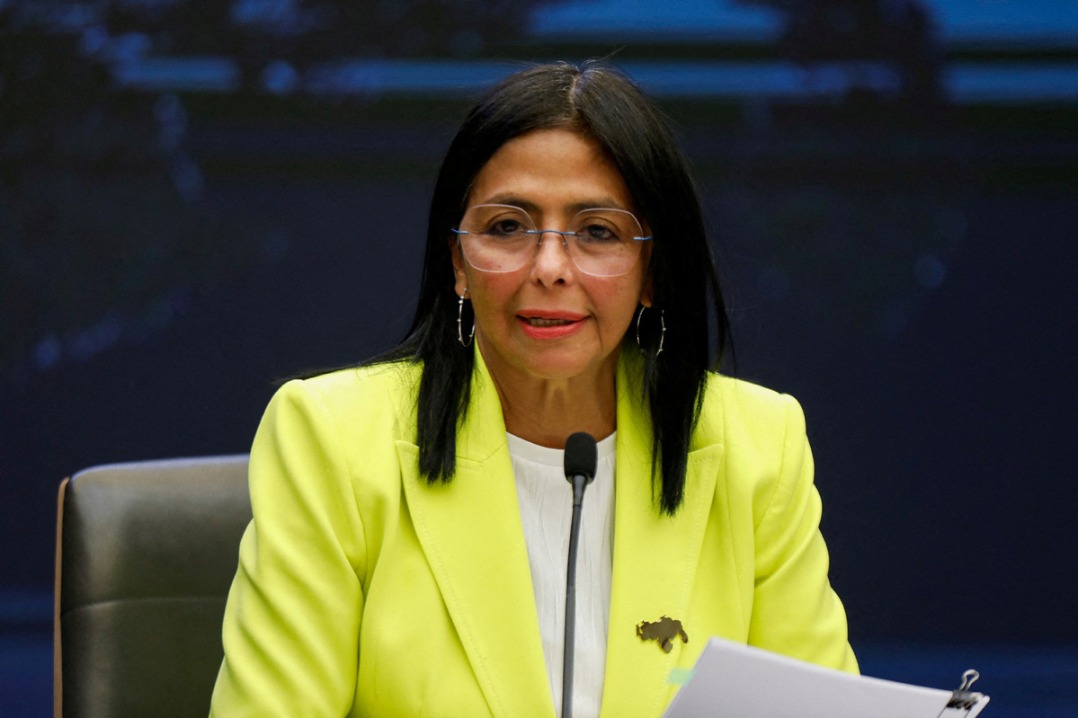
    In a dramatic constitutional response to the capture of President Nicolás Maduro, Venezuela’s Supreme Court of Justice has mandated Vice President Delcy Rodríguez to immediately assume the powers of acting head of state. The judicial order, announced late Saturday by Magistrate Tania D’Amelio through national broadcast networks, represents a significant escalation in the ongoing political crisis.

    The court’s ruling explicitly condemns what it characterizes as an unlawful military incursion by United States forces that resulted in Maduro’s apprehension and subsequent transfer to New York alongside his wife, Cilia Flores. The judicial body declared these actions constitute a flagrant violation of both Venezuelan constitutional law and international statutes, including the United Nations Charter.

    In its strongly-worded decision, the court asserted that the operation appears designed to facilitate foreign appropriation of Venezuela’s strategic natural resources. The judiciary has called for national unity in defending Venezuelan sovereignty while appealing for regional solidarity to preserve stability throughout Latin America and the Caribbean.

    Rodríguez, who concurrently serves as the nation’s Oil Minister, now faces the formidable challenge of leading a government in crisis while navigating complex international tensions. The political transition occurs against the backdrop of widespread international concern regarding the unprecedented cross-border military operation that precipitated this constitutional succession.

  • South Korea holds emergency meeting as North Korea fires ballistic missiles towards sea

    South Korea holds emergency meeting as North Korea fires ballistic missiles towards sea

    South Korea convened an urgent national security council session on Sunday morning following confirmation that North Korea had launched multiple ballistic missiles toward the Sea of Japan. The projectiles were fired from Pyongyang’s vicinity at approximately 7:50 AM local time, marking Pyongyang’s first weapons test in two months.

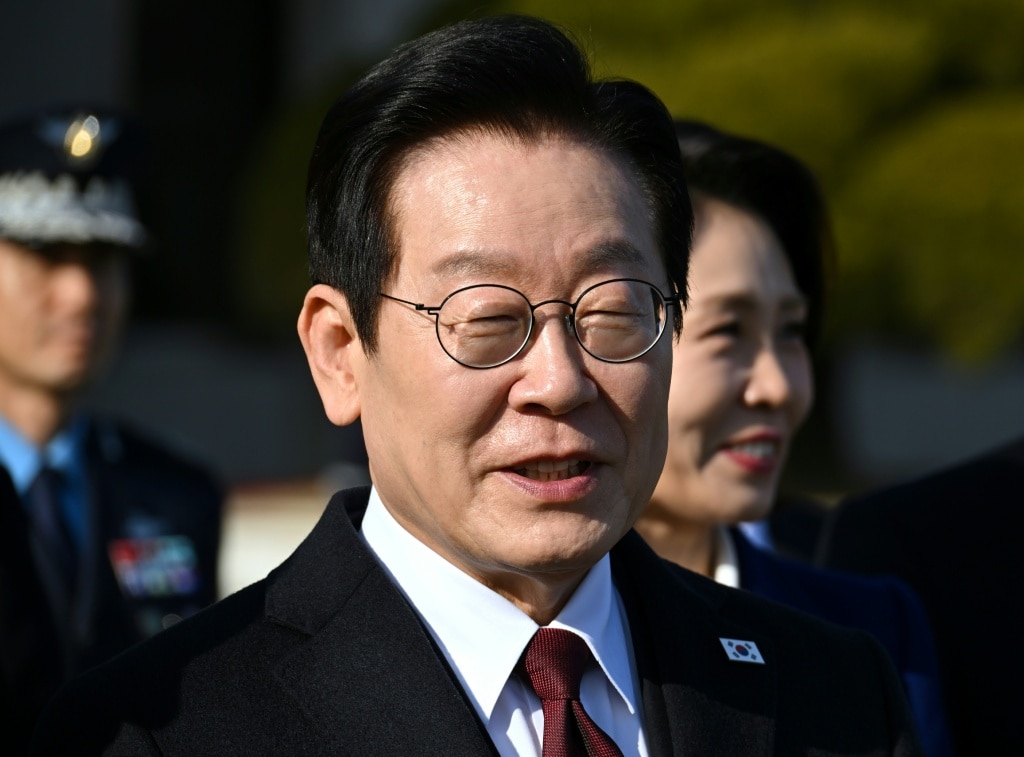
    The strategic timing coincides with South Korean President Lee Jae Myung’s commencement of a state visit to China, where discussions regarding Korean Peninsula stability were slated to dominate the diplomatic agenda. South Korea’s Joint Chiefs of Staff immediately enhanced surveillance protocols and maintained heightened vigilance against potential additional launches, while coordinating intelligence sharing with United States and Japanese counterparts.

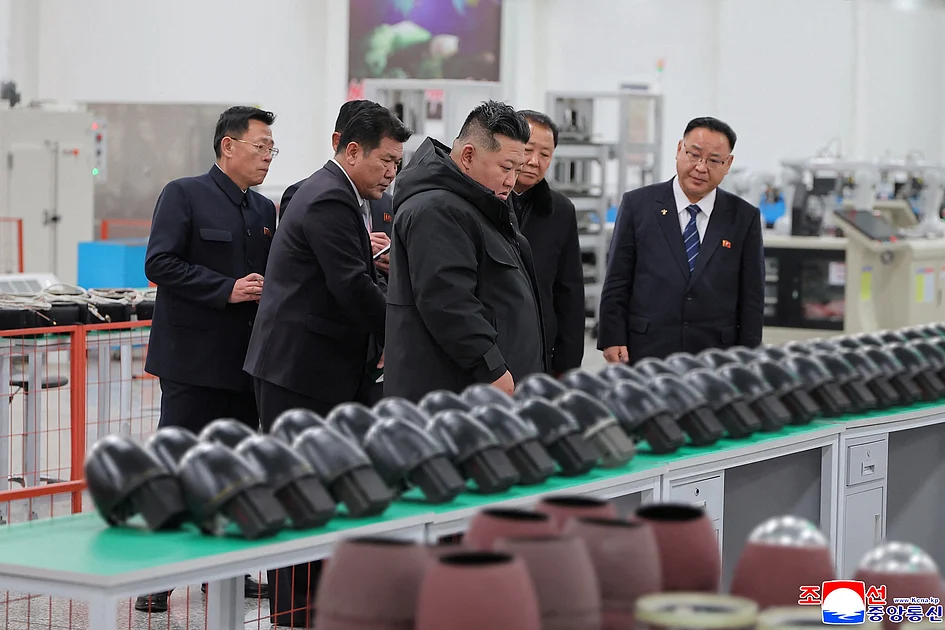
    Japanese defense authorities confirmed the missiles had landed in offshore waters without impacting territorial boundaries. This demonstration of military capability follows North Korean leader Kim Jong Un’s recent directive to dramatically expand tactical weapons production capacity during his Saturday inspection of munitions facilities. Kim has conducted an extensive tour of weapons manufacturing sites and nuclear submarine installations in recent weeks, with all developments strategically timed ahead of the Workers’ Party’s Ninth Party Congress where critical policy objectives will be established.

    The geopolitical implications are particularly significant given President Lee’s concurrent meetings with Chinese President Xi Jinping. Security advisor Wi Sung-lac indicated Seoul’s expectations for Beijing to assume an active role in fostering regional peace, though specific agenda details remained undisclosed. Regional analysts suggest Lee’s diplomatic mission aims to enlist China as intermediary for renewed dialogue with North Korea, despite Pyongyang’s previous dismissals of Seoul’s overtures.

  • North Korea fires ballistic missiles in first test of 2026

    North Korea fires ballistic missiles in first test of 2026

    In a significant escalation of regional military tensions, North Korea launched multiple ballistic missiles from its eastern coast on Sunday morning, marking its first weapons test of 2026. The launch occurred amidst heightened geopolitical sensitivities following recent U.S. military operations in Venezuela and ahead of crucial diplomatic meetings in the region.

    According to South Korea’s Defense Ministry, several projectiles—presumed to be ballistic missiles—were detected originating from areas near Pyongyang at approximately 7:50 am local time (2250 GMT Saturday). The missiles traveled approximately 900 kilometers (559 miles) before landing in waters off the Korean Peninsula’s eastern coastline. South Korean and United States intelligence agencies immediately commenced joint analysis of the missiles’ technical specifications while maintaining maximum defensive readiness.

    The timing of this provocation appears strategically calculated, occurring merely hours before South Korean President Lee Jae Myung’s scheduled departure for Beijing to discuss inter-Korean relations with Chinese President Xi Jinping. Additionally, the test follows closely after U.S. military operations in Venezuela that resulted in the removal of President Nicolas Maduro—an action that North Korean leadership perceives as validating their long-standing fears of American-led regime change operations.

    Pyongyang’s Foreign Ministry issued a formal statement condemning the Venezuela operation as a “serious encroachment of sovereignty” and characterizing it as confirmation of “the rogue and brutal nature of the U.S.” This perspective aligns with North Korea’s historical justification for its nuclear and missile programs as essential deterrents against perceived American aggression.

    Japanese defense authorities confirmed detecting two projectiles reaching altitudes of 50 kilometers with flight distances of 900 and 950 kilometers respectively. Defense Minister Shinjiro Koizumi denounced the development as “absolutely intolerable,” emphasizing that North Korea’s weapons programs threaten regional and international stability.

    Analysts suggest the missile test serves multiple strategic purposes: demonstrating military capabilities amid heightened tensions, testing weapons potentially destined for Russian markets, and signaling resolve ahead of North Korea’s first ruling party congress in five years. Recent reports indicate leader Kim Jong Un has personally overseen the expansion of missile production capabilities, ordering a 250 percent increase in manufacturing capacity during a factory inspection this week.

  • Video shows Maduro’s arrival in US and journey into custody

    Video shows Maduro’s arrival in US and journey into custody

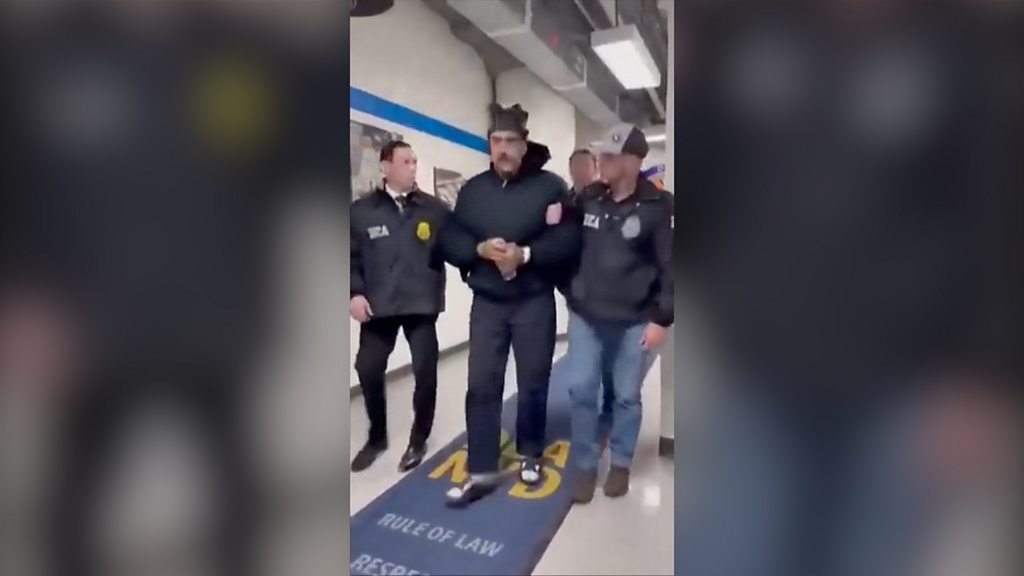
    In an unprecedented geopolitical development, Venezuelan President Nicolás Maduro has been transferred to United States custody following his capture during American military operations this past Saturday. Video documentation has emerged showing Maduro’s arrival on US soil and his subsequent processing by law enforcement authorities in New York.

    The operation represents a significant escalation in the ongoing tensions between Washington and Caracas, which have persisted through multiple administrations. Maduro, who has led Venezuela since 2013, faces numerous charges in US courts, including allegations of drug trafficking, corruption, and human rights violations.

    This extraordinary event marks one of the most dramatic moments in US-Latin American relations in recent decades, with potential ramifications for regional diplomacy, international law, and the principle of sovereign immunity. The transfer of a sitting head of state to another country’s jurisdiction without extradition proceedings establishes a remarkable precedent in international relations.

    Analysts are closely monitoring reactions from Venezuela’s political allies, including Russia, China, and Cuba, who have consistently supported Maduro’s government. The situation continues to develop as legal experts examine the complex jurisdictional questions raised by this unprecedented action.

  • Maduro to be held at detention center in New York

    Maduro to be held at detention center in New York

    In an unprecedented geopolitical development, Venezuelan President Nicolas Maduro and First Lady Cilia Flores have been transported to the Metropolitan Detention Center in Brooklyn, New York, following their capture during a large-scale American military operation in Venezuela. The dramatic events unfolded early Saturday morning, marking one of the most significant international incidents in recent history.

    According to multiple intelligence reports and verified video evidence, the military aircraft transporting the Venezuelan leadership touched down at Stewart Air National Guard Base in Newburgh, New York, approximately at 5:00 PM EST (2200 GMT) on Saturday. The operation represents a dramatic escalation in the ongoing tensions between the United States and the Venezuelan government.

    The United States Department of Justice has unsealed a comprehensive indictment detailing serious charges against President Maduro and several associates. The allegations include narco-terrorism conspiracy, cocaine importation conspiracy, and multiple weapons-related charges involving machine guns and destructive devices. Legal proceedings are scheduled to commence next week in the US District Court for the Southern District of New York.

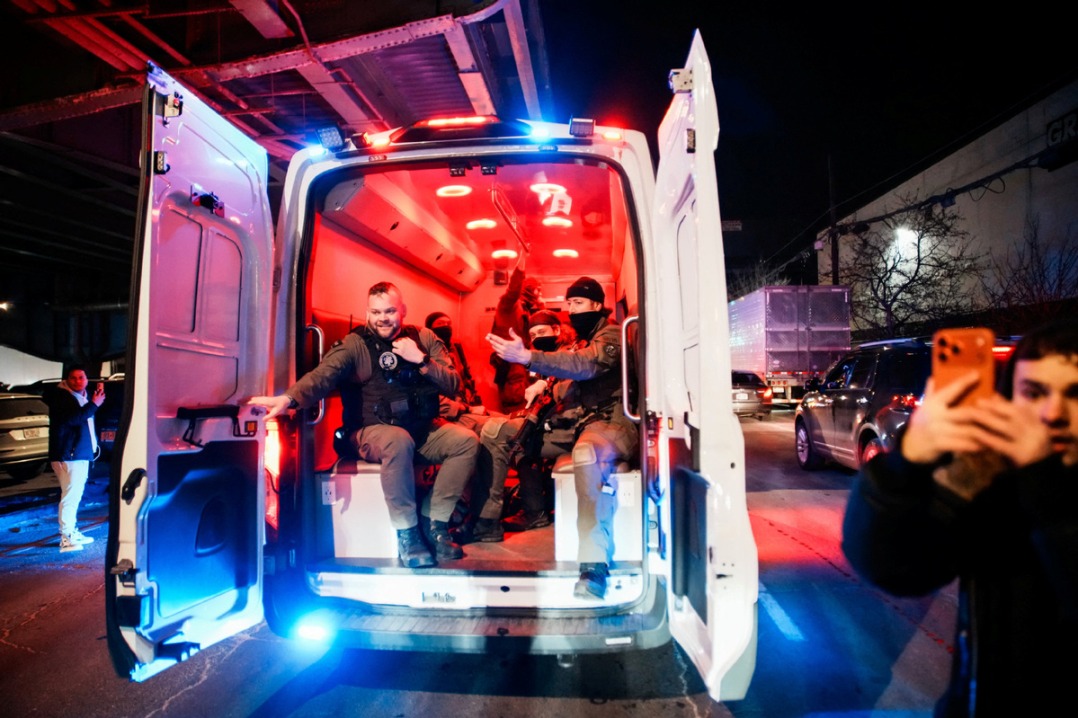
    The extraordinary military action has triggered immediate international backlash and domestic criticism. New York City Mayor Zohran Mamdani revealed he had directly contacted President Donald Trump to express vehement opposition to what he characterized as an unlawful pursuit of regime change that violates both federal and international statutes. Demonstrators gathered outside the Newburgh air base to protest the US intervention in Venezuela.

    Meanwhile, in Caracas, Venezuelan Vice President Delcy Rodriguez convened an emergency session of the National Defense Council, demanding the immediate release of the detained leadership. The session was broadcast nationally on state television, signaling the Venezuelan government’s determination to maintain continuity of governance amid the crisis.

  • People protest in support of Venezuela outside US Embassy in Colombia

    People protest in support of Venezuela outside US Embassy in Colombia

    BOGOTA, COLOMBIA – January 3, 2026, witnessed significant demonstrations outside the United States Embassy in Colombia’s capital, as protesters gathered to express solidarity with Venezuela following a dramatic military escalation. The protests emerged in direct response to early morning operations conducted by US military forces against Venezuelan targets, which reportedly resulted in the capture and extraction of Venezuelan President Nicolas Maduro.

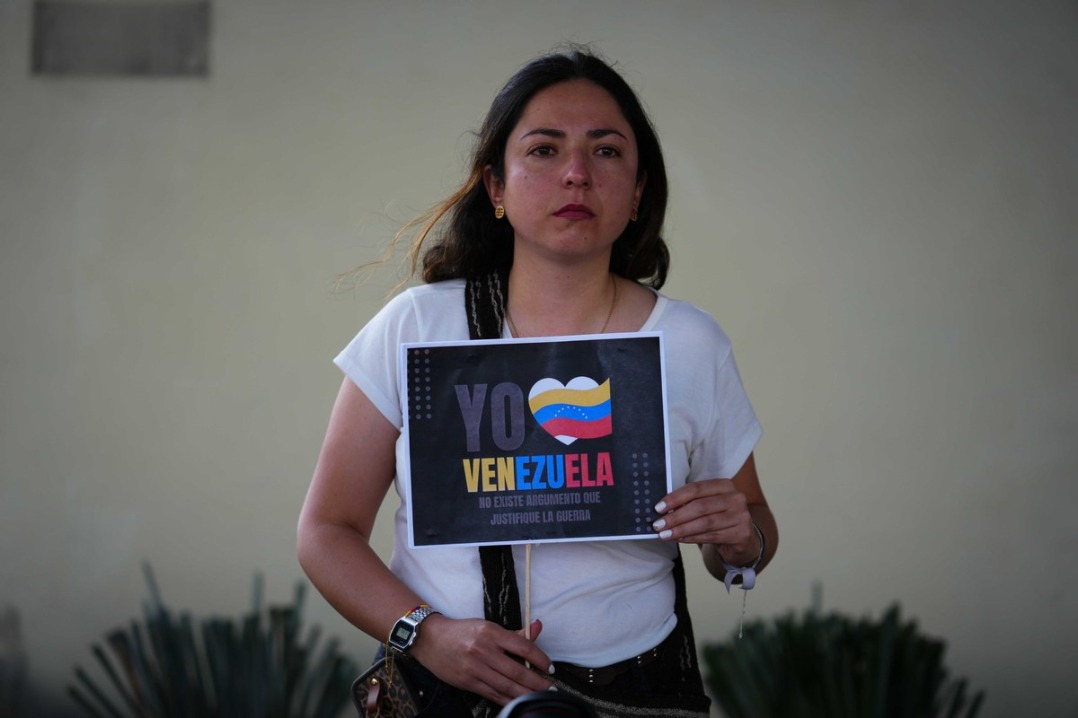
    Demonstrators, carrying signs and Venezuelan flags, congregated in Bogota to condemn what they characterized as an act of international aggression. The gathering reflected deep-seated regional tensions and differing ideological alignments within South America regarding the Venezuelan political crisis. Photographic evidence from the scene captured emotionally charged moments, including a woman holding a placard that articulated the protesters’ demands for sovereignty and non-intervention.

    This development marks a severe intensification of the longstanding political confrontation between the United States and Venezuela, potentially altering the geopolitical landscape of Latin America. The embassy protests underscore how international conflicts can galvanize diaspora communities and sympathetic groups across borders, transforming diplomatic premises into focal points for political expression.

  • ‘I can’t believe it’ – Joy and uncertainty in Florida’s ‘Little Venezuela’

    ‘I can’t believe it’ – Joy and uncertainty in Florida’s ‘Little Venezuela’

    In the predawn hours of Saturday, a seismic shift in Venezuelan politics unfolded as U.S. special forces executed a dramatic operation to capture President Nicolás Maduro from his compound. The event triggered spontaneous celebrations across Miami’s Venezuelan diaspora, particularly in Doral where over 40% of residents claim Venezuelan heritage.

    For Rosana Mateos, a Florida resident since 2012, the news realized years of recurring dreams about Maduro’s downfall. “My husband woke me saying they caught Maduro. I couldn’t believe it,” she recounted, describing the emotional moment she learned of the development many Venezuelan exiles had long anticipated.

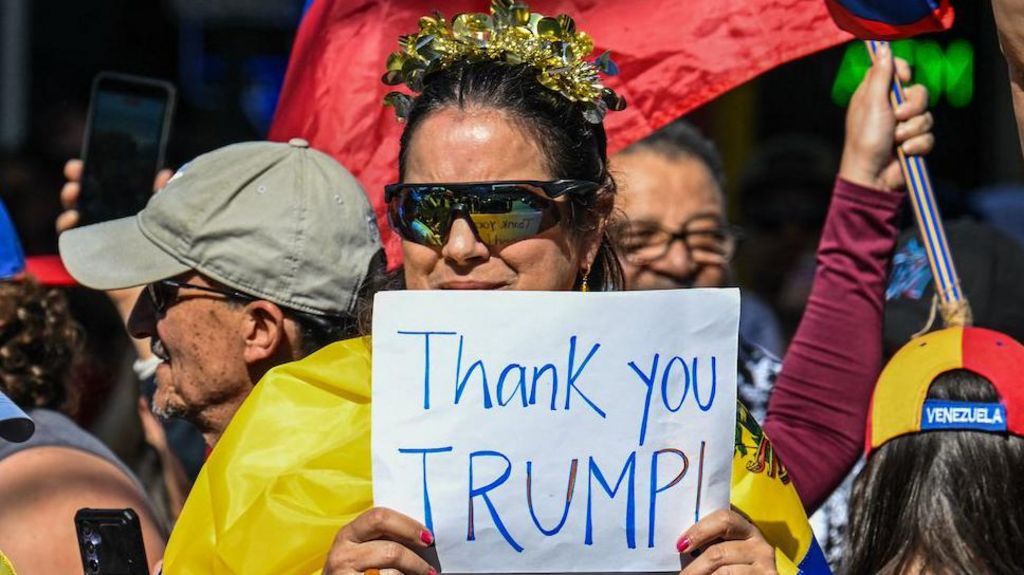
    The epicenter of celebrations emerged at El Arepazo restaurant, where hundreds gathered by noon with flags, music, and car horns creating a festival atmosphere. Bryan Marquez, who emigrated just two years ago from Tachira state, struggled to articulate his emotions: “We suffered under them. It was humiliating. That’s why so many of us left.”

    Many attendees credited U.S. President Donald Trump for enabling their longed-for political change. “It’s an indescribable feeling,” Marquez added. “He’s really helped us… I don’t know what to say, except thank you.”

    Yet beneath the celebrations simmered uncertainties about Venezuela’s political future. Trump’s press conference remarks created confusion, particularly his statement that the U.S. “is going to run Venezuela through a team that’s working with the people,” and his dismissal of opposition leader María Corina Machado’s governing capabilities.

    Mateos expressed strong objections to any continued involvement of Maduro regime figures: “We do not accept a government of Delcy Rodriguez, or anyone that was part of the Maduro regime. They are dirty and corrupt.”

    Some analysts within the community suggested Trump might need to maintain temporary oversight. “Donald Trump will have to do it for now,” commented marketing professional Elkin, who predicted the U.S. president would “move Venezuela towards a more inclusive transition.”

    The events marked both a culmination of exile aspirations and the beginning of new political uncertainties for Venezuela’s future.

  • Venezuela’s top court orders VP Delcy Rodriguez to be acting president: media

    Venezuela’s top court orders VP Delcy Rodriguez to be acting president: media

    In a significant political development, Venezuela’s Supreme Court has officially designated Vice President Delcy Rodríguez as the nation’s acting president. This judicial directive comes amid heightened political tensions and follows recent military actions by foreign powers in the South American country.

    The appointment, reported by multiple media outlets on January 4, 2026, represents a constitutional response to the extraordinary circumstances facing the Venezuelan government. Rodríguez, who previously served as Venezuela’s vice president, now assumes the highest office temporarily through judicial mandate rather than electoral process.

    This transition occurs against the backdrop of captured former president Nicolás Maduro, whose detention resulted from recent international military operations targeting Venezuela’s leadership. The Supreme Court’s intervention demonstrates the continuing functioning of Venezuela’s judicial institutions despite external pressures and internal political challenges.

    Rodríguez’s ascension to acting president marks a critical juncture in Venezuela’s ongoing political crisis, which has drawn international attention and involved multiple foreign governments. The judicial order provides constitutional continuity while the nation navigates complex geopolitical tensions and domestic uncertainty.

    The development follows statements from Rodríguez herself, who previously affirmed Maduro as ‘the only president’ of Venezuela, indicating the complex political calculations underlying this judicial appointment. International observers are closely monitoring how this transition will affect regional stability and diplomatic relations.