分类: politics

  • US intervention in Venezuela could test Trump’s ability to hold GOP together in an election year

    US intervention in Venezuela could test Trump’s ability to hold GOP together in an election year

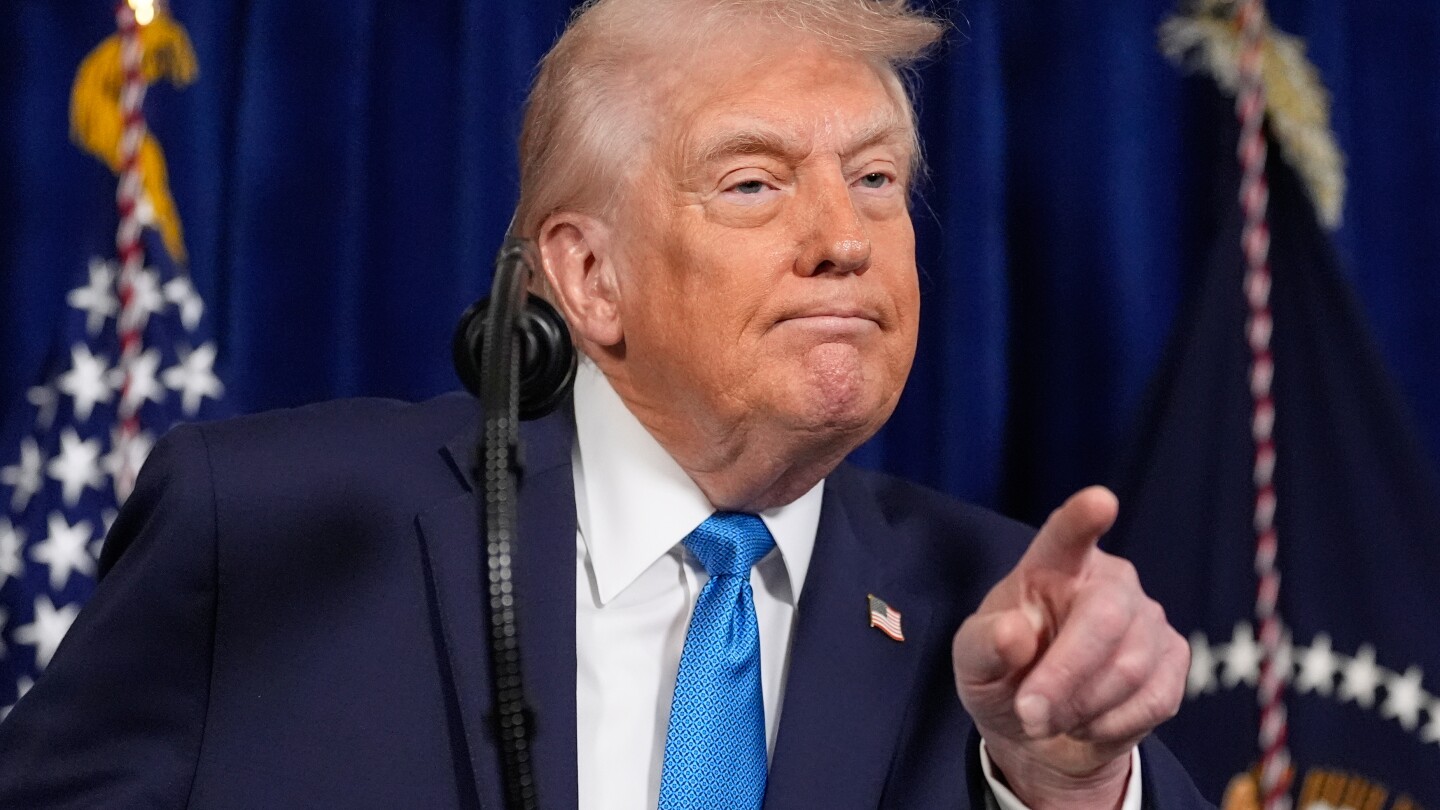
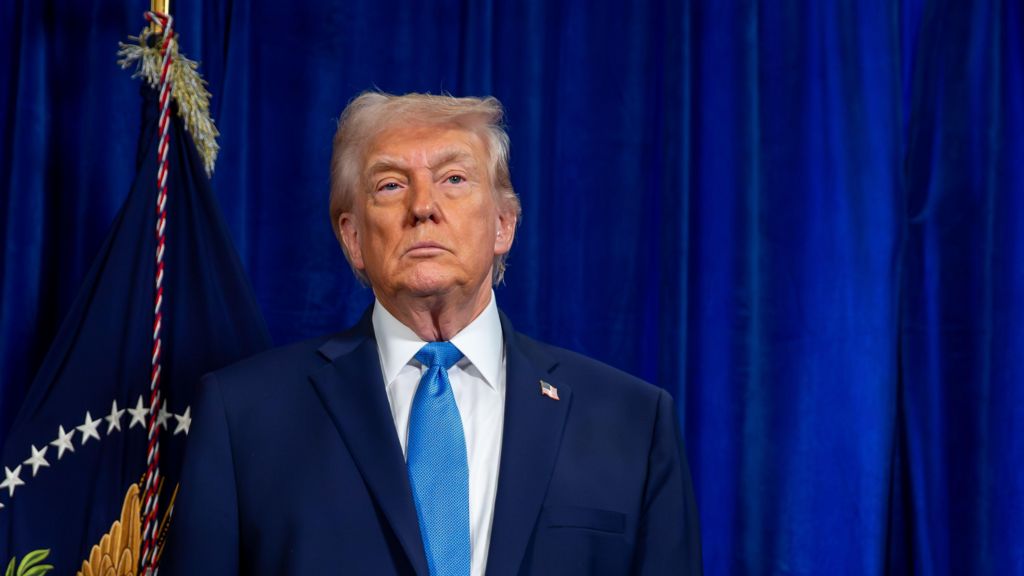
    WASHINGTON — President Donald Trump’s military operation in Venezuela has emerged as a critical test of his capacity to maintain cohesion within an increasingly restive Republican coalition during a challenging election cycle. Although most party members initially rallied behind the administration following the audacious capture of Venezuelan leader Nicolás Maduro, discernible fractures have begun to surface across the GOP spectrum.

    The president’s remarks regarding potential U.S. management of Venezuela have triggered particular concern among lawmakers, appearing to contradict the “America First” doctrine that has fundamentally defined Trump’s political identity. Representative Marjorie Taylor Greene (R-Ga.), a former Trump ally, expressed sharp criticism on NBC’s “Meet the Press,” characterizing the intervention as part of a “Washington playbook that serves big corporations, banks, and oil executives rather than American citizens.”

    These reservations extend beyond the party’s far-right faction. Moderate Representative Brian Fitzpatrick (R-Pa.), facing a competitive reelection battle, emphasized that “the only country the United States of America should be ‘running’ is the United States of America.”

    The Venezuela operation highlights delicate political dynamics as Republicans confront the possibility of losing congressional control in November. While Trump remains the dominant force within the GOP, his previously unassailable influence has encountered unusual resistance in recent months regarding various issues including the Jeffrey Epstein files and affordability concerns.

    This intervention strikes at the core of Trump’s political brand, which has consistently emphasized avoiding foreign entanglements that divert attention from domestic priorities. The president’s recent declaration that he is “not afraid of boots on the ground” and his framing of the Venezuela mission as essential for American security mark a significant evolution from his previous critiques of the Iraq War as a “big, fat mistake.”

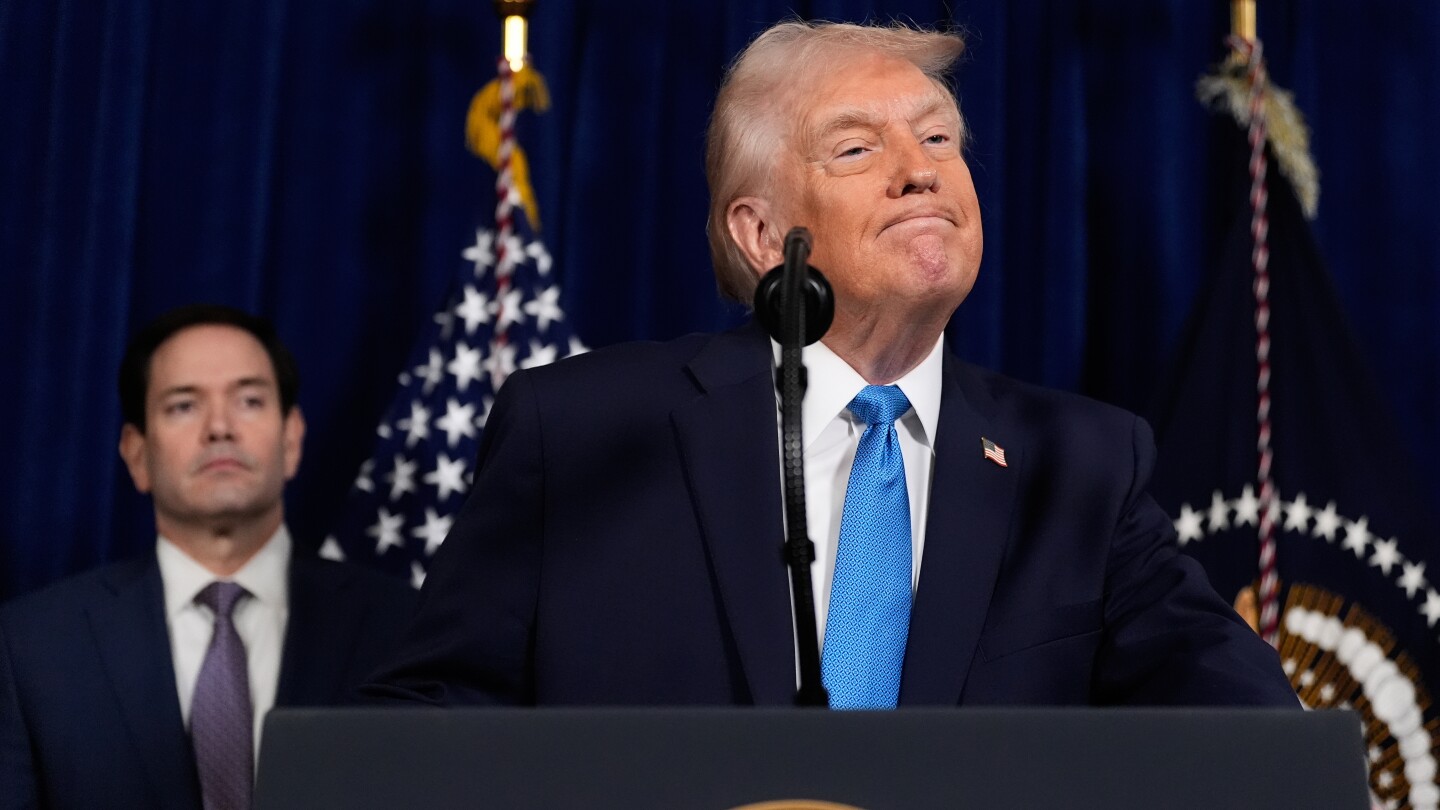
    Secretary of State Marco Rubio attempted to moderate expectations by suggesting a more limited U.S. role, specifically denying Washington would handle day-to-day governance while enforcing existing oil sanctions.

    Despite these concerns, no organized opposition to Trump’s Venezuela policy has materialized within Republican ranks. Lawmakers including Senators Susan Collins (R-Maine), Rand Paul (R-Ky.), and Mitch McConnell (R-Ky.) have offered measured support while advocating for congressional oversight and expressing cautious optimism regarding the operation’s eventual outcome.
  • Former senior provincial political advisor of Hubei expelled from CPC, public office

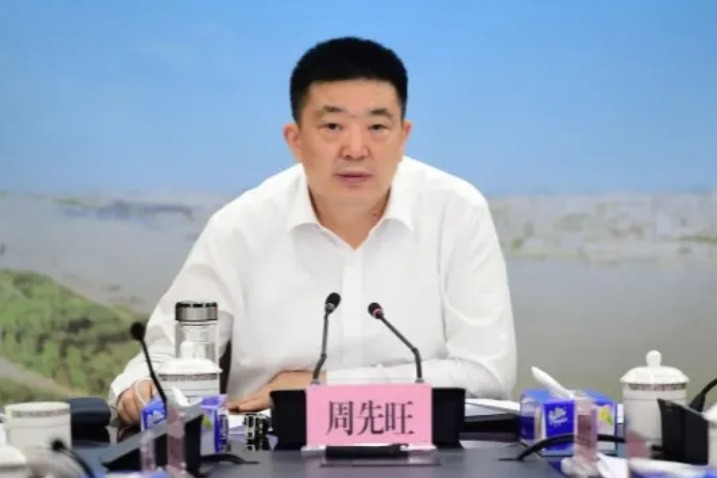
    Former senior provincial political advisor of Hubei expelled from CPC, public office

    In a significant move against corruption, Chinese authorities have announced the expulsion of Zhou Xianwang, a former high-ranking political advisor from Hubei province, from both the Communist Party of China and public office. The decision follows an extensive investigation into serious disciplinary and legal violations conducted by China’s top anti-graft bodies.

    Zhou previously served as a key member of the leading Party members group within Hubei’s provincial committee of the Chinese People’s Political Consultative Conference (CPPCC) and held the position of vice chairperson. The investigation, authorized by the CPC Central Committee and executed by the Central Commission for Discipline Inspection (CCDI) and the National Commission of Supervision (NCS), uncovered multiple breaches of Party regulations.

    The comprehensive probe revealed that Zhou had committed severe infractions against political and organizational discipline, in addition to violating standards of integrity in both professional and personal conduct. The official statement indicated that Zhou engaged in serious job-related misconduct and is suspected of accepting bribes, constituting criminal offenses under Chinese law.

    In accordance with established Party protocols and legal statutes, authorities have determined to strip Zhou of his Party membership and governmental position. The ruling includes confiscation of all illicit assets acquired through his unlawful activities and refers his case to judicial authorities for criminal prosecution. This development represents another milestone in China’s ongoing campaign against corruption within its political system.

  • US says ready to work with new Venezuelan authorities

    US says ready to work with new Venezuelan authorities

    In the wake of a dramatic military operation that resulted in the capture of Venezuelan President Nicolas Maduro, the United States has moved to clarify its strategic objectives in the Latin American nation. Secretary of State Marco Rubio stated on Sunday that the Trump administration is prepared to work with the existing Venezuelan leadership under acting President Delcy Rodriguez, contingent upon their adherence to U.S. demands, signaling a more nuanced approach than initial statements suggested.

    The operation, which unfolded on Saturday, involved U.S. commandos supported by aerial and naval assets conducting a precision raid in Caracas. Maduro was subsequently transported to New York, where he is detained awaiting a court hearing on narcotrafficking charges. Video footage released by the White House showed the deposed leader in custody, handcuffed and offering a casual ‘Good night, happy new year’ in English.

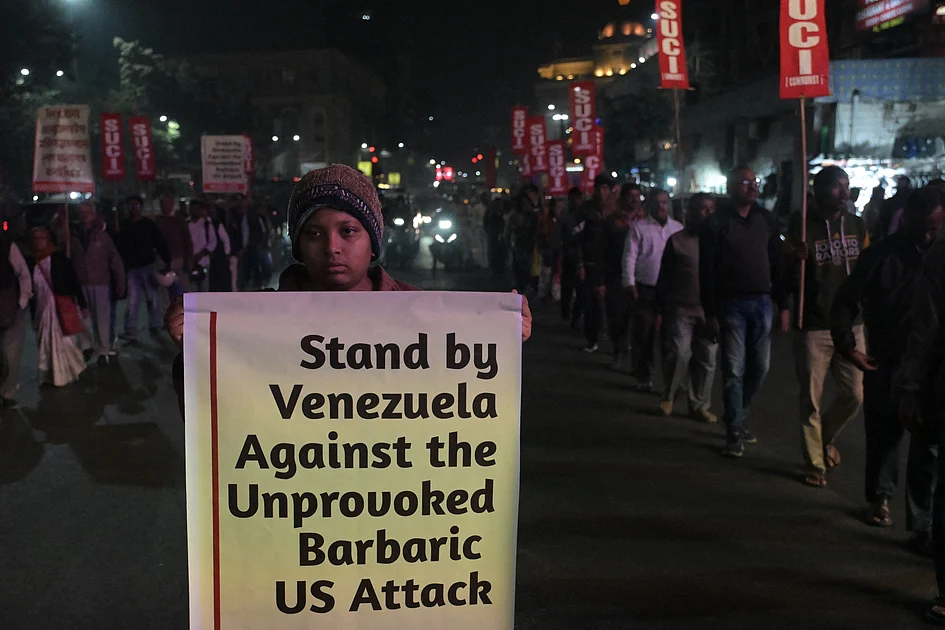
    Despite the successful extraction, the mission has sparked both domestic and international scrutiny. While exiled Venezuelans celebrated in global plazas from Madrid to Santiago, Democratic leaders in Congress questioned the operation’s legality. Senate leader Chuck Schumer expressed that Americans were left ‘scratching their heads in wonderment and in fear,’ and House Representative Hakeem Jeffries characterized the raid as an act of war requiring congressional authorization.

    The administration’s broader motivations appear centered on Venezuela’s massive crude reserves—the world’s largest proven oil deposits. President Trump has vowed substantial U.S. investments to revitalize the crippled industry, which has suffered under international sanctions and chronic underinvestment. Secretary Rubio emphasized that future development would likely involve Western companies rather than Russian or Chinese interests, provided appropriate guarantees are established.

    Meanwhile, Caracas has remained unexpectedly calm, with residents queuing for groceries and police presence diminished. The Venezuelan military has recognized Rodriguez’s interim leadership and urged a return to normalcy. The U.S. has maintained pressure through an ongoing oil export embargo enforced by Navy ships in the Caribbean, which Rubio described as providing ‘tremendous leverage’ in shaping Venezuela’s political and economic future.

  • US strike on Venezuela sets ‘troubling precedent’, say UAE experts

    US strike on Venezuela sets ‘troubling precedent’, say UAE experts

    Political analysts from the United Arab Emirates have characterized the United States’ military operation resulting in the capture of Venezuelan President Nicolás Maduro as establishing a profoundly ‘troubling precedent’ that degrades the established framework of international law. The action, confirmed by US President Donald Trump via a post on Truth Social, involved large-scale strikes on Venezuelan territory and culminated in the detention of Maduro and his wife, who were subsequently transported to a New York detention facility to face drug and weapons charges.

    This dramatic escalation follows months of heightened tensions between the two nations, during which President Trump repeatedly advocated for regime change in Venezuela and issued an ultimatum in November for Maduro to relinquish power. Experts assert that while the US has a history of unilateral military interventions, directly targeting and extracting a sitting head of state from a sovereign nation marks an unprecedented evolution in foreign policy.

    Jesse Marks, CEO of Rihla Research & Advisory LLC, condemned the maneuver as a descent into ‘mafia-style politics,’ ushering in a ‘new era of Godfather-style foreign policy.’ He emphasized that the operation was conducted without congressional approval, a UN Security Council mandate, or any recognized legal framework, thereby constituting a ‘persistent degradation of international law.’

    Emirati columnist Eisa Eisa Abdalla AlZarooni noted the strategic use of language by the Trump administration, which framed the operation not as a conventional intervention but as a ‘national security’ and judicial action by linking the Venezuelan leadership to organized crime. This narrative, AlZarooni argues, is a tactical tool to justify the use of military force outside a UN mandate, effectively redefining sovereignty not as a guaranteed right but as a state’s ability to protect itself—a shift he labeled ‘dangerous’ for the global order.

    The aftermath presents significant challenges. Dr. Paulo Botta of TRENDS Research & Advisory drew parallels to the 1990 capture of Panamanian leader Manuel Noriega, suggesting the impact will resonate most profoundly on the rules of the international system itself, where ‘pure realism reigns supreme.’ Internally, Venezuela faces a critical power vacuum concerning control over its armed forces, intelligence services, and financial flows. Kristian Alexander of Rabdan Academy warned that ensuing chaos could empower drug traffickers and criminal elements to expand their influence, exploiting a lack of governance. Alexander concluded that regardless of its branding as law enforcement, the forceful capture of a sitting leader to oversee governance constitutes de facto regime change.

  • People rally against US attacks in Caracas, Venezuela

    People rally against US attacks in Caracas, Venezuela

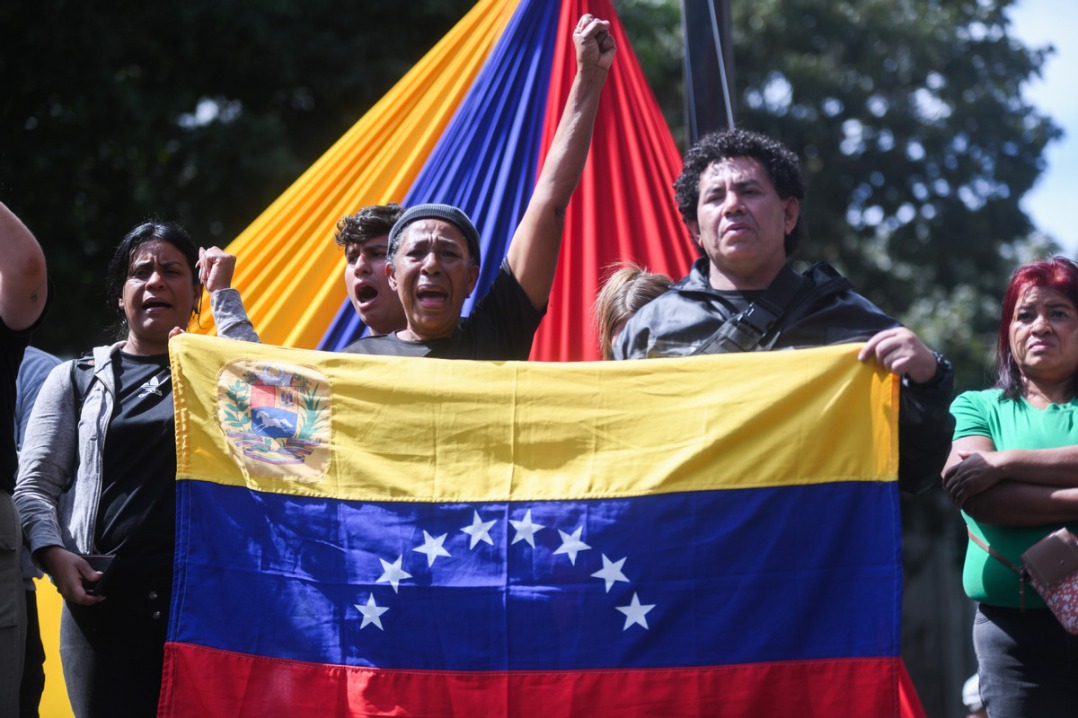
    Thousands of Venezuelan citizens converged near the Miraflores Palace in Caracas on Saturday, January 3rd, 2026, in a massive demonstration against unprecedented military operations conducted by United States forces. The protests erupted following confirmed reports that American troops had launched coordinated strikes against Venezuelan targets in the early hours of the morning, resulting in the capture and extradition of the nation’s sitting president, Nicolás Maduro.

    Eyewitness accounts describe a sea of Venezuelan flags and anti-American banners flooding the streets surrounding the presidential residence as demonstrators voiced their outrage at what many are calling a blatant violation of international sovereignty. The spontaneous gathering represents one of the largest public mobilizations in recent Venezuelan history, with participants from diverse political backgrounds uniting in their condemnation of foreign military intervention.

    Security forces maintained a visible presence throughout the demonstrations, which remained largely peaceful despite heightened tensions. The Venezuelan military has been placed on highest alert following the early morning attacks, with acting leadership declaring a state of national emergency and vowing to pursue all diplomatic and legal avenues to address what they term ‘an act of international aggression.’

    International reactions have been swift and divided, with several Latin American governments expressing alarm at the unilateral action while others have reserved judgment pending further investigation. The United Nations Security Council is expected to convene an emergency session to address the escalating crisis, which marks one of the most significant direct military interventions in the Western Hemisphere in decades.

    The capture and removal of President Maduro represents an unprecedented escalation in the long-standing political standoff between Washington and Caracas, raising serious questions about international law norms regarding sovereignty and the use of military force against elected governments, regardless of their political orientation.

  • ‘May God protect him’: UAE President congratulates Dubai Ruler on 20 years of leadership

    ‘May God protect him’: UAE President congratulates Dubai Ruler on 20 years of leadership

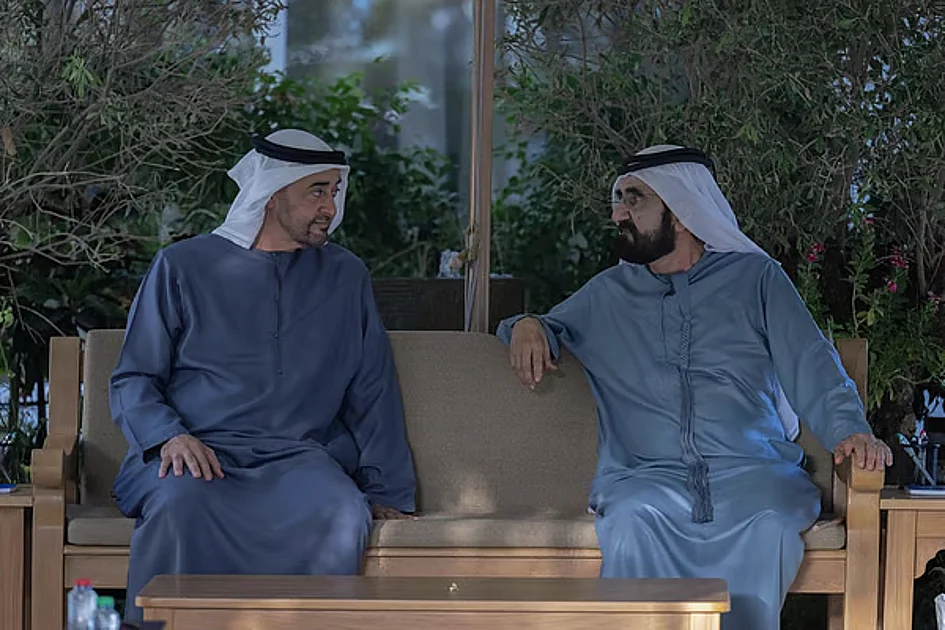
    The United Arab Emirates witnessed a remarkable display of national unity as the nation’s leadership collectively honored Dubai’s Ruler, Sheikh Mohammed bin Rashid Al Maktoum, for his two decades of transformative governance. On January 4, 2026, UAE President Sheikh Mohamed Bin Zayed initiated the tributes with a heartfelt public message recognizing his counterpart’s “inspiring record of achievements and future-focused vision.”

    The presidential commendation highlighted how Sheikh Mohammed’s leadership has “continue[d] to advance the UAE’s growth” across multiple sectors. This sentiment was echoed throughout the highest echelons of Emirati leadership, creating a powerful narrative of collaborative nation-building.

    Sheikh Hamdan bin Mohammed bin Rashid Al Maktoum, Dubai’s Crown Prince, offered a deeply personal tribute to his father, emphasizing the human dimension of this leadership journey. “Thank you, Mohammed bin Rashid. You will always be the father, the leader, and the source of inspiration we look up to,” he expressed, noting how his father’s belief in the UAE’s people transformed “human potential as the nation’s greatest wealth.”

    The celebration extended to Sheikh Maktoum bin Mohammed, who articulated the quantitative impact of these twenty years: “We celebrate twenty years of governance and wisdom… so that the economy doubled, the Emirates rose to the forefront of nations, and Dubai became a global center for trade and business.” His tribute highlighted the creation of “a new reality for Dubai, the Emirates, and the region” through visionary policies that “achieved the impossible.”

    Completing this chorus of recognition, Sheikh Mansour bin Zayed Al Nahyan praised the establishment of “an advanced governmental system that preceded its time,” making the UAE “a success story to be emulated in governmental excellence.”

    The tangible outcomes of this leadership era include Dubai’s iconic landmarks and initiatives: the Burj Khalifa, Dubai Metro, Expo 2020, the pioneering UAE Mars Mission, and the innovative Golden Visa program. These developments collectively represent Dubai’s metamorphosis into a global hub for commerce, innovation, and future-facing development under Sheikh Mohammed’s steadfast guidance.

  • How the Monroe Doctrine factors into US arrest of Venezuela’s Nicolás Maduro

    How the Monroe Doctrine factors into US arrest of Venezuela’s Nicolás Maduro

    In a significant foreign policy address, President Donald Trump has invoked the 200-year-old Monroe Doctrine to rationalize recent U.S. military operations targeting Venezuelan leader Nicolás Maduro. The historical principle, originally articulated by President James Monroe in 1823 to deter European interference in the Western Hemisphere, has been reinterpreted by multiple administrations throughout American history to justify regional interventions.

    During recent remarks, Trump not only referenced the doctrine but humorously suggested some now call it ‘the Don-roe Doctrine,’ signaling his administration’s distinctive approach to hemispheric policy. This revival of Monroe-era principles coincides with the Trump administration’s assertion that Washington would ‘run’ Venezuela until a suitable replacement for Maduro is established.

    Historical experts note profound connections between current policy and historical applications. Jay Sexton, University of Missouri history professor and author of ‘The Monroe Doctrine: Empire and Nation in Nineteenth-Century America,’ emphasizes that ‘Venezuela has been the pretext or trigger for a lot of corollaries to the Monroe Doctrine,’ citing instances dating back to the late 1800s.

    The administration’s newly articulated approach—dubbed the ‘Trump Corollary’ in official national security documents—represents the latest evolution of this enduring foreign policy framework. ‘Under our new national security strategy,’ Trump declared, ‘American dominance in the Western Hemisphere will never be questioned again.’

    This modern interpretation follows historical precedents including Theodore Roosevelt’s ‘Big Stick’ diplomacy and Cold War-era applications against Soviet influence. Professor Gretchen Murphy of the University of Texas observes that Trump’s usage aligns with historical patterns where the doctrine ‘legitimate[s] interventions that undermine real democracy, and ones where various kinds of interests are served, including commercial interests.’

    However, experts warn that prolonged engagement in Venezuela may create political complications within Trump’s base. Sexton notes that unlike ‘hit-and-run’ operations such as strikes on Iranian nuclear facilities, Venezuela engagement ‘is going to be potentially quite a mess and contradict the administration’s policies on withdrawing from forever wars.’

    The White House’s December national security strategy explicitly frames military operations against drug trafficking and migration flows as implementing this renewed hemispheric dominance, marking a significant reimagining of America’s regional military presence despite isolationist tendencies within the administration’s coalition.

  • Trump wants Venezuela’s oil. Will his plan work?

    Trump wants Venezuela’s oil. Will his plan work?

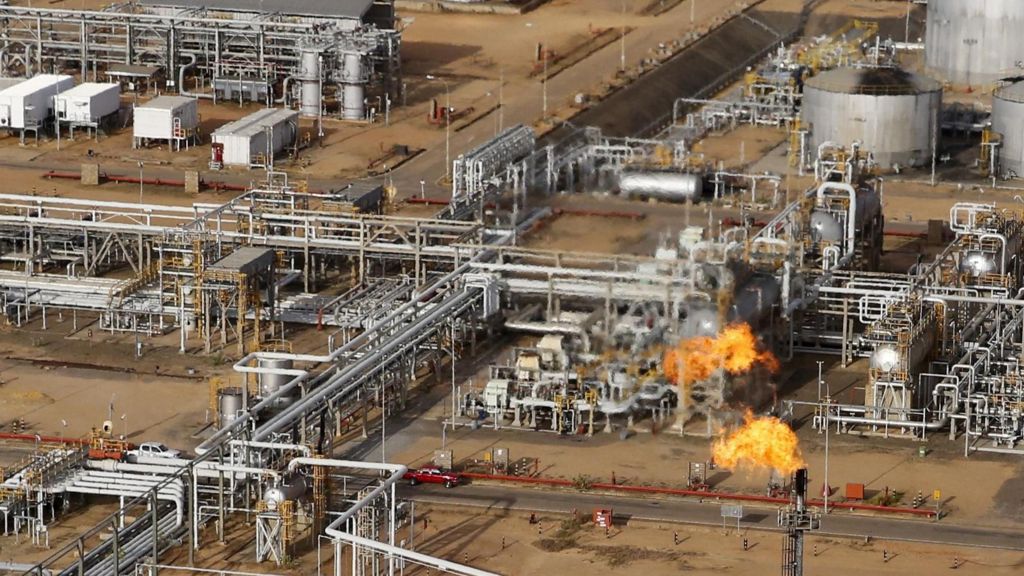
    In a bold geopolitical maneuver, former President Donald Trump has declared intentions to harness Venezuela’s vast oil reserves following the capture of President Nicolás Maduro, proposing to fundamentally “run” the nation’s energy sector. His strategy envisions injecting billions of American corporate investments to revitalize the country’s crippled oil infrastructure, which he describes as “badly broken,” and ultimately generate revenue for Venezuela.

    Venezuela possesses the world’s largest proven crude oil reserves, estimated at 303 billion barrels. However, current production tells a different story. Output has plummeted to a mere 860,000 barrels per day as of November, a stark decline from historical levels and representing less than 1% of global oil consumption. This collapse is largely attributed to decades of state mismanagement, underinvestment, and sweeping U.S. sanctions initially imposed in 2015 over human rights allegations.

    Energy analysts and economists are casting significant doubt on the feasibility of Trump’s plan. Callum Macpherson, Head of Commodities at Investec, identifies infrastructure decay as the primary obstacle. Homayoun Falakshahi, a senior commodity analyst at Kpler, emphasizes that legal and political stability are paramount; no drilling agreements can be secured until a new, stable government succeeds Maduro. This would leave companies gambling billions on the future political climate.

    The financial and temporal scale of the challenge is monumental. Experts at Capital Economics, including Group Chief Economist Neil Shearing, warn that restoring Venezuela’s former output would require tens of billions of dollars and potentially up to a decade of work. Consequently, any impact on global oil supply and prices in the near future would be negligible. Shearing further notes that even a return to production levels of 3 million barrels per day would not place Venezuela among the world’s top ten oil producers.

    Currently, Chevron stands as the sole U.S. oil producer operating in Venezuela, doing so under a special license granted during the Biden administration. The company, responsible for approximately 20% of the country’s extraction, has stated its focus remains on employee safety and regulatory compliance. While other major firms have remained publicly silent, analysts suggest internal discussions are undoubtedly underway, weighing the enormous resource potential against the profound political and investment risks.

  • New clashes in Iran as protests enter second week: rights groups

    New clashes in Iran as protests enter second week: rights groups

    Iran has entered a critical phase of civil unrest as nationwide protests triggered by economic grievances continue into their second consecutive week. According to documentation by international human rights organizations, fresh violent confrontations erupted over the weekend between demonstrators and state security forces across multiple provinces.

    The protest movement, initially catalyzed by merchant strikes in Tehran’s historic bazaar on December 28, has now expanded to affect at least 40 urban centers across 23 of Iran’s 31 provinces. Current estimates indicate a minimum of 12 fatalities, including both protesters and security personnel, since the demonstrations began.

    Significant unrest has been documented in western regions with substantial Kurdish and Lor minority populations. The Norway-based Hengaw rights organization reported Revolutionary Guards opening fire on protesters in Ilam province’s Malekshahi county on Saturday, resulting in four confirmed deaths among the Kurdish minority. Parallel reports from Iran Human Rights NGO corroborated these figures while indicating approximately 30 additional casualties.

    Verified footage circulated by monitoring groups shows disturbing images of bloodied casualties and aggressive security responses. Iranian state media has presented alternative narratives, with Fars news agency characterizing events as ‘riot suppression’ and reporting two assailants killed during attempted police station stormings.

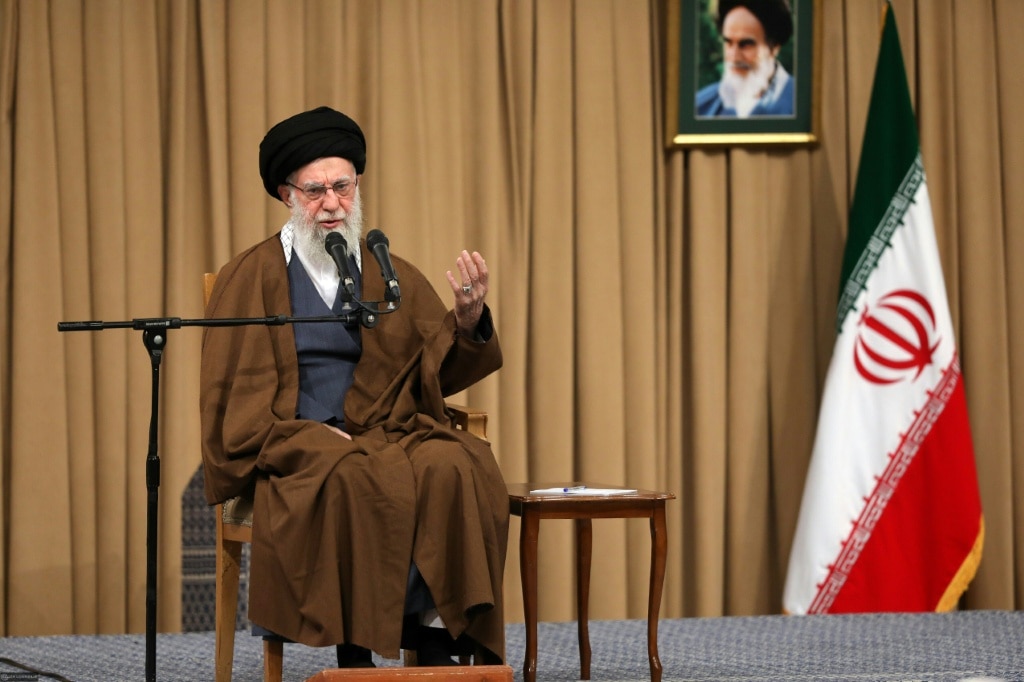
    This represents the most substantial challenge to Tehran’s authority since the 2022-2023 Mahsa Amini protests, though current demonstrations haven’t yet achieved comparable scale. The unrest presents particular concerns for Supreme Leader Ayatollah Ali Khamenei’s administration, coming shortly after June’s direct military exchanges with Israel that damaged nuclear infrastructure.

    International responses have emerged alongside the escalating domestic situation. United Nations special rapporteur Mai Sato warned against repeating the violent suppression witnessed during previous protests. The United States issued statements through former President Trump suggesting readiness to respond if protesters are harmed, while Israeli Prime Minister Netanyahu expressed solidarity with Iranian demonstrators.

    Tehran has responded to international comments with defiance, with Foreign Minister Abbas Araghchi labeling external statements as ‘reckless’ and emphasizing military readiness against potential intervention. Domestically, officials have acknowledged economic concerns while simultaneously warning against destabilization, reflecting the government’s attempt to balance conciliation with control.

  • Bowen: Trump’s action could set precedent for authoritarian powers across globe

    Bowen: Trump’s action could set precedent for authoritarian powers across globe

    In an unprecedented demonstration of military force, former President Donald Trump has orchestrated the capture and imprisonment of Venezuelan leader Nicolás Maduro, declaring American authority over the South American nation until a “safe, proper and judicious transition” can be implemented. The operation, executed without American casualties, represents the most assertive application of the Trump doctrine of hemispheric dominance.

    Speaking from his Mar-a-Lago estate, Trump revealed that U.S. forces had successfully detained Maduro and established operational control over Venezuela. Secretary of State Marco Rubio reportedly secured cooperation from Venezuelan Vice-President Delcy Rodríguez, who allegedly stated her willingness to comply with American demands. While Trump acknowledged potential “boots on the ground” deployments, specifics regarding governance mechanisms remained undefined.

    This intervention revives concerns about America’s troubled history with forced regime change. Analysts from the International Crisis Group had previously warned that Maduro’s removal could trigger violent power struggles among armed factions. Historical parallels with Iraq, Afghanistan, and Haiti suggest nation-building efforts frequently yield instability rather than democracy.

    Trump explicitly reframed American foreign policy through his “Donroe Doctrine”—an enhanced version of the Monroe Doctrine asserting permanent U.S. dominance throughout the Western Hemisphere. He issued blunt warnings to regional leaders, including Colombia’s President Gustavo Petro and implied future actions regarding Mexico and Cuba.

    The operation’s economic motivations emerged clearly as Trump detailed plans to extract Venezuela’s mineral wealth, promising reimbursement for the United States alongside benefits for Venezuelans. This resource-focused approach echoes previous attempts to leverage Ukrainian natural resources for American gain.

    Internationally, the action constitutes a flagrant violation of the United Nations Charter, drawing condemnation from China and raising concerns among European allies struggling to balance support for international law with diplomatic relations. The precedent established—that powerful nations may militarily intervene against leaders they deem criminal—potentially empowers authoritarian regimes worldwide.

    Senator Mark Warner warned that China might cite similar justification for actions against Taiwan, while Russia could employ parallel logic regarding Ukraine. The erosion of international norms threatens global stability, suggesting continued turbulence as nations recalibrate their strategies in response to Trump’s assertion of unilateral power.