分类: politics

  • Vance says to push for ‘grand bargain’ as fresh US-Iran talks loom

    Vance says to push for ‘grand bargain’ as fresh US-Iran talks loom

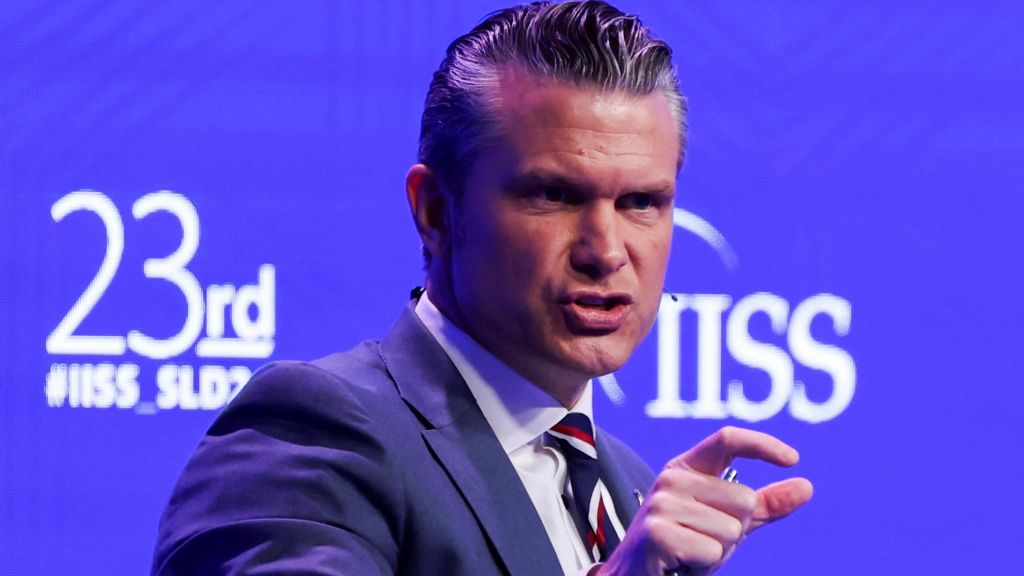
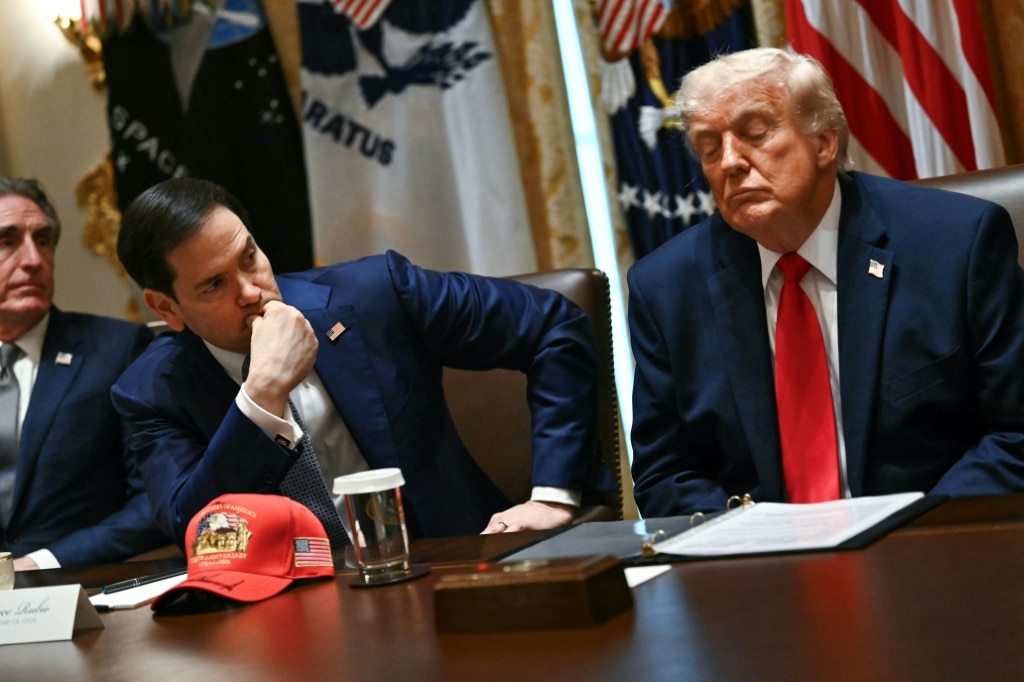
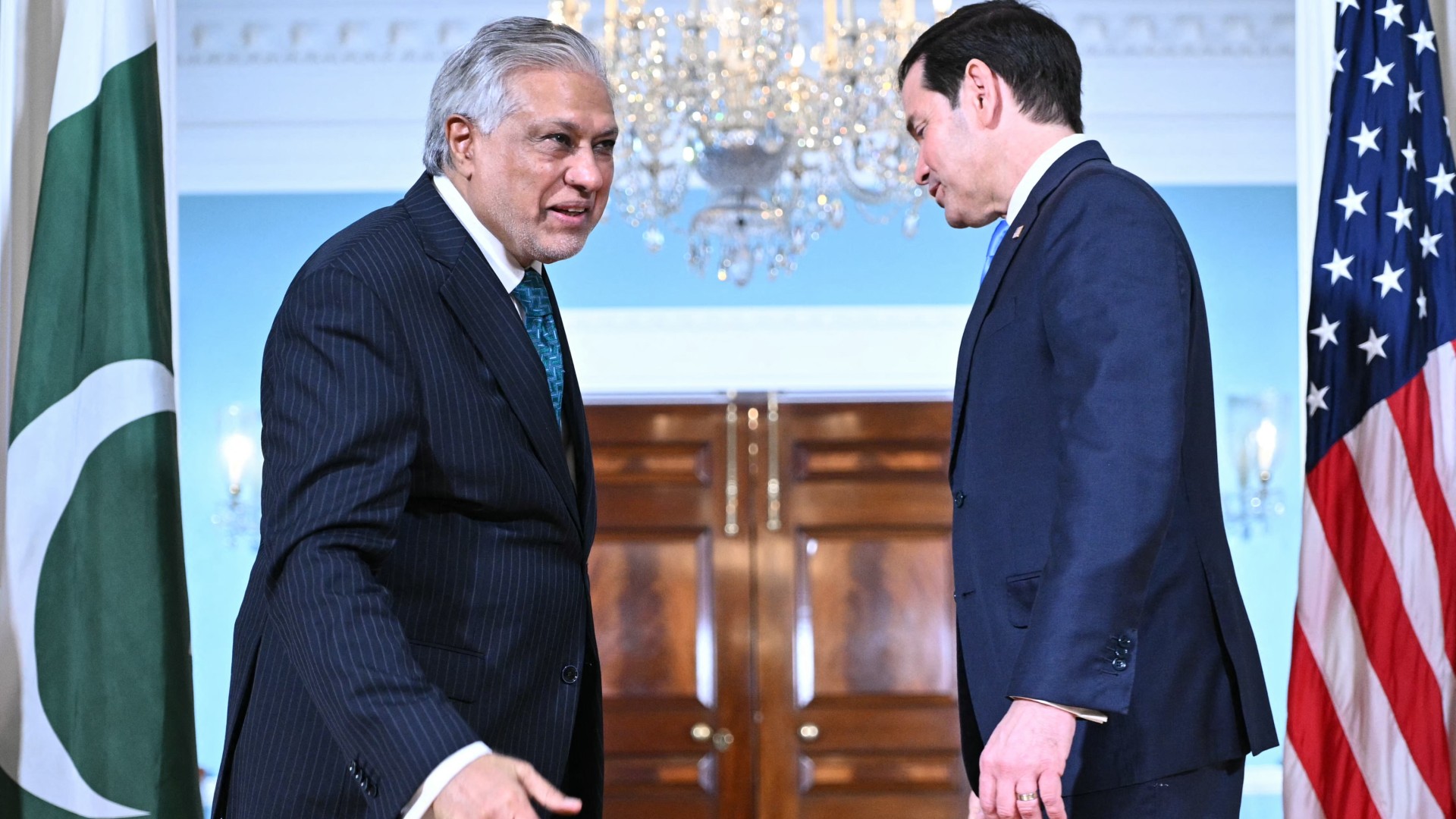
    Fresh diplomatic negotiations between the United States and Iran are on the cusp of resuming this week in Pakistan, with US Vice President JD Vance confirming he will spearhead the push for a sweeping, comprehensive ‘grand bargain’ between the two long-adversarial nations. Vance laid out the administration’s negotiating goals during a public event hosted in Athens, Georgia, at the University of Georgia on April 14, 2026, just days after he led an initial 21-hour closed-door negotiating session with Iranian delegates in Pakistan over the weekend.

    Decades of deep-rooted mistrust have separated Washington and Tehran, but Vance stressed that all stakeholders at the upcoming talks in Islamabad are aligned in their goal of reaching a viable final agreement. He emphasized that US President Donald Trump has rejected incremental, small-scale agreements in favor of a far-reaching deal that enshrines one non-negotiable core US priority: preventing Iran from developing an operational nuclear weapon.

    According to a Tuesday CNN report citing anonymous sources close to the planning process, Vance will not be the only senior US representative at the potential second round of talks. He will be joined by two other high-profile members of the US negotiating team: Trump’s special envoy Steve Witkoff, and the president’s son-in-law and former senior White House advisor Jared Kushner. While Trump confirmed the likelihood of new negotiations in the coming days, a senior anonymous US official clarified that no formal agenda or timeline has been finalized for the follow-up meeting, noting that logistical plans are still under active discussion.

    Speaking in a phone interview with The New York Post earlier on Tuesday, Trump confirmed that the next round of talks could get underway within 48 hours in Pakistan. “Something could be happening over the next two days, and we’re more inclined to go there,” the president told the outlet.

    On Monday, Trump publicly identified the core sticking point in the initial round of negotiations: Iran’s nuclear program. He added that retrieving Iran’s existing stockpiles of enriched uranium is a top US priority for the talks. Initial proposals presented in the first session highlight the gap between the two sides’ positions, The New York Times reported Monday. Washington has tabled a proposal calling for a 20-year pause on all of Iran’s sensitive nuclear activities, while Tehran has countered with an offer to suspend its nuclear program for a maximum of five years.

    The potential for a major breakthrough in US-Iran relations comes after more than 40 years of severed formal diplomatic ties, making these talks one of the most significant diplomatic overtures between the two nations in modern history. The outcome of the negotiations could have far-reaching implications for regional security in the Middle East and global non-proliferation efforts.

  • South Africa names apartheid-era politician as new ambassador to the US

    South Africa names apartheid-era politician as new ambassador to the US

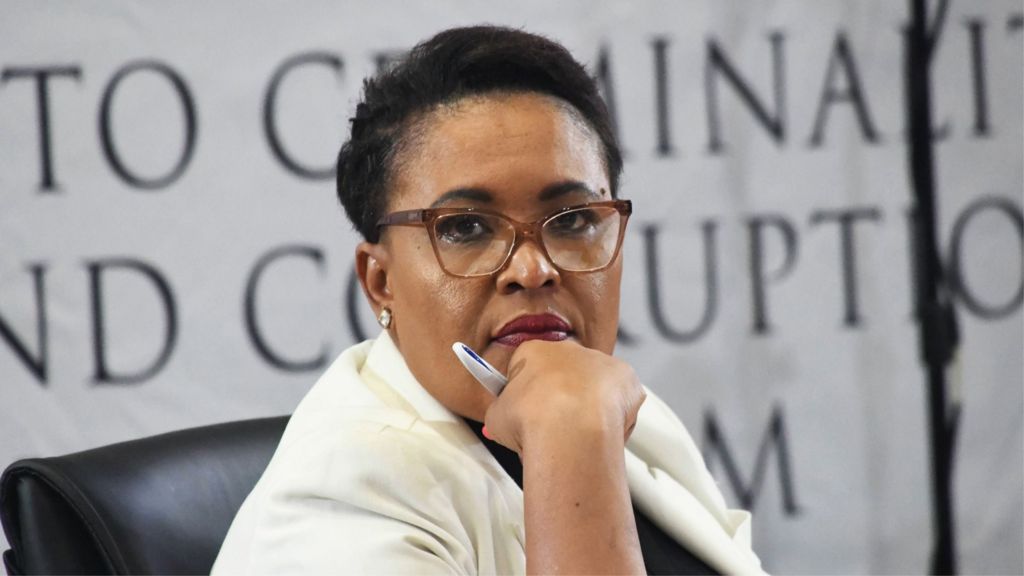
    After more than a year of vacancy at the highest diplomatic post between Pretoria and Washington, South Africa has filled its ambassadorial slot to the United States with a figure whose legacy is deeply tied to the country’s historic transition from racial segregation to democracy. The office of South African President Cyril Ramaphosa confirmed on Wednesday that 78-year-old Roelf Meyer, a former senior official in the final apartheid-era national government, will take up the role immediately.

    The position has sat empty since last year, when former ambassador Ebrahim Rasool was expelled from Washington after publicly criticizing then-President Donald Trump, accusing him of dog-whistle politics that centered and amplified white victimhood. The expulsion exacerbated tensions between the two nations, a rift that deepened dramatically following Trump’s return to the US presidency earlier this year.

    Meyer’s selection carries profound historical weight, as he and Ramaphosa once stood on opposite sides of the table during the 1990s negotiations that dismantled South Africa’s system of white-minority apartheid rule. At the time, Meyer served as the chief negotiator for the National Party – the political organization that first implemented apartheid in 1948 – while Ramaphosa led negotiations for Nelson Mandela’s African National Congress (ANC), the anti-apartheid movement that would go on to lead post-transition South Africa.

    Following the successful conclusion of negotiations and the country’s first multiracial democratic elections in 1994, Meyer remained in government as a member of the landmark unity administration formed by President Mandela. His long track record of bridging deep political and racial divides to deliver historic democratic change is widely seen as a key factor behind his appointment to the sensitive US posting at a time of particularly fraught bilateral relations.

    Ramaphosa’s spokesperson Vincent Magwenya officially verified the appointment in a statement to the BBC, confirming that the nomination would go into effect without delay. “I can confirm that President Cyril Ramaphosa has appointed Meyer as South Africa’s ambassador to the US,” Magwenya said.

  • Trump claims Iran war ‘very close’ to completion

    Trump claims Iran war ‘very close’ to completion

    WASHINGTON, April 15 (Xinhua) – In a recent interview with FOX News on Tuesday, former and current U.S. President Donald Trump made a striking announcement regarding the ongoing conflict between the United States and Iran, stating that the war is “very close” to being completed. The comment comes amid long-standing geopolitical tensions between Washington and Tehran that have escalated into open military conflict in recent years, drawing global concern over regional stability and energy market disruptions across the Asia-Pacific and beyond. While Trump did not elaborate on specific timelines or terms for a potential end to the conflict, his remark has sparked immediate analysis from international policy circles over what a nearing conclusion to the conflict could mean for global geopolitics, energy security, and diplomatic relations across the Middle East. This development arrives alongside a raft of other shifting global political dynamics, from changing regional policy approaches in Southeast Asia to debates over multipolar global governance that are reshaping international order.

  • Magyar meets Hungarian president as Trump says next PM ‘a good man’

    Magyar meets Hungarian president as Trump says next PM ‘a good man’

    After ending Viktor Orbán’s 16-year grip on power in Hungary with a historic electoral landslide, incoming prime minister Péter Magyar has moved quickly to lock in a speedy handover of government, meeting with President Tamás Sulyok this week to formalize his transition to office. Sunday’s general election delivered a staggering rebuke of Orbán’s long-ruling Fidesz party, with Magyar’s newly formed Tisza Party securing a two-thirds supermajority in parliament — a result that upends more than a decade of Hungarian politics.

  • To Lam’s visit signifies stable growth of ties

    To Lam’s visit signifies stable growth of ties

    Vietnam’s highest-ranking leader To Lam launched a four-day state visit to China on Tuesday, a landmark diplomatic engagement that analysts and policymakers across both countries expect will cement the positive trajectory of bilateral relations and advance shared prosperity across the Asia-Pacific.

    The timing of the visit carries special symbolic weight: it comes just one week after To Lam, already General Secretary of the Communist Party of Vietnam Central Committee, was elected President of Vietnam during the first session of the 16th National Assembly, the country’s top legislative body. This immediate high-level diplomatic outreach to China underscores the consistent importance both Beijing and Hanoi place on their long-standing neighborly relationship.

    Marking a dynamic start to his trip, To Lam traveled from Beijing via Fuxing high-speed rail to visit Xiong’an New Area, the nationally significant future-oriented development zone in Hebei province, where he observed the project’s ongoing progress firsthand. Later the same day, he held a formal meeting with Wang Huning, Chairman of the National Committee of the Chinese People’s Political Consultative Conference, China’s top political advisory body.

    Ahead of official discussions, To Lam published a signed article in China’s official newspaper People’s Daily on Tuesday, laying out his vision for the next phase of bilateral cooperation. In the piece, he emphasized the goal of building on the deep traditional friendship shared by the two parties, states, and peoples, while elevating strategic connectivity and charting a shared course for Vietnam-China relations in the new era. To Lam noted that decades of shared history have proven that a strong, stable bilateral relationship directly serves the core interests of both nations’ peoples and makes a tangible positive contribution to regional peace and sustained development. He added that moving forward, the two sides should prioritize expanding mutually beneficial cooperation while working to maintain a peaceful regional environment, manage existing differences constructively, and resolve long-standing outstanding issues appropriately.

    To Lam’s visit unfolds against a backdrop of already steady, positive momentum in China-Vietnam relations, with cooperation deepening across a wide range of sectors in recent months. Key milestones leading up to the engagement include a high-level telephone call between the two nations’ top leaders in January, the 17th gathering of the China-Vietnam Steering Committee for Bilateral Cooperation in March, and the inaugural ministerial session of the bilateral “3+3” strategic dialogue covering diplomacy, defense, and public security, also held in March.

    Economic ties between the two countries have hit new highs in recent years: official data from China’s Ministry of Commerce shows that total bilateral trade volume hit a record of over $290 billion in 2025. China retains its position as Vietnam’s largest single trading partner, while Vietnam remains China’s top trading partner within the Association of Southeast Asian Nations and its fourth-largest trading partner globally.

    Analysts point out that the visit sends a clear signal that Vietnam’s new leadership will maintain the country’s long-standing diplomatic priority of fostering strong ties with China. Vietnamese Ambassador to China Pham Thanh Binh described the trip as the most important bilateral diplomatic event for the two nations in 2026 in an interview with Vietnam News Agency. He expressed confidence that bilateral cooperation holds vast untapped potential, driven by the complementary nature of the two countries’ development strategies — particularly as Vietnam begins implementing the resolutions of its 14th National Party Congress and China rolls out its 15th Five-Year Plan (2026-2030). Pham added that priorities for deepening engagement should include strengthening economic bonds, maximizing the benefits of existing free trade agreements, expanding market access for Vietnamese agricultural exports, working toward more balanced bilateral trade, and attracting high-quality foreign investment from China to Vietnam.

    Shi Zhongjun, Secretary-General of the ASEAN-China Centre, noted that both countries are currently at a critical juncture in their socialist development efforts, building on decades of progress to pursue new shared development goals. Ding Duo, a research fellow at the National Institute for South China Sea Studies, observed that against the backdrop of rising global geopolitical volatility, To Lam’s visit sends a clear message that Vietnam’s new leadership refuses to be influenced by outside interference and remains firmly committed to safeguarding positive and productive bilateral relations with China.

    As a complementary initiative to deepen people-to-people ties alongside high-level diplomatic talks, 200 young Vietnamese people launched an eight-day “Red Study Tour” on Saturday, with scheduled activities in Guangzhou, Guangdong province and Beijing to foster cross-cultural understanding and people-level connections between the two nations.

  • Xi makes four-point proposal for Mideast peace and stability

    Xi makes four-point proposal for Mideast peace and stability

    Amid a persistently volatile security landscape in the Middle East, triggered by a February joint military strike on Iran by the United States and Israel that sent conflict spiraling across the region and threatened global energy and economic stability, Chinese President Xi Jinping has put forward a comprehensive four-point proposal to advance enduring peace and stability in the region. The proposal was delivered during a Tuesday meeting in Beijing with Sheikh Khaled bin Mohamed bin Zayed Al Nahyan, Crown Prince of Abu Dhabi, United Arab Emirates.

  • Ukraine’s military to get biggest-ever shipment of UK drones

    Ukraine’s military to get biggest-ever shipment of UK drones

    As the war in Ukraine enters its fifth year, unmanned aerial systems have rapidly grown into one of the most decisive battlefield technologies shaping conflict dynamics on both sides. Against this backdrop, the United Kingdom has announced what its Ministry of Defence (MoD) calls the single largest drone donation Ukraine has received to date: a package of 120,000 unmanned aerial vehicles that marks a major expansion of Western military support for Kyiv.

    The comprehensive donation includes multiple categories of drones tailored to diverse operational needs: long-range strike variants, reconnaissance models, logistics support drones, and maritime-capable systems, with the majority of the aircraft manufactured by UK-based defense firms. The MoD confirmed that delivery of this cutting-edge battlefield technology began earlier this month, describing the shipment as a transformative boost to Ukraine’s frontline capabilities.

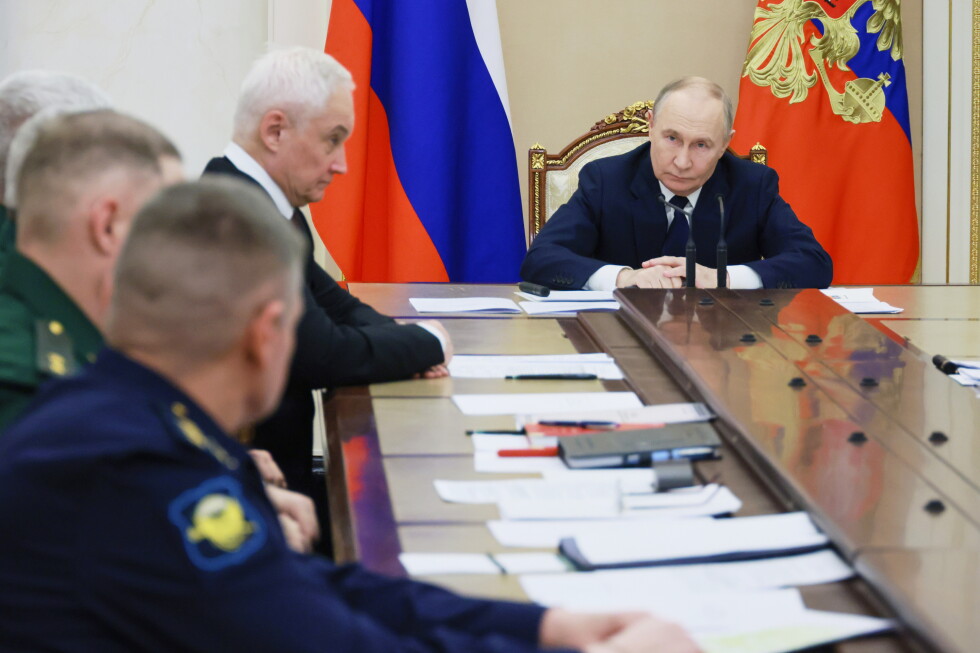
    British Defence Secretary John Healey framed the donation as a deliberate response to what he says is Russian President Vladimir Putin’s attempt to divert global attention from the war in Ukraine amid rising tensions in the Middle East. “Putin wants us to be distracted by events in the Middle East in recent weeks, but we will not be pulled off course,” Healey emphasized in an official statement. “Ukrainians continue to fight with huge courage and nothing will distract us from continuing to stand with them for as long as it takes to secure a just and lasting peace.”

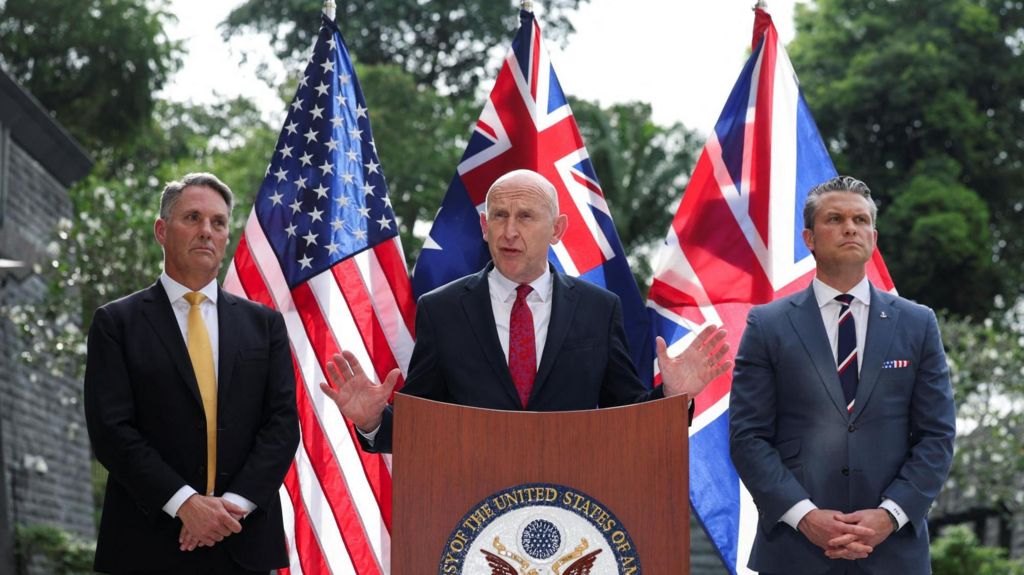
    Healey is scheduled to co-chair a high-stakes meeting of the Ukraine Defence Contact Group in Berlin later this week, alongside NATO Secretary General Mark Rutte and the defense ministers of Ukraine and Germany. The 50-nation coalition, which coordinates Western military support for Kyiv, is expected to discuss further long-term assistance commitments at the gathering. Separately, British Chancellor of the Exchequer Rachel Reeves is set to outline additional financial support measures for Ukraine during an upcoming meeting of international finance ministers in Washington, D.C.

    The UK’s announcement comes on the heels of a landmark operational milestone claimed by Kyiv: last week, Ukrainian President Volodymyr Zelenskyy confirmed that Ukrainian forces had captured a Russian-held position using only a combination of ground-based and aerial drones, marking the first time such an operation has been conducted entirely with unmanned systems. The donation also follows public comments from Zelenskyy, who told reporters that U.S. peace negotiators currently “have no time for Ukraine” as they refocus their efforts on the escalating conflict between Israel and Iran.

    Meanwhile, frontline violence has intensified across Ukraine following the expiration of a touted Russian Orthodox Easter ceasefire that expired at the end of Sunday. Ukraine’s national emergency services reported that overnight Russian strikes targeted an industrial zone in the northern city of Sumy, carrying out three separate attacks even as first responders were already working to clear damage from initial bombardments. Additional Russian strikes hit areas near the strategic port city of Odesa in southern Ukraine, sparking large fires in port-adjacent infrastructure.

    Negotiations to end the 4-year conflict have stalled in recent weeks, after the United States — acting as a key mediator in talks between Kyiv and Moscow — shifted its diplomatic focus to the escalating crisis in the Middle East following the election of Donald Trump’s second term. The two sides remain deadlocked on core procedural terms for a lasting truce: Ukraine has repeatedly pushed for a full and permanent ceasefire as the first step toward negotiations on a final peace agreement, while Moscow insists that a final peace deal be agreed upon before any ceasefire takes effect. Kyiv has repeatedly cited this mismatch as evidence that Russia has no genuine intention of ending the invasion through diplomatic means.

  • Indian PM Modi’s party gets first chief minister in Bihar state

    Indian PM Modi’s party gets first chief minister in Bihar state

    In a historic political shift for India’s eastern state of Bihar, Samrat Choudhary of Prime Minister Narendra Modi’s Bharatiya Janata Party (BJP) has been officially sworn in as the state’s new chief minister, marking the first time the BJP has held the top executive post in the politically critical state.

    Choudhary, 57, previously served as deputy chief minister under outgoing chief minister Nitish Kumar, a veteran Bihar politician who stepped down from the role earlier this week. Kumar, 75, who led Bihar’s government for the vast majority of the past two decades, was elected to India’s national parliament’s Upper House last month. His resignation had long been anticipated amid reports of declining health, clearing the path for Choudhary’s ascension to the top post.

    A seasoned politician with a 30-year career spanning multiple parties, Choudhary comes from a prominent Bihar political family: his father Shakuni Choudhary held a legislative seat for more than 20 years starting in the mid-1980s, while his mother Parvati Devi, a social activist turned politician, also served one term as a legislator. Politically, Choudhary first cut his teeth with Bihar’s main opposition party Rashtriya Janata Dal (RJD), moved to Nitish Kumar’s Janata Dal (United) (JD(U)) in 2014, then joined the BJP in 2017, aligning with Kumar when the veteran politician realigned with the BJP that same year. After Kumar switched alliances again in 2022, Choudhary became one of his most outspoken critics, but the two mended ties when the BJP and JD(U) renewed their coalition in 2024, leading to Choudhary’s appointment as deputy chief minister and home minister — a powerful portfolio overseeing Bihar’s state police force.

    Choudhary’s rise carries significant political weight for the BJP in Bihar, a state of more than 74 million registered voters that remains India’s poorest, with millions of residents migrating across the country for work each year. As a prominent leader from a key Other Backward Class (OBC) caste grouping — a socially and economically disadvantaged community that makes up a large share of Bihar’s electorate, where caste remains a defining factor in regional politics — his elevation is widely viewed as a strategic move by the BJP to expand its social base ahead of upcoming elections.

    Senior BJP leader Ravi Shankar Prasad framed the transition as a historic milestone for the state, acknowledging Kumar’s decades of leadership while welcoming Choudhary’s tenure. “Bihar has changed and I must acknowledge that and give him [Kumar] due respect… Now Samrat Choudhary is set to become the chief minister. This is a big and historic day,” Prasad told reporters ahead of the swearing-in.

    Still, Choudhary steps into a role defined for 20 years by Kumar, a politician famous for shifting alliances to retain power, and faces no shortage of challenges. Within the ruling coalition, his political approach has drawn both backing and scrutiny: supporters argue his appointment will strengthen the BJP’s standing with key voter blocs and deliver long-term electoral gains, while critics question his alignment with the BJP’s traditional organizational structure and his readiness for the top job. Even with these hurdles, Choudhary has already made history as the first chief minister from the BJP in one of India’s most electorally important states.

  • Australia ‘better placed’ for energy crisis triggered by Iran war due to renewable uptake: Bowen

    Australia ‘better placed’ for energy crisis triggered by Iran war due to renewable uptake: Bowen

    As the Israel-US conflict with Iran sends global energy markets into chaos, Australia is far better positioned to weather resulting price volatility and supply disruptions than it was during the 2022 Russian invasion of Ukraine crisis – and progress in renewable energy adoption deserves much of the credit, Australia’s Energy Minister Chris Bowen has said.

    Following Tehran’s closure of the Strait of Hormuz, a critical maritime chokepoint through which roughly one-fifth of the world’s total oil supply passes, global energy markets have been roiled by extreme volatility. International benchmark Brent crude has seesawed wildly around the $100 per barrel mark in recent trading sessions, while damage to liquefied natural gas (LNG) infrastructure in the Persian Gulf – most notably in major exporter Qatar – has tightened global gas supplies and pushed prices sharply upward.

    Bowen pushed back Wednesday against claims made by Amos Hochstein, a former energy security official in the Biden administration, who argued that renewable energy sources are incapable of resolving ongoing global energy crises. When pressed by Australian journalists on whether he shared Hochstein’s view, Bowen made clear he holds a sharply different perspective, pointing to tangible progress in Australia’s energy transition that has reduced national exposure to global fossil fuel price shocks.

    “One of the reasons we are better placed in this international energy crisis than we were even in 2022, for the last one, was that we are using a lot less gas,” Bowen explained, noting that Australian gas generation fell to 1.5 terawatt-hours last summer, down from 2.7 terawatt-hours in the summer of 2022. “That means that if the gas price goes up, we are less vulnerable to that – it will still have impact, but less vulnerable than we were because we’re using less gas. And one of the big reasons we’re using less gas, is we’re using more batteries to get through the night. So I think renewables are part of a common sense, careful, calibrated approach to a more reliable energy system.”

    As of Saturday, Bowen confirmed Australia’s national fuel stockpiles have remained stable amid the crisis, though localized supply shortages persist across the country. Approximately 2% of Australian service stations – equaling 156 locations – still report being out of diesel, with every state recording at least a small number of dry petrol outlets.

    Alongside his assessment of national preparedness for global energy shocks, Bowen also announced new emissions data this week showing that on-site carbon pollution from Australia’s largest industrial facilities has fallen by 12%, or 5.8 million metric tons, under the federal government’s signature safeguard mechanism policy. That reduction is equal to removing 2 million passenger vehicles from Australian roads, or roughly 60% of the nation’s total annual domestic aviation emissions, Bowen noted.

    “This is good policy working well, providing that investment certainty for industry to make the investments they need to make sure that their operations are viable on an ongoing basis, but also reducing emissions as they go,” he said.

    The safeguard mechanism requires large industrial emitters to cap and gradually cut their greenhouse gas output, a policy that the opposition Liberal-National Coalition has repeatedly promised to abolish, framing it as an unfair, punitive regulation on Australian business. Critics have also argued that the policy’s allowance for carbon offsets creates a loophole that lets major polluters continue emitting at unchanged levels while purchasing offsets to comply with rules.

    Bowen pushed back against that critique, clarifying that the 12% reduction reported this week counts only direct on-site emissions cuts from facility operations, not emissions reductions achieved through offset purchases. “We’re not talking about offsets. We’re talking about firms making investments and new solutions,” he said.

  • Xi calls China-Russia ties ‘precious’ in current international context

    Xi calls China-Russia ties ‘precious’ in current international context

    Against a global backdrop marked by overlapping shifts and widespread instability, Chinese President Xi Jinping emphasized Wednesday that the steady, predictable nature of China-Russia relations stands out as uniquely valuable. Speaking during a bilateral meeting with Russian Foreign Minister Sergey Lavrov in Beijing, Xi noted that the enduring vitality and landmark importance of the two nations’ friendship treaty have grown even more prominent amid today’s turbulent international conditions.

    Xi called on the foreign ministries of both countries to fully carry out the agreements already reached between himself and Russian President Vladimir Putin, pushing for deeper strategic communication and tighter diplomatic coordination between the two sides. He also urged continued efforts to advance the comprehensive strategic partnership between Beijing and Moscow, expressing hope that the relationship will “gain greater elevation, move forward more steadily, and reach new milestones.”

    While Xi underscored the strategic importance of the bilateral partnership, he did not explicitly name the specific changes and chaotic developments he referenced. Global observers have noted growing uncertainty around the duration of ongoing conflict in Iran, with no clear timeline for a ceasefire or resolution in sight.

    Separately, in previously unreleased clips from an interview with Fox Business Network, former U.S. President Donald Trump claimed Tuesday that the Iran conflict was “close to over.” This is not the first time Trump has prematurely announced a U.S. victory in the conflict, even as on-the-ground conditions have remained far more complex and unsettled than his public statements suggest.

    In the years since Russia’s full-scale invasion of Ukraine in early 2022, the strategic partnership between China and Russia has deepened considerably. Trump’s unconventional approach to the ongoing war in Ukraine has introduced a new variable to great power dynamics, but analysts say it has not produced any fundamental shift in the core of the Beijing-Moscow relationship. When Putin traveled to China for an official visit in September, Xi greeted the Russian leader as an “old friend,” and Putin reciprocated by addressing Xi as “dear friend,” signaling the warm personal and diplomatic ties between the two heads of state.

    Lavrov arrived in Beijing on Tuesday for a two-day working visit, at the official invitation of Chinese Foreign Minister Wang Yi, setting the stage for further diplomatic coordination between the two countries’ top diplomatic bodies.