In a deeply divisive legislative move that has drawn sharp international backlash, Ghana’s parliament has passed a sweeping new bill that criminalizes identifying as LGBTQ+ and promoting LGBTQ+ rights across the West African nation. The legislation, which now heads to President John Dramani Mahama for final ratification, carries penalties of up to three years in prison for anyone who openly identifies as lesbian, gay, bisexual, transgender, or queer. Even self-identified allies – people who support equal rights for LGBTQ+ communities – face potential imprisonment under the text, with narrow exceptions carved out only for legal professionals, journalists, and healthcare workers who cover the community or provide life-saving care. A key mandate in the bill also imposes a legal requirement on ordinary Ghanaians to report any suspected prohibited activities related to LGBTQ+ people to local law enforcement.
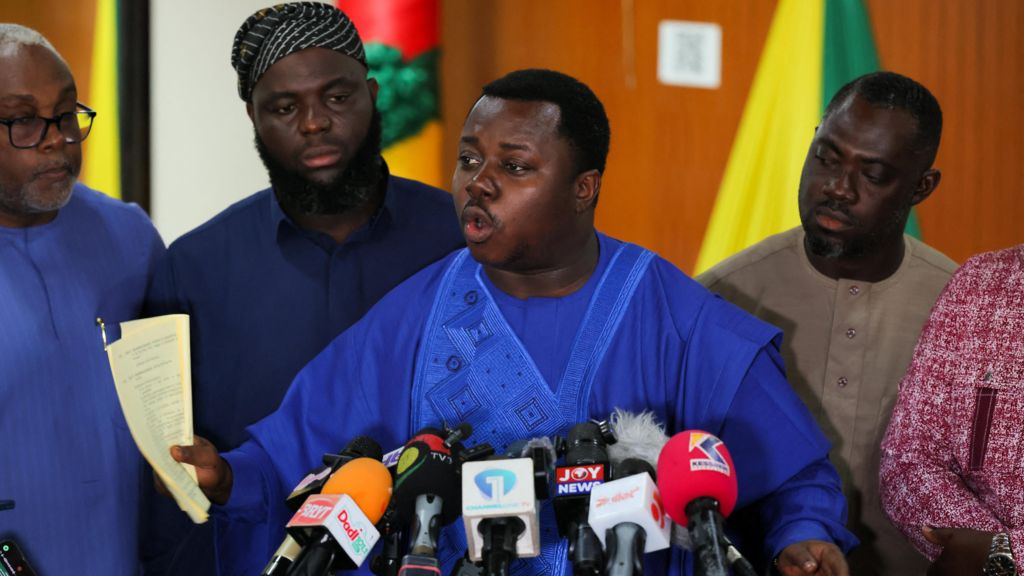
Reverend John Ntim Fordjour, the ruling party Member of Parliament who sponsored the bill, defended the legislation to reporters immediately after the final parliamentary vote, framing it as a defense of Ghana’s traditional cultural and family structures. He emphasized that the new law would strengthen the country’s existing colonial-era restrictions on same-sex relations, which have been in place since British rule, making the existing regulatory framework “more robust, more encompassing, and more stringent” in addressing LGBTQ+ practices.
The push for strengthened anti-LGBTQ+ legislation comes after years of pressure from conservative religious leaders, who have pushed Mahama to enact tougher rules since he took office last January. The president has already signaled his clear support for the bill, stating shortly after his inauguration that he adheres to the belief that only two genders exist, and that marriage is exclusively an institution between a man and a woman. This is not the first time such legislation has moved through Ghana’s legislative process: a nearly identical bill passed parliament in 2024, but it never became law after then-president Nana Akufo-Addo declined to sign it amid ongoing legal challenges and widespread international pressure.
Global and regional human rights groups have roundly condemned the new legislation, warning that it poses an immediate and severe threat to the safety and basic human rights of LGBTQ+ Ghanaians. Human Rights Watch, one of the most prominent international organizations to oppose the bill, was an early critic, formally calling on Ghana’s constitutional and legal affairs committee to scrap the legislation entirely during its review phase last year. The organization says the new law not only puts LGBTQ+ people at heightened risk of violence, arrest, and systemic discrimination, but also creates a culture of civilian surveillance by encouraging ordinary citizens to monitor and report on their neighbors, colleagues, and family members.
The approval of Ghana’s bill marks the latest in a growing wave of anti-LGBTQ+ legislation across the African continent in recent years. In March of this year, Senegal’s parliament passed a similar law that imposes maximum 10-year prison sentences for same-sex sexual activity and criminalizes public advocacy for LGBTQ+ rights. Two years prior, Uganda enacted one of the harshest anti-LGBTQ+ laws in the world, introducing the death penalty for certain same-sex offenses and long prison sentences for anyone who promotes or identifies as LGBTQ+.