分类: politics

  • Philippine president says key suspect in corruption scandal has been arrested in Prague

    Philippine president says key suspect in corruption scandal has been arrested in Prague

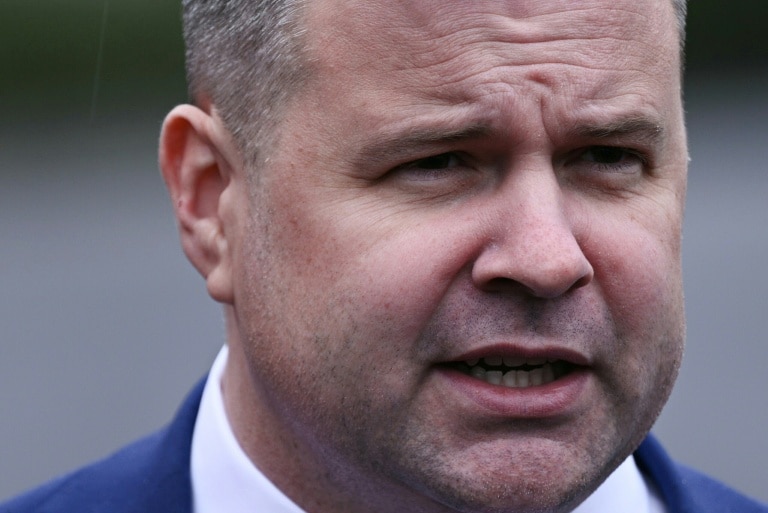
    In a major development that has rippled through Philippine politics, President Ferdinand Marcos Jr. announced Thursday evening that a central figure at the heart of a massive corruption scandal that ignited widespread public fury across the nation has been taken into custody by authorities in the Czech Republic. Zaldy Co, the former House of Representatives member who stepped down from his legislative post in September after being linked to systemic financial irregularities in national flood control infrastructure projects, was detained in Prague after entering the Central European country without valid travel documentation, Marcos confirmed in an official statement. The president did not provide additional details surrounding the circumstances of the arrest.

  • How Jewish heritage projects in Morocco are being used to push pro-Israel politics

    How Jewish heritage projects in Morocco are being used to push pro-Israel politics

    Morocco hosts the largest remaining Jewish community in North Africa, numbering approximately 2,500 people. The North African kingdom has a long history of recognizing and elevating its Jewish heritage, and enshrined the country’s ‘Hebraic tributary’ in its 2011 constitution to legally protect and sustain the Jewish presence in Moroccan public life. In recent years, dozens of publicly advertised projects focused on restoring Jewish heritage sites, running interfaith tolerance workshops, and delivering cross-sector programs for rural communities of all faiths have been implemented across the country. But behind these seemingly benign cultural and historical initiatives, a coordinated, long-running political campaign led by foreign Zionist and pro-Israel organisations is working to reshape Morocco’s deeply rooted public support for Palestine, a new investigation by Middle East Eye has found.

    The investigation reveals that the modern campaign follows a blueprint first laid out in the 1960s by the Jewish Agency, the operational arm of the World Zionist Organisation tasked with encouraging Jewish migration to Israel. Operation Yachin, the 1961-1964 initiative that moved roughly 90,000 Moroccan Jews — more than half of the kingdom’s entire Jewish community at the time — to Israel, included the creation of overt Zionist youth clubs designed to spread pro-Israel propaganda to young Moroccans. Today, the strategy has evolved to become far more subtle and organic, blending funding and support from Israel and the United States with partnerships with local Moroccan groups and Jewish diaspora organisations.

    Yasmine, a young Moroccan anthropologist who used a pseudonym to protect her security, participated in one of these programmes several years ago before uncovering their underlying political agenda. She explained to MEE that most young participants cannot easily distinguish between Judaism as a religious identity and Zionism as a political ideology, a gap that the organisations deliberately exploit. ‘Many of these projects operate within that grey zone: they present cultural and historical content, but they also subtly introduce political narratives,’ Yasmine said. She recalled joining an interfaith dialogue programme focused on Moroccan-Jewish heritage that she believed was purely academic and cultural, only to be unexpectedly interviewed by an Israeli news channel while facilitating a workshop. Her comments were later reframed on Israeli national television to fit a pro-Zionist narrative that she never endorsed, a moment that revealed to her how easily cultural programming can be weaponized for political ends.

    Compared to the overt, top-down propaganda campaigns of the Operation Yachin era, which were openly tied to state and intelligence priorities, modern initiatives have adapted to Morocco’s unwavering public support for Palestinian statehood — particularly after the 2020 Abraham Accords, the U.S.-brokered deal that normalized relations between Morocco and Israel, and the 2023-2024 Israeli military campaign in Gaza that killed more than 45,000 Palestinians. Openly pro-Israel programming now faces intense public backlash in Morocco, so organisations have shifted to discreet messaging focused on culture and history rather than explicit political advocacy, Yasmine noted.

    The 2020 Abraham Accords directly accelerated the expansion of these initiatives in Morocco. One of the most high-profile groups to emerge after the accords is Sharaka, an Israeli-founded organisation that operates in Morocco and four other MENA countries, with more than 1,000 program participants and 100 staff. Sharaka frames its mission as building ‘warm peace’ and people-to-people normalization between Israel and the MENA region, and regularly runs trips for young Moroccans to visit Israel and Holocaust sites in Europe. The organisation has faced repeated criticism for refusing to address or condemn Israel’s illegal occupation of Palestinian territory. In September 2024, Youssef Elazhari, head of Sharaka’s Moroccan branch, sparked widespread controversy after claiming during a trip to Israel that the Prophet Muhammad was a Zionist.

    Another major player is We Are Mena, formerly known as the 4MENA Network, which was founded by the Israeli government in 2021 and now operates in more than 15 regional countries. In 2025, the group launched a pilot programme called ‘From hate to hope’ that trains 25 Moroccan educators to teach Holocaust education to 1,500 Moroccan students, including a week-long study trip to Germany and Poland, before having participants develop curricular materials to spread the curriculum to classrooms across the Arab world. Morocco was the first country to roll out the programme, MEE understands.

    The American Society of Overseas Research (ASOR), a U.S.-founded organisation that partners with the U.S. Agency for International Development (USAID) to run Jewish heritage programmes in Morocco, is another key entity behind the campaign. ASOR claims to be apolitical and non-religious, but an investigation of its ties reveals direct links to pro-Zionist activity and support for the Israeli army. In 2014, ASOR launched JGive, a non-profit fundraising platform that provides technological infrastructure for donations to Israeli charities. Between October 2023 and December 2024, at the height of Israel’s military campaign in Gaza, JGive distributed 548 grants totaling 29 million Israeli shekels ($8.8 million) to groups operating in Gaza, including explicit ‘vital support for soldiers on the front lines,’ according to the platform’s 2024 financial report.

    Dror, an organisation founded by the Israeli government with an annual turnover of $25.8 million, is also active in Morocco. The group states its mission is to ‘educate and act to strengthen the values of Zionism, democracy and equality,’ and partners with the Israeli Ministry of Defense to provide educational, rehabilitation, and care support for Israeli soldiers.

    MEE’s investigation found that nearly all of the dozen pro-Israel-linked organisations operating in Morocco — whether large foreign groups or local Jewish associations — are directly or indirectly tied to ASOR, Dror, or other entities linked to the Israeli government. These partnerships include the Mimouna Association, a well-known group that runs interfaith programming on Moroccan-Jewish heritage, organizes diaspora engagement, and runs trips to Israel and European Holocaust sites, while openly endorsing Zionism. The High Atlas Foundation, a prominent Moroccan non-profit focused on agricultural development and women’s empowerment, also receives funding from ASOR for projects preserving Jewish Moroccan heritage sites.

    A source working within one of Morocco’s largest Jewish organisations told MEE that nearly all funding for these projects comes from large U.S. or Israeli-based entities, despite some groups listing Moroccan government ministries as public partners. The Moroccan government has rarely provided direct funding to these groups, the source said: ‘Even though some associations have been running for decades, they have only received funding from the government on a couple of occasions at the most.’

    A consistent thread across all of these initiatives is the strategic focus on recruiting young Moroccans of all faiths, echoing the 1960s Zionist tactic of targeting youth to shape long-term public attitudes. A source within ASOR told MEE that youth engagement is ‘essential’ to ensure the long-term impact of the organisation’s projects. Yasmine noted that youth are not just a key demographic — they are also the most influential communicators in modern social media landscapes. Participants are not selected randomly: organisations intentionally target young Moroccans who already hold public influence in entrepreneurship, activism, political parties, or civil society, and who often have large social media followings. These are individuals whose existing public trust can help spread pro-normalization narratives to wider audiences.

    Si Mohammed Darghali, a young Moroccan activist with more than 5,600 Facebook followers who regularly posts about his support for Sharaka and Muslim-Jewish coexistence, exemplifies this approach. After an Israeli television program praised his ‘brave efforts’ to bring Jews and Muslims together, Darghali reposted the interview alongside a message promising to continue working to promote his model of coexistence, closing the post with an emoji placing the Moroccan and Israeli flags side by side.

    Yasmine explained that many young Moroccans join these programs out of genuine curiosity about Morocco’s Jewish heritage, which has increasingly been recognized as a core part of the country’s national identity. Others are drawn by tangible personal incentives: the programs offer opportunities for international travel to Europe and the United States, which is often out of reach for most Moroccans due to strict visa requirements, as well as opportunities to build professional networks and boost participants’ resumes. Recruitment is carried out openly, just like any other civil society initiative in Morocco, which makes the programs feel trustworthy and leads many young people to not question their underlying agenda, Yasmine added. Organisations also build trust by partnering with established local groups, including major Moroccan universities, which help identify and recruit interested participants and lend cultural legitimacy to the initiatives.

    MEE reached out to all major organisations named in the investigation for comment, and was unable to review the full scope of activity of all Jewish-led groups operating in Morocco.

  • A look at the South African politician sentenced to jail on gun charge who described Trump as Hitler

    A look at the South African politician sentenced to jail on gun charge who described Trump as Hitler

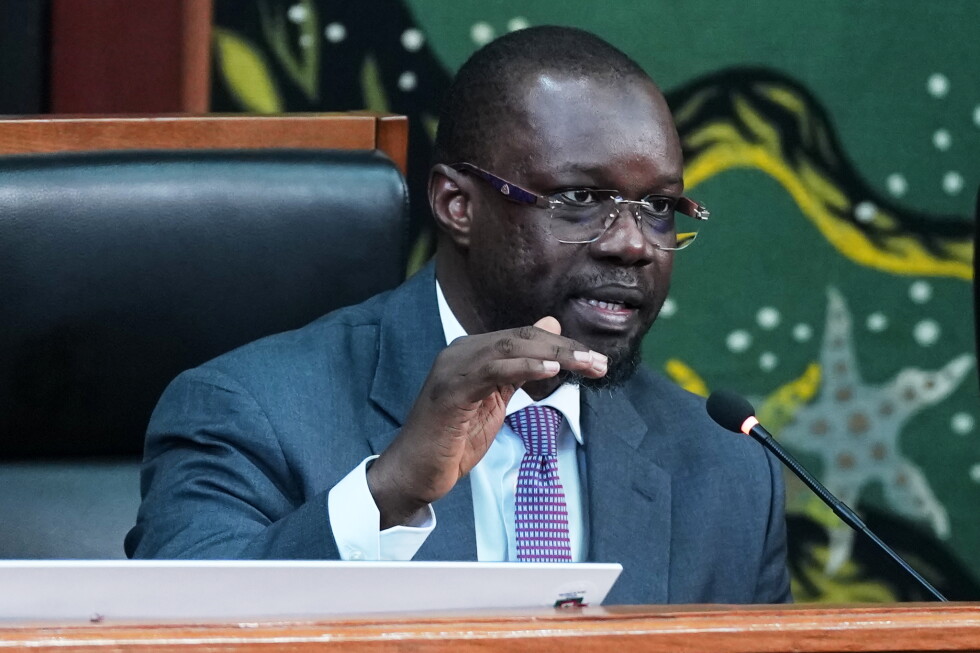
    CAPE TOWN, South Africa — Julius Malema, the firebrand leftist leader of South Africa’s populist opposition Economic Freedom Fighters (EFF), has been handed a five-year prison sentence Thursday for unlawful firearm use stemming from an incident at a 2018 political rally, where he fired a rifle into the air. The sentence comes amid decades of polarizing politics that have made Malema one of the most divisive figures on the African continent, and one that has even drawn high-profile international attention from former U.S. President Donald Trump.

    Malema’s career has been defined by unapologetic radicalism that has earned him fierce loyalty from his base and equally fierce condemnation from his critics. To his supporters, mostly among South Africa’s poor Black majority who still face systemic inequality decades after the end of apartheid, Malema is a champion of the marginalized, a rare politician willing to confront the lingering inequities of white minority rule and the slow pace of transformative change from the long-governing African National Congress (ANC). To his detractors, he is a provocateur whose inflammatory rhetoric stokes racial division and undermines the post-apartheid reconciliation that has held South Africa’s fragile multiracial democracy together.

    Malema first rose to national prominence as the head of the African National Congress Youth League between 2008 and 2012, when his outspoken views quickly put him at odds with the ANC’s senior leadership. Once a staunch ally of former South African President Jacob Zuma — even infamously declaring “we are prepared to take up arms and kill for Zuma” — Malema eventually turned on Zuma, launching public criticisms that tested the ANC’s patience past its breaking point. A series of controversial incidents culminated in his 2012 expulsion from the party, after he labeled the government of neighboring Botswana a Western puppet regime, drawing condemnation from ANC leadership.

    Throughout his early career, Malema established his signature anti-Western stance, repeatedly accusing the United States and United Kingdom of maintaining imperialist, racist attitudes toward South Africa. A 2010 incident exemplified this confrontational style: he expelled a BBC journalist from a press conference, calling the reporter a British “agent” and using abusive language, a move that drew widespread rebuke from the ANC and international press freedom groups.

    After his expulsion from the ANC, Malema founded the EFF in 2013, positioning the party as a far-left, anti-capitalist alternative to the long-governing ANC. The EFF’s core policy platform calls for radical economic restructuring, most notably the expropriation of white-owned land for redistribution to Black South Africans, who were systematically dispossessed under apartheid. Though the party has never won enough national support to enter government, taking just 10% of the vote in the 2024 national election and remaining outside the current ruling coalition, it holds parliamentary seats and has become a major disruptive force in South African politics.

    Malema, who styles himself the EFF’s “Commander in Chief,” has repeatedly drawn criticism for racially charged rhetoric. In one widely condemned speech targeting South Africa’s white minority, he remarked, “We are not calling for the slaughter of white people — at least for now,” and has also made derogatory comments about South Africans of Indian descent. He has also revived the apartheid-era chant “Kill the Boer” — a phrase targeting white South African farmers — which opponents have decried as overt hate speech.

    Malema’s inflammatory rhetoric has not just stirred domestic controversy; it has spilled over into international diplomacy, creating a rift between South Africa and the United States during the Trump administration. Trump and his allies, including South African-born billionaire Elon Musk, have seized on Malema’s rhetoric to push the unsubstantiated claim that South Africa’s Black-led government is overseeing a widespread campaign of violence against white farmers. During a high-stakes 2023 Oval Office meeting between Trump and South African President Cyril Ramaphosa, a video reel featuring Malema and the EFF was played, with Trump confronting Ramaphosa over the alleged anti-white agenda. The exchange marked a major low point in diplomatic relations between the two countries.

    Domestically, Malema and the EFF have become a consistent thorn in the side of Ramaphosa and the ANC, repeatedly disrupting parliamentary proceedings over the past decade. Multiple times, EFF lawmakers have been ejected from the national legislature for interrupting speeches and government business. The most high-profile incident came in 2023, when Malema and a group of EFF members, clad in the party’s signature red worker overalls, stormed the stage during Ramaphosa’s annual address, leading to physical scuffles with parliamentary security.

    Thursday’s sentencing stems from a 2018 incident, when Malema fired a rifle into the air at a political rally. He was formally convicted of unlawful firearm offenses in October, after a legal push from an Afrikaner minority rights group pressured prosecutors to bring the case to trial. Immediately after the sentencing, Malema’s legal team filed an appeal, and he has been released on bail while the appeal process proceeds. If his conviction is upheld on appeal, Malema will be forced to serve his five-year sentence, and will be barred from serving as a member of parliament for five years after the completion of his sentence — a outcome that would reshape South Africa’s opposition political landscape ahead of the next national election cycle.

  • Macao chief executive to visit Europe to boost cooperation

    Macao chief executive to visit Europe to boost cooperation

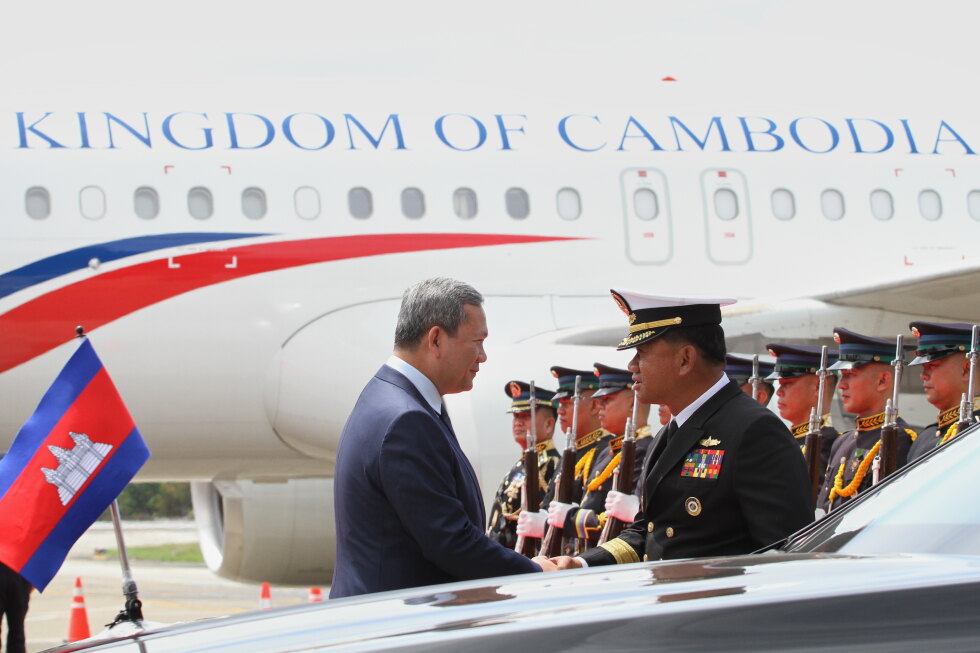
    MACAO – The government of the Macao Special Administrative Region (SAR) announced Thursday that Chief Executive Sam Hou-fai will launch an official multi-stop visit to four European nations this Friday, with the aim of strengthening bilateral ties, expanding economic and cultural collaboration, and boosting Macao’s global engagement. The trip is scheduled to wrap up on April 26, and Sam will be joined by a delegation comprising senior SAR government officials and local business representatives, according to the Macao SAR Government Information Bureau.

    The first stop on Sam’s itinerary is Lisbon, Portugal’s capital. During his stay in Lisbon, the chief executive is set to hold meetings with top leaders from Portugal’s executive, legislative, and judicial branches to exchange views on bilateral cooperation and shared interests. Beyond official diplomatic engagements, a planned gathering between Sam and Macao students pursuing their studies in Portugal will also be held, highlighting the SAR government’s attention to Macao students studying overseas.

    Next, the delegation will travel to Madrid, Spain. In addition to holding talks with senior Spanish government officials, the Macao SAR government will organize two key public activities during this leg: a regional tourism promotion event and an economic cooperation forum. These initiatives are designed to expand the pool of international tourist source markets for Macao’s tourism sector, and create targeted opportunities for cross-border business matching between Macao, Chinese mainland and European enterprises.

    On April 23, the delegation will arrive in Geneva, Switzerland, where the core goal of the leg is to reinforce Macao’s connections with major global multilateral institutions based in the city, including the World Trade Organization. The trip will then move to Brussels, Belgium, on April 24, where Sam and the delegation will meet with senior Belgian federal officials and high-ranking representatives of the European Union to discuss areas of common interest and potential future collaboration. This four-nation European visit marks a key diplomatic and economic outreach effort for the Macao SAR in 2026, aimed at leveraging Macao’s unique position as a bridge between China and the world to open up new space for high-quality development of the region.

  • China carefully navigating Iran’s tighter Hormuz grip

    China carefully navigating Iran’s tighter Hormuz grip

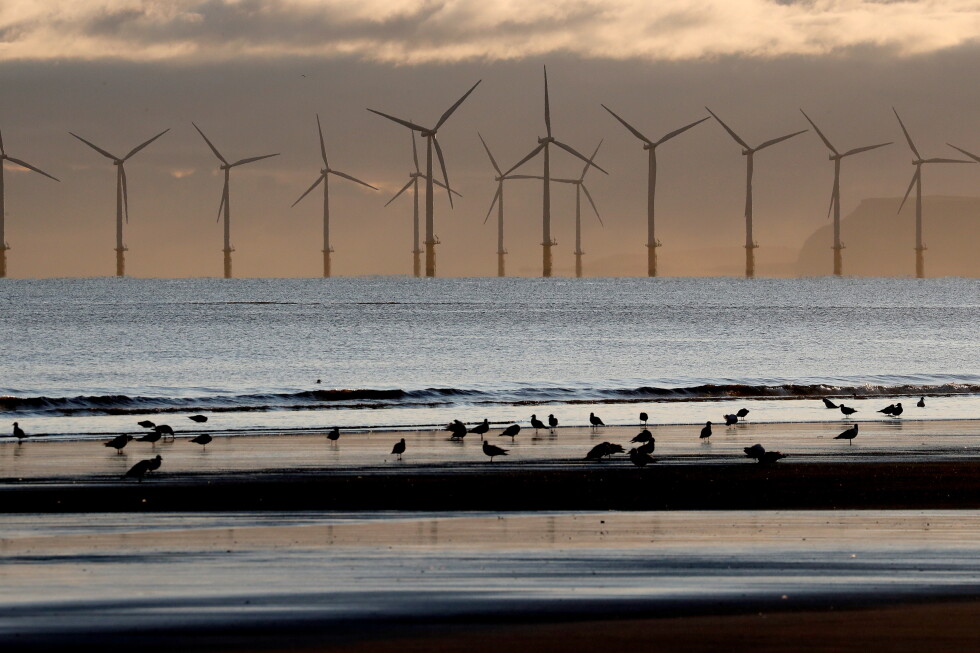
    A months-long standoff over one of the world’s most critical energy chokepoints has shifted dramatically, with Tehran emerging as the clear long-term power holder in the Strait of Hormuz despite an ongoing U.S. blockade effort. The Trump administration has claimed early progress for its blockade, reporting that nine vessels, including the Chinese-owned tanker Rich Starry which reversed course in the Gulf of Oman Wednesday, have complied with its turn-around orders. But Iranian officials have pushed back forcefully, reiterating that Tehran retains full authority over the strait and reserves the right to approve all transiting vessels. In a stark warning, Iran added that if its own ports come under threat, every port across the Persian Gulf and Sea of Oman will lose security protections.

    For decades, Iran has brandished the Strait of Hormuz as a potential bargaining chip against its adversaries, but it never moved to formalize control over the waterway until the current existential conflict with the U.S. and Israel. In an ironic turn, the joint U.S.-Israeli campaign to cripple Iran’s nuclear and missile programs has instead handed Tehran a transformative new strategic asset: unchallenged de facto control over the strait, through which 20% of global oil consumption passes daily. Tehran has already embedded this new control into its long-term strategic planning, going so far as to add formal recognition of Iranian sovereignty over the strait to its negotiating demands during recent indirect peace talks with Washington.

    This new leverage delivers three key strategic and economic benefits for Iran. First, it opens a substantial new stream of revenue from transit tolls already imposed on vessels passing through the waterway. With tolls set at roughly $1 per barrel of oil and up to $2 million per fully loaded tanker, independent estimates project Iran could collect up to $600 million monthly from oil shipments and an additional $800 million from natural gas transits. Economists note that roughly 80% of these costs will ultimately be borne by Gulf Arab states, adding up to as much as $14 billion annually from oil tolls alone.

    Second, control of the strait acts as a powerful asymmetric deterrent. By proving its ability to disrupt the world’s most vital energy artery, Iran has dramatically raised the economic cost of any future large-scale military action against it, creating deterrence through global economic risk rather than relying solely on its own military capabilities.

    Third, the strait delivers major geopolitical clout, particularly for Iran’s outreach to Global South nations. Control over energy flows through the waterway allows Tehran to negotiate with energy-dependent states, offering reliable transit access in exchange for cooperation that circumvents U.S. sanctions and deepens bilateral economic ties.

    The U.S. has moved to counter Iran’s new leverage with its own blockade, but this reciprocal campaign faces deep structural limitations that undermine long-term success. Unlike Iran, which can enforce its rules from its own adjacent coastline, the U.S. must maintain a blockade in open international waters, a logistically and financially draining operation that requires widespread allied support which has yet to materialize. Even with backing, sustaining a long-term blockade would impose massive costs on the U.S. military and trigger cascading disruptions to the global economy, making the status quo unsustainable for Washington. Many analysts now warn the strait could become “America’s Suez moment” — a strategic turning point that exposes the limits of U.S. power projection in the Middle East, rather than demonstrating its dominance.

    A key question hanging over the standoff is how China, which purchases more than 80% of Iran’s crude oil exports and sees 40% of its total oil imports pass through the strait, will respond. So far, Beijing has shown no willingness to pressure Iran to roll back its new control regime, instead placing full blame on the U.S. for the crisis and rejecting the blockade as illegitimate. This week, Chinese Foreign Ministry spokesperson Guo Jiakun called the U.S. operation “dangerous and irresponsible” in blunt remarks. While one Chinese-owned tanker complied with U.S. orders to turn around, multiple other Chinese-flagged and Chinese-owned vessels have already completed transits through Iran’s new toll system, signaling Beijing’s willingness to abide by Tehran’s rules for the time being.

    Although China is heavily dependent on Hormuz transit for its energy supplies, it has spent years preparing for this exact scenario. Beijing has systematically diversified its oil import sources to reduce overreliance on any single supplier, and is estimated to hold enough strategic petroleum reserves to replace Hormuz shipments for up to seven months. Even so, it remains unclear whether Beijing will support Iran’s permanent toll system long-term; while it has not publicly opposed the measure to date, many experts note China has repeatedly called for a return to unrestricted, normal passage through the strait as soon as possible.

    Beyond the immediate standoff, the crisis is accelerating long-term geopolitical shifts in the Middle East that play to China’s expanding influence in the region. The ongoing conflict has convinced many Gulf Arab states that longstanding security alignment with the U.S. and normalization with Israel do not guarantee their national security, pushing regional leaders to diversify their diplomatic and economic partnerships. This trend was highlighted by this week’s visit of the Abu Dhabi Crown Prince to Beijing, a trip that underscores growing Gulf interest in deeper ties with China.

    Bilateral trade between Gulf Cooperation Council states and China already hit roughly $257 billion in 2024, a total that narrowly outpaced the Gulf’s combined trade with major Western economies. Beijing has also steadily expanded its diplomatic footprint in the region, mediating the 2023 normalization agreement between longtime rivals Saudi Arabia and Iran, and playing an indirect facilitating role in recent indirect U.S.-Iran peace talks held in Pakistan to end the current conflict. Looking ahead, experts project Iran could push for a new region-led security framework with Gulf Arab states, with China stepping in as a neutral guarantor or facilitator — a shift that would end decades of U.S. dominance as the primary security provider in the Persian Gulf.

  • Chinese Embassy in Japan says authorities fail to act on threats

    Chinese Embassy in Japan says authorities fail to act on threats

    Amid rapidly escalating bilateral friction between Beijing and Tokyo, the Chinese Embassy in Tokyo issued a formal statement Thursday accusing Japanese law enforcement authorities of failing to take adequate, effective action to counter a string of violent threats targeting Chinese diplomatic facilities and Chinese nationals based in Japan.

    Shi Yong, China’s acting ambassador to Japan, detailed the sequence of alarming incidents in his remarks. The first major threat arrived on March 5, in the form of a letter sent to the embassy from an anonymous group claiming to consist of former Japanese police and military personnel. The message contained overtly hostile threats: the group pledged to carry out violent attacks against Chinese diplomatic missions across Japan and threatened to “wipe out all Chinese” residing in the country.

    Immediately after receiving the threatening correspondence, embassy officials filed a formal report with Japanese police, according to an official post the mission made on the social media platform X. The embassy criticized Japanese law enforcement for failing to treat the threat seriously, declining to implement tangible protective measures, and falling short of launching a full, thorough investigation to clarify the facts of the case.

    The string of threats continued after a high-profile trespassing incident in late March, when an officer from the Japan Ground Self-Defense Force was arrested for illegally entering the Chinese Embassy compound in Tokyo while armed with a knife. Following a formal diplomatic protest from Beijing over the incursion, Japanese police increased visible security deployments around the embassy’s premises.

    Just one week after the trespassing incident, the embassy received a separate bomb threat via social media. This threat was issued by another individual claiming to be a member of the Japan Self-Defense Force reserve, prompting local authorities to launch a two-hour bomb sweep across the embassy compound. Shi did not confirm whether any explosive devices were located during the search.

    While the acting ambassador acknowledged that Japanese police have boosted external security around the diplomatic mission, he emphasized that the embassy and its personnel remain in an unsafe position, still “exposed to threats” that have not been fully resolved.

    Tensions between China and Japan have steepened since November last year, when Japanese Prime Minister Sanae Takaichi made controversial remarks stating that any Chinese military operation targeting the self-governed island of Taiwan could qualify as a national security emergency justifying a Japanese military response. In response to the comments, China implemented a series of diplomatic and economic countermeasures against Japan.

    As of Thursday, Japan’s Foreign Ministry has not issued any response to the Chinese Embassy’s new accusations, and declined to comment on the record when approached for statement.

  • Indonesia reviews US proposal for airspace overflight access

    Indonesia reviews US proposal for airspace overflight access

    JAKARTA, Indonesia – In the wake of a newly announced high-profile defense agreement between Washington and Jakarta, Indonesian authorities are currently conducting a careful internal review of a United States proposal to secure expanded overflight access through the country’s sovereign airspace, the nation’s Foreign Ministry confirmed Thursday. The American overflight request first entered public discourse via local Indonesian media outlets, emerging just days after the two nations formally established the Major Defense Cooperation Partnership. That landmark agreement was unveiled Monday at the Pentagon by United States Defense Secretary Pete Hegseth, marking a visible deepening of bilateral defense ties between the two countries.

    Speaking to reporters on Thursday, Foreign Ministry spokesperson Yvonne Mewengkang outlined the parameters of the ongoing review process, noting that the proposal remains in the early stages of internal government evaluation. She emphasized that every aspect of the request is being scrutinized through the country’s existing regulatory framework, with three non-negotiable principles guiding the deliberation: Indonesia’s core national interests, the inviolability of its airspace sovereignty, and the country’s long-held independent and active foreign policy doctrine.

    The Indonesian Defense Ministry echoed this update earlier this week, formally confirming that the U.S. had formally submitted the overflight clearance request and that negotiations are still ongoing. In an official statement shared with the public, the Defense Ministry added that Indonesian negotiators have already pushed through several key adjustments to the draft proposal. A central point of revision is the explicit framing of the draft document as non-binding, meaning it will not enter into force automatically. Instead, any final agreement will still need to pass through additional rounds of discussion via relevant technical working groups and formal national legislative and executive approval procedures before it can be finalized.

  • Gabon’s former prime minister, a critic of the junta, has been arrested

    Gabon’s former prime minister, a critic of the junta, has been arrested

    LIBREVILLE, Gabon — A major political development has shaken Gabon’s post-coup democratic landscape, as the country’s top opposition leader and former prime minister Alain-Claude Bilie-By-Nze has been taken into custody by state security forces. The opposition grouping Ensemble pour le Gabon (EPG), which Bilie-By-Nze leads, confirmed the arrest in an official public statement released to media outlets on Thursday.

    Per details shared by EPG, the arrest operation was carried out at the 58-year-old politician’s private residence on Wednesday by officers from the General Directorate of Investigations (DGR), Gabon’s national intelligence agency. The party has issued harsh condemnation of the detention, characterizing it as arbitrary, unnecessarily violent, and a clear violation of the core legal principles that underpin a functional rule of law.

    The official justification cited for the arrest ties to an unresolved 5 million Central African franc debt, equivalent to roughly $8,999, that dates back to 2008. At that time, Bilie-By-Nze served as one of the lead organizers of the National Cultural Festival, a state-run event created to highlight and celebrate Gabon’s rich cultural heritage. The outstanding sum stems from an unpaid bill to a private service provider that has continued to pursue the debt for more than 15 years.

    This arrest carries added political weight given Bilie-By-Nze’s prominent career in Gabonese politics. He most recently held the position of prime minister under former president Ali Bongo Ondimba, who was removed from power in a military coup that took place in August 2023. Following the coup, the transitional junta oversaw new presidential elections in 2024, the first national election since the overthrow of the Bongo administration. In that vote, Bilie-By-Nze emerged as the top challenger to junta leader Brice Oligui Nguema, ultimately finishing second in the final results.

    In its statement, EPG has called on Gabon’s current transitional authorities to uphold their responsibilities. The party is pushing state leaders to respect the commitments to democratic governance that Gabon has made both domestically and on the international stage, and to guarantee a peaceful, inclusive framework for political dialogue and democratic process moving forward.

  • PLA Navy to mark 77th  anniversary with open-house events

    PLA Navy to mark 77th anniversary with open-house events

    China’s People’s Liberation Army (PLA) Navy is preparing to open its military facilities to civilian visitors next week, launching a series of public open-house events to commemorate the 77th anniversary of its founding. All three of the PLA Navy’s major fleets — the North Sea Fleet, East Sea Fleet, and South Sea Fleet — have confirmed that they will offer rare public access to active warships across multiple coastal cities, in a move designed to strengthen bonds between the military and the general public and showcase the service’s decades of modernization advancement.

    The founding date of the PLA Navy traces back to April 23, 1949, when the force was established in Baimamiao township, Jiangsu province. This historical date was officially designated as the service’s annual anniversary in 1989, making 2026 the 77th year since the navy’s founding.

    The North Sea Fleet will host public visits in two northern coastal cities: Qingdao, Shandong province and Dalian, Liaoning province. In Qingdao, events will run from April 22 to 26 across two venues, Qingdao Port and the Qingdao Olympic Sailing Center Dock, while open days in Dalian are scheduled for April 25 and 26. A diverse lineup of active naval vessels will be on display for visitors, including the advanced Type 052D guided-missile destroyer, Type 054A guided-missile frigate, and Type 903 integrated supply ship, covering major frontline vessel classes in the PLA Navy’s current fleet.

    For the South Sea Fleet, public events will be held from April 23 to 26 across five locations in southern China: Guangzhou and Zhanjiang in Guangdong province, Sanya and Danzhou in Hainan province, and Beihai in the Guangxi Zhuang Autonomous Region. Attendees at these southern venues will have the opportunity to tour guided-missile destroyers and amphibious transport ships.

    Covering eastern and southeastern coastal regions, the East Sea Fleet will open its facilities to the public from April 21 to 26 across seven cities: Ningbo, Shanghai, Zhoushan, Taizhou, Nantong, Xiamen, and Shantou.

    To manage visitor numbers and ensure a smooth experience, all public spots for the open-house events are allocated through a first-come, first-served reservation system. Interested members of the public can book their visits through officially designated WeChat public accounts and dedicated event websites.

    The public outreach initiative marks one of the most extensive nationwide open-house events held by the PLA Navy in recent years, reflecting the service’s growing transparency and its commitment to building public understanding of national maritime defense.

  • What to know about Pakistan’s army chief and his role as mediator between Iran and the US

    What to know about Pakistan’s army chief and his role as mediator between Iran and the US

    A brief 15-second video shared by Iran’s top diplomat has thrown Pakistan’s influential army chief, Field Marshal Asim Munir, back into international focus. The clip, posted to X by Iranian Foreign Minister Abbas Araghchi, captured the moment Munir stepped off a plane in Tehran, greeted with a warm fraternal embrace. The visit marked Munir’s latest move in Pakistan’s high-stakes diplomatic push to de-escalate tensions between Iran and the United States, and to lay the groundwork for a second round of direct negotiations between the two long-hostile nations.

    For weeks, Pakistan’s public mediation efforts have centered on Prime Minister Shehbaz Sharif and Foreign Minister Ishaq Dar, who have actively shared updates of their work via social media and official statements. But behind the public facade, one key figure has driven much of the process: Pakistan’s most powerful military leader, Asim Munir. Multiple anonymous Pakistani officials, authorized to discuss the sensitive talks only off the record, have outlined Munir’s central, underreported role in the ongoing mediation.

    Weeks ago, when Pakistan formally announced it would facilitate talks between Washington and Tehran, Sharif assigned Munir to maintain confidential backchannel communications with political and military stakeholders from both sides. The core goal of these quiet talks has been to dial back rising tensions that threatened to spiral into a wider regional crisis. While few concrete details of Munir’s meetings or engagements have been released to the public, his early behind-the-scenes work has already yielded tangible progress: Pakistan succeeded in bringing U.S. and Iranian delegations together for rare face-to-face negotiations in Islamabad just last week.

    Though that first round of talks did not result in a signed formal agreement, it kept the critical communication channel open between the two nations. Officials credit Munir with playing an indispensable supporting role in creating that opening. Just days after the initial Islamabad talks wrapped, Pakistani diplomacy continued unabated, and both sides agreed in principle to explore a second negotiation round. It was that push that led Munir to travel to Tehran this Wednesday to personally win Iran’s buy-in for the next round of discussions.

    Araghchi’s public welcome of the Pakistani army chief confirmed the high level of trust Iranian leadership places in Munir. Charles Lyons-Jones, a research fellow at the Australia-based Lowy Institute, notes that while Sharif and Dar occupy the public face of the mediation effort, Munir is the ultimate decision-maker driving the process.

    Munir’s outsized influence in Pakistani politics is no accident. In December, the federal government appointed him to dual roles as chief of army staff and chief of defense forces, cementing his position as the country’s most powerful military figure. Just months before that appointment, he was promoted to the rank of field marshal, making him only the second military officer in Pakistan’s entire history to hold the prestigious title. Lyons-Jones argues that Munir is the most powerful Pakistani leader since former military ruler Pervez Musharraf, with full authority over military promotions, civilian government policy direction, and the military’s far-reaching commercial holdings.

    A 57-year-old born to a lower-middle-class family in Rawalpindi, Munir enlisted in the Pakistani military in 1986, beginning his service in Pakistan-administered Kashmir, the disputed territory claimed by both Pakistan and India. He went on to serve in postings across the country, and spent years in Saudi Arabia as a colonel under a long-standing bilateral agreement that sees Pakistani military personnel train Saudi forces. During that posting, he mastered Arabic and developed deep firsthand insight into Middle Eastern politics and regional culture, according to colleagues who have worked with him. He later rose through the senior ranks to become the only army chief in Pakistan’s history to lead both of the country’s top intelligence agencies: Military Intelligence and the Inter-Services Intelligence (ISI).

    Munir has also built an unusual level of rapport with U.S. President Donald Trump, who has publicly called Munir “my favorite field marshal” — a nod to the close personal relationship between the two leaders. Lyons-Jones explains that this pre-existing bond gives Pakistan a unique advantage as a mediator: the country is the only regional power that maintains strong, productive ties with Iran, the Gulf Arab states, and the United States simultaneously.

    This is not the first high-stakes crisis Munir has navigated. During the 2024 four-day border clash between India and Pakistan that brought the two nuclear-armed neighbors to the brink of full conflict, Munir played a central role in shaping Pakistan’s de-escalatory strategy before Trump announced he had helped broker a ceasefire. When Iran launched cross-border strikes into Pakistan’s southwestern Balochistan province earlier this year, targeting what Tehran claimed were militant positions, Munir backed a measured, proportional response that included limited retaliatory strikes against militant hideouts across the border, avoiding an open escalation of conflict. He took a similar calibrated approach to recurring border tensions with Afghanistan over cross-border militant activity, associates say.

    Those who know Munir personally describe him as a leader who actively seeks out high-risk, high-stakes assignments that other figures shy away from. He is also widely respected as a hafiz — a term for someone who has fully memorized the Quran — and draws his decision-making framework from his religious beliefs. “He understands Islam, he understands the Quran, and he believes in what it teaches,” said Syed Mohammad Ali, a close associate of Munir. “His concepts are very clear: he does what others fear to do.” Ali describes Munir as a deliberate, thoughtful decision-maker: “He thinks many times before taking a decision, and once he decides, he pursues it with full dedication, leaving the outcome to God.”

    Munir’s Tehran visit also underscores the level of confidence Iranian leaders have in him, even amid heightened security risks. Despite ongoing threats following recent U.S. and Israeli strikes, senior Iranian officials openly traveled to greet him at the airport, a move that put their locations at risk of exposure, a sign of the trust both sides place in the Pakistani army chief’s ability to move the mediation process forward.