分类: politics

  • Canada’s Indigenous governor general to visit Greenland as Trump renews talk of annexing it

    Canada’s Indigenous governor general to visit Greenland as Trump renews talk of annexing it

    In a strategic diplomatic move, Canada is deploying its highest-ranking Indigenous official and foreign minister to Greenland early next February. Prime Minister Mark Carney confirmed the visit would include Governor General Mary Simon, Canada’s first Indigenous governor general of Inuk descent, and Foreign Minister Anita Anand. The delegation plans to establish a Canadian consulate in Nuuk, Greenland’s capital.

    This development occurs against the backdrop of renewed territorial assertions from former U.S. President Donald Trump, who has repeatedly suggested American acquisition of Greenland and even referenced Canada becoming ‘the 51st state.’ Greenland, with its predominantly Inuit population of approximately 56,000, operates as a self-governing territory within the Kingdom of Denmark.

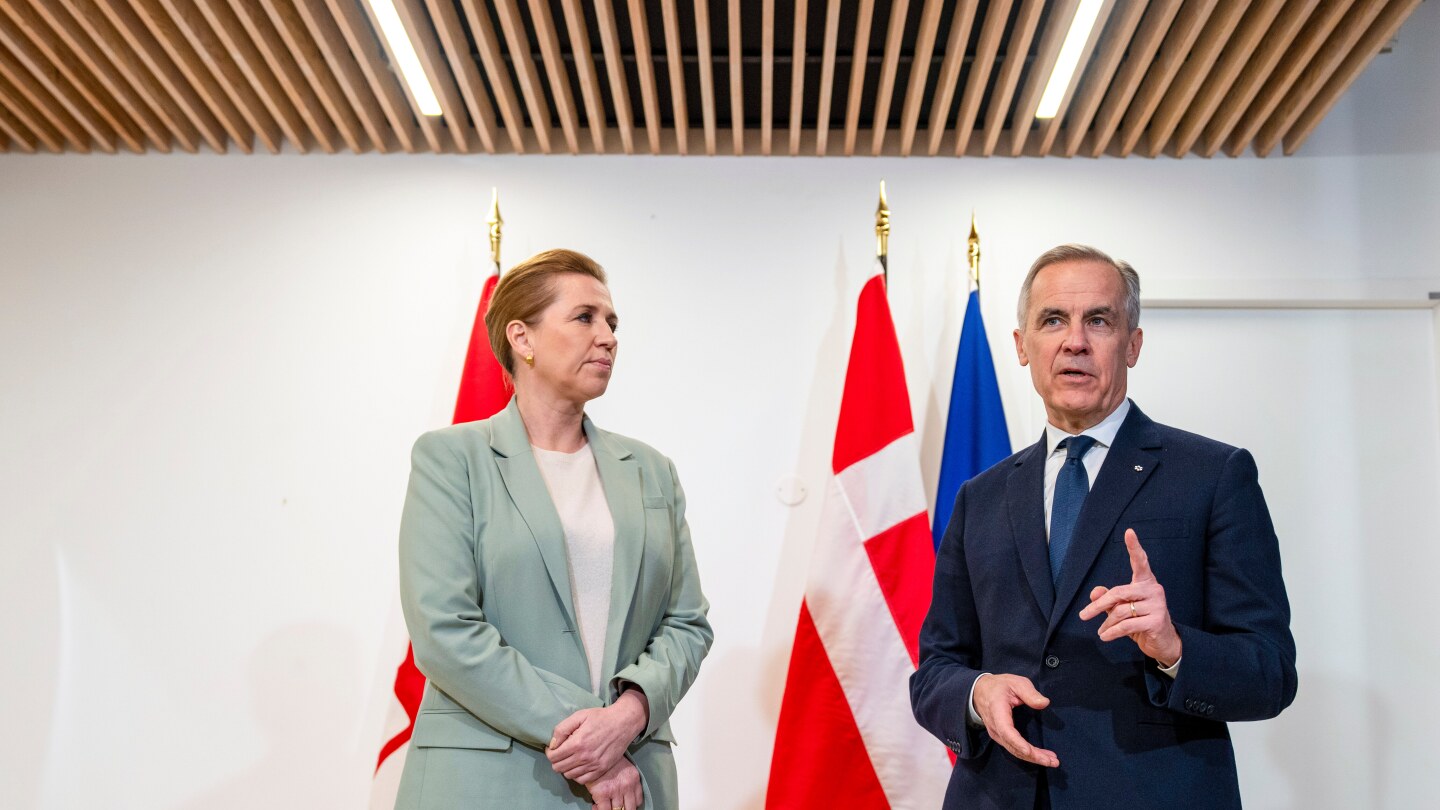
    Prime Minister Carney, during meetings with Danish Prime Minister Mette Frederiksen at Canada’s Paris embassy, emphatically stated that “the future of Greenland and Denmark are decided solely by the people of Denmark.” This position received robust international support as leaders from Canada, France, Germany, Italy, Poland, Spain, and the United Kingdom jointly affirmed Greenland’s sovereignty, recognizing the mineral-rich Arctic island “belongs to its people.”

    The diplomatic coordination took place alongside the Coalition of the Willing talks on Ukraine, with Carney specifically arranging meetings with Frederiksen and NATO’s secretary general. Both leaders emphasized their commitment to Arctic security cooperation within the NATO framework, with Frederiksen acknowledging Canada’s “respect for national sovereignty.”

    Professor Daniel Béland of McGill University highlighted the delicate balance Canada must maintain, noting that while demonstrating solidarity with Greenland is crucial for Arctic governance and international law principles, the Canadian government must simultaneously avoid jeopardizing ongoing trade negotiations with the United States.
  • The painful questions for Nato and the EU as Trump threatens Greenland

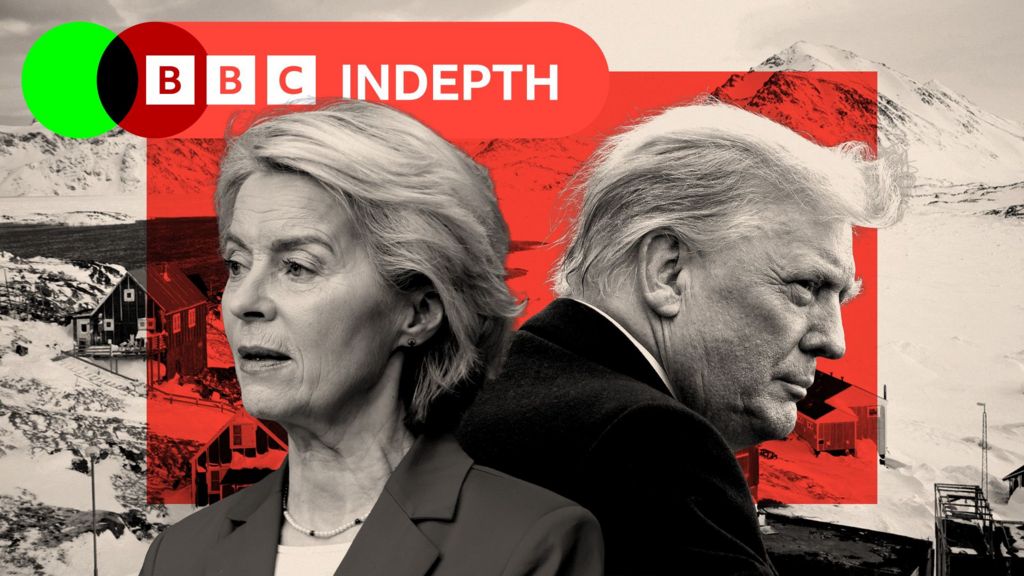
    The painful questions for Nato and the EU as Trump threatens Greenland

    PARIS – A high-stakes diplomatic gathering in Paris has revealed profound fractures in transatlantic relations as European leaders struggled to balance Ukraine peace negotiations with growing U.S. territorial ambitions toward Greenland. The meeting, attended by the U.S. delegation including Special Envoy Steve Witkoff and Senior Advisor Jared Kushner, occurred against a backdrop of escalating tension following recent U.S. military intervention in Venezuela and President Trump’s explicit interest in acquiring Greenland for national security purposes.

    Danish Prime Minister Mette Frederiksen faced immense pressure from European counterparts to avoid confrontation over Greenland, fearing potential repercussions for U.S. support in Ukraine. Despite efforts to separate the issues, leaders from major European nations issued a carefully worded statement acknowledging Greenland’s NATO status while asserting that “only Denmark and Greenland can decide matters concerning Denmark and Greenland.”

    The diplomatic communique, though welcomed by Greenland’s Premier Jens Frederik Nielsen, revealed Europe’s disunity as it lacked signatures from all EU members and NATO ally Britain. Camille Grande of the European Council on Foreign Relations noted that broader participation would have delivered a stronger message to Washington.

    This situation presents a stark geopolitical paradox: European leaders seek U.S. cooperation in protecting Ukrainian sovereignty from Russian aggression while responding to American threats against Danish territory. The irony intensifies considering both nations are NATO allies, with Denmark having recently pledged $4 billion toward Greenland’s defense infrastructure.

    President Trump has consistently expressed interest in Greenland, previously suggesting purchase and refusing to rule out military action. His Sunday remarks emphasized the island’s strategic importance, claiming Russian and Chinese naval presence justifies U.S. control—an assertion Denmark strongly contests.

    The U.S. maintains a military presence in Greenland through the Thule Air Base, established during the Cold War. While personnel has dwindled from 10,000 to approximately 200, recent developments suggest renewed American interest in Arctic security.

    European response has been notably cautious, with initial silence from major powers followed by tempered statements supporting Danish sovereignty. An anonymous EU official acknowledged the situation highlights “Europe’s fundamental weakness vis-à-vis Trump,” reflecting broader concerns about the bloc’s inability to present a unified front.

    Former U.S. Ambassador to NATO Juliane Smith warned this crisis “risks breaking the EU” and presents an existential dilemma for NATO. The alliance’s Article 5 collective defense clause doesn’t explicitly cover conflicts between member states, as demonstrated during the 1974 Cyprus conflict between Turkey and Greece.

    With Europe remaining heavily dependent on U.S. military capabilities despite increased defense spending commitments, the Greenland situation exposes fundamental power imbalances. As White House Deputy Chief of Staff bluntly stated, “Nobody’s going to fight the United States militarily over the future of Greenland.”

  • US Capitol riot anniversary exposes a country still divided

    US Capitol riot anniversary exposes a country still divided

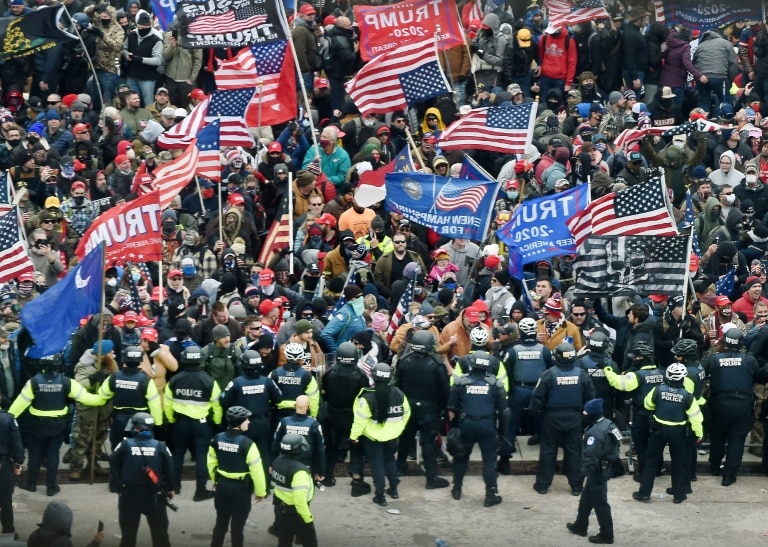
    Five years after a violent mob stormed the U.S. Capitol, Washington remains a city—and a nation—profoundly divided over the meaning and legacy of January 6, 2021. The anniversary has become a focal point for competing commemorations that reflect the irreconcilable accounts of an event that continues to reshape the American political landscape.

    On one side, House Democrats convened an unofficial hearing inside the Capitol, featuring testimonies from law enforcement officers, former lawmakers, and civilians who endured the attack firsthand. Their mission, as stated by many involved in the original congressional investigation, is not to relitigate the past but to prevent its erasure—particularly in the wake of former President Donald Trump’s pardons for nearly all defendants charged in connection with the assault.

    A new Democratic report underscores concerns over dozens of pardoned rioters who were later charged with new crimes, warning that such clemency risks normalizing political violence.

    Conversely, Trump supporters, including figures associated with the far-right Proud Boys, staged a march retracing the route taken by the rioters in 2021. Organized by the group’s former leader, Enrique Tarrio—who received a pardon from Trump after being sentenced to 22 years for seditious conspiracy—the event was promoted as a memorial for those who died, including pro-Trump rioter Ashli Babbitt, and a protest against what organizers describe as excessive police force and politically motivated prosecutions.

    The starkly contrasting events mirror a broader political schism. Democrats assert that Trump incited the attack in a deliberate attempt to overturn a free and fair election. Republicans largely reject this narrative, instead emphasizing security failures and criticizing the Justice Department’s handling of subsequent investigations.

    House Speaker Mike Johnson, a staunch Trump ally, has yet to install a congressionally mandated plaque honoring Capitol Police officers, while Republican investigator Barry Loudermilk argues the anniversary has been exploited to advance a political narrative against Trump and his supporters.

    The unresolved legal and historical questions linger. Although former special counsel Jack Smith concluded the attack would not have occurred without Trump’s actions, the federal case was abandoned following Trump’s reelection, in accordance with Justice Department policy barring prosecution of a sitting president. Trump was impeached by the Democratic-controlled House but acquitted by the Republican-led Senate, leaving the nation’s divisions as raw as ever.

  • Somalia calls Israeli FM visit to Somaliland an ‘incursion’

    Somalia calls Israeli FM visit to Somaliland an ‘incursion’

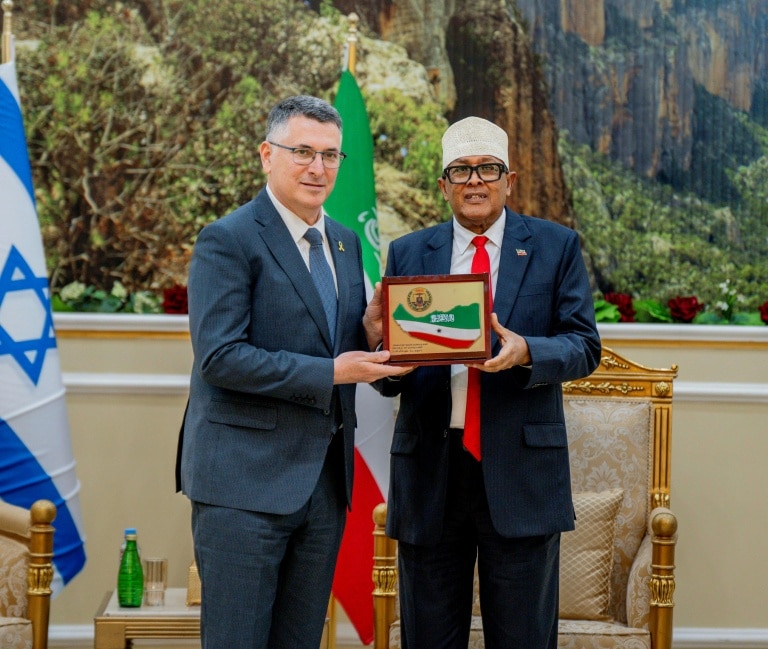
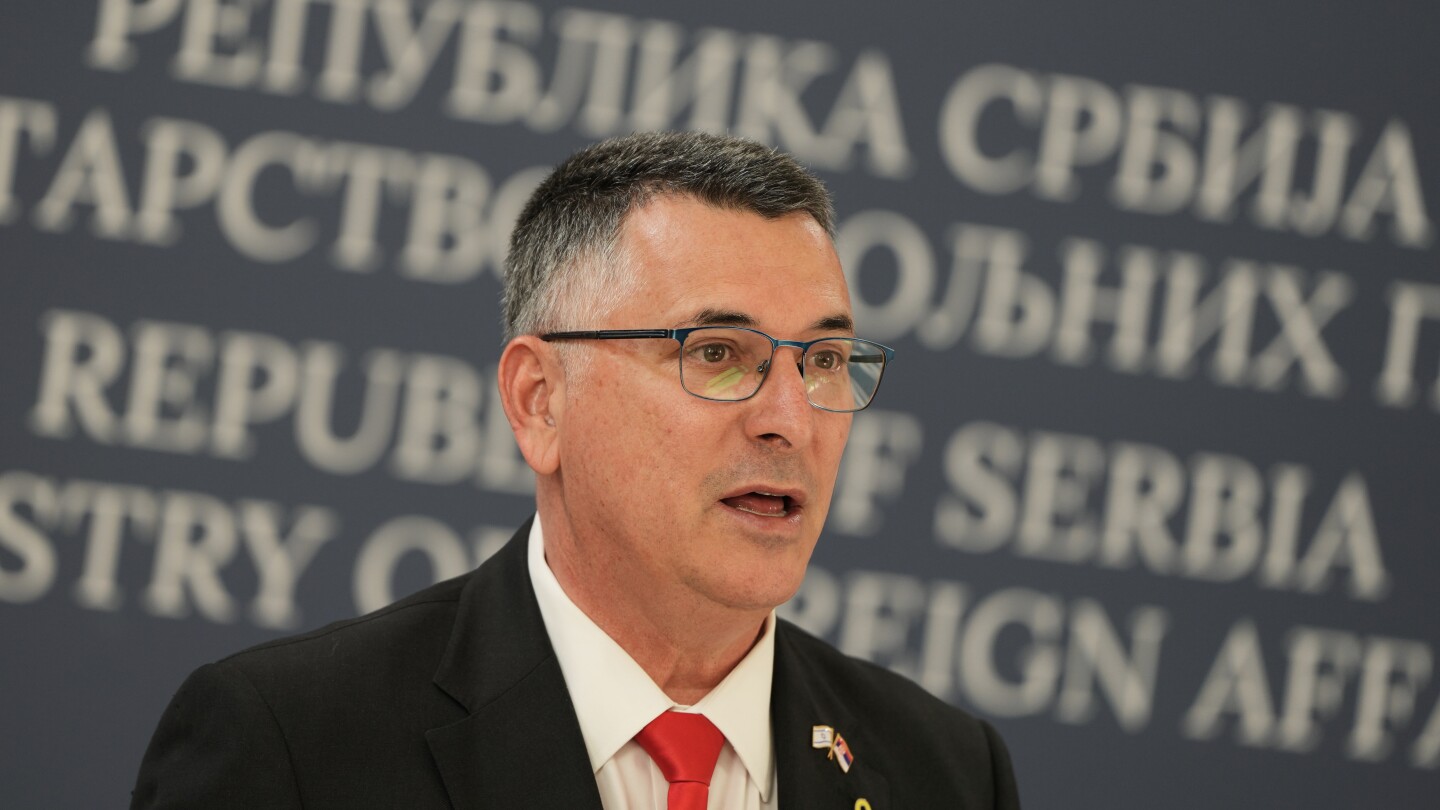
    Somalia has vehemently denounced Israeli Foreign Minister Gideon Saar’s official visit to the breakaway region of Somaliland, characterizing the diplomatic mission as an “unauthorized incursion” into its sovereign territory. The high-profile arrival on Tuesday marks the first ministerial-level engagement since Israel extended formal recognition to Somaliland last month—a landmark decision for the self-declared republic that separated from Somalia in 1991.

    Despite maintaining its own government, currency, and military forces, Somaliland has struggled to achieve broad international acknowledgment due to concerns about encouraging separatist movements across Africa. The region’s strategic positioning along the critical shipping lanes of the Gulf of Aden has attracted foreign interest, with Israel potentially gaining improved access to the Red Sea and enhanced capabilities against Houthi rebels in Yemen.

    During joint press conferences, Israeli officials described the recognition as “the moral thing to do,” while Somaliland President Abdirahman Abdullahi Mohamed praised the move as “courageous” and anticipated significant economic and development opportunities. However, Somalia’s foreign ministry asserted its right to pursue “all appropriate diplomatic and legal measures” to protect its territorial integrity, receiving support from the African Union Peace and Security Council which strongly condemned Israel’s recognition and demanded its immediate revocation.

    The diplomatic development has drawn mixed international reactions, with the United States supporting Israel’s position while Egypt, Turkey, the Gulf Cooperation Council, and the Organisation of Islamic Cooperation expressed criticism. The European Union emphasized the importance of respecting Somalia’s sovereignty. Adding to regional tensions, the Islamist militant group Al-Shabaab has threatened to combat any Israeli military presence in Somaliland, potentially escalating security challenges in the volatile Horn of Africa region.

    Historical context reveals that Somaliland briefly existed as an independent state in June 1960 after gaining independence from Britain before voluntarily uniting with Italian-administered Somalia. Somaliland leadership contends this union was never properly ratified and became invalid following Somalia’s governmental collapse in 1991.

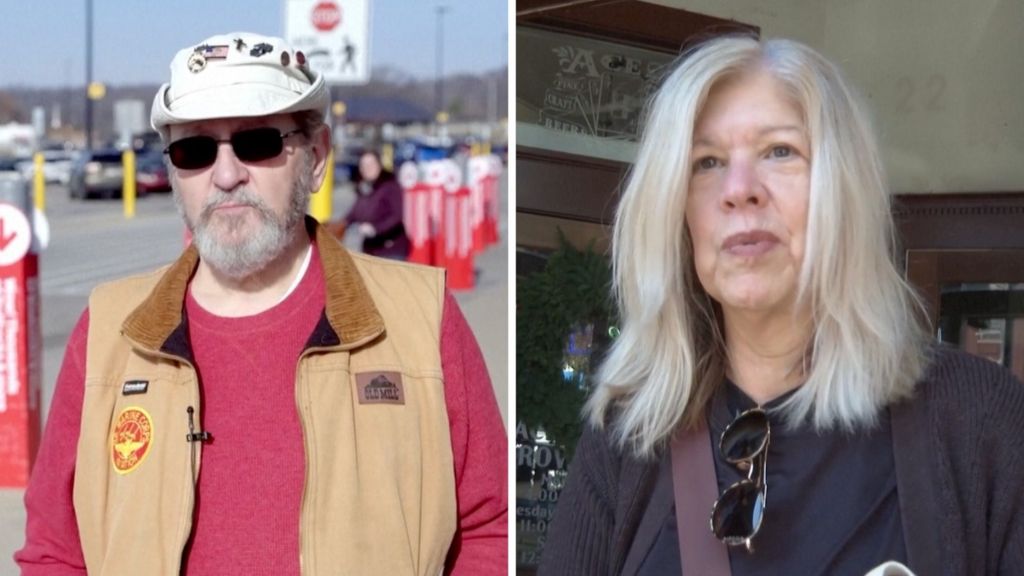
  • Trump supporters across US react to Venezuela operation

    Trump supporters across US react to Venezuela operation

    A complex tapestry of reactions has emerged from former President Donald Trump’s support base following the recent U.S. military operation that resulted in the seizure of Venezuelan leader Nicolás Maduro. The dramatic development has exposed significant divisions within the political movement, highlighting contrasting perspectives on American interventionism.

    Initial responses from Trump loyalists revealed enthusiastic approval from certain quarters, with many celebrating the operation as a decisive blow against a controversial socialist leader long criticized by Washington. These supporters framed the action as a demonstration of American strength and a continuation of Trump’s hardline approach toward leftist regimes in Latin America.

    However, a substantial contingent within the Trump coalition expressed reservations about the long-term implications and potential consequences of such direct military involvement. These cautious voices raised questions about the operation’s timing, legal justification, and possible geopolitical fallout, reflecting a more non-interventionist streak that has gained traction within certain conservative circles.

    The divergent reactions underscore the ongoing ideological evolution within Trump’s political base, which has historically balanced nationalist rhetoric with varying attitudes toward foreign military engagements. This internal debate occurs against the backdrop of escalating tensions between Washington and Caracas, with Venezuela remaining a persistent foreign policy challenge through multiple U.S. administrations.

    Analysts suggest the mixed response illustrates the complex foreign policy expectations among Trump’s supporters, who simultaneously demand assertive American leadership while remaining wary of extended foreign entanglements. The operation and its aftermath are likely to fuel continued discussion about the proper scope of U.S. military action in pursuing international objectives.

  • Venezuelan opposition leader Machado vows to return home ‘as soon as possible’

    Venezuelan opposition leader Machado vows to return home ‘as soon as possible’

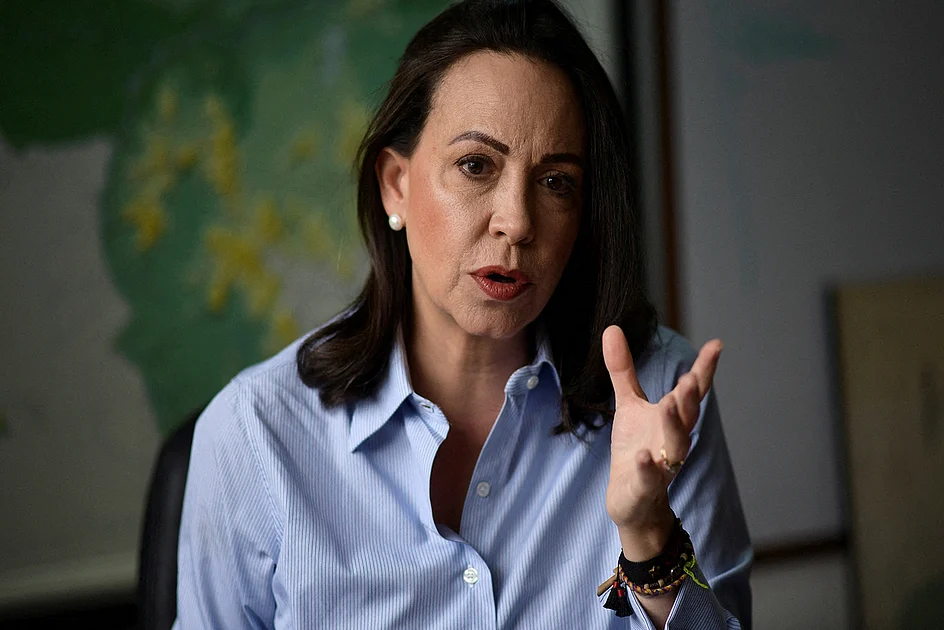
    In a dramatic development following the US military’s removal of President Nicolas Maduro, Venezuelan opposition leader Maria Corina Machado has announced her imminent return to the country. The Nobel Peace Prize winner made her declaration during an exclusive interview with Fox News host Sean Hannity, though her current location remains undisclosed for security reasons.

    Machado delivered a scathing condemnation of interim President Delcy Rodriguez, characterizing her as a principal architect of systemic human rights abuses and criminal activities. ‘She represents the very apparatus responsible for torture, political persecution, widespread corruption, and narcotrafficking that has devastated our nation,’ Machado asserted during the televised segment.

    The political landscape shifted significantly when Rodriguez, previously Maduro’s vice president, assumed interim control and indicated willingness to collaborate with Washington. However, Machado dismissed Rodriguez’s legitimacy, claiming overwhelming popular support for the opposition movement. ‘The Venezuelan people have consistently rejected this regime,’ she stated, projecting confidence in her movement’s electoral prospects. ‘In free and fair elections, we would secure over 90 percent of the vote without question.’

    Beyond political restructuring, Machado outlined an ambitious vision for Venezuela’s economic future, pledging to transform the nation into ‘the energy hub of the Americas.’ She committed to dismantling criminal networks and facilitating the repatriation of millions of Venezuelans displaced by the ongoing crisis. This announcement marks Machado’s first public address since the extraordinary events that removed Maduro from power over the weekend.

  • Zelensky replaces Ukraine’s powerful security service chief

    Zelensky replaces Ukraine’s powerful security service chief

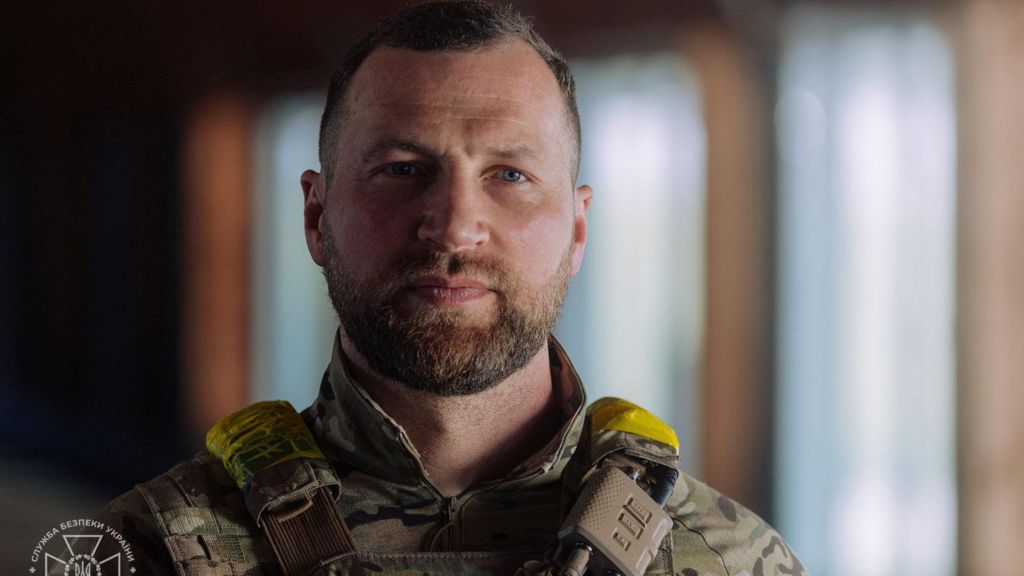
    In a significant wartime leadership reorganization, Ukrainian President Volodymyr Zelensky has restructured the nation’s security apparatus by replacing Security Service (SBU) chief Vasyl Malyuk and designating Major General Yevhenii Khmara as acting head. This decision represents the latest in a series of strategic personnel adjustments since Russia’s full-scale invasion began in 2022.

    The SBU, traditionally responsible for domestic security and counter-intelligence operations, has dramatically expanded its mandate during the conflict, orchestrating sophisticated sabotage missions and targeted assassinations deep within Russian territory. Malyuk, who had commanded the agency since the war’s inception, earned national recognition for his aggressive campaign against Russian assets and successful purging of suspected double agents from SBU ranks.

    His removal sparked considerable controversy within Ukrainian defense circles, particularly given his celebrated coordination of last June’s ‘Spider Web’ offensive—a daring operation involving over 100 drones striking Russian airbases. Reports indicating Malyuk’s initial refusal to relinquish his position voluntarily further intensified scrutiny of Zelensky’s decision.

    Despite the dismissal, Malyuk will retain operational control over special missions against Russian forces, with Zelensky emphasizing Ukraine’s critical need for ‘asymmetric operations’ and describing Malyuk as uniquely qualified for such tasks.

    Khmara, Malyuk’s successor and co-architect of the Spider Web operation, brings substantial battlefield credentials to the role. The decorated officer participated in the liberation of Kyiv region in 2022 and engaged in combat operations against Russian forces in occupied Donetsk. His appointment requires formal confirmation by Ukraine’s parliament, where approval remains uncertain.

    Analysts offer divergent perspectives on the leadership transition. Former SBU operative Ivan Stupak suggests the move connects to the recent appointment of former spy chief Kyrylo Budanov as Zelensky’s chief of staff, noting historical tensions between Malyuk and Budanov. Conversely, political analyst Oleksandr Notevskyi praises Khmara’s operational record leading Alpha, one of SBU’s elite divisions, describing him as ‘young, experienced, and specialized in eliminating Russia’s military capacities.’

    The restructuring occurs as Ukraine increasingly relies on asymmetric warfare tactics—targeting energy infrastructure, weapons manufacturing facilities, and military airbases—amid challenges in conventional battlefield operations against Russian forces along the eastern front.

  • US would lead Ukraine ceasefire monitoring, back multinational force: draft statement

    US would lead Ukraine ceasefire monitoring, back multinational force: draft statement

    A draft statement circulating ahead of Tuesday’s Paris summit reveals a comprehensive security framework being developed by Ukraine’s international allies. According to documents obtained by AFP, the United States would assume leadership of a ceasefire monitoring and verification mechanism with European participation should a peace agreement be reached in the Russia-Ukraine conflict.

    The proposed security architecture includes a European-led multinational force that would deploy following any ceasefire arrangement. Washington has committed to supporting this force with intelligence, logistical capabilities, and military assistance in the event of renewed Russian aggression. The statement emphasizes “binding commitments” from participating nations to ensure Ukraine’s security against future attacks.

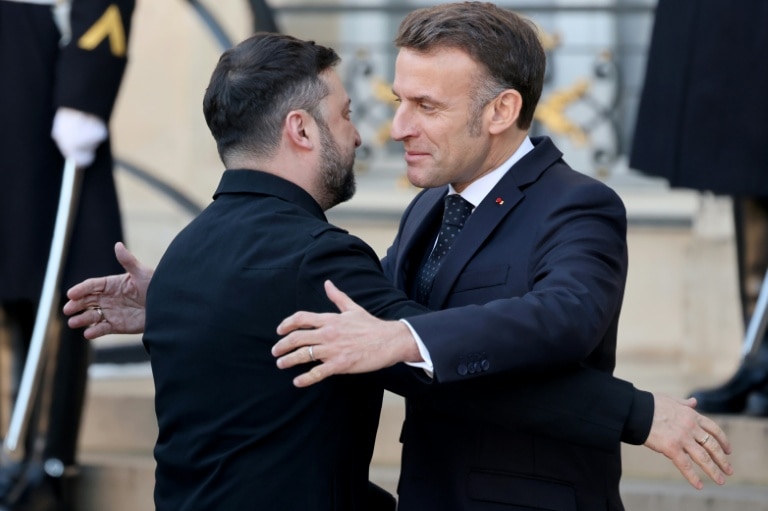
    President Emmanuel Macron is hosting the Coalition of the Willing meeting, which brings together European leaders, Ukrainian President Volodymyr Zelensky, and American representatives. The summit focuses specifically on establishing concrete security guarantees that would deter further Russian aggression during any ceasefire period.

    The proposed monitoring system would provide comprehensive oversight capabilities across air, sea, and land domains while facilitating the regeneration of Ukraine’s armed forces. European nations would lead the multinational force component, with American participation concentrated in intelligence sharing, logistical support, and contingency response capabilities.

    The security commitments outlined in the draft extend beyond military measures to include diplomatic initiatives and additional sanctions against Russia. This multilateral approach represents the most detailed framework proposed to date for ensuring Ukraine’s security in any potential post-ceasefire environment.

  • Israeli foreign minister visits Somaliland after contentious recognition of breakaway territory

    Israeli foreign minister visits Somaliland after contentious recognition of breakaway territory

    MOGADISHU, Somalia — In a groundbreaking diplomatic maneuver, Israeli Foreign Minister Gideon Saar conducted an official visit to Somaliland on Tuesday, marking the first high-level Israeli engagement since Israel’s formal recognition of the breakaway territory as a sovereign state in December. The controversial move has ignited international condemnation and raised geopolitical tensions across the Horn of Africa.

    The Somaliland Ministry of Information confirmed Saar’s arrival via social media, noting his reception by senior cabinet members at Hargeisa International Airport. The ministry characterized the event as a historic milestone in bilateral relations. Saar is scheduled to meet with Somaliland President Abdirahman Mohamed Abdullahi (commonly known as Irro) at the presidential palace later today.

    This diplomatic development has drawn sharp criticism from multiple quarters. The Federal Government of Somalia issued an official statement condemning what it termed an “unauthorized incursion” and “unacceptable interference in internal affairs.” Somalia maintains that Somaliland remains an integral part of its sovereign territory.

    The African Union, Organization of Islamic Cooperation, and more than twenty nations—primarily from the Middle East and Africa—have rejected Israel’s recognition of Somaliland. The United States, through State Department channels, reaffirmed its position recognizing Somalia’s territorial integrity, which includes Somaliland.

    Unverified social media footage purportedly showed fighter jets flying over Hargeisa during Saar’s visit, though the aircraft’s origin remains unconfirmed. This development occurs against the backdrop of previously reported discussions between Israel and Somaliland regarding potential resettlement of Palestinians from Gaza—a plan since abandoned by the U.S. administration.

    Somaliland declared independence from Somalia in 1991 amid the country’s civil conflict. Despite maintaining its own government, currency, and security apparatus for three decades, no nation had previously recognized its sovereignty until Israel’s December 26th announcement.

  • Venezuelan security forces detain journalists as armed police patrol streets

    Venezuelan security forces detain journalists as armed police patrol streets

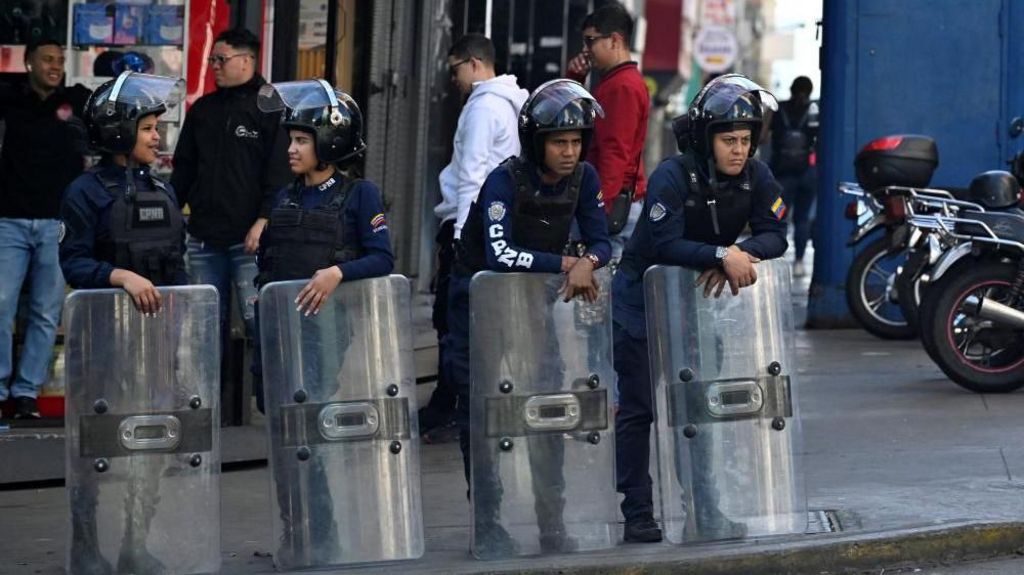
    Venezuelan security forces detained at least 14 journalists on Monday amid heightened political turmoil following the capture of President Nicolás Maduro by US forces. The detentions occurred as Delcy Rodríguez assumed the role of interim president, marking a significant escalation in the government’s suppression of information.

    According to Venezuela’s media workers union, the majority of those detained were foreign correspondents, with all but one released later that day. One reporter faced deportation. The journalists were apprehended at multiple locations including the National Assembly building and the Altamira district in Caracas, where Rodríguez was being sworn into office.

    The detained media professionals underwent extensive equipment searches, with authorities examining their phones, social media posts, and private messages. In a separate incident, Colombian and Spanish reporters were held incommunicado for hours at the Venezuela-Colombia border near Cúcuta before being released back into Colombia.

    This press crackdown coincides with Rodríguez’s declaration of willingness to cooperate with the Trump administration, which has previously stated its intention to ‘run’ Venezuela following Maduro’s capture in a military operation that resulted in numerous casualties among his security detail.

    The repression extends beyond journalists to the general population. Residents report armed, masked groups patrolling neighborhoods, checking citizens’ WhatsApp statuses and messages for critical content. A heavy presence of police, military, and pro-government armed groups known as ‘colectivos’ has created an atmosphere of fear throughout Caracas.

    Interior Minister Diosdado Cabello publicly showcased security forces’ visibility in communities, posting images of himself with armed police on social media. Meanwhile, anonymous sources describe military personnel on every corner and armed civilian groups instilling fear among the population.

    This incident continues a pattern of media suppression in Venezuela, where foreign news organizations face significant visa restrictions. The current situation echoes the post-2024 election crackdown when security forces similarly monitored digital communications, leading many Venezuelans to delete their social media accounts and message histories.

    According to human rights organization Foro Penal, Venezuela currently holds over 800 political prisoners as of January 5, with many previously sentenced to lengthy prison terms for ‘treason’ following the disputed 2024 presidential election.