分类: politics

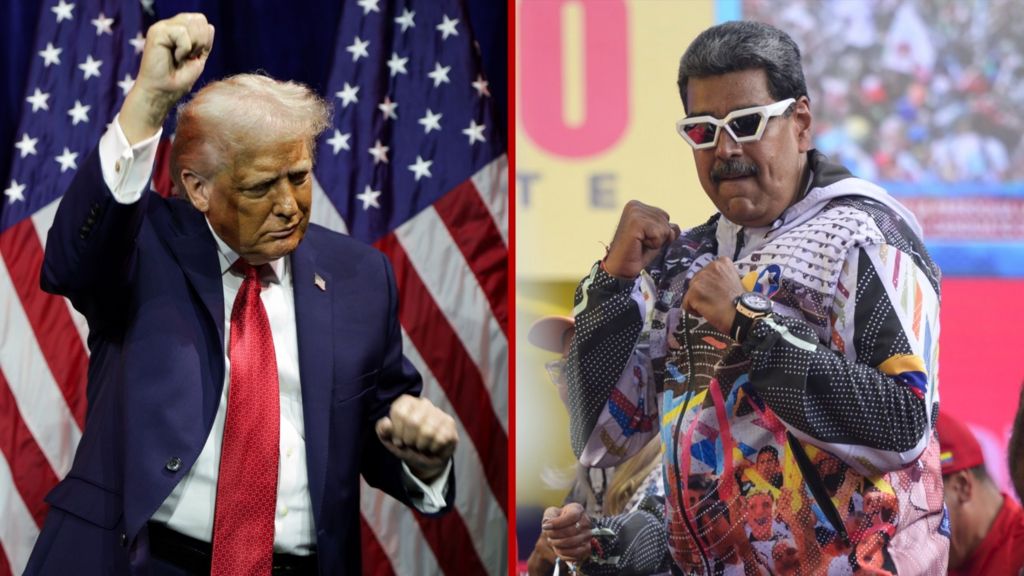
  • Watch: Trump says Maduro copied his dancing. Did he?

    Watch: Trump says Maduro copied his dancing. Did he?

    In an unusual diplomatic development, former U.S. President Donald Trump has publicly asserted that Nicolás Maduro, Venezuela’s controversial leader, deliberately mimicked his distinctive dance movements. The extraordinary allegation emerged on Tuesday, creating a surreal intersection of political theater and performative expression between the two nations’ leaders.

    This peculiar exchange occurs against the backdrop of significantly strained relations between the United States and Venezuela, where Maduro maintains power despite numerous international challenges to his legitimacy. The dancing comparison has sparked both amusement and bewilderment among political observers, who note the stark contrast between traditional diplomatic discourse and this unconventional form of political communication.

    Video evidence circulating online provides a comparative analysis of both leaders’ rhythmic expressions, revealing notable similarities in their movement patterns and stylistic approaches. The visual documentation offers fascinating insights into how body language and public performance have become increasingly relevant in modern political leadership.

    Political analysts suggest this incident reflects the evolving nature of international relations in the social media era, where symbolic gestures and visual messaging sometimes overshadow conventional diplomatic protocols. The dancing controversy represents just one episode in the complex relationship between the United States and Venezuela, which continues to navigate challenges related to governance, economic sanctions, and regional influence.

    The phenomenon also highlights how personal style and public presentation have become integral components of political identity in contemporary global leadership, potentially influencing public perception across international boundaries.

  • Turkey’s intelligence chief declares Africa a strategic priority

    Turkey’s intelligence chief declares Africa a strategic priority

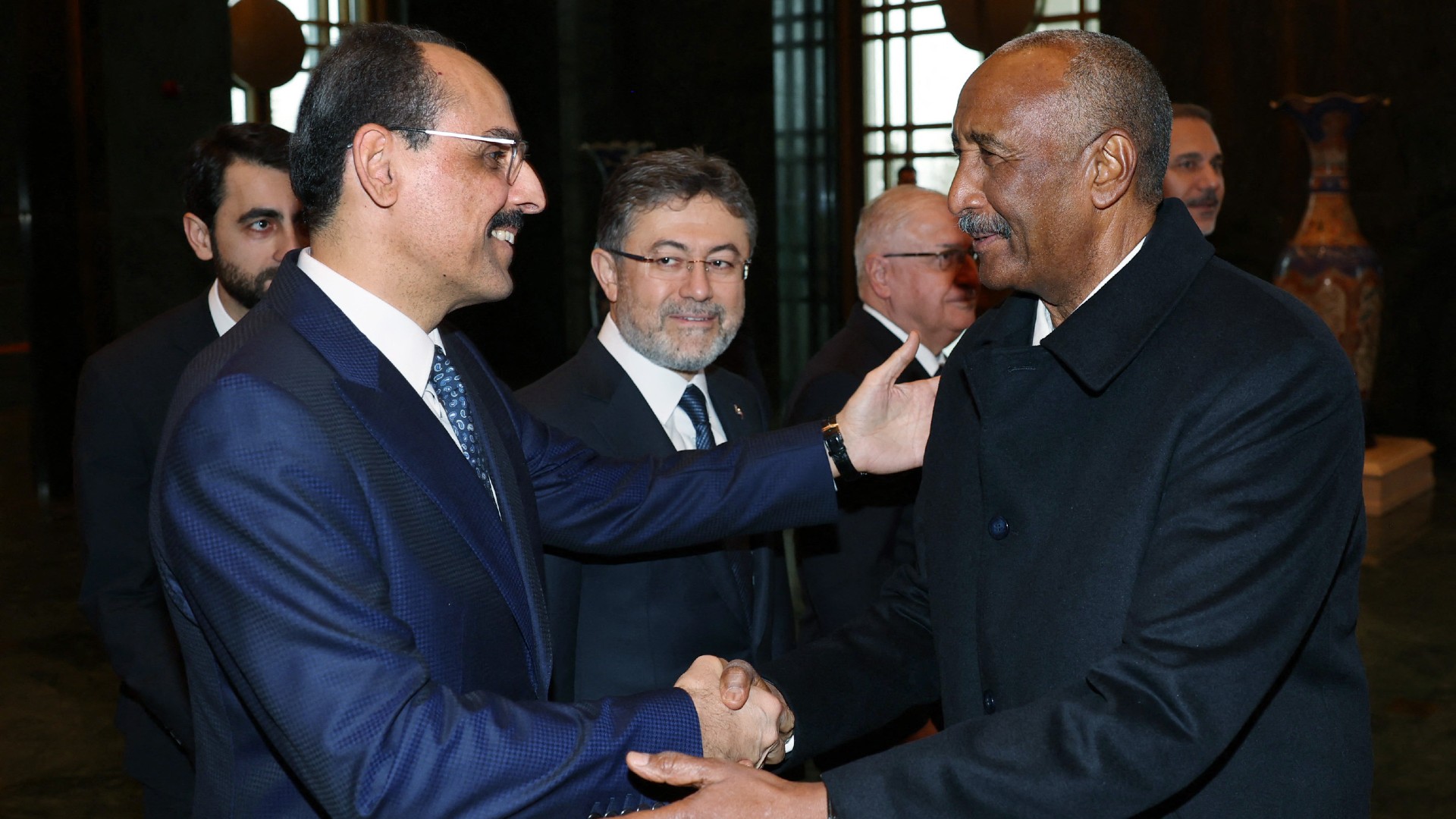
    Turkey is strategically intensifying its engagement across Africa through a distinctive multi-faceted approach that combines security cooperation, economic investment, and intelligence diplomacy, according to National Intelligence Organisation director Ibrahim Kalin. This expansion represents a significant shift from Ankara’s previously Europe-focused foreign policy to becoming what analysts describe as “one of the most consequential external actors on the continent.”

    The Turkish approach spans hard power elements—including armed drone exports and security training agreements—with soft power initiatives such as educational exchanges and commercial expansion, notably through Turkish Airlines’ extensive African network. This strategy has produced substantial results: trade volume between Turkey and Africa has multiplied eightfold since 2003, reaching $40.7 billion in 2022, while diplomatic presence has expanded from 12 embassies in 2002 to 44 today.

    Security cooperation forms a cornerstone of Turkey’s African engagement. Ankara has provided critical support in counterterrorism operations in Somalia, stabilization efforts in Libya, and mediation in various regional conflicts. A particularly notable demonstration of Turkey’s enhanced capabilities was the 2020 rescue of Italian humanitarian worker Silvia Romano from al-Shabaab captivity in Somalia—an operation experts say demonstrated intelligence capabilities matched by few global powers.

    Turkey’s pragmatic approach is especially evident in its engagement with former French colonies Niger, Burkina Faso, and Mali, all of which have recently experienced political transitions. In these nations, Turkey has filled security vacuums while expanding economic ties, including planned gold production in Niger set to commence in 2026.

    Analysts note that Turkey’s current African engagement revives historical connections dating to the Ottoman Empire’s presence in North Africa, but represents a fundamentally modern strategy that emphasizes institutional capacity building rather than traditional intervention models. Unlike many Western powers, Turkey focuses on enabling African governments to develop self-sufficient defense capabilities while maintaining neutrality in regional conflicts.

    This strategic positioning, according to experts, signals Turkey’s maturation as a middle power capable of influencing on-the-ground dynamics across Africa and directly competing with other global powers in shaping the continent’s future.

  • US discussing options to acquire Greenland, including use of military, says White House

    US discussing options to acquire Greenland, including use of military, says White House

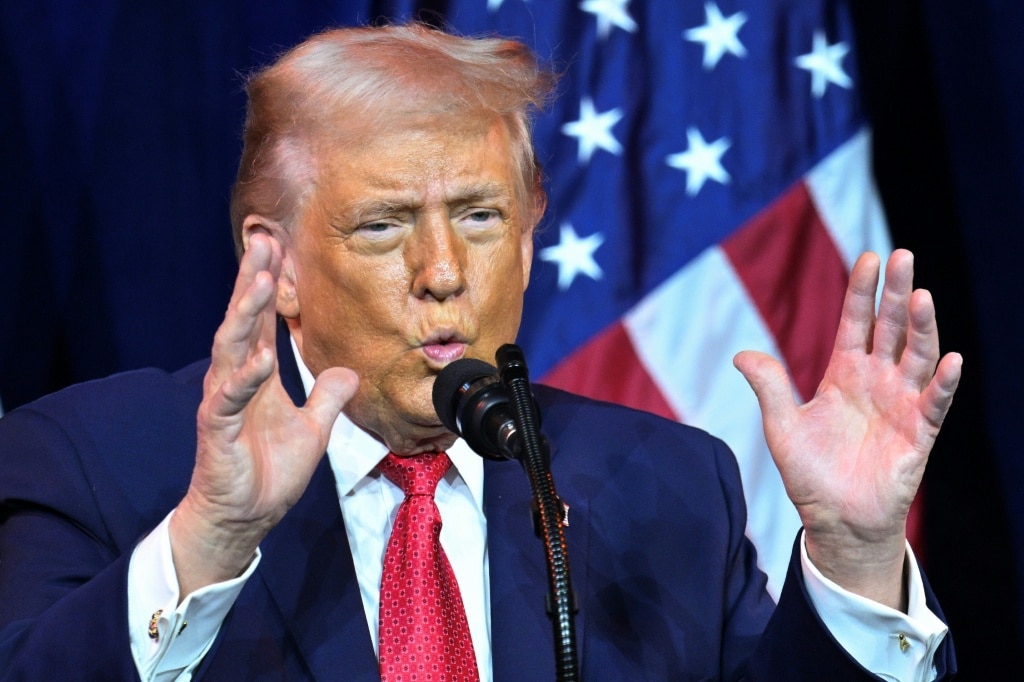
    The White House has confirmed that President Donald Trump is actively exploring “a range of options” to acquire Greenland, including potential military deployment, characterizing the territorial acquisition as a “national security priority.” This development follows Trump’s weekend remarks emphasizing America’s strategic “need” for the semi-autonomous Danish territory.

    The administration’s position was reinforced by Senior Advisor Stephen Miller, who declared Greenland’s incorporation into the United States as official U.S. policy. Miller asserted American military supremacy within NATO, stating “Nobody’s going to fight the US over the future of Greenland” when questioned about potential forcible annexation.

    European powers have responded with unprecedented unity. Leaders from the United Kingdom, France, Germany, Italy, Poland, and Spain issued a joint statement firmly supporting Danish sovereignty. “Greenland belongs to its people, and only Denmark and Greenland can decide on matters concerning their relations,” the statement read, while emphasizing collective NATO approaches to Arctic security and upholding UN Charter principles of territorial integrity.

    Danish Prime Minister Mette Frederiksen issued a stark warning that any U.S. military action against Greenland would effectively terminate the NATO alliance. Greenland’s Prime Minister Jens-Frederik Nielsen welcomed European support while calling for “respectful dialogue” grounded in international law.

    The current geopolitical tension traces back to Trump’s 2024 campaign trail where he first floated acquiring the strategically vital Arctic territory. Greenland’s significance has grown substantially due to climate change opening new shipping routes and increasing Russian and Chinese interest in the region. The administration’s renewed push follows controversial U.S. military intervention in Venezuela, with Trump’s inner circle openly signaling Greenland ambitions through social media posts featuring the territory adorned with American flag colors.

  • Trump considering military options to acquire Greenland

    Trump considering military options to acquire Greenland

    The White House has escalated diplomatic tensions by openly considering military options to acquire Greenland, with Press Secretary Karoline Leavitt declaring the territory’s acquisition “a national security priority” for the United States. This statement comes despite repeated requests from both Greenlandic and Danish authorities for high-level meetings to resolve what they term “misunderstandings.

    The renewed push for control of the autonomous Danish territory appears connected to recent U.S. military actions in Venezuela, with President Trump suggesting a decision on Greenland might emerge within two months once the Venezuelan situation stabilizes. The strategic value of Greenland lies in its untapped rare earth mineral deposits and emerging geopolitical importance as melting polar ice opens new Arctic shipping routes.

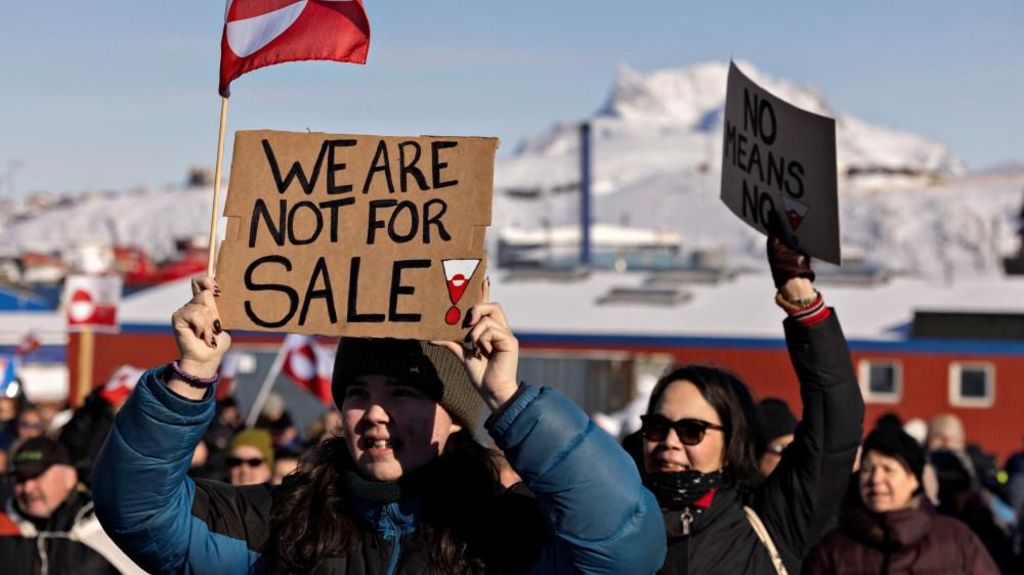
    European leaders have mounted a coordinated response, with Britain, France, Germany, Italy, Poland, and Spain joining Denmark in affirming their commitment to defend fundamental principles of sovereignty and territorial integrity. Greenland Prime Minister Jens-Frederik Nielsen reiterated that the island is “not for sale” and that only Greenlanders should determine their future.

    The transatlantic alliance faces potential fracture over the issue, which has been periodically raised by Trump since his first term. While attending Ukraine peace talks in Paris, French President Emmanuel Macron expressed difficulty imagining scenarios where the U.S. would violate Danish sovereignty, seeking to de-escalate tensions. Meanwhile, Denmark has pointed to substantial security investments totaling approximately $14 billion in the past year, countering Trump’s claims about inadequate Danish protection of the territory.

    Washington maintains an existing military presence in Greenland through the Thule Air Base, home to approximately 57,000 residents who now find themselves at the center of an unexpected geopolitical confrontation.

  • How Delcy Rodríguez courted Donald Trump and rose to power in Venezuela

    How Delcy Rodríguez courted Donald Trump and rose to power in Venezuela

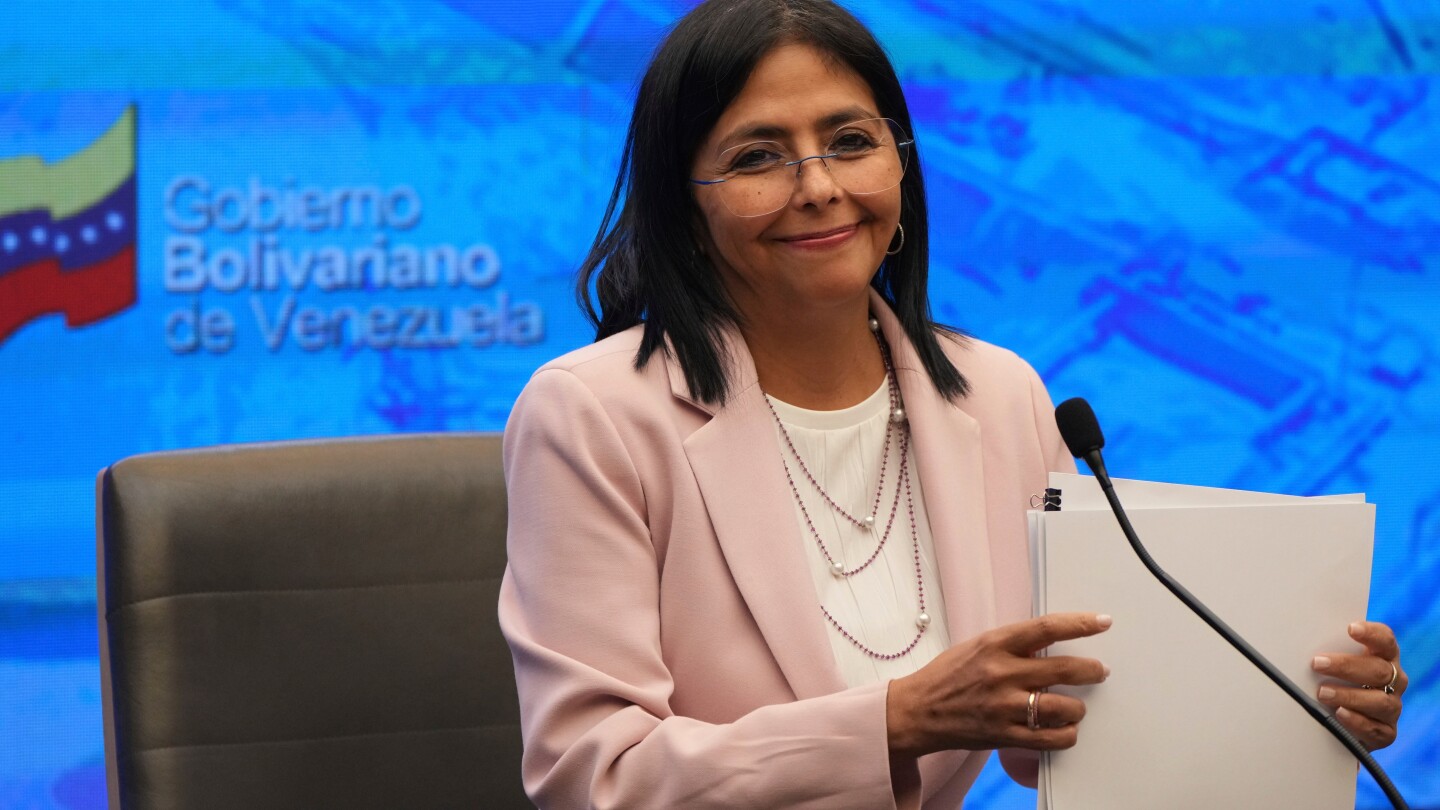
    MIAMI — In 2017, as Donald Trump prepared to assume the U.S. presidency, Venezuelan Foreign Minister Delcy Rodríguez identified a strategic opportunity. With Nicolas Maduro’s socialist regime facing severe economic collapse and widespread hunger, Rodríguez orchestrated a $500,000 donation from Citgo—Venezuela’s state-owned oil subsidiary—to Trump’s inauguration committee. Simultaneously, she engaged Trump’s former campaign manager as a Citgo lobbyist, cultivated relationships with Republican legislators, and pursued high-level meetings with Exxon leadership in a bold attempt to attract American investment.

    The diplomatic offensive ultimately failed when Trump, influenced by Senator Marco Rubio, adopted Venezuelan democracy restoration as a primary foreign policy objective following Maduro’s suppression of political opponents. However, Rodríguez’s efforts established her as a significant figure within U.S. political and business circles, facilitating her remarkable ascent to Venezuela’s interim presidency.

    According to interviews with ten former U.S. and Venezuelan officials and business leaders familiar with Rodríguez, she is characterized as intellectually sharp, occasionally charming, but fundamentally ruthless toward dissent. Most sources requested anonymity due to concerns about retaliation.

    Rodríguez’s political trajectory was shaped by childhood tragedy. In 1976, her father—a socialist leader—died in police custody after being detained for questioning regarding a kidnapped American businessman. This event radicalized both Rodríguez and Maduro, creating anti-American sentiment that would persist throughout their careers.

    Her initial political advancement under Hugo Chávez was uneven. During a 2006 international tour, Chávez reportedly expelled her from the presidential aircraft in Moscow due to scheduling failures, subsequently dismissing her with accusations of arrogance and incompetence.

    Maduro revived Rodríguez’s career following Chávez’s 2013 death. Her Western education—legal studies in Britain and France—and English fluency distinguished her within Chavismo’s factional landscape. She cultivated relationships with Venezuela’s ‘boligarch’ elite, including media magnate Raul Gorrín, who collaborated on back-channel diplomacy with Trump administration officials until facing U.S. money laundering charges.

    As vice president from 2018, Rodríguez assumed control over significant portions of Venezuela’s oil economy, recruiting international financial experts and pursuing debt restructuring despite crippling U.S. sanctions. Her consolidation of power included jailing former Oil Minister Tareck El Aissami in a 2024 anti-corruption campaign.

    Following Maduro’s dramatic capture, Trump has alternated between praising Rodríguez as a ‘gracious’ partner and threatening her with similar consequences unless she maintains ruling party control and grants the U.S. ‘total access’ to Venezuela’s oil reserves. Notably absent from discussions are constitutional requirements for elections within 30 days of a presidential vacancy.

    Some analysts compare Rodríguez to China’s Deng Xiaoping for her pragmatic leadership style. Hans Humes of Greylock Capital Management suggests her operational experience makes her preferable to opposition exiles who might provoke Iraq-style instability. However, former U.S. Special Envoy Elliott Abrams contends that sustainable democratic transition remains impossible while Chavismo retains power.

  • Trump’s former Russia adviser says Russia offered US free rein in Venezuela in exchange for Ukraine

    Trump’s former Russia adviser says Russia offered US free rein in Venezuela in exchange for Ukraine

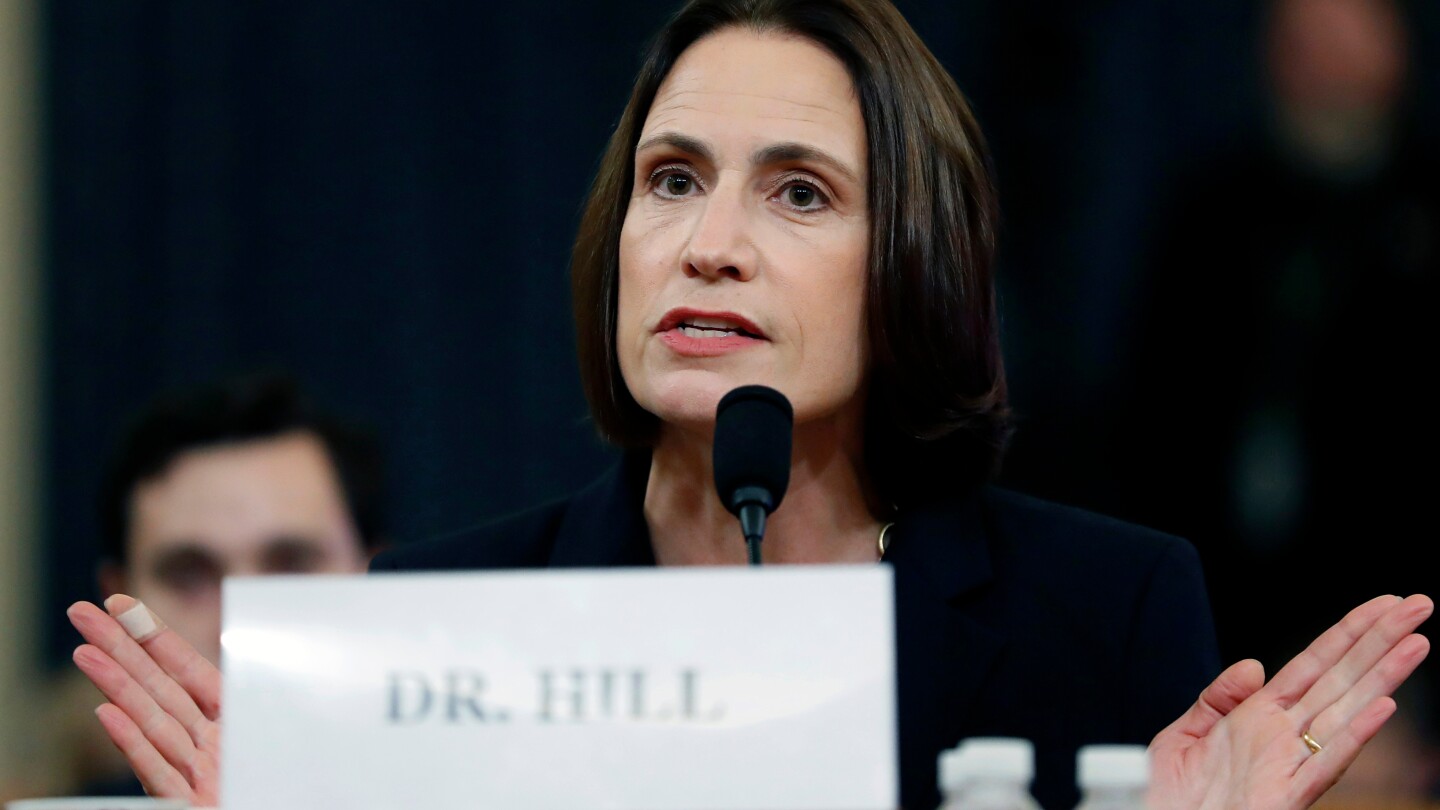
    Former White House Russia advisor Fiona Hill has disclosed that Russian officials privately proposed exchanging geopolitical influence in Venezuela for Ukraine in 2019, suggesting Moscow would reduce support for Nicolás Maduro if granted freedom of action in Eastern Europe.\n\nAccording to Hill’s testimony to Congress in 2019 and recent statements to The Associated Press, Kremlin intermediaries floated the concept of a \”strange swap arrangement\” through Russian media channels that strategically referenced the Monroe Doctrine. This 19th century principle originally asserted U.S. opposition to European interference in the Western Hemisphere while America remained uninvolved in European affairs.\n\nAlthough Russian officials never formalized the proposal, Moscow’s then-ambassador to the United States, Anatoly Antonov, repeatedly hinted at Russia’s willingness to permit American intervention in Venezuela if Washington reciprocated regarding Russian ambitions in Europe. \”Before there was a ‘hint hint, nudge nudge, wink wink, how about doing a deal?’ But nobody in the U.S. was interested then,\” Hill revealed.\n\nIn April 2019, President Trump dispatched Hill to Moscow with a clear rejection of the proposition. She explicitly informed Russian officials that \”Ukraine and Venezuela are not related to each other,\” reinforcing the White House’s position alongside allies who recognized Venezuelan opposition leader Juan Guaido as interim president.\n\nThe geopolitical landscape has shifted dramatically seven years later. Following the U.S. operation that ousted Maduro, Washington has asserted it will now \”run\” Venezuela policy. Concurrently, Trump has revived threats to acquire Greenland—a self-governing Danish territory within NATO—and suggested military action against Colombia over drug trafficking concerns.\n\nHill warned that Moscow would welcome this resurgence of great-power sphere-of-influence politics, viewing it as validation that \”might makes right.\” She expressed concern that U.S. actions in Venezuela undermine Western moral authority to condemn Russian designs on Ukraine as illegitimate, noting \”we’ve just had a situation where the U.S. has taken over—or at least decapitated the government of another country—using fiction.\”\n\nThe Trump administration has characterized its Venezuela operation as a lawful law enforcement action. Russia’s Foreign Ministry condemned the move as \”aggression\” but has not responded to Hill’s specific account of the 2019 proposal. President Vladimir Putin has remained silent on Maduro’s ouster while maintaining Russia’s opposition to U.S. interventionism.

  • What’s next in deposed Venezuela leader Nicolás Maduro’s criminal case

    What’s next in deposed Venezuela leader Nicolás Maduro’s criminal case

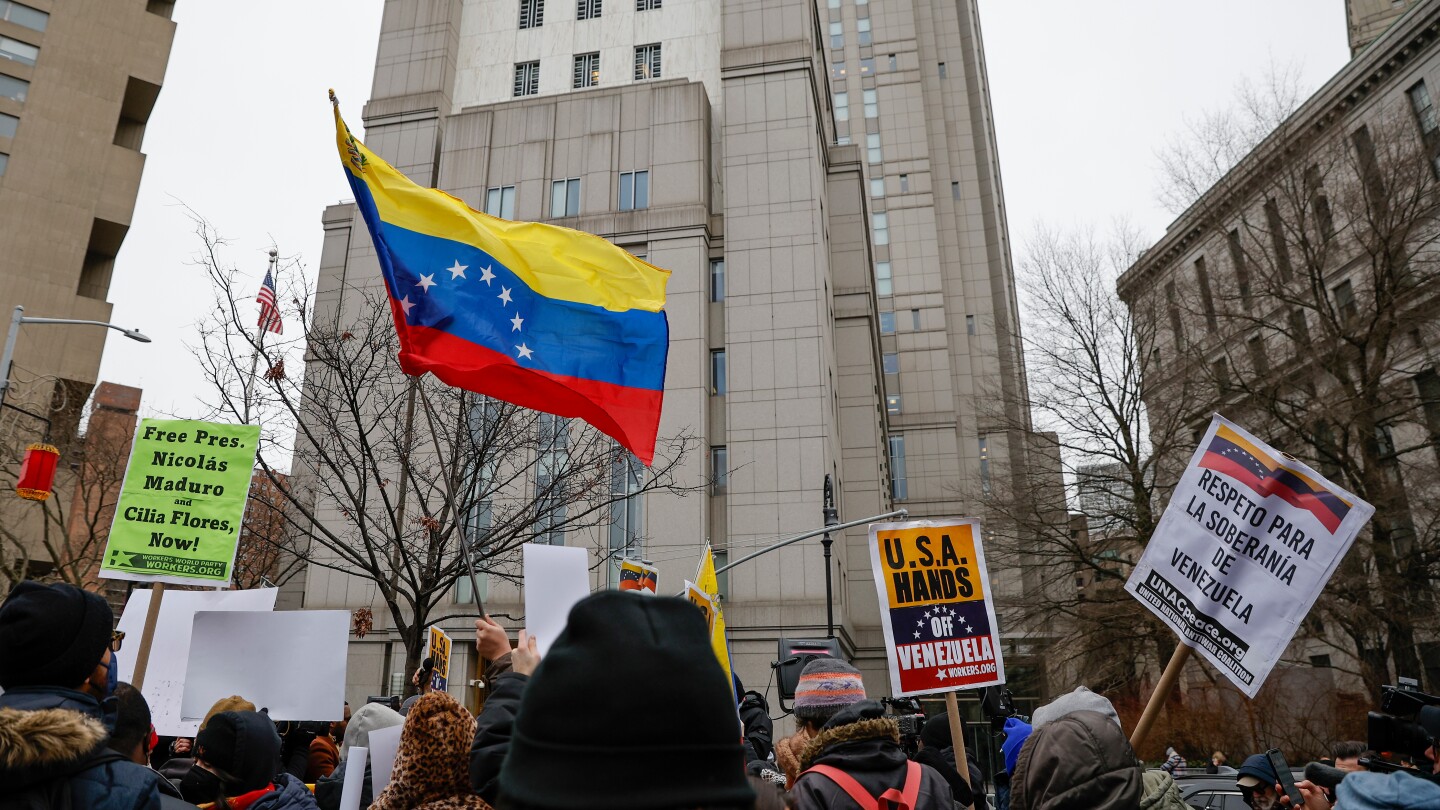
    NEW YORK — The initial U.S. court appearance of Nicolás Maduro marked the commencement of a protracted legal battle that could potentially result in lifelong incarceration for the Venezuelan leader. Maduro and his wife, Cilia Flores, faced arraignment Monday on multiple federal charges including narcoterrorism conspiracy and cocaine importation schemes, following their dramatic capture by U.S. forces in Caracas during a nighttime operation.

    During the hearing before Judge Alvin Hellerstein, Maduro defiantly asserted his continued presidency of Venezuela and characterized his apprehension as an unlawful kidnapping, declaring himself a prisoner of war. Both defendants entered not guilty pleas to all charges, which carry potential life sentences.

    The Trump administration defended the extraordinary extraterritorial operation as a justified law enforcement action against a leader prosecutors first indicted six years ago. The case presents unprecedented legal questions regarding sovereignty and immunity that may require extensive appellate review.

    Legal experts anticipate several critical developments in the coming months:

    Bail considerations remain theoretically possible but practically unlikely given the severity of charges and flight risk assessments. Historical precedents including Manuel Noriega’s case suggest pretrial detention will be maintained.

    Medical attention has been requested for Flores, who allegedly sustained significant injuries during capture requiring radiographic evaluation for potential fractures. Maduro’s counsel also indicated unspecified health concerns requiring monitoring while detained at the Metropolitan Detention Center.

    Consular access complications have emerged due to Maduro’s own 2019 order closing Venezuelan diplomatic facilities in the U.S. This creates practical challenges for legal fee payments given longstanding U.S. sanctions against both defendants.

    Substantial legal challenges are anticipated regarding sovereign immunity claims and the legality of Maduro’s capture. The defense has expanded to include Bruce Fein, a former Reagan administration Justice Department official specializing in constitutional and international law.

    The next hearing is scheduled for March 17 as both sides prepare for what may become a landmark case in international law and cross-border law enforcement operations.

  • Teen killed in anti-conscription protest in Jerusalem

    Teen killed in anti-conscription protest in Jerusalem

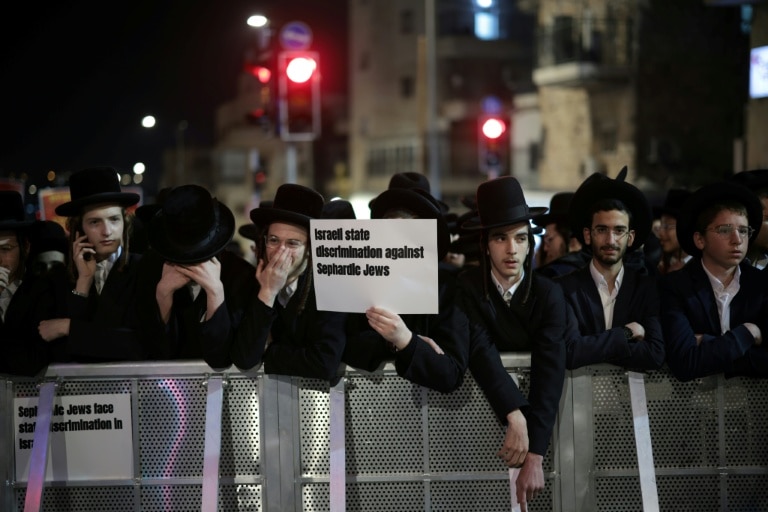
    A fatal incident during mass demonstrations against mandatory military service for ultra-Orthodox Jews has resulted in one death and multiple injuries in Jerusalem. Emergency services confirmed an 18-year-old male was pronounced dead at the scene after being struck by a bus during Tuesday’s protests against proposed conscription legislation.

    The tragic event occurred as thousands of Haredi Jewish demonstrators gathered to oppose ending their longstanding exemption from military service. According to Magen David Adom emergency responders, the bus initially injured three pedestrians before continuing and striking the teenager, who became trapped beneath the vehicle.

    Police reports indicate the protest turned violent when a segment of demonstrators began disrupting public order through traffic blockades, property damage, and assaults on law enforcement and journalists. Authorities stated the bus driver was arrested but claimed he had been assaulted by protesters prior to the incident. Israeli security sources have explicitly ruled out terrorism as a motive.

    The demonstrations reflect deepening societal tensions as Israel faces military manpower shortages following two years of multi-front conflicts. Prime Minister Benjamin Netanyahu navigates competing pressures between opposition demands for expanded conscription and ultra-Orthodox coalition partners who traditionally oppose drafting religious students.

    This longstanding exemption, established since Israel’s founding in 1948, allows yeshiva students dedicated to Jewish textual study to avoid mandatory service. However, the policy faces increasing scrutiny amid ongoing military mobilizations, despite the fragile Gaza truce.

    The political stakes are substantial for Netanyahu’s government, as ultra-Orthodox parties constitute 14% of Israel’s Jewish population and are essential to maintaining his right-wing coalition’s parliamentary majority. The government’s stability has already been tested by previous conscription legislation, with the United Torah Judaism party exiting the coalition and reducing its seats to 60 out of 120.

    This incident marks the second protest-related death in recent months, following a teenage suicide during similar demonstrations in October.

  • Ex-Gansu vice-governor convicted of bribery, insider trading

    Ex-Gansu vice-governor convicted of bribery, insider trading

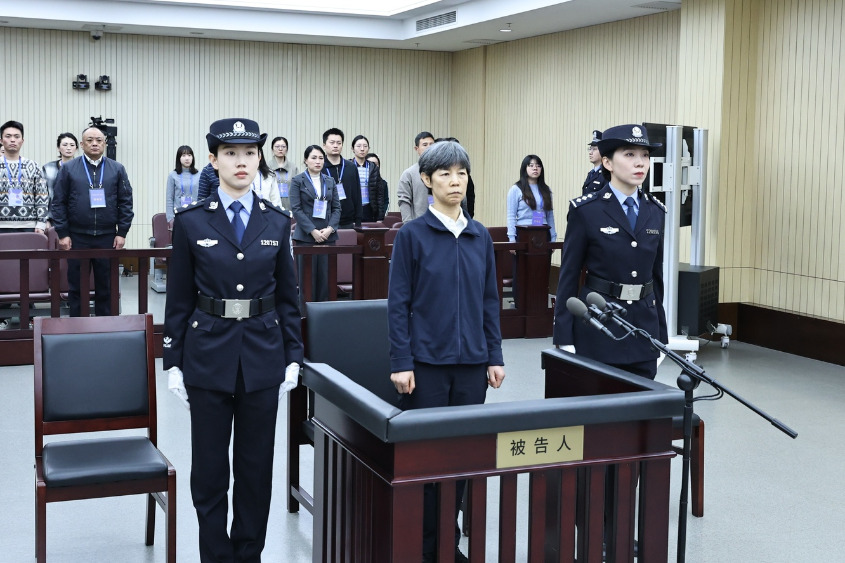
    In a significant anti-corruption ruling, Zhao Jinyun, former Vice-Governor of China’s Gansu province, has been sentenced to 15 years imprisonment for bribery and insider trading offenses. The Tianjin No. 2 Intermediate People’s Court delivered the verdict on Tuesday, marking another high-profile conviction in China’s ongoing anti-graft campaign.

    The court found Zhao guilty of leveraging her official positions from 2005 through October 2024 to illicitly benefit individuals and organizations in matters including construction contracts, mineral exploration permits, tax disputes, and employment arrangements. Together with her husband Bao Donghong, who held prominent roles in Gansu and Shaanxi provinces, Zhao accepted bribes exceeding 54.09 million yuan ($7.7 million).

    Additionally, between June 2018 and March 2022, Zhao engaged in insider trading by utilizing confidential information obtained through her government work. She executed stock transactions through securities accounts controlled by relatives and friends, generating illegal profits surpassing 300,000 yuan from trades totaling over 7.02 million yuan.

    The comprehensive sentence includes 13 years for bribery with a 3 million yuan fine, and 5 years for insider trading with a 500,000 yuan penalty, combined into a 15-year term. The court also ordered confiscation of all illicit gains and interests, which will be transferred to the state treasury.

    Despite the severity of the crimes, the court acknowledged mitigating factors including Zhao’s confession, voluntary disclosure of previously unknown bribery incidents, partial recovery of illegal proceeds, and the fact that some bribes remained unconsummated. Her husband Bao is being processed in a separate legal case.

    Zhao’s political career spanned decades, including membership in the Jiusan Society since 1999 and her appointment as Gansu Vice-Governor in December 2022. Her downfall began with an investigation into duty-related violations in October 2024, followed by removal from office in April 2025 and formal indictment three months later.

  • What to know about Ukraine allies’ security guarantees as the war nears 4 years

    What to know about Ukraine allies’ security guarantees as the war nears 4 years

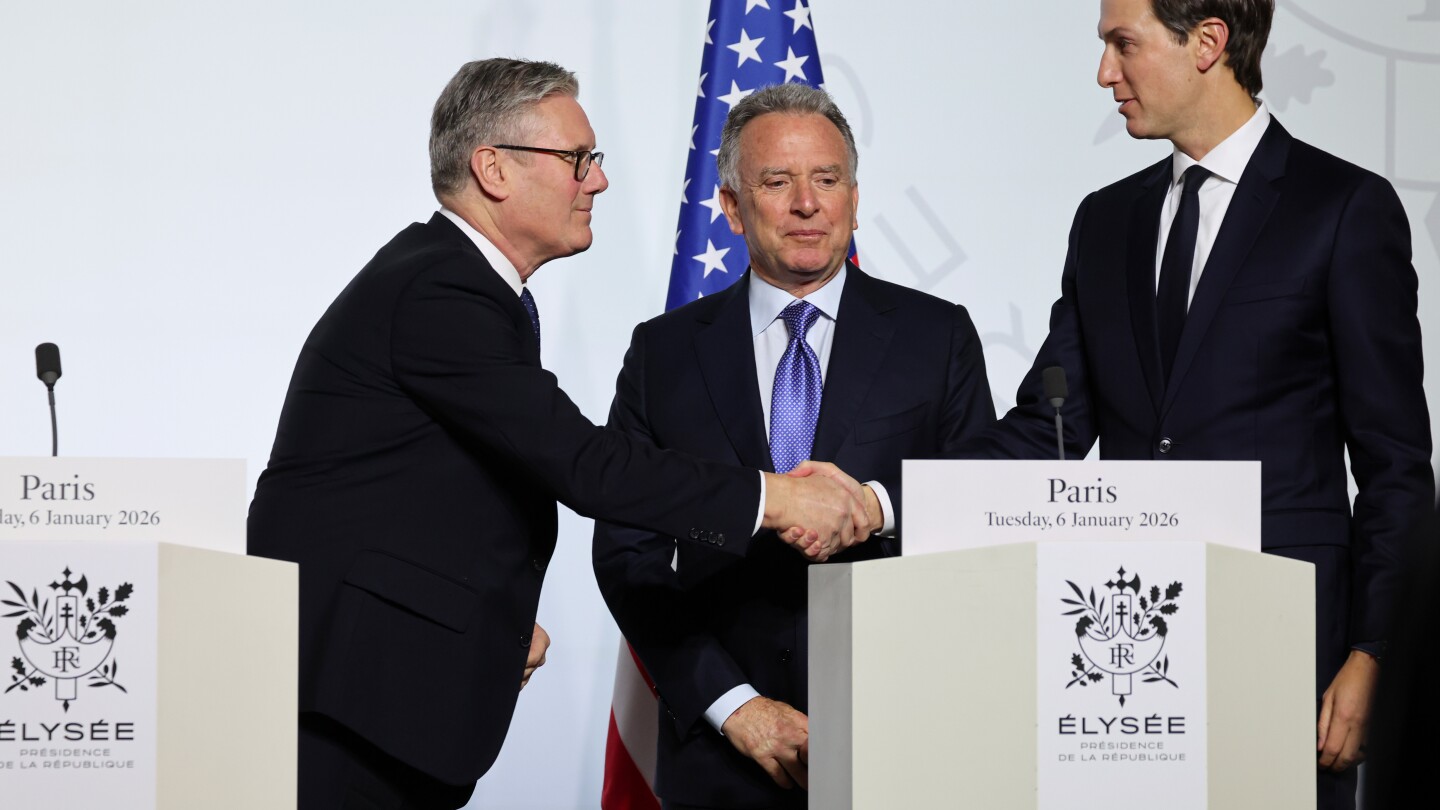
    PARIS — In a significant diplomatic development, Western nations have united to establish a comprehensive security architecture aimed at safeguarding Ukraine against potential future Russian aggression. The high-level gathering in Paris brought together leaders from European countries, Canada, and senior officials from both the European Union and NATO, alongside U.S. representatives, marking the most substantial collective effort to date in planning Ukraine’s long-term security.

    The consensus framework, endorsed by participating nations, outlines multilayered security guarantees designed to take effect following any ceasefire or peace settlement with Russia. Central to this agreement is the recognition that Ukraine’s armed forces will serve as the primary deterrent against future attacks, with international partners committing to sustained military assistance and arms provisions even after active hostilities conclude.

    French President Emmanuel Macron characterized the joint statement as a “significant step” toward resolving Russia’s ongoing invasion, though Moscow officials remained silent regarding the Paris meeting. The proposed security measures encompass five critical components: ceasefire monitoring mechanisms, continued support for Ukrainian armed forces, potential deployment of multinational forces across land, sea, and air domains, agreed response protocols for any future Russian aggression, and establishment of long-term defense cooperation with Ukraine.

    British Prime Minister Keir Starmer revealed that the United Kingdom and France plan to establish military installations throughout Ukraine to facilitate weapons storage and equipment protection, though any European troop deployments would require legislative approval in respective nations. U.S. envoy Steve Witkoff affirmed American support for the security guarantees without specifying military contributions.

    Ukrainian President Volodymyr Zelenskyy acknowledged progress in the talks while emphasizing that individual national ratifications must precede implementation. He noted that participants had identified leadership countries for various security elements and determined necessary force structures, though operational details, financing arrangements, and monitoring mechanisms remain unresolved.

    Prime Minister Starmer cautioned that “the hardest yards are still ahead,” highlighting continued Russian attacks and Vladimir Putin’s apparent unwillingness to pursue peace. The discussed security measures would only activate following a ceasefire or comprehensive settlement and subsequent domestic approval processes—a complexity Zelenskyy acknowledged by noting that not all nations are prepared to commit forces, with some preferring weapons, technology, or intelligence support instead.

    Russia maintains that ceasefire discussions cannot occur without a comprehensive settlement and has explicitly rejected any NATO troop presence on Ukrainian territory. Ukrainian officials have repeatedly warned that any ceasefire lacking enforceable guarantees could provide Moscow opportunity to regroup and launch renewed offensive operations.

    The Paris framework currently lacks binding commitments, leaving Ukraine dependent on allies’ political will to transform conceptual plans into operational realities. Potential obstacles include legislative approval requirements, unresolved force structure details, financing uncertainties, and transatlantic coordination challenges—all factors that could substantially delay or dilute the proposed security assurances.

    The participation of 35 representatives, including 27 heads of state or government, underscored the coalition’s breadth, though Zelenskyy observed that the coalition’s very existence depends on specific nations enhancing their engagement. For Ukraine, the paramount concern remains that deterrence mechanisms remain theoretical while active warfare continues.