分类: politics

  • Iran-US nuclear talks conclude in Geneva ‘after significant progress’: Omani FM

    Iran-US nuclear talks conclude in Geneva ‘after significant progress’: Omani FM

    GENEVA – A third round of indirect nuclear negotiations between Iran and the United States, mediated by Oman, concluded in Geneva on Thursday with both sides acknowledging substantial advancements. Omani Foreign Minister Sayyid Badr bin Hamad bin Hamood Albusaidi characterized the talks as achieving “significant progress in the negotiation.”

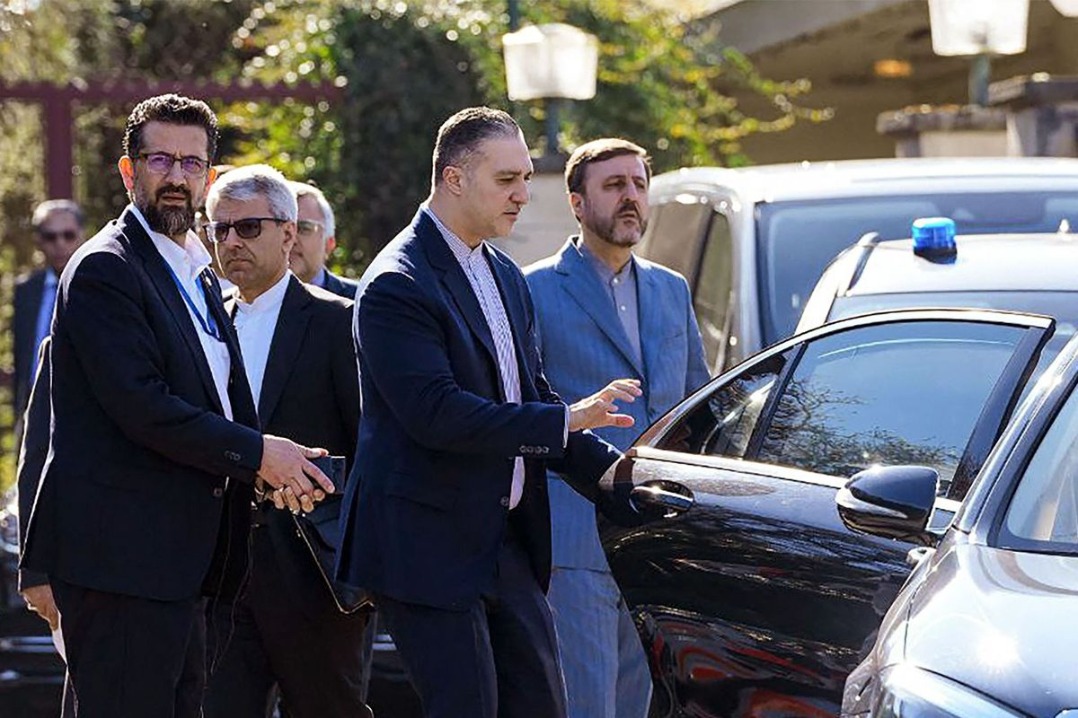
    The discussions, which commenced Thursday morning, featured high-level representation from both nations. Iran’s delegation was led by Foreign Minister Seyed Abbas Araghchi, while the U.S. contingent included Presidential Special Envoy Steve Witkoff and Jared Kushner, son-in-law of former President Donald Trump.

    Minister Albusaidi indicated that while delegations will return to their respective capitals for consultations, technical-level discussions are scheduled to resume next week in Vienna. In a public statement, he noted that both parties exhibited “unprecedented openness to new and creative ideas and solutions,” describing the ongoing efforts as intensive and constructive.

    Iranian Foreign Minister Araghchi echoed this optimism in remarks to state television, confirming that dialogues had entered serious phases concerning the elements of a potential agreement. He reported “very good progress” on both nuclear-related issues and the critical matter of sanctions relief, suggesting another round of talks could be convened within a week.

    These diplomatic efforts unfold against a backdrop of escalating regional tensions, exacerbated by a recent U.S. military buildup in West Asia. The core of the negotiations remains a potential exchange: restrictions on Iran’s uranium enrichment activities and stockpiles in return for the alleviation of stringent U.S. sanctions.

    The U.S. position, established during the Trump administration, continues to advocate for an indefinite and verifiable agreement designed to prevent Iran from developing nuclear weapons, coupled with warnings of potential military action should diplomacy prove futile. Conversely, Iran maintains that its nuclear program is purely peaceful and insists that discussions must focus on securing the removal of sanctions that have crippled its economy.
  • India and Israel pledge to boost ties in defence and technology

    India and Israel pledge to boost ties in defence and technology

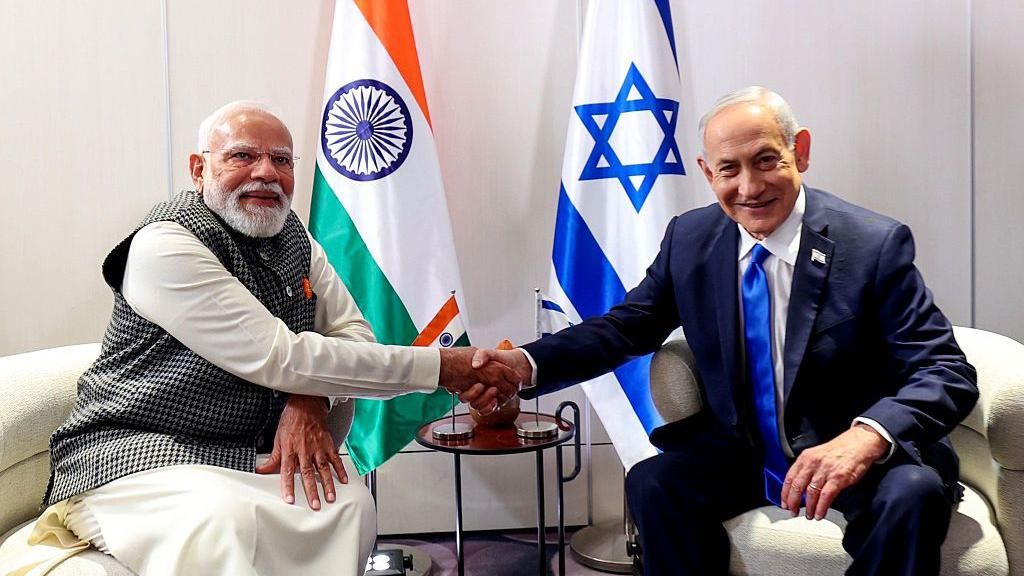
    Indian Prime Minister Narendra Modi concluded a significant two-day diplomatic mission to Israel, marking his second visit since 2017 and resulting in the establishment of a Special Strategic Partnership between the two nations. The visit produced over a dozen bilateral agreements spanning defense, artificial intelligence, cybersecurity, space exploration, trade, education, investment, agriculture, and economic cooperation.

    During joint statements with Israeli Prime Minister Benjamin Netanyahu, both leaders announced progress toward a comprehensive free trade agreement while condemning terrorism unequivocally. Modi specifically endorsed US President Donald Trump’s peace plan for Gaza during a news conference, stating that “humanity must never become a victim of conflict” while affirming India’s support for peaceful resolution efforts.

    The Indian leader paid respects at Yad Vashem, Israel’s Holocaust memorial, and addressed the Knesset where he expressed solidarity with Israel following the October 2023 Hamas-led attacks: “We feel your pain. We share your grief. India stands with Israel, firmly, with full conviction, in this moment, and beyond.”

    Significant practical outcomes included Israel’s commitment to admit 50,000 additional Indian workers over the next five years and India’s extension of its Unified Payments Interface (UPI) digital payment system to Israel, enhancing financial connectivity between the nations.

    The visit faced domestic criticism in India, particularly from opposition Congress party spokesperson Jairam Ramesh who accused the Modi government of abandoning Palestinian interests. However, analysts viewed the diplomacy as reflecting India’s long-term strategic requirements in the Middle East, with Kabir Taneja of the Observer Research Foundation noting that regional stability remains “critically important” for India’s broader interests.

  • UK Labour party loses parliamentary seat to left-wing Greens

    UK Labour party loses parliamentary seat to left-wing Greens

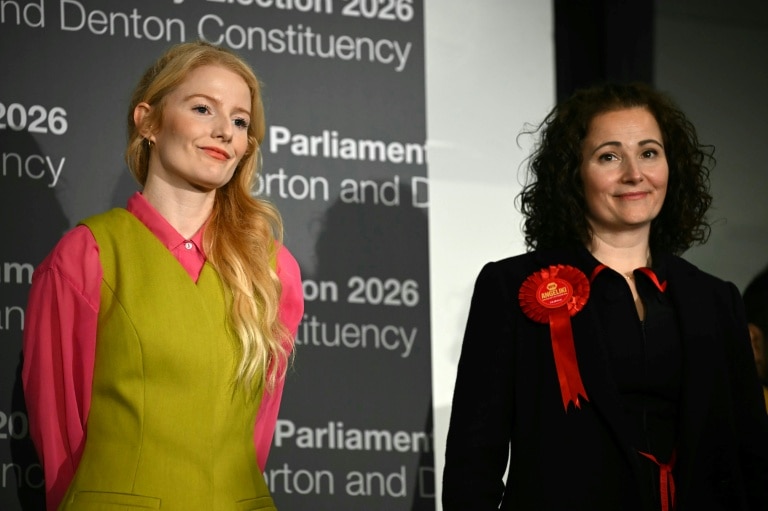
    In a stunning political reversal that has shaken Britain’s establishment, the left-wing Green Party has seized a parliamentary seat from the ruling Labour Party in a northern English stronghold. The Friday by-election in Manchester’s Gorton and Denton constituency saw Labour plummet to an embarrassing third-place finish, trailing behind both the Greens and the hard-right Reform UK party.

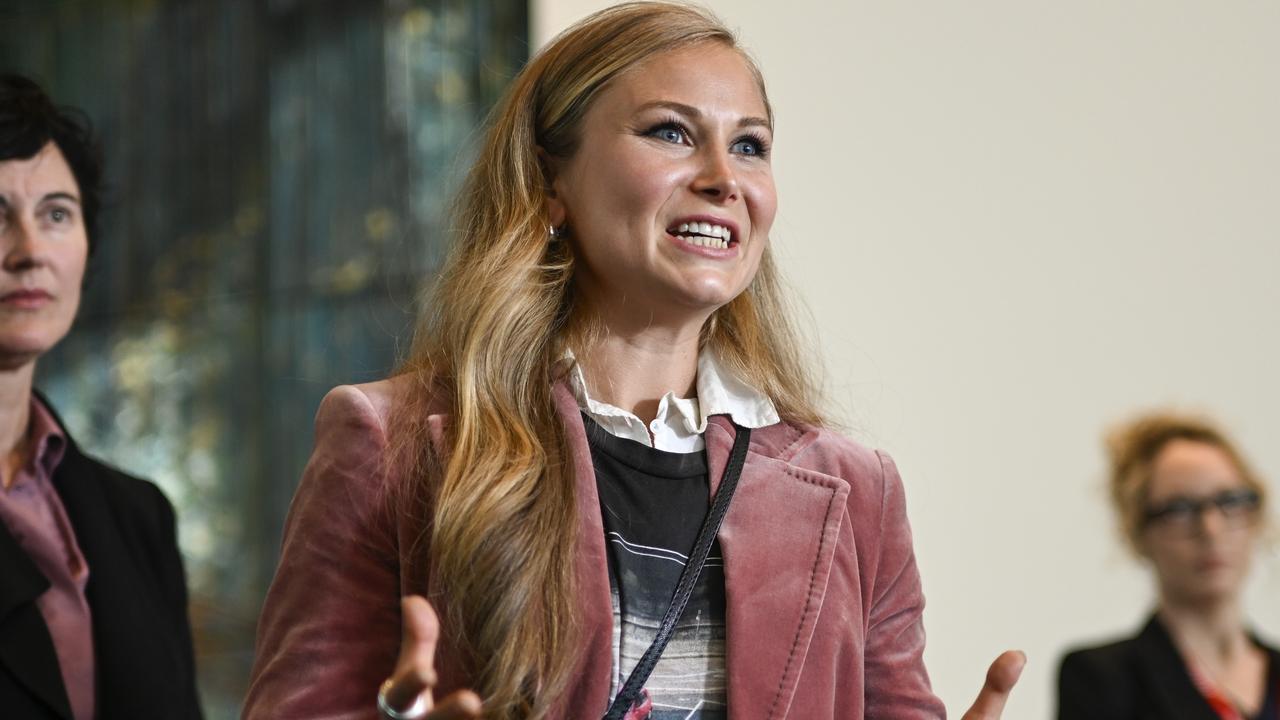
    The outcome represents a seismic shift in a constituency Labour had dominated for decades, demonstrating how Britain’s traditional two-party system is fracturing under pressure from insurgent movements. Hannah Spencer, a 34-year-old plumber and plasterer, secured nearly 15,000 votes to become the Green Party’s fifth MP in the 650-seat parliament. Her victory speech emphasized voter frustration: ‘People in their thousands told me that what we are sick of is being let down and looked down on.’

    The result intensifies pressure on Prime Minister Keir Starmer, who polls indicate has become Britain’s most unpopular prime minister since records began. His government has been plagued by policy reversals and controversies, including the appointment of Peter Mandelson, an associate of late sex offender Jeffrey Epstein, as ambassador to Washington.

    The Greens ran an impressive grassroots campaign that mobilized the constituency’s substantial Muslim population (28%), capitalizing on discontent with Labour’s stance on Palestinian issues and its rightward shift on immigration. Meanwhile, Reform UK candidate Matt Goodwin, a political scientist who has questioned whether ethnic minorities can automatically be considered British, garnered approximately 10,500 votes by tapping into anti-immigrant sentiments.

    Veteran pollster John Curtice told the BBC the result demonstrates that ‘the Conservative-Labour duopoly that has long dominated post-war British politics has never looked weaker.’ The outcome suggests British voters are increasingly turning to alternative parties for solutions to persistent issues like the high cost of living and immigration challenges.

    The defeat compounds Starmer’s difficulties as he faces upcoming elections in Scotland, Wales, and London in May, with pollsters predicting further painful results for Labour. The prime minister’s decision to block popular Manchester mayor Andy Burnham’s parliamentary candidacy—widely seen as preventing a potential leadership challenge—will likely face renewed scrutiny following this electoral debacle.

  • Nepal will hold first election since deadly protests, with 3 rivals vying to be prime minister

    Nepal will hold first election since deadly protests, with 3 rivals vying to be prime minister

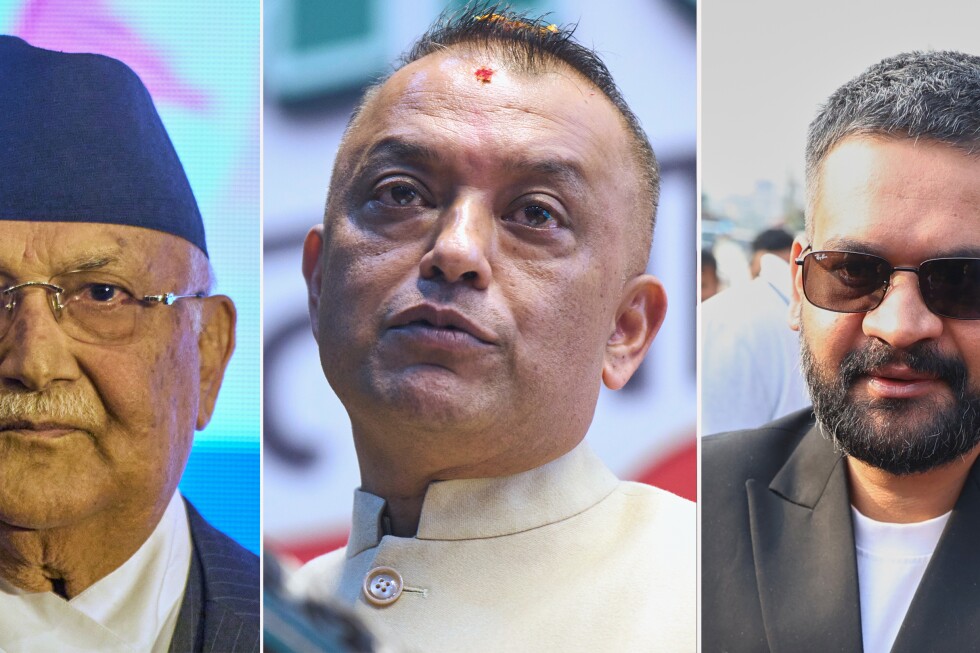
    Nepal stands at a critical political juncture as the nation prepares for decisive parliamentary elections following last year’s youth-led uprising that toppled the previous government. This electoral contest features three distinct contenders representing divergent political philosophies, each vying to become Nepal’s 16th prime minister since the monarchy’s abolition in 2008—a statistic underscoring the chronic instability that has characterized the Himalayan nation’s governance.

    The electoral frontrunner emerges as Balendra Shah, a 35-year-old former rapper and structural engineer who captured public imagination during his tenure as Kathmandu mayor. Known popularly as ‘Balen,’ Shah’s anti-establishment platform propelled him to municipal victory in 2022, where he gained recognition for addressing urban challenges including illegal vending and waste management, though not without controversy regarding his aggressive demolition policies. Now leading the National Independent Party, Shah’s campaign rhetoric emphasizes equitable access to education and healthcare for Nepal’s economically disadvantaged populations.

    Gagan Thapa, 49, represents the established political order as the newly elected leader of Nepal’s oldest political force, the Nepali Congress. Having recently overcome internal party resistance to secure leadership, Thapa positions himself as a reformist within the traditional democratic framework. His platform prioritizes the elimination of systemic corruption within five years and establishing greater governmental accountability, addressing directly the grievances that fueled last year’s deadly protests that claimed dozens of lives.

    The third contender, former Prime Minister Khadga Prasad Oli, seeks a return to power despite being ousted during last year’s violent unrest. The controversial communist leader maintains significant support within his party base, advocating for policy stability and economic development. Oli’s political stature previously surged during his confrontation with India’s 2015 economic blockade, which caused severe shortages throughout Nepal.

    This triangular contest occurs against the backdrop of Nepal’s delicate geopolitical positioning between regional powers China and India, with Oli’s communist factions historically leaning toward Beijing while Thapa’s Nepali Congress maintains closer ties to New Delhi. The election outcome will determine not only domestic policy direction but also potentially recalibrate Nepal’s international alignments.

  • Macron to visit top-secret sub base as some Europeans worry about US nuclear guarantees

    Macron to visit top-secret sub base as some Europeans worry about US nuclear guarantees

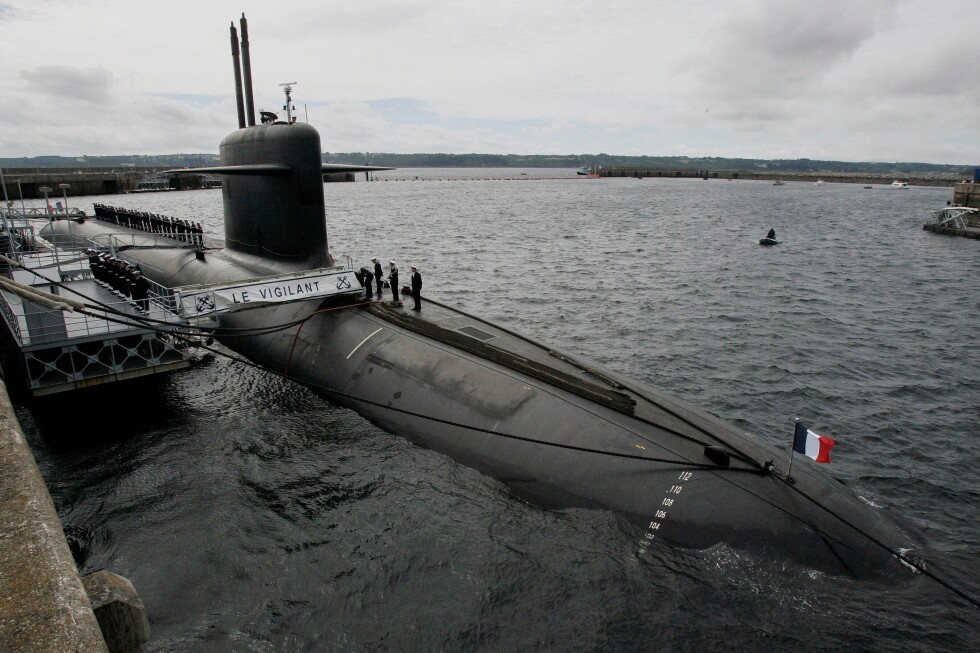
    PARIS — In a strategic move reflecting Europe’s shifting security landscape, French President Emmanuel Macron is poised to deliver a pivotal address on France’s nuclear deterrence policy Monday. The speech at the Île Longue submarine base comes amid growing continental anxieties about Russia’s expansionist threats and questions about America’s reliability under a potential second Trump administration.

    As the European Union’s sole nuclear power, France faces increasing pressure to clarify its strategic posture. Macron’s address—only his second major nuclear policy speech since 2017—signals profound concerns about technological advancements and geopolitical realignments threatening European security architecture.

    The context marks a dramatic evolution from Macron’s previous nuclear doctrine statement in 2020. Russia’s full-scale invasion of Ukraine now entering its fifth year, coupled with Vladimir Putin’s repeated nuclear threats, has shattered previous security assumptions. Simultaneously, China and North Korea continue expanding their arsenals while Russia recently revised its deterrence policy to lower thresholds for nuclear retaliation.

    European officials express particular concern about U.S. commitments. Rasmus Jarlov, chair of the Danish parliament’s Defense Committee, articulated widespread doubts: “If things got really serious, I very much doubt Trump would risk American cities to protect European cities.” This sentiment is driving unprecedented nuclear consultations between France and European partners.

    Germany has engaged in preliminary discussions about potential nuclear cooperation, with Chancellor Friedrich Merz publicly theorizing about German aircraft potentially delivering French nuclear weapons. Such conversations represent a remarkable shift in European defense dynamics, with nations seeking “a second life insurance” against possible U.S. disengagement, according to Etienne Marcuz of the Foundation for Strategic Research.

    France maintains approximately 300 warheads deployed across submarine and air platforms, a number stable since 2008. Macron previously stated this force could inflict “absolutely unacceptable damage” to any nation threatening France’s “vital interests,” which he noted possess “a European dimension.” Nuclear specialists will scrutinize Monday’s address for signals about potential arsenal expansion or clearer commitments to European defense.

    The language of deterrence remains deliberately ambiguous, with officials from Macron’s office describing expected “substantial developments” while maintaining strict confidentiality about presidential prerogatives. As Héloïse Fayet of the French Institute of International Relations noted: “There are high expectations about how the French nuclear doctrine could evolve,” particularly regarding “a clearer French commitment to the protection of allies.”

  • Blackouts and emergency aid: Why the Cuban Revolution faces its biggest threat yet

    Blackouts and emergency aid: Why the Cuban Revolution faces its biggest threat yet

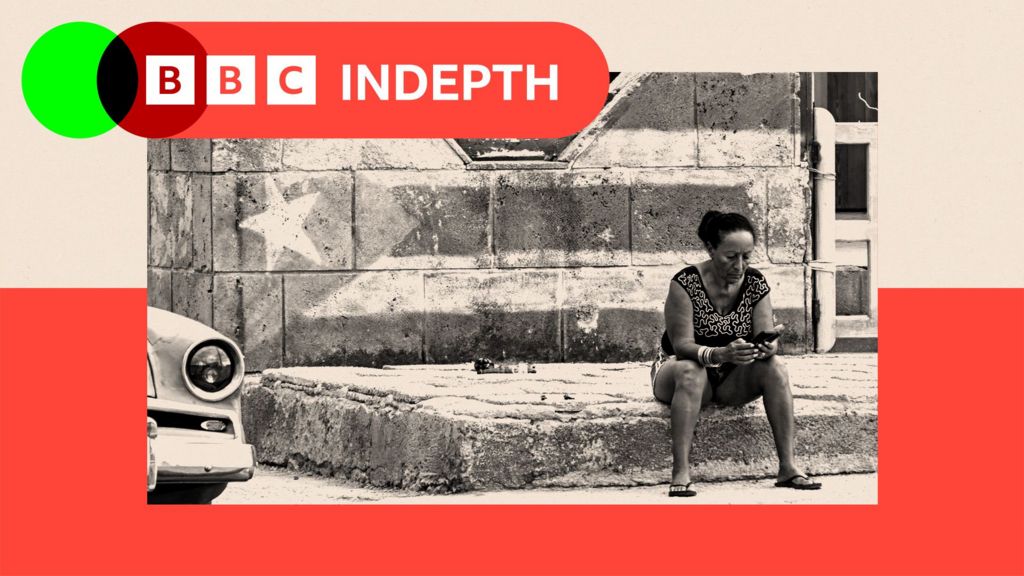
    In Havana’s Museum of the Revolution, historical exhibits depict pre-1959 Cuba under Fulgencio Batista’s dictatorship as an era of extreme poverty and corruption—a stark contrast to the dignity and education promised by Fidel Castro’s revolution. Today, however, that revolutionary narrative is being painfully inverted as ordinary Cubans experience conditions mirroring those prerevolutionary hardships.

    Lisandra Botey, a Havana resident living in a makeshift home of sheet metal and wood, embodies this tragic paradox. “We’re living like that now, exactly like that,” she states, referencing museum photographs of impoverished women cooking with firewood. Her daily routine involves scavenging the beach for firewood to cook breakfast since electricity remains unavailable during school hours.

    This humanitarian crisis stems from a perfect storm of economic collapse and geopolitical maneuvering. The Cuban economy entered freefall during the pandemic, but conditions dramatically worsened after US troops removed Venezuela’s Nicolás Maduro—Cuba’s primary oil supplier—from power on January 3. With Washington assuming control of Venezuela’s oil industry, crude shipments to Cuba have virtually ceased.

    The Trump administration has simultaneously intensified the decades-long embargo, threatening tariffs on nations supplying oil to Cuba. While the US Treasury recently relaxed restrictions on limited oil sales for “humanitarian use,” the gesture provides minimal relief amid escalating tensions, including a fatal shooting incident involving Cuban border guards and US-registered vessels.

    Cuban economist Ricardo Torres observes, “Trump is changing the rules of the game. Washington’s old playbook on Cuba doesn’t apply anymore.” The administration’s stated objective is regime change through “maximum pressure,” exploiting Cuba’s vulnerability by cutting energy supplies to precipitate systemic collapse.

    The consequences are visible nationwide: 15-hour daily blackouts, hospitals operating in darkness, shuttered schools, and uncollected garbage piling on streets. Fuel rationing limits purchases to 20 liters paid in US dollars via a government app with weeks-long waiting lists, causing black-market prices to skyrocket.

    Surprisingly, some Cubans like construction worker Brenei Hernández direct their frustration not at Washington but at their own government. “I’d like Trump to take this place over. Then let’s see if things get better,” he admits with striking candor, reflecting diminishing fear of reprisals among the disillusioned population.

    The current approach marks a radical departure from Obama’s 2014 diplomatic thaw, which sought to “bury the last remnant of the Cold War in the Americas.” Former US Ambassador Jeffrey DeLaurentis suggests the administration now seeks to “bring the government to the table or capitulate but not necessarily collapse,” while acknowledging this constitutes “a pretty risky strategy.”

    With Russia, China, and other traditional allies hesitating to fill Venezuela’s void, and Secretary of State Marco Rubio allegedly negotiating through Raúl Castro’s inner circle, Cuba faces its most severe crisis since the revolution. As the Museum of the Revolution remains closed indefinitely due to fuel shortages, the question lingers whether both the institution and the revolution it celebrates will undergo irreversible transformation.

  • Top poll predicts Labor landslide in South Australian election, surge of support for One Nation

    Top poll predicts Labor landslide in South Australian election, surge of support for One Nation

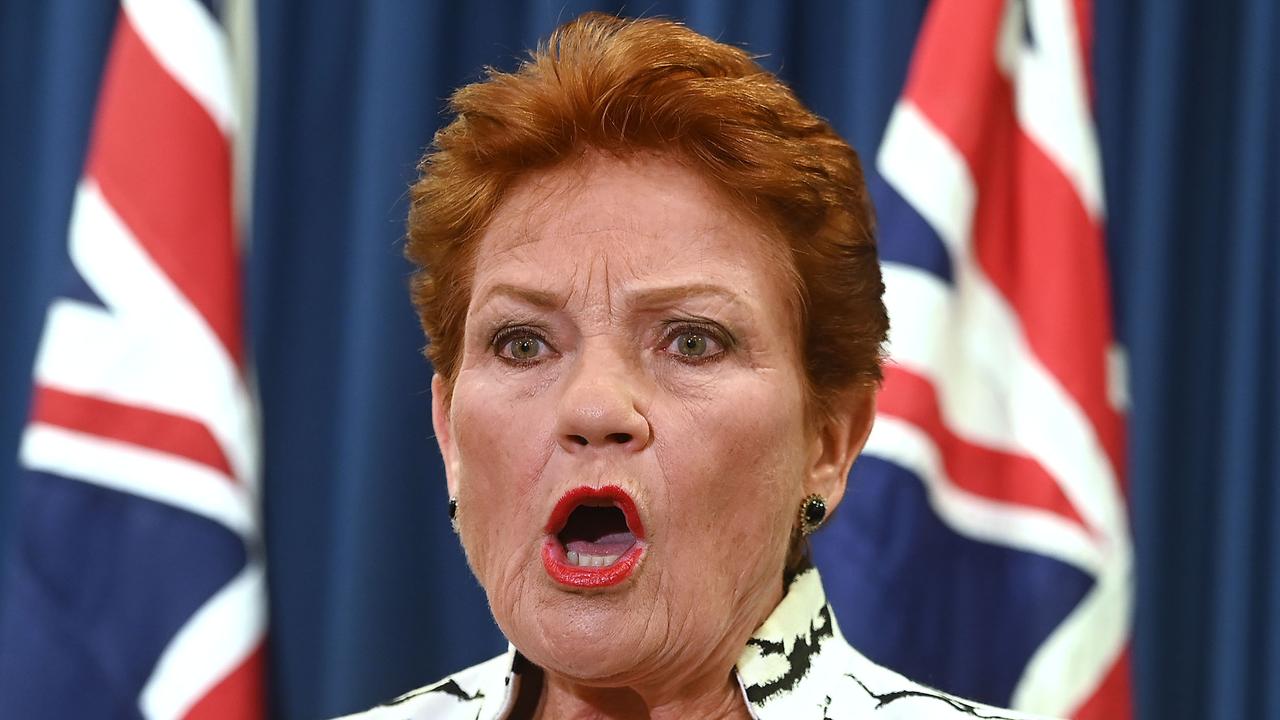
    A dramatic political realignment appears imminent in South Australia according to latest polling data from Roy Morgan Research. The survey reveals a substantial erosion of support for the Liberal National Party (LNP) alongside a remarkable surge for Pauline Hanson’s One Nation movement.

    The comprehensive study, conducted among 2,172 South Australian voters between February 19-23, projects a commanding victory for incumbent Premier Peter Malinauskas and the Labor Party. Labor’s primary support stands at 35%, positioning them for what could become the most significant electoral triumph this century with an estimated 59% two-party preferred outcome.

    Most strikingly, the polling indicates One Nation has captured 28% of primary support—an extraordinary increase of 25.4 percentage points since the 2022 state election. This surge potentially positions the controversial party as the official opposition in South Australia’s parliament.

    Conversely, the Liberal National Party faces catastrophic decline, with primary support collapsing by 19.7 percentage points to a mere 16.5%. Opposition Leader Ashton Hurn now confronts the prospect of leading her party to its worst electoral performance in decades.

    The Greens register 11% support while independents and minor parties collectively account for 9%. Should these projections materialize in the upcoming state election, South Australia would witness its most substantial political upheaval in thirty years, fundamentally reshaping the state’s opposition dynamics.

  • NSW top cop Mal Lanyon has not watched Grace Tame’s ‘Intifada’ speech, hearing told

    NSW top cop Mal Lanyon has not watched Grace Tame’s ‘Intifada’ speech, hearing told

    New South Wales Police Commissioner Mal Lanyon has revealed that former Australian of the Year Grace Tame is unlikely to face criminal prosecution for her participation in a pro-Palestinian rally where she led controversial chants. The admission came during a budget estimates hearing on Friday where Commissioner Lanyon acknowledged he hadn’t personally viewed Ms. Tame’s speech footage.

    The incident occurred earlier this month when Ms. Tame, a prominent sexual assault survivor and advocate, was recorded chanting “From Gadigal to Gaza, globalise the Intifada” during protests opposing Israeli President Isaac Herzog’s Australian visit. The phrase references historical Palestinian uprisings against Israeli occupation but is widely interpreted within Jewish communities as advocating violence against Jewish people.

    Despite recent legislative moves in Queensland criminalizing similar language and recommendations for NSW to follow suit, Commissioner Lanyon stated that current laws don’t classify the term as prohibited. “It’s not a prohibited term at the moment,” Lanyon testified, while acknowledging the phrase “may be offensive to some members of the community.”

    The police investigation focused on whether the chant violated Section 93ZAA of the Crimes Act 1900, which prohibits publicly inciting hatred on racial grounds. Both Commissioner Lanyon and Deputy Commissioner Dave Hudson confirmed no formal complaints had been registered with NSW Police regarding Ms. Tame’s speech.

    The political context surrounding the incident remains charged, with Prime Minister Anthony Albanese facing opposition pressure to condemn Ms. Tame’s actions. This follows the Prime Minister’s recent controversial description of Ms. Tame as a “difficult” woman, for which he subsequently apologized, clarifying he referred to her life experiences rather than her character.

  • Liberal Party to bury 2025 election loss review after months of work

    Liberal Party to bury 2025 election loss review after months of work

    In a controversial move, Australia’s Liberal Party has decided to withhold from public release a comprehensive internal review analyzing its catastrophic defeat in the 2025 federal election. This decision comes fewer than four weeks after the party elected Angus Taylor as its new leader.

    The contentious review, a project undertaken over several months by senior party figures Pru Goward and Mick Minchin, was finalized late last year. Despite its completion, the party’s Federal Executive announced on Friday its resolution to keep the document confidential.

    An official statement justified the move by emphasizing a forward-looking strategy: ‘Our immediate priority is fortifying the Party’s foundation for future success. Consequently, the Federal Executive will expedite the implementation of necessary changes. Our goals are unequivocal: Reconstruct the Party, Regain voter confidence, and Secure electoral victories.’

    The review, while acknowledging the party’s ‘enduring strengths,’ provided a critical examination of operational failures, breakdowns in voter engagement, and areas requiring significant improvement. The statement formally conceded the ‘decisive defeat’ and accepted both the verdict and the responsibility to enact change.

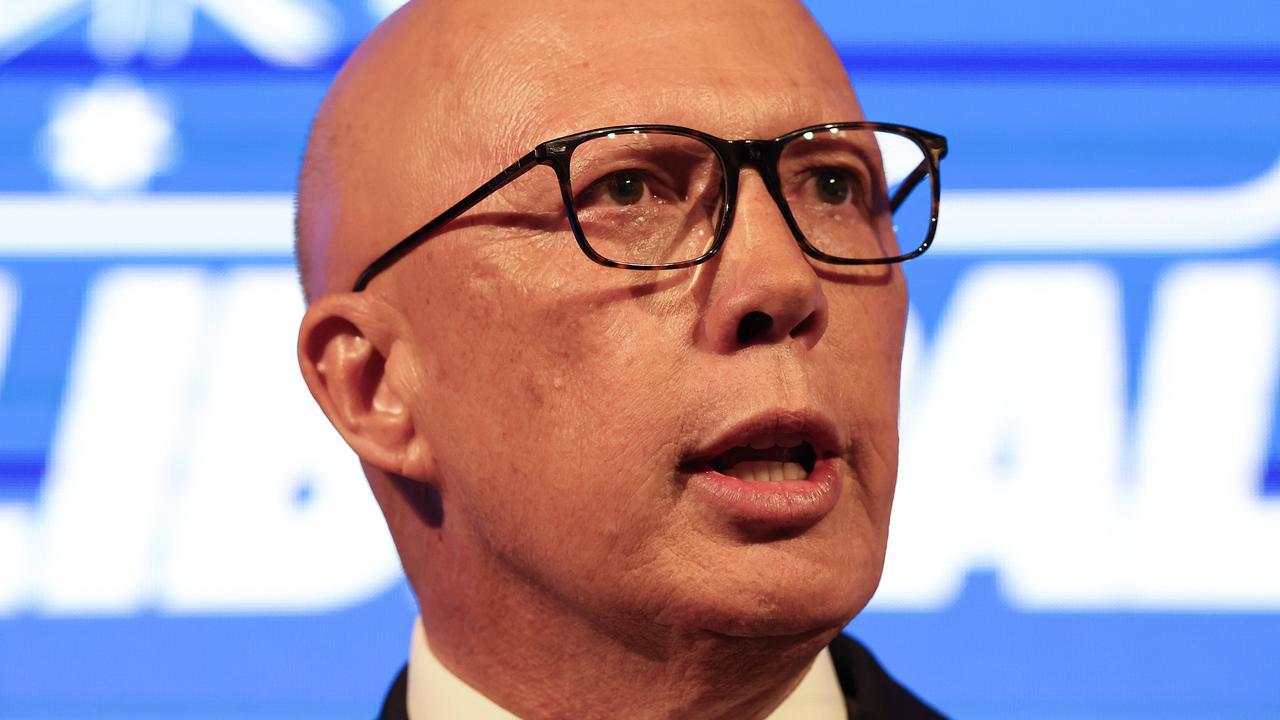
    The review process itself was not without internal strife. Reports emerged in December that former leader Peter Dutton had expressed serious reservations about the findings. Most notably, the document allegedly identified the influence of former U.S. President Donald Trump and his political brand as a pivotal factor contributing to the loss, a claim that stirred considerable debate within party ranks. The Liberal Party extended its gratitude to Goward and Minchin for their ‘tireless work’ on the suppressed analysis.

  • Melania Trump to preside over UN Security Council meeting

    Melania Trump to preside over UN Security Council meeting

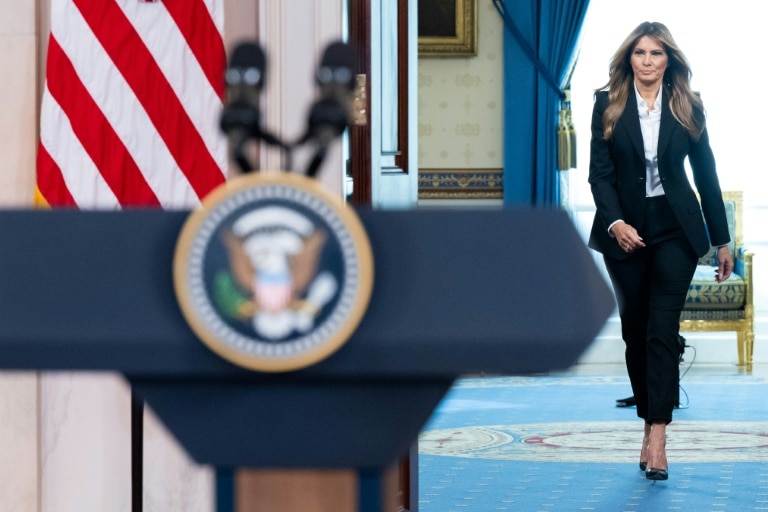
    In a groundbreaking diplomatic development, First Lady Melania Trump is poised to assume an unprecedented role at the United Nations Security Council next week. Scheduled for Monday at 3:00 PM EST (2000 GMT), this historic session will mark the first time a sitting U.S. first lady presides over the Security Council’s proceedings.

    The meeting will concentrate on educational advancement, technological innovation, and their collective impact on global peace and security initiatives. According to an official statement released Wednesday, Mrs. Trump will emphasize “education’s role in advancing tolerance and world peace” as the United States assumes the Security Council presidency for the month.

    UN Secretary-General’s spokesman Stephane Dujarric confirmed the historical significance of the event, noting that according to official records, “this will be the first time a First Lady, or first gentleman, for that matter, has ever presided over a Security Council meeting.” While spouses of heads of state have previously participated representing non-members, this marks an unprecedented assumption of presiding authority.

    The diplomatic engagement occurs amidst complex geopolitical dynamics. President Trump’s administration has recently withdrawn support from several major UN agencies, including the World Health Organization, while simultaneously advancing his “Board of Peace” initiative that some analysts suggest could potentially circumvent traditional Security Council channels.

    Despite substantial outstanding contributions totaling approximately $2 billion to the UN’s general budget plus an additional $2 billion for peacekeeping operations, the United States recently allocated $160 million to the organization’s cash-strapped general fund. This financial commitment, coupled with Mrs. Trump’s upcoming diplomatic appearance, signals a nuanced approach to international engagement that continues to evolve within the current administration.