分类: politics

  • Maduro copied my dance, but Melania hates it, says Trump

    Maduro copied my dance, but Melania hates it, says Trump

    In a wide-ranging address to Republican lawmakers at the Trump-Kennedy Center in Washington, President Donald Trump celebrated the capture of Venezuelan leader Nicolas Maduro while offering unexpected commentary on presidential dance aesthetics. The speech, delivered on the fifth anniversary of the U.S. Capitol attack, primarily served as a campaign launch for the crucial 2026 midterm elections.

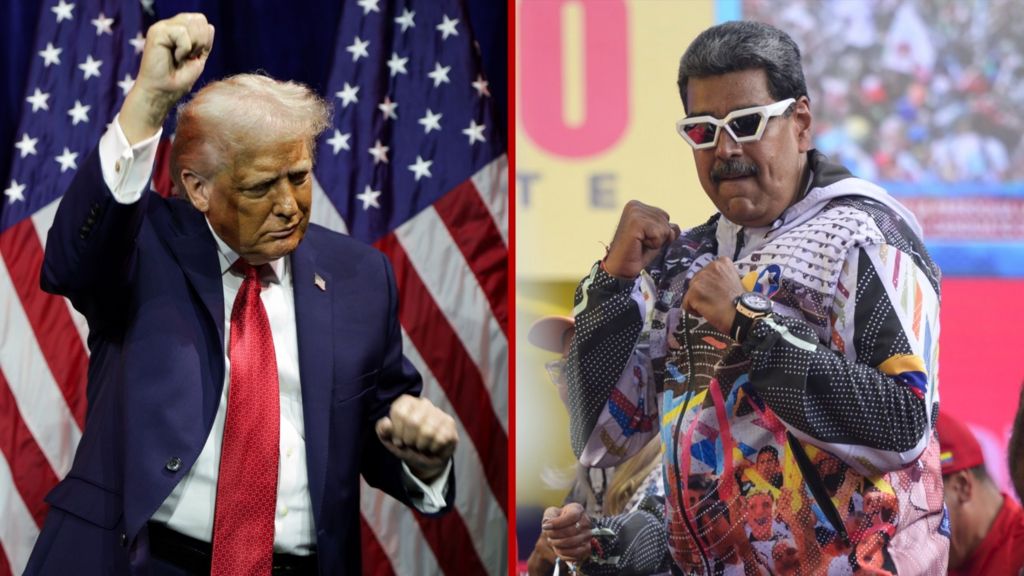
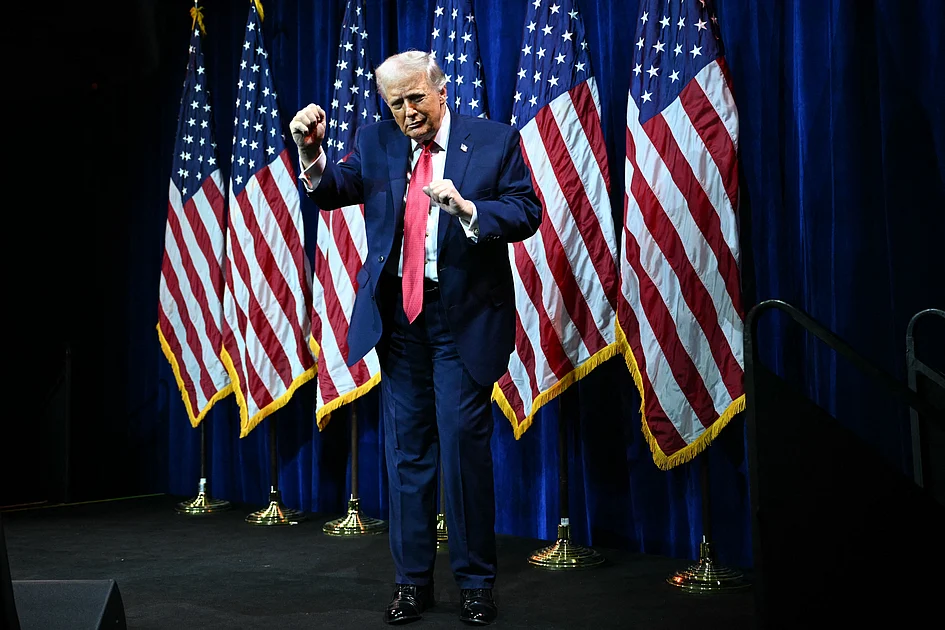
    Trump accused the captured Venezuelan president of attempting to imitate his signature rally dance moves, referencing Maduro’s recent public appearances where he danced to a techno remix of his ‘No War, Yes Peace’ mantra as U.S. forces gathered in the Caribbean late last year. While acknowledging the ‘brilliant’ special forces operation that captured Maduro and his wife on Saturday, Trump provided no additional details about his previously stated plans for U.S. management of Venezuela’s oil resources.

    The president diverted from foreign policy matters to demonstrate an exaggerated imitation of a transgender weightlifter while discussing his administration’s ban on transgender women in women’s sports. This performance prompted him to reveal First Lady Melania Trump’s disapproval of both his dance moves and physical comedy routines, which she deemed ‘so unpresidential.’

    Trump framed the upcoming midterms as critical to preventing another impeachment attempt, referencing his second impeachment following the January 6 Capitol riot. He pardoned nearly 1,600 rioters on his first day back in office on January 20, 2025. Despite claiming strong economic performance, Trump expressed frustration with public concerns about affordability of basic goods, telling lawmakers: ‘I wish you could explain to me what the hell’s going on with the mind of the public. Because we have the right policy.’

  • Trump says Republicans must win 2026 midterms or else he’ll be impeached by Democrats

    Trump says Republicans must win 2026 midterms or else he’ll be impeached by Democrats

    Former President Donald Trump issued a stark warning to Republican lawmakers on Tuesday, asserting that Democratic forces would move to impeach him should the GOP fail to secure victory in the upcoming 2026 midterm elections. Speaking at a private gathering for House Republicans in Washington, Trump framed the November contests as a critical juncture for his political future and policy objectives.

    “The imperative is clear—we must prevail in the midterms,” Trump declared during the retreat. “A defeat would provide the opposition with sufficient pretext to initiate impeachment proceedings against me.”

    The midterm elections, scheduled for November 2026, will determine the complete composition of the House of Representatives and one-third of Senate seats. These outcomes will fundamentally shape the balance of power in Congress and directly influence the viability of Trump’s political agenda during his potential second term.

    Trump’s remarks underscore the heightened political tensions surrounding the upcoming electoral battle, which both parties view as potentially one of the most consequential midterm elections in recent history. The former president’s statement reflects growing concerns within Republican circles about maintaining congressional majorities amid challenging political headwinds.

    Political analysts note that Trump’s warning serves multiple purposes: motivating the Republican base, consolidating support among party legislators, and framing the election as a referendum on his presidency rather than merely a conventional midterm contest. This strategic positioning comes as both parties prepare for what is expected to be an intensely fought electoral campaign with significant implications for the nation’s political trajectory.

  • An Indian state wants to tackle hate speech with a law – can it work?

    An Indian state wants to tackle hate speech with a law – can it work?

    The southern Indian state of Karnataka has embarked on a groundbreaking legislative initiative to combat the escalating problem of hate speech and communal violence. The Karnataka Hate Speech and Hate Crimes (Prevention) Bill, 2025, represents one of the most comprehensive attempts by any Indian state to address what authorities describe as a dangerous surge in targeted verbal attacks against minorities.

    Legislative Framework and Provisions:
    The proposed legislation, which awaits the governor’s approval to become law, establishes strict parameters for identifying and prosecuting hate speech. It defines hate speech as any expression—whether verbal, printed, televised, or circulated through social media—that targets individuals or groups based on religious, caste, or other identity markers. Notably, the bill categorizes hate speech itself as a criminal offense, regardless of whether it directly incites violence.

    The bill grants state authorities unprecedented powers, including the authority to mandate social media platforms to remove content deemed as hate speech—a power previously reserved for the federal government. Penalties include non-bailable imprisonment ranging from one to seven years and substantial fines of up to 50,000 rupees ($550), with enhanced punishments for repeat offenders.

    Political Divisions and Constitutional Concerns:
    The legislation has exposed deep political fractures. The ruling Congress party in Karnataka argues the measure is necessary to address a 74% increase in hate speech incidents recorded during the 2024 national elections, particularly targeting Muslim communities. State Home Minister G Parameshwara contends the bill closes critical loopholes in existing laws.

    However, the national ruling BJP party, which serves as the opposition in Karnataka, has vehemently opposed the legislation, warning it threatens constitutional free speech protections. Opposition leader R Ashoka alleges the law could be weaponized to silence government critics and imprison political opponents and journalists.

    Legal experts express concerns about the bill’s potential for misuse. Supreme Court lawyer Sanjay Hegde notes the subjective nature of hate speech determinations, stating that “one party’s hate speech is another man’s political propaganda.” Legal scholars highlight the bill’s expansion beyond existing federal provisions that criminalize speech promoting religious enmity or deliberately offending religious sentiments.

    Implementation Challenges and Safeguards:
    A significant debate centers on the blurred distinction between hate speech and hate crimes within the legislation. Siddharth Narrain, assistant professor at National Law School of India University, notes that while hate speech should be prosecuted for its potential to incite violence, the current wording treats communication itself as a criminal act even without subsequent violence.

    Critics point to a 2015 Supreme Court ruling requiring speech-related laws to be precisely defined to avoid creating a “chilling effect” on free expression. Social activist Girish Bhardwaj argues the bill gives excessive discretion to police and administrative officials in determining what constitutes hate speech, potentially leading to conflicts of interest when governments face criticism.

    State officials counter that the legislation includes safeguards against abuse of power. A senior Karnataka government official, speaking anonymously, stated that the bill removes the requirement for government permission to file chargesheets, instead requiring police to approach courts directly and face consequences for improper enforcement.

    The legislation has already inspired similar initiatives, with the Congress-led government in Telangana announcing plans to introduce comparable hate speech legislation. The outcome in Karnataka may well set a precedent for how India balances free speech protections with the urgent need to address communal violence and targeted harassment.
  • Mexican president urges US to give Maduro ‘fair trial’

    Mexican president urges US to give Maduro ‘fair trial’

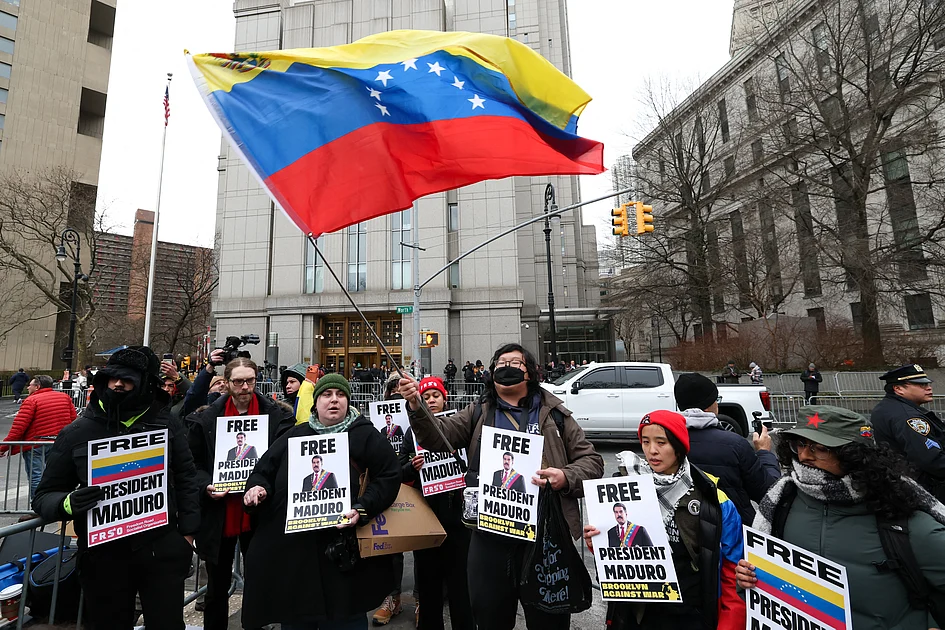
    In a significant diplomatic intervention, Mexican President Claudia Sheinbaum has formally urged United States authorities to guarantee due process for deposed Venezuelan leader Nicolás Maduro, who currently faces serious narcotics charges in New York. The statement emerged Tuesday from Mexico City, marking the first high-level international response to Maduro’s extraordinary apprehension by U.S. forces in Caracas and subsequent transfer to American jurisdiction.

    Maduro entered a plea of not guilty on Monday in a federal courtroom in New York following his dramatic capture operation two days prior. The charges against him include conspiracy to commit drug trafficking and terrorism-related offenses, representing one of the most consequential prosecutions of a foreign head of state in recent history.

    President Sheinbaum’s carefully worded appeal emphasizes procedural fairness rather than questioning the legitimacy of the charges themselves. “Now that President Maduro is in detention, what we request is a fair trial,” she stated during a press briefing, reflecting Mexico’s traditionally non-interventionist foreign policy stance while acknowledging the gravity of the legal proceedings.

    The case has immediate implications for hemispheric relations, testing diplomatic norms between North American neighbors and potentially influencing how regional leaders respond to U.S. judicial actions against foreign officials. Maduro’s capture represents an unprecedented enforcement of U.S. criminal charges against a sitting political leader from the hemisphere, setting potentially far-reaching precedents for international law and cross-border judicial cooperation.

  • Venezuela crisis: Five graphs explain why Trump wants the oil

    Venezuela crisis: Five graphs explain why Trump wants the oil

    Recent geopolitical tensions between the United States and Venezuela have intensified following statements from former President Donald Trump regarding Venezuela’s oil industry. Trump asserted that Venezuela’s socialist regime had effectively “stolen” American oil assets through forceful nationalization, characterizing it as one of the most significant property thefts in American history. He further indicated that Washington would oversee Venezuela’s governance until what he termed a “safe, proper and judicious transition” could be implemented, with US oil companies poised to rehabilitate the country’s deteriorated infrastructure.

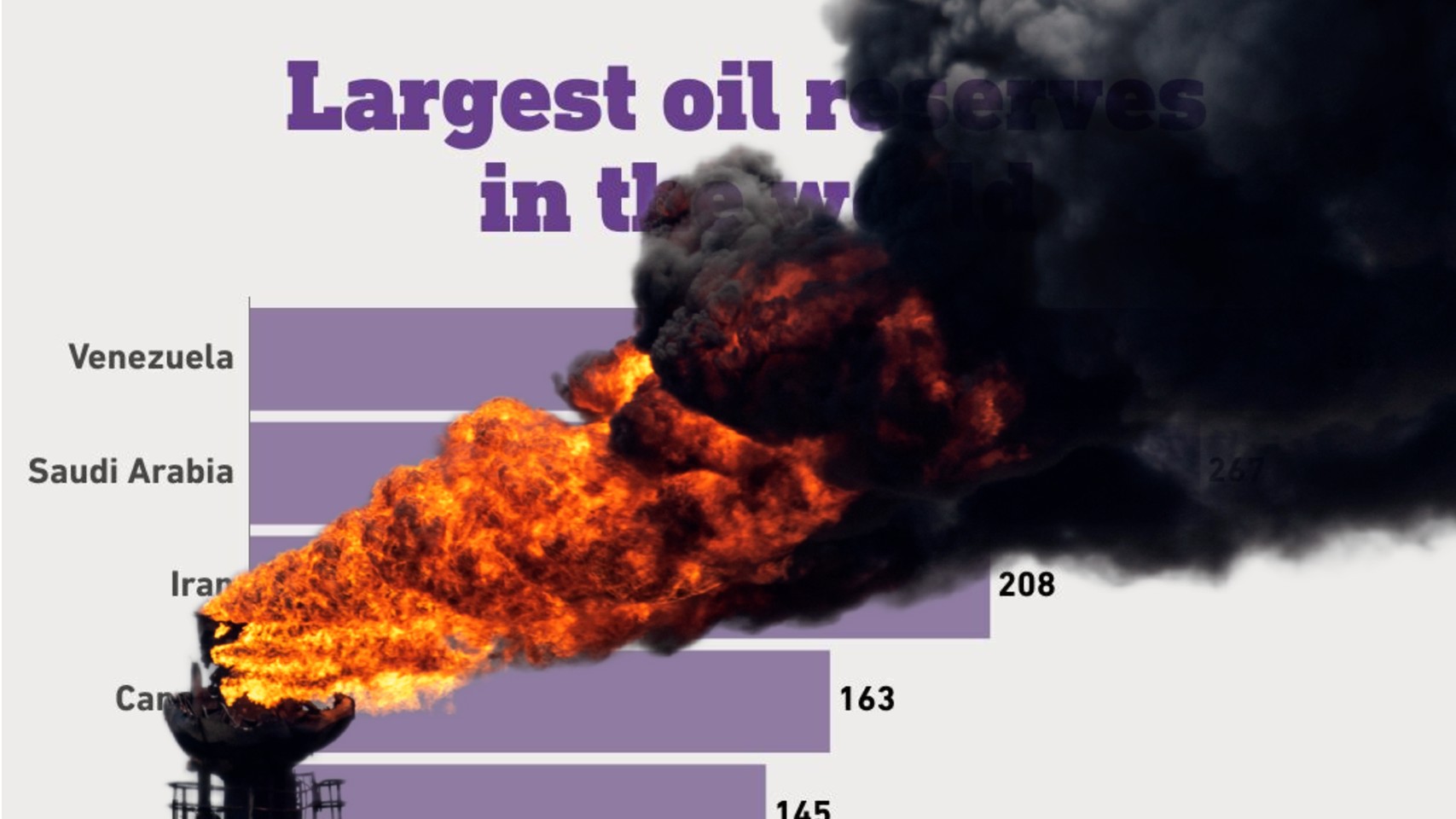
    The underlying motivation for this heightened interest becomes clear upon examining Venezuela’s energy portfolio. The nation possesses the world’s largest proven oil reserves, estimated at 303 billion barrels—representing approximately 17% of global reserves and exceeding US reserves by more than fivefold. The majority of these deposits are concentrated in the Orinoco Belt, characterized by dense, sulfur-rich crude that requires sophisticated and costly extraction methods.

    Despite its vast reserves, Venezuela’s current production has plummeted to about 1 million barrels per day, a mere fraction of its potential capacity. This decline is attributed to years of economic mismanagement, insufficient investment, and crippling international sanctions. Consequently, while the US remains the world’s top oil producer at 22.7 million barrels daily, its refining infrastructure—particularly along the Gulf Coast—is specifically calibrated to process heavier crude varieties. This creates a strategic imperative for importing dense oil, with over 60% of US crude imports currently sourced from Canada and Mexico.

    Historical context reveals that Venezuela nationalized its oil industry in the 1970s, establishing state-owned PDVSA. The early 2000s saw increased state control under Hugo Chávez, resulting in the appropriation of assets from international corporations like Exxon and Conoco. Subsequent political instability and sanctions have dramatically reduced production and redirected exports from traditional Western markets toward China, which now receives approximately 80% of Venezuelan oil.

    Analysts caution that any potential recovery of Venezuela’s oil sector would require substantial investment and years of development. Furthermore, historical precedents in Iraq and Libya demonstrate that regime change does not automatically guarantee stable oil production. The situation remains a complex interplay of energy economics, geopolitical strategy, and regional power dynamics, with significant implications for global oil markets and international relations.

  • Russia slams ‘neocolonial threats’ against Venezuela, backs Delcy Rodriguez

    Russia slams ‘neocolonial threats’ against Venezuela, backs Delcy Rodriguez

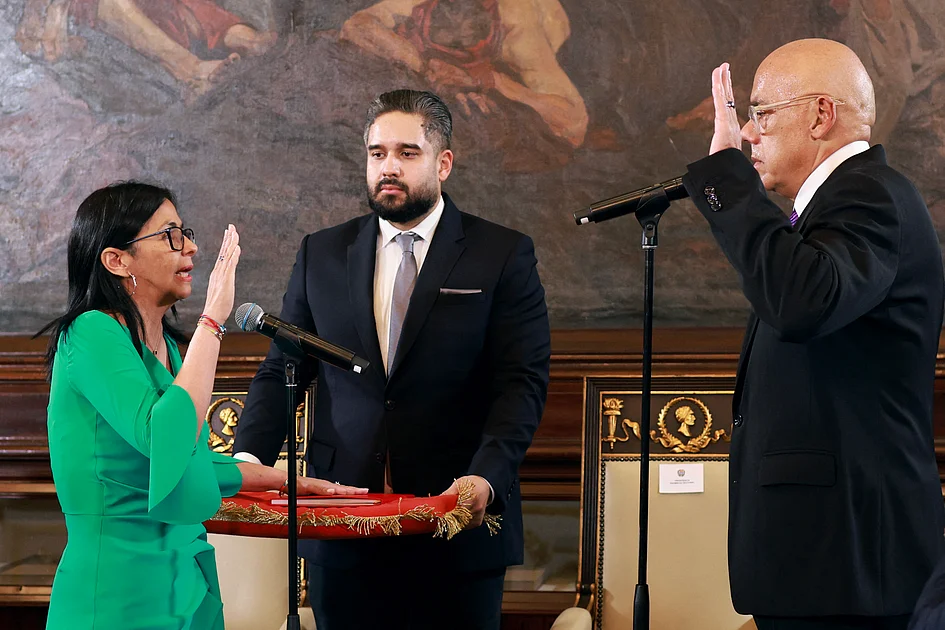
    In a significant geopolitical development, Russia has formally endorsed Delcy Rodríguez as Venezuela’s interim president while condemning what it characterizes as “blatant neocolonial threats and foreign armed aggression” against the South American nation. The Russian Foreign Ministry issued a strong statement on Tuesday asserting Venezuela’s right to self-determination without external interference, though it carefully avoided direct reference to the United States.

    The diplomatic stance comes in response to President Donald Trump’s deployment of special forces to capture Venezuelan President Nicolás Maduro over the weekend. Maduro, currently facing narcotics charges in the United States, maintains his legitimate claim to Venezuela’s presidency despite his forced removal. This event marks the second ousting of a key Russian ally within approximately thirteen months, following the deposition of Syrian President Bashar al-Assad in December 2024.

    Moscow’s statement emphasized “unwavering solidarity with the Venezuelan people and government” while pledging continued “necessary support” for Caracas. The development occurs against the backdrop of complex Russia-US relations, with President Vladimir Putin cautiously avoiding criticism of Trump despite the administration’s aggressive Western Hemisphere policy.

    According to senior Russian sources, Moscow appears to be testing the boundaries of renewed US assertion of the Monroe Doctrine, suggesting that Russia maintains equal rights to its own sphere of influence. This positioning unfolds simultaneously with ongoing negotiations between Russia and the Trump administration regarding the resolution of the Ukraine conflict, which has entered its fourth year. The Kremlin has demonstrated particular interest in rebuilding bilateral relations and revitalizing economic cooperation with the United States, creating a complex diplomatic balancing act amid escalating tensions in Venezuela.

  • Israeli and Syrian officials hold ‘positive’ talks over security agreement

    Israeli and Syrian officials hold ‘positive’ talks over security agreement

    In a significant diplomatic development, Syrian and Israeli officials have concluded what participants described as a “positive” fifth round of U.S.-mediated security negotiations in Paris. The talks, held on Tuesday, marked a rare engagement between two nations lacking formal diplomatic relations.

    Delegations from both countries agreed to intensify their dialogue schedule and implement confidence-building measures following the Paris meeting. An Israeli official characterized the discussions to Axios as fundamentally constructive, noting that “both countries expressed a desire to reach a security agreement under President Trump’s vision for the Middle East.

    The high-level Israeli delegation included Ambassador to Washington Yechiel Leiter and Acting National Security Adviser Gil Reich. Syria’s representation featured Foreign Minister Asaad al-Shaibani and intelligence chief Hussein Salameh. The U.S. mediating team comprised Syria envoy Tom Barrack alongside presidential advisers Steve Witkoff and Jared Kushner.

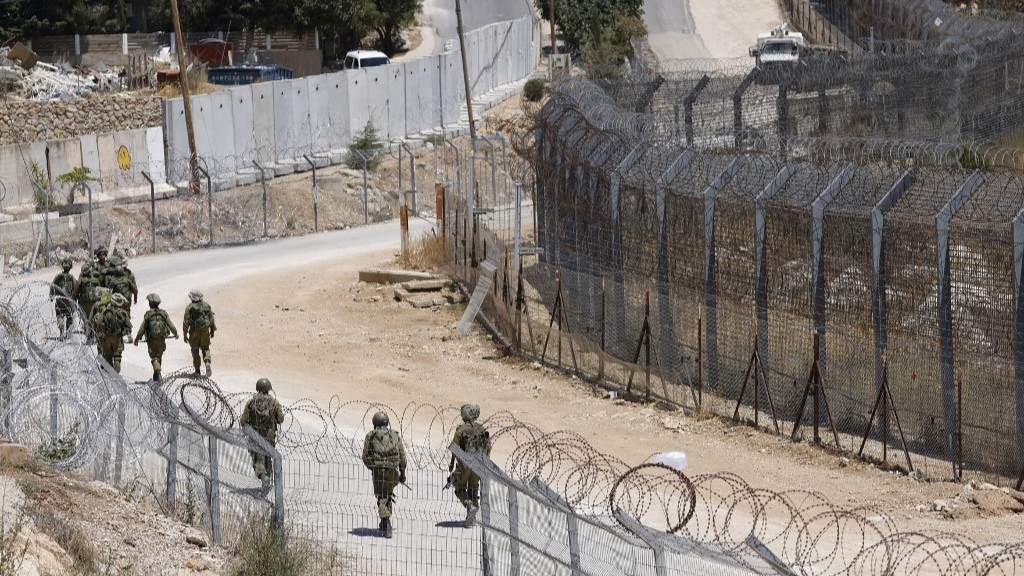
    These negotiations occur against a complex historical backdrop. Israel has maintained control of Syria’s Golan Heights since 1967, a occupation unrecognized by international law. The territorial situation further evolved following the contraction of Bashar al-Assad’s government, with Israel expanding its presence in southern Syria. In December 2024, Israeli forces assumed control of the entire UN-patrolled buffer zone on Mount Hermon that previously separated military forces in the Golan Heights.

    According to Syria’s state news agency Sana, Damascus seeks guaranteed Israeli withdrawal from positions held before December 8, 2024, through a reciprocal security agreement ensuring full Syrian sovereignty. The Paris discussions have additionally focused on revitalizing the 1974 Disengagement Agreement, which originally established a UN-monitored buffer zone following the 1973 Yom Kippur War.

    President Trump reportedly emphasized to Prime Minister Netanyahu during their December meeting in Florida the necessity of achieving tangible progress toward a comprehensive agreement, adding diplomatic urgency to these unconventional negotiations between longstanding adversaries.

  • Trump’s Venezuela raid has created chaos – and that is a risk for China

    Trump’s Venezuela raid has created chaos – and that is a risk for China

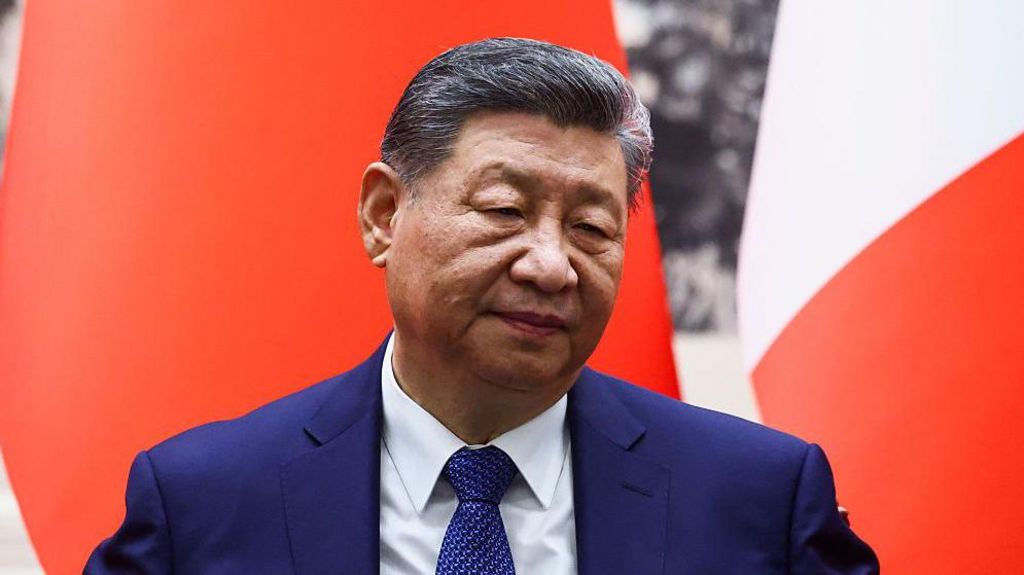
    The geopolitical landscape of the Western Hemisphere underwent a seismic shift when U.S. forces conducted a dramatic nighttime raid resulting in the capture of Venezuelan President Nicolás Maduro. This operation fundamentally altered a decades-long partnership China had meticulously built with the oil-rich South American nation.

    Just hours before his apprehension, Maduro had been warmly referring to Chinese President Xi Jinping as “an older brother” during diplomatic meetings, with state media showcasing the strong bilateral relationship through footage of officials reviewing some 600 active agreements between the two countries. The subsequent images of a blindfolded and handcuffed Maduro aboard a U.S. warship presented a stark contrast to this display of international cooperation.

    Beijing responded with forceful condemnation, accusing Washington of acting as a “world judge” and emphasizing the importance of protecting national sovereignty under international law. Beyond the rhetorical response, Chinese leadership now faces complex calculations regarding its South American foothold and its increasingly volatile relationship with the Trump administration.

    The unexpected turn of events presents both opportunity and risk for China’s long-term strategic planning. While some Chinese nationalists have drawn parallels between U.S. actions in Venezuela and potential Chinese moves regarding Taiwan, experts caution against direct comparisons. David Sacks of the Council on Foreign Relations notes that Beijing considers Taiwan an internal matter and lacks confidence in achieving reunification through force “at an acceptable cost.”

    China’s substantial investments in Venezuela—exceeding $100 billion in infrastructure financing since 2000—now face uncertainty. While Venezuelan oil constitutes approximately 4% of China’s imports, major Chinese energy companies like CNPC and Sinopec have significant assets at risk of nationalization or marginalization amid the political turmoil.

    The broader concern for Beijing extends beyond Venezuela. As Eric Olander of The China-Global South Project observes, other South American nations may now hesitate to accept significant Chinese investments “out of concern of attracting unwanted U.S. attention.” This region represents a critical source of food, energy, and natural resources for China, with two-way trade exceeding half a trillion dollars.

    China’s patient strategy of cultivating relationships in the Global South through infrastructure investment and diplomatic persuasion—convincing numerous Latin American nations to switch recognition from Taiwan to China—now confronts a more unpredictable U.S. foreign policy approach. The Trump administration has additionally pressured Panama to cancel Chinese port holdings related to the Panama Canal, further complicating China’s regional ambitions.

    As Beijing navigates this new geopolitical reality, it must balance protecting its substantial investments, maintaining its fragile trade truce with the United States, and advancing its long-term strategy of presenting China as a stable alternative to American volatility in the Western Hemisphere.

  • Watch: Trump says Maduro copied his dancing. Did he?

    Watch: Trump says Maduro copied his dancing. Did he?

    In an unusual diplomatic development, former U.S. President Donald Trump has publicly asserted that Nicolás Maduro, Venezuela’s controversial leader, deliberately mimicked his distinctive dance movements. The extraordinary allegation emerged on Tuesday, creating a surreal intersection of political theater and performative expression between the two nations’ leaders.

    This peculiar exchange occurs against the backdrop of significantly strained relations between the United States and Venezuela, where Maduro maintains power despite numerous international challenges to his legitimacy. The dancing comparison has sparked both amusement and bewilderment among political observers, who note the stark contrast between traditional diplomatic discourse and this unconventional form of political communication.

    Video evidence circulating online provides a comparative analysis of both leaders’ rhythmic expressions, revealing notable similarities in their movement patterns and stylistic approaches. The visual documentation offers fascinating insights into how body language and public performance have become increasingly relevant in modern political leadership.

    Political analysts suggest this incident reflects the evolving nature of international relations in the social media era, where symbolic gestures and visual messaging sometimes overshadow conventional diplomatic protocols. The dancing controversy represents just one episode in the complex relationship between the United States and Venezuela, which continues to navigate challenges related to governance, economic sanctions, and regional influence.

    The phenomenon also highlights how personal style and public presentation have become integral components of political identity in contemporary global leadership, potentially influencing public perception across international boundaries.

  • Turkey’s intelligence chief declares Africa a strategic priority

    Turkey’s intelligence chief declares Africa a strategic priority

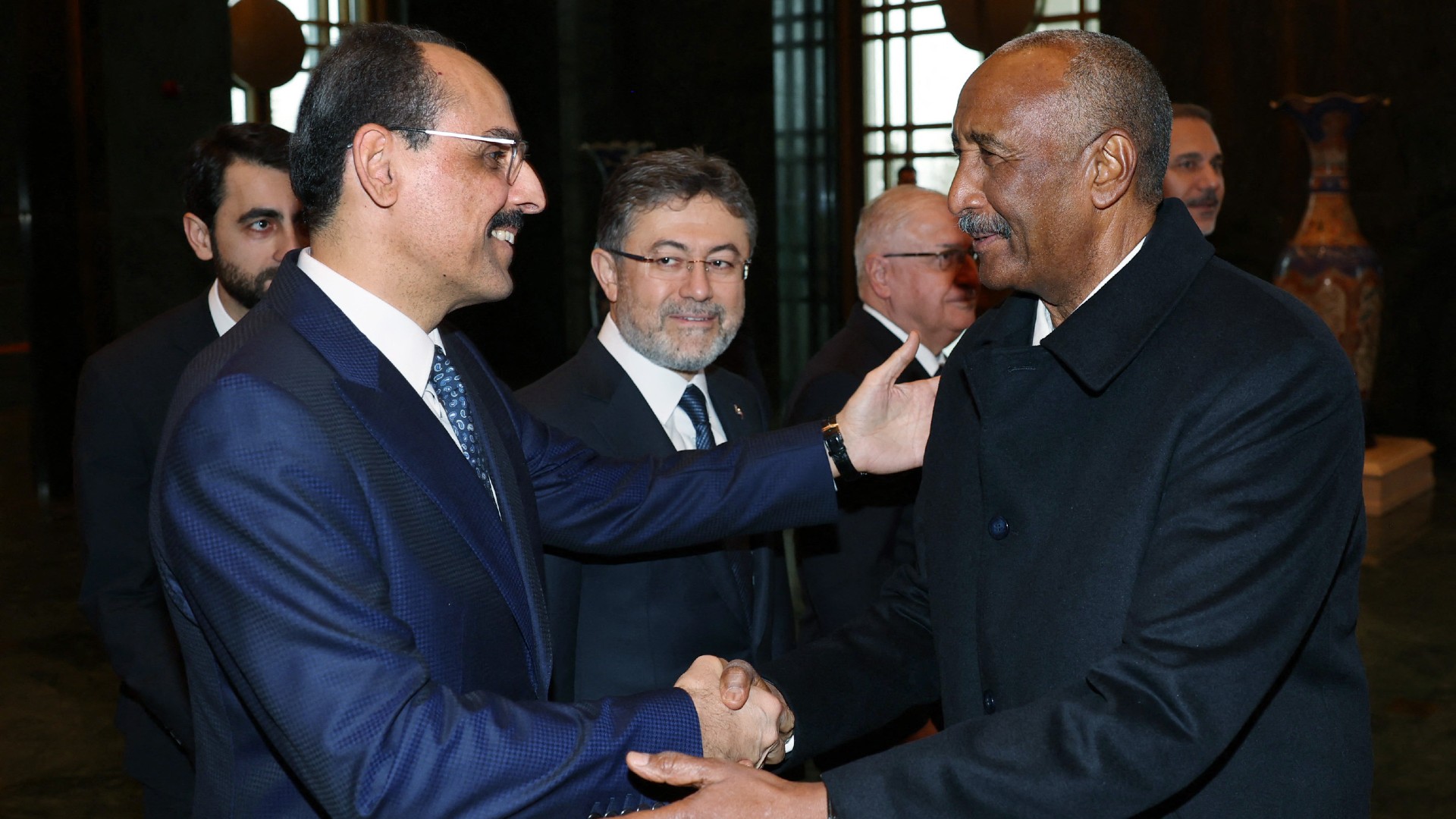
    Turkey is strategically intensifying its engagement across Africa through a distinctive multi-faceted approach that combines security cooperation, economic investment, and intelligence diplomacy, according to National Intelligence Organisation director Ibrahim Kalin. This expansion represents a significant shift from Ankara’s previously Europe-focused foreign policy to becoming what analysts describe as “one of the most consequential external actors on the continent.”

    The Turkish approach spans hard power elements—including armed drone exports and security training agreements—with soft power initiatives such as educational exchanges and commercial expansion, notably through Turkish Airlines’ extensive African network. This strategy has produced substantial results: trade volume between Turkey and Africa has multiplied eightfold since 2003, reaching $40.7 billion in 2022, while diplomatic presence has expanded from 12 embassies in 2002 to 44 today.

    Security cooperation forms a cornerstone of Turkey’s African engagement. Ankara has provided critical support in counterterrorism operations in Somalia, stabilization efforts in Libya, and mediation in various regional conflicts. A particularly notable demonstration of Turkey’s enhanced capabilities was the 2020 rescue of Italian humanitarian worker Silvia Romano from al-Shabaab captivity in Somalia—an operation experts say demonstrated intelligence capabilities matched by few global powers.

    Turkey’s pragmatic approach is especially evident in its engagement with former French colonies Niger, Burkina Faso, and Mali, all of which have recently experienced political transitions. In these nations, Turkey has filled security vacuums while expanding economic ties, including planned gold production in Niger set to commence in 2026.

    Analysts note that Turkey’s current African engagement revives historical connections dating to the Ottoman Empire’s presence in North Africa, but represents a fundamentally modern strategy that emphasizes institutional capacity building rather than traditional intervention models. Unlike many Western powers, Turkey focuses on enabling African governments to develop self-sufficient defense capabilities while maintaining neutrality in regional conflicts.

    This strategic positioning, according to experts, signals Turkey’s maturation as a middle power capable of influencing on-the-ground dynamics across Africa and directly competing with other global powers in shaping the continent’s future.