分类: politics

  • Turkey edges closer to leading Black Sea mission under Ukraine security guarantees

    Turkey edges closer to leading Black Sea mission under Ukraine security guarantees

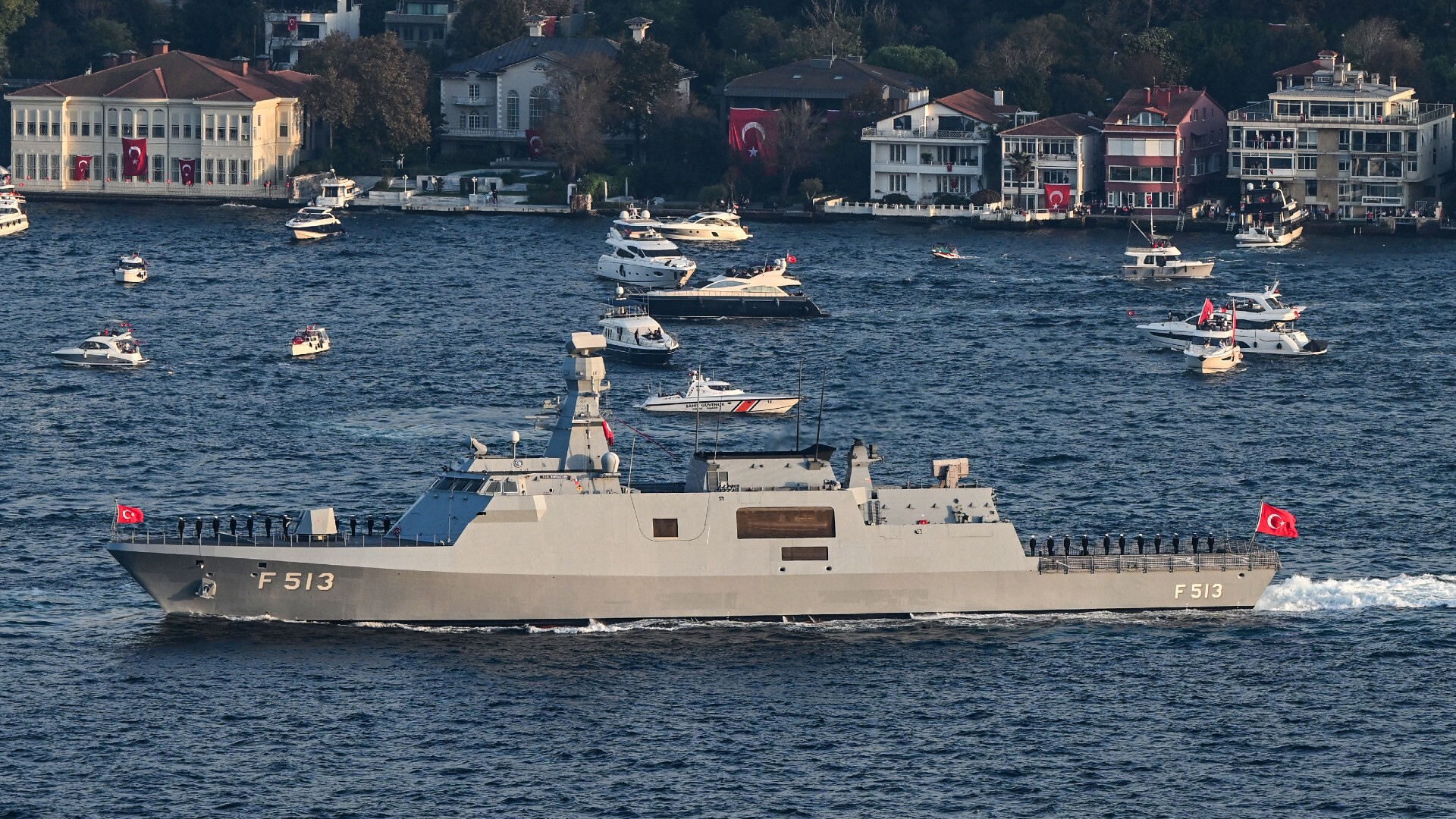
    Turkey is positioned to assume a pivotal naval leadership role in Black Sea security operations as a core component of international security assurances for Ukraine. The announcement came from Turkish Foreign Minister Hakan Fidan following a high-level Coalition of the Willing summit convened in Paris on Tuesday.

    Minister Fidan articulated that the Turkish Armed Forces have consistently advocated for assuming responsibility for any naval framework established during peacetime. ‘Considerable progress has been made on this,’ Fidan confirmed to journalists, emphasizing the natural fit for NATO’s predominant Black Sea naval power to oversee maritime security operations.

    The Paris summit yielded significant advancements in constructing robust security guarantees for Kyiv, designed to activate following a prospective ceasefire in the Russia-Ukraine conflict. French President Emmanuel Macron corroborated Turkey’s willingness to undertake this critical security role during his press conference remarks.

    According to summit agreements, the United States would spearhead a ceasefire monitoring mechanism while Britain and France formalized a declaration of intent through a trilateral agreement with Ukrainian President Volodymyr Zelensky. This arrangement envisions potential troop deployments and establishment of ‘military hubs’ on Ukrainian territory contingent upon a peace agreement.

    This strategic development follows Ankara’s diplomatic recalibration last year after Moscow’s firm opposition to NATO troop presence in Ukraine. Instead, Turkey has concentrated on leading a prospective naval mission encompassing deterrent operations, maritime demining initiatives, and supporting Ukrainian naval reconstruction.

    German representatives adopted a more circumspect approach, suggesting potential NATO-area presence while acknowledging the necessity for compromises given Russia’s staunch opposition to NATO troop deployments in Ukraine.

    Minister Fidan revealed that both conflict parties have neared potential agreement more than at any previous point, with detailed discussions addressing the region’s postwar architecture. He characterized the emerging framework as ‘a comprehensive agreement that would go on to define Russia’s regional policies as well,’ serving as a long-term structure for Russo-European peace modalities.

    Beyond military commitments, Turkey expressed strong interest in leading Ukraine’s reconstruction efforts. Fidan highlighted Turkey’s unique capabilities in economic revitalization, business expertise, and infrastructure development, positioning the nation as a primary driver of regional economic recovery post-conflict.
  • ‘Spectacle of empire’: US has no day-after plan for Venezuela, experts say

    ‘Spectacle of empire’: US has no day-after plan for Venezuela, experts say

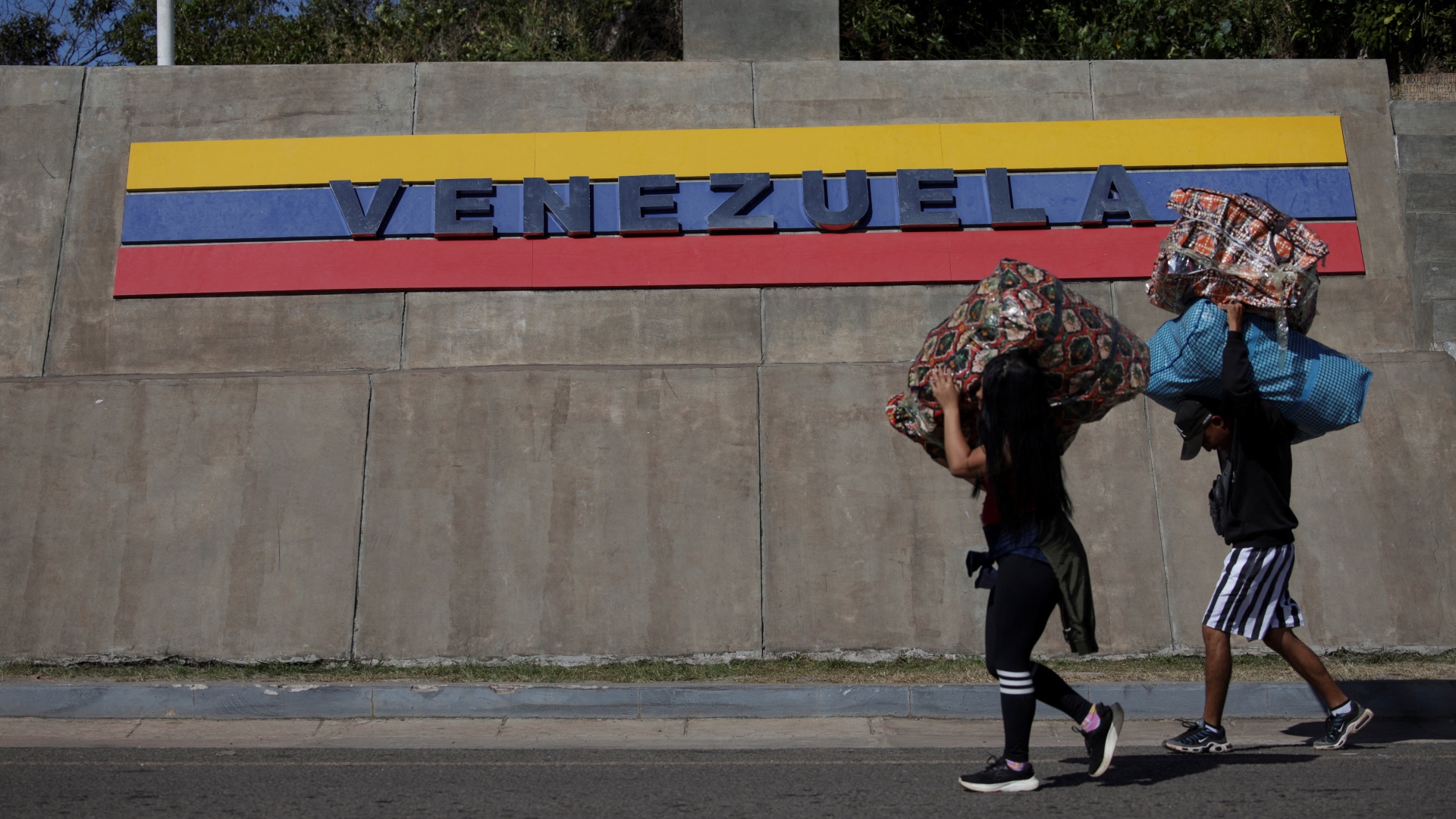
    A panel of foreign policy experts convened by the Quincy Institute for Responsible Statecraft has sharply criticized the Trump administration’s military operation in Venezuela, characterizing it as a poorly conceived spectacle that violates international norms without strategic justification.

    According to University of Chicago political science professor John Mearsheimer, the abduction of Venezuelan President Nicolás Maduro constitutes a violation of international law that makes no strategic sense for the United States. ‘Venezuela posed no threat to the US,’ Mearsheimer stated, noting that if narcotics were the genuine concern, Mexico would represent a more logical target.

    The operation, conducted by US special forces with aerial support that reportedly killed approximately 80 security forces and civilians, has left the administration embroiled in precisely the type of nation-building exercise that President Trump previously pledged to avoid. Maduro and his wife now face trial in New York City, where he has pleaded not guilty to all charges.

    Curt Mills of The American Conservative suggested President Trump appears ‘addicted to these sort of special operations as a way of looking like a wartime commander in chief’ without calculated risks. Meanwhile, Pomona College Professor Miguel Tinker Salas described the operation as ‘performative’ and emblematic of ‘the spectacle of empire,’ noting the apparent absence of any coherent plan for Venezuela’s future governance.

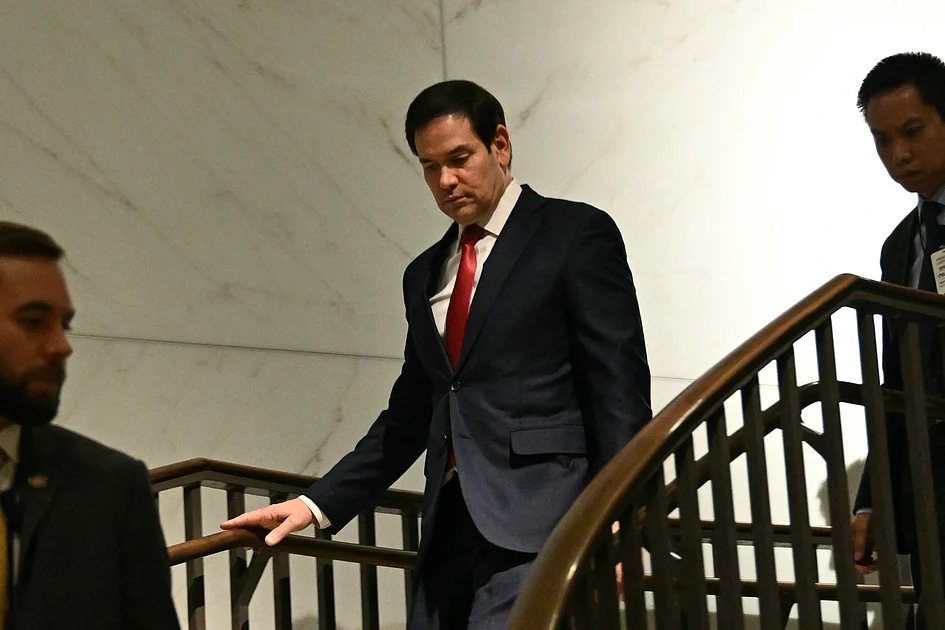
    The administration has assigned Secretary of State Marco Rubio, a long-time advocate for regime change in Venezuela and Cuba, to oversee Venezuela’s administration. Surprisingly, Trump has sidelined opposition leader Maria Corina Machado, suggesting she lacks sufficient institutional support. Interim leadership has been assumed by Delcy Rodríguez, Maduro’s former vice president, who has adopted a conciliatory stance toward US cooperation.

    Experts raised multiple concerns about the operation’s broader implications. Despite Trump’s transparent interest in Venezuela’s oil reserves—the world’s largest—Mills questioned the economic rationale, noting current low oil prices and the absence of extraction plans. Geopolitically, Mearsheimer warned the intervention represents ‘manna from heaven’ for China and Russia, as US resources become diverted from Asian priorities to Western hemisphere nation-building.

    The panel further expressed alarm about deteriorating relations with European allies, particularly given Trump’s simultaneous threats to forcibly acquire Greenland from Denmark. The experts noted Europe’s ‘dramatic’ silence on Venezuela, potentially reflecting fears about abandoned Ukrainian support or retaliatory tariffs.

    Mearsheimer concluded with a stark assessment: ‘Watching the Trump administration in action, I think that they are a rogue operation. They’ve turned the United States into a rogue state.’

  • NSW Labor MP Anthony D’Adam accuses Israel of sureviling Australians, ‘foreign interference’

    NSW Labor MP Anthony D’Adam accuses Israel of sureviling Australians, ‘foreign interference’

    A New South Wales Labor parliamentarian has formally accused the Israeli government of potentially engaging in foreign interference activities on Australian soil. Anthony D’Adam, a member of the NSW Legislative Council, raised these concerns after discovering his inclusion in a controversial dossier compiled by Israel’s Ministry of Diaspora Affairs in September.

    The document, which purports to track ‘anti-Semitism and anti-Zionism’ within Australia, identified D’Adam as ‘an advocate of Palestinian rights’ within the Labor Party and referenced his parliamentary statements characterizing Israel’s war for independence as containing ‘acts of terrorism.’ In a January 5 correspondence to Home Affairs Minister Tony Burke, D’Adam urged an official investigation into whether the dossier’s creation and distribution might constitute foreign interference under Australian law.

    The situation has created diplomatic ripples as Israeli Minister for Diaspora Affairs Amichai Chikli has maintained an active presence in Australia following the Bondi Beach terror attack. Last week, Chikli sent his own letter to Minister Burke criticizing the Australian government’s response to security matters while offering counter-terrorism training for Australian police forces.

    The controversial dossier designates NSW, Victoria, and Queensland as primary hotspots for alleged anti-Semitic content, with Canberra reporting the highest per capita incidence. It further identifies several pro-Palestine organizations including the Palestine Action Group, BDS Australia, and Students for Palestine USYD as ‘anti-Semitic/anti-Israel generators and influencers.’ Multiple politicians across party lines were named, including Senators Fatima Payman and Mehreen Faruqi, alongside Lidia Thorpe and Adam Bandt.

    D’Adam vehemently denies any anti-Semitic rhetoric, asserting the document deliberately conflates legitimate criticism of Israeli policies with religious prejudice. ‘The dossier does not provide any examples of anti-Semitism or criticism of Jewish people generally based on racial, ethnic, or religious identity,’ he stated in his letter.

    The controversy emerges against a backdrop of internal Labor Party tensions regarding Palestinian solidarity. D’Adam previously claimed he was silenced during party conference debates on Palestine and faced significant backlash after criticizing Premier Chris Minns’ handling of related issues, including the Sydney Harbour Bridge protest. While Minns acknowledged ‘tough debates’ occur within party rooms, he denied allegations of bullying behavior.

    Minister Burke’s office confirmed that correspondence containing allegations of unlawful conduct would be forwarded to appropriate agencies per standard procedure. The Israeli government has yet to provide official comment on these allegations.

  • Chris Mason: Greenland and Ukraine point to Trump’s head-spinning unpredictability

    Chris Mason: Greenland and Ukraine point to Trump’s head-spinning unpredictability

    Europe finds itself navigating two simultaneous diplomatic challenges with the United States, testing the continent’s ability to anchor Washington to its strategic priorities amid profound policy unpredictability from the Trump administration.

    The dual focus on Ukraine’s security and Greenland’s sovereignty emerges against a backdrop of growing skepticism in Washington about Europe’s geopolitical significance and defense commitments. These parallel developments illustrate what European officials describe as the ‘mesmerizing unpredictability’ of President Trump’s foreign policy approach.

    This week revealed particularly contradictory signals. Seven European leaders, including Britain’s Sir Keir Starmer, issued a joint statement diplomatically but firmly rejecting U.S. interest in Greenland as “absurd and counterproductive.” Their message emphasized that Greenland’s future belongs solely to its people, marking a rare unified European front against American ambitions.

    Simultaneously, European diplomats express cautious optimism about securing American commitment to Ukraine’s long-term security. The unprecedented presence of Trump envoys Steve Witkoff and Jared Kushner at Paris meetings of the ‘Coalition of the Willing’ signaled potential Washington alignment with European peace efforts.

    The emerging framework envisions a “US-led ceasefire monitoring and verification mechanism” leveraging advanced American intelligence, surveillance, and reconnaissance capabilities—including drones and satellites. This represents a significant evolution from Washington’s previous resistance to formal security guarantees for Kyiv.

    However, substantial uncertainties remain. Critical questions persist about Ukraine’s willingness to compromise on territory and the feasibility of securing sustainable peace. For European nations, including the UK, the commitment implies potential ground troop deployments raising questions about duration, public support, and defense budget implications.

    Whitehall sources characterize these developments as defining Europe’s security architecture for decades ahead, transcending current political leadership. As one official noted: “A secure Ukraine is a secure Europe and a secure Europe is a secure UK.”

    The fundamental question European capitals now confront is whether Trump’s unconventional approach represents a temporary deviation or a permanent transformation of transatlantic relations—with implications reaching far beyond this week’s headlines on Greenland and Ukraine.

  • Gen Z revolters are angry at the government they installed after Nepal’s protests

    Gen Z revolters are angry at the government they installed after Nepal’s protests

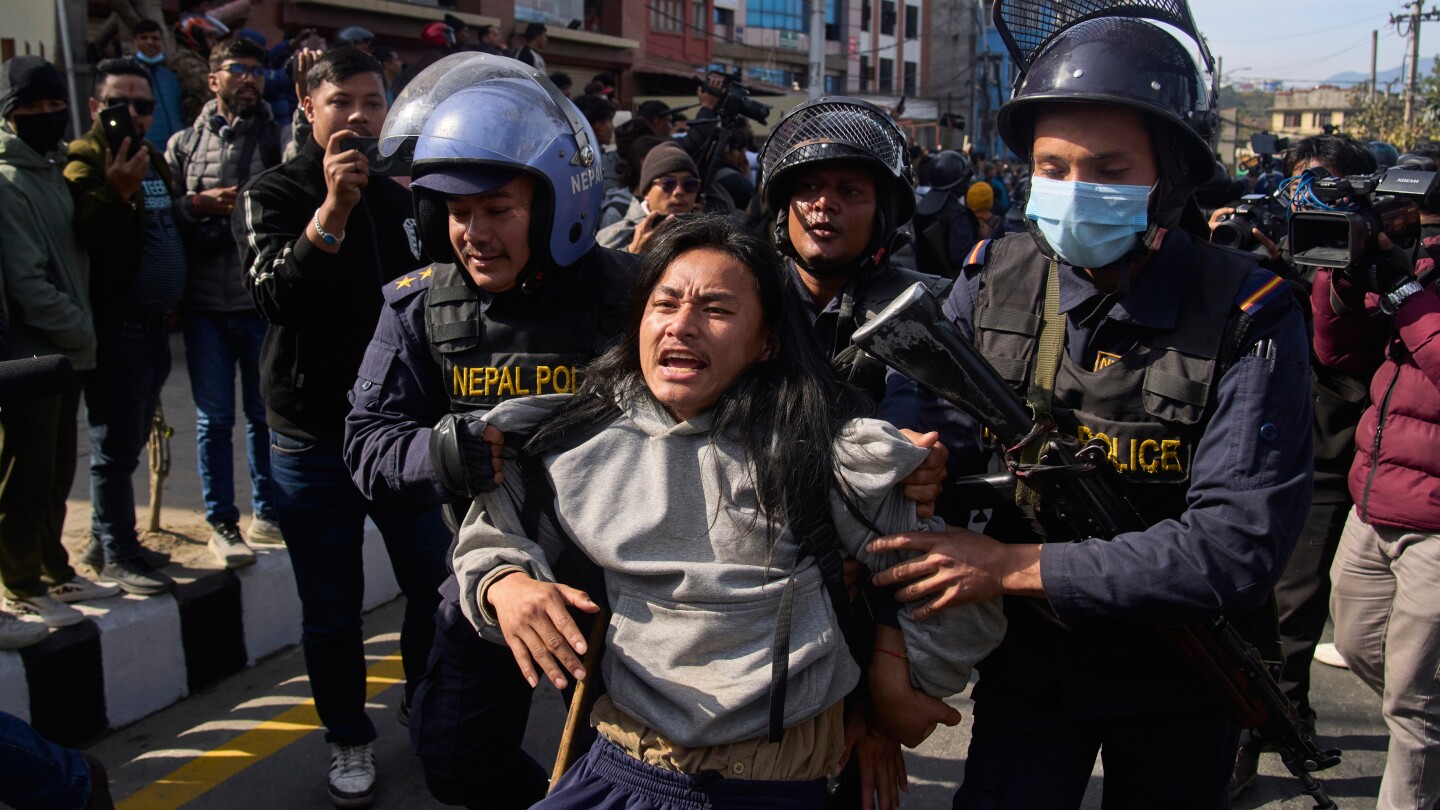
    KATHMANDU, Nepal — What began as a day of promise for 22-year-old Mukesh Awasti transformed into permanent sacrifice when he joined Nepal’s youth uprising against systemic corruption. Instead of boarding a flight to Australia to pursue civil engineering studies last September, Awasti now lies in a Kathmandu hospital bed, his leg amputated after being shot by security forces during violent demonstrations.

    The September protests, spearheaded by Nepal’s ‘Gen Z’ activists, resulted in 76 fatalities and over 2,300 injuries before achieving their immediate objective: the appointment of Sushila Karki as Nepal’s first female prime minister on September 12. The retired Supreme Court justice pledged to conduct fresh parliamentary elections by March and address systemic corruption.

    Three months later, mounting disillusionment grips the protest movement as the interim government faces criticism for failing to deliver meaningful reforms. Dozens of demonstrators, including those injured in September’s clashes, have returned to the streets expressing frustration over unfulfilled promises.

    “I regret my decision to participate because the new government we brought to power has achieved nothing,” Awasti stated from his hospital bed. “Corruption continues unchecked, and those responsible for opening fire on demonstrators remain free.”

    The government’s anti-corruption agency has filed just one significant case that excludes key political figures. Politicians accused of corruption are preparing to contest upcoming elections, with no legal action taken against former leaders in power during September’s violence.

    Suman Bohara, who walks with crutches due to a shattered right foot, articulated the collective frustration: “We returned to the streets because the government failed its promises. Many families lost loved ones, many were injured, but what has the government done? Nothing.”

    The original protests erupted on September 8 against widespread corruption, limited opportunities, unemployment, and poor governance—triggered initially by a social media ban. Demonstrators broke through police barricades attempting to enter parliament, meeting lethal force from security personnel. The movement rapidly spread nationwide, with angry mobs burning government offices and politicians’ homes, forcing leaders to flee via military helicopters.

    Analysts note the movement’s lack of clarity continues to hinder progress. Abeeral Thapa, principal of Polygon College of Journalism and Mass Communications in Kathmandu, observed: “The confusion stems from unclear demands among Gen Z groups. The protests began targeting corruption and social media restrictions but ultimately collapsed the government—like hunting deer but killing a tiger.”

    Divergent demands now emerge from various youth factions: some seek direct prime ministerial elections and constitutional overhaul, others demand immediate corruption prosecutions, while some support March elections to bring reform-minded lawmakers. The interim government’s limited mandate—primarily to conduct elections—restricts its ability to address all protester demands.

    Prime Minister Karki maintains her administration will deliver March 5 elections: “The world anticipates peaceful transition through elections. Our preparations are nearly complete, and security conditions have significantly improved.”

    Yet skepticism persists regarding whether elections will occur and whether they can address the systemic issues that sparked September’s uprising, leaving Nepal’s political future uncertain and its youth activists confronting the gap between revolutionary aspirations and political reality.

  • Opposition leader Machado says she should be in charge of Venezuela

    Opposition leader Machado says she should be in charge of Venezuela

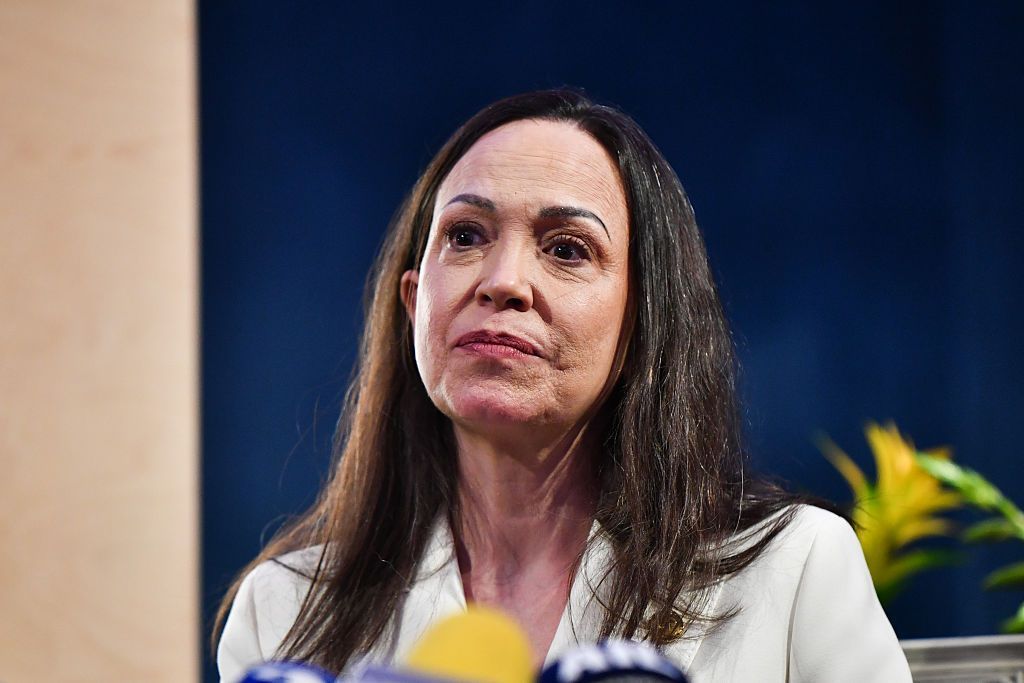
    Venezuelan opposition figure María Corina Machado has asserted her legitimate right to govern the nation following the U.S.-orchestrated removal of President Nicolás Maduro. In an exclusive interview with CBS News, the Nobel Peace Prize laureate declared her readiness to lead, stating her movement possesses a popular mandate from the disputed 2024 elections.

    Machado expressed profound gratitude toward U.S. President Donald Trump for demonstrating ‘leadership and courage’ in authorizing military operations that resulted in Maduro’s capture. She characterized the intervention as a pivotal advancement toward reestablishing democratic governance, prosperity, and legal order in Venezuela.

    Despite her appreciation for Trump’s actions, the opposition leader faces skepticism from the White House. President Trump publicly questioned Machado’s viability as a successor, noting her apparent lack of domestic support and respect, despite acknowledging her personal qualities.

    Machado simultaneously dismissed the legitimacy of interim President Delcy Rodríguez, Maduro’s former vice-president. She accused Rodríguez of being a principal architect of state repression against Venezuelan civilians, asserting that both domestic and international observers recognize her controversial legacy.

    Rodríguez, who assumed office following Maduro’s detention, has confronted these allegations while denying U.S. hegemony over Venezuelan sovereignty. In a nationally televised address, she emphasized that ‘no external agent governs Venezuela,’ directly countering claims of American control.

    The political landscape remains fraught with tension as competing factions vie for authority, international forces weigh in, and the population awaits resolution to the prolonged power struggle.

  • Ahead of election, Uganda’s security forces are accused of using violence against the opposition

    Ahead of election, Uganda’s security forces are accused of using violence against the opposition

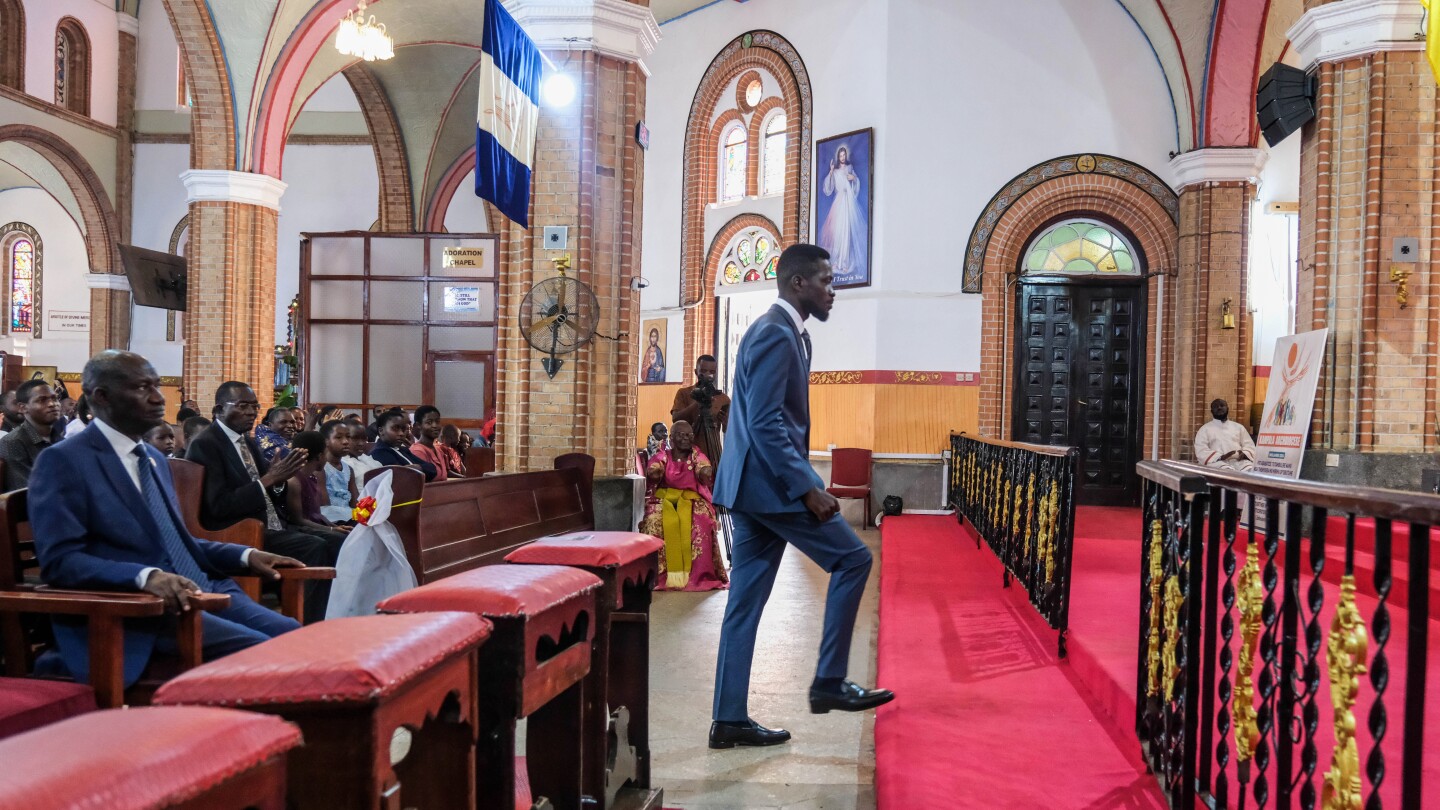
    In Uganda’s increasingly volatile political landscape, presidential challenger Bobi Wine campaigns under constant threat of state-sponsored violence. The opposition leader, whose legal name is Kyagulanyi Ssentamu, navigates the campaign trail wearing protective gear against potential gunfire while facing relentless tear gas attacks from security forces. His challenge against President Yoweri Museveni—who has maintained power since 1986 through constitutional manipulations and suppression of rivals—has triggered what human rights organizations describe as a systematic campaign of brutal repression.

    Museveni, Africa’s third-longest serving leader, has openly endorsed the deployment of tear gas against opposition gatherings, characterizing them as ‘criminal’ assemblies in his New Year’s address. While the president defends these measures as ‘legal and non-lethal’ alternatives to live ammunition, Wine reports at least three supporter fatalities during campaign events, including shootings and military vehicle incidents. Security forces routinely disrupt opposition rallies with military precision, while Museveni campaigns without obstruction.

    The political environment has further deteriorated with the recent arrest of government critic Sarah Bireete, director of the Center for Constitutional Governance, on charges related to allegedly sharing voter registry data. Her detention until January 21 has been widely condemned as politically motivated silencing ahead of elections.

    Academic and political analyst Gerald Bareebe notes that even members of Museveni’s ruling party have expressed outrage at the security forces’ brutal tactics against civilians. The situation is compounded by the prominent role of Museveni’s son, army chief Muhoozi Kainerugaba, who has openly aspired to succeed his father and previously threatened violence against Wine.

    This election represents a critical juncture for a nation that hasn’t witnessed peaceful presidential transition since independence six decades ago. With Museveni seeking to extend his rule into a fifth decade and establishing what critics describe as military dictatorship, the January 15 vote faces serious questions about its legitimacy and potential for democratic change.

  • Aldrich Ames, CIA agent who sold secrets to the Soviets, dies aged 84

    Aldrich Ames, CIA agent who sold secrets to the Soviets, dies aged 84

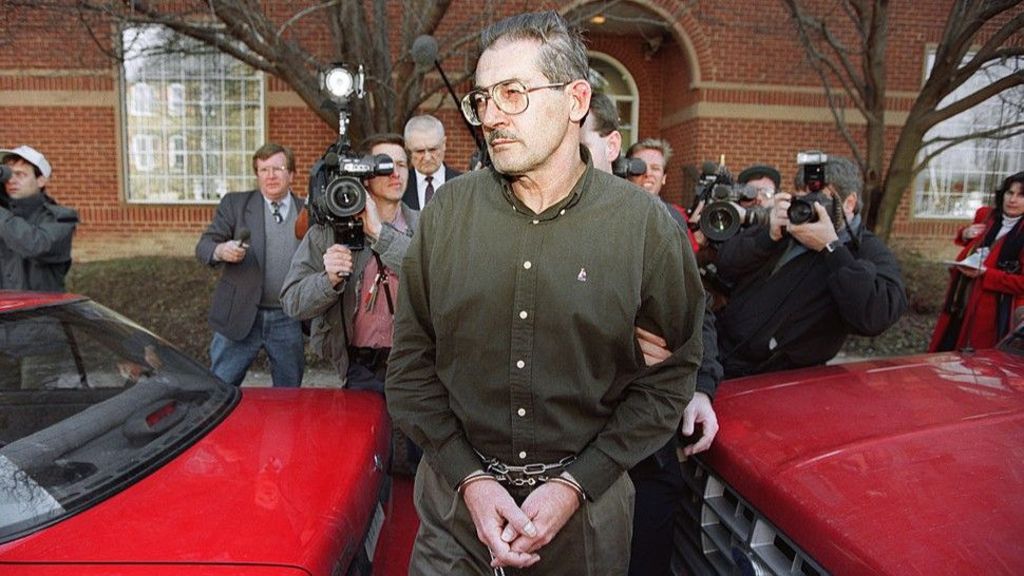
    Aldrich Ames, the former CIA counterintelligence officer who orchestrated one of the most devastating espionage operations in American history, has died at age 84 while serving a life sentence without parole. His death occurred on Monday at the Federal Correctional Institution in Cumberland, Maryland, according to CBS News.

    Ames’ treasonous activities, which began in April 1985, fundamentally compromised U.S. intelligence operations during the final years of the Cold War. Motivated primarily by financial gain, the disgruntled officer initiated his betrayal by providing the KGB with classified information in exchange for $50,000. This initial transaction marked the beginning of a nine-year espionage campaign that would net him approximately $2.5 million from Soviet and later Russian intelligence services.

    Operating under the codename ‘Kolokol’ (The Bell), Ames systematically identified virtually all CIA operatives within Soviet territory. His disclosures resulted in the compromise of more than 100 clandestine operations and the exposure of over 30 Western intelligence agents, leading to the confirmed executions of at least 10 CIA assets.

    The financial rewards enabled Ames to maintain an extravagant lifestyle far beyond his $70,000 annual government salary. He purchased a $540,000 home, drove luxury Jaguar automobiles, and funded extensive foreign travel—all while accumulating substantial debts that further fueled his espionage activities.

    Ames’ 31-year CIA career began in 1962 through his father’s connections within the agency. Despite documented security violations, including leaving classified materials on public transportation, he advanced to lead the CIA’s Soviet counterintelligence department in 1983. His professional success contrasted sharply with personal struggles, including alcoholism and financial mismanagement that ultimately drove his betrayal.

    His second wife, Maria del Rosario Casas Dupuy, a Colombian cultural attaché and CIA asset, was charged as an accomplice but received a reduced sentence of five years after cooperating with investigators. The investigation leading to Ames’ February 1994 arrest represented one of the FBI’s most significant counterintelligence successes.

    Former CIA Director R. James Woolsey characterized Ames as ‘a malignant betrayer of his country,’ noting that agents died because ‘a murdering traitor wanted a bigger house and a Jaguar.’ Ames’ cooperation with authorities secured leniency for his wife but couldn’t mitigate the profound damage inflicted upon U.S. intelligence capabilities during a critical geopolitical period.

  • Greenland, Denmark ask to meet US Secretary of State Marco Rubio

    Greenland, Denmark ask to meet US Secretary of State Marco Rubio

    The governments of Greenland and Denmark have formally requested an expedited high-level meeting with US Secretary of State Marco Rubio following renewed territorial claims about the Arctic island by former President Donald Trump.

    Greenland’s Foreign Minister Vivian Motzfeldt announced the diplomatic initiative through an official Facebook post, stating the meeting’s objective is to address “significant statements made by the United States about Greenland.” The autonomous Danish territory seeks clarification and dialogue regarding Trump’s assertions, which have raised concerns in both Nuuk and Copenhagen.

    Minister Motzfeldt revealed that despite persistent efforts throughout 2025, both the Greenlandic and Danish governments have been unable to secure a ministerial-level meeting with Secretary Rubio. This continued lack of engagement has prompted the current urgent request for diplomatic discussions.

    The situation highlights ongoing geopolitical tensions in the Arctic region, where Greenland’s strategic importance has attracted international attention. The island’s vast natural resources and strategic location have made it a subject of interest for global powers, including the United States, China, and Russia.

    This development occurs amid changing Arctic dynamics due to climate change, which has opened new shipping routes and made previously inaccessible resources potentially available. The diplomatic request underscores the complex relationship between Greenland, Denmark, and the United States, particularly regarding sovereignty and regional influence in the rapidly changing polar landscape.

  • Aipac donor on cusp of reaping billions from US abduction of Maduro

    Aipac donor on cusp of reaping billions from US abduction of Maduro

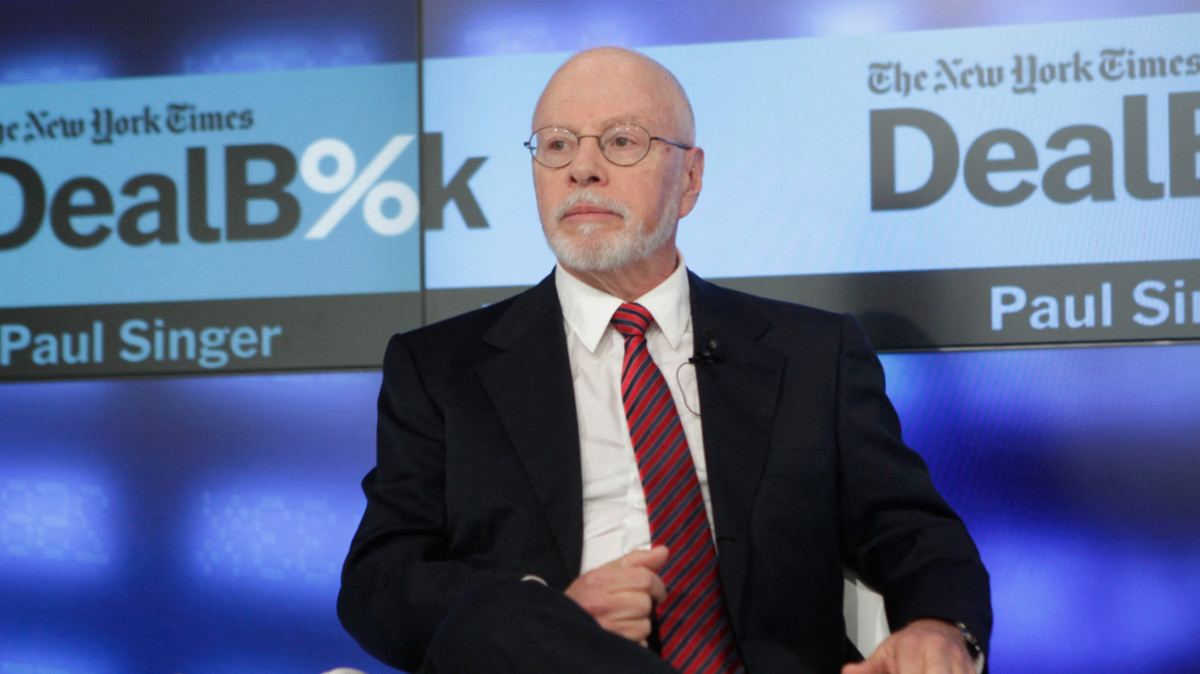
    Billionaire investor Paul Singer stands to gain substantially from the geopolitical upheaval in Venezuela following the controversial extraction of President Nicolas Maduro by U.S. special forces last Saturday. The operation, which resulted in significant casualties according to AP reports, has created conditions favorable for international investors holding Venezuelan debt.

    Singer’s Elliott Investment Management previously bid approximately $6 billion to acquire CITGO Petroleum Corporation—a network of U.S.-based refineries currently owned by Venezuela’s state oil company PDVSA. Industry analysts value these assets at nearly double that amount, suggesting a potential windfall of billions should the transaction proceed.

    The proposed acquisition represents just one facet of the complex financial implications stemming from Venezuela’s political transformation. The South American nation carries an estimated $150 billion in debt, with approximately 20% owed to creditors in China and Russia—nations that had previously supported Maduro’s government.

    Elliott Management possesses considerable experience in distressed emerging market investments, having generated substantial profits following Argentina’s debt crisis. Singer himself maintains significant political connections as a major donor to both AIPAC (the American Israel Public Affairs Committee) and Republican political causes.

    This financial backdrop has drawn criticism from certain quarters. Congressman Thomas Massie, a Republican from Kentucky facing opposition funding from Singer, publicly questioned the investor’s potential windfall, suggesting connections between political donations and favorable policy outcomes.

    The CITGO sale faces several procedural hurdles despite receiving preliminary judicial approval in November. Both Maduro’s government (prior to his removal) and a U.S.-appointed oversight board had rejected the bid as fraudulent. Final authorization must come from the U.S. Treasury Department.

    Venezuela’s interim leadership under Delcy Rodríguez has characterized Maduro’s extraction as having ‘Zionist undertones,’ reflecting the heightened geopolitical tensions surrounding the regime change operation and its financial implications.