分类: politics

  • US seizes fifth oil tanker linked to Venezuela, officials say

    US seizes fifth oil tanker linked to Venezuela, officials say

    United States military forces have executed another strategic seizure of a sanctioned oil tanker in the Caribbean Sea, marking the fifth such interception in recent weeks as part of the Trump administration’s escalating campaign against Venezuelan oil exports. The targeted vessel, identified as the Olina, was apprehended in a pre-dawn operation conducted jointly by Marines and naval personnel in coordination with the Department of Homeland Security.

    According to US Southern Command officials, the Olina had departed Venezuelan waters while attempting to evade US naval forces. The vessel had been sailing under a false flag registered to Timor-Leste and had its location tracker disabled for 52 days prior to interception, as reported by maritime risk firm Vanguard Tech. Homeland Security Secretary Kristi Noem characterized the vessel as another ‘ghost fleet’ tanker suspected of transporting embargoed oil.

    The operation continues the US government’s multi-front effort to dismantle what officials describe as a ‘dark fleet’ of over 1,000 vessels transporting sanctioned and illicit oil globally. The Olina itself had been previously sanctioned in January under the name Minerva M for allegedly helping finance Russia’s war in Ukraine through oil transportation.

    This latest seizure follows two additional tanker interceptions earlier this week in the North Atlantic and Caribbean, including the Russian-flagged Marinera captured with support from the UK Royal Navy. US authorities have declared these vessels stateless due to fraudulent flag representation, invoking United Nations maritime provisions that permit boarding of such ships.

    Concurrently, US diplomats have initiated exploratory talks in Caracas regarding potential re-establishment of diplomatic relations, which were severed by Venezuelan leader Nicolás Maduro in 2019. The Trump administration has announced plans to redirect proceeds from seized oil shipments—estimated at 50 million barrels worth $2.8 billion—to benefit the Venezuelan people through market-rate sales controlled by US authorities.
  • US and Venezuela take first steps toward restoring relations after Maduro’s ouster

    US and Venezuela take first steps toward restoring relations after Maduro’s ouster

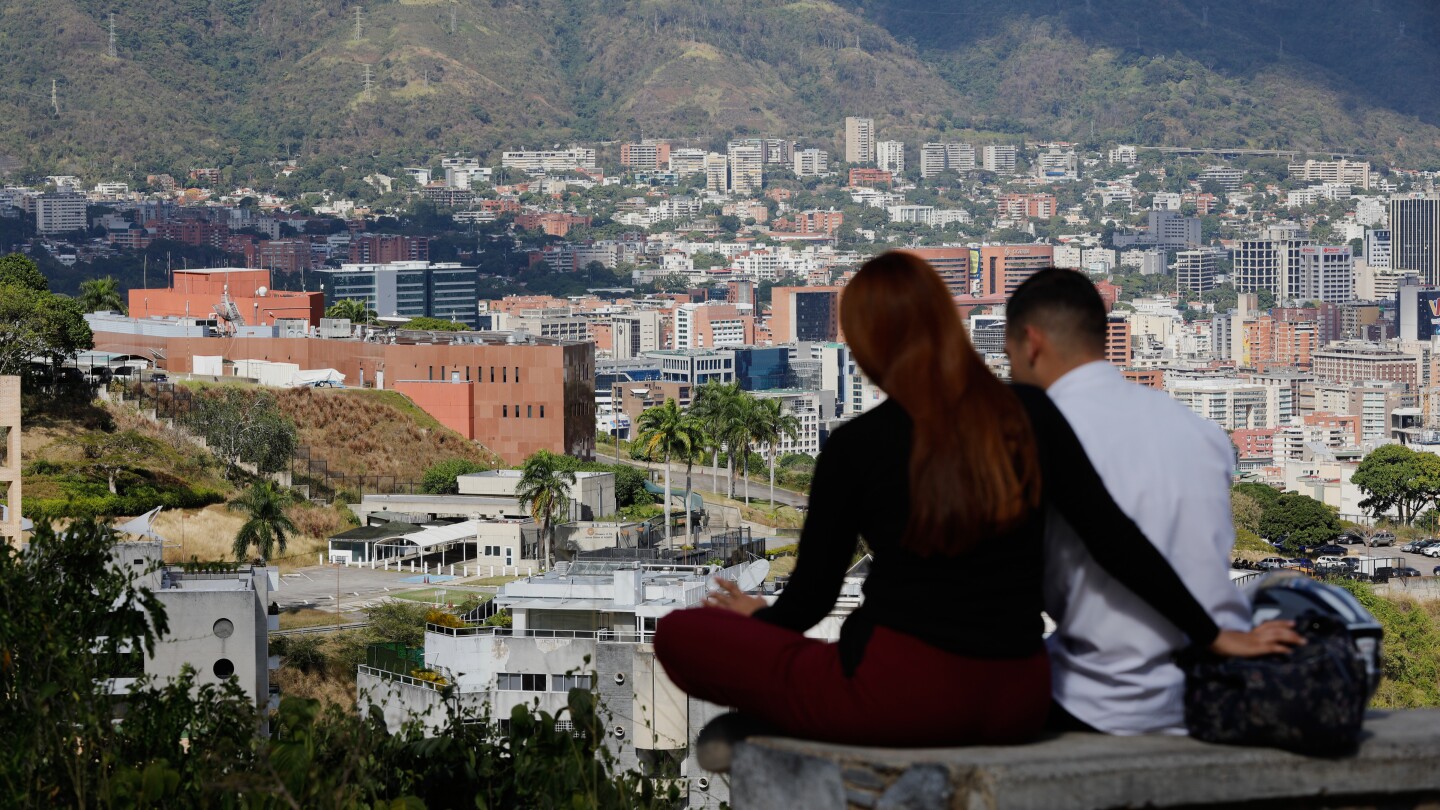
    In a significant geopolitical shift, the United States and Venezuela have commenced exploratory talks aimed at normalizing diplomatic relations after years of heightened tensions. The development follows a high-stakes intervention by U.S. military forces that resulted in the capture and extradition of former Venezuelan President Nicolás Maduro to face drug trafficking charges in New York.

    A specialized delegation of American diplomats and security personnel arrived in Caracas to assess the potential reopening of the U.S. Embassy, which was shuttered in 2019 during the Trump administration’s previous term. The State Department confirmed the preliminary mission, characterizing it as an initial step toward reestablishing formal diplomatic channels.

    Venezuela’s acting government under President Delcy Rodríguez simultaneously announced plans to dispatch its own delegation to the United States, though specific timelines remain undisclosed. Such travel would necessitate special sanctions waivers from the U.S. Treasury Department, highlighting the complex regulatory hurdles facing normalization efforts.

    Rodríguez finds herself navigating competing pressures—addressing Washington’s demands while maintaining support from military hardliners furious over Maduro’s capture. Her public statements revealed this delicate balancing act, simultaneously condemning U.S. actions as “grave, criminal, illegal, and illegitimate aggression” while advocating diplomacy as the optimal path to secure Maduro’s eventual return and protect Venezuelan sovereignty.

    The diplomatic overture represents a dramatic reversal from 2019, when the Trump administration recognized opposition leader Juan Guaidó as Venezuela’s legitimate president and closed its Caracas embassy, relocating diplomatic operations to Bogotá, Colombia. The current engagement continues a pattern of cautious re-engagement that began last February when Trump envoy Richard Grenell met with Maduro, resulting in the release of six detained Americans.

    Underlying the diplomatic maneuvering remains the strategic importance of Venezuela’s oil reserves, the world’s largest, which have long been an objective of U.S. energy policy. The normalization process signals potential opportunities for American energy companies while testing Rodríguez’s ability to reconcile diplomatic pragmatism with ideological commitments to the Maduro legacy.

  • Yemen’s STC denies disbanding and says it cannot be done ‘under duress’

    Yemen’s STC denies disbanding and says it cannot be done ‘under duress’

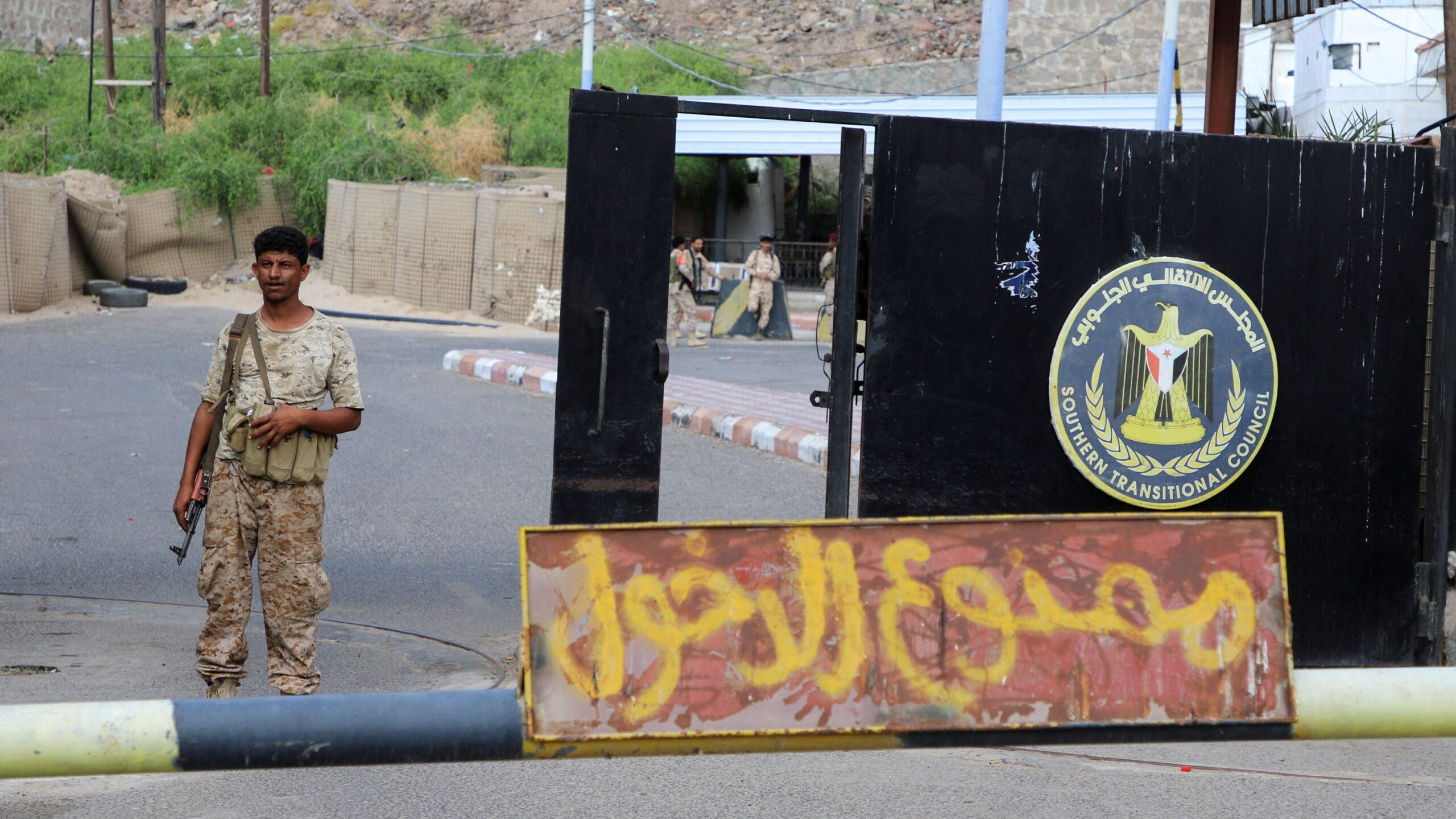
    A significant diplomatic dispute has erupted between Yemen’s Southern Transitional Council (STC) and Saudi Arabia following contested claims about the separatist group’s dissolution. Saudi state media announced on Friday that STC delegates in Riyadh had agreed to disband the organization, a report immediately rejected by STC representatives who allege their members are being held under duress.

    Mohamed Alsahimi, the STC’s UK representative, explicitly denied the dissolution reports to Middle East Eye, stating that any legitimate disbandment would require formal approval from both the council and its UAE-backed leader Aidarous al-Zubaidi, who has reportedly fled Yemen. Alsahimi asserted that the delegation in Riyadh had been effectively detained since Wednesday, with their communication devices confiscated.

    “This cannot be done under duress. This will be done when the STC delegation in Riyadh is released,” Alsahimi declared, adding that the group remains committed to constructive political engagement regarding southern Yemen’s future.

    The controversy emerges amid dramatic shifts in southern Yemen’s power dynamics. STC forces have recently lost control of their Aden stronghold to Saudi-backed Giants Brigades, who have raised Yemen’s national flag over government buildings for the first time in years. Saudi Defense Minister Khalid bin Salman Al Saud praised the alleged dissolution as a “brave decision” that would facilitate inclusive talks about southern Yemen’s future through an upcoming Riyadh conference.

    Meanwhile, Abu Dhabi-based STC spokesman Anwar al-Tamimi dismissed the Saudi announcement as “ridiculous,” highlighting the deepening complexities of the Yemen conflict where competing Gulf powers support different factions within the anti-Houthi alliance.

  • After Venezuela frees 1% of prisoners, families and activists strain to stay hopeful

    After Venezuela frees 1% of prisoners, families and activists strain to stay hopeful

    In a development that has generated both optimism and profound disappointment, Venezuela’s government has released merely nine detainees despite earlier promises of a substantial prisoner liberation. This modest figure represents just over 1% of the 811 individuals that Caracas-based human rights organization Foro Penal identifies as being detained for political reasons in the country.

    The releases, which included five Spanish citizens, two political activists, and two prominent opposition figures, occurred against the backdrop of a transformed political landscape following the dramatic capture of former President Nicolás Maduro by U.S. forces. The developments have created a complex atmosphere where cautious hope mingles with enduring frustration among families of those still imprisoned.

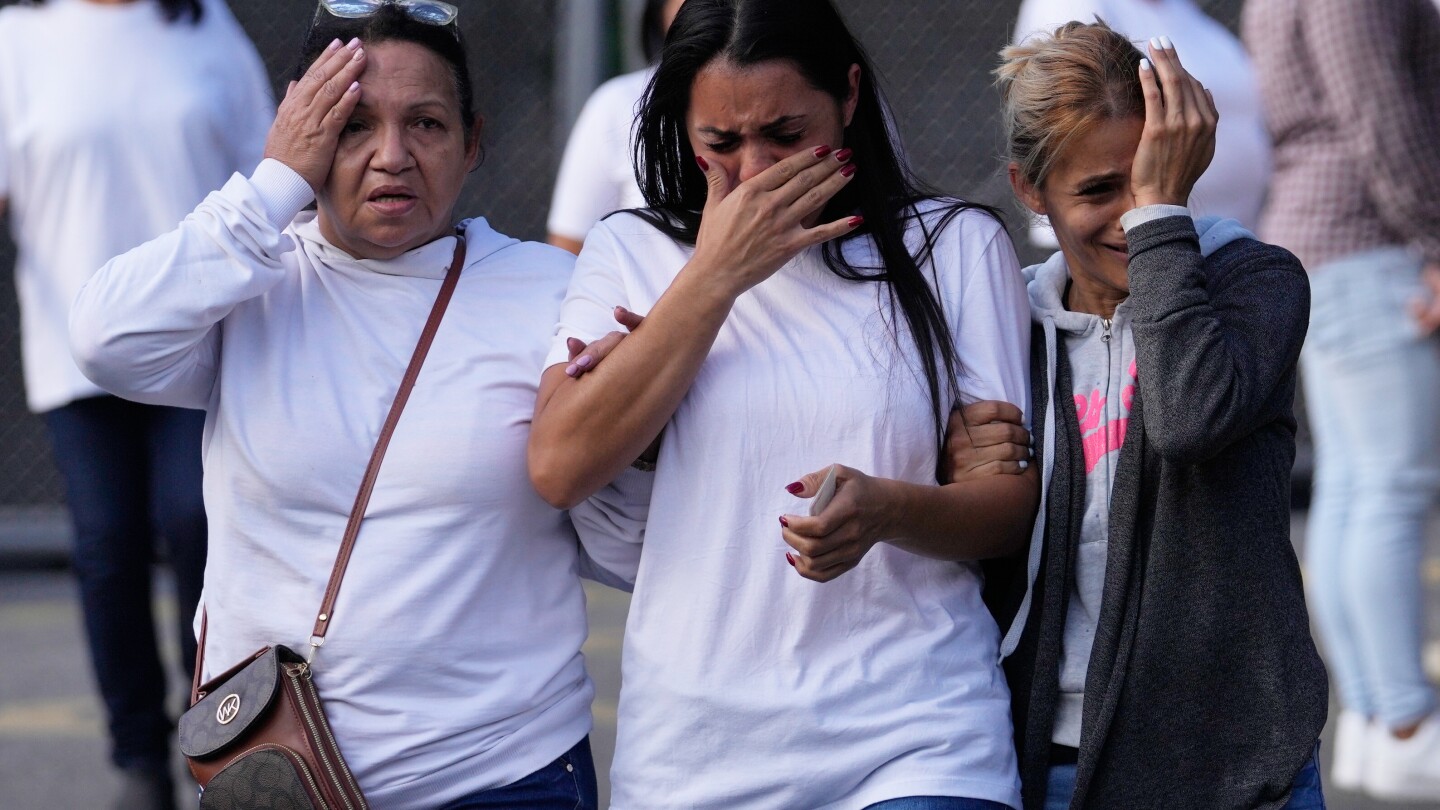
    Outside El Rodeo prison in Guatire, approximately one hour east of Caracas, relatives maintained vigil throughout Friday, forming impromptu support networks while sharing resources and information. The emotional toll was visible as hope gradually gave way to despair for many waiting families. Noirelys Morillo, who traveled ten hours to await her brother’s potential release, exemplified the determination of relatives: “We’re going to stay here until we receive him.”

    The prisoner releases are widely interpreted as a confidence-building measure by interim President Delcy Rodríguez’s administration, signaling potential willingness to engage with international partners. Former U.S. President Donald Trump has publicly acknowledged the releases, characterizing them as responsive to Washington’s requests.

    However, human rights organizations have expressed profound dissatisfaction with the limited scope of the releases. Justice, Encounter, and Forgiveness, a Venezuelan advocacy group, emphasized that “freedom cannot remain in statements: it must materialize in verifiable facts.”

    A striking dimension of the situation emerged through accounts of prisoners’ complete isolation from external developments. Shakira Ibarreto, during a scheduled visit with her detained father Miguel, discovered that inmates remained unaware of Maduro’s capture and the subsequent political transformation in Venezuela. Prison authorities had abruptly discontinued the customary state television broadcasts that typically provide inmates with controlled information.

    The situation continues to evolve as families maintain their vigil and the international community monitors whether these initial releases will develop into a more comprehensive prisoner liberation initiative under Venezuela’s new leadership.

  • Watch: Latest plans for White House ballroom revealed

    Watch: Latest plans for White House ballroom revealed

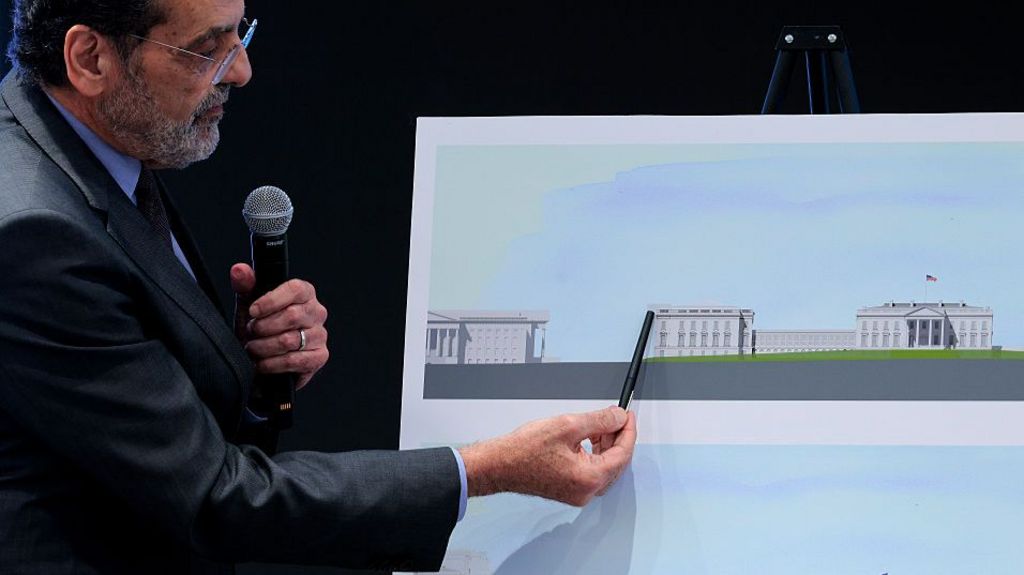
    The Trump administration has presented updated architectural plans for a new White House ballroom to the National Capital Planning Commission, with presidential architect David Monetta confirming the structure will maintain the exact height of the existing executive mansion. The proposed addition, which continues the Trump family’s pattern of architectural enhancements to the presidential residence, has been designed to preserve the historical integrity of the White House complex while expanding its entertainment capacity. Monetta emphasized during the commission hearing that the vertical dimensions were carefully calibrated to align with the original White House roofline, ensuring visual continuity with the iconic Neoclassical structure. The ballroom project represents the latest in a series of proposed modifications to the White House grounds that have drawn both praise and scrutiny from preservationists and political observers alike. Architectural historians note that while executive mansion expansions have occurred throughout American history, each new addition undergoes rigorous review to balance functional needs with historical preservation requirements.

  • Trump indicates Machado might give him Nobel Prize at Washington meeting next week

    Trump indicates Machado might give him Nobel Prize at Washington meeting next week

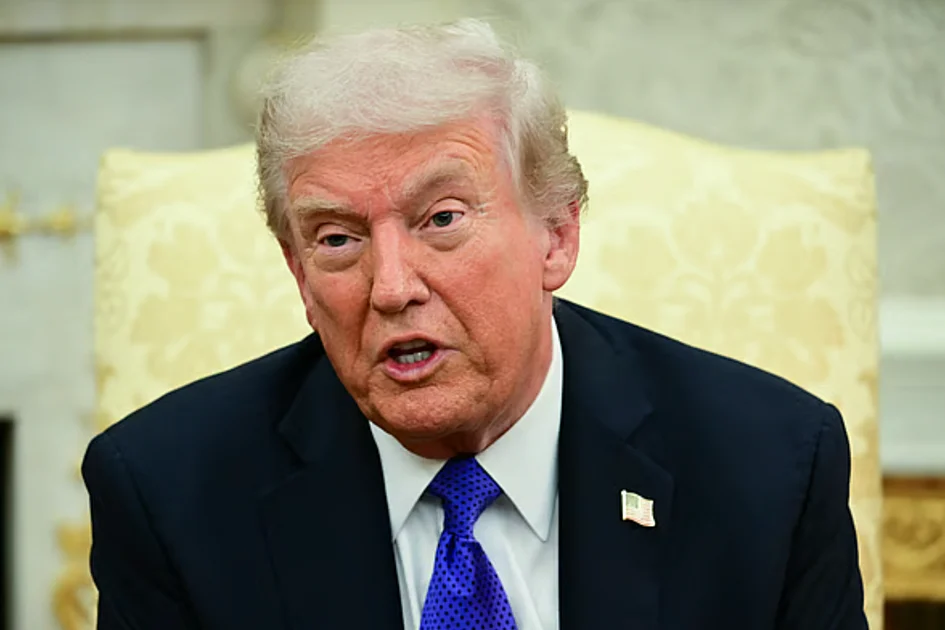
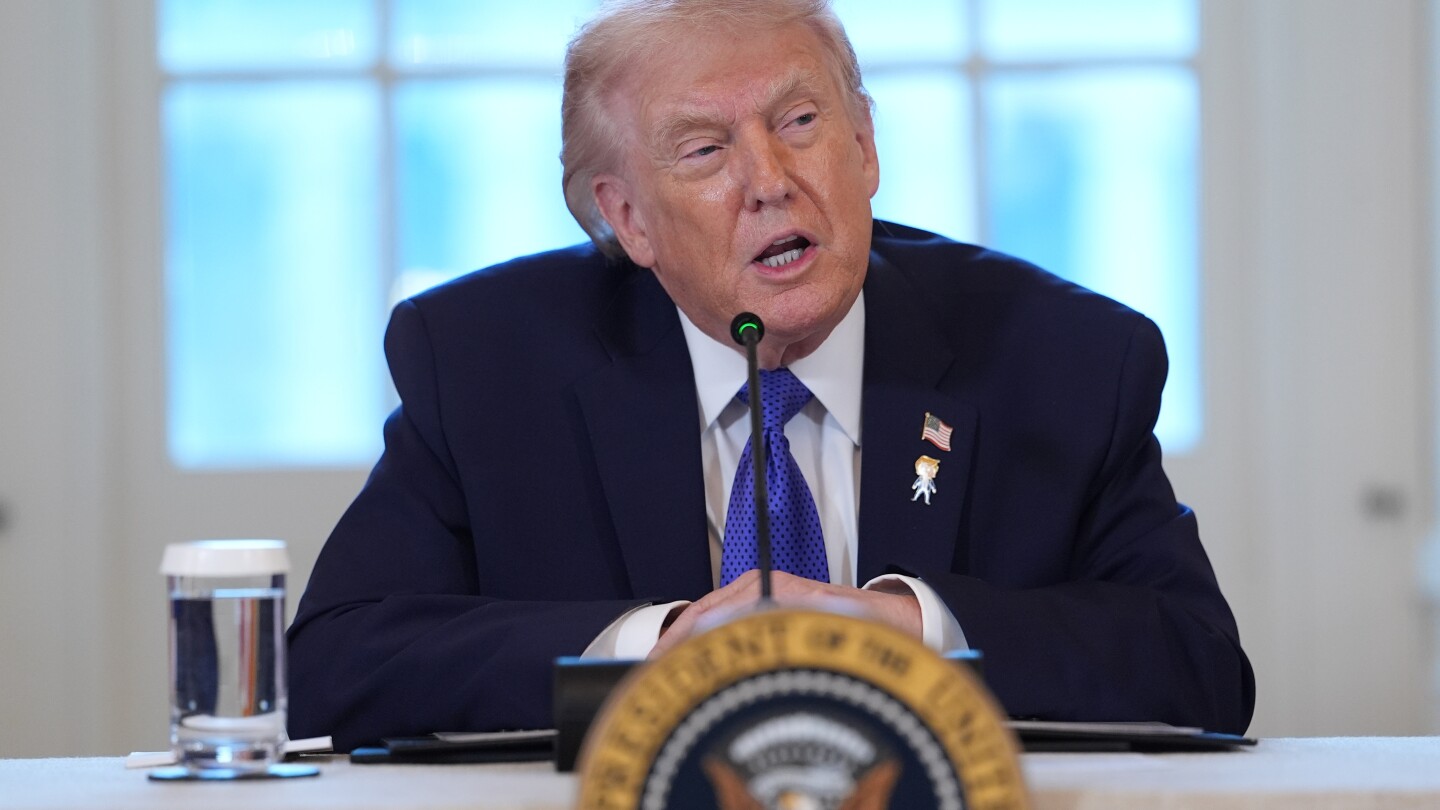
    In a remarkable development in U.S.-Venezuela relations, former President Donald Trump has revealed his anticipated meeting with Venezuelan opposition figure Maria Corina Machado during her Washington visit next week. The disclosure came during Trump’s Thursday evening interview on Fox News with host Sean Hannity, where he expressed enthusiasm about the encounter.

    This prospective meeting occurs against the backdrop of significant political upheaval in Venezuela, following the dramatic capture of former Venezuelan president Nicolas Maduro and his spouse by U.S. forces just over a week ago. The couple currently faces prosecution in New York on multiple charges including narcotics trafficking and weapons violations.

    Trump’s comments regarding Venezuela’s governance capacity have drawn international attention, with the former president asserting last week that Machado lacks sufficient domestic support and respect to effectively lead the nation. He further suggested that extended American oversight might be necessary for Venezuela’s political stabilization.

    During the recent interview, Trump elaborated on his assessment of Venezuela’s current state under interim leadership, stating that the country requires comprehensive reconstruction and is presently incapable of conducting legitimate electoral processes. “We have to rebuild the country. They couldn’t have an election,” Trump remarked. “They wouldn’t even know how to have an election right now.”

    The Nobel Peace Prize has emerged as a symbolic element in this political dialogue, with Machado having previously offered to share her award with Trump, who has repeatedly expressed belief in his own deservingness of the honor. Trump characterized Norway’s failure to grant him the prize as a “major embarrassment” for the Scandinavian nation, which oversees the prestigious award through its dedicated committee.

    Trump indicated that Machado might formally present her Nobel medal to him during their upcoming meeting, a gesture he described as “a great honor” while acknowledging his understanding of her intentions.

  • India-US trade deal delayed after Modi did not call Trump, Howard Lutnick says

    India-US trade deal delayed after Modi did not call Trump, Howard Lutnick says

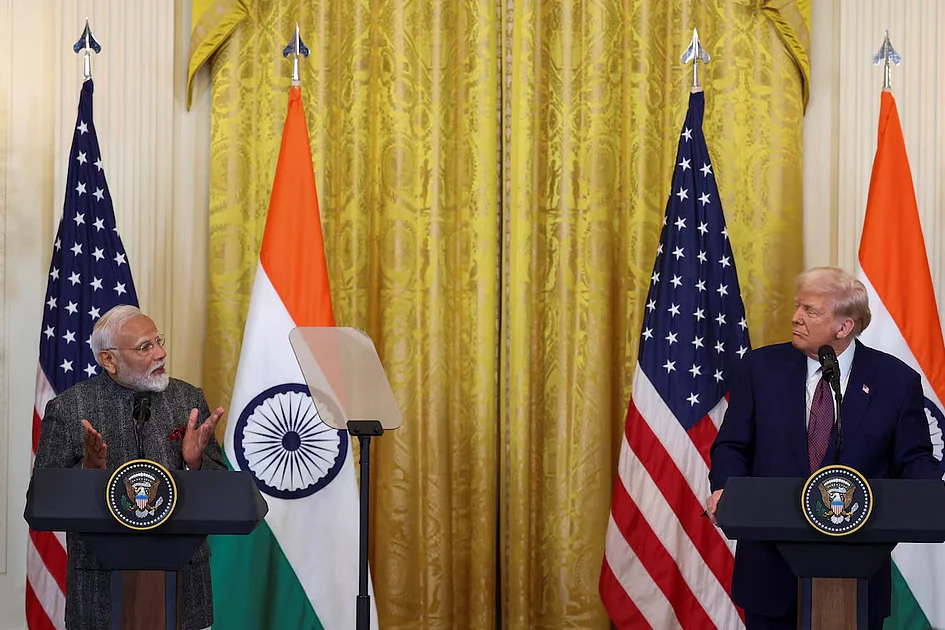
    A significant trade agreement between the United States and India has encountered unexpected delays due to a diplomatic communication breakdown, according to Commerce Secretary Howard Lutnick. The negotiations collapsed when Indian Prime Minister Narendra Modi declined to place a telephone call to President Donald Trump to finalize terms that had been previously negotiated between the two nations.

    The trade discussions, which had been progressing throughout last year, ultimately disintegrated following this communication impasse. In response, the Trump administration implemented substantial economic measures in August, doubling tariffs on Indian goods to 50 percent—the highest rate globally. This included a specific 25 percent levy imposed as direct retaliation for India’s continued purchases of Russian oil despite international pressure.

    Lutnick revealed these details during an appearance on the All-In podcast, a business and technology program hosted by prominent venture capitalists. He stated that the agreement framework was fully prepared for execution, but the necessary diplomatic gesture from the Indian leadership never materialized. ‘It’s all set up and you have got to have Modi call the President. And they were uncomfortable doing it,’ Lutnick explained, adding simply, ‘So Modi didn’t call.’

    The situation has intensified recently as President Trump escalated pressure on India through explicit warnings that additional tariff increases would follow unless India curtails its energy imports from Russia. These developments have already triggered adverse economic consequences for India, with the rupee plummeting to record lows and investor confidence weakening amid the uncertain trade outlook.

    According to Lutnick, India continues to seek a tariff rate structure comparable to those previously offered to Britain and Vietnam, though these offers have since expired. The Indian trade ministry has not provided immediate commentary on Lutnick’s statements regarding the negotiation breakdown.

    Reuters previously reported that the two nations were nearing a comprehensive trade agreement last year before communications faltered. An Indian government official involved in the negotiations suggested that Prime Modi avoided the call over concerns that a direct conversation with President Trump might create diplomatic pressure and put him in a compromised negotiating position.

  • Watch: BBC reports from outside Venezuela’s ‘El Helicoide’ prison

    Watch: BBC reports from outside Venezuela’s ‘El Helicoide’ prison

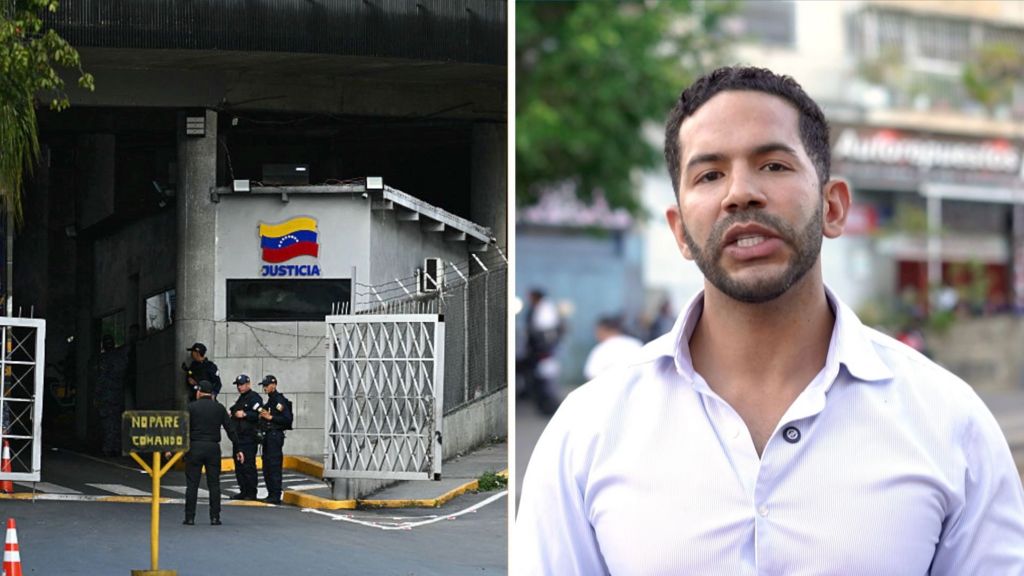
    In a significant political development, the Venezuelan government has commenced the release of individuals identified as political prisoners. BBC correspondent Norberto Paredes reported from outside the notorious ‘El Helicoide’ detention facility in Caracas, where the initial releases are underway.

    This prison complex, formally known as the Bolivarian National Intelligence Service (SEBIN) headquarters, has long been criticized by human rights organizations for housing political dissidents under questionable legal circumstances. The releases appear to follow through on diplomatic commitments made during recent negotiations between government representatives and opposition parties in Barbados.

    The carefully orchestrated prisoner release operation represents a potential thaw in Venezuela’s prolonged political stalemate. International observers are monitoring these developments as possible confidence-building measures ahead of the 2024 presidential election. The government’s actions may signal willingness to address longstanding human rights concerns while opposition figures cautiously welcome what could be the beginning of broader democratic reforms.

    This development occurs amid complex geopolitical dynamics, including recently eased U.S. sanctions on Venezuela’s oil industry in exchange for electoral guarantees. The prisoner releases could potentially pave the way for more comprehensive political negotiations in a country grappling with economic challenges and international scrutiny over its democratic processes.

  • Trump promises oil executives ‘total safety’ if they invest in Venezuela after Maduro ouster

    Trump promises oil executives ‘total safety’ if they invest in Venezuela after Maduro ouster

    WASHINGTON — In a strategic pivot following the military operation that ousted Nicolás Maduro, President Donald Trump convened top oil industry executives at the White House to champion a massive $100 billion private investment initiative aimed at revitalizing Venezuela’s crippled energy infrastructure. The Friday meeting marked a dramatic shift from military action to economic opportunity, with Trump positioning Venezuela’s vast petroleum reserves as a prime target for American energy corporations.

    The administration’s aggressive posture includes seizing tankers carrying Venezuelan crude and assuming control over global sales of 30-50 million barrels of previously sanctioned oil. Trump personally assured skeptical executives of “total safety” in potential ventures, emphasizing they would be “dealing with us directly and not dealing with Venezuela at all.” This unprecedented arrangement would see the U.S. government acting as intermediary for energy investments in a foreign nation.

    Despite presidential assurances, industry leaders expressed significant reservations. ExxonMobil CEO Darren Woods characterized Venezuela as “un-investable” under current frameworks, citing the need for comprehensive legal overhauls and durable investment protections. The company’s assets were seized twice previously in the country, reflecting the challenging operational environment.

    The mobilization forms part of Trump’s broader effort to curb gasoline prices, merging assertive presidential power with economic spectacle ahead of election season. Beyond domestic considerations, the president presented the intervention as preempting Chinese or Russian control of Venezuelan resources, stating: “If we didn’t do this, China or Russia would have done it.”

    In parallel diplomatic developments, both nations are exploring restored relations, with U.S. officials conducting preliminary assessments for reopening the Caracas embassy. The administration also announced upcoming meetings with Venezuelan opposition leader Maria Corina Machado and Colombian President Gustavo Petro, signaling complex regional realignments following Maduro’s ouster.

    Energy Secretary Chris Wright projected optimism post-meeting, noting “tremendous interest” from attendees and suggesting production could triple to 3 million barrels daily within 8-12 years. The assemblage included Chevron, ConocoPhillips, Shell, and international firms Trafigura, Eni, and Repsol, representing global stakes in Venezuela’s energy future.

  • The musician and the strongman leader – what you need to know about Uganda’s election

    The musician and the strongman leader – what you need to know about Uganda’s election

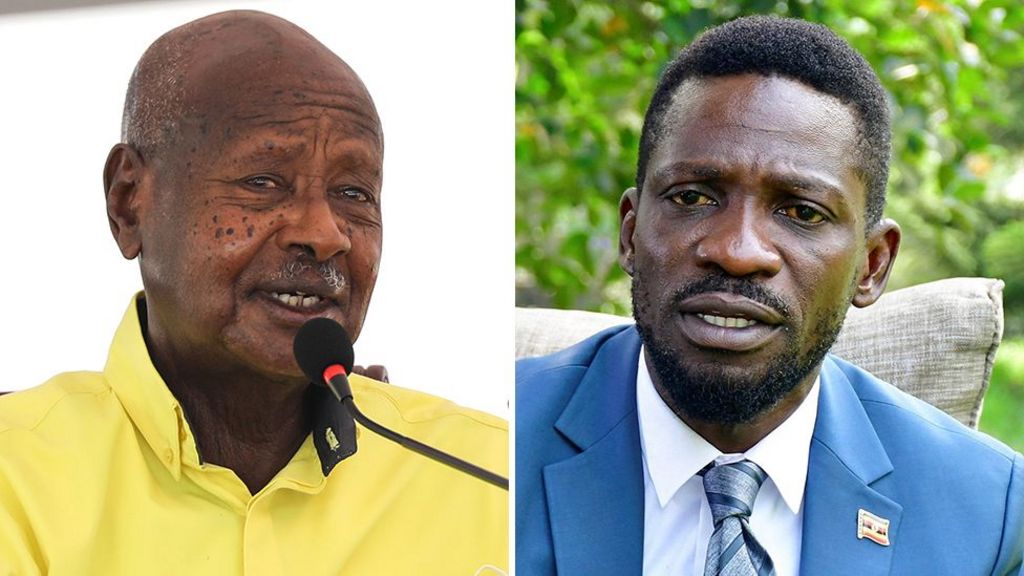
    Uganda stands at a pivotal juncture as it prepares for presidential elections on January 15th, presenting voters with a stark choice between continuity and transformation. President Yoweri Museveni, 81, seeks to extend his 40-year reign—one of Africa’s longest administrations—while his primary challenger, 43-year-old former pop sensation Bobi Wine, promises radical governance reforms and represents generational change.

    The electoral landscape is characterized by significant tension, with opposition campaigns experiencing systematic disruption through activist detentions and police intervention at rallies. These developments occur against a backdrop of pressing economic concerns, particularly youth unemployment in a nation where over three-quarters of the population is under 30.

    This marks the second electoral confrontation between Museveni and Wine, following the contentious 2021 poll where Museveni secured 58% of votes amid widespread allegations of electoral manipulation and opposition suppression. Museveni’s prolonged tenure has been facilitated by constitutional amendments eliminating presidential age and term limits, enabling his seventh consecutive candidacy.

    Bobi Wine (legal name Robert Kyagulanyi) has emerged as the most formidable opposition figure, capitalizing on his popularity among urban youth and working-class constituencies. His National Unity Platform became parliament’s largest opposition party following the previous election, though Wine has faced persistent harassment from security forces throughout the campaign period.

    Beyond the two frontrunners, six additional candidates complete the presidential field, though none are projected to secure significant vote shares. Notably absent is veteran opposition leader Kizza Besigye, currently imprisoned on treason charges in Kenya.

    Economic considerations dominate voter concerns, with unemployment, infrastructure deficiencies, and unequal access to education and healthcare representing primary issues. While Uganda has avoided the severe inflation affecting neighboring nations, corruption remains pervasive—the country ranks 140th globally on Transparency International’s Corruption Perceptions Index.

    International observers have expressed concern about the electoral environment, with UN experts noting a ‘pervasive climate of fear’ and Amnesty International documenting a ‘brutal campaign of repression’ involving tear gas, pepper spray, and physical violence against opposition supporters. The government maintains these measures are necessary to ensure peaceful elections.

    Election officials promise transparent voting procedures with party agents and independent monitors observing the count, though critics question the electoral commission’s independence. Opposition leaders have urged supporters to safeguard ballots against potential manipulation, while preparing technological solutions like Bluetooth-enabled monitoring apps to circumvent possible internet restrictions.

    According to electoral regulations, presidential results must be announced within 48 hours of polling closure. A candidate must secure over 50% of the national vote to avoid a runoff—a threshold Museveni has consistently achieved in previous elections.