分类: politics

  • US attack on Venezuela an erosion of intl law, African experts say

    US attack on Venezuela an erosion of intl law, African experts say

    African policy specialists are raising alarms that recent US military actions against Venezuela represent a dangerous erosion of international legal standards, potentially signaling a return to coercive power politics that could disproportionately impact resource-rich yet institutionally vulnerable nations across Africa.

    According to security analysts, the unilateral intervention outside United Nations frameworks marks a significant departure from rule-based international relations. Melha Rout Biel, Executive Director of South Sudan’s Institute for Strategic and Policy Studies, characterized the development as undermining global norms that protect national sovereignty and prevent coercion in international disputes.

    “The attempt to remove a sitting president under foreign jurisdiction while claiming respect for international law represents a fundamental contradiction,” Biel stated. “Such actions risk normalizing coercive intervention and establishing precedents that could threaten sovereignty throughout Africa and other resource-rich regions.”

    The analysis suggests that vulnerable states possessing significant oil, mineral and strategic resources may increasingly face external pressure disguised as legal or security measures if unilateral intervention becomes normalized. Biel emphasized that this concern extends beyond Venezuela, with Africa and parts of Asia facing comparable risks should power begin to replace law in international relations.

    Nigerian policy expert Olusoji Ajao, founder of Afrocentric Masterclass, noted that interventions bypassing multilateral institutions rarely achieve sustainable governance improvements. “Historical evidence demonstrates that these approaches tend to fracture societies rather than reform them,” Ajao explained, adding that sanctions and coercive measures typically impose severe social and economic costs on civilian populations while failing to produce political solutions.

    The African Union has reaffirmed its commitment to international law principles including sovereignty and territorial integrity, while multiple African nations including South Africa, Democratic Republic of Congo, Somalia, Liberia, Ghana and Namibia have called for urgent action to uphold the UN Charter and protect Venezuela’s sovereignty.

    African experts conclude that sustainable solutions must emerge through inclusive political dialogue rather than external imposition, warning that the continent must develop unified positions to prevent becoming collateral damage in great power competitions, as occurred during the Cold War era.
  • Iran warns it will strike Israel and US bases in response to attack on Tehran

    Iran warns it will strike Israel and US bases in response to attack on Tehran

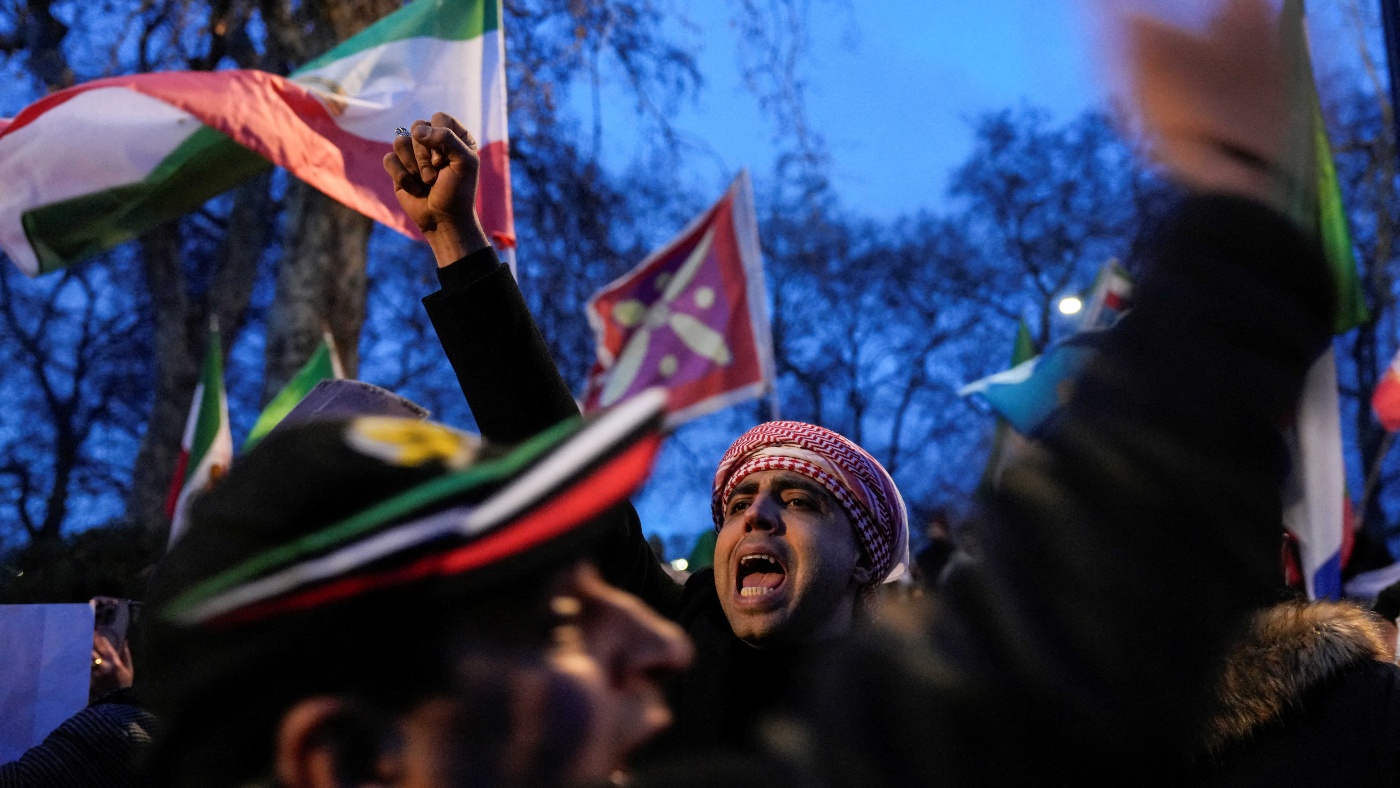
    Iran has issued a stark warning that it will target Israeli territories and US military installations if its sovereignty is violated by foreign strikes, escalating tensions amid the nation’s most severe civil unrest in three years. The warning was delivered by Mohammad Baqer Qalibaf, Speaker of Iran’s Parliament and a former Revolutionary Guard commander, who stated that any attack on Iran would make “occupied territories and all US bases and ships legitimate targets.”

    The threat emerges against a backdrop of intense domestic protests that have reportedly resulted in at least 192 fatalities, according to Iran Human Rights, a Norway-based NGO. The organization cautioned that the actual death toll may be significantly higher, with difficulties in verification due to a nationwide internet blackout exceeding 60 hours, as reported by internet monitor Netblocks.

    US President Donald Trump has amplified tensions through social media, declaring that Iran is “looking at FREEDOM, perhaps like never before” and asserting that the “USA stands ready to help.” This statement followed his earlier warnings to Iranian leadership against using force on protesters.

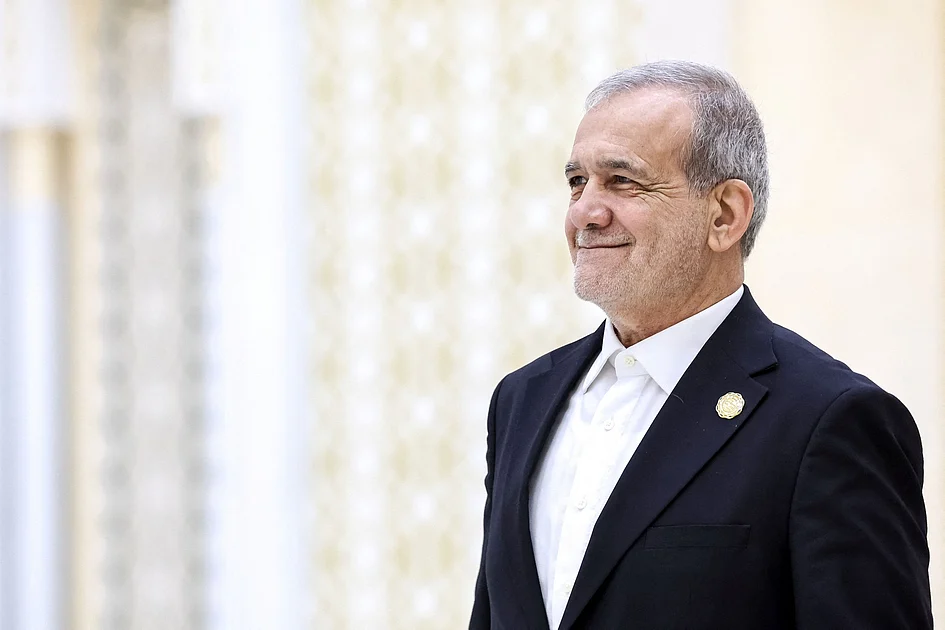
    Iranian President Masoud Pezeshkian accused the US and Israel of attempting to “sow chaos and disorder” by instigating what he termed “riots,” urging citizens to distance themselves from “rioters and terrorists.” Meanwhile, security chief Ali Larijani distinguished between economically motivated protests, which he called “understandable,” and actions resembling “terrorist group methods.

    Israeli security forces have been placed on high alert, according to three sources present at security consultations, though specific measures remain undisclosed. This development follows a recent 12-day conflict between Israel and Iran in June, during which US forces joined Israeli strikes on Iranian territory.

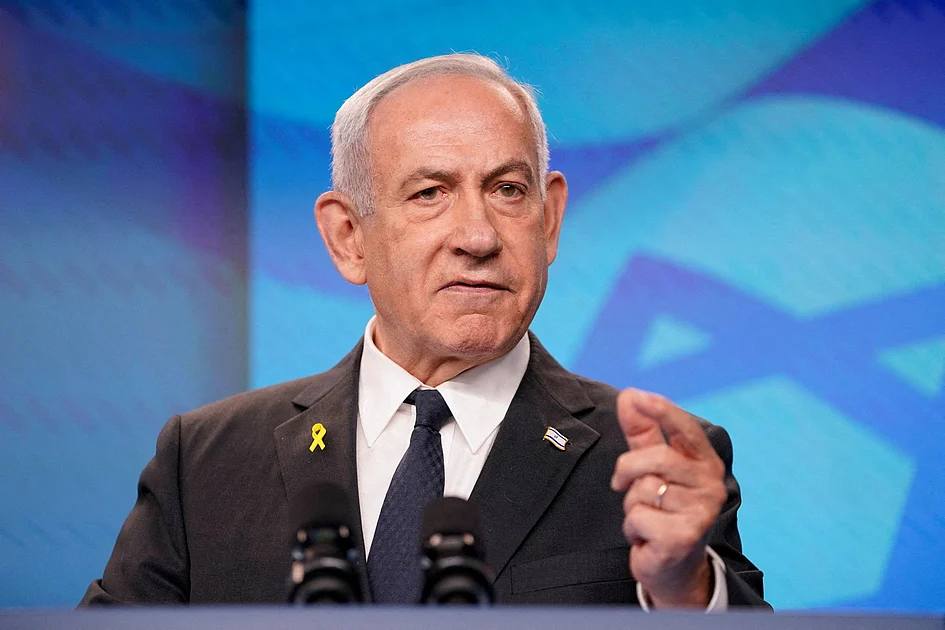
    A senior US intelligence official described the situation as an “endurance game,” with opposition forces maintaining pressure until key government figures defect, while authorities attempt to clear streets without provoking US intervention. Despite discussions between Israeli Prime Minister Benjamin Netanyahu and US Secretary of State Marco Rubio regarding potential intervention, Israel has not expressed desire to directly involve itself in Iran’s internal affairs.

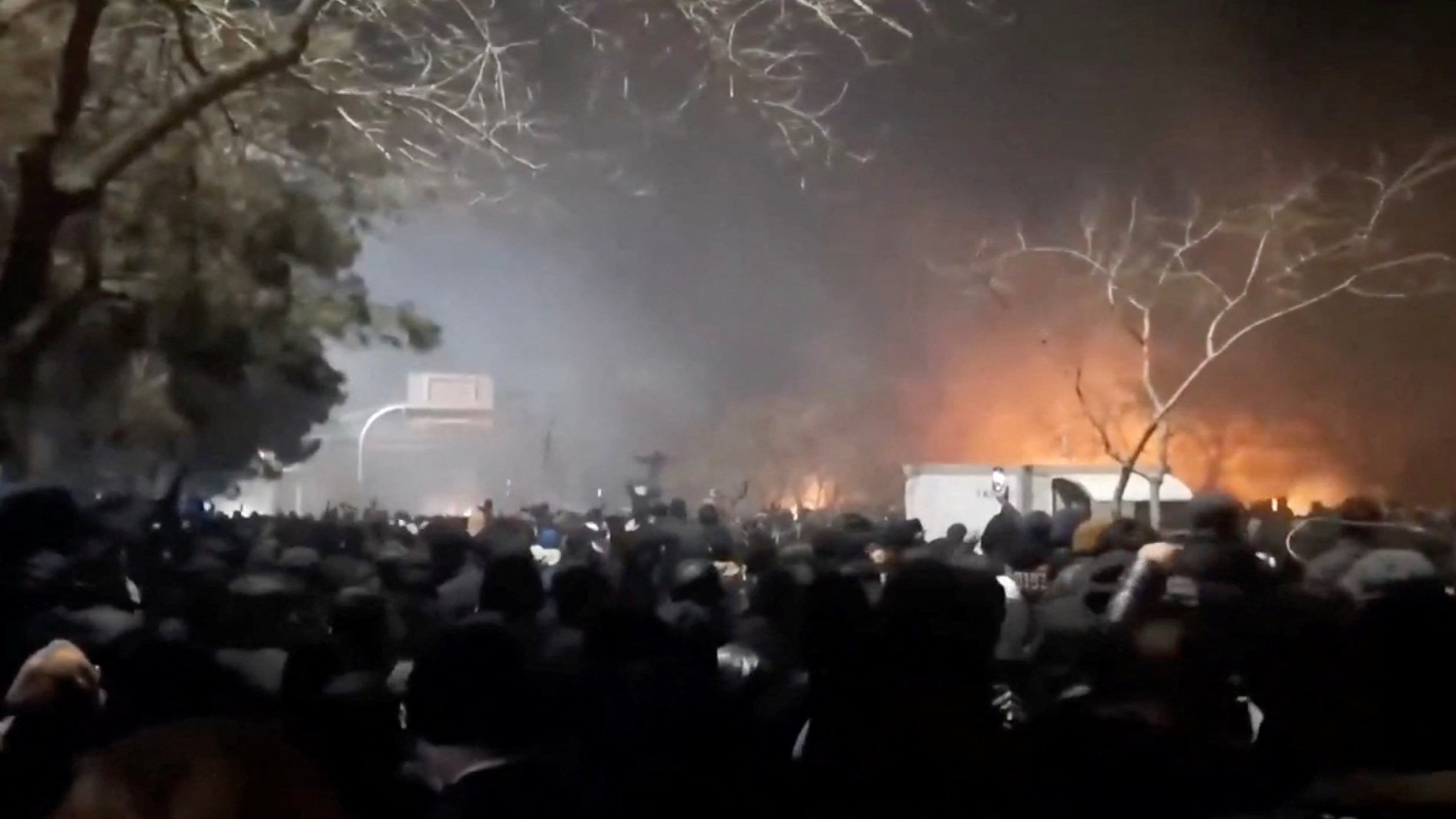
    The protests, initially sparked by economic grievances and rising inflation, have evolved into a broader movement challenging the Islamic Republic’s authority. Despite communication blackouts, videos emerging from Tehran and other cities show sustained demonstrations, including incidents of vehicle arson and mosque burnings according to state media.

    Human rights organizations report critical situations in medical facilities, with hospitals overwhelmed, blood supplies diminishing, and accounts of protesters being deliberately targeted in the eyes. The US-based Center for Human Rights in Iran warned that “a massacre is unfolding” and urged international action to prevent further casualties.

  • Sudanese government announces return to capital Khartoum

    Sudanese government announces return to capital Khartoum

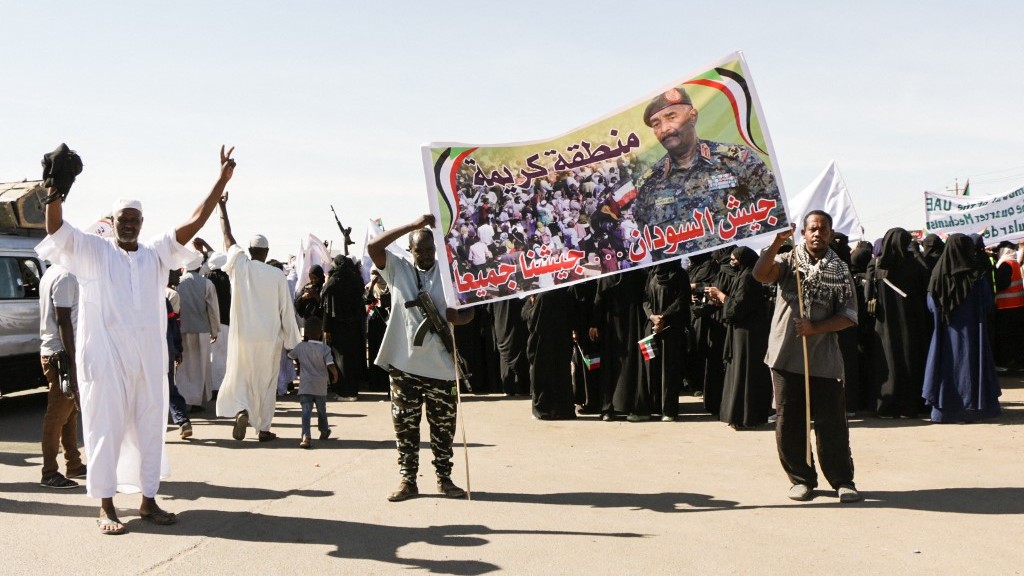
    In a significant political development, Sudan’s transitional administration has declared its intention to reestablish operations in the national capital of Khartoum after relocating to Port Sudan in 2023 due to escalating military conflicts. Prime Minister Kamel Idris formally announced the governmental return on Sunday, pledging enhanced public services for Khartoum’s residents during a press briefing in the city.

    The Prime Minister, who previously served as a United Nations official, proclaimed that ‘the government of hope is returning to the national capital,’ emphasizing the symbolic importance of this transition. Idris had previously dissolved Sudan’s caretaker government in June, replacing it with a technocratic administration that he characterizes as focused on national recovery. However, the unelected leader faces criticism from some quarters who view him as a civilian representative for the Sudanese Armed Forces (SAF).

    This governmental relocation occurs against the backdrop of a devastating civil war that erupted in April 2023 between the SAF and the paramilitary Rapid Support Forces (RSF). The conflict forced the SAF-aligned government to abandon the capital and establish temporary headquarters in Port Sudan, which has since functioned as the primary hub for humanitarian aid distribution and commercial maritime activities.

    The human cost of the conflict has been staggering, with approximately 13 million people displaced nationwide. Current territorial control shows the RSF maintaining dominance over five states in the Darfur region, while the Sudanese army controls the remaining 13 states across southern, northern, eastern, and central regions, including Khartoum.

    These opposing factions previously collaborated in 2019 to overthrow Omar al-Bashir’s three-decade regime but fractured in 2023. The RSF faces serious allegations of genocide and war crimes, including mass killings in el-Fasher last November, with reports indicating military support from the United Arab Emirates. Simultaneously, the SAF confronts accusations of human rights violations and wartime atrocities, creating a complex humanitarian and political crisis that continues to unfold.

  • Iran president to address ‘people’s demands’, economic situation in interview

    Iran president to address ‘people’s demands’, economic situation in interview

    Iranian President Masoud Pezeshkian is set to deliver a nationally televised address on Sunday evening addressing mounting public discontent over economic conditions and outlining governmental responses to ongoing protests. The presidential interview comes after two weeks of sustained demonstrations triggered by escalating living costs and economic pressures throughout the country.

    According to state broadcaster IRIB, President Pezeshkian will detail his administration’s comprehensive economic strategy, particularly focusing on proposed reforms to Iran’s subsidy infrastructure. The broadcast will also cover the government’s position regarding recent civil unrest and its approach to addressing citizen demands.

    The announcement follows a period of significant social unrest marked by public demonstrations expressing frustration over inflation and economic hardship. Simultaneously, the Iranian government has declared three days of national mourning for unspecified ‘martyrs,’ though official statements have not elaborated on the circumstances surrounding these casualties.

    This confluence of events—economic protests, presidential response, and national mourning—creates a complex socio-political landscape in Iran. The administration’s communication strategy appears designed to acknowledge public grievances while maintaining governmental authority and control over the narrative.

    The upcoming address represents a critical moment for President Pezeshkian’s administration as it attempts to balance economic policy announcements with responses to civil discontent. The effectiveness of this communication approach in addressing both immediate public concerns and long-term economic planning remains to be seen as Iran navigates this period of economic challenge and social tension.

  • Bahrain opposition leader Ebrahim Sharif given six-month sentence for Israel criticism

    Bahrain opposition leader Ebrahim Sharif given six-month sentence for Israel criticism

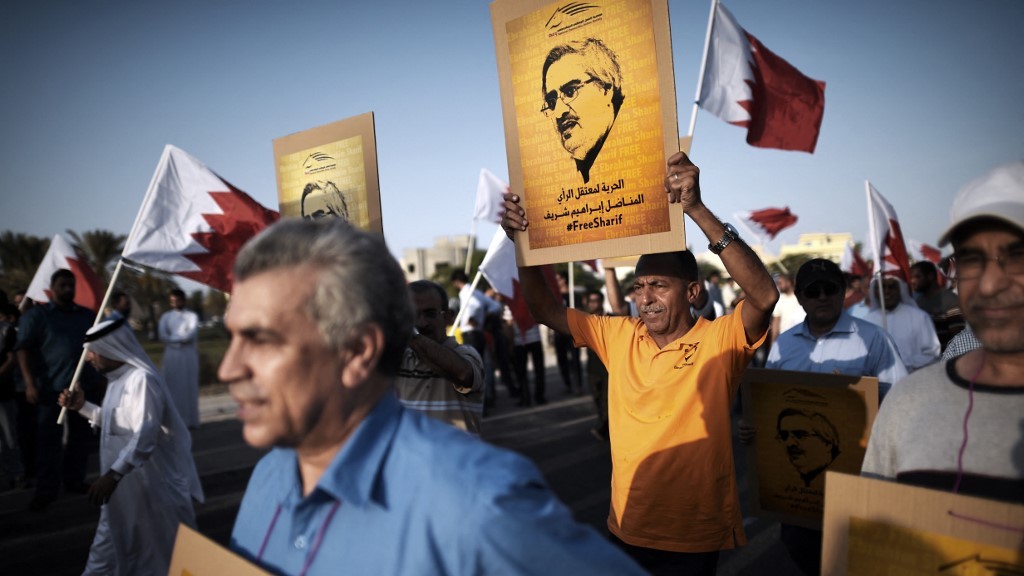
    Bahrain’s political landscape faces renewed scrutiny as prominent opposition figure Ebrahim Sharif receives a six-month prison sentence for his vocal criticism of the kingdom’s diplomatic relations with Israel. The sentencing by Bahrain’s Lower Criminal Court on Thursday marks the latest development in a case that has drawn international condemnation from human rights advocates.

    Sharif, a secular leftist activist and head of the National Democratic Action Society (Wa’ad), was convicted on charges of “spreading false news on social media” and “making offensive remarks against sister Arab states and their leaders.” The court specifically cited an interview Sharif gave to LuaLuaTV in Beirut where he condemned Arab nations for their perceived failure to support Palestinians and their increasing ties with Israel.

    According to the Public Prosecutor’s office, Sharif’s statements contained “false and offensive information about Arab countries, accusing them of collusion and conspiracy” while encouraging citizens to “resist and rise up against their governments.” The court additionally imposed a fine of 200 Bahraini dinars ($530).

    This case represents the tenth instance since 2011 that Bahraini authorities have arrested, interrogated, or prosecuted Sharif, who emerged as a significant figure during the 2011 pro-democracy protests. His sentencing occurs against the backdrop of Bahrain’s 2020 normalization of relations with Israel through the US-brokered Abraham Accords, a move that has generated substantial domestic criticism that intensified following Israel’s military operations in Gaza.

    Human rights organizations have condemned the verdict as emblematic of Bahrain’s deteriorating free expression environment. Sayed Ahmed Alwadaei of the Bahrain Institute for Rights and Democracy described the sentence as setting “a chilling precedent” where “a prominent public figure is being criminalized for standing with Palestine.”

    The case unfolds amid ongoing concerns about Bahrain’s prison conditions. Recent reports from UN committees and organizations like Human Rights First have documented consistent allegations of torture and mistreatment of political prisoners, despite Bahrain being a signatory to the UN Convention Against Torture. Last month, Human Rights First submitted a dossier to the US administration recommending sanctions against Bahrain’s Interior Minister for alleged oversight of torture practices.

    The UN Committee Against Torture’s November assessment expressed deep concern about “consistent reports indicating that persons in custody are subjected to torture or ill-treatment” and noted “the reported lack of accountability, which contributes to a climate of impunity.”

  • Israeli social media erupts with calls for overthrowing Iran’s government

    Israeli social media erupts with calls for overthrowing Iran’s government

    Israeli social media platforms have become flooded with overt demands for the Iranian government’s overthrow as widespread protests intensify across the Islamic Republic, prompting authorities to implement a near-total internet shutdown.

    While Israel’s current political leadership has maintained official silence regarding the demonstrations, former Israeli officials, commentators, and activists have enthusiastically embraced the prospect of Tehran’s government collapsing, characterizing the turmoil as a potentially transformative historical moment.

    Israeli media outlets report that security agencies have counseled politicians against public commentary on the protests, cautioning that such statements might inadvertently validate Iran’s narrative that the unrest is being engineered by Israel and the United States, potentially causing substantial diplomatic harm.

    Defying these advisories, former far-right Knesset member Moshe Feiglin declared on social media platform X that Iran’s regime would inevitably fall, emphasizing that the critical issue was which forces would influence the post-Islamic Republic political landscape.

    Right-wing Israeli activist Yoseph Haddad expressed support for the demonstrations, sharing an image alongside supporters of Iran’s former monarchy with the caption: “God willing, soon we will be able to wave these two flags together side by side in Tehran.”

    Some Israeli commentators analyzed the situation through an economic lens, describing Iran as a “dormant energy and minerals giant” possessing enormous gas and mineral reserves. One prominent right-wing account suggested that foreign intervention might be justified to access Iran’s resources, proposing that “a little military assistance” could be exchanged for future economic advantages.

    These statements reflect persistent Israeli and Western dialogues concerning Iran’s strategic importance, even as protesters within Iran maintain that their demands stem from economic survival and political dignity rather than geopolitical considerations.

    Left-wing Israeli voices expressed solidarity with protesters while cautioning against attempts to co-opt the uprising or idealize authoritarian alternatives. Israeli journalist Orly Noy described the emotional complexity of witnessing the events in Iran, expressing hope that she might someday revisit her homeland while warning against growing support for Iran’s exiled former crown prince among Israeli and diaspora audiences.

    Another left-wing activist noted that while his “heart is with the protesters,” Israel would likely seek a new regional adversary if Iran could no longer fulfill that role, potentially enabling continued justification of Israel’s treatment of Palestinians as self-defense.

    Inside Iran, protests initially triggered by rising prices of essential goods nearly two weeks ago have expanded into broader demonstrations challenging the political system itself. The unrest has spread across multiple cities, with participants chanting slogans such as “death to the dictator” directly targeting Supreme Leader Ali Khamenei.

    Iranian officials have minimized the scale of the disturbances and characterized protesters as violent vandals operating under foreign direction. In a televised address, Khamenei dismissed the protests as insignificant and accused the United States of exploiting the situation, while Foreign Minister Abbas Araghchi alleged that the U.S. and Israel were encouraging unrest to destabilize the Islamic Republic.

    Iran’s economy continues to struggle under the weight of years of U.S.-led sanctions, rampant inflation, and a sharply declining currency, leaving substantial portions of the population unable to afford basic necessities.

  • Israeli police detain aide to Prime Minister Netanyahu

    Israeli police detain aide to Prime Minister Netanyahu

    Israeli authorities have taken into custody a high-ranking official from Prime Minister Benjamin Netanyahu’s inner circle amid allegations of obstructing a sensitive investigation into military intelligence leaks. The detained individual, identified by local media as Tzachi Braverman—Netanyahu’s current chief of staff and designated ambassador to the United Kingdom—faces serious accusations related to attempts to interfere with a probe concerning classified information disclosures during the Gaza conflict.

    According to police statements released Sunday, the senior official was questioned ‘under caution’ regarding suspicions of investigation obstruction. The case centers on allegations that Braverman attempted to influence an ongoing military investigation into how sensitive documents were leaked to foreign media outlets during Israel’s military operations in Gaza.

    The investigation gained momentum following revelations from Eli Feldstein, a former Netanyahu aide currently involved in multiple legal controversies. Feldstein claims that shortly after he leaked a classified military document to German publication Bild in September 2024—an action for which he was subsequently arrested and charged—Braverman approached him with offers to potentially ‘shut down’ the military’s investigation into the matter.

    The leaked document in question was reportedly intended to demonstrate Hamas’s reluctance toward ceasefire agreements and bolster Netanyahu’s position that military pressure rather than negotiations represented the most effective means to secure the release of hostages taken during Hamas’s October 2023 attack on Israel.

    Complicating matters further, Feldstein himself remains embroiled in the separate ‘Qatargate’ scandal, wherein Netanyahu associates face allegations of promoting Qatari interests within Israel. While Braverman is not directly implicated in this secondary investigation, the timing of his detention has raised significant political concerns.

    In response to these developments, opposition leader Yair Lapid has publicly demanded the immediate suspension of Braverman’s ambassadorial appointment to the UK, arguing that individuals under investigation for security-related offenses should not represent Israel in crucial diplomatic posts. The situation continues to develop as police conduct additional searches and pursue further questioning of involved parties.

  • Venezuelans demand political prisoners’ release, Maduro ‘doing well’

    Venezuelans demand political prisoners’ release, Maduro ‘doing well’

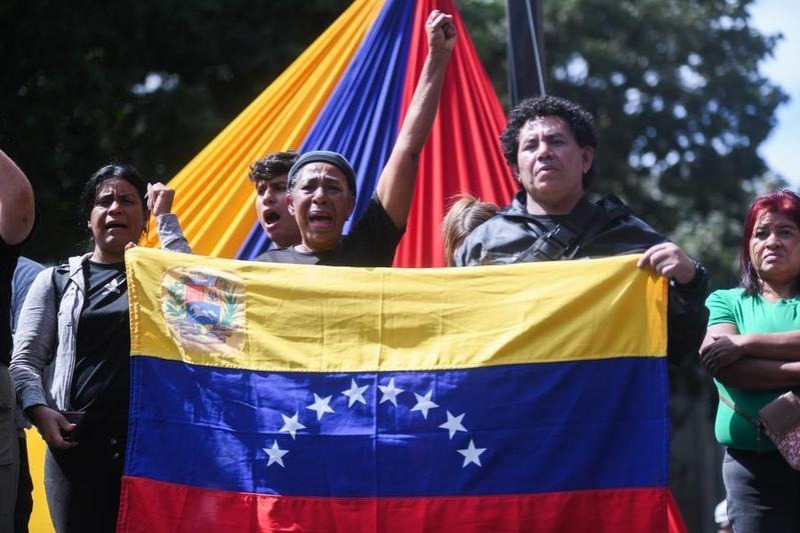
    Hundreds of demonstrators gathered in Caracas over the weekend as Venezuela’s political landscape undergoes dramatic shifts following the capture of former president Nicolas Maduro. The interim government of Delcy Rodriguez has initiated prisoner releases in what appears to be a carefully orchestrated diplomatic opening toward Washington.

    Interim President Rodriguez, who previously served as Maduro’s vice president, has committed to pursuing “the diplomatic route” with the United States. This policy shift has resulted in the liberation of several prominent opposition figures, though human rights organizations note that approximately twenty individuals have been freed thus far—far fewer than the “large” number initially promised.

    From his detention facility in New York, Maduro conveyed through his son that he remains “doing well” following his dramatic capture on January 3rd. US forces apprehended Maduro and his wife Cilia Flores during overnight airstrikes across Caracas, extraditing them to face trial on drug-trafficking and weapons charges.

    The prisoner release initiative has generated both hope and anxiety among Venezuelan families. Outside notorious detention facilities like El Rodeo and El Helicoide, relatives maintained candlelight vigils while displaying signs bearing names of incarcerated loved ones. The atmosphere turned tragic with reports of a detained police officer’s death in state custody, which opposition group Primero Justicia attributed directly to the Rodriguez regime.

    Meanwhile, former US President Donald Trump claimed credit for Venezuela’s political transformations, announcing on his Truth Social platform that the country had “started the process, in a BIG WAY, of releasing their political prisoners.” Trump administration officials have pressed for access to Venezuela’s substantial oil reserves, though industry executives responded cautiously due to the country’s deteriorated infrastructure following years of mismanagement and sanctions.

    The geopolitical ramifications extended to Cuba, with Trump warning Havana to “make a deal” or face consequences as Venezuelan oil exports diminish. Cuban President Miguel Diaz-Canel responded defiantly, asserting Cuba’s sovereignty and readiness to “defend the homeland to the last drop of blood.”

    Despite organized demonstrations featuring approximately 1,000 supporters waving flags with Maduro’s image, the protests notably lacked participation from top figures within the former administration, signaling potential fractures within the political establishment.

  • Britain is in talks with NATO to counter Russia and China in the Arctic

    Britain is in talks with NATO to counter Russia and China in the Arctic

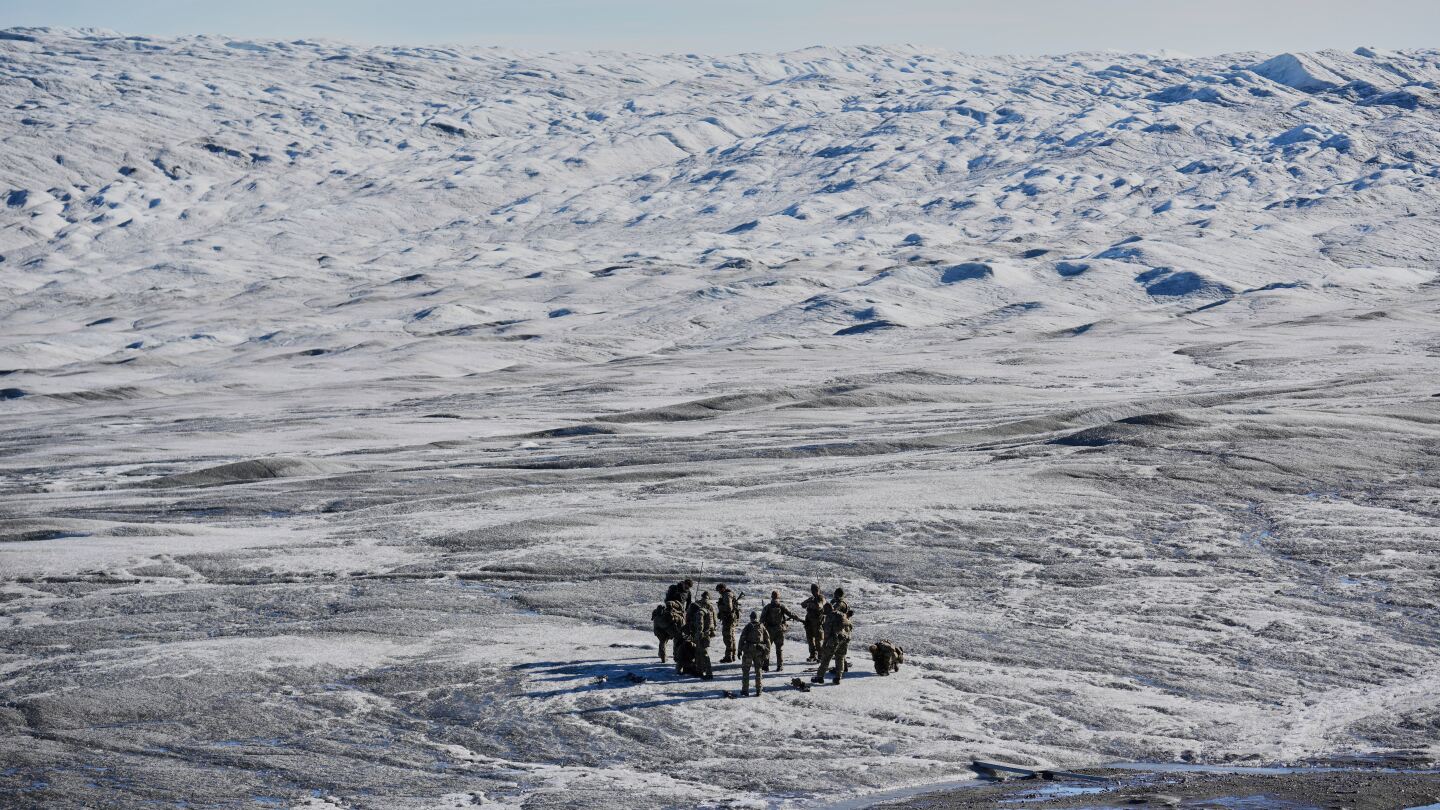
    LONDON — The United Kingdom is actively coordinating with NATO partners to enhance security measures in the Arctic region, addressing growing concerns about strategic competition from Russia and China. This development emerges alongside diplomatic friction between the United States and Denmark regarding Greenland’s sovereignty.

    Transport Secretary Heidi Alexander characterized these multilateral discussions as routine strategic planning rather than a direct reaction to recent statements from U.S. President Donald Trump regarding Greenland. “While we haven’t witnessed the severe consequences in the Arctic that we’ve seen in Ukraine, it’s imperative that we collaborate with all NATO allies to establish an effective deterrent against Putin’s ambitions,” Alexander stated during a BBC interview.

    The geopolitical landscape has grown increasingly complex since President Trump expressed interest in acquiring Greenland, a semi-autonomous Danish territory, citing prevention of Russian or Chinese expansion as primary motivation. “One way or another, we’re going to have Greenland,” Trump told reporters aboard Air Force One, describing such an acquisition as strategically beneficial for the United States.

    Danish officials have responded firmly to these propositions. Prime Minister Mette Frederiksen has warned that any forced takeover would fundamentally undermine NATO’s integrity. Denmark’s Ambassador to the U.S., Jesper Møller Sørensen, emphasized that Greenland’s future should be determined exclusively by its inhabitants, stating: “Let’s continue to address security challenges in the Arctic as partners and allies.”

    The situation has prompted varied responses from British political figures. Liberal Democrat leader Ed Davey proposed that Britain deploy troops to Greenland under a joint command with Denmark, suggesting this would demonstrate genuine security commitment without violating sovereignty. “Tearing the NATO alliance apart would only play into Putin’s hands,” Davey cautioned.

    Meanwhile, former UK ambassador to the U.S. Peter Mandelson expressed skepticism about military action, noting: “He’s not a fool. We must acknowledge that the Arctic requires securing against China and Russia, and leadership will inevitably fall to the United States.”

    The broader NATO alliance faces philosophical and practical questions regarding collective defense obligations. While President Trump has questioned NATO’s reliability, the alliance’s Article 5 mutual defense provision was previously invoked following the September 11 attacks, leading to NATO’s operational engagement in Afghanistan.

    As diplomatic discussions continue between Danish officials and U.S. Secretary of State Marco Rubio, NATO members are evaluating appropriate responses to potential scenarios involving Greenland, with the UK positioning itself as a mediating force in preserving alliance cohesion.

  • Sudan’s government returns to capital after nearly 3 years of war

    Sudan’s government returns to capital after nearly 3 years of war

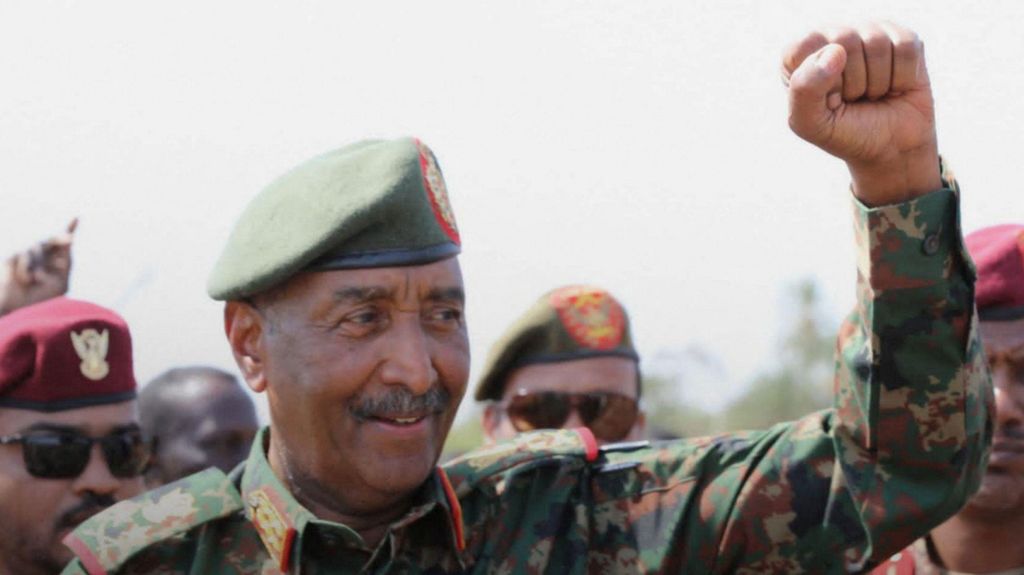
    In a landmark development for Sudan’s protracted civil conflict, the nation’s military-led administration has officially reestablished its presence in the capital city of Khartoum after operating from a provisional headquarters in Port Sudan for nearly three years. The symbolic return marks a significant shift in the country’s turbulent political landscape.

    Prime Minister Kamil Idris formally announced the government’s restoration during a press conference on Sunday, characterizing the administration as a ‘government of hope’ committed to addressing the severe humanitarian challenges facing Khartoum’s residents. The capital had endured brutal occupation by the paramilitary Rapid Support Forces (RSF) since April 2023, when violent power struggles erupted between military leadership and the RSF command.

    The reconquest of Khartoum by national army forces last March represented a critical strategic victory after extensive urban combat that left substantial portions of the metropolitan area in ruins. United Nations assessments indicate approximately five million civilians fled the city during the conflict’s most intense phases, while those remaining endured systematic looting and property seizures by RSF fighters.

    Prime Minister Idris outlined immediate priorities including restoration of essential services—particularly electricity, water infrastructure, healthcare systems, and educational institutions—which UN officials had previously reported were ‘barely functional’ as recently as October. The administration simultaneously declared 2026 as a ‘year of peace’ for Sudan, where conservative estimates indicate at least 150,000 fatalities and approximately 12 million displacements throughout the conflict period, creating what international organizations describe as the world’s most severe humanitarian crisis.

    The initial violence originated from the dissolution of Sudan’s ruling coalition, specifically the fracture between army commander General Abdel Fattah al-Burhan and his former deputy Mohamed Hamdan Dagalo, who commands the RSF paramilitary group. Both factions have faced extensive allegations of human rights violations during the conflict, with foreign powers accused of exacerbating hostilities through weapon shipments and strategic support. Recent diplomatic scrutiny has particularly focused on the United Arab Emirates’ alleged backing of RSF forces, claims which Emirati officials vehemently deny.