分类: politics

  • As Canada tries to reduce its dependence on the US, its leader will visit China to rebuild ties

    As Canada tries to reduce its dependence on the US, its leader will visit China to rebuild ties

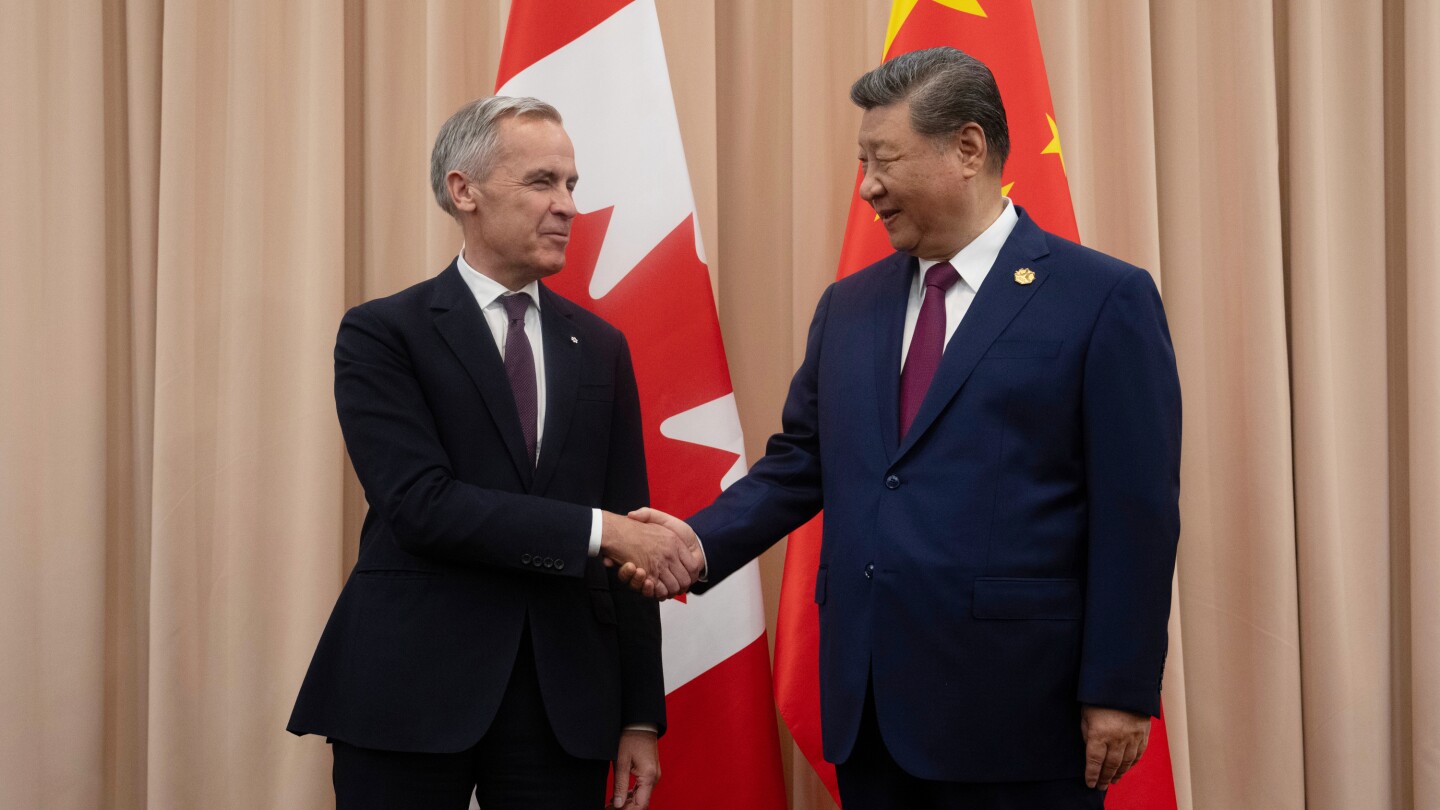
    In a significant diplomatic maneuver, Canadian Prime Minister Mark Carney commenced a pivotal visit to China this week—the first by a Canadian head of government in nearly ten years. This groundbreaking trip represents a strategic recalibration of Canada’s foreign policy as it seeks to diminish its historical economic reliance on the United States amid escalating trade tensions.

    The visit occurs against the backdrop of deteriorating US-Canada relations, exacerbated by former President Donald Trump’s tariff impositions and provocative remarks about Canada’s sovereignty. Prime Minister Carney’s mission aligns with his ambitious national strategy to double Canada’s non-US exports within the next decade, responding to what he characterizes as “global trade disruption.”

    “Canada is focused on building a more competitive, sustainable, and independent economy,” Carney stated in an official release. “We’re forging new partnerships worldwide to transform our economy from one that has been reliant on a single trade partner.”

    This diplomatic outreach follows a pattern among Western nations seeking to reset relations with Beijing. Australian Premier Anthony Albanese successfully normalized ties with China after taking office in 2022, resolving trade restrictions that had hampered Australian exports for over eighteen months. Similarly, British Prime Minister Keir Starmer has pursued improved relations with China since the Labour Party’s 2024 election victory.

    The Canada-China relationship has experienced significant strain in recent years, particularly following Canada’s 2018 detention of Huawei executive Meng Wenzhou at America’s request. China retaliated by arresting two Canadian citizens on espionage charges, creating a diplomatic standoff that lasted until all three individuals were released simultaneously in 2021.

    More recently, trade tensions have resurfaced as Canada mirrored US tariffs on Chinese electric vehicles (100%) and steel/aluminum (25%), prompting Beijing to impose retaliatory tariffs on Canadian agricultural products including canola, seafood, and pork.

    China’s state-run Global Times newspaper welcomed Carney’s visit as a “new starting point” while urging Canada to eliminate “unreasonable tariff restrictions.” Chinese Foreign Ministry spokesperson Mao Ning expressed anticipation that the visit would “consolidate the momentum of improvement in China-Canada relations.”

    Concurrently, Canada is pursuing diplomatic reconciliation with India following tensions over allegations of Indian involvement in the killing of a Sikh activist on Canadian soil. Carney is expected to visit New Delhi later this year as part of this broader foreign policy reorientation.

    Following his China engagements through Saturday, Carney will travel to Qatar before attending the World Economic Forum annual meeting in Switzerland.
  • ‘Donroe Doctrine’ puts Asia on a spheres-of-influence precipice

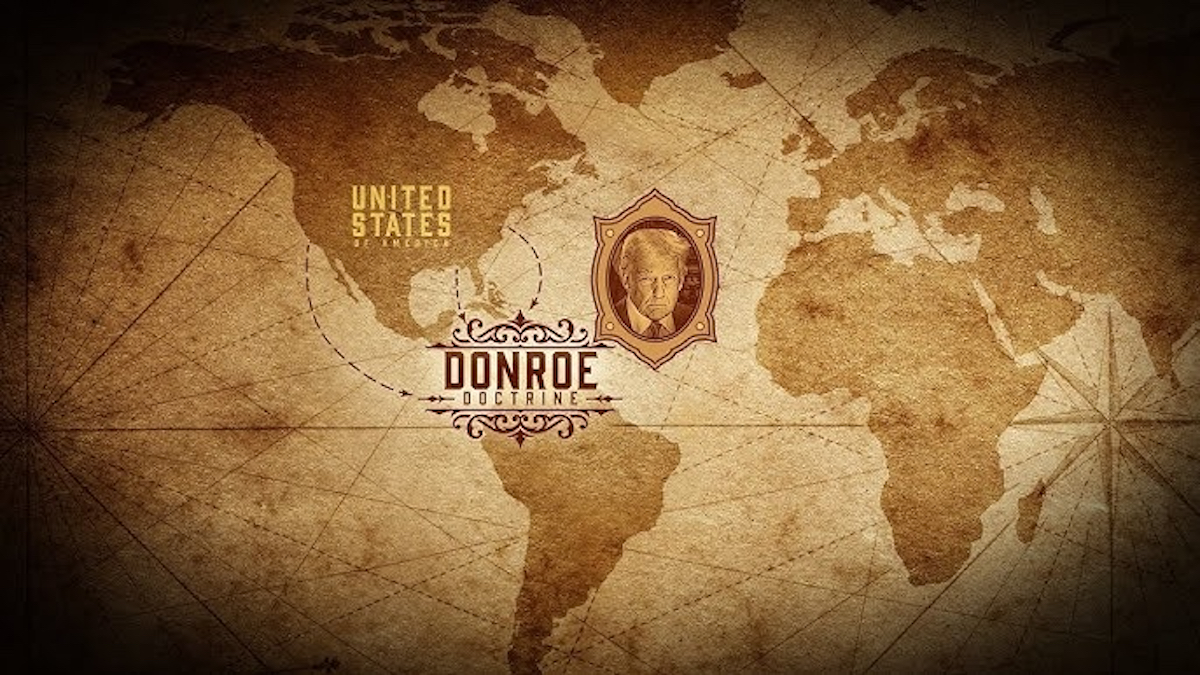
    ‘Donroe Doctrine’ puts Asia on a spheres-of-influence precipice

    The Trump administration’s controversial ‘Donroe Doctrine’ represents a radical reassertion of American hemispheric dominance that echoes 19th-century spheres of influence while confronting 21st-century global interconnectedness. This policy framework expands upon the traditional Monroe Doctrine by explicitly asserting Washington’s right to ‘reassert and enforce’ preeminence across the Western Hemisphere while denying non-hemispheric competitors access to strategic assets.

    In practical application, this doctrine has manifested through threats to seize control of the Panama Canal, acquire Greenland through coercive means, rename the Gulf of Mexico as the ‘Gulf of America,’ and deploy substantial military and economic pressure throughout Latin America. The administration’s declaration that Washington now ‘runs’ Venezuela following Nicolás Maduro’s capture has effectively reframed the hemisphere as an American protectorate rather than a community of sovereign nations, drawing criticism from European officials who describe this approach as a return to ‘imperial’ thinking.

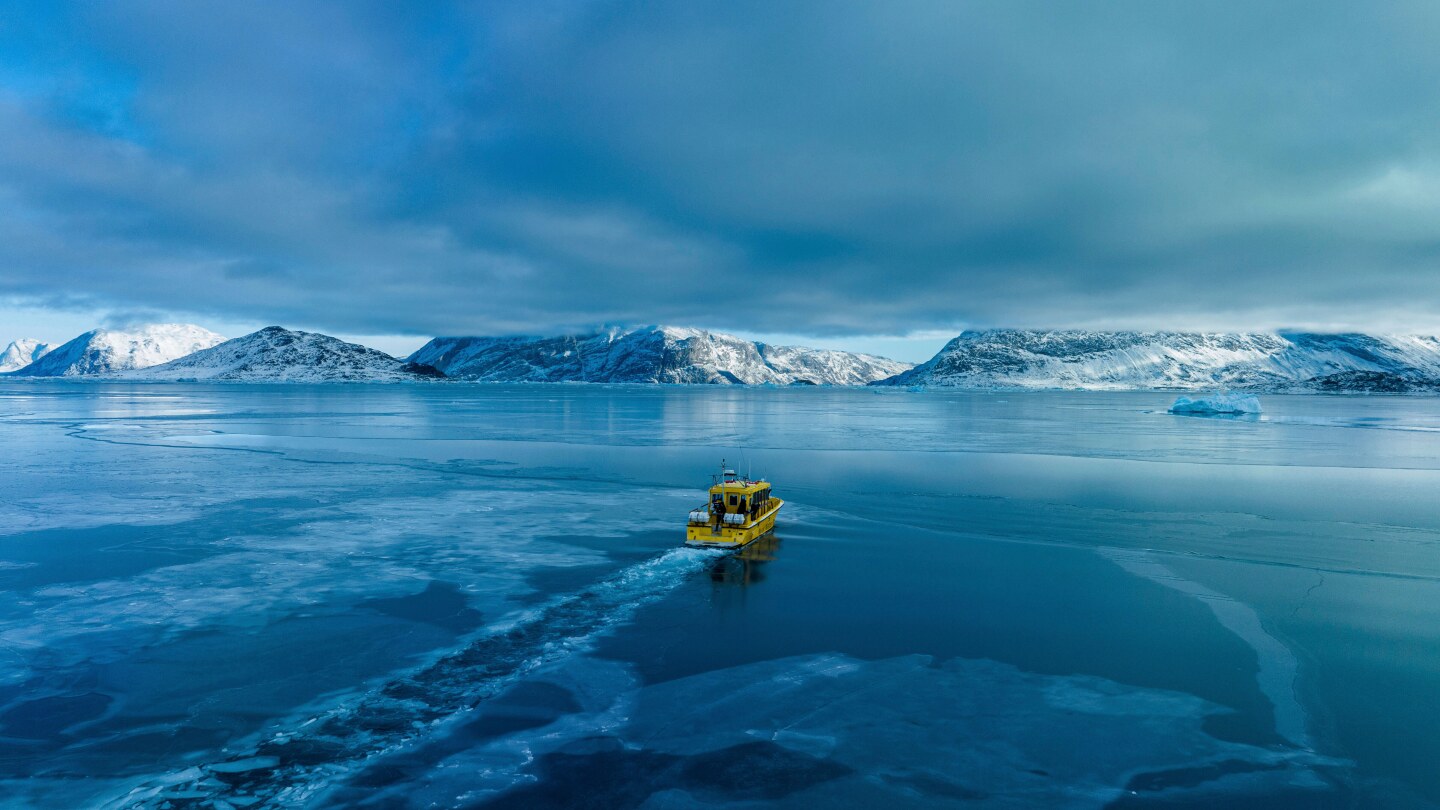
    For Asian powers, particularly China, the Donroe Doctrine presents both strategic challenges and opportunities. Beijing’s significant investments in Arctic energy projects, research stations, and its Polar Silk Road initiative—which could dramatically reduce Asia-Europe shipping times—face direct threat from American moves toward Greenland. The island’s rare-earth mineral deposits, energy resources, and strategic position along emerging Arctic shipping routes make it a crucial nexus between North America, Europe, and Asian trade corridors.

    The doctrine’s hemispheric focus creates ambiguous implications for Asian security. While Washington’s concentration on Latin American affairs might reduce resources available for confrontation in the Western Pacific, its aggressive efforts to counter Chinese influence throughout the Americas—including pushing Panama out of Belt and Road initiatives and isolating Venezuela and Cuba—demonstrate clear anti-China objectives.

    Asian middle powers including Japan, India, South Korea, Australia, and ASEAN states now face three critical challenges: reducing over-dependence on US security guarantees through enhanced indigenous defense capabilities and minilateral cooperation, engaging Latin America and the Arctic as genuine strategic theaters rather than distant peripheries, and resisting any great-power arrangements that trade away regional principles for hemispheric deference.

    The fundamental paradox of the Donroe Doctrine lies in its attempt to revive territorial spheres of influence in a world where supply chains, finance, and data flows transcend hemispheric boundaries. As Latin America’s trade remains deeply integrated with China and Greenland’s resources serve global commerce, American actions in one sphere create immediate ripple effects across worldwide markets.

    For Asia, the ultimate concern extends beyond strengthened American regional dominance to the potential normalization of geographic veto rights claimed by great powers while remaining economically interdependent—a contradiction that threatens the very foundation of global connectivity.

  • Chinese president appoints new ambassadors

    Chinese president appoints new ambassadors

    President Xi Jinping has officially appointed nine new Chinese ambassadors to key nations and international organizations, marking a significant diplomatic personnel rotation. The appointments were made in accordance with a decision by the Standing Committee of the National People’s Congress, China’s top legislative body.

    The diplomatic reassignments include Jing Quan as the new ambassador to the Philippines, replacing Huang Xilian. Shen Bo will assume the role of ambassador to the Netherlands, succeeding Tan Jian. Other notable appointments include Jiang Wei as ambassador to Antigua and Barbuda, Li Xiang to Mali, and Yang Xin to Kuwait.

    Further appointments cover Zhao Yong as ambassador to Sierra Leone, Kang Yan to Slovenia, and Yang Yirui to Portugal. In a particularly strategic move, Jia Guide was named permanent representative and ambassador to the United Nations Office in Geneva and other international organizations in Switzerland, taking over from Chen Xu.

    These appointments come at a time of evolving global dynamics and reflect China’s continued focus on maintaining strong diplomatic presence across multiple regions. The reshuffle affects Chinese representation in European, African, Asian, and international organizational postings, demonstrating the comprehensive nature of China’s diplomatic outreach.

    The new ambassadors bring extensive experience in international relations and are expected to further strengthen bilateral ties between China and their respective host countries. Such regular diplomatic rotations are standard practice but occur amid increasing global geopolitical complexities that require skilled diplomatic representation.

  • Iran says ‘prepared for war’ as alarm grows over protest toll

    Iran says ‘prepared for war’ as alarm grows over protest toll

    Iran’s leadership has declared its preparedness for both military confrontation and diplomatic engagement as international concern mounts over the government’s lethal crackdown on nationwide protests. Foreign Minister Abbas Araghchi stated Monday that while the Islamic Republic “is not seeking war,” it remains “fully prepared” for such an outcome, simultaneously expressing openness to negotiations conducted with “equal rights and mutual respect.

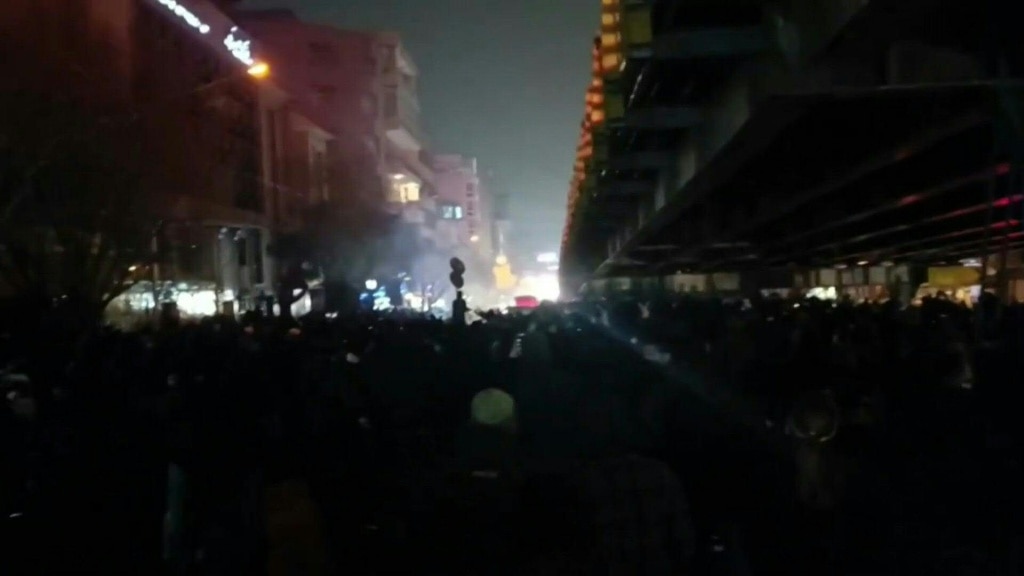
    The protests, now entering their third week, have evolved from initial economic grievances into one of the most significant challenges to Iran’s theocratic system since the 1979 revolution. The government has responded with an extensive internet blackout exceeding 84 hours, severely limiting information flow and raising concerns about the true scale of casualties.

    Amid the turmoil, a complex diplomatic dance unfolds. U.S. President Donald Trump claimed Iranian leaders had contacted him seeking negotiations, though he cautioned that Washington “may have to act before a meeting.” Despite the absence of formal diplomatic relations, communication channels remain open through special envoys and the Swiss embassy, which represents U.S. interests in Tehran.

    The human cost continues to escalate dramatically. Norway-based Iran Human Rights documented at least 192 confirmed fatalities but warned the actual toll could reach “several hundreds” or potentially exceed 2,000 according to unverified reports. Opposition groups cite even higher numbers, with the banned People’s Mujahedin (MEK) claiming over 3,000 deaths. Iranian state media acknowledges dozens of security force casualties while presenting images of returning normalcy.

    Globally, the pre-revolutionary Iranian flag has emerged as a symbol of solidarity with protesters. Incidents including the replacement of Iran’s embassy flag in London with the historical banner have triggered diplomatic repercussions, with Tehran summoning the British ambassador in response.

    The government is simultaneously organizing pro-regime rallies and declaring three days of national mourning for what it terms “riot” victims, creating competing narratives about the nation’s stability and the protest movement’s future trajectory.

  • Jailed Venezuelan politician’s son says Trump shouldn’t be ‘fooled’ by pledge of prisoner releases

    Jailed Venezuelan politician’s son says Trump shouldn’t be ‘fooled’ by pledge of prisoner releases

    A significant diplomatic rift has emerged between Washington and Caracas regarding Venezuela’s political prisoner releases, with opposition families accusing the Maduro government of reneging on its commitments. Ramón Guanipa, son of imprisoned opposition leader Juan Pablo Guanipa, has directly appealed to former President Donald Trump to maintain pressure on Venezuelan authorities, claiming the current administration has misrepresented the scale of prisoner releases.

    The controversy stems from last Thursday’s announcement by Jorge Rodríguez, leader of Venezuela’s National Assembly, that an “important number” of detainees would be immediately freed as a “goodwill gesture.” This development followed the dramatic January 3rd capture of former President Nicolás Maduro by U.S. forces in Caracas and his subsequent extradition to New York on drug trafficking charges.

    While Trump enthusiastically praised Venezuelan authorities on social media, stating they had “started the process, in a BIG WAY,” reality appears markedly different. According to human rights organizations, fewer than 40 of Venezuela’s estimated 800 political prisoners have actually been released. Among those confirmed freed are several prominent opposition figures and five Spanish citizens, including human rights lawyer Rocío San Miguel.

    The situation has created tense vigils outside El Helicoide prison, Venezuela’s most notorious detention facility. Originally conceived as a shopping center symbolizing oil prosperity, the structure became synonymous with political repression under Maduro. Families like Carmen Farfán’s maintain desperate watches, seeking information about missing relatives detained since November 2025.

    Juan Pablo Guanipa’s case exemplifies the ongoing crisis. The opposition leader went into hiding after challenging the 2024 presidential election—denounced as rigged by UN observers and the U.S. government—before being arrested on terrorism and treason charges in May 2025. His son Ramón expressed profound disappointment after flying urgently to Caracas expecting his father’s release, stating: “When they tell you they’re going to release your family, everything else becomes small. But when his father was not among those freed, he felt defeated.”

    The prisoner release program represents the first major test of Trump’s influence in post-Maduro Venezuela. While interim President Delcy Rodríguez has indicated willingness to cooperate with the Trump administration, her government continues condemning U.S. interventionism. This delicate balancing act has left opposition figures questioning whether genuine political reform will materialize or if current gestures merely constitute superficial concessions.

  • China says US shouldn’t use other countries as ‘pretext’ to pursue its interests in Greenland

    China says US shouldn’t use other countries as ‘pretext’ to pursue its interests in Greenland

    BEIJING — China has issued a sharp diplomatic rebuke to United States interests in Greenland, asserting that Washington should not employ other nations as justification for pursuing its geopolitical objectives in the strategically vital Arctic region.

    The diplomatic friction emerges amid heightened tensions following U.S. President Donald Trump’s renewed expressions of interest in acquiring Greenland—a semi-autonomous territory under Danish sovereignty and NATO ally. Chinese Foreign Ministry spokesperson Mao Ning stated unequivocally that “China’s activities in the Arctic are conducted in strict compliance with international law and are dedicated to fostering regional peace, stability, and sustainable development.”

    Mao emphasized that “the rights and freedoms of all nations to lawfully conduct Arctic operations warrant full respect,” while cautioning against the U.S. “using other countries as pretexts to advance its own interests.” The spokesperson further characterized the Arctic as concerning “the overall interests of the international community,” reflecting China’s broader regional ambitions.

    The controversy stems from President Trump’s repeated assertions that acquiring Greenland represents a strategic imperative to prevent Russian or Chinese dominance. During recent comments aboard Air Force One, Trump declared his preference for a negotiated settlement while maintaining that “one way or another, we’re going to have Greenland.”

    This stance has triggered significant diplomatic backlash. Danish Prime Minister Mette Frederiksen warned that American acquisition could effectively signal “the end of NATO,” while Greenlandic Prime Minister Jens-Frederik Nielsen joined parliamentary leaders in issuing a joint statement affirming that the territory’s future “must be determined by its people.” The statement explicitly expressed their “desire for an end to the United States’ contempt for our country.”

    The geopolitical confrontation occurs against the backdrop of China’s declared status as a “near-Arctic state” since 2018 and its ambitious “Polar Silk Road” initiative—an Arctic extension of its global Belt and Road infrastructure program. As diplomatic envoys from Denmark and Greenland prepare for Washington negotiations, and U.S. senators arrange visits to Denmark, the Arctic emerges as a new theater for great power competition with far-reaching implications for international relations and regional governance.

  • US Fed Chair Powell under investigation

    US Fed Chair Powell under investigation

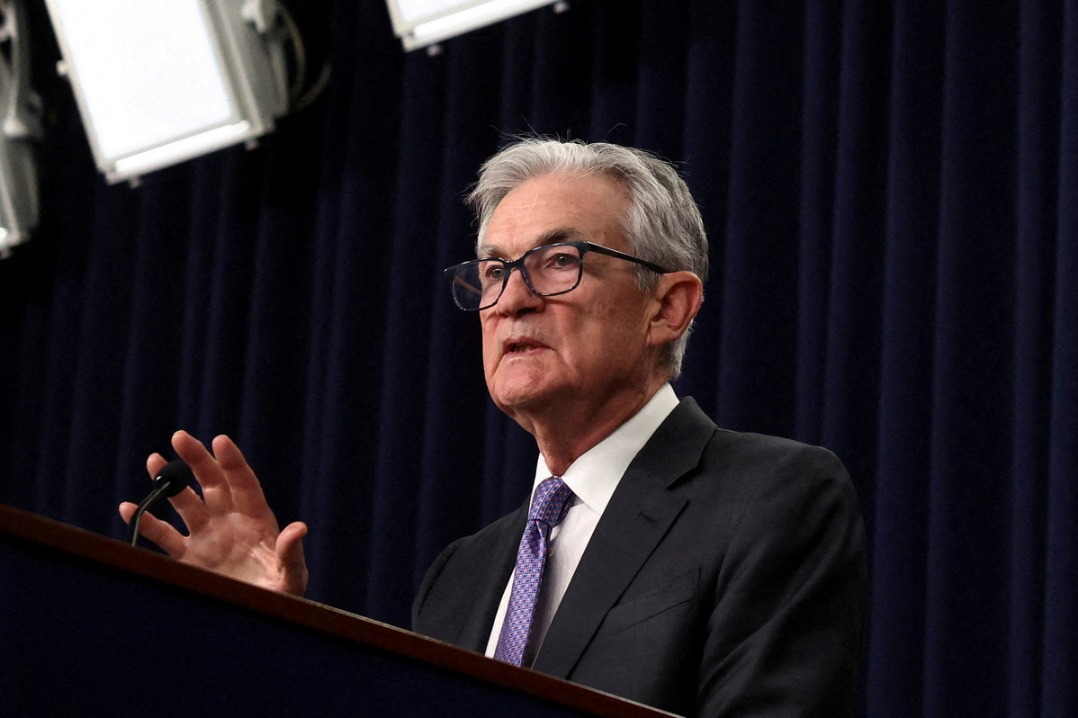
    Federal Reserve Chairman Jerome Powell is under criminal investigation by the U.S. Department of Justice regarding his congressional testimony about the central bank’s multi-billion dollar headquarters renovation project, marking an unprecedented escalation of tensions between the nation’s monetary authority and the executive branch.

    In a dramatic Sunday evening statement posted on the Federal Reserve’s official website, Powell confirmed that federal prosecutors had served the central bank with grand jury subpoenas on Friday, threatening criminal indictment related to his June testimony before the Senate Banking Committee. The investigation, overseen by the U.S. Attorney’s Office for the District of Columbia according to local media reports, centers on Powell’s statements concerning the extensive renovation of historic Federal Reserve office buildings.

    Powell framed the investigation as political retaliation, stating: ‘This unprecedented action should be seen in the broader context of the administration’s threats and ongoing pressure.’ He explicitly connected the legal threat to the Fed’s interest rate decisions, asserting that ‘the threat of criminal charges is a consequence of the Federal Reserve setting interest rates based on our best assessment of what will serve the public, rather than following the preferences of the President.’

    The Fed chairman emphasized the fundamental principle of central bank independence, warning that ‘this is about whether the Fed will be able to continue to set interest rates based on evidence and economic conditions—or whether instead monetary policy will be directed by political pressure or intimidation.’ Despite the investigation, Powell vowed to ‘continue to do the job the Senate confirmed me to do, with integrity and a commitment to serving the American people.’

    The investigation emerges against a backdrop of sustained tension between Powell and President Donald Trump, who has repeatedly criticized the Fed chairman’s interest rate decisions since taking office in January 2025. Powell, initially appointed by Trump in 2018 and reappointed by former President Joe Biden in 2022, is serving a term scheduled to expire in May 2026.

  • US military action in Venezuela draws flak

    US military action in Venezuela draws flak

    A controversial US military operation resulting in the capture of Venezuelan President Nicolas Maduro has drawn significant criticism from foreign policy experts, who question both its legality and underlying motivations. The intervention, which involved direct strikes on Venezuelan territory and the forcible seizure of the national leader, has ignited intense debate regarding its implications for international norms and regional stability in Latin America.

    During a recent panel discussion at the Brookings Institution, prominent analysts expressed deep concerns about the Trump administration’s approach. Vanda Felbab-Brown, director of the initiative on nonstate armed actors, characterized the operation as reflecting a “19th-century imperialist Yankee domination agenda” that fails to address Venezuela’s fundamental governance challenges. She warned of the high potential for either prolonged stagnation or explosive violence across the country as a consequence of such unilateral action.

    Thomas Wright, a senior fellow in foreign policy, condemned what he described as the operation’s “extractive domination element,” arguing that it represents a departure from normative diplomatic principles. The criticism extended to legal dimensions, with fellow expert Scott R. Anderson highlighting the contentious nature of the intervention under international law and its destabilizing effect on global order.

    The domestic response has included legislative pushback, with the US Senate advancing a War Powers Resolution by January 8th to limit further military involvement. Parallel concerns were echoed at the Center for Strategic and International Studies, where Deputy Director of the Americas Program Christopher Hernandez-Roy criticized the coercive methodology as essentially forcing compliance through threat of additional military action.

    Energy and geopolitics specialist Clayton Seigle emphasized that political stability remains the paramount requirement for Venezuela’s future, noting that recent events have failed to clarify the outlook for genuine stability. The administration’s statements, including President Trump’s assertion that Washington would “run” the country if necessary and Secretary of State Marco Rubio’s outline of US-imposed stability phases, have further fueled debates about the true motives behind the intervention.

  • ICE feels heat after Minneapolis shooting

    ICE feels heat after Minneapolis shooting

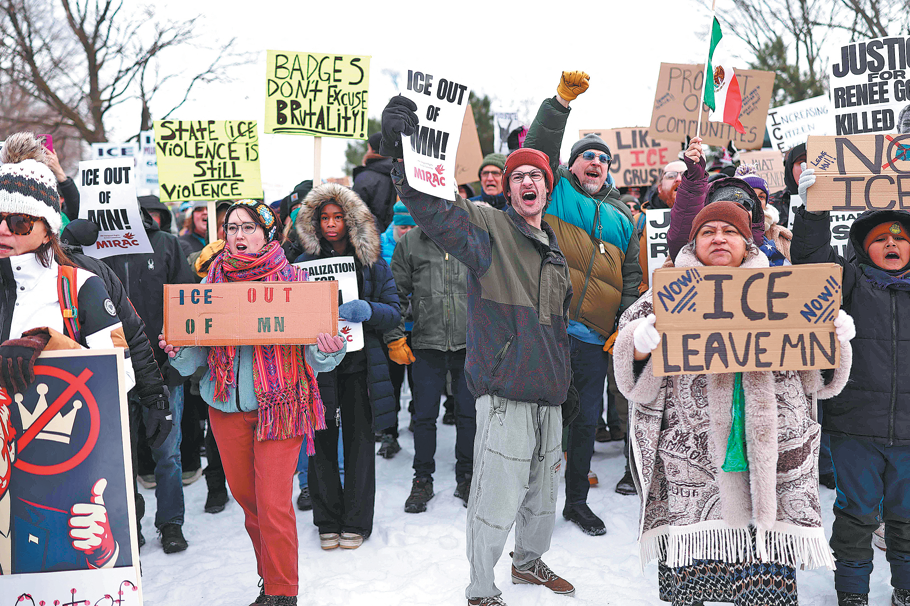
    MINNEAPOLIS/NEW YORK — A massive wave of civil demonstrations swept across the United States this weekend as tens of thousands of protesters mobilized in response to the fatal shooting of Renee Nicole Good, a 37-year-old mother, by a U.S. Immigration and Customs Enforcement (ICE) agent. The incident, which occurred last Wednesday in Minneapolis, has ignited nationwide condemnation and intensified the ongoing debate surrounding federal immigration enforcement practices.

    Under the unifying banner “ICE, Out for Good,” organizers coordinated more than 1,000 rallies and vigils from coast to coast. Major urban centers including New York, Washington D.C., Boston, Philadelphia, Chicago, and Seattle witnessed significant public gatherings. While some events featured candlelight vigils honoring Good’s memory, others involved direct marches to ICE field offices demanding structural reform and accountability.

    The Minneapolis shooting has exposed deepening tensions between federal immigration authorities and local communities. The Trump administration maintains that the agent acted in self-defense, a claim vigorously contested by Minnesota officials who cite video evidence suggesting Good’s vehicle was moving away from the agent when shots were fired.

    This tragedy occurred amidst the administration’s largest immigration operation to date, which deployed approximately 2,000 agents to Minneapolis and neighboring St. Paul. The 30-day enforcement initiative specifically targets alleged immigration violations within the local Somali immigrant community, creating what critics describe as an atmosphere of widespread fear and community distrust.

    Civil rights organizations have amplified their criticisms following the incident. The American Civil Liberties Union characterized the shooting as symptomatic of broader systemic issues within federal immigration enforcement. Meanwhile, protest organizers emphasized that ICE’s actions have tangible human consequences affecting real families and communities.

    The nationwide mobilization reflects growing public skepticism toward current immigration enforcement methodologies and signals increasing pressure on federal authorities to reconsider their approach to community interactions and deportation procedures.

  • Tokyo urged to mend relations with Beijing

    Tokyo urged to mend relations with Beijing

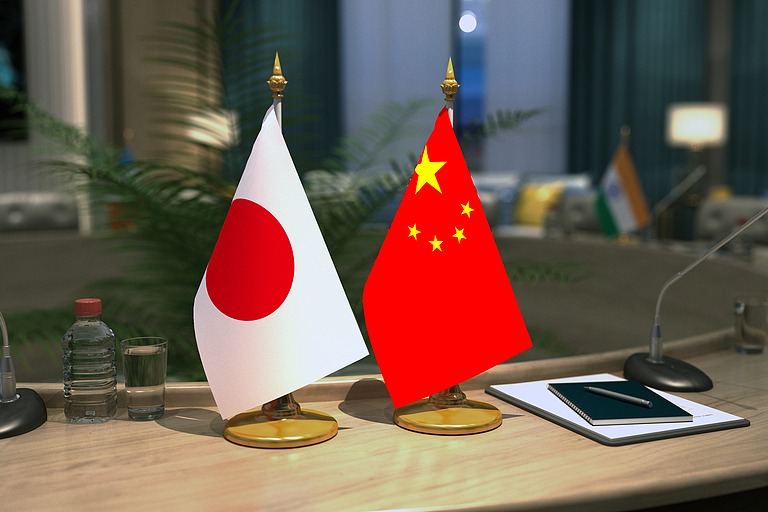
    Japan’s business and academic leaders are issuing urgent appeals for diplomatic reconciliation with Beijing following China’s imposition of stringent export controls on dual-use technologies. The measures, enacted in response to Japanese Prime Minister Sanae Takaichi’s controversial statements regarding Taiwan, threaten to severely disrupt Japan’s manufacturing supply chains and potentially trigger broader economic consequences.