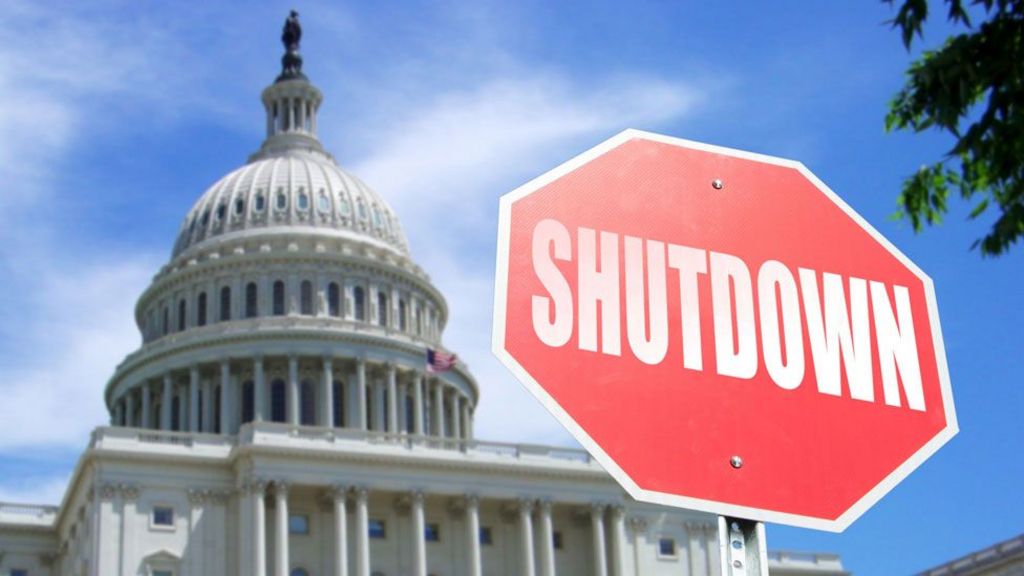
The ongoing US government shutdown has plunged federal workers into a state of uncertainty, with many forced into unpaid leave and others expressing frustration over their salaries being ‘held hostage.’ While essential workers remain on duty, they too face the prospect of delayed paychecks. This shutdown, which began on Wednesday, stems from partisan disputes over federal spending and Democratic demands to extend healthcare tax credits. What sets this shutdown apart is President Donald Trump’s intention to leverage the situation to implement permanent cuts to government staffing and spending. BBC News has gathered insights from federal workers, most of whom have chosen to remain anonymous due to restrictions on speaking to the media. One worker recounted the hardships of the 2018-19 shutdown, which lasted over a month, forcing them to dip into their retirement savings to cover bills. They expressed disappointment in Trump, stating, ‘I voted for Trump, but I did not vote for his abuses against us.’ Meanwhile, a Department of Homeland Security worker in New Jersey supported the shutdown, emphasizing the need to maintain checks and balances. An Army Corps of Engineers employee expressed mixed feelings, welcoming a break from the fiscal year’s pressures but questioning the shutdown’s productivity. Randall from Kansas City, who works with the Aviation Weather Center, lamented the impact on his pay, while an anonymous US Air Force employee highlighted the dilemma of working without pay. A Treasury Department worker urged Democrats to stand firm against threats to healthcare affordability. The shutdown underscores the deepening political divide and its tangible impact on federal employees.
分类: politics
-
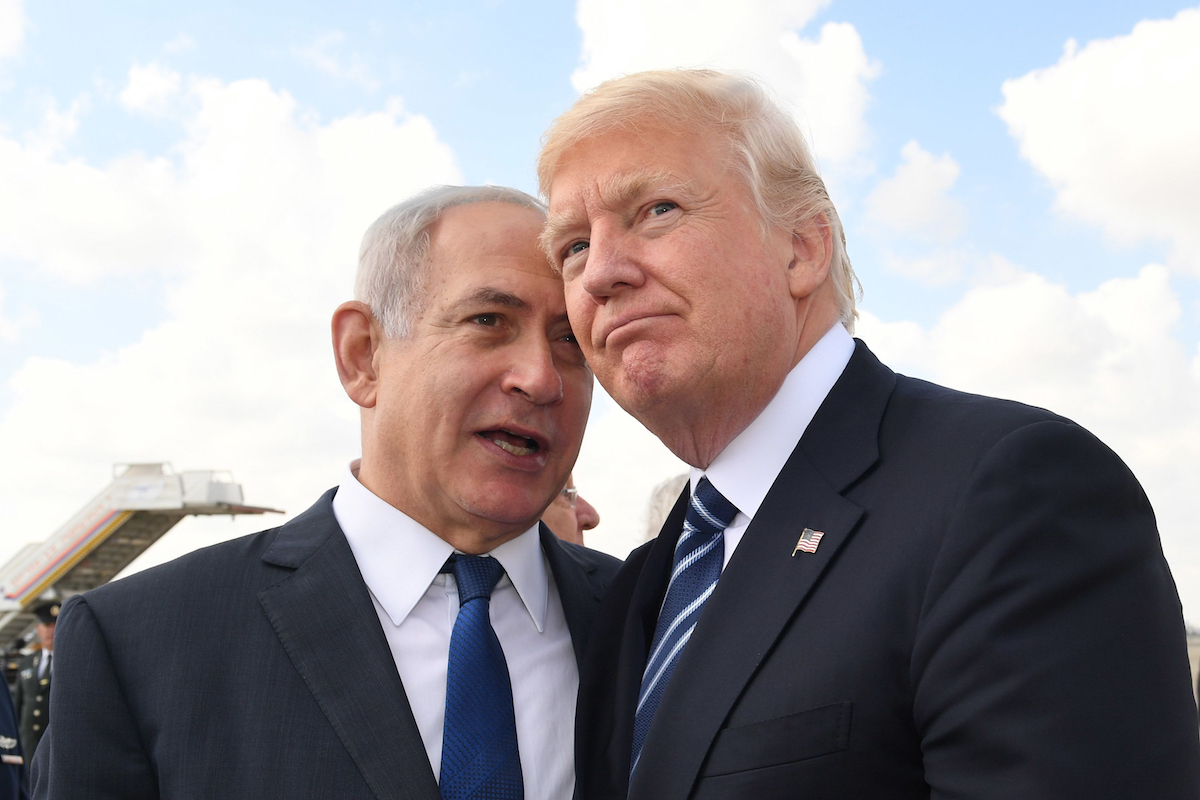
Gaza gambit: peace plan or prelude to escalation?
President Donald Trump’s recently unveiled 21-point plan for resolving the Israel-Palestine conflict has been framed as a bold and unprecedented initiative. The proposal includes a ceasefire, the release of hostages, Palestinian governance under international supervision, and the eventual possibility of statehood. While Israel has provisionally endorsed the plan, Hamas has predictably rejected it. On the surface, the plan appears to balance Israeli security concerns with Palestinian aspirations. Trump has vowed to block Israeli annexation of the West Bank, called for the dismantling of Hamas’s military wing, and left the door open to a two-state solution—positions that might once have been considered centrist. However, beneath the diplomatic veneer lie significant risks that could undermine both the plan and U.S. credibility. The Israel-Palestine conflict is not merely a governance or security issue but a deeply rooted ethnic and national dispute, with both Jewish Israelis and Palestinian Arabs asserting historical and territorial claims to the same land. Any peace framework that overlooks this fundamental reality risks addressing symptoms while leaving the underlying grievances unresolved. This is why past attempts, from the Oslo Accords to the Camp David Summit, have faltered, and why Trump’s rapid-fire blueprint may struggle to gain legitimacy across both communities. The plan’s governance model, which places Gaza under a technocratic Palestinian committee supervised by an international “Board of Peace” chaired by Trump himself, raises sovereignty concerns. Palestinians may perceive this as foreign control, while Arab partners could resist what appears to be a trusteeship arrangement. Trump’s promise to block West Bank annexation could also fracture Israeli politics, alienating hard-right factions in Netanyahu’s coalition. Furthermore, the plan’s vagueness on key issues such as prisoner exchanges, demilitarization, and international enforcement risks disputes at every step. These gaps carry significant dangers, including overpromising a quick peace that may inflame grievances, straining U.S. military readiness if enforcement falls on American troops without congressional or allied backing, triggering regional escalation from Iran, Hezbollah, or other militias, and undermining U.S. credibility if adversaries see the effort as rushed or unsustainable. The stakes were heightened when Defense Secretary Pete Hegseth summoned every U.S. general to a closed-door meeting days before Trump unveiled his plan. To supporters, this demonstrated strength and unity behind a serious push for peace. To critics, it appeared more like coercion than diplomacy. The European Union has also expressed cautious skepticism toward Trump’s plan, with several EU countries, including France, Luxembourg, and Belgium, recently recognizing Palestinian statehood. EU officials have stressed that any plan must uphold international law, ensure equitable treatment of both Israelis and Palestinians, and avoid unilateral impositions. Trump’s approach, which is rapid, top-down, and heavily reliant on U.S. enforcement, has prompted European leaders to warn that it could disrupt ongoing mediation efforts and complicate Europe’s role as a neutral broker. Analysts suggest that if the plan is implemented without EU coordination, it may provoke diplomatic friction and further politicize international recognition of Palestine, amplifying geopolitical tensions. Both China and Russia are maneuvering to exploit the situation. For Beijing, stability in the region protects energy flows and Belt and Road Initiative investments. China positions itself as a peace broker while quietly deepening its regional energy ties. However, an American-led “Board of Peace” sidelines its influence, and Chinese officials are likely to denounce the plan as neo-colonial. Moscow, on the other hand, stands to gain if the plan falters. Russia has long courted Hamas and Iran, presenting itself as a counterweight to Washington. Failure would reinforce its narrative that U.S. peace efforts are militarized and self-serving, while success would be framed as exclusionary, monopolizing diplomacy at others’ expense. In the complex and volatile Middle East, Trump’s initiative is a high-stakes gamble. The region’s crowded geopolitical chessboard leaves little margin for error. Trump’s plan could either pave the way for peace if Hamas capitulates or trigger escalation if it resists. Rivals are already positioning themselves to exploit the aftershocks. The world is left with a paradox: a peace plan that risks seeding more conflict, and a superpower asserting control even as its influence is contested. Trump’s Gaza blueprint is seen as decisive leadership in Washington, strategic overreach in Brussels, Moscow, and Beijing, and yet another imposition from afar in the Middle East. The real question is not whether Trump’s plan can deliver peace, but whether the players are prepared to accept rules imposed by one hand.
-

Kenyan activists abducted in Uganda, opposition leader says
Two Kenyan human rights activists, Bob Njagi and Nicholas Oyoo, have mysteriously disappeared in Uganda after allegedly being abducted by armed men during an opposition campaign event led by Bobi Wine. The incident occurred at a petrol station, where the activists were reportedly seized in what Bobi Wine described as a ‘mafia-style’ operation. The Ugandan opposition leader, whose real name is Robert Kyagulanyi, is a prominent presidential candidate challenging the long-standing rule of President Yoweri Museveni, who has been in power since 1986. Bobi Wine condemned the abduction, accusing the Ugandan government of targeting the activists for their association with him and their support for his political cause. Kenyan police spokesperson Michael Muchiri stated he was unaware of the incident, while Ugandan authorities have yet to comment. Witnesses reported that four armed men forced the activists into a vehicle and drove away, leaving their whereabouts unknown. Njagi, who had previously been abducted in Kenya last year, and Oyoo, the secretary general of the Free Kenya Movement, were actively participating in Bobi Wine’s campaign before their disappearance. This incident echoes a pattern of abductions and detentions targeting political dissidents across East Africa, raising concerns about regional governments collaborating to suppress opposition voices. Earlier this year, Kenyan activist Boniface Mwangi and Ugandan activist Agather Atuhaire were detained in Tanzania under similar circumstances. The recurring pattern of such incidents has sparked widespread condemnation and fears of a coordinated effort to silence dissent in the region.
-
Billionaire populist eyes power in Czech vote but may need help from extremes
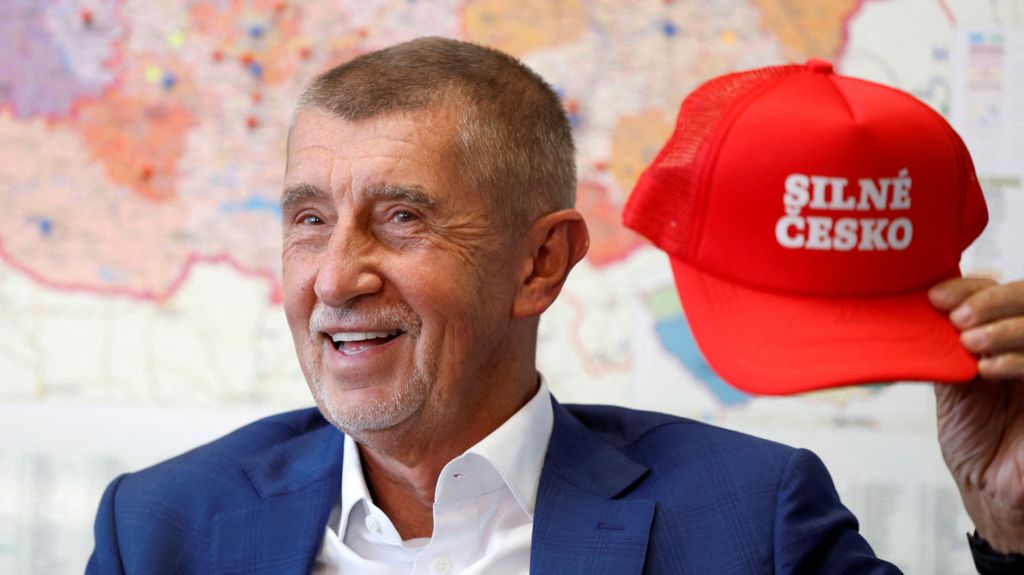
As Czech voters prepare to cast their ballots this weekend, the nation stands at a political crossroads. Populist billionaire Andrej Babis, leader of the ANO party, is poised to lead the next government, potentially replacing the current pro-Western coalition. However, his path to power may require alliances with fringe parties, raising concerns about the country’s future direction. Babis, a former prime minister, has sought to distance himself from accusations of pro-Russian sentiment, vowing to maintain Czechia’s alignment with the West. Yet, his potential coalition partners—ultra-nationalist and anti-EU factions—pose significant challenges to the nation’s longstanding commitments to NATO and European integration. The election comes amid heightened fears of Russian interference and a deteriorating security situation in Europe. Babis, inspired by the US MAGA movement, has adopted red caps emblazoned with ‘Strong Czechia,’ symbolizing his populist appeal. While he has ruled out forming a coalition with Communists, his potential allies advocate for radical policies, including referendums on EU and NATO membership. Critics warn that an ANO-led government could mirror the illiberal trajectories of Slovakia and Hungary, undermining Czechia’s democratic values and Western alliances. As the nation grapples with these uncertainties, the election’s outcome will have far-reaching implications for its role in Europe and beyond.
-
US shutdown will leave a world of hurt even if it ends quickly
The ongoing US government shutdown has placed federal workers in a precarious position, with hundreds of thousands furloughed without pay. This disruption comes at a time when the federal workforce has already seen significant reductions, with over 300,000 jobs lost this year due to the Trump administration’s efforts to streamline government operations. While back pay is guaranteed, the immediate financial strain on employees is undeniable, and the long-term effects on morale and workforce stability are profound.
Research based on the 2013 shutdown reveals that such events have lasting negative impacts. Employees exposed to furloughs were 31% more likely to leave their jobs within a year, leading to a sustained decline in workforce numbers. This exodus forces agencies to rely on costly temporary workers, resulting in measurable declines in critical functions such as payment accuracy, legal enforcement, and patenting activity.
The loss of human capital is particularly pronounced among young, female, and highly educated professionals, who often have more external opportunities. Survey data from the 2018-2019 shutdown confirms that morale, rather than financial loss, drives these departures. Employees report diminished agency, control, and recognition, which significantly increases their likelihood of leaving.
Policy implications are significant. While some argue that shutdowns serve as a necessary reduction in government size, the evidence suggests otherwise. Agencies spend billions more on contractors to fill gaps, and government performance suffers, with inaccurate payments and reduced productivity costing taxpayers hundreds of millions of dollars.
Shutdowns are blunt instruments that demoralize the workforce and erode public trust in government efficiency. As the federal workforce faces another period of uncertainty, the broader implications for government accountability and service delivery remain a pressing concern.
-
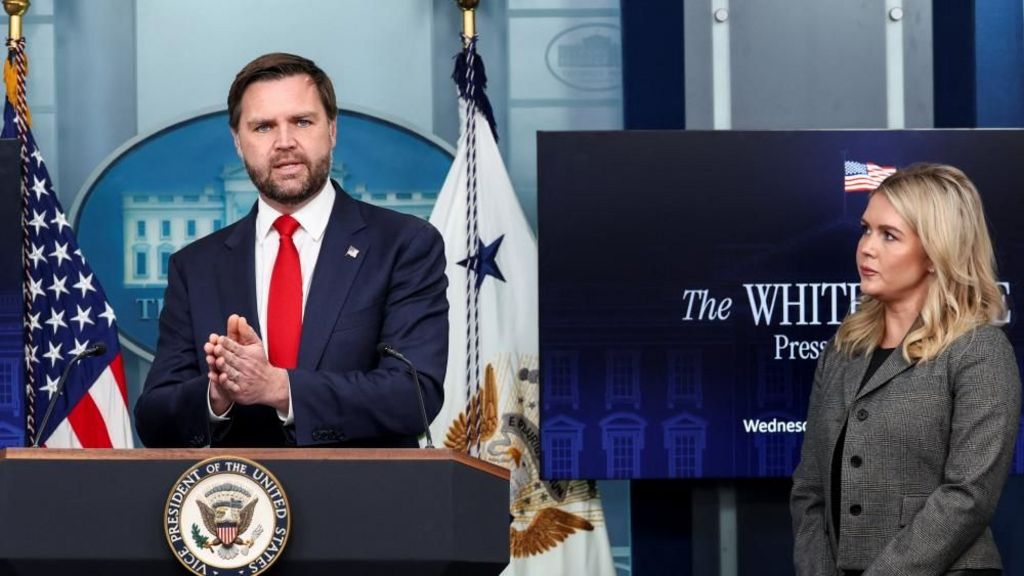
White House says layoffs ‘imminent’ with no end to shutdown in sight
The United States is bracing for its first government shutdown in nearly seven years, as Republicans and Democrats in Congress remain deadlocked over a new spending plan. The shutdown, which began on Wednesday, has triggered a bitter blame game between the two parties, with mass layoffs of federal workers expected within two days. Vice-President JD Vance, in a rare appearance at a White House briefing, accused Democrats of playing political games, while Press Secretary Karoline Leavitt warned of impending job cuts. Democrats, led by Senate Majority Leader Chuck Schumer, have countered by accusing Republicans of attempting to ‘bully’ them into accepting their funding plan. The impasse centers on healthcare funding, with Democrats seeking guarantees for lower-income Americans, while Republicans advocate for a temporary stop-gap measure to keep the government open until mid-November. Essential workers, such as border agents and the military, may be forced to work without pay, while non-essential employees face temporary unpaid leave. Analysts predict this shutdown could be more severe than the 2018 episode, potentially affecting 750,000 federal workers. As both sides dig in, the economic and social repercussions of the shutdown loom large, with no immediate resolution in sight.
-
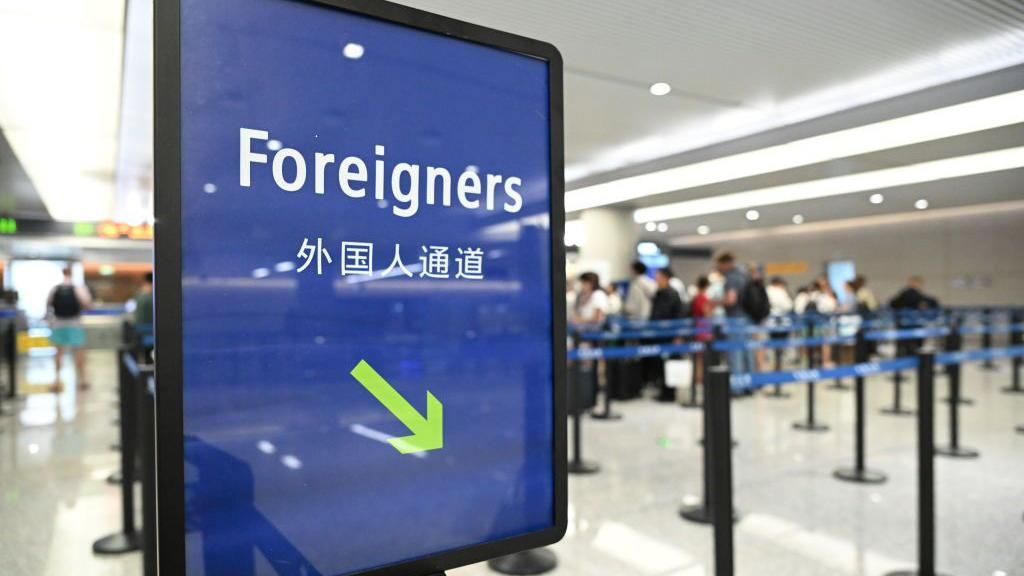
China launches a new visa to attract tech talent, but locals aren’t happy
China’s recently introduced K visa, aimed at attracting foreign professionals in science, technology, engineering, and mathematics (STEM), has ignited a heated public debate. Initially announced in August, the visa gained significant attention last week when an Indian media outlet likened it to the U.S. H-1B visa, a program heavily utilized by Indian nationals. This comparison has fueled concerns among Chinese citizens about increased competition in an already sluggish job market and the potential influx of foreign talent into a country historically not known as a major immigration destination. Despite the lack of clarity on whether the K visa permits foreign professionals to work in China or merely facilitates easier entry, tens of thousands of Chinese social media users have criticized the initiative, questioning its necessity given the abundance of domestic talent. Some comments also raised xenophobic and racist sentiments, particularly targeting Indian nationals. In response, Chinese state media, including the Global Times and the People’s Daily, have sought to assuage public fears by emphasizing the visa’s role in showcasing China’s openness and confidence on the global stage. The K visa, which does not require employer sponsorship, offers flexibility in terms of entry frequency, validity, and duration of stay. However, its exact scope remains undefined, leaving many to wonder if it will allow qualified foreigners to work in China. The timing of the K visa’s launch coincides with the Trump administration’s decision to increase H-1B application fees, a move that has drawn criticism from countries like India and China. This development is part of China’s broader strategy to attract international talent, including visa exemption agreements with 75 countries and efforts to recruit top academics from U.S. institutions. However, experts caution that challenges such as language barriers and China’s tightly controlled political environment may hinder the visa’s effectiveness. The public backlash underscores the need for clear communication and consensus-building to ensure the initiative’s success.
-

‘None of us have ever asked for special treatment’ – Female veterans respond to Hegseth
Female US Army veterans are refuting Defense Secretary Pete Hegseth’s assertion that combat role requirements will revert to the ‘highest male standard,’ emphasizing that standards have always been uniform regardless of gender. Speaking to hundreds of generals, Hegseth argued that previous adjustments to accommodate women had compromised military effectiveness and endangered personnel. He vowed to restore higher standards, even if it meant fewer women qualifying for combat roles. However, he clarified that women would not be entirely excluded from the armed forces. This announcement has sparked outrage among female veterans, who insist that combat standards have always been gender-neutral. Elisa Cardnell, a former US Navy officer, stated that assessments for combat roles have never considered gender or age. Combat standards vary by unit—special operations, infantry, armor, or pararescue—but all personnel must pass the same rigorous tests. Cardnell noted that while not all women meet these standards, neither do all men. Hegseth’s remarks have raised concerns about potential sweeping changes to military assessments, though details remain unclear. His critics, including Senator Tammy Duckworth, argue that his stance could harm recruitment and undermine women’s progress in the military. Duckworth, a combat pilot injured in Iraq, accused Hegseth of discrimination, given his own controversial confirmation as Defense Secretary. Despite the backlash, some female veterans and Republican lawmakers, such as Representative Sheri Biggs and Nancy Mace, support Hegseth’s efforts to prioritize excellence over diversity quotas. The debate underscores the ongoing tension between gender inclusivity and military readiness in the US armed forces.
-
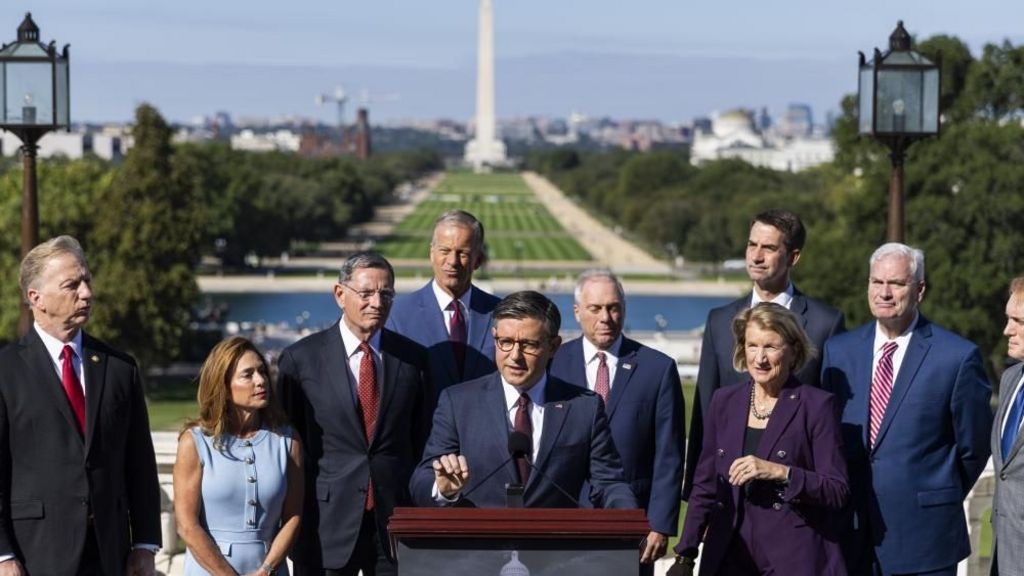
Four ways this shutdown could end
The United States government has entered a shutdown in 2025, marking the first federal closure in nearly seven years. The crisis unfolded after the Senate failed to pass a spending bill, leaving federal operations severely curtailed. While the shutdown is expected to end eventually, the timeline remains uncertain, with public pressure and political maneuvering likely to play decisive roles in its resolution. Here are four potential scenarios for how the situation might unfold. Senate Democrats rejected a Republican-backed spending bill that would have funded the government until November. However, the vote revealed cracks in Democratic unity, as two Democrats and one independent aligned with the Republican majority. Among them was Catherine Cortez Masto of Nevada, who faces re-election in a state that has been trending Republican. Her vote, driven by concerns over the economic impact of the shutdown on Nevada, highlights the political risks for Democrats in battleground states. Other vulnerable Democrats in Georgia, Virginia, and Colorado may also feel the heat as the shutdown drags on. Republican Senate leader John Thune has signaled plans to hold additional funding votes to maintain pressure on Democrats. If five more Democrats defect, the shutdown could end regardless of the party’s broader stance. Meanwhile, the prolonged closure is already affecting government employees, who face delayed paychecks and potential job losses. The broader public will also feel the impact through reduced government services and economic disruption. Historically, the party seen as triggering the shutdown bears the brunt of public blame. In this case, Democrats may face criticism for their role in the impasse, potentially forcing them to reconsider their strategy. However, the party could find solace in highlighting Republican-backed cuts to health insurance subsidies for low-income Americans, a move that could resonate with voters. Republicans, emboldened by their perceived strength, are exploring ways to intensify pressure on Democrats. Yet, they risk overplaying their hand, as past shutdowns have often backfired on the party initiating them. A potential compromise could involve Republicans extending health insurance subsidies, a move that would benefit their own low-income constituents while defusing Democratic attacks. Despite the current acrimony, there may be room for negotiation. Both parties have engaged in heated rhetoric, with President Trump sharing AI-generated videos mocking opponents and Democrats responding with provocative imagery. The stakes are high, as the 2025 shutdown could surpass the record 35-day closure of 2018-2019, which ended only after air travel faced imminent disruption. This time, the consequences could be even more severe. If the shutdown persists, both parties may face public backlash, leading to electoral losses in the 2026 midterms. Such a scenario could further erode public trust in the political system, paving the way for new leaders promising to dismantle the status quo.
-
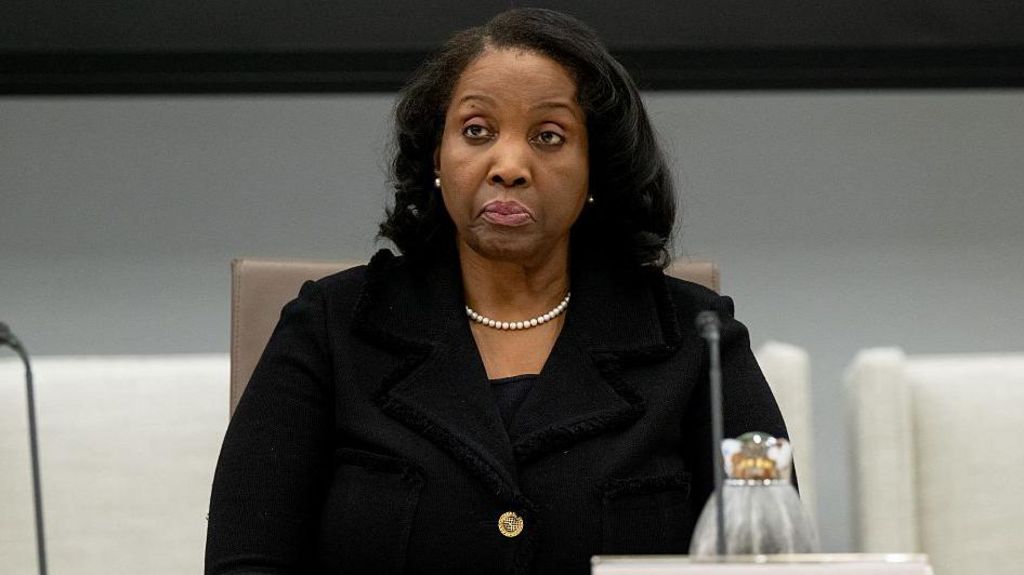
Supreme Court lets Lisa Cook stay at Federal Reserve for now
In a significant legal development, the U.S. Supreme Court has ruled that Lisa Cook can retain her position as a Federal Reserve governor, marking a setback for former President Donald Trump in his ongoing dispute with the central bank. The court, in an unsigned order, rejected Trump’s request to immediately remove Cook and scheduled arguments regarding her dismissal for January. Trump had announced in August his intention to fire Cook over allegations of mortgage fraud, which she has vehemently denied. Cook swiftly filed a lawsuit, arguing that her removal was unlawful and could pave the way for political interference in the traditionally independent Federal Reserve. Historically, no president has attempted to remove a Fed governor, as such actions can only be justified ‘for cause,’ a term that remains undefined in the law. A federal judge had previously placed a stay on her dismissal, a decision now upheld by the Supreme Court. Cook, appointed by President Biden, plays a crucial role on the board that sets the Federal Reserve’s benchmark interest rate. The court’s ruling ensures she will participate in at least two more votes on potential rate cuts. Trump has accused Cook of falsifying a mortgage application prior to her appointment, but she contends that his real motive is her stance on monetary policy. The Federal Reserve recently announced its first rate cut in nearly a year, with Chair Jerome Powell emphasizing that the decision was driven by economic data rather than political pressure. The central bank’s ‘dual mandate’ focuses on controlling inflation and maximizing employment, with mortgage rates largely influenced by Treasury bond yields rather than direct Fed actions. Trump’s persistent criticism of the Fed and his unprecedented move to appoint White House economic adviser Stephen Miran to a temporary board vacancy underscore the ongoing tension between the administration and the central bank.