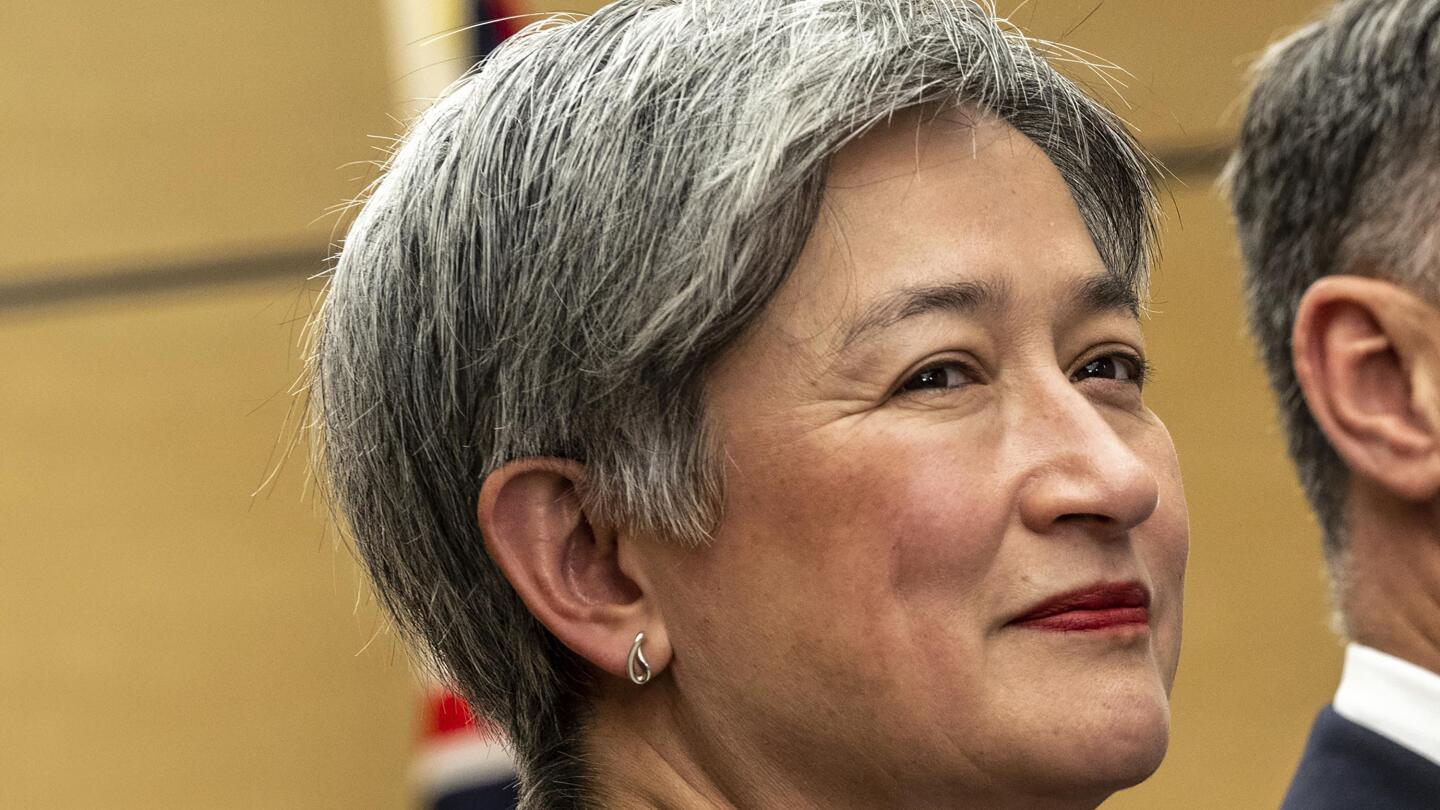
In a strategic move to bolster its presence in the Pacific region, Australia has inked a comprehensive security agreement with Vanuatu, a small island nation in Oceania. This development comes amidst growing geopolitical competition with China, which has been actively seeking to expand its influence in the region. The newly signed pact encompasses a wide range of areas including humanitarian aid, disaster response, law enforcement, cyber security, defense, border security, and maritime safety. Although the full details of the agreement remain undisclosed, Australian Foreign Minister Penny Wong emphasized the importance of sovereign decisions in enhancing regional security during a press conference in Port Vila, Vanuatu’s capital. Wong proudly declared Australia as Vanuatu’s principal security partner of choice. This agreement follows China’s recent security deal with the Solomon Islands, which has sparked concerns over potential military escalation in the South Pacific. China’s broader attempt to secure a sweeping regional agreement with ten Pacific nations, covering various sectors from security to fisheries, was met with resistance. Australia has been actively countering China’s influence through a series of diplomatic missions across the Pacific. Wong highlighted that the level of engagement and cooperation with Australia is a matter of individual choice for each Pacific nation. During her visit, Wong also participated in the handover of a new wharf and a police boat, both funded under Australia’s Pacific Maritime Security Program. The delegation’s next stops include Palau and Micronesia, with Palau being one of the few nations maintaining diplomatic ties with Taiwan rather than China. Palau’s President Surangel Whipps Jr. acknowledged the significant Chinese investment in his country but reiterated Palau’s stance of maintaining friendly relations with all nations without external pressure. Whipps also praised Australia’s commitment to reducing greenhouse gas emissions by 43% by 2030, though he urged for a more ambitious target of 50%. Climate change remains a critical issue for many Pacific nations, with rising sea levels and severe weather posing existential threats to low-lying islands.
分类: politics
-
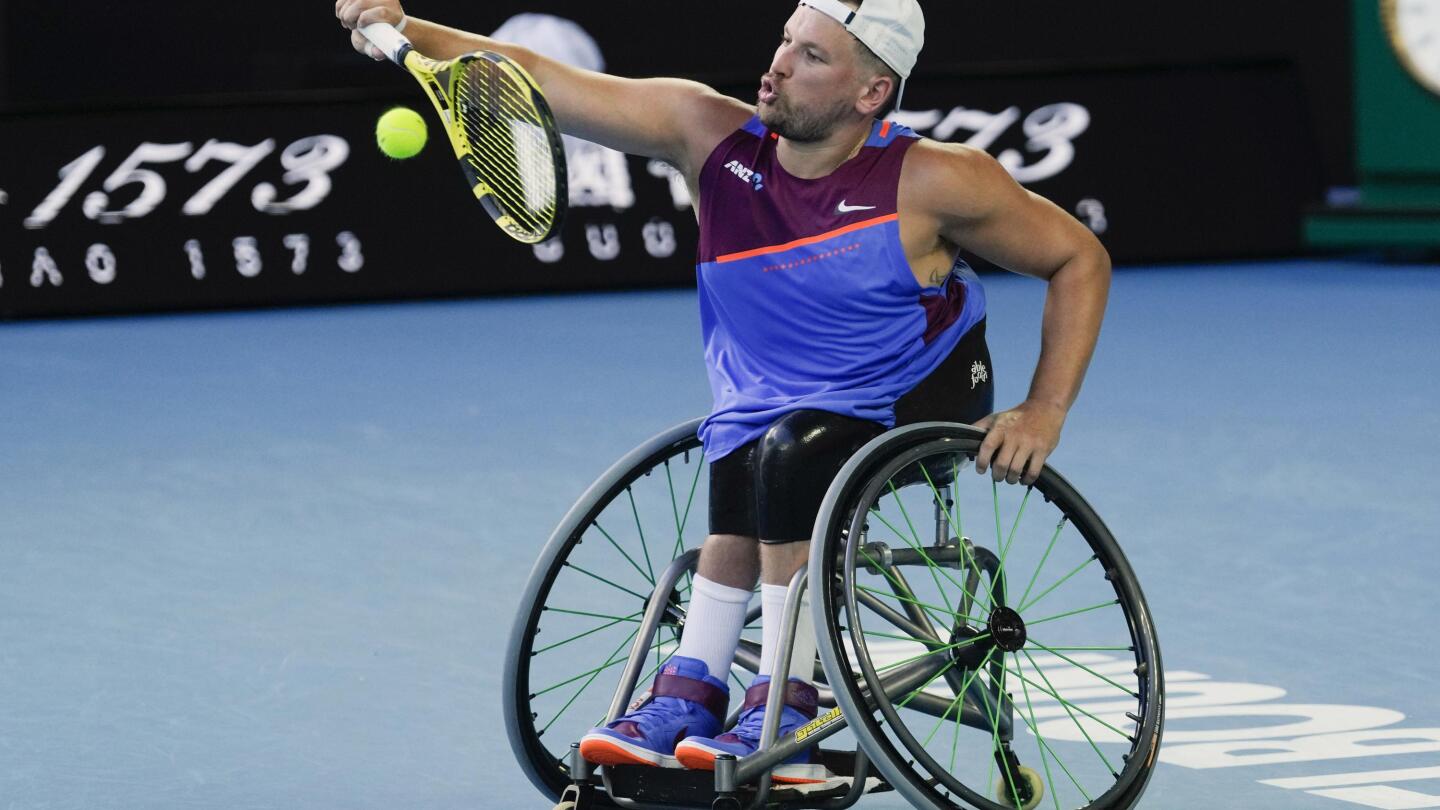
Horse trainer, wheelchair athlete to attend royal funeral
CANBERRA, Australia — In a significant gesture of inclusivity, Australian Prime Minister Anthony Albanese revealed on Tuesday that his official delegation to Queen Elizabeth II’s funeral will feature a diverse group of individuals, including racehorse trainer Chris Waller and wheelchair tennis champion Dylan Alcott. These two prominent figures are part of a contingent of 10 ‘everyday Australians’ selected to represent the nation at the state funeral scheduled for Monday at Westminster Abbey in London. Albanese emphasized that the inclusion of these citizens was a specific request from the British royal family, aiming to honor individuals who have made substantial contributions to their local communities.
-
Iranian press review: Venezuela part of ‘Axis of Resistance’, says Maduro
Venezuelan President Nicolas Maduro has positioned his nation as a key member of the international ‘Axis of Resistance’ during his official visit to Tehran, calling for a unified front against United States and Israeli influence worldwide. The Iranian-coined term traditionally describes Shia forces opposing American and Israeli interests in the Middle East, but Maduro expanded its scope to encompass global anti-colonial movements.
Addressing audiences in the Iranian capital, Maduro declared that resistance movements now operate across Western Asia, Africa, Latin America, and the Caribbean. He framed this alliance as a struggle against neoliberalism, racism, and multiple forms of colonialism—including political, economic, cultural, and cyber domains. The Venezuelan leader emphasized the movement’s goal of decolonizing minds and resisting imperial hegemony.
The visit yielded significant bilateral agreements, including a 20-year cooperation roadmap between Iran and Venezuela. Maduro recalled previous security collaboration, revealing that Iranian experts had assisted in repairing Venezuela’s electricity infrastructure following cyber-attacks, a effort coordinated after his meeting with the late IRGC commander Qassem Soleimani.
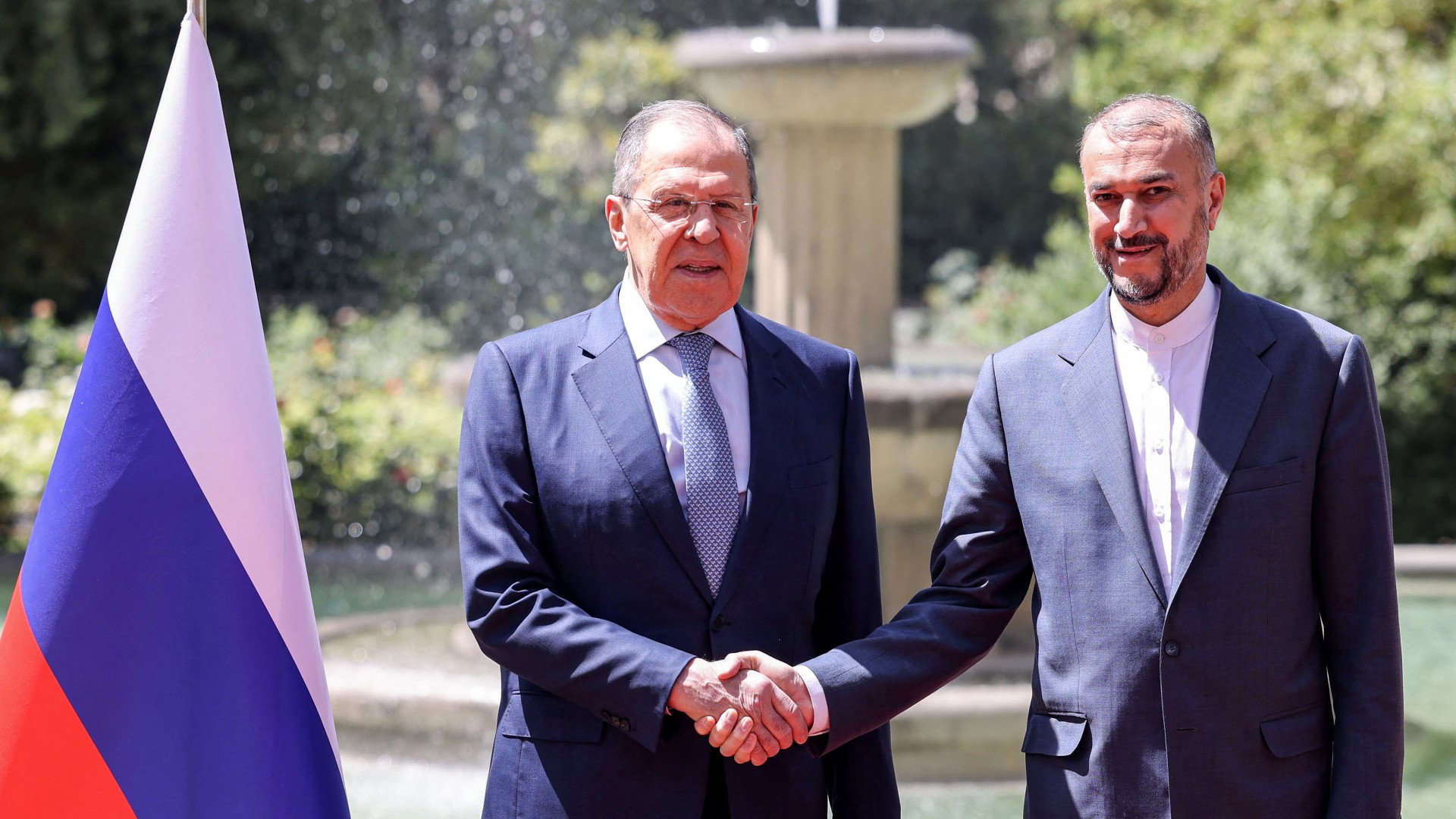
Meanwhile, Iran continues to expand its international partnerships amid ongoing sanctions. Russian-Iranian relations have deepened since the Ukraine conflict began, with plans for a joint trade center (Nova-Pars) and enhanced cooperation in energy, manufacturing, and oil/gas equipment. A new Caspian Sea transportation corridor will connect Russia to the Persian Gulf, complemented by unprecedented shipbuilding knowledge transfers and parts manufacturing agreements.
Domestically, Iran faces mounting challenges. President Ebrahim Raisi’s directive to manufacture 72-seat aircraft—reportedly for religious symbolism—has drawn widespread public mockery given Iran’s aging fleet and aviation safety record. Critics highlight the administration’s previous unfulfilled promises regarding inflation control and COVID-19 vaccines.
Additionally, Iran’s healthcare system confronts a severe physician shortage despite medical school graduations. Approximately 20,000 trained doctors have abandoned clinical practice for higher-paying sectors including real estate, cryptocurrency trading, and beauty clinics, exacerbating the nation’s medical care crisis.
-
UAE firms touted to join Israeli ‘Silicon Wadi’ project in East Jerusalem
Nearly three and a half years after the United Arab Emirates normalized diplomatic relations with Israel under a U.S.-brokered agreement, a proposed Israeli high-tech development project in occupied East Jerusalem that draws Emirati investment has emerged as a flashpoint of regional and diplomatic tension. The initiative, dubbed Silicon Wadi, envisions transforming the longstanding working-class neighborhood of Wadi al-Joz — just steps from the Old City’s historic walls and near Hebrew University’s northern campus — into a cutting-edge industrial hub that Israeli leaders frame as a step toward positioning Jerusalem as the Middle East’s premier high-tech capital.
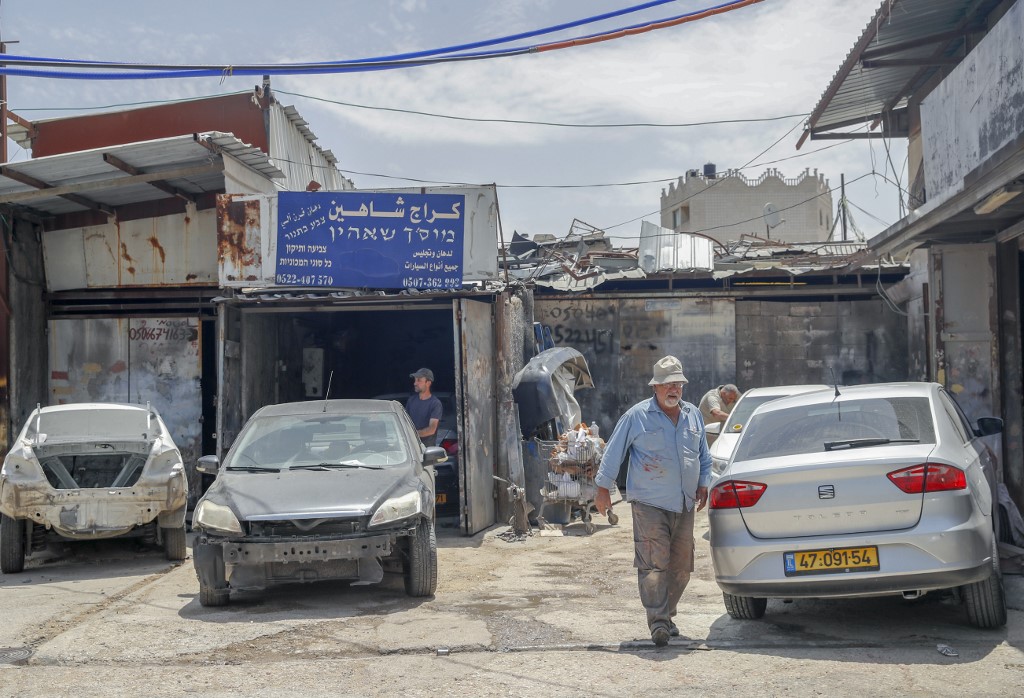
The Jerusalem municipality, led by Israeli mayor Moshe Lion, first announced the ambitious project publicly back in January. According to details shared in Israeli media, the development will span a total of 350,000 square meters: 250,000 square meters dedicated to office and lab space for tech firms, with the remaining 100,000 square meters allocated to commercial outlets, hospitality infrastructure, and 13 car-free pedestrian corridors. Proponents estimate the project will cost roughly 2.1 billion Israeli shekels, equivalent to $600 million, and create as many as 10,000 new jobs in the city. The planned site currently houses hundreds of small local Palestinian businesses, including vehicle repair workshops, food outlets, retail shops, and storage warehouses, all of which would be cleared to make way for the new development.
Fleur Hassan-Nahoum, Jerusalem’s deputy mayor who leads the municipality’s foreign relations and tourism portfolios, recently traveled to the UAE to court Emirati investors for the project. In comments to Israeli outlet Makor Rishon, she emphasized that Jerusalem holds strong brand recognition among Emirati business leaders, who she said are eager to engage with the city and plan visits. For Hassan-Nahoum, the project carries a broader strategic vision: “My dream is that Jerusalem will become a high-tech centre for the entire Middle East,” she stated, adding that the initiative creates a unique opportunity to connect Palestinian tech graduates to professional networks and investment opportunities in the UAE. Beyond the industrial park, the two sides have also laid out plans to boost Gulf tourism to East Jerusalem, with Hassan-Nahoum telling Israel Hayom that the city targets between 100,000 and 250,000 Muslim tourists annually, most of whom aim to visit the Al-Aqsa Mosque compound.
But Palestinian urban planning and policy experts are raising urgent red flags about the project, pointing to its unusual lack of official transparency and its implications for Palestinian sovereignty and the Arab identity of East Jerusalem. Khalil Tafakji, head of the maps department at Jerusalem’s Arab Studies Society and a leading expert on Israeli construction initiatives in occupied East Jerusalem, told Middle East Eye that no official steps have been launched for the project despite public comments in Israeli media. “When you have a building project such as this, you will officially announce it in the newspaper. This did not happen,” Tafakji explained, noting that the only public information available comes from informal statements to media outlets, rather than required official public planning notices or land expropriation processes that are mandatory for municipal construction projects. Tafakji added that Wadi al-Joz was already marked for a separate development project that would require the demolition of Palestinian-owned and rented properties, a pattern of displacement that Palestinian residents of East Jerusalem have faced for decades. Middle East Eye requested comment from the Jerusalem municipality on the secrecy concerns and project details, but received no response prior to publication.
Hatem Abdel-Kader, a former Palestinian Authority minister for Jerusalem affairs, called the project a deliberate Israeli push to cement control over occupied East Jerusalem and advance the Judaization of the city. Abdel-Kader confirmed the project is still in preliminary study phases and has not completed required official approval processes, but warned that the Wadi al-Joz neighborhood will be fundamentally altered in the near future. While he noted he has no confirmed details of Emirati involvement, he warned that if the investment goes forward, it would represent a dangerous development for Palestinian claims to the city. “This is a settlement project that harms the Arab identity of Jerusalem, despite Israelis claiming it will benefit Palestinians,” he said. Abdel-Kader added that the project is designed to further integrate occupied East Jerusalem into Israeli-controlled West Jerusalem, and any Arab participation in the initiative amounts to legitimizing Israel’s claim to all of Jerusalem as its unified capital, a status that has not been recognized by the international community.