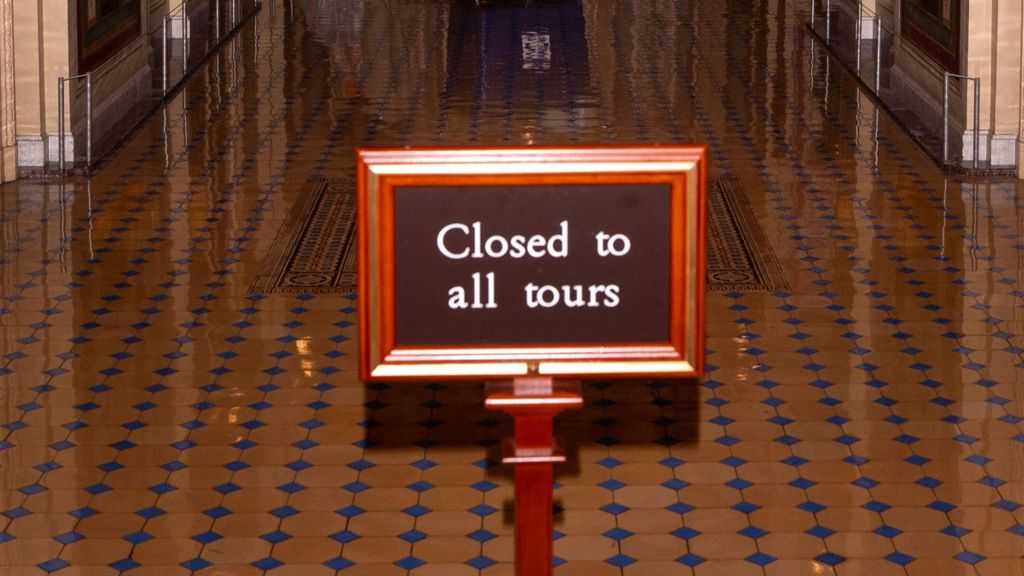
The United States has witnessed its 11th government shutdown since 1980, a phenomenon that remains uniquely American. Unlike other nations where governments continue to function even during wars or constitutional crises, the US shutdowns have become a political bargaining tool. This recurring issue stems from the federal system of government, where different branches can be controlled by opposing parties. While the founders intended this structure to foster compromise, it has increasingly led to gridlock. The 1980 reinterpretation of the 1884 Anti-Deficiency Act, which mandates that no budget means no spending, has further entrenched this practice. In contrast, non-parliamentary democracies like Brazil and parliamentary systems in Europe ensure continuity of government services even during budget disputes. The US shutdowns have significant consequences, including unpaid federal workers, halted services, and economic impacts. For instance, the 2018-2019 shutdown, the longest on record, reduced GDP growth by 0.1 percentage points weekly. While essential services like social security and the military continue, other functions like national parks and tax refunds are suspended. Globally, such shutdowns are rare, as seen in Canada and Ireland, where minority governments maintained operations through cooperation. In the US, however, political polarization has made shutdowns a weapon in partisan battles. As Democrats and Republicans continue to clash, the functioning of the government remains at risk, highlighting the need for systemic reform.
分类: politics
-

Trump’s Gaza plan may be as good as it gets for Hamas
The United States, in collaboration with Israel, has unveiled a 20-point peace plan aimed at resolving the prolonged conflict with Hamas in Gaza. This comprehensive framework, endorsed by key Arab states, the UK, and France, seeks to bring an immediate end to hostilities, release Palestinian prisoners, and establish a new governance structure for Gaza. However, the plan faces significant challenges, particularly from Hamas and internal Israeli political dynamics. Hamas, excluded from the drafting process, is reportedly reviewing the proposal but may perceive it as an ultimatum. Israeli Prime Minister Benjamin Netanyahu’s coalition is also under strain, with key figures like Finance Minister Bezalel Smotrich openly opposing the plan, labeling it a diplomatic failure. The proposal includes provisions for humanitarian aid, a security perimeter around Gaza, and a transitional governance body chaired by Donald Trump. Yet, ambiguity around Israeli troop withdrawal, disarmament, and Palestinian statehood remains contentious. While the plan offers some concessions to Hamas, such as prisoner releases and amnesty, its success hinges on overcoming deep-seated mistrust and political resistance from both sides.
-
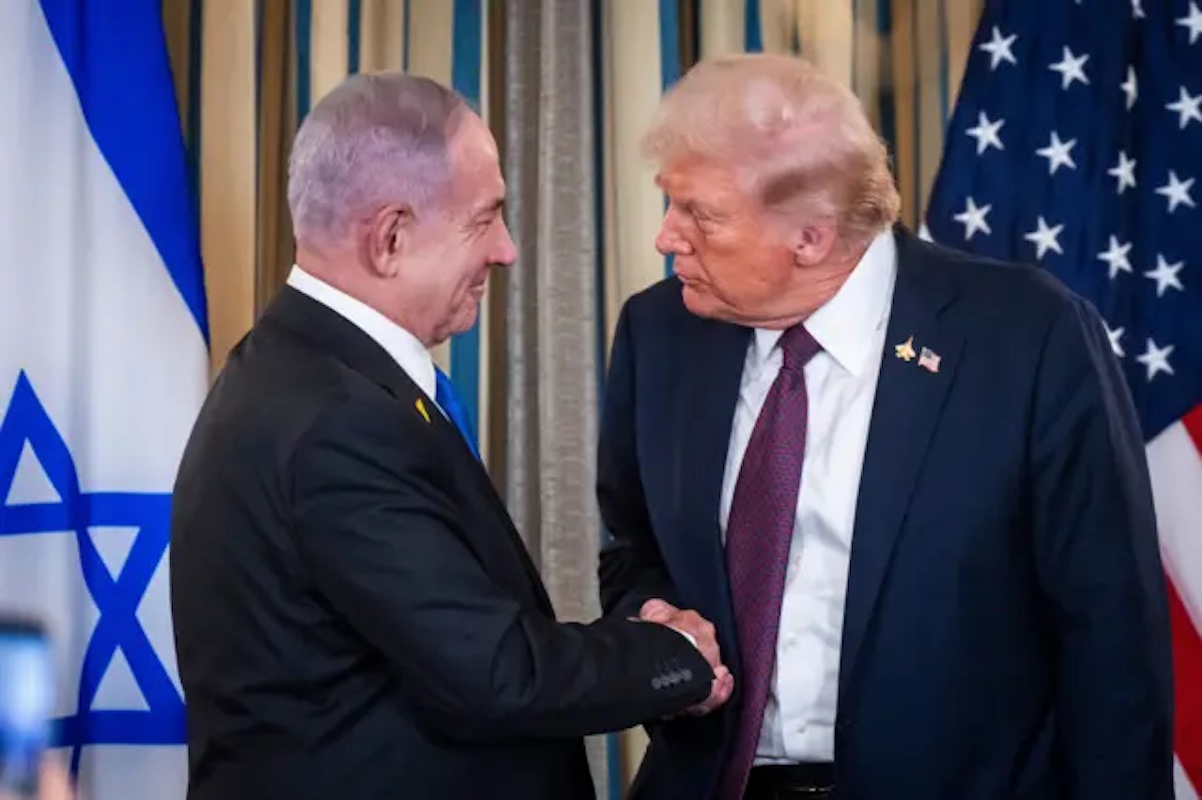
Trump’s Gaza peace plan could revive Pax Americana
A potential resolution to the prolonged Middle East conflict appears on the horizon as Israeli Prime Minister Benjamin Netanyahu endorses US President Donald Trump’s proposed peace plan for Gaza. While the plan’s success remains uncertain due to its incomplete details and pending implementation, it has garnered significant attention for its potential to reshape the region’s political landscape. The US has strategically engaged key Muslim nations, including Turkey, Saudi Arabia, Qatar, Pakistan, and Indonesia, signaling the emergence of a new peace framework. This initiative could bolster America’s global influence, particularly in Asia, where its recent actions have been perceived as inconsistent. Notably, Russia and China have been excluded from the process, marking a significant shift in a region critical to their strategic and economic interests. The plan’s success hinges on US and Israeli leadership, underscoring America’s historical advantage over its geopolitical rivals. However, challenges persist, including rising antisemitism, the ongoing Ukraine conflict, and delicate diplomatic balances, particularly between India and Pakistan. The agreement’s implementation remains fraught with complexities, but its potential to redefine Middle Eastern geopolitics cannot be overlooked.
-

Envoy: China and US should be partners helping each other succeed
Chinese Ambassador to the United States Xie Feng emphasized the importance of deepening mutual interests and fostering a partnership where both nations can thrive together. Speaking at a reception in Washington to celebrate the 76th anniversary of the People’s Republic of China, Xie highlighted China’s potential to purchase more American products and create business opportunities for the US, despite a significant decline in bilateral trade this year. He cautioned against the detrimental effects of tariff wars, stating that such conflicts yield no winners. Recent data revealed a sharp drop in US exports to China, particularly in agriculture, with soybean sales plummeting by over 50% in the first half of 2025. Xie underscored the vast room for cooperation between the two nations, citing the growth in bilateral trade from $2.5 billion in 1979 to $688 billion in 2024. He also noted that 82% of American businesses operating in China reported profits in 2024, reflecting the mutual benefits of economic ties. Xie called for equal-footed consultation to resolve trade disputes and stressed the need to avoid confrontation, particularly on sensitive issues like Taiwan. He urged the US to adhere to the one-China principle and refrain from actions that could destabilize bilateral relations. The reception was attended by over 700 guests, including representatives from the US government, international organizations, and foreign ambassadors.
-
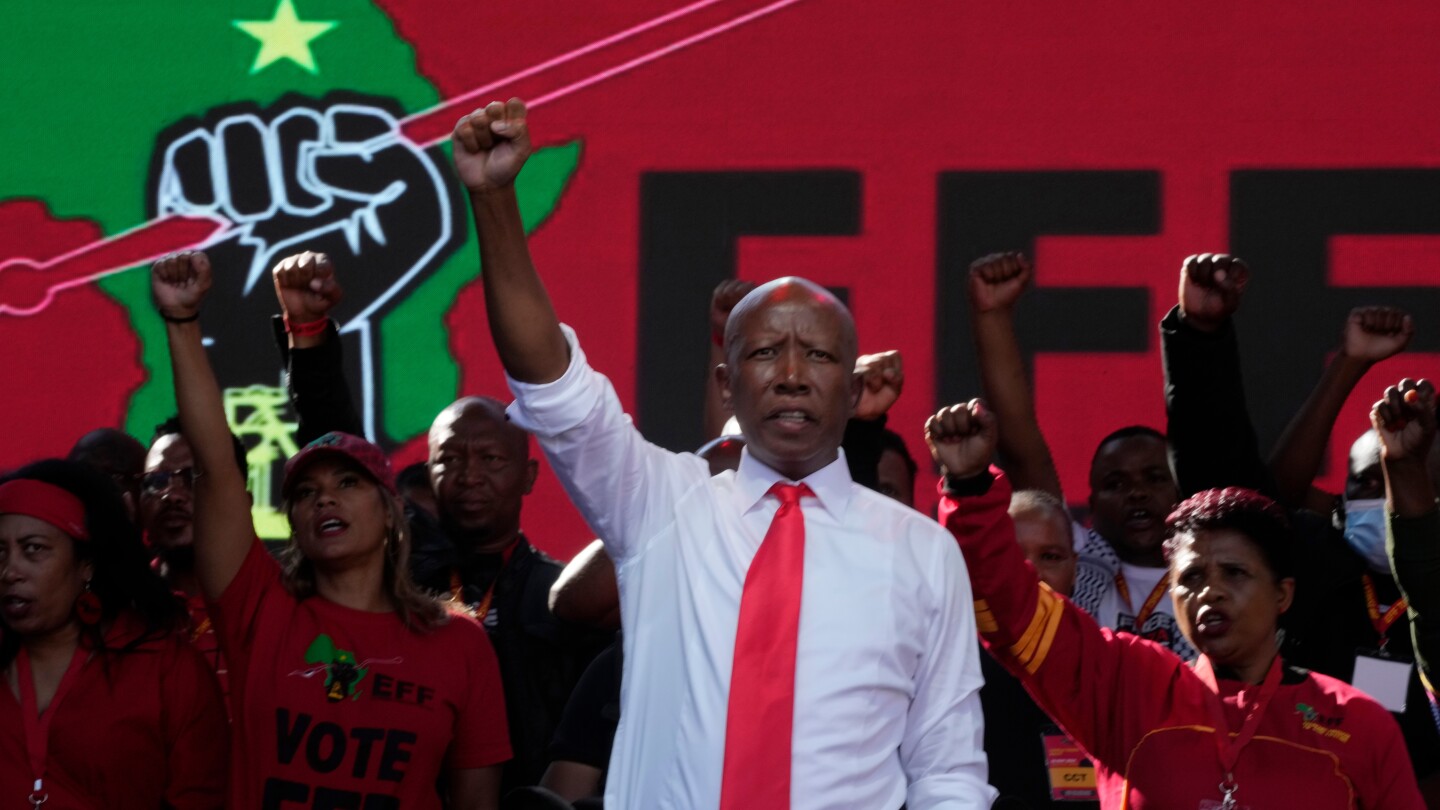
South African opposition leader Julius Malema is found guilty on gun charges
JOHANNESBURG (AP) — Julius Malema, the prominent leader of South Africa’s opposition party, the Economic Freedom Fighters (EFF), was convicted on Wednesday of violating firearm laws during a 2018 political rally. The incident, which was captured on video, showed Malema firing a rifle at his party’s five-year anniversary event in the Eastern Cape province. The footage sparked widespread controversy and led to criminal charges brought by Afrikaner lobby group Afriforum. Malema argued in his defense that the weapon was a toy gun, but Magistrate Twanet Olivier dismissed this claim, finding him guilty of contravening the Firearms Control Act. His then-bodyguard, Adriaan Snyman, who was accused of providing the rifle, was acquitted. Malema criticized the verdict, alleging racial bias, as Snyman is white. Outside the East London Magistrates Court, Malema vowed to appeal the decision, potentially taking the case to the Constitutional Court. While he could face up to 15 years in prison, the absence of a minimum sentence leaves room for leniency. His sentencing is scheduled for January 23, 2024. Malema, a polarizing figure in South African politics, has been a vocal advocate for controversial policies, including the expropriation of white-owned land without compensation and the nationalization of key industries. His influence was highlighted earlier this year when U.S. President Donald Trump referenced him in a tense meeting with South African President Cyril Ramaphosa, falsely alleging a ‘white genocide’ in the country. Malema’s EFF, South Africa’s fourth-largest political party, secured 9% of the vote in the last general elections.
-
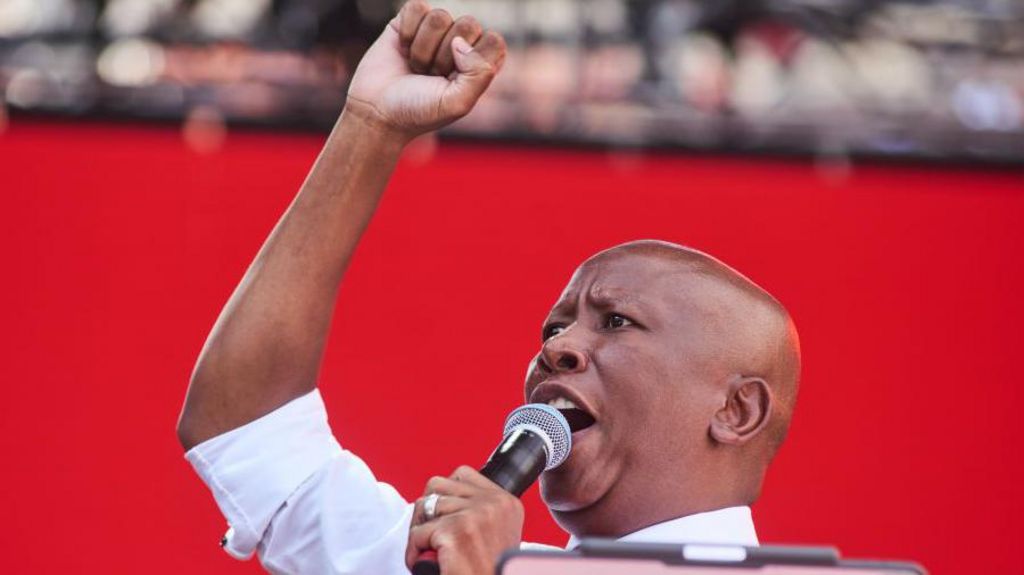
South African firebrand MP Malema convicted of firing a gun in public
Julius Malema, the leader of South Africa’s Economic Freedom Fighters (EFF), has been convicted of discharging a firearm in public, an offense that could result in a maximum prison sentence of 15 years. The incident dates back to 2018, when a video surfaced showing Malema firing multiple shots into the air during his party’s fifth-anniversary celebrations in the Eastern Cape province. Malema was charged alongside his former bodyguard, Adriaan Snyman, who was later acquitted. This conviction adds to Malema’s recent legal troubles, as he was found guilty of hate speech less than two months ago. Malema, a polarizing figure in South African politics, has frequently criticized the white minority and advocated for the redistribution of wealth and land to the black majority. The firearm case, which involved charges of unlawful possession, reckless endangerment, and discharging a weapon in public, saw Malema claiming in court that the firearm was not his and that the shots were fired to energize the crowd. Magistrate Twanet Olivier delivered the guilty verdict after three days of proceedings, with sentencing postponed to January 2026. The prosecution was initiated by AfriForum, an Afrikaner lobby group with a contentious relationship with Malema and the EFF. This group also played a role in Malema’s hate speech conviction earlier this year, where the equality court ruled that his inflammatory remarks demonstrated an intent to incite harm. Malema’s legal battles highlight the ongoing racial tensions in South Africa, three decades after the end of apartheid.
-
Jobs, travel, national parks – what impact will US shutdown have?
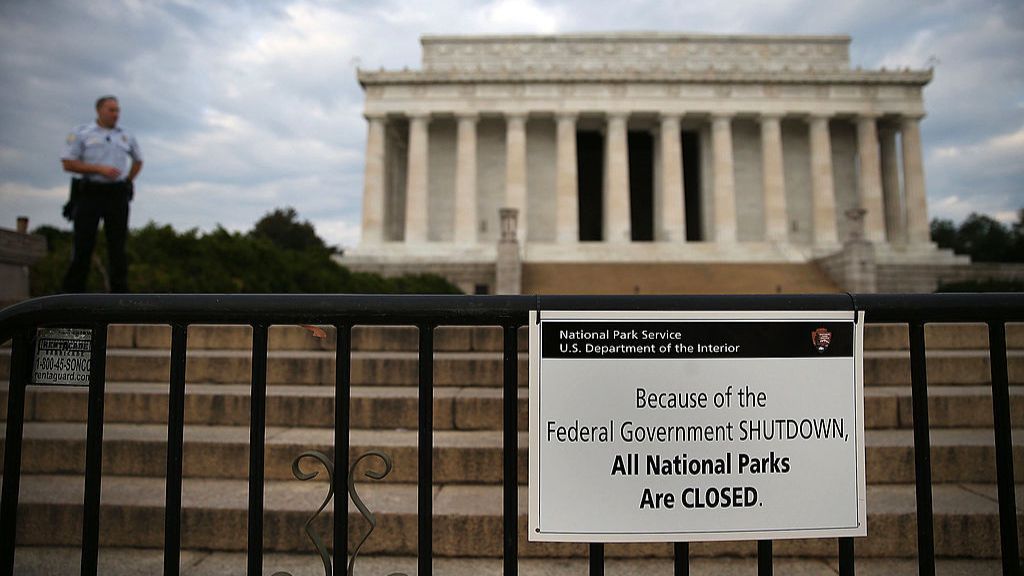
The US federal government has entered a shutdown following a deadlock between Republican and Democratic lawmakers over budget negotiations. This impasse, which threatens to extend beyond October, is set to disrupt various sectors, from air travel to national parks, and impact millions of Americans. Approximately 800,000 federal employees, representing 40% of the workforce, face unpaid leave, exacerbating financial strain on households. Air travelers may encounter prolonged security lines and delays as unpaid air traffic controllers and Transportation Safety Administration (TSA) workers, though deemed essential, may opt to stay home. Passport processing times are also expected to lengthen, complicating international travel plans. Federal employees, particularly those in non-essential roles, will bear the brunt of the shutdown, with no paychecks until the impasse is resolved. Agencies like the Centers for Disease Control and Prevention (CDC) and the National Institutes of Health (NIH) are likely to furlough staff, disrupting critical research. President Donald Trump, who has previously advocated for reduced government spending, warned that the shutdown could accelerate layoffs and curtail programs favored by Democrats. Contractors working for federal agencies will also miss out on work, with no guarantee of backpay. National Parks and Forests, which faced vandalism during the last shutdown, remain a contentious issue, with former park superintendents urging their closure to prevent further damage. Meanwhile, the Smithsonian Institution museums and the National Zoo will remain open temporarily, though non-essential services like webcams will be suspended. Social health programs such as Medicare and Medicaid will continue, but staffing shortages may cause service interruptions. Emergency disaster relief remains largely unaffected, but the National Flood Insurance Program’s closure could delay mortgages. Food assistance programs, including WIC and SNAP, are at risk of funding shortages, potentially leaving vulnerable populations without support. The shutdown’s ripple effects underscore the broader implications of political gridlock on public services and the economy.
-
US government shuts down with path to reopening uncertain
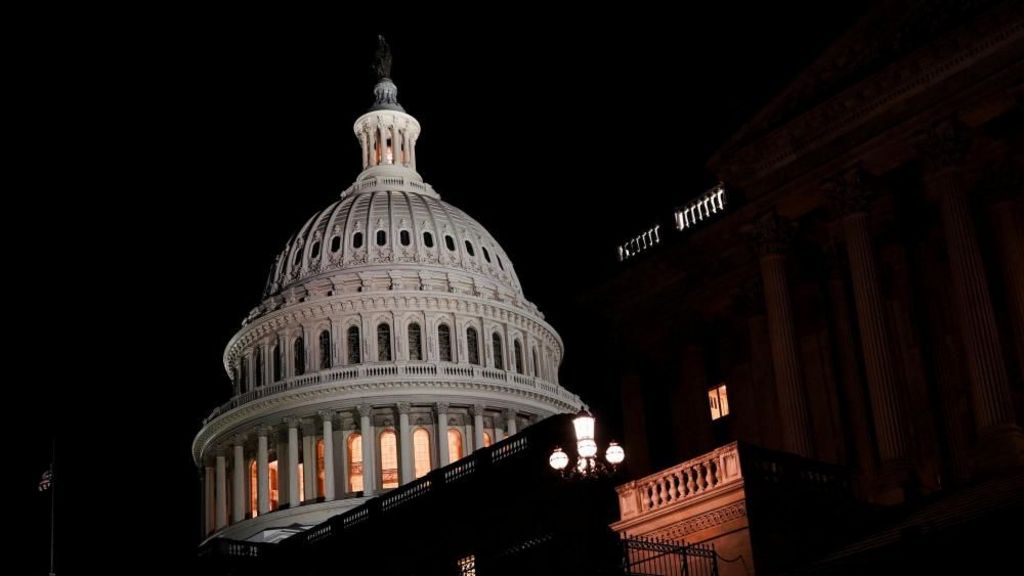
The United States government has entered its first shutdown in nearly seven years, as Congress failed to reach a consensus on a critical funding bill. The impasse has left hundreds of thousands of federal workers facing furloughs or layoffs, while national parks, museums, and essential services risk closure. The shutdown could also disrupt air travel due to staff shortages, echoing the consequences of previous government closures.
The stalemate stems from a bitter partisan divide over healthcare spending, with Democrats insisting on extending health insurance subsidies set to expire at year-end, while many Republicans oppose the costly measures or demand stricter eligibility rules. Despite frenetic negotiations, a Republican-led short-term funding bill fell short of the required 60 Senate votes, with a Democrat-led proposal also failing to pass.
President Donald Trump has escalated tensions by threatening mass firings of federal employees and cuts to programs he claims are favored by Democrats. ‘A lot of good can come from shutdowns,’ Trump remarked, suggesting the crisis could be an opportunity to eliminate policies opposed by his administration. However, the White House has hinted at permanent layoffs for ‘non-essential’ workers if the shutdown persists.
Senate Majority Leader Mitch McConnell and top Democrat Chuck Schumer have traded blame, with Schumer accusing Republicans of ‘bullying’ tactics. The shutdown highlights the unique challenges of U.S. governance, where spending plans require bipartisan agreement across the legislative and executive branches. Analysts predict this shutdown could surpass the 2018 crisis, potentially affecting over 800,000 federal workers.
The path forward remains uncertain, with both parties entrenched in their positions. As the standoff continues, the economic and social repercussions of the shutdown are expected to deepen, leaving federal employees and the public in limbo.
-
Trump pulls pick to lead US jobs data agency
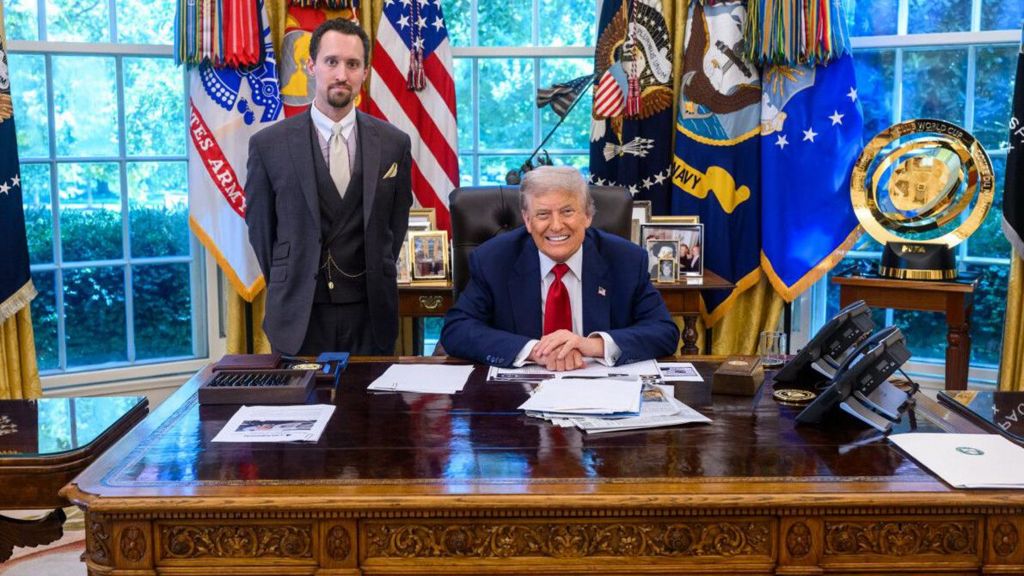
In a surprising turn of events, former US President Donald Trump has retracted his nomination of conservative economist EJ Antoni to lead the Bureau of Labor Statistics (BLS). This decision follows Trump’s abrupt dismissal of former BLS commissioner Erika McEntarfer in August, which occurred mid-term after a disappointing jobs report sparked concerns about the US economy. While Antoni’s nomination was lauded by conservative circles, it faced criticism from independent economists who questioned his qualifications and warned of potential damage to the BLS’s credibility. The White House has not provided a specific reason for the withdrawal but confirmed that Trump intends to propose a new candidate soon. A White House official described Antoni as a ‘brilliant economist and American patriot’ who will continue contributing to the nation’s economic discourse. Trump has long criticized the BLS, accusing it of manipulating employment data to undermine his administration. The August jobs report, which revealed only 73,000 new jobs—far below the projected 109,000—further fueled his discontent. Antoni, an economist at the Heritage Foundation, has been a vocal critic of the BLS, labeling its data as ‘phoney baloney.’ Heritage Foundation president Kevin Roberts defended Antoni, calling him ‘one of the sharpest economic minds in the country’ and emphasizing the need for BLS reform. The US Senate, currently controlled by Republicans, will be responsible for confirming the next nominee.
-

European leaders meet in high-security Danish summit after drone disruption
Denmark has significantly heightened security measures in Copenhagen as European Union leaders convene for a critical summit on Wednesday. The move comes in response to escalating tensions following a series of Russian incursions into EU airspace and recent drone attacks targeting Danish airports. These incidents have particularly alarmed Eastern European nations such as Poland and Estonia, prompting ten EU member states to endorse a multi-layered ‘drone wall’ initiative aimed at detecting, tracking, and neutralizing Russian drones.