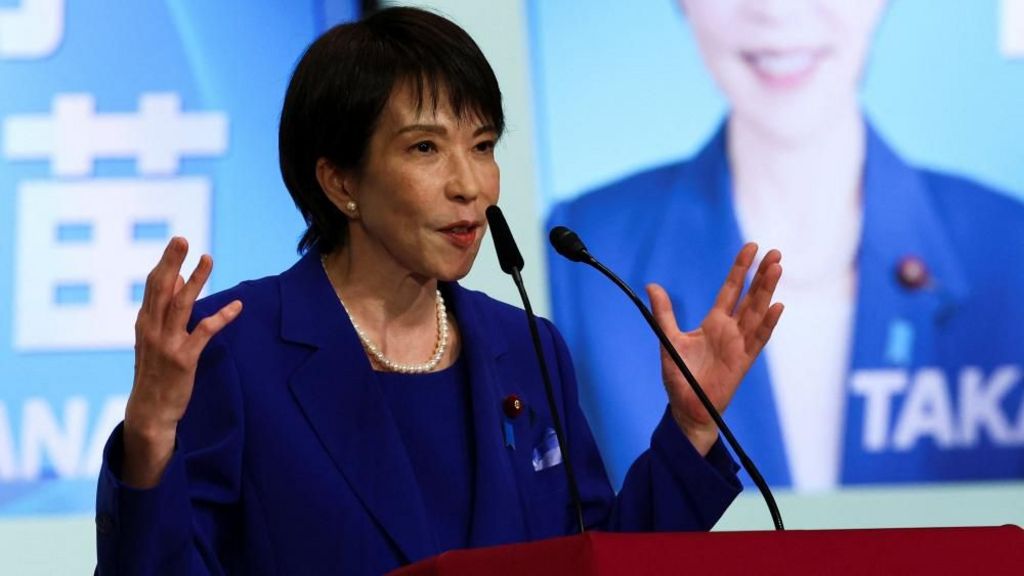
Japan’s ruling conservative party, the Liberal Democratic Party (LDP), has chosen Sanae Takaichi as its new leader, setting the stage for her to become the nation’s first female prime minister. At 64, Takaichi represents the party’s right-leaning faction and faces a daunting array of challenges, including uniting a fractured party, reviving a sluggish economy, and addressing the struggles of Japanese households grappling with inflation and stagnant wages. Her leadership will also require navigating a strained U.S.-Japan relationship and overseeing the implementation of a tariff deal negotiated with the Trump administration. Takaichi’s election follows the resignation of Prime Minister Shigeru Ishiba, whose tenure was marked by a series of electoral defeats that cost the LDP its majority in both parliamentary chambers. A staunch conservative, Takaichi has long admired Margaret Thatcher and aims to emulate her ‘Iron Lady’ legacy. However, her opposition to progressive policies, such as allowing women to retain their maiden names after marriage and her stance against same-sex marriage, has drawn criticism. As a protégé of the late Shinzo Abe, she has pledged to revive his economic policies, known as Abenomics, which emphasize fiscal spending and low borrowing costs. Takaichi is also a security hawk, advocating for revisions to Japan’s pacifist constitution, and is a frequent visitor to the controversial Yasukuni Shrine, which memorializes Japan’s war dead, including convicted war criminals. While her confirmation by parliament is likely, it will not be automatic, reflecting the LDP’s weakened position.
分类: politics
-

Hungary clings to Russian oil and gas as EU and NATO push to cut supplies
In the midst of the European Union’s aggressive push to sever ties with Russian energy and U.S. President Donald Trump’s administration urging NATO members to abandon Russian oil, Hungary’s populist government, led by Prime Minister Viktor Orbán, remains steadfast in its commitment to Russian energy. Orbán has long argued that Russian energy imports are vital for Hungary’s economy, warning that switching to alternative sources would lead to immediate economic collapse. Despite the EU’s sanctions on Russia following its invasion of Ukraine in February 2022, Hungary has not only maintained but increased its Russian energy imports, citing a lack of viable alternatives. Critics, however, argue that Orbán’s stance is more politically motivated than economically justified, pointing to his close ties with Russian President Vladimir Putin. Hungary’s landlocked geography and reliance on Soviet-era pipelines further complicate the transition to non-Russian energy sources. While other EU countries have significantly reduced their dependence on Russian energy, Hungary has been granted a temporary exemption, allowing it to continue importing Russian oil and gas via pipelines. Energy experts, including László Miklós, a former director of corporate relations at Hungary’s national oil and gas conglomerate MOL, argue that Hungary’s reluctance to seek alternative energy sources is not economically rational. Miklós suggests that the Hungarian government’s continued reliance on Russian energy is more about supporting Russia’s war efforts than economic necessity. Despite these criticisms, Hungary’s leaders maintain that the country’s geographical location and infrastructure limitations make it impossible to transition away from Russian energy. Meanwhile, other landlocked countries in the region, such as the Czech Republic, have successfully reduced their dependence on Russian oil. Hungary’s national energy company, MOL, has begun investing in diversifying its energy sources, but the government’s political will to break away from Russian energy remains in question. As the EU continues to push for a complete cessation of Russian energy imports, Hungary’s defiance highlights the complex interplay between politics, economics, and energy security in Europe.
-
Japan’s ruling party to vote for second new leader in a year
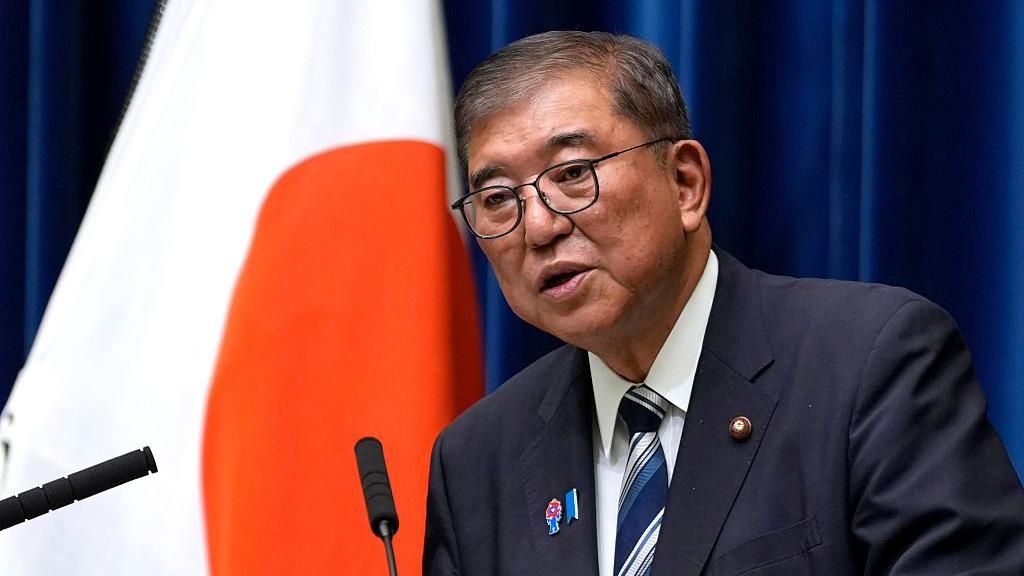
Japan’s political landscape is poised for a historic shift as the ruling Liberal Democratic Party (LDP) prepares to elect its second new leader in just over a year. This pivotal vote could result in either the nation’s first female prime minister or its youngest-ever leader. The decision comes in the wake of Prime Minister Shigeru Ishiba’s resignation last month, following the LDP’s loss of its majority in both houses of parliament. The new leader will inherit a host of pressing challenges, including restoring voter trust after a series of financial corruption scandals, navigating strained US-Japan relations, and implementing a contentious tariff deal with the Trump administration. Domestically, the incoming prime minister must address a faltering economy, rising inflation, and a cost-of-living crisis, while also countering a growing far-right influence. The LDP’s internal vote on Saturday will determine the next leader, with a runoff scheduled if no candidate secures a majority. Among the frontrunners are Shinjiro Koizumi, the current agricultural minister; Yoshimasa Hayashi, the chief cabinet secretary; and Sanae Takaichi, a seasoned LDP member who could become Japan’s first female prime minister. Takaichi, a hardline conservative, has recently shifted her focus to women’s issues, proposing tax breaks for childcare and significant economic investments. Koizumi, known for his media-friendly persona and social media presence, has gained popularity for his efforts to reduce rice prices. Hayashi, a seasoned politician, is seen as a steady and experienced choice. The leadership contest follows a tumultuous period for the LDP, marked by scandals, voter apathy, and record-low approval ratings. The party’s loss of its parliamentary majority in 2024 and subsequent defeat in the upper house elections have further complicated its position. Ishiba’s resignation in September set the stage for this critical vote, as the LDP seeks to rebuild its credibility and chart a new course for Japan’s future.
-
Billionaires, Zionists and a UN official: Tony Blair’s proposed team for Gaza
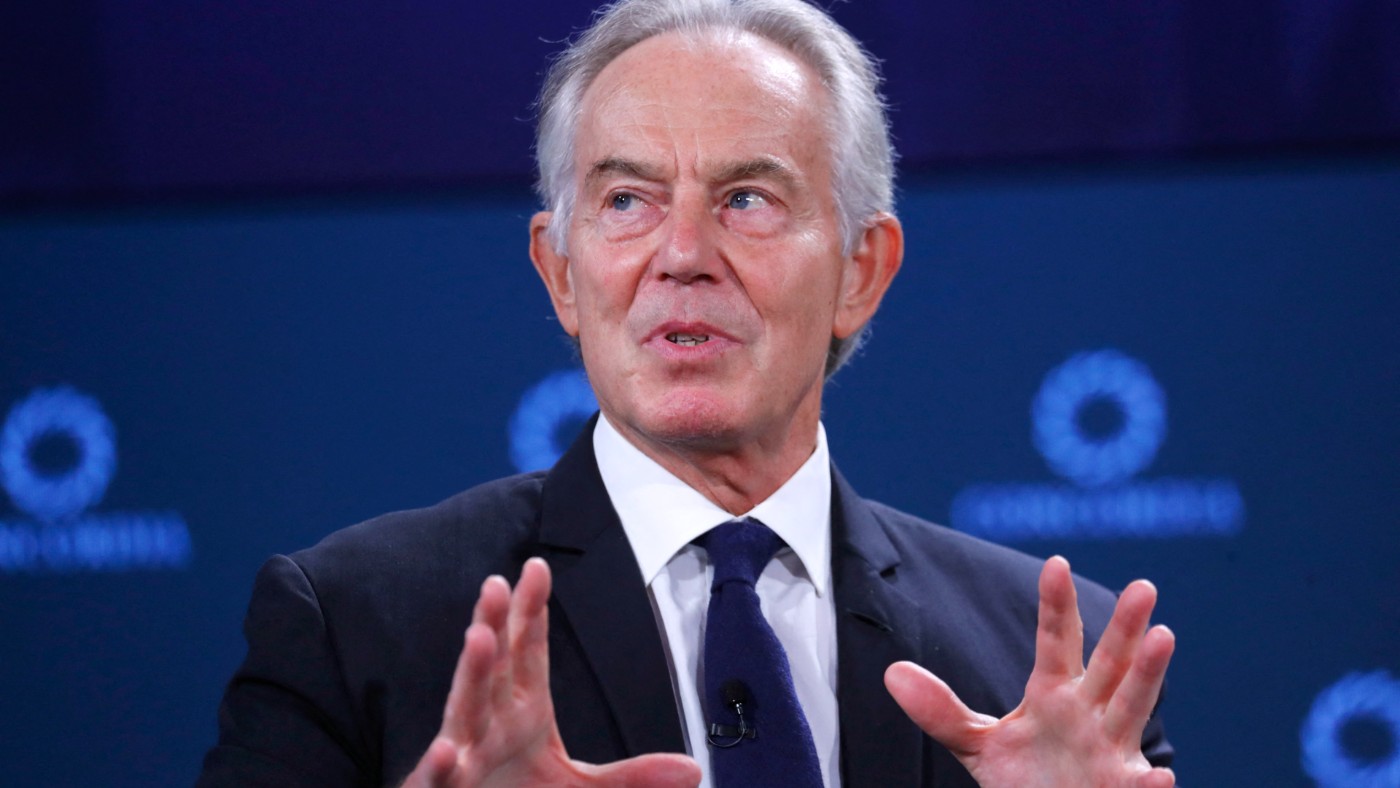
A draft plan outlining the governance structure for Gaza under the leadership of former British Prime Minister Tony Blair has been leaked, sparking widespread debate. The proposal, known as the Gaza International Transitional Authority (Gita), envisions a hierarchical system dominated by an international board of billionaires and business leaders, with carefully vetted Palestinian administrators at the lower tiers. The plan has reportedly garnered support from Israel, Egypt, and the United States, with the White House backing the initiative, according to sources cited by Haaretz.
The proposed Gita would be governed by an international board with ‘supreme political and legal authority’ during the transitional period. Among the potential candidates for this board are Sigrid Kaag, the UN’s special coordinator for the Middle East peace process, and three prominent figures with significant financial and executive expertise: Marc Rowan, CEO of Apollo Global Management; Naguib Sawiris, an Egyptian billionaire in telecommunications and technology; and Aryeh Lightstone, CEO of the Abraham Accords Peace Institute. Notably, none of the candidates are Palestinian, raising concerns about the lack of local representation.
Critics have highlighted the controversial backgrounds of some board candidates. Lightstone, for instance, has been involved in the Gaza Humanitarian Foundation (GHF), an aid distribution mechanism criticized by Doctors Without Borders as a ‘system of institutionalized starvation and dehumanization.’ Similarly, Sawiris, a billionaire with close ties to Blair, has been involved in various international projects, including rebuilding Afghanistan post-invasion. Rowan, a Wall Street financier, has been a vocal supporter of Israel, describing the conflict in Gaza as a ‘just war.’
The leaked plan has drawn criticism for its top-down approach and the exclusion of Palestinian voices in the governance structure. Sigrid Kaag, the only non-controversial figure on the list, has expressed concerns about the humanitarian crisis in Gaza, describing it as a ‘stain on our collective conscience.’ The proposal’s alignment with Israel’s strategic interests has further fueled skepticism about its feasibility and fairness.
As the international community grapples with the complexities of Gaza’s future, Blair’s plan underscores the challenges of balancing geopolitical interests with the need for inclusive and sustainable governance. The leaked draft has ignited a broader conversation about the role of international actors in shaping the region’s future and the importance of ensuring that local voices are heard.
-
The 15 reasons why UN legal experts say Trump’s Gaza plan breaks international law
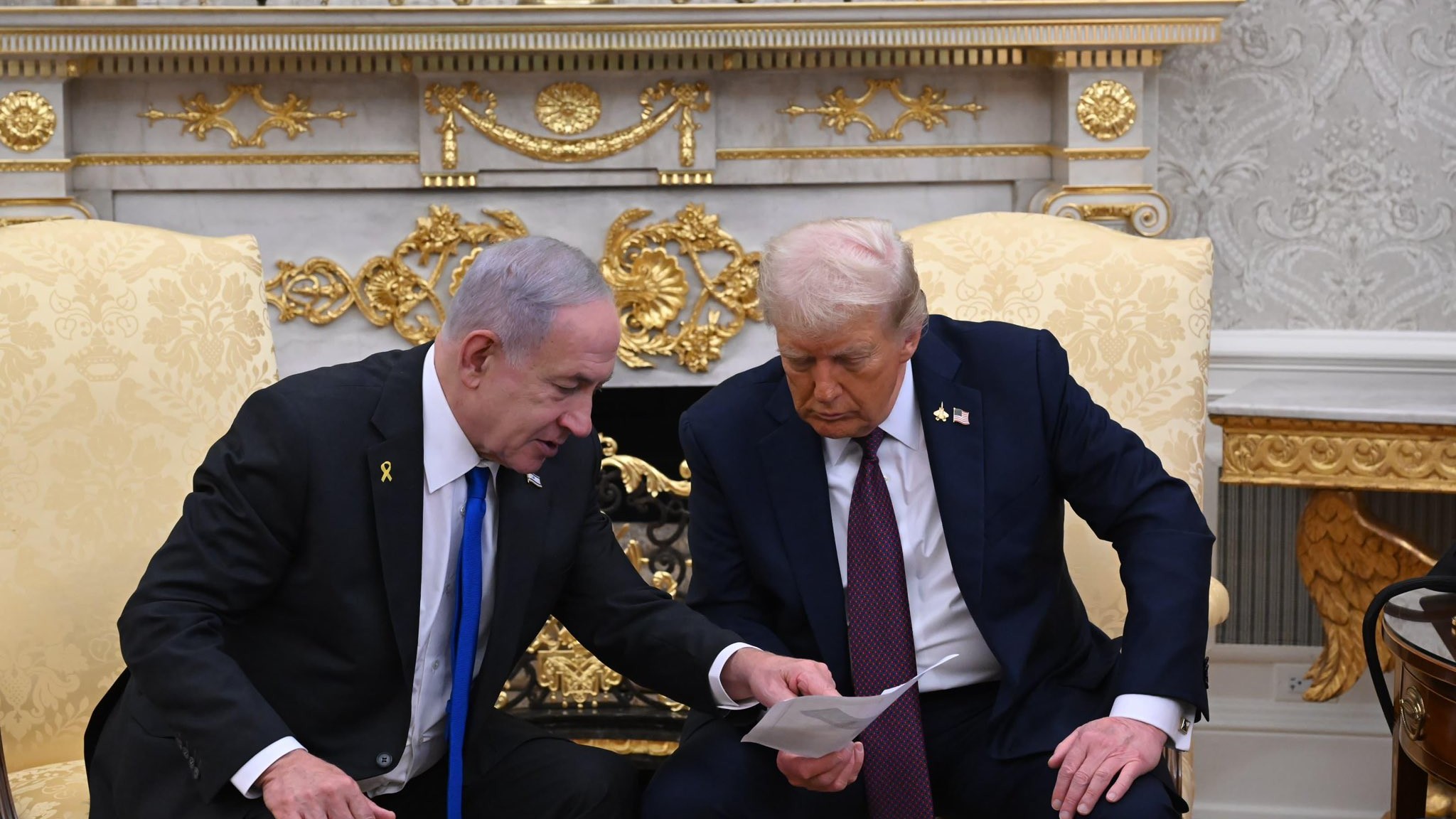
United Nations human rights and legal experts have raised significant concerns over the US-sponsored peace plan for Gaza, warning that it risks entrenching violations of international law. The proposal, unveiled by US President Donald Trump, outlines a 20-point ceasefire plan that envisions Gaza as a demilitarized zone under a transitional technocratic Palestinian committee, with international oversight led by Trump himself until the Palestinian Authority (PA) is prepared to govern. However, the plan has faced widespread criticism from Palestinians and has yet to gain acceptance from Hamas, who view it as a continuation of Israeli apartheid and genocide. The proposal includes a staged ceasefire, prisoner exchange, amnesty for disarmed Hamas members, international aid, economic redevelopment zones, and the deployment of a US-backed International Stabilization Force to replace the Israeli military. While the UN experts acknowledged certain positive elements, such as a permanent ceasefire and humanitarian aid under UN supervision, they emphasized that these measures are already mandated by international law and should not be contingent on the success of a peace plan. The experts identified 15 key issues with the proposal, including its failure to guarantee Palestinian self-determination, the lack of representative governance, and the absence of accountability for Israeli international crimes. They also criticized the plan for sidelining the UN and its agencies, undermining the legitimacy of the process. The experts concluded that any peace plan must respect international law and ensure that the future of Palestine is determined by the Palestinian people, not imposed by external actors under duress.
-
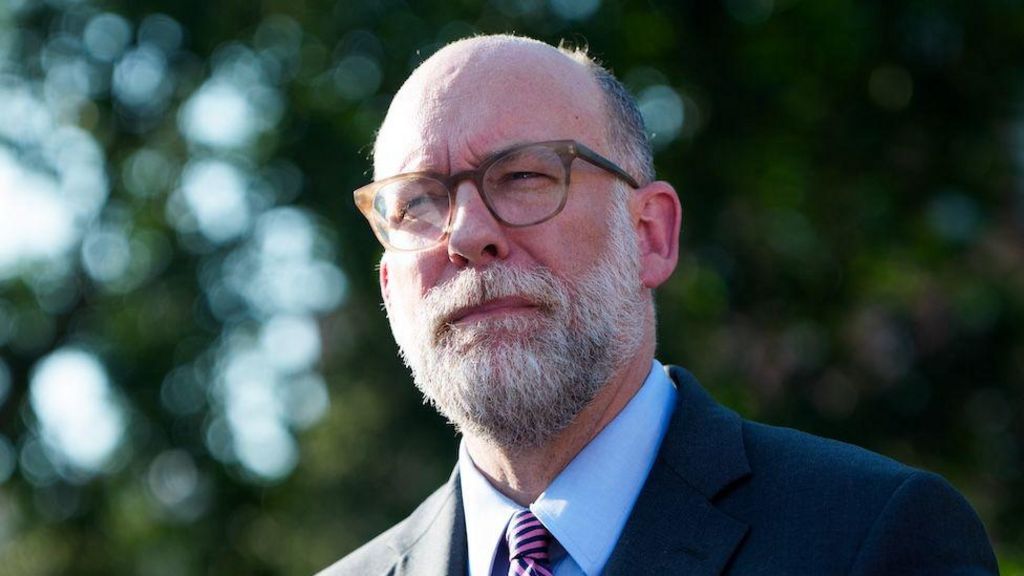
Trump’s Grim Reaper – from Project 2025 to shutdown enforcer
As the U.S. government shutdown enters its third day, former President Donald Trump is wielding the conservative blueprint of Project 2025 as a bargaining chip in his budgetary negotiations with Democrats. At the center of this strategy is Russell Vought, the director of the White House Office of Management and Budget (OMB), who has emerged as a pivotal figure in Trump’s push to drastically reduce federal spending and reshape government operations. Vought, though not a household name, is a key architect of Project 2025, a 900-page policy document that outlines sweeping conservative reforms, including shrinking the federal government, expanding presidential authority, and enforcing strict immigration policies. Trump, who initially distanced himself from the project during the 2024 campaign, is now using it as a threat to pressure Democrats into acquiescing to his demands. On his Truth Social platform, Trump shared an AI-generated parody video depicting Vought as the ‘grim reaper,’ ready to slash government programs favored by Democrats. Republican leaders on Capitol Hill have echoed Trump’s characterization of Vought as a formidable force in the White House. Senator Mike Lee of Utah remarked that Vought has been ‘preparing for this moment since puberty,’ highlighting his extensive experience in federal budgeting and conservative policy circles. Vought, who previously served as deputy director of the OMB during Trump’s first term, has transformed the office into a powerful engine for implementing Trump’s fiscal agenda. Earlier this year, he collaborated with Elon Musk’s ‘Department of Government Efficiency’ (Doge) to shutter multiple federal agencies and downsize departments. Now, with the government shutdown creating a legal grey area, Vought has the opportunity to make even deeper and more lasting cuts. He has already halted major infrastructure projects in New York City and Chicago and canceled nearly $8 billion in clean energy initiatives across 16 states that supported Trump’s opponent, Kamala Harris, in the 2024 election. Democrats and federal worker unions have vowed to challenge these cuts in court, accusing Trump of making empty threats to force concessions. Economists have also criticized the administration’s approach, noting that its deficit-ballooning policies undermine claims of fiscal responsibility. Despite these criticisms, Vought and the White House appear undeterred, viewing the long-term benefits of reducing government spending as outweighing the short-term political risks. As the shutdown continues, the stakes for both parties grow higher, with Republicans warning of the potential backlash if the public perceives the administration’s cuts as overly aggressive.
-
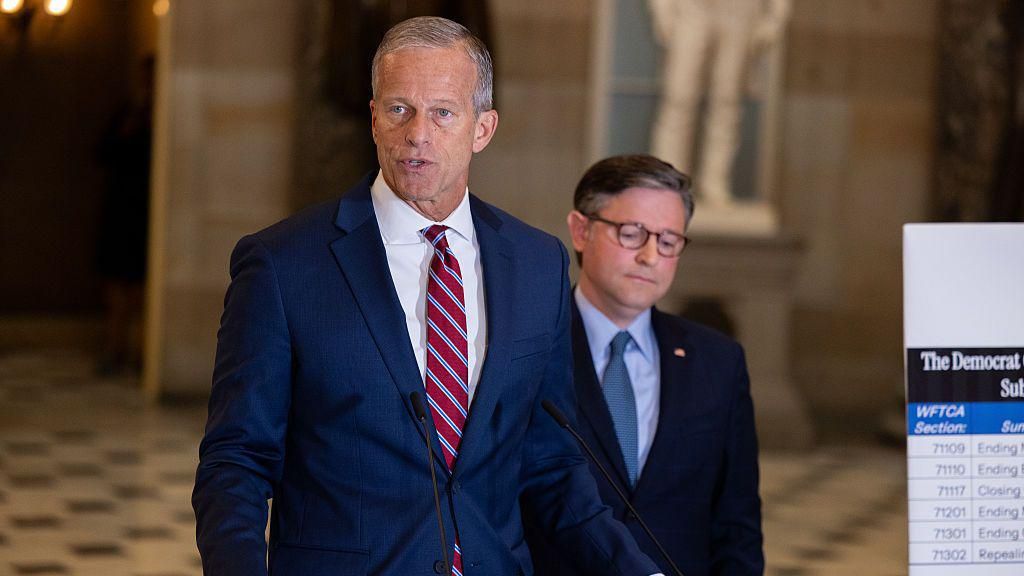
Senate stalemate sends US shutdown into second week
The United States government shutdown has entered its fourth week as Senate leaders failed to pass critical spending proposals, deepening the political impasse. Both Republican and Democratic proposals fell short of the required 60-vote threshold, leaving federal operations in limbo. Senate Majority Leader John Thune and House Speaker Mike Johnson have squarely blamed Democrats for the crisis, while Democrats accuse Republicans of obstructing progress on healthcare reforms. The White House has warned of mass layoffs to sustain essential services, with Press Secretary Karoline Leavitt describing the situation as a matter of ‘fiscal sanity.’ The potential scale of these layoffs remains unclear, but discussions with the Office of Management and Budget (OMB) are ongoing. The core disagreement centers on healthcare, with Democrats aiming to protect low-income health insurance subsidies and reverse Medicaid cuts, while Republicans accuse Democrats of prioritizing healthcare for undocumented immigrants. Votes on both proposals revealed stark partisan divides, with 54 Senators supporting the Republican plan and 45 backing the Democratic alternative. Meanwhile, the White House has suspended billions in federal infrastructure funding for Democratic-led states, including Chicago and New York City. Minority Leader Chuck Schumer emphasized the urgency of resolving the healthcare issue, warning of devastating consequences if no action is taken. Early polls indicate a divided public, with 47% blaming Republicans and 30% blaming Democrats for the shutdown. As negotiations remain stalled, the economic toll continues to mount, with estimates suggesting a $15 billion weekly loss in GDP.
-

Four killed in latest US strike on alleged drug vessel near Venezuela
In a recent escalation of its anti-narcotics operations, US forces carried out a deadly strike on a boat off the coast of Venezuela, killing four individuals allegedly involved in drug trafficking. Defence Secretary Pete Hegseth confirmed the attack, stating that the vessel was transporting substantial quantities of narcotics destined for the United States. The strike occurred in international waters within the US Southern Command’s jurisdiction, which spans much of South America and the Caribbean. Hegseth emphasized that the operation was based on confirmed intelligence, labeling those onboard as ‘narco-terrorists’ operating on a known drug trafficking route. This marks the fourth such strike by the US in a month, following previous attacks in the southern Caribbean that resulted in multiple fatalities. US President Donald Trump also commented on the incident via his Truth Social platform, claiming the boat carried enough drugs to ‘kill 25 to 50 thousand people.’ However, the US has yet to provide evidence supporting its claims or disclose the identities of those killed. Venezuela, which has previously condemned such strikes, has not issued an immediate response. President Nicolás Maduro has characterized these actions as US ‘aggression’ and vowed to defend his country. The US government’s recent classification of its operations as a ‘non-international armed conflict’ with drug cartels signals a potential expansion of military action, raising concerns about the legality and implications of such measures. Critics argue that this framing could grant the administration wartime powers, including the ability to detain individuals indefinitely or target ‘enemy fighters’ without immediate threat. Trump has not clarified why drug trafficking is being treated as an ‘armed attack’ or identified specific cartels allegedly targeting the US. This approach mirrors tactics used against al-Qaeda post-9/11 and has drawn criticism from international legal experts who question the strikes’ compliance with international law.
-
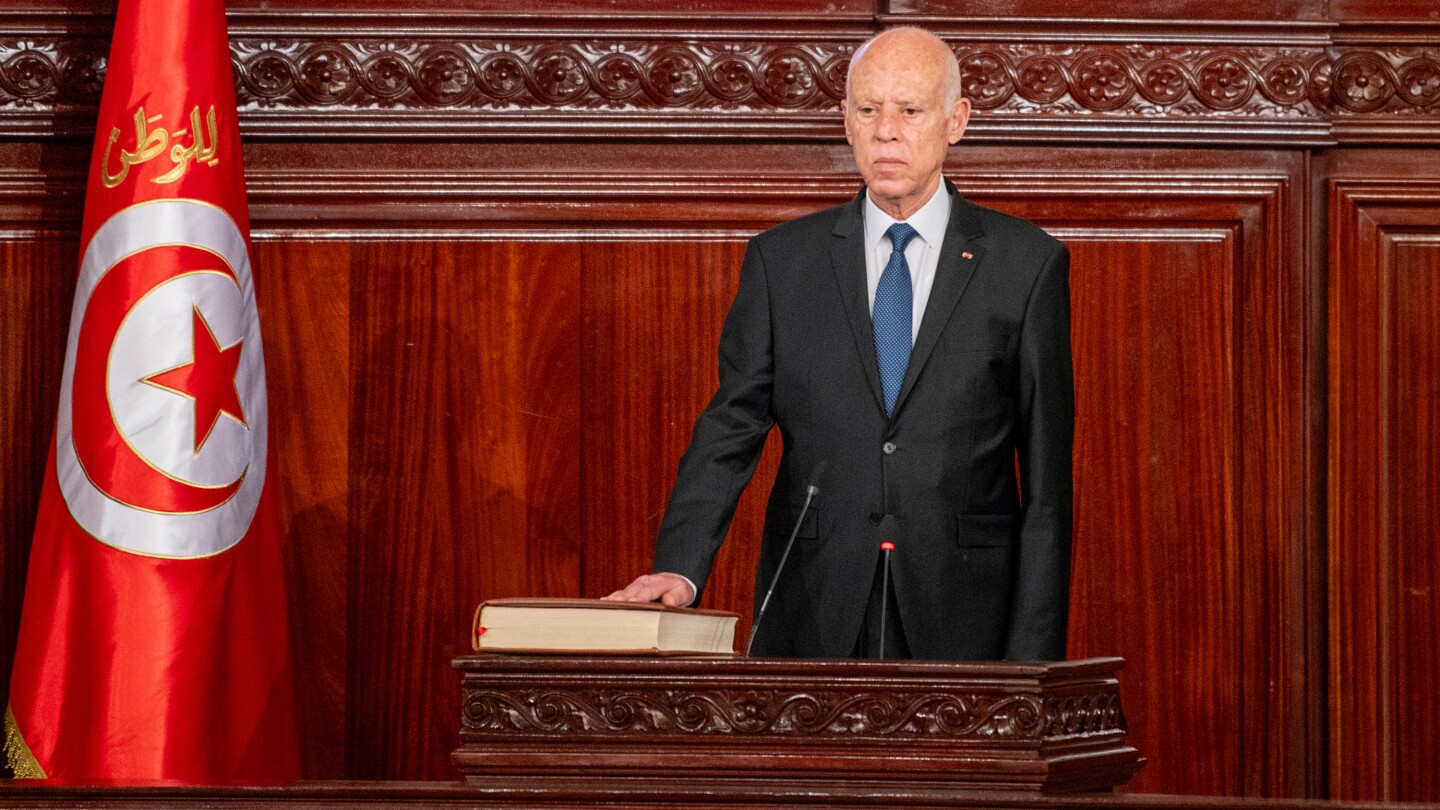
A court in Tunisia sentenced a man to death for Facebook posts seen as insulting to the president
In a groundbreaking and controversial decision, a Tunisian court has handed down a death sentence to a 51-year-old man for Facebook posts deemed offensive to President Kais Saied and a threat to national security. Saber Chouchen, a father of three and occasional day laborer, was convicted on charges of attempting to overthrow the state, insulting the president, and disseminating false information online. The court ruled that his posts incited violence and chaos, violating Tunisia’s penal code and the contentious 2022 cybercrime law, Decree 54. This marks the first death sentence of its kind in Tunisia, where dozens have faced severe prison terms under similar charges since Saied consolidated power in July 2021. Although Tunisia retains capital punishment in its legal framework, no executions have been carried out since 1991. Chouchen’s lawyer, Oussama Bouthelja, described his client as socially vulnerable and of limited education, emphasizing that his posts were largely copied from other sources and intended to highlight his dire living conditions rather than incite unrest. The ruling has drawn sharp criticism from journalists and human rights groups, who view Decree 54 as a tool to suppress free expression. Tunisia, once celebrated as a democratic beacon following the 2011 Arab Spring, has seen a significant erosion of political freedoms under Saied’s authoritarian rule. Rights advocates warn that this case sets a dangerous precedent for the use of the death penalty in cases involving online speech.
-

‘No good outcome’ – voters across US share concerns about shutdown
The ongoing US government shutdown has ignited a fierce blame game between Democrats and Republicans, leaving thousands of federal workers on unpaid leave and critical services in limbo. With no resolution in sight, both parties are locked in a stalemate over key issues, including healthcare subsidies and government spending. Democrats are refusing to support the Republican-backed spending plan unless expiring healthcare subsidies, which they argue are vital for working families, are renewed. Conversely, Republicans are pushing for a short-term funding bill before addressing the subsidies, further deepening the impasse.