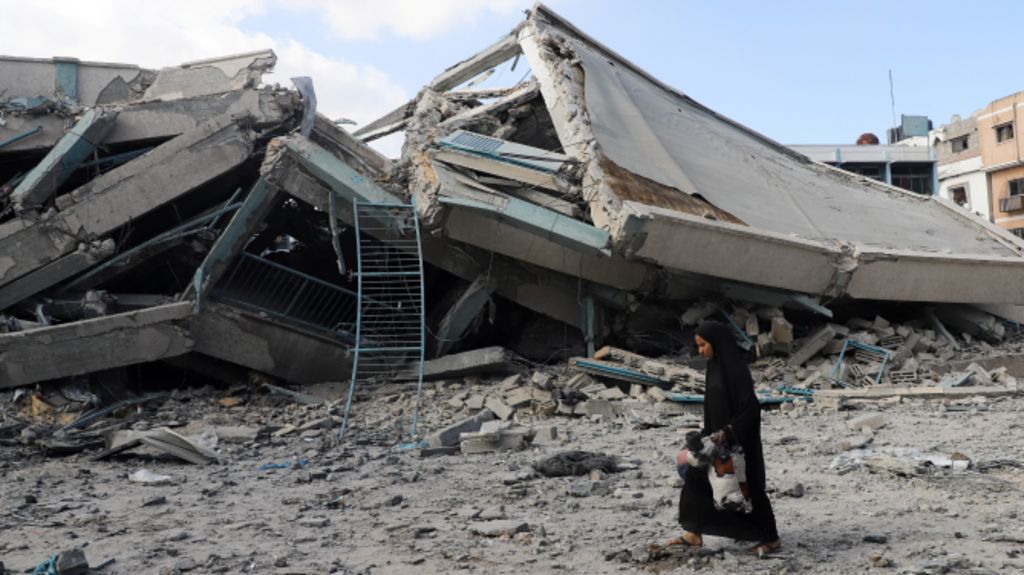
In a bold move to end the ongoing conflict in Gaza, former US President Donald Trump has presented a 20-point peace plan, setting a strict deadline for Hamas to accept the proposal. Trump, via his Truth Social platform, declared that an agreement must be finalized by 18:00 Washington time (22:00 GMT) on Sunday, warning of severe consequences if Hamas fails to comply. The plan outlines an immediate cessation of hostilities and the release of 20 living Israeli hostages, along with the remains of those believed deceased, within 72 hours. In return, hundreds of detained Gazans would be freed. Arab and Turkish mediators are reportedly urging Hamas to consider the proposal positively. However, a senior Hamas official has indicated that the group is likely to reject the plan. Trump emphasized the gravity of the situation, stating, ‘If this LAST CHANCE agreement is not reached, all HELL, like no one has ever seen before, will break out against Hamas. THERE WILL BE PEACE IN THE MIDDLE EAST ONE WAY OR THE OTHER.’ Mediators have engaged with Hamas’s military wing leader in Gaza, who has expressed disagreement with the US ceasefire proposal. While some political leaders of Hamas in Qatar are open to accepting the plan with modifications, their influence is limited as they do not control the hostages. A significant obstacle for Hamas is the requirement to release all hostages within the first 72 hours of the ceasefire, effectively relinquishing their primary bargaining leverage. It is estimated that 48 hostages are still held by Hamas in Gaza, with only 20 believed to be alive. The 20-point plan, jointly announced by Trump and Israeli Prime Minister Benjamin Netanyahu at the White House, also stipulates that Hamas will have no role in governing Gaza and leaves the possibility open for a future Palestinian state. However, Netanyahu has reiterated his opposition to a Palestinian state, stating, ‘It’s not written in the agreement. We said we would strongly oppose a Palestinian state.’ Trump has assured that Israel would have US support to ‘finish the job of destroying the threat of Hamas’ if the group rejects the plan. Netanyahu has echoed this sentiment, vowing that Israel ‘will finish the job’ if Hamas does not comply. The conflict escalated following a Hamas-led attack on southern Israel on October 7, 2023, resulting in approximately 1,200 deaths and 251 hostages taken. Since then, Israeli attacks in Gaza have reportedly killed at least 66,288 people, according to the Hamas-run health ministry.
分类: politics
-
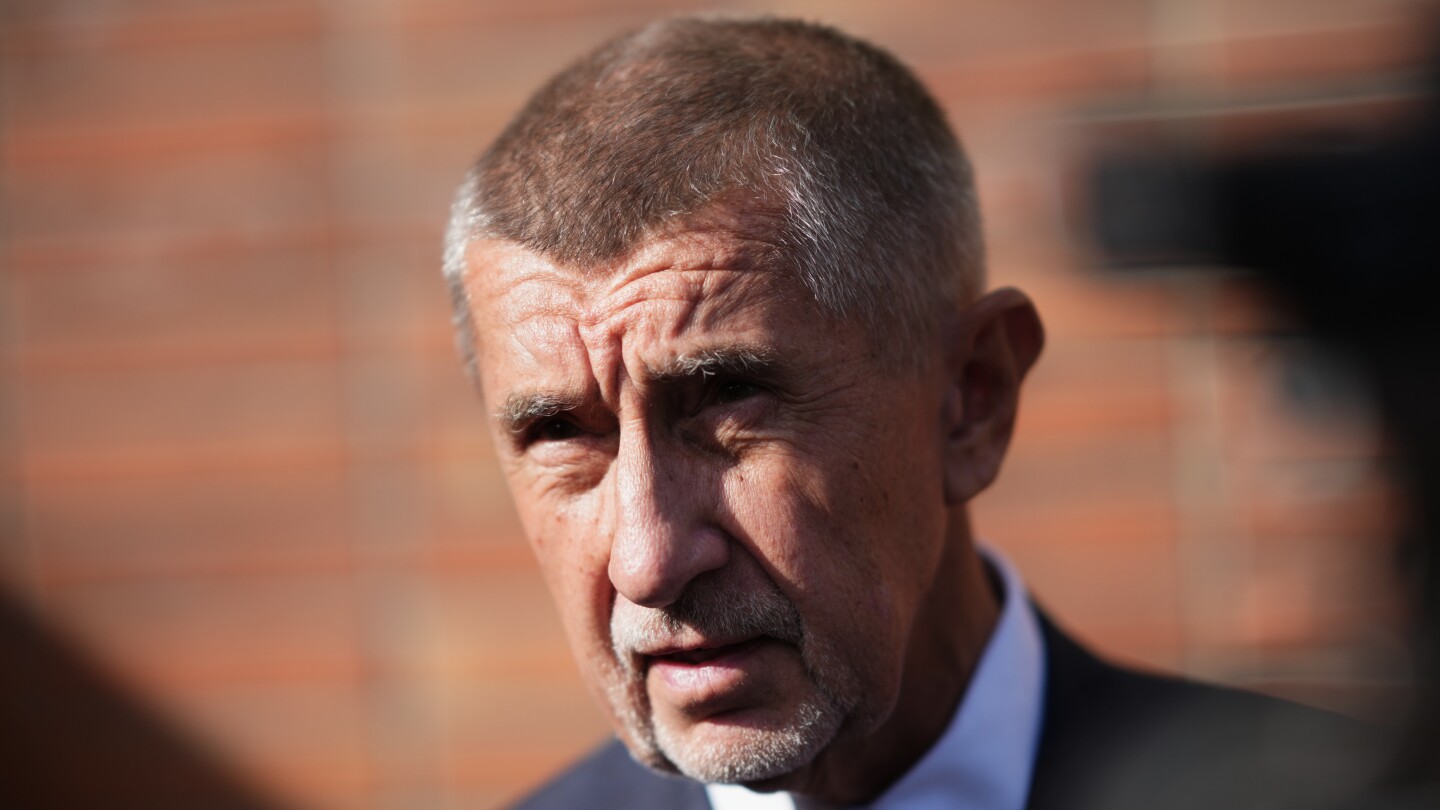
Czechs vote in election that could return populist and weaken support for Ukraine
The Czech Republic is currently in the midst of a pivotal two-day general election, with the potential to reshape its foreign policy trajectory. The outcome could steer the nation away from its pro-Western stance, particularly in its support for Ukraine, and align it more closely with Hungary and Slovakia. This shift could exacerbate divisions within the European Union and NATO. Billionaire Andrej Babiš, a former prime minister and populist leader, is poised for a political comeback, according to opinion polls. His victory would mark a significant shift from the pro-Western coalition led by Petr Fiala, which defeated him in 2021. Babiš, speaking outside a polling station in Ostrava, expressed confidence in forming a one-party government if victorious. A win for Babiš would bolster the positions of Hungary’s Viktor Orbán and Slovakia’s Robert Fico, both of whom have resisted military aid to Ukraine, continued importing Russian oil, and opposed sanctions on Russia. Fiala, after voting in Brno, warned that a shift towards the East would lead to economic decline. Last year, Babiš and Orbán co-founded the ‘Patriots for Europe’ alliance in the European Parliament, signaling a departure from the liberal Renew group. This new alliance reflects Babiš’s rejection of EU policies on migration and climate change, emphasizing national sovereignty. Despite denying a pro-Russian stance, Babiš has questioned Czech initiatives to acquire artillery shells for Ukraine and has not fully endorsed NATO’s defense spending commitments. Babiš, a divisive figure since entering Czech politics in 2013, has faced fraud charges but remains popular. His ANO movement, which lost the 2021 election, is predicted to win around 30% of the vote, though not enough for a majority government. Babiš has ruled out cooperation with the current government parties, potentially aligning with pro-Russian coalitions or the right-wing Motorists group, which opposes EU environmental policies. Polls close on Saturday, with results expected later in the day.
-
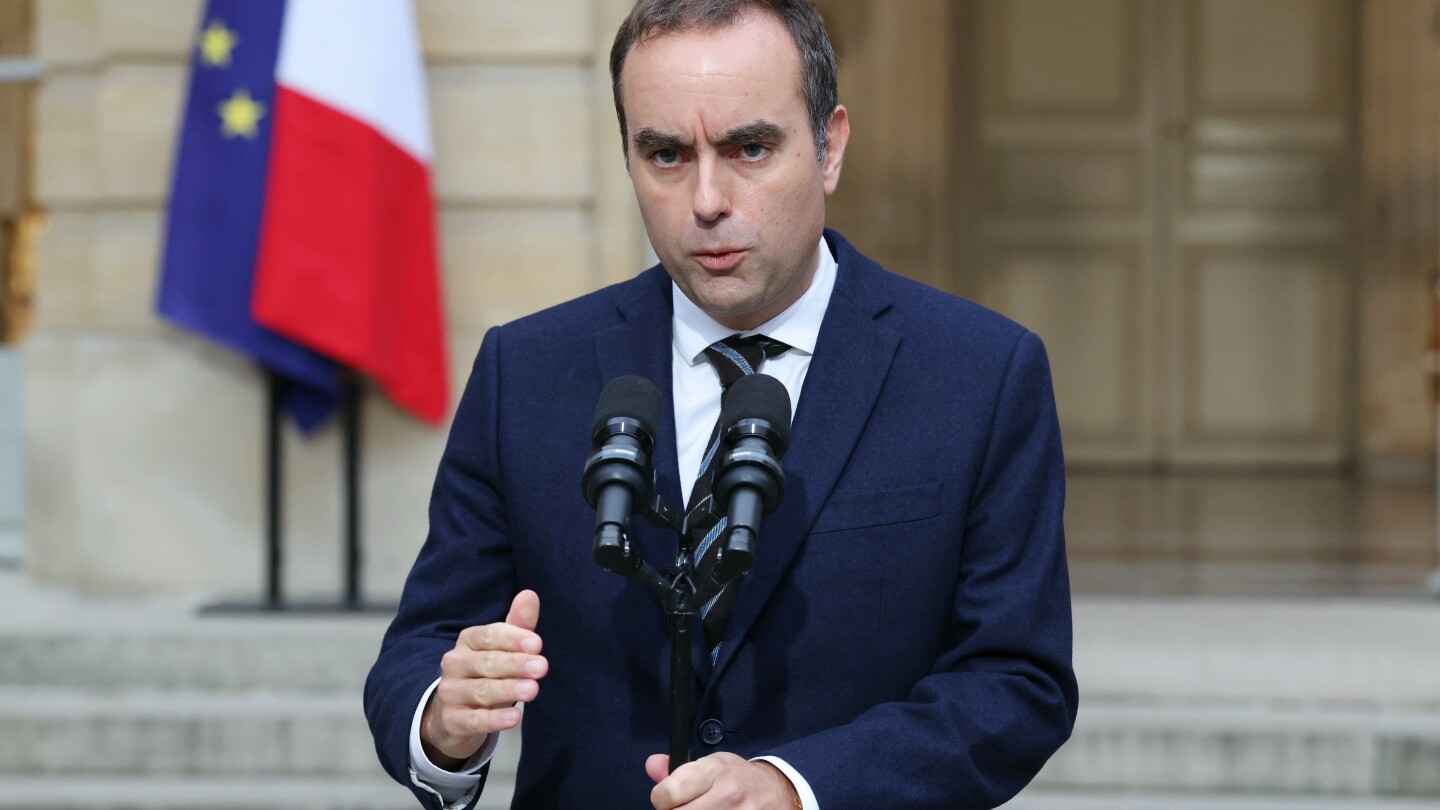
France’s new PM renounces using special powers at parliament to seek compromise instead
In a significant shift in strategy, France’s newly appointed Prime Minister Sébastien Lecornu announced on Friday that he would refrain from invoking Article 49.3 of the Constitution, a controversial provision that allows the government to bypass parliamentary votes to pass legislation. Instead, Lecornu emphasized the need for compromise and collaboration with lawmakers from across the political spectrum. This decision comes amid a deeply fragmented legislature and mounting political tensions following the fall of his predecessor, François Bayrou, who had used the same constitutional tool to push through this year’s budget. Lecornu, a 39-year-old centrist appointed by President Emmanuel Macron last month, faces the urgent task of passing the 2026 budget bill by year-end. His move aims to prevent a potential no-confidence motion in parliament, where his government lacks a majority. Lecornu outlined key priorities, including improving pensions for women, fairer taxation, boosting purchasing power, and addressing immigration issues. He also signaled that the appointment of his government ministers would be finalized in the coming days, ahead of a general policy speech scheduled for next week at the National Assembly. France’s political landscape has been in turmoil since Macron’s call for early parliamentary elections in June 2023, which resulted in a fractured legislature. As the European Union’s second-largest economy, France’s ballooning deficit and mounting debt have raised concerns among investors. Lecornu’s decision to abandon Article 49.3 marks a departure from his predecessor’s approach and underscores his commitment to fostering dialogue and consensus in a challenging political environment.
-
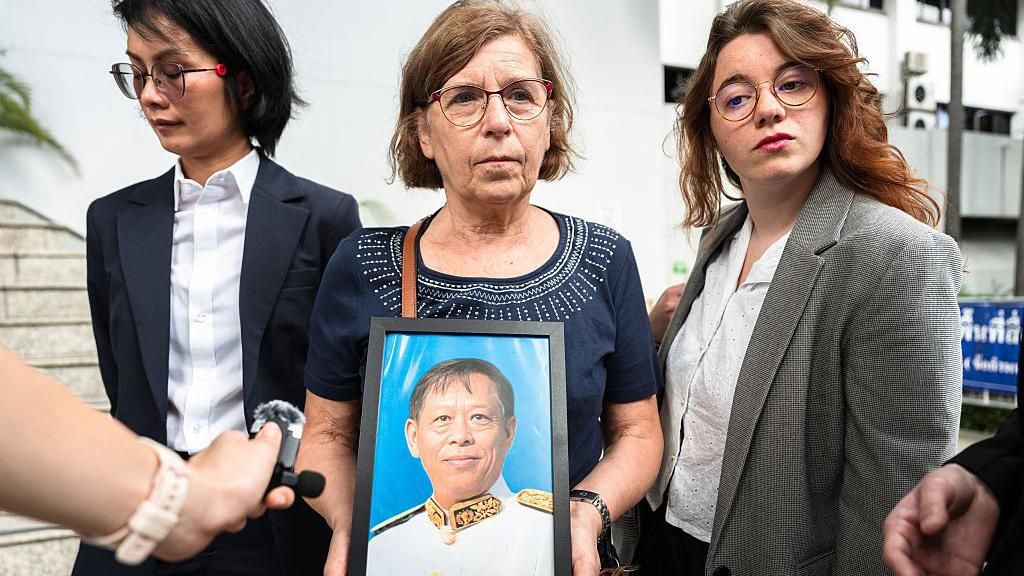
Thai killer of Cambodian opposition politician sentenced to life in prison
A Thai court has handed down a life sentence to Ekkalak Paenoi, a Thai national, for the assassination of Lim Kimya, a prominent Cambodian opposition politician, in Bangkok earlier this year. The killing, which occurred in January shortly after Lim’s arrival in the Thai capital with his wife, has sparked widespread speculation of political motives. Ekkalak, who fled to Cambodia post-assassination, was arrested and extradited back to Thailand. Initially facing the death penalty, his sentence was reduced to life imprisonment following his confession, as announced by the court on Friday. Lim Kimya, a former parliamentarian with dual Cambodian and French nationality, was a member of the Cambodia National Rescue Party (CNRP), which was banned in 2017 after being accused of treason by former Cambodian leader Hun Sen. The CNRP had nearly defeated Hun Sen’s long-ruling party in the 2013 elections. Cambodian Prime Minister Hun Manet, who succeeded his father in 2023, has denied any government involvement in Lim’s killing. Security footage from the incident shows Ekkalak calmly parking his motorbike, removing his helmet, and crossing the road before the fatal shots were fired. In addition to the life sentence, Ekkalak was ordered to pay approximately $55,000 in compensation to Lim’s family. The court acquitted another Thai national accused of aiding Ekkalak’s escape, ruling that he was merely a driver unaware of the crime. Lim’s widow, while reportedly satisfied with the verdict, continues to seek answers about who orchestrated the assassination, urging authorities to uncover the truth. This case highlights the ongoing repression faced by opposition figures in Cambodia and neighboring countries, with human rights groups alleging a tacit agreement among regional governments to suppress dissent.
-
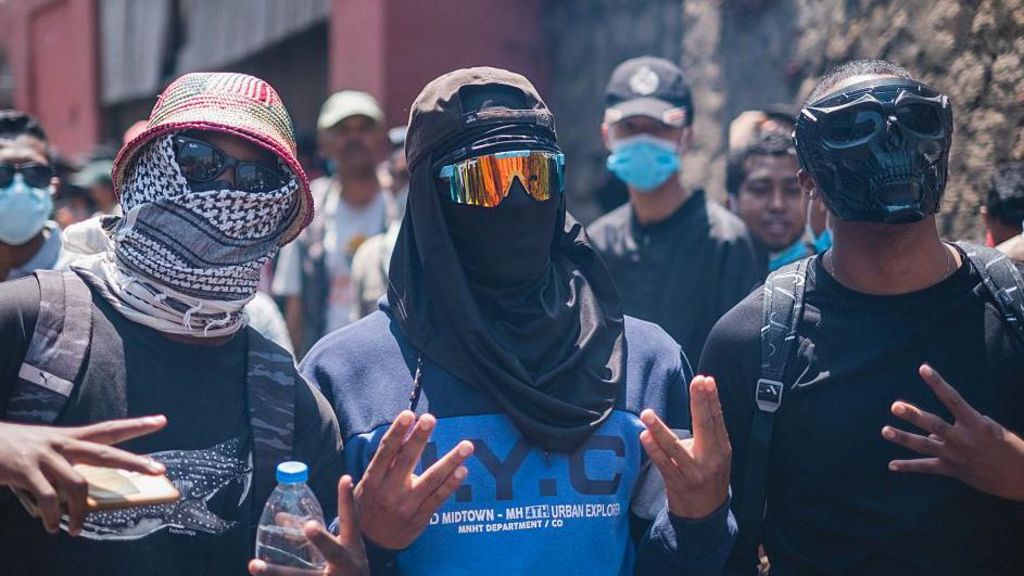
Behind the Gen Z protests that forced Madagascar’s president to sack his government
Madagascar is witnessing its largest wave of protests in over 15 years, with thousands taking to the streets across the country. What began as frustration over shortages of basic necessities has rapidly escalated into a significant political crisis for President Andry Rajoelina, who has been in power since 2018. Despite dismissing his government in response to the unrest, Rajoelina has failed to quell the growing dissent. The protests, which have claimed at least 22 lives and injured over 100, according to the UN, have been met with heavy-handed security measures, including tear gas and water cannons. The Malagasy government disputes the UN’s casualty figures, labeling them as ‘rumors and misinformation.’ The unrest was sparked by the arrest of two city politicians on September 19, who had planned a peaceful demonstration over chronic power and water outages. This move was seen as an attempt to stifle legitimate dissent, fueling public outrage. The protests, initially organized by the youth-led movement Gen Z Mada, have since spread to eight cities, with demonstrators demanding political change and Rajoelina’s resignation. Civil society groups, labor unions, and opposition leaders have joined the movement, calling for dialogue to prevent the nation from descending into chaos. Rajoelina has promised World Bank-funded solutions to the power crisis and dialogue with protesters, but his efforts have done little to ease tensions. Analysts warn that reliance on repression could lead to prolonged unrest, political fragmentation, and economic fallout. The situation remains volatile, with curfews imposed in the capital and fears of escalating violence.
-
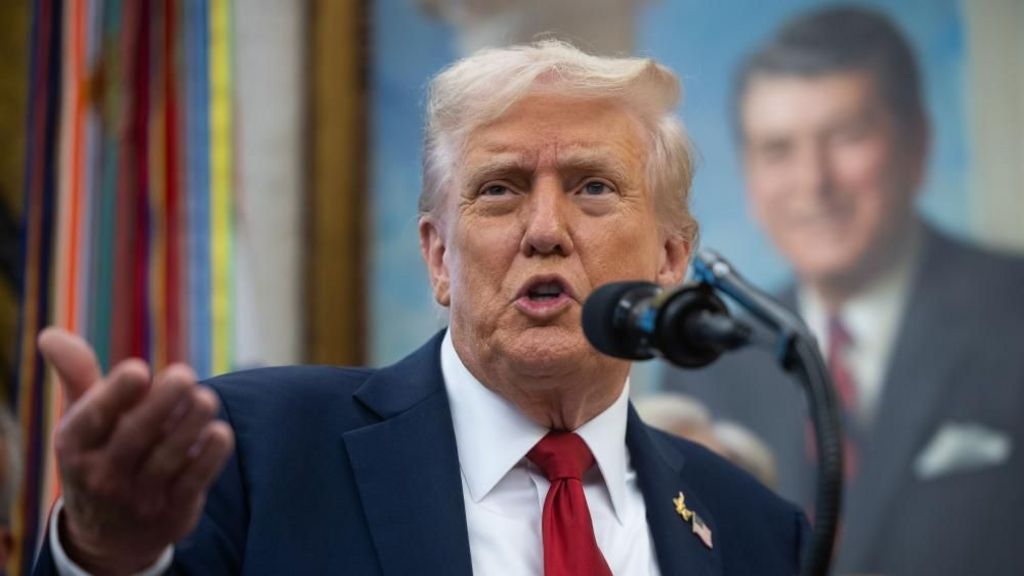
Trump wields axe over ‘Democrat Agencies’ as blame game rages on Capitol Hill
As the US government shutdown entered its third day, President Donald Trump announced plans to collaborate with his budget director to identify and cut funding for what he termed ‘Democrat Agencies.’ Trump urged Republicans to use the opportunity to ‘clear out dead wood,’ dismissing Democratic demands to include healthcare insurance subsidies in the government funding legislation. The impasse has left hundreds of thousands of federal workers at home or working without pay, while some federal attractions closed their doors. The Statue of Liberty, however, remained open, with the Department of the Interior crediting Trump’s leadership. On Capitol Hill, Republicans and Democrats continued to blame each other for the shutdown. House Speaker Mike Johnson accused Democrats of being ‘selfish,’ while House Minority Leader Hakeem Jeffries criticized Republicans for neglecting working-class Americans’ healthcare needs. Analysts predict that neither side will compromise until public pressure mounts. The Congressional Budget Office estimates that 750,000 federal workers are on unpaid leave, though essential employees, including law enforcement officers, continue to work without pay. Air travel remains unaffected for now, but past shutdowns have seen delays due to sick calls among air traffic controllers and TSA workers. Tourists faced closures at several federal sites, including Federal Hall in Manhattan, a historic landmark where George Washington was inaugurated. Meanwhile, the Smithsonian museums remain open for a week due to reserve funds. The political deadlock shows no signs of easing, with both parties entrenched in their positions and public opinion divided along party lines.
-
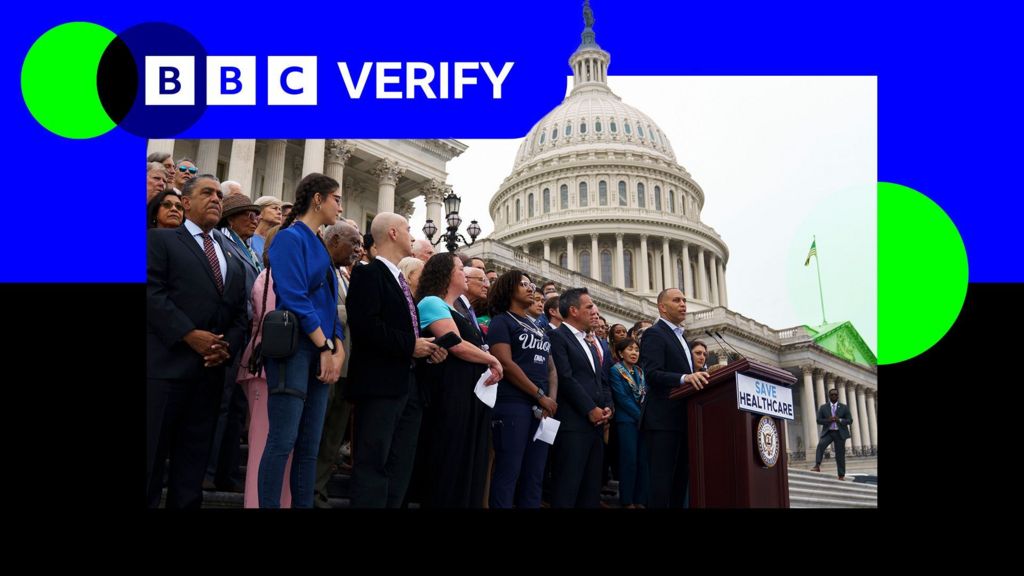
Are Democrats really pushing for free healthcare for undocumented migrants?
The Trump administration has accused Democrats of causing the US government shutdown by pushing for ‘radical demands,’ including free healthcare for illegal immigrants. Vice President JD Vance claimed that Democrats are seeking billions in healthcare funding for undocumented individuals, a statement echoed by President Trump on Truth Social. However, Democratic Senate leader Chuck Schumer dismissed these claims as ‘a total, absolute lie.’
-
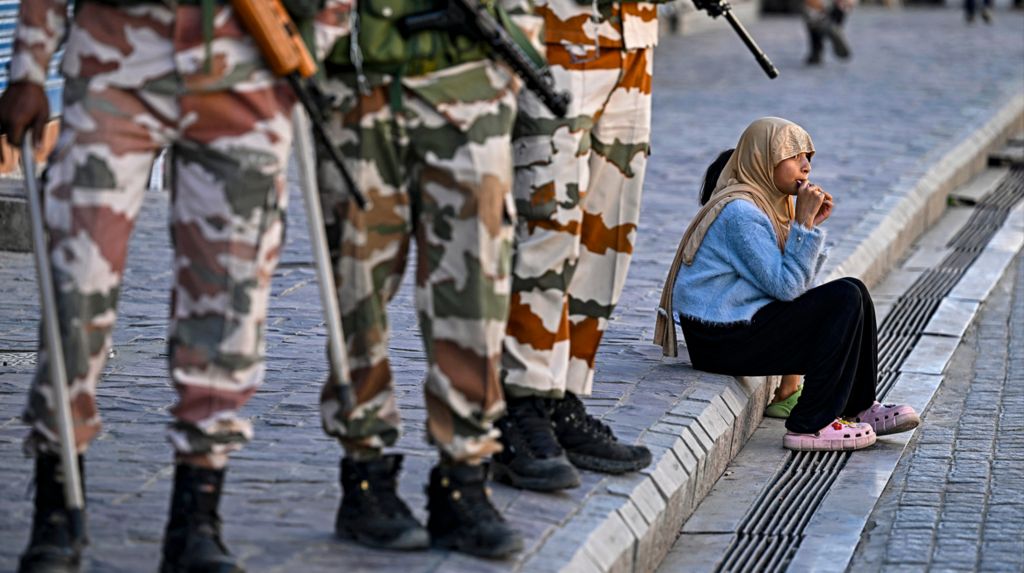
‘Broken promises’ and deadly violence push Himalayan beauty spot to the edge
Ladakh, a serene Himalayan region renowned for its spiritual allure and breathtaking landscapes, has been thrust into turmoil following violent protests demanding greater autonomy from India. Last week, peaceful demonstrations escalated into deadly clashes between protesters and police, resulting in four civilian deaths and over 80 injuries. The unrest marks the deadliest violence in the region in decades. Authorities responded by arresting Sonam Wangchuk, a prominent scientist and activist accused of inciting the crowd, and imposing a curfew in Leh, Ladakh’s capital. Internet services were cut, and paramilitary troops were deployed to restore order. The protests stem from long-standing grievances over the region’s political status and cultural preservation. In 2019, Ladakh was separated from Indian-administered Kashmir and placed under direct federal rule, a move initially welcomed by residents who hoped for greater autonomy. However, disillusionment grew as promises of economic development and cultural protection remained unfulfilled. The region’s Buddhist and Muslim communities, historically divided, have united in their demand for statehood, job quotas, and inclusion in the Sixth Schedule, which grants protections to tribal areas. The recent violence has deepened mistrust and fear among locals, with many accusing the government of prioritizing industrial interests over their rights. Political and defense experts warn that further escalation could destabilize this strategically sensitive region, which borders both China and Pakistan. Despite the crackdown, protesters vow to continue their struggle peacefully, emphasizing their demands are rooted in legitimate concerns for their identity and future. The road to reconciliation remains uncertain, with hundreds of soldiers stationed in Leh and many protesters fearing reprisals.
-
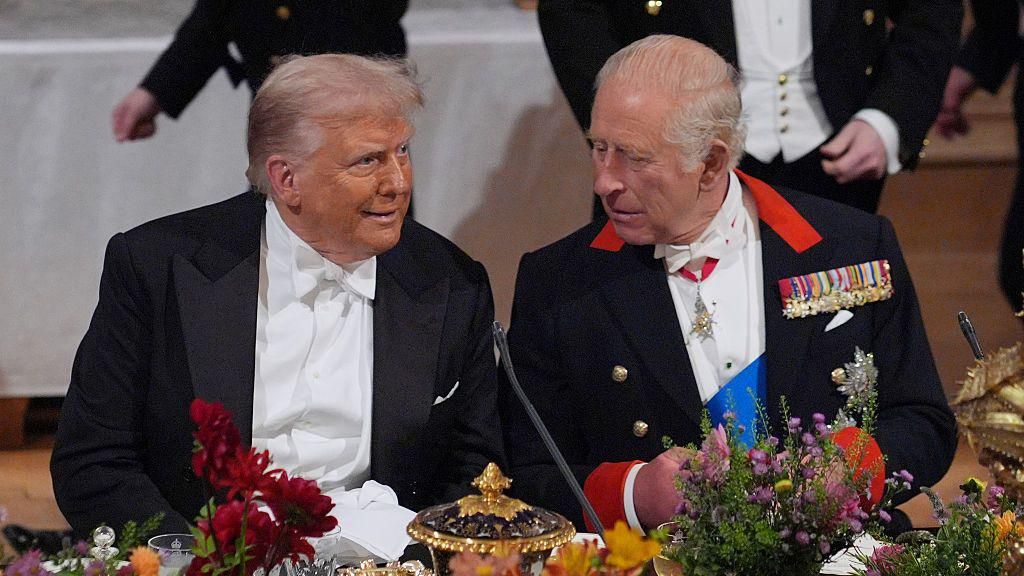
Official quits after dispute over Trump’s Eisenhower sword gift to King Charles
The director of the Dwight D. Eisenhower Presidential Library, Todd Arrington, has resigned following a contentious disagreement with the Trump administration over the gifting of a historical sword to King Charles III during President Donald Trump’s recent state visit to the United Kingdom. According to CBS News, Arrington refused to remove an original sword from the library’s collection, which the State Department had sought to present as a symbol of the enduring US-UK alliance post-World War II. Instead, King Charles received a replica of the sword during Trump’s visit to Windsor Castle in September. Arrington, who had been in his role since August 2024, was reportedly told to resign or face termination, with officials citing a loss of trust over confidential matters related to the sword dispute and other issues. In an interview, Arrington denied making any disparaging remarks about Trump or his administration, emphasizing his commitment to preserving historical artifacts. The Eisenhower library, one of 16 presidential libraries managed by the National Archives, houses several swords from Eisenhower’s collection, including a saber and a sword of honor. Arrington expressed his desire to return to his position, stating his deep passion for the role and its historical significance. The White House and the National Archives have yet to comment on the matter.
-
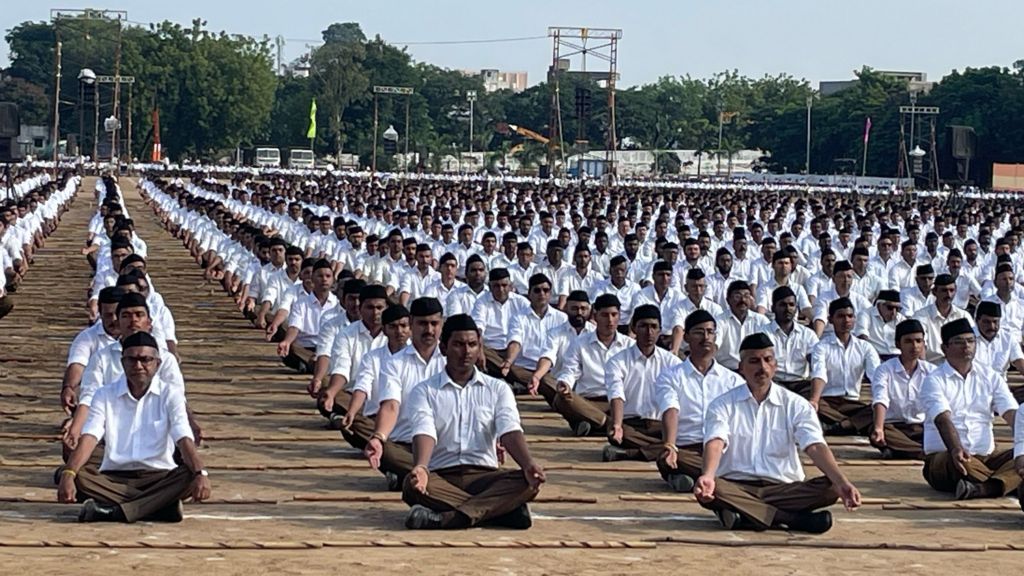
India’s most powerful Hindu nationalist organisation marks centenary
The Rashtriya Swayamsevak Sangh (RSS), a prominent Hindu nationalist organization and a key ideological force behind Indian Prime Minister Narendra Modi’s rise to power, celebrated its 100th anniversary with a grand event attended by thousands of volunteers. The centenary celebrations, held at the RSS headquarters in Nagpur, saw 3,800 participants donning the organization’s iconic khaki uniforms and performing synchronized exercises in a military-like formation. RSS chief Mohan Bhagwat addressed the gathering, touching on topics ranging from India’s recent conflict with Pakistan to climate change and economic inequality. He emphasized interdependence among nations, echoing Modi’s advocacy for self-reliance in the face of global challenges. Despite its claims of being a non-political entity, the RSS wields significant influence in Indian politics, particularly through its ties to the ruling Bharatiya Janata Party (BJP). Founded in 1925 by Keshav Baliram Hedgewar, the RSS has grown into the world’s largest volunteer organization, though its membership numbers remain undisclosed. Critics accuse the RSS of promoting divisive ideologies, particularly its alleged Islamophobia and exclusionary stance toward non-Hindus. The organization’s history is marred by controversies, including its involvement in the 1992 demolition of the Babri Mosque, which triggered nationwide riots. While the RSS has recently sought to soften its image through public outreach, minority communities remain skeptical of its core belief that India is primarily for Hindus. Prime Minister Modi, a former RSS member, lauded the organization during the celebrations and released commemorative stamps and coins, drawing criticism from opposition parties.