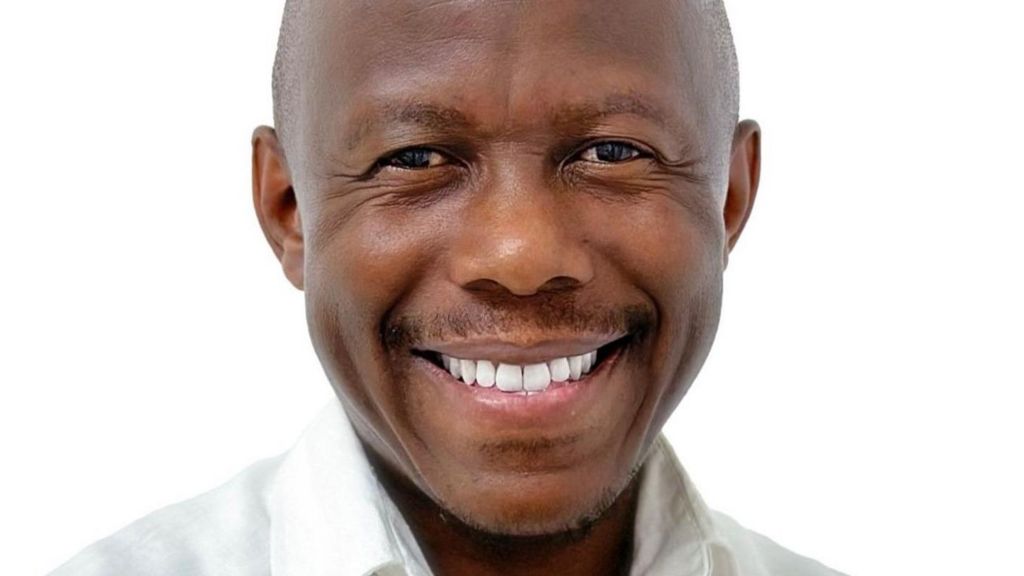
A former Tanzanian ambassador and vocal critic of the government, Humphrey Polepole, has reportedly been abducted under mysterious circumstances, according to his family. The incident allegedly took place in the early hours of Monday at his residence in Dar es Salaam. His younger brother, Godfrey Polepole, described the scene as harrowing, with the door broken, electric wires severed, and significant bloodstains evident. Disturbing videos of the incident have since circulated online. The family has formally reported the matter to the authorities. Dar es Salaam’s police chief, Jumanne Muliro, confirmed that the incident is under investigation but appeared skeptical, noting that Polepole often claimed to be abroad. National police spokesperson David Misime also acknowledged the reports and stated that an investigation is underway. Polepole resigned from his ambassadorial position earlier this year after publicly denouncing the government for what he perceived as a disregard for justice, the rule of law, and constitutional principles. His diplomatic status was subsequently revoked by President Samia Suluhu Hassan. This incident has sparked widespread concern, particularly in light of Tanzania’s recent warnings about social media use and the circulation of videos calling for military action.
分类: politics
-
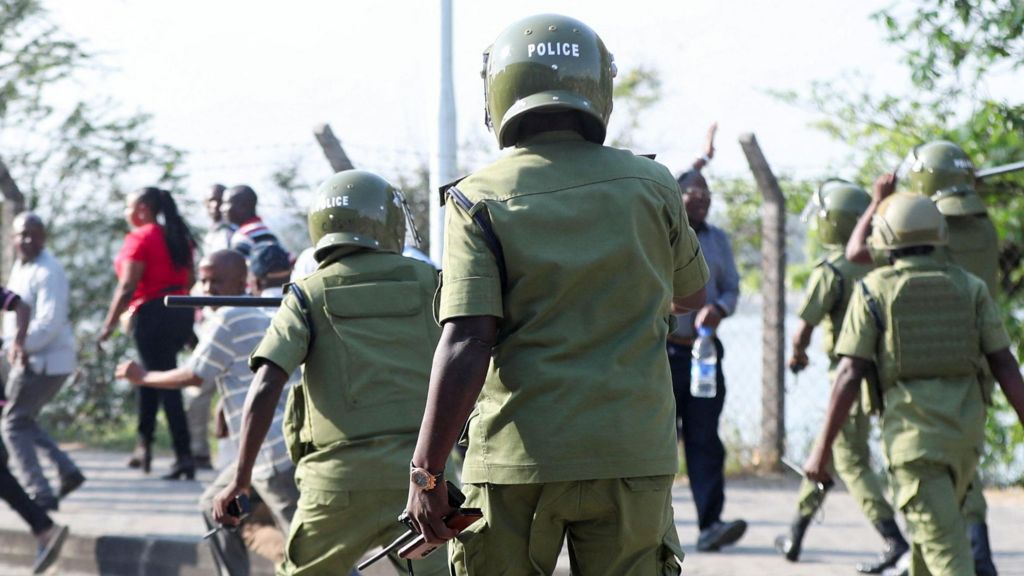
Tanzania issues social media warning after video calls for military ‘action’
Tanzanian authorities have issued stern warnings against the misuse of social media to disseminate misinformation, particularly in the wake of a viral video featuring an individual claiming to be a military officer criticizing the government. The video, which has been widely circulated, comes just three weeks before the country’s general elections, adding to the already tense political climate. The self-proclaimed ‘Capt Tesha’ from the air force accuses the government of corruption, human rights violations, and political interference within the military. He calls on military chief Jacob Mkunda to take action to unite the country and protect citizens’ rights, while also encouraging Tanzanians to demand their rights and stage demonstrations. The authenticity of the video remains unverified, as the military has not confirmed the identity of the individual, and the BBC has been unable to verify his claims. In response, the military has emphasized its commitment to maintaining professionalism and staying out of politics. Military spokesman Col Bernard Masala Mlunga stated that such content is often posted by individuals falsely claiming military affiliation or those dismissed for misconduct. Meanwhile, Tanzanian police have warned that sharing ‘criminal and inflammatory’ information on social media is a punishable offense, vowing to track down and prosecute those responsible. Opposition activists have seized on the video, interpreting it as a sign of military support for their cause. The political environment remains fraught, with President Samia Suluhu Hassan seeking re-election under the ruling Chama Cha Mapinduzi (CCM) party. The main opposition party, Chadema, has been barred from participating in the elections, and its leader, Tundu Lissu, remains detained on treason charges that human rights groups allege are politically motivated. Critics of the government have increasingly faced repression, raising concerns about the fairness and transparency of the upcoming elections. Civil society groups and journalists have also reported heightened government control over media and public gatherings, further intensifying the political tension.
-
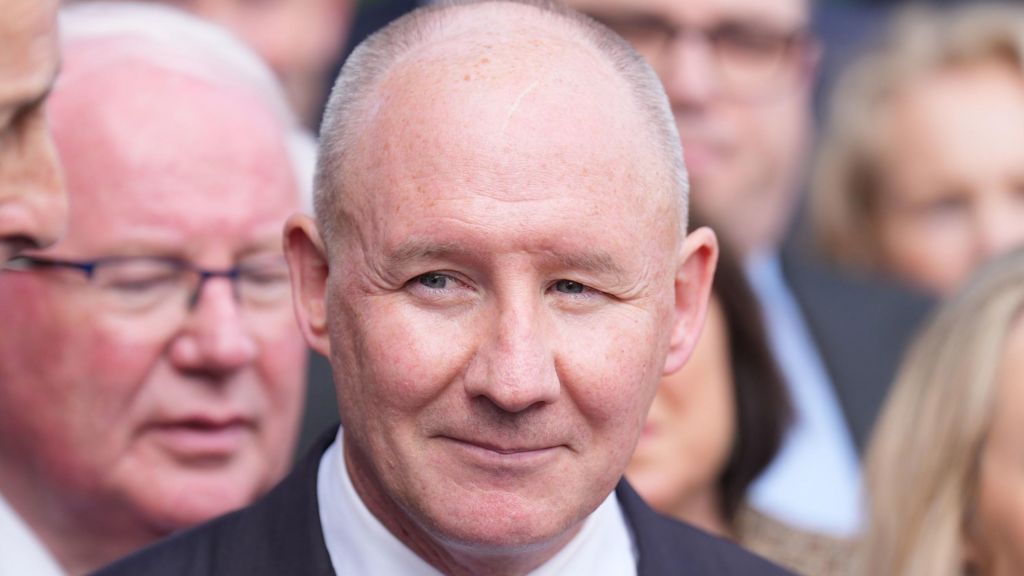
Jim Gavin’s presidential candidacy ‘a serious miscalculation’
In a dramatic turn of events, Jim Gavin, the Fianna Fáil candidate for the Irish presidential election, announced his withdrawal from the campaign on Sunday, citing a ‘mistake not in keeping with my character.’ Gavin, a former Dublin Gaelic football manager, was set to compete against Independent TD Catherine Connolly and Fine Gael’s Heather Humphreys in the October 24 election. His decision followed allegations published in the Irish Independent that he owed €3,300 to a former tenant. Gavin addressed the issue during RTÉ’s presidential debate, stating he was ‘very sorry’ and would ‘deal with it with urgency.’ Fianna Fáil MEP Billy Kelleher described the withdrawal as a ‘shell shock,’ criticizing the party’s lack of due diligence in vetting candidates. Fianna Fáil deputy leader Jack Chambers defended the nomination process, emphasizing that the tenancy issue was never disclosed. Taoiseach Micheál Martin supported Gavin’s decision, calling it ‘difficult but correct.’ Despite his withdrawal, Gavin’s name will remain on the ballot due to Irish electoral laws, though his chances of winning are slim. The Fianna Fáil parliamentary party will meet to discuss the campaign’s future, as the party grapples with the fallout from this unexpected development.
-
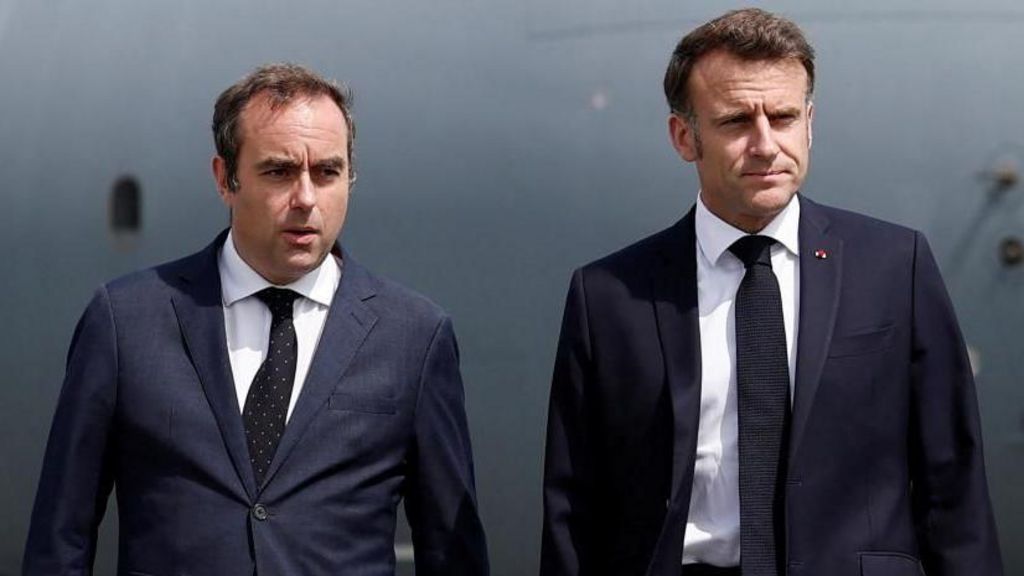
French Prime Minister Sébastien Lecornu resigns after less than a month
In a dramatic turn of events, French Prime Minister Sébastien Lecornu has resigned less than 24 hours after unveiling his cabinet. Lecornu, a staunch ally of President Emmanuel Macron, cited the inability to fulfill necessary conditions for his role, criticizing political parties for their refusal to compromise. The announcement was made by the Elysée Palace following an hour-long meeting between Lecornu and Macron on Monday morning. This abrupt decision comes just 26 days after Lecornu assumed office, succeeding François Bayrou, whose government collapsed amid widespread criticism. The National Assembly had vehemently opposed Lecornu’s cabinet, which bore striking similarities to Bayrou’s, and threatened to vote it down. Calls for early elections have intensified, with far-right National Rally leader Marine Le Pen urging Macron to step down, accusing him of plunging the country into crisis. Lecornu, France’s fifth prime minister in under two years, lambasted political factions for their ‘partisan appetites’ and lack of humility during his brief tenure. The resignation underscores the deepening instability in French politics, which has been in disarray since the July 2024 snap elections resulted in a hung parliament. The inability to pass crucial legislation, including Bayrou’s austerity budget, has exacerbated France’s economic woes, with a deficit of 5.8% of GDP and a national debt of 114% of GDP. The Paris stock exchange reacted negatively to the news, with stocks plummeting sharply.
-
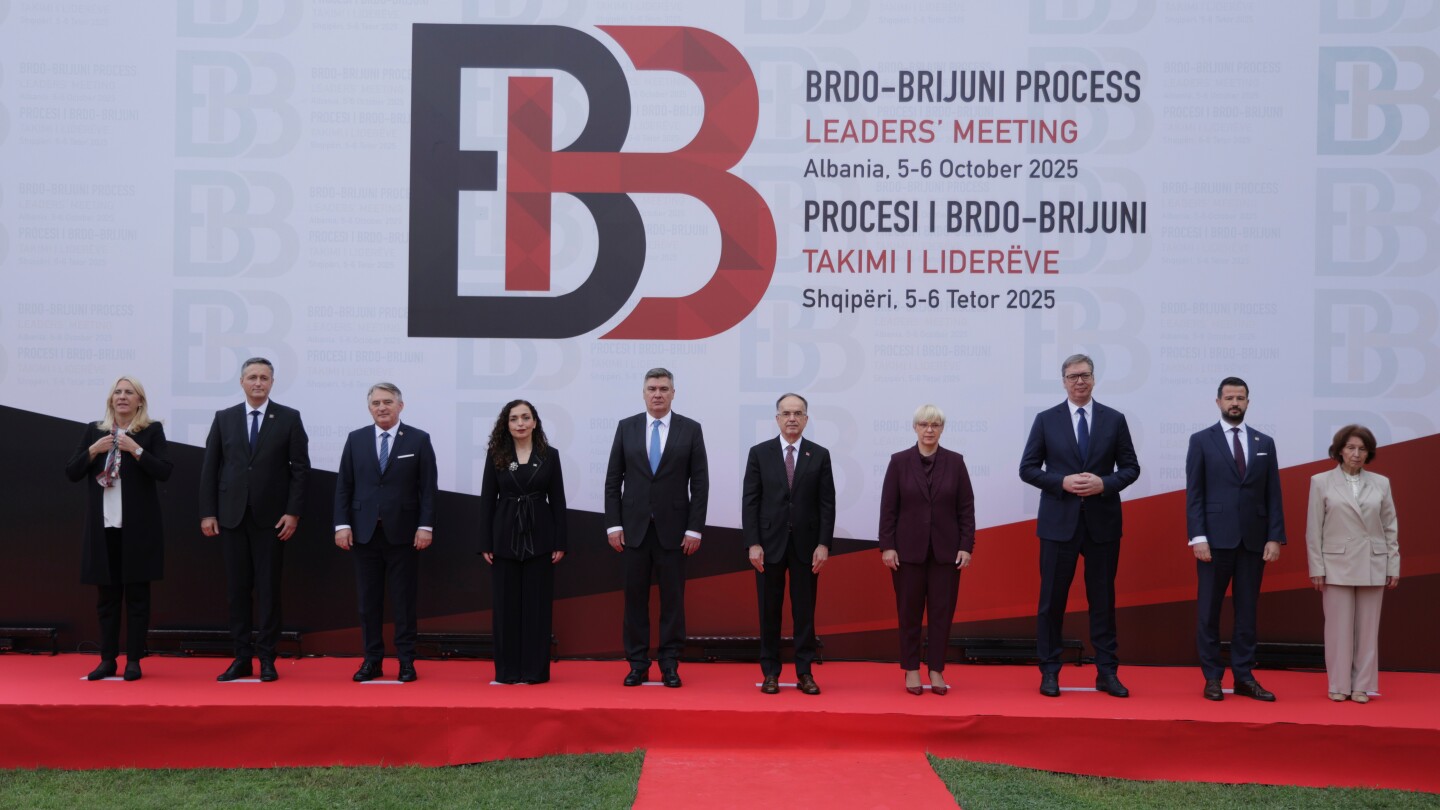
Western Balkan leaders reaffirm commitment to EU future
In a significant diplomatic gathering in Golem, Albania, leaders from the Western Balkan nations reiterated their dedication to a shared European future on Monday. The annual meeting, part of the Brdo-Brijuni Process initiated by Slovenia and Croatia in 2013, aimed to bolster regional cooperation and accelerate reforms essential for European Union (EU) integration. The event saw the participation of presidents from Albania, Bosnia, Serbia, Montenegro, North Macedonia, and Kosovo, underscoring a collective resolve to advance their EU aspirations. In a joint declaration, the leaders emphasized their ‘shared vision toward the European perspective of our entire region,’ committing to a peaceful, stable, and prosperous Europe. Despite varying stages of progress in their EU membership bids—with Montenegro and Albania leading, and Serbia, Bosnia, Kosovo, and North Macedonia trailing—the nations expressed optimism about their integration journey. The EU’s renewed openness to enlargement, particularly in light of the Ukraine conflict, has heightened the urgency for reforms. The leaders also welcomed a 6 billion euro growth plan designed to support these efforts. Slovenian President Natasa Pirc Musar urged Brussels to expedite the process, warning that ‘security and peace in Europe is at stake.’ The gathering, led by Albanian President Bajram Begaj, highlighted the importance of reconciliation and political dialogue in a region still grappling with historical tensions, particularly between Serbia and Kosovo.
-
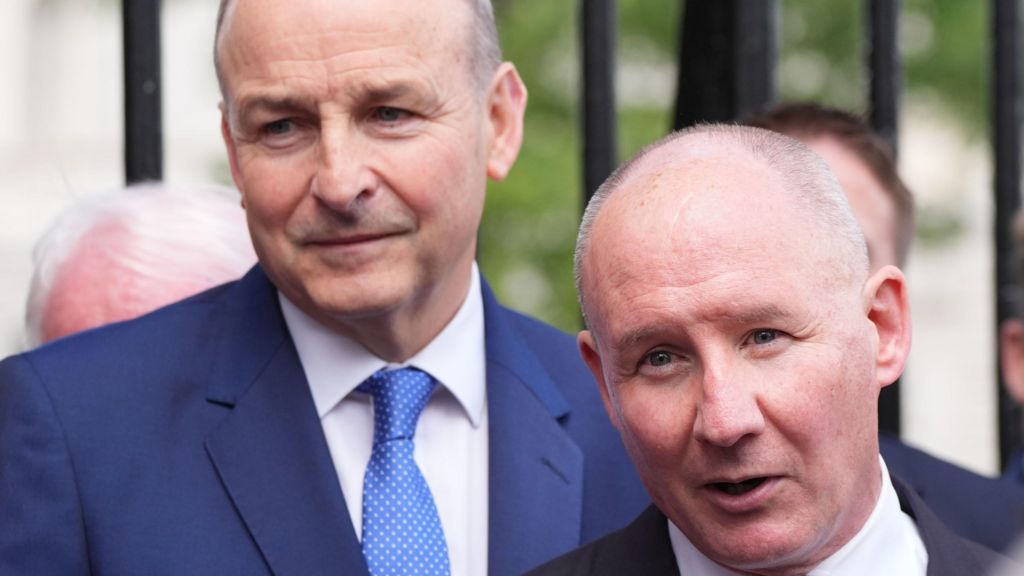
Danger for Irish PM as Gavin quits presidential race
The political landscape in Ireland has been rocked by the abrupt withdrawal of Jim Gavin, the Fianna Fáil presidential candidate, whose campaign unraveled in a matter of hours following a scandal over property dealings. The controversy has plunged Fianna Fáil into chaos, casting a shadow over the leadership of Taoiseach Micheál Martin and raising questions about the party’s future. The crisis began when the Irish Independent published an exposé detailing how Gavin and his wife Jennifer allegedly retained €3,300 in rent payments from former tenants due to a banking error. Despite Gavin’s claims of having no recollection of the dispute, the damage was swift and severe. Within 12 hours of the story breaking, a poll placed Gavin a distant third in the presidential race, trailing Catherine Connolly and Heather Humphreys. The scandal intensified during a televised debate on RTÉ, where Gavin appeared visibly shaken and failed to provide satisfactory answers. By Sunday night, Gavin announced his withdrawal from the race, leaving Fianna Fáil in disarray. The decision has sparked internal dissent, with party members criticizing Martin’s leadership and the vetting process that failed to uncover the issue earlier. The fallout has also put pressure on deputy leader Jack Chambers, who is already grappling with the challenges of finalizing a tight Budget. As Gavin’s name remains on the ballot, the crisis has become a referendum on Martin’s 14-year tenure, with dark clouds gathering over the party’s leadership.
-
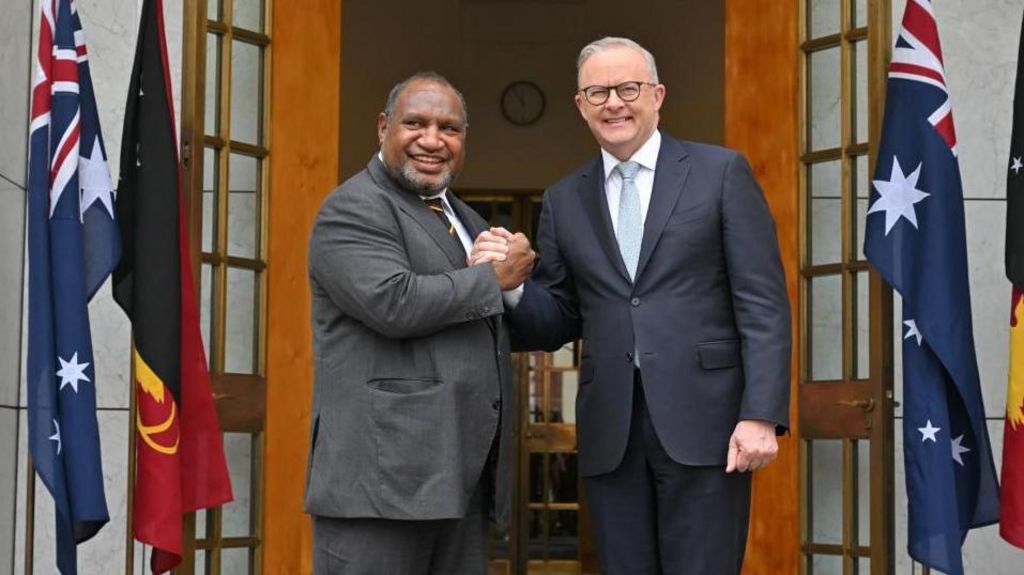
Australia and PNG sign defence deal as China grows influence in the Pacific
In a landmark move to bolster regional security, Australia and Papua New Guinea (PNG) have signed a comprehensive defense agreement, solidifying their partnership amidst growing geopolitical tensions in the Pacific. The pact, inked by Australian Prime Minister Anthony Albanese and PNG Prime Minister James Marape in Canberra on Monday, grants Australia access to PNG’s military facilities and troops, with both nations pledging mutual defense in the event of an attack. Dubbed the ‘Pukpuk Treaty’—a nod to the PNG pidgin word for ‘crocodile’—the agreement underscores the strategic interoperability and preparedness of the two militaries. The treaty also allows up to 10,000 Papua New Guineans to serve in Australia’s armed forces, with the option to pursue Australian citizenship. Marape emphasized that the pact is rooted in shared geography and history, not geopolitics, and assured that PNG has been transparent with China about its alliance with Australia. Albanese highlighted the treaty’s role in maintaining peace and stability in the Pacific, stating, ‘By continuing to build our security relationships in the region, we safeguard our own security.’ The deal includes annual joint military exercises and enhanced collaboration in cyberspace and electromagnetic warfare. Analysts view the agreement as a strategic counter to China’s expanding influence in the region, particularly following its security deals with the Solomon Islands. Oliver Nobetau of the Lowy Institute noted that the treaty addresses Australia’s military recruitment challenges while signaling to the U.S. that Australia and PNG are capable of managing regional stability. However, concerns have been raised in PNG about the treaty potentially undermining its ‘friends to all, enemies to none’ foreign policy stance.
-
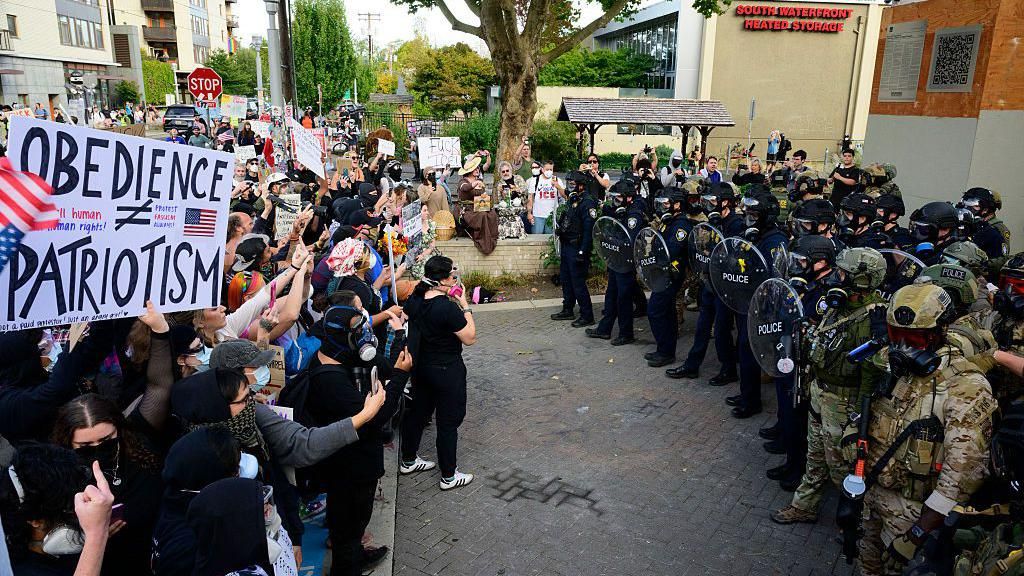
Trump sends troops from California to Portland after court denies deployment
In a controversial move, President Donald Trump has redirected federalized troops from California to Portland, Oregon, following a court ruling that blocked his initial attempt to deploy the National Guard in the city. This deployment circumvents the judicial order by utilizing National Guard members who were already stationed in Los Angeles after summer protests. California Governor Gavin Newsom has condemned the action, labeling it a ‘breathtaking abuse of the law and power’ and vowing to file a lawsuit. Portland, a Democrat-led city, has become the latest target in Trump’s broader crime crackdown initiative, with the president arguing that troops are essential to restore peace amidst ongoing protests over immigration enforcement. The Pentagon confirmed that 200 members of the California National Guard were reassigned to Portland to support U.S. Immigration and Customs Enforcement (ICE) and other federal personnel. White House spokeswoman Abigail Jackson defended the deployment, stating that President Trump exercised his lawful authority to protect federal assets and personnel following violent riots and attacks on law enforcement. She criticized Governor Newsom, urging him to ‘stand on the side of law-abiding citizens instead of violent criminals destroying Portland and cities across the country.’ The Trump administration’s decision to redeploy troops from Los Angeles to Portland has sparked significant backlash. Governor Newsom accused the president of using the military as a political weapon against American citizens and ignoring judicial orders. ‘This isn’t about public safety, it’s about power,’ Newsom said. ‘We will take this fight to court, but the public cannot stay silent in the face of such reckless and authoritarian conduct by the President of the United States.’ Protests in Portland and other cities have been fueled by the Trump administration’s intensified immigration enforcement efforts. Portland, in particular, has drawn Trump’s ire due to its alleged concentration of individuals associated with Antifa, a loosely organized far-left activist movement recently designated as a domestic terrorist organization by the president. The Portland deployment follows Trump’s authorization of 300 National Guard troops to Chicago, another city experiencing protests over immigration enforcement. Illinois Governor JB Pritzker criticized the move, accusing the administration of attempting to ‘manufacture a crisis’ and create a ‘war zone’ to justify the deployment. ‘They want mayhem on the ground. They want to create the war zone so that they can send in even more troops,’ Pritzker told CNN. ‘They’re using every lever at their disposal to keep us from maintaining order.’
-
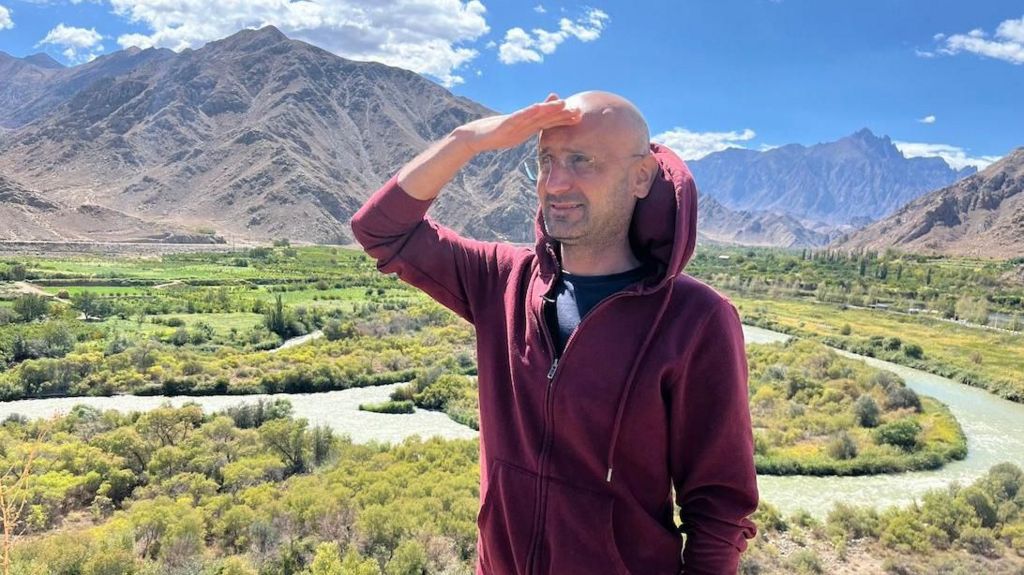
BBC finds Russian guards, Iranian trucks and rusting railway on Trump’s Caucasus peace route
In the rugged terrain of southern Armenia, remnants of a Soviet-era railway stand as silent witnesses to a bygone era. Yet, this derelict stretch of track is poised to become the cornerstone of a groundbreaking peace initiative spearheaded by former US President Donald Trump. Dubbed the Trump Route for International Peace and Prosperity (Tripp), this ambitious project aims to transform the region into a symbol of reconciliation between Armenia and Azerbaijan, two nations long embroiled in conflict.
The Tripp proposal envisions a 43-kilometer corridor through Armenian territory, linking Azerbaijan to its exclave of Nakhchivan. This route, which will include a railway, motorway, and pipelines, is expected to be developed by US companies under a 99-year agreement. Trump has touted the economic benefits, claiming it will bring prosperity to Armenia, Azerbaijan, and the US. However, the project faces significant political and logistical challenges, including opposition from Iran and Russia, both of whom view the initiative as a threat to their regional influence.
The roots of the Armenia-Azerbaijan conflict trace back to the disputed Nagorno-Karabakh region, which Azerbaijan recaptured in 2023, displacing thousands of Armenians. Trump’s intervention in August 2025 marked a turning point, as he brokered a deal between Armenian Prime Minister Nikol Pashinyan and Azerbaijani President Ilham Aliyev. While the agreement has brought temporary peace, details remain vague, and the timeline for Tripp’s construction is uncertain.
Russia, historically dominant in the South Caucasus, has seen its influence wane, paving the way for US mediation. Despite Moscow’s proposal to guard the route being rejected, Russian border troops continue to patrol the Armenia-Iran border. Meanwhile, Iran, a neighbor to both nations, has expressed mixed reactions, with hardliners threatening to derail the project. However, Armenia has assured Tehran that Tripp poses no threat to its interests.
The initiative has also attracted European attention, with France and the EU viewing it as part of a broader ‘middle corridor’ linking Europe to Central Asia and China. Turkey, eager to capitalize on Russia’s declining influence, has voiced support for Tripp, which would create a direct link to Azerbaijan.
For Armenia, the project represents hope for economic revival in regions abandoned for decades. Local journalist Marut Vanyan, who fled the conflict in 2023, remains cautiously optimistic. ‘They say there will be billions in investment, new roads, and trade with Iran, America, Europe, Turkey, and Azerbaijan,’ he says with a skeptical smile. While a formal peace treaty remains elusive, the absence of violence on the Armenia-Azerbaijan border since the Washington meeting offers a glimmer of hope for lasting peace.
-
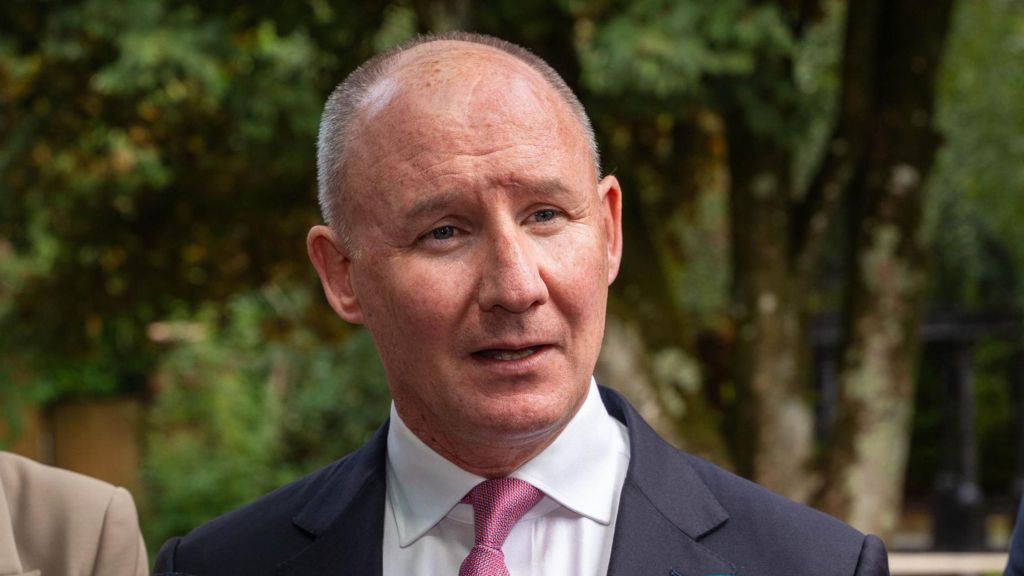
Jim Gavin exits Irish presidential race ‘with immediate effect’
In a surprising turn of events, Fianna Fáil’s presidential candidate Jim Gavin has announced his immediate withdrawal from the Irish presidential election, less than three weeks before the scheduled polling day. Gavin, who was poised to compete against Independent TD Catherine Connolly and Fine Gael’s Heather Humphreys for the role of Ireland’s head of state, cited personal reasons for his decision. In a statement released on Sunday evening, Gavin acknowledged that he had ‘made a mistake that was not in keeping with my character and the standards I set myself.’ He emphasized the importance of family and personal integrity, stating, ‘Taking all these considerations on board, I have decided to withdraw from the presidential election contest with immediate effect and return to the arms of my family.’ This unexpected development has left the political landscape in flux, with analysts speculating on the potential impact on the remaining candidates and the election’s outcome. Further updates are expected as the situation unfolds.