分类: politics

  • Taiwanese reporter accused of bribing military officers to leak information to China

    Taiwanese reporter accused of bribing military officers to leak information to China

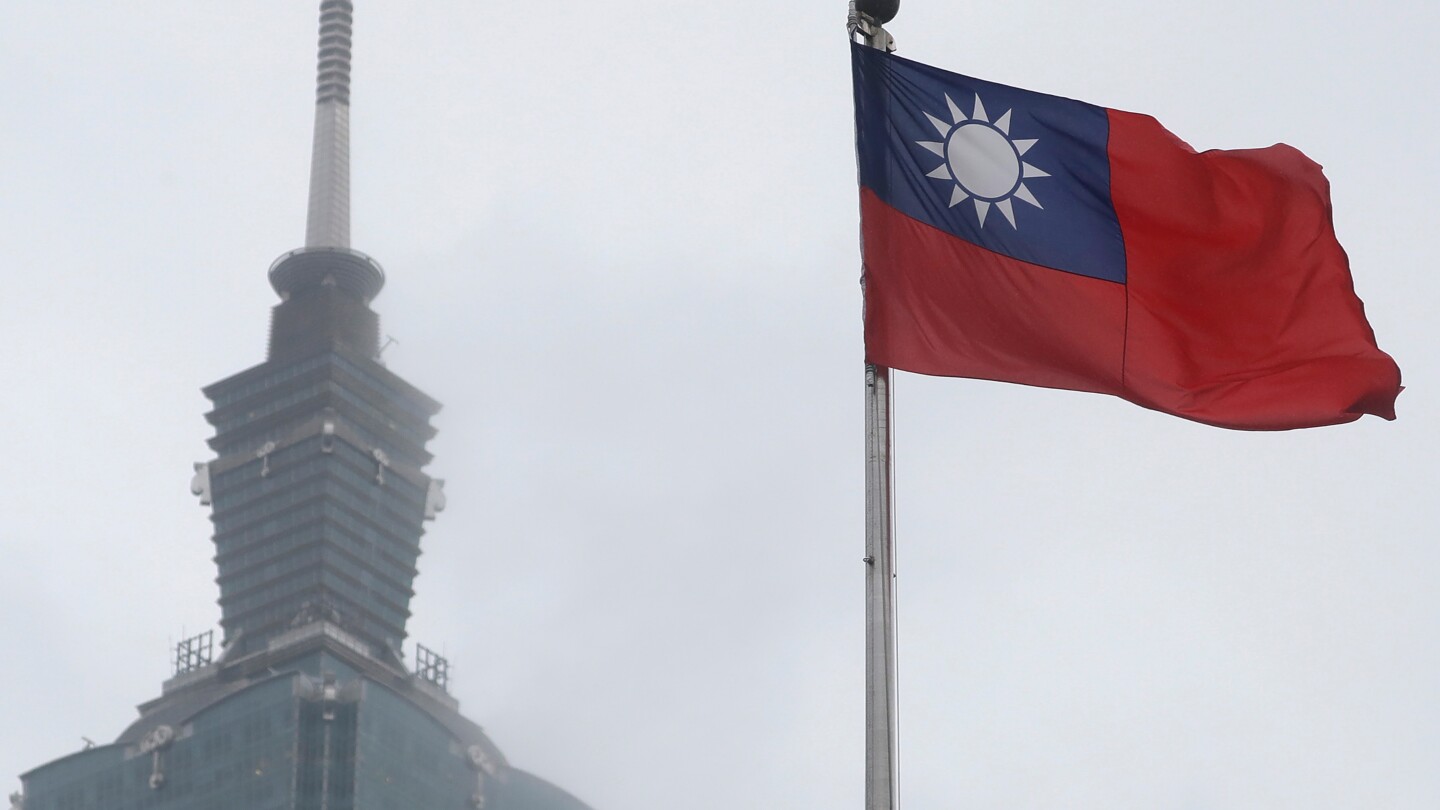
    TAIPEI, Taiwan — Taiwanese authorities have taken decisive action against an alleged espionage operation, detaining a television journalist alongside five current and former military officers on Saturday. The case centers on accusations that the journalist bribed military personnel to obtain sensitive defense information for individuals from mainland China.

    The Qiaotou District Prosecutors Office confirmed that a district court ordered the detention of the individuals, identifying the journalist only by the surname Lin. CTi TV, the employer of reporter Lin Chen-you, acknowledged his detention while emphasizing their lack of case details and calling for a fair judicial process. The news organization concluded its statement with the phrase “God bless Taiwan.

    This development occurs amid heightened tensions between Taiwan and China. Beijing consistently claims Taiwan as part of its territory and has intensified military activities around the island. Last month, China conducted large-scale military exercises following Washington’s announcement of significant arms sales to Taiwan.

    According to prosecutors, Lin allegedly provided payments ranging from several thousand to tens of thousands of Taiwan dollars (equivalent to tens to hundreds of U.S. dollars) to active military personnel in exchange for sensitive information. The prosecution did not specify whether the Chinese recipients had direct ties to the Chinese government.

    Authorities executed raids on Friday targeting the journalist’s premises and nine current and retired military personnel as part of an investigation into potential violations of national security laws, anti-corruption statutes, and the unauthorized disclosure of classified information. CTi TV confirmed that their corporate offices were not subject to these raids.

    Lin’s professional background, as indicated on his Facebook profile, includes serving as a political reporter and anchor covering Taiwan’s legislative affairs.

    The case represents an unusual intersection of journalism and national security concerns in Taiwan, where espionage investigations typically focus on government and military personnel rather than media representatives. CTi News has operated as an online news outlet since 2020, when Taiwan’s National Communications Commission declined to review its cable television license due to repeated violations and increasing complaints. Although a court later overturned this decision, the legal dispute continues through the appeals process.
  • New York pension fund may invest in Israel despite Gaza genocide, defying Mamdani

    New York pension fund may invest in Israel despite Gaza genocide, defying Mamdani

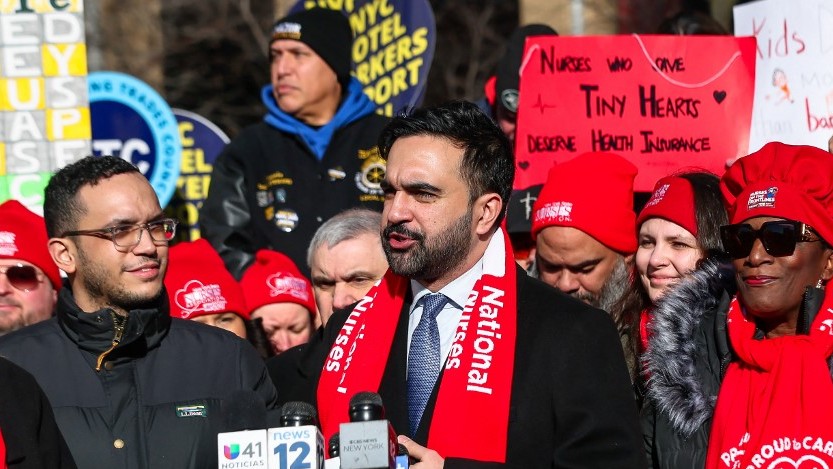
    New York City’s pension system is contemplating a controversial return to investing in Israeli government bonds, potentially reversing a recent divestment policy despite ongoing international condemnation of Israel’s military operations in Gaza. This financial deliberation pits fiduciary responsibilities against ethical considerations in a heated municipal debate.

    The Financial Times reported that city officials are evaluating reinvestment options even as Mayor Zohran Mamdani maintains public support for divesting from Israel due to its conduct in Palestinian territories. The discussion highlights the complex intersection of municipal finance and international human rights concerns.

    City Comptroller Mark Levine emphasized his fiduciary obligation to pension beneficiaries, noting to the FT that “Israel bonds have performed very well and they continue to be investment grade rated.” Israeli bonds function as direct loans to the state treasury, providing investors with consistent interest payments while funding government operations.

    Opponents argue that such investments effectively subsidize Israel’s settlement expansion in occupied territories, displacement of Palestinian communities, and civilian casualties in Gaza. The potential policy reversal has intensified tensions within City Hall since Mamdani took office on January 1 and immediately revoked an executive order that had prohibited city agencies from boycotting or divesting from Israel.

    The mayor, a longstanding critic of Israel’s military campaigns, previously stated that New York “should not have a fund that is invested in the violation of international law.” Comptroller Levine, while acknowledging personal ties to Israel through family and cultural connections, maintains that investment decisions should prioritize financial metrics over political considerations.

    This reevaluation occurs despite warnings from credit rating agencies like Moody’s that categorize Israeli bonds as “increasingly risky investments.” The debate marks a significant departure from decades of routine pension investments in Israeli debt, a practice that ended in 2023 when the city allowed its $39 million bond holdings to mature without reinvestment.

    Former Comptroller Brad Lander, who initiated the divestment, framed the 2023 decision as part of a broader strategy to avoid foreign sovereign debt rather than singling out Israel for special treatment. The current reconsideration revives fundamental questions about whether public pension funds should finance governments accused of violating international law.

  • Trump says US to impose tariffs on 8 European nations over Greenland

    Trump says US to impose tariffs on 8 European nations over Greenland

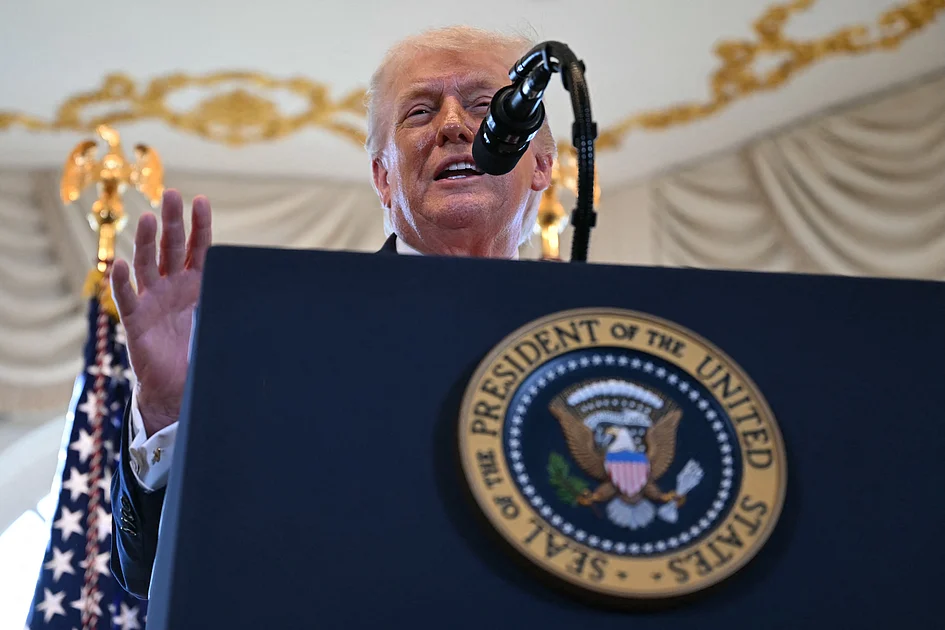
    In a significant escalation of diplomatic tensions, former U.S. President Donald Trump declared on Saturday that the United States would implement sweeping tariffs against eight European nations in retaliation for their opposition to American ambitions regarding Greenland. The targeted countries include Denmark, Norway, Sweden, France, Germany, Britain, the Netherlands, and Finland.

    According to Trump’s social media announcement, a 10% tariff on all goods from these nations will take effect on February 1, 2026. These levies are scheduled to increase dramatically to 25% by June 1 unless an agreement is reached for the United States to acquire the Arctic territory of Greenland.

    The tariff threat follows reports that several NATO members, including Britain, France, and Germany, deployed military assets and diplomatic personnel to Greenland this week in apparent opposition to U.S. territorial aspirations. Trump framed these actions as a ‘very dangerous game’ that created an unacceptable level of risk.

    ‘Therefore, it is imperative that, in order to protect Global Peace and Security, strong measures be taken so that this potentially perilous situation ends quickly, and without question,’ Trump stated in his post.

    The former president justified the proposed acquisition on national security grounds, asserting that American control of Greenland is necessary to protect U.S. interests. He simultaneously offered negotiations with Denmark ‘and/or any of these Countries that have put so much at risk, despite all that we have done for them.’

    Greenland, while self-governing, remains part of the Kingdom of Denmark, which maintains authority over its defense and foreign policy. The United States already operates a strategic military base on the island. Since returning to office in 2025, Trump has repeatedly expressed interest in obtaining Greenland, recently intensifying his rhetoric.

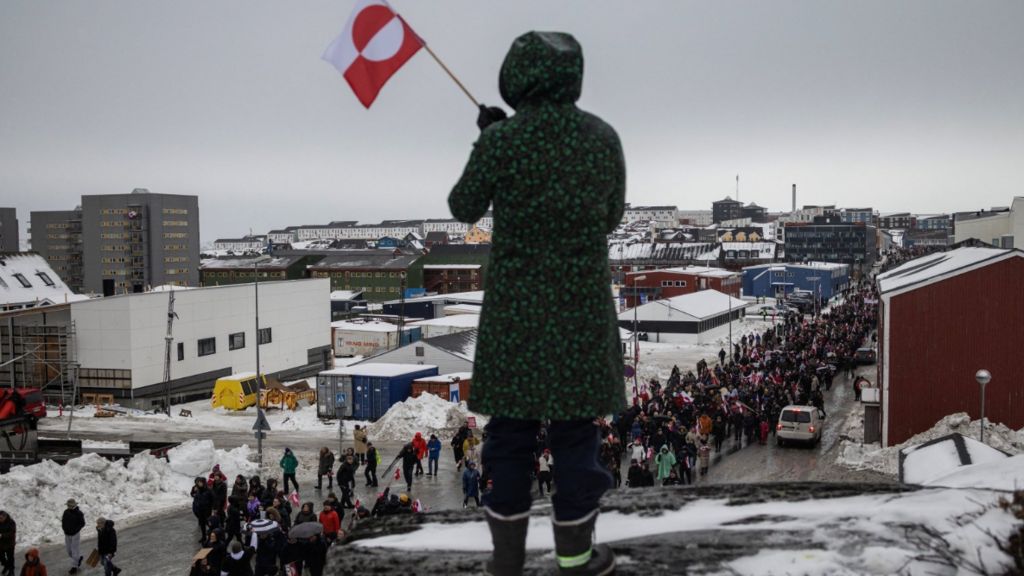
    The announcement sparked immediate public backlash, with thousands of protesters gathering in Copenhagen on Saturday chanting slogans such as ‘Greenland is not for sale,’ demonstrating widespread European opposition to the proposition.

  • UAE welcomes phase two of Gaza peace plan, formation of National Committee

    UAE welcomes phase two of Gaza peace plan, formation of National Committee

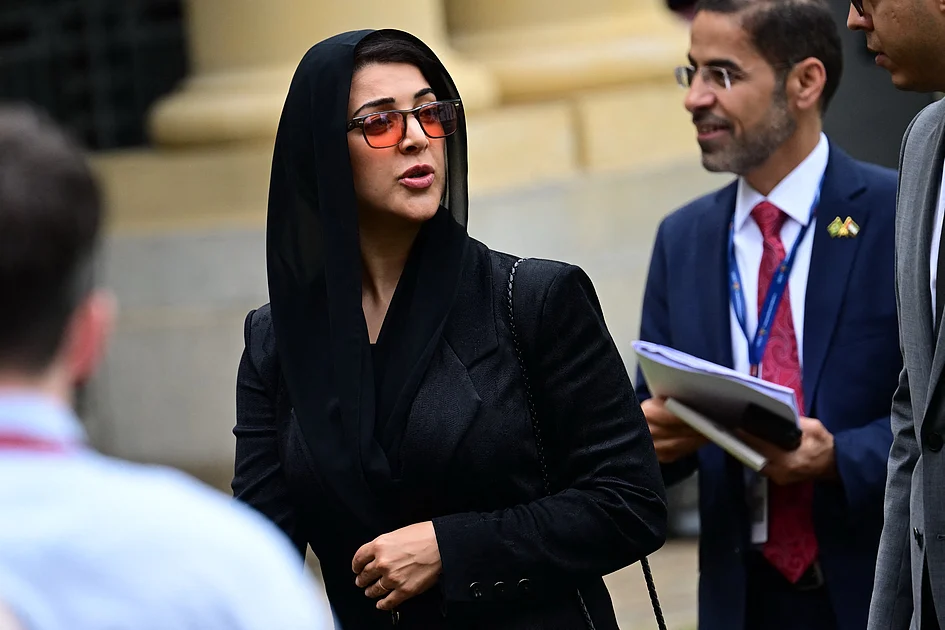
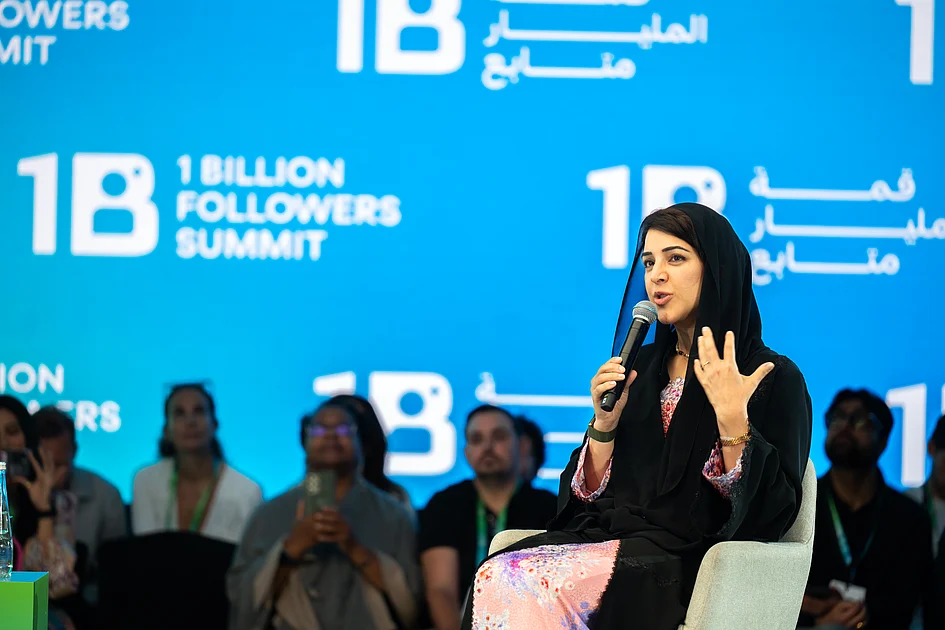
    The United Arab Emirates has formally endorsed the commencement of Phase Two of the comprehensive Gaza peace proposal and the establishment of the National Committee for the Administration of Gaza (NCAG), a transitional governance body. Reem bint Ebrahim Al Hashimy, Minister of State for International Cooperation, expressed strong support for these developments while also acknowledging the creation of the ‘Board of Peace’ framework announced by US President Donald Trump.

    In her official statement, Minister Al Hashimy praised the diplomatic leadership demonstrated by President Trump and recognized the sustained efforts of Qatar, Egypt, and Türkiye in advancing regional stability. She characterized these multilateral initiatives as crucial frameworks for consolidating security measures and revitalizing the political negotiation process.

    Minister Al Hashimy expressed particular honor regarding her appointment to the Gaza Executive Board, interpreting this designation as international recognition of the UAE’s constructive role in conflict resolution. She emphasized that the UAE remains committed to transforming humanitarian challenges into sustainable opportunities for the Palestinian population and broader Middle Eastern communities.

    The Minister articulated the UAE’s firm conviction that achieving durable peace necessitates coordinated international collaboration and effective administrative governance in Gaza. Such governance must guarantee the legitimate rights and aspirations of the Palestinian people while contributing to regional stability and fostering prosperous development.

    Al Hashimy further stressed the critical importance of building upon existing progress within the peace framework. She advocated for diligent efforts to reinstate a comprehensive political process oriented toward a two-state solution, ultimately aiming for an equitable and permanent resolution to the conflict.

  • UAE minister Reem Al Hashimy appointed to White House’s Gaza Executive Board

    UAE minister Reem Al Hashimy appointed to White House’s Gaza Executive Board

    In a significant diplomatic development, the White House has established a National Committee for the Administration of Gaza (NCAG) as part of implementing phase two of President Donald Trump’s ‘Comprehensive Plan to End the Gaza Conflict.’ This 20-point roadmap aims to establish lasting peace, stability, reconstruction, and prosperity in the region.

    The newly formed Gaza Executive Board will operate in support of the Office of the High Representative and the NCAG. The Board’s primary mission involves supporting effective governance and delivering superior services that advance peace, stability, and prosperity for Gaza’s population.

    Notable appointments include UAE Minister of State for International Cooperation Reem Al Hashimy, who joins the Executive Board. Simultaneously, Nikolay Mladenov, Director General of the Anwar Gargash Diplomatic Academy in Abu Dhabi, assumes the critical role of High Representative for Gaza. Mladenov will serve as the essential on-the-ground liaison between the Board of Peace and the NCAG, supporting oversight of Gaza’s governance, reconstruction, and development while ensuring coordination across civilian and security sectors.

    This executive board formation coincides with the creation of a ‘Board of Peace’ to supervise Gaza’s temporary governance. The territory has maintained a fragile ceasefire since October. The supervisory board includes prominent figures such as US Secretary of State Marco Rubio, President Trump’s special envoy Steve Witkoff, former British Prime Minister Tony Blair, and Trump’s son-in-law Jared Kushner, with President Trump serving as chair.

  • Iran’s supreme leader says ‘thousands killed’ in unrest, blames Trump and Israel

    Iran’s supreme leader says ‘thousands killed’ in unrest, blames Trump and Israel

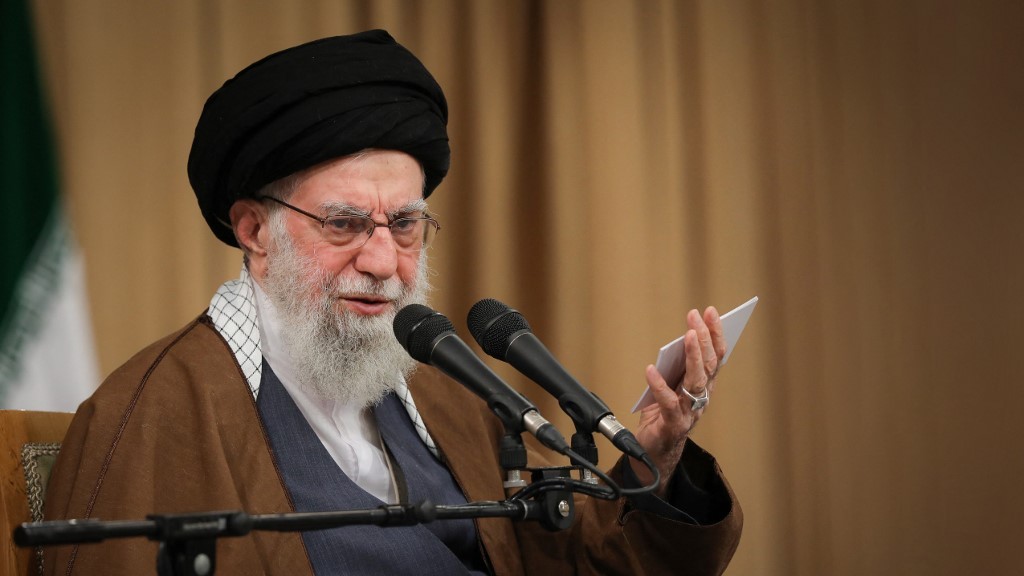
    In an unprecedented public statement, Iran’s Supreme Leader Ayatollah Ali Khamenei has formally acknowledged that “several thousand” people lost their lives during recent nationwide protests, marking the first official recognition of the substantial death toll from the unrest. The comments, delivered on Saturday, represent a significant departure from previous government statements regarding the scale of the casualties.

    Khamenei directly attributed responsibility for the violence to United States President Donald Trump, asserting that Washington bore culpability for the widespread casualties, destruction, and social turmoil experienced across Iran. “We consider the US president criminal for the casualties, damages and slander he inflicted on the Iranian nation,” Khamenei declared through state media channels, emphasizing that the latest anti-government demonstrations differed from previous incidents due to Trump’s personal involvement.

    The protests initially erupted on December 28th, primarily driven by economic grievances, but rapidly evolved into the most severe civil unrest witnessed in Iran in recent years. Khamenei further accused Iran’s longstanding adversaries, the United States and Israel, of orchestrating the violence, claiming that “those linked to Israel and the US caused massive damage and killed several thousand” through arson attacks, destruction of public property, and deliberate efforts to incite chaos.

    Despite Trump’s repeated warnings against using capital punishment against protesters—including threats of “very strong action” if executions proceeded—and his Friday social media claim that Iranian authorities had halted mass hangings, Tehran promptly rejected this assertion, stating there was “no plan to hang people.”

    In remarks widely interpreted as a response to Washington, Khamenei asserted Iran would not be provoked into armed conflict while vowing that “we will not let domestic or international criminals go unpunished.”

    Independent verification of casualties remains challenging due to extensive internet restrictions. The US-based Human Rights Activists News Agency has documented at least 3,090 verified deaths, including 2,885 protesters, alongside more than 22,000 arrests since the unrest began. Internet monitoring group NetBlocks reported connectivity had slightly improved after exceeding 200 hours of near-total shutdown but remained at approximately two percent of normal levels.

    Iranian state media has reported the arrest of thousands described as “rioters and terrorists,” including individuals allegedly connected to foreign-based opposition groups seeking to overthrow the Islamic Republic. Meanwhile, Israeli officials have publicly expressed support for exiled opposition figures, with Heritage Minister Amichai Eliyahu recently claiming Israel maintained operatives “on the ground” in Iran aimed at weakening Tehran’s capabilities, though denying direct involvement in attempts to topple the leadership.

  • From surge in patriotism to fewer US trips – Trump’s impact on Canada

    From surge in patriotism to fewer US trips – Trump’s impact on Canada

    The first year of Donald Trump’s second presidential term has catalyzed a profound transformation in Canada’s domestic policies and international positioning, marking a significant departure from historical bilateral norms. As the United States’ northern neighbor, Canada has experienced substantial shifts across economic, political, and social dimensions under the new administration’s policies.

    Trade relations have undergone particularly dramatic changes. The imposition of tariffs on key Canadian sectors prompted immediate retaliatory measures, most notably in alcohol trade where American spirits faced provincial boycotts. Data reveals a staggering decline in US liquor imports from $63.1 billion in late 2024 to approximately $9.5 billion by late 2025. This economic reorientation extends beyond beverages, with Mexican vehicle imports surpassing American counterparts for the first time in history according to Statistics Canada.

    Public sentiment has mirrored these structural shifts. Pew Research Center findings indicate 64% of Canadians now hold negative views toward the United States—the highest negative perception recorded in over two decades. Approximately 77% express limited confidence in President Trump’s leadership, with overwhelming majorities characterizing him as ‘arrogant’ (90%) and ‘dangerous’ (75%). Notably, nearly half (46%) now advocate for treating the US as either an ‘enemy or potential threat’ according to Angus Reid polling.

    Tourism patterns have reflected this cooling relationship. Cross-border travel to the United States declined by over 25%, resulting in an estimated $5.7 billion loss for American tourism. Canadians have redirected their travel spending domestically, generating record-breaking C$59 billion in tourism revenue from May to August, while Mexican destinations experienced a 12% surge in Canadian visitors.

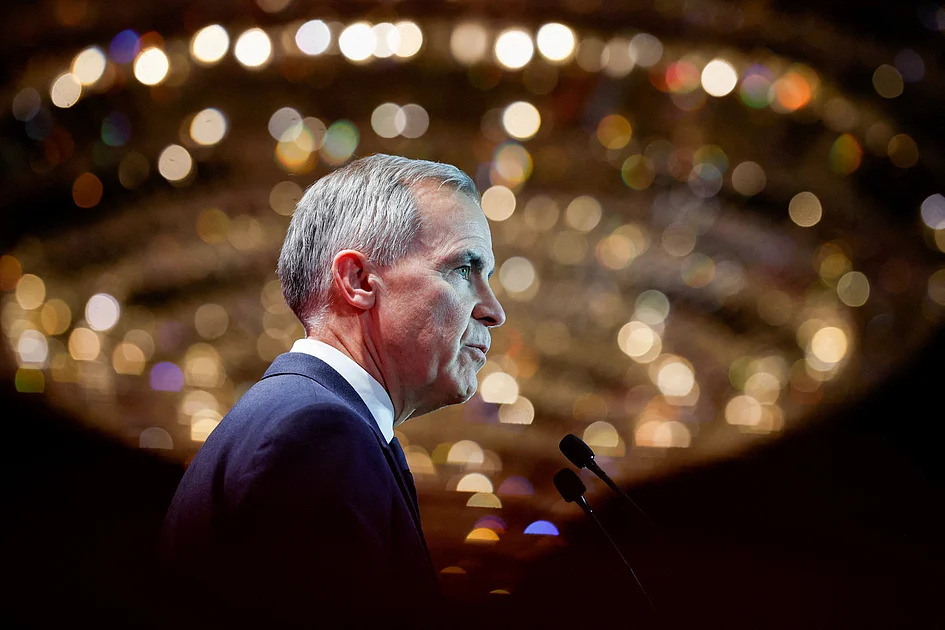
    Politically, the Trump effect triggered unexpected realignments. Justin Trudeau’s resignation—accelerated by ministerial protests over his handling of US relations—paved the way for Mark Carney’s ascent. The former central banker leveraged economic credentials and a staunch sovereignty platform to achieve an improbable Liberal victory in April’s election, reversing what had appeared to be certain Conservative dominance.

    In response to North American uncertainty, Canada has embarked on strategic diversification of international partnerships. Prime Minister Carney’s recent China visit—the first by a Canadian leader since 2017—produced tariff-reduction agreements and market access expansions, despite previous campaign rhetoric labeling China a security threat. Similar diplomatic thaws are anticipated with India following years of tension over extraterritorial allegations, alongside strengthened ties with Gulf states and European nations.

    This comprehensive recalibration represents Canada’s most significant foreign policy reorientation in modern history, balancing economic pragmatism against sovereignty concerns while navigating an increasingly complex geopolitical landscape.

  • Canadian PM Mark Carney plans to accept Trump invite to join Gaza board

    Canadian PM Mark Carney plans to accept Trump invite to join Gaza board

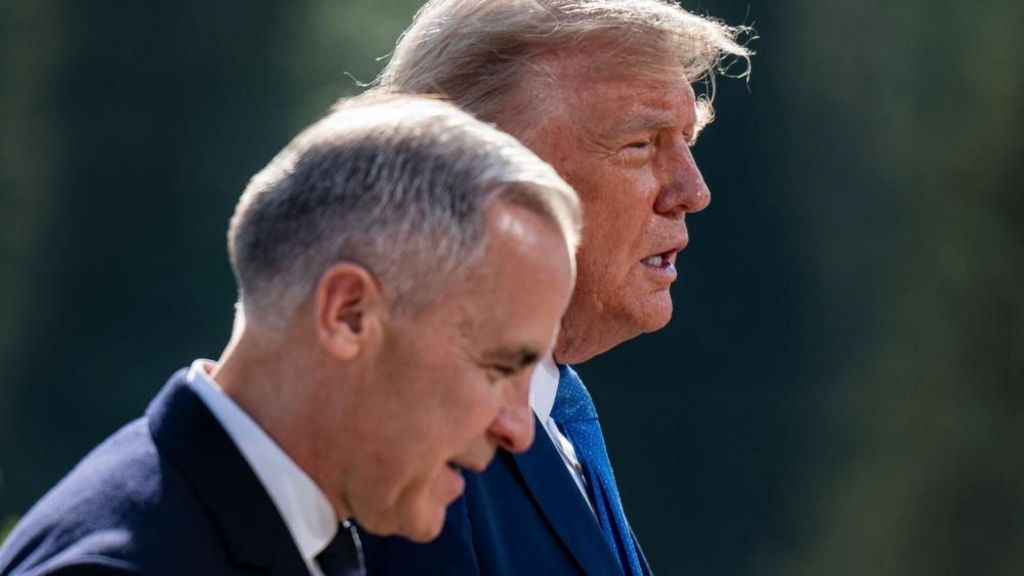
    In a significant diplomatic development, Canadian Prime Minister Mark Carney has agreed to join a newly established international board overseeing post-war Gaza governance at the invitation of U.S. President Donald Trump. The formation of this multinational coalition represents a major initiative in stabilizing the region following the fragile ceasefire implemented in October.

    President Trump has appointed himself as chairman of what he terms the ‘Gaza Board of Peace,’ demonstrating personal investment in Middle East stabilization efforts. The board’s composition includes high-profile international figures, with former British Prime Minister Tony Blair and U.S. Secretary of State Marco Rubio already confirmed in senior positions within the organization.

    The recruitment effort extends beyond North American and European leaders, with invitations extended to Egyptian President Abdel Fattah al-Sisi and Turkish President Tayyip Erdogan. Egypt has acknowledged receipt of the invitation and is currently conducting a formal review process, as confirmed by the country’s foreign minister during a recent press briefing.

    Additional confirmed participants include Turkish Foreign Minister Hakan Fidan, who will serve alongside Trump’s special envoy Steve Witkoff and former senior advisor Jared Kushner. This diverse composition suggests a multifaceted approach to Gaza’s temporary governance, combining political veterans with regional experts.

    The board’s establishment comes at a critical juncture in Middle Eastern politics, with Gaza requiring substantial reconstruction and political stabilization following recent conflicts. The involvement of multiple international stakeholders indicates a coordinated effort to address both immediate humanitarian concerns and long-term governance structures.

    While specific operational details and mandate parameters remain undisclosed, the participation of G7 member Canada through Prime Minister Carney’s involvement signals Western commitment to the region’s stability. The Canadian government has confirmed Carney’s acceptance without elaborating on specific responsibilities or time commitments.

  • Trump tariff threat over Greenland ‘unacceptable’, European leaders say

    Trump tariff threat over Greenland ‘unacceptable’, European leaders say

    A severe transatlantic diplomatic crisis has erupted following President Donald Trump’s announcement of punitive tariffs against eight allied nations in response to their opposition to his proposed acquisition of Greenland. The unprecedented move, declared via Trump’s Truth Social platform on Saturday, threatens a 10% tariff on goods from Denmark, Norway, Sweden, France, Germany, the United Kingdom, the Netherlands, and Finland, effective February 1st, with potential escalation to 25% by June if no agreement is reached.

    The announcement triggered immediate and forceful condemnation from European leaders. UK Prime Minister Keir Starmer denounced the tariffs as “completely wrong,” while French President Emmanuel Macron labeled them “unacceptable.” Swedish Prime Minister Ulf Kristersson explicitly stated, “We won’t let ourselves be blackmailed,” highlighting the collective European defiance against what many perceive as economic coercion.

    Simultaneously, thousands of protesters mobilized across Greenland and Denmark, waving placards with messages like “Hands Off Greenland” and “Greenland is not for sale.” Greenlandic Prime Minister Jens-Frederik Nielsen joined demonstrations in Nuuk, marching toward the U.S. consulate. Polls indicate approximately 85% of Greenlanders oppose joining the United States, reinforcing the territory’s desire for self-determination.

    President Trump justifies the acquisition push by emphasizing Greenland’s strategic importance for U.S. national security, citing its resource wealth and critical location between North America and the Arctic for missile detection and regional monitoring. He has previously stated Washington would acquire the territory “the easy way or the hard way,” refusing to rule out military force.

    The European response has extended beyond rhetoric. Several nations, including France, Germany, and the UK, have dispatched troops to Greenland on a ‘reconnaissance mission,’ arguing that Arctic security should remain a collective NATO responsibility. Furthermore, the tariff threat has jeopardized the recently negotiated EU-US trade deal, with German MEP Manfred Weber announcing that its ratification must now be put on hold.

    This escalation comes despite recent diplomatic efforts, including the establishment of a high-level working group between U.S. and Danish officials, which many had hoped would de-escalate tensions. Instead, Trump’s actions have injected renewed urgency into the crisis, severely straining relations with key NATO allies and trading partners and creating one of the most significant diplomatic confrontations in recent transatlantic history.

  • Trump invites Egypt’s Sisi, Turkey’s Erdogan to join Gaza ‘Board of Peace’

    Trump invites Egypt’s Sisi, Turkey’s Erdogan to join Gaza ‘Board of Peace’

    In a significant diplomatic move, former U.S. President Donald Trump has extended formal invitations to Egyptian President Abdel Fattah al-Sisi and Turkish President Recep Tayyip Erdogan to participate in a newly established international framework for Gaza governance. The initiative, termed the “Board of Peace,” aims to oversee temporary administrative functions in the war-torn territory, which has maintained a precarious ceasefire since October.

    The Egyptian government confirmed it is currently reviewing the invitation through its Foreign Ministry, which made the announcement during a press briefing on Saturday. This development follows the White House’s Friday revelation of several key appointments to the board’s leadership structure.

    The proposed governance body will operate under Trump’s chairmanship and includes notable international figures: U.S. Secretary of State Marco Rubio, Turkish Foreign Minister Hakan Fidan, former British Prime Minister Tony Blair, Trump’s special envoy Steve Witkoff, and presidential son-in-law Jared Kushner, who previously orchestrated Middle East peace efforts during the Trump administration.

    This multinational initiative represents the most comprehensive international effort to address Gaza’s political vacuum and reconstruction needs following recent hostilities. The inclusion of both Egyptian and Turkish leadership is particularly significant given their historically divergent approaches to Gaza and the broader Palestinian question, suggesting a potential convergence of regional interests under U.S.-led mediation.