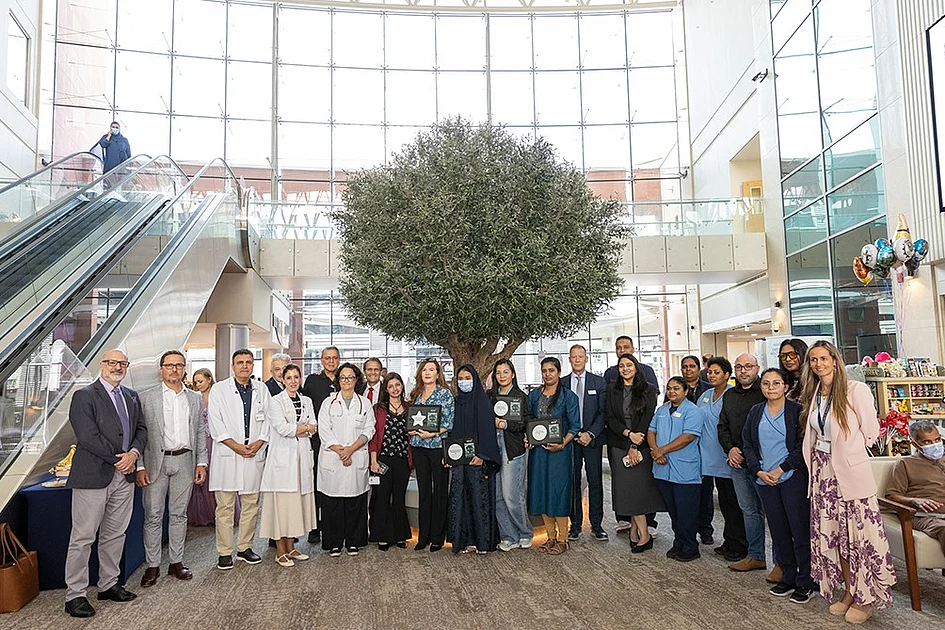
In a landmark initiative to celebrate altruism and medical advancement, Mediclinic City Hospital in Dubai has inaugurated the nation’s first ‘Tree of Life’ monument. This permanent artistic installation serves as a profound tribute to organ donors and their families, recognizing their extraordinary gift of life to others. The unveiling ceremony, attended by healthcare professionals, transplant recipients, and donor families, marked a significant moment in the UAE’s healthcare narrative.
The Tree of Life symbolizes hope, renewal, and the interconnectedness of humanity through selfless acts. It is designed to stand as an enduring source of inspiration, encouraging public dialogue about the critical importance of organ donation. The hospital aims to use this powerful symbol to demystify the donation process and highlight its life-saving potential, directly addressing the urgent need for more donors in the region.
This initiative is strategically aligned with the UAE’s broader national efforts to enhance healthcare services and promote a culture of philanthropy. By creating a physical space for reflection and gratitude, Mediclinic hopes to foster a societal shift where organ donation becomes a widely embraced act. The project also includes educational components to inform the community about how one donor can save multiple lives and transform the fate of those on waiting lists.
The hospital’s leadership emphasized that this is more than a monument; it is a call to action. It seeks to immortalize the legacy of donors while simultaneously motivating citizens and residents to consider registering as donors themselves, thereby building a more resilient and compassionate healthcare ecosystem for the future.