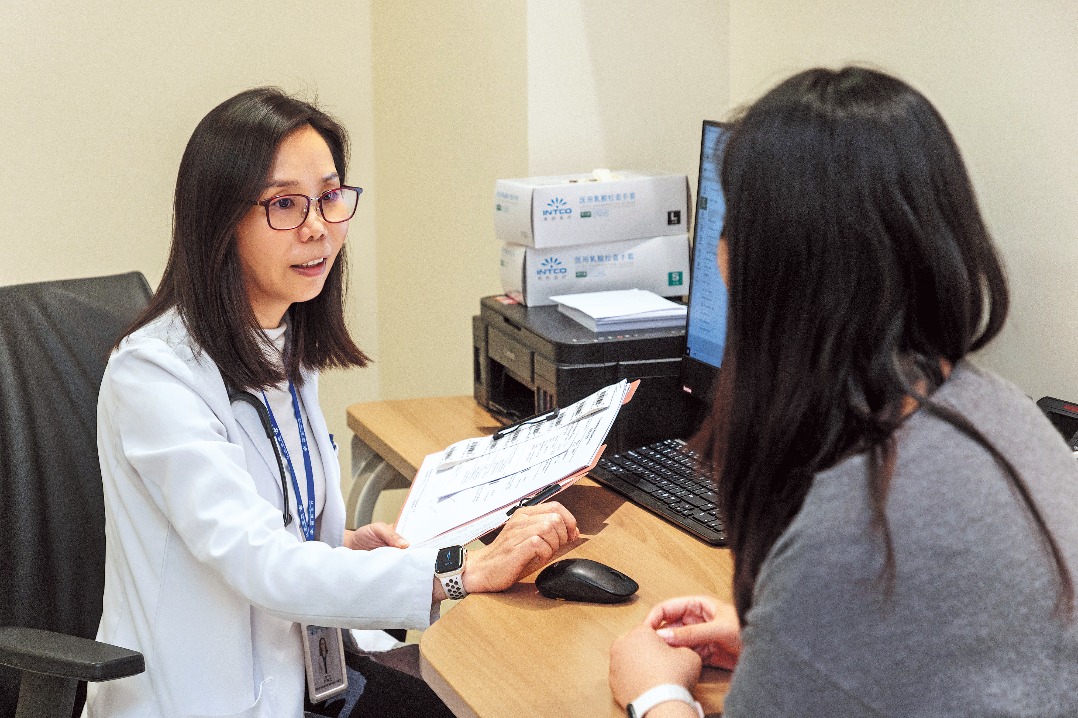
Against a backdrop of rising life expectancy and growing public focus on proactive health maintenance, a new wave of specialized longevity clinics has emerged across China, meeting surging consumer demand for preventive and personalized anti-aging healthcare services.
One of the earliest success stories of this emerging sector comes from Shanghai’s SinoUnited Health, where Zhu Jie, the clinic’s first registered client, recently completed his three-month personalized program with transformative health outcomes. The 44-year-old entrepreneur, who grappled with chronic stress from his daily work, saw dramatic improvements in weight management and four critical metabolic health markers: blood pressure, blood glucose, blood lipids, and uric acid. Beyond measurable biomarker improvements, Zhu reported a complete restoration of daily energy levels that had declined amid years of high-pressure work. Since enrolling in August, he has adopted sustainable, long-term changes to his diet, sleep routine and exercise habits, shifts that have already produced visible results. “I can finally fit into shirts I haven’t worn in more than 10 years,” Zhu said. “At my recent class reunion, everyone told me I look younger than I did years ago. That positive feedback has motivated me to stick to these healthy habits and build a solid foundation for healthy aging down the line.”
Zhu’s experience is just one example of a rapidly expanding national trend. Over the past three years, roughly 50 medical institutions across China — including more than 10 leading public hospitals — have launched dedicated longevity or anti-aging clinics. The most recent opening came in March 2026, when Beijing Geriatric Hospital launched a new center focused on proactive health management and anti-aging medicine.
Unlike traditional reactive medical care that treats existing illnesses, these new clinics operate on a preventive, multidisciplinary model focused on pre-symptomatic health. Providers use cutting-edge tools including biological aging markers and artificial intelligence models to conduct comprehensive aging assessments, then develop fully customized intervention plans for generally healthy patients. The core goal is early intervention to slow aging-related decline, prevent the onset of chronic diseases, and help people maintain vitality as they age. Clinicians note that most patients seeking these services are already proactive about their long-term health, driving the sector’s organic growth.
Industry expansion has also received formal policy support. In early 2024, the General Office of the State Council released a national framework for developing the silver economy and improving elderly well-being, which marked the first time the central government explicitly supported development of the anti-aging industry. The policy guidance encourages the integration of advanced biotechnologies — including genetic testing and molecular diagnostics — into efforts to delay age-related diseases, and calls for expanded development of early screening products and services for aging-associated health conditions. Industry analysts say this policy endorsement has accelerated the adoption of comprehensive preventive longevity care among public hospital systems, opening a new chapter for evidence-based anti-aging health services in China.