分类: health

  • Nipah virus outbreak in India triggers Asia airport screenings

    Nipah virus outbreak in India triggers Asia airport screenings

    Health authorities across Asia are implementing enhanced screening protocols following the emergence of a Nipah virus outbreak in India’s West Bengal state. The highly lethal pathogen, which boasts a mortality rate ranging from 40% to 75%, has prompted immediate public health responses due to the absence of approved vaccines or treatments.

    Thailand has activated screening measures at three major airports receiving flights from West Bengal, while Nepal has instituted similar precautions at Kathmandu’s international airport and land border crossings with India. These preventive actions come as health officials confirm five healthcare workers infected in West Bengal, with one individual in critical condition. Approximately 110 contacts have been quarantined as containment efforts intensify.

    The World Health Organization classifies Nipah among its top ten priority diseases alongside COVID-19 and Zika, recognizing its significant epidemic potential. The virus demonstrates zoonotic transmission capabilities, primarily spreading from fruit bats and pigs to humans, with additional person-to-person transmission occurring through contaminated food sources.

    Clinical presentation varies considerably among infected individuals, with some remaining asymptomatic while others develop severe neurological complications. Initial symptoms typically include fever, headache, muscle pain, vomiting, and sore throat, potentially progressing to encephalitis—a dangerous brain inflammation—in severe cases. The incubation period ranges from 4 to 14 days.

    First identified in 1998 during an outbreak among Malaysian pig farmers, the virus derives its name from the village where it was initially discovered. Historical outbreaks have demonstrated substantial societal impact, including the culling of over one million pigs in Malaysia and significant economic losses across agricultural sectors.

    Bangladesh has experienced the heaviest burden in recent years, recording over 100 fatalities since 2001. India’s Kerala state emerged as another hotspot, with outbreaks in 2018 (17 fatalities among 19 cases) and 2023 (2 deaths among 6 confirmed cases). The current cluster in West Bengal appears connected to a private hospital in Barasat, where two nurses remain hospitalized in intensive care.

    While no cases have been reported beyond India’s borders, Taiwan’s health authorities have proposed designating Nipah as a ‘Category 5 disease’—a classification reserved for emerging infections with substantial public health risks that mandate immediate reporting and specialized control measures.

  • Senegal’s aquagym classes offer hope and healing for people with reduced mobility

    Senegal’s aquagym classes offer hope and healing for people with reduced mobility

    DAKAR, Senegal — Before dawn breaks over Senegal’s capital, an extraordinary scene unfolds along Dakar’s coastline. Approximately 100 participants clad in swimwear and life jackets gather on the beach, preparing for their daily aquatic exercise regimen in the chilly Atlantic waters. This innovative aquagym program has emerged as a transformative healthcare solution for Senegalese citizens grappling with chronic mobility conditions.

  • Advancing healthcare resilience through innovation in the Middle East

    Advancing healthcare resilience through innovation in the Middle East

    The Middle East is fundamentally redefining healthcare resilience, moving beyond traditional supply chain security toward advanced biomedical innovation and regional scientific collaboration. Across GCC nations, governments are implementing ambitious long-term strategies that transform healthcare from reactive crisis management to proactive scientific leadership.

    The region’s shifting health demographics, marked by rising rates of diabetes, cancer, and neurodegenerative conditions, have catalyzed this strategic pivot. Rather than merely securing essential medicines, countries are now building sophisticated biomedical ecosystems with genomics, biotechnology, and advanced pharmaceutical manufacturing at their core.

    The UAE’s comprehensive genome program aims to map every Emirati’s DNA, creating the foundation for personalized medicine while supporting nascent biotechnology capabilities. Saudi Arabia’s Vision 2030 incorporates a National Biotechnology Strategy focused on achieving self-sufficiency in vaccines, biomanufacturing, and genomics. Qatar is developing university-industry innovation pathways, while Kuwait advances its healthcare digitalization and health technology assessment frameworks under Kuwait Vision 2035.

    This transformation extends to industrial policy, with sovereign investments creating substantial life sciences platforms. Abu Dhabi’s ADQ consolidated holdings across Swiss, Turkish, and Egyptian entities to form Arcera Life Sciences, now developing over 2,000 medicines across 60+ markets with 40% of its UAE portfolio produced locally. This model maintains global supply chain integration while ensuring predictable medicine access.

    The region’s capabilities are already yielding advanced therapies, including recent introductions of treatments addressing antibiotic resistance and an upcoming Alzheimer’s therapy commercialization across Middle Eastern markets. These developments demonstrate tangible progress in translating scientific innovation into patient access, particularly for areas with significant unmet medical needs.

    Building resilient healthcare systems requires sustained collaboration between governments, industry, academia, and regulators. Investments in talent development, advanced manufacturing, digital infrastructure, and AI-powered insights are proceeding at varying paces but with shared long-term vision across the region.

    The Middle East’s approach leverages complementary strengths across nations, combining robust domestic capabilities with global partnerships. This strategy not only prepares the region for future health challenges but actively shapes innovative solutions, creating opportunities for improved health outcomes for generations to come.

  • How Ozempic, GLP-1 drugs are reshaping food shopping habits in UAE

    How Ozempic, GLP-1 drugs are reshaping food shopping habits in UAE

    A transformative shift in dietary consumption patterns is sweeping across the United Arab Emirates, driven significantly by the increasing adoption of GLP-1 receptor agonists such as Ozempic. Renowned food industry analyst Phil Lempert, addressing attendees at Gulfood—the world’s premier food and hospitality exhibition—revealed that these pharmaceutical interventions are fundamentally altering how consumers approach nutrition and grocery shopping.

    Lempert, founder of SupermarketGuru and recognized trend authority through appearances on major media platforms including The Oprah Winfrey Show, identified three powerful forces reshaping global food retail: the expanding loneliness epidemic, proliferation of GLP-1 medications, and emerging ‘no-buy’ consumer movements. His research demonstrates that UAE shoppers are making fewer retail visits while selecting higher-quality, nutritionally dense foods in reduced quantities, moving decisively away from ultra-processed alternatives.

    The physiological mechanism of GLP-1 drugs, originally developed for diabetes management, produces enhanced satiety signals and reduced appetite. With Novo Nordisk’s recent introduction of an oral formulation eliminating injection barriers and reducing cost, Lempert anticipates usage rates could “double or triple in a very short timeframe,” accelerating existing consumption trends.

    This pharmacological influence intersects with concerning social patterns. “Post-COVID has witnessed unprecedented increases in loneliness,” Lempert noted, observing consequent changes in shopping behavior: “More frequent trips with smaller basket sizes.” Retail innovators like American giant Kroger are responding with architectural and service modifications including communal tables, in-store cafés, and cooking demonstrations specifically designed to foster human connection.

    UAE-based supermarket chain Grandiose exemplifies this dual approach, combining social engagement spaces like food preparation avenues with curated selections of premium yet affordable products. CEO Mussaab Aboud emphasized the evolving philosophy: “Food doesn’t have to be expensive and quality doesn’t have to be expensive. Consumers seek affordable excellence—products delivering sensory satisfaction and nutritional benefit without premium pricing.”

    This convergence of pharmaceutical science, retail innovation, and social adaptation signals a profound reorientation of food consumption values throughout the Emirates, prioritizing wellness, quality, and community engagement over quantity and convenience.

  • Dubai Clinic expands access to advanced plastic surgery through specialist-led consultations

    Dubai Clinic expands access to advanced plastic surgery through specialist-led consultations

    Dubai is consolidating its status as a premier regional destination for advanced aesthetic medicine, with growing demand for expertly guided plastic surgery consultations and comprehensive post-operative care. In response to this trend, Skin111 has significantly expanded its surgical offerings, providing patients throughout Dubai with structured access to board-certified plastic surgeons specializing in a wide array of facial and body enhancement procedures.

    The clinic operates under a medically governed framework that emphasizes thorough pre-surgical assessment, personalized treatment planning, and dedicated recovery support. Key procedures include rhinoplasty, breast augmentation, facial plastic surgery, abdominoplasty (tummy tuck), and advanced body contouring techniques. All surgical interventions are conducted exclusively at licensed and accredited partner hospitals in Dubai, ensuring full adherence to stringent UAE healthcare regulations and patient safety protocols.

    Industry analysts note a consistent rise in demand for facial plastic surgery, particularly procedures that deliver natural-looking results while maintaining long-term structural harmony. Rhinoplasty continues to rank among the most sought-after treatments, with patients increasingly prioritizing surgeons who blend technical precision with nuanced aesthetic judgment.

    Similarly, body contouring and breast augmentation procedures are experiencing sustained interest, driven by patients seeking individualized treatment plans rather than generic solutions. Multidisciplinary consultation models are gaining preference among clients who value transparency, safety, and continuity of care throughout their surgical journey.

    Skin111 distinguishes itself by functioning as a central coordination hub for assessment, imaging, surgical planning, and postoperative support—rather than as a surgical facility. This approach ensures patients receive expert guidance from initial consultation through full recovery.

    “Contemporary patients are exceptionally well-informed and discerning,” noted a senior Skin111 representative. “They expect clarity regarding surgical expertise, clinical settings, and the recovery process. Our model provides specialist-led planning with all surgeries performed in fully equipped hospital environments.”

    Advanced body contouring—particularly for patients seeking transformative results after significant weight loss—has emerged as a prominent service, requiring meticulous planning and sustained postoperative support. Dubai’s competitive healthcare landscape has also elevated expectations concerning patient experience, clinical governance, and ethical practices. Clinics promoting excellence in procedures such as breast augmentation or tummy tucks are now evaluated not only on outcomes but also on transparency, safety benchmarks, and professional accountability.

    As the UAE’s aesthetic medicine sector continues to evolve, care models emphasizing specialist collaboration, hospital-based surgery, and integrated follow-up are setting new benchmarks—aligning patient expectations with international clinical standards.

  • Parkway Shanghai Hospital launches new international diagnosis and treatment center

    Parkway Shanghai Hospital launches new international diagnosis and treatment center

    Parkway Shanghai Hospital, operated by IHH Healthcare on the Chinese mainland, has officially launched its International Hepatobiliary and Pancreatic Diagnosis and Treatment Center in a strategic move to position itself as Asia’s leading comprehensive care hub for complex abdominal organ diseases.

    The newly inaugurated center represents an innovative public-private healthcare collaboration, bringing together international medical expertise from the University of Hong Kong, Japan’s Keio University, Shanghai First People’s Hospital, and the Wu Mengchao Foundation. This partnership leverages IHH Healthcare’s global network to create an integrated treatment platform that combines resources across multiple specialties including gastroenterology, surgical oncology, critical care medicine, interventional ultrasound, and pathology.

    Medical experts emphasize that the center will implement a systematic approach to hepatobiliary and pancreatic care, incorporating advanced preventive medicine protocols, precision diagnostics, and minimally invasive treatment technologies. The facility aims to assemble renowned specialists from across the globe to create a diversified international platform that addresses the full spectrum of patient needs from early detection through complex surgical interventions.

    As Shanghai’s designated pilot demonstration base for international medical tourism, Parkway Shanghai Hospital will continuously introduce cutting-edge treatment methodologies and global technological innovations through IHH’s extensive healthcare network. The center is positioned to deliver high-quality, specialized care not only to patients within the Yangtze River Delta region but throughout the Asia-Pacific, potentially transforming regional standards for hepatobiliary and pancreatic disease management.

  • Health as a Pillar of National Strength

    Health as a Pillar of National Strength

    On India’s Republic Day commemoration, national discourse has turned toward redefining progress through the lens of holistic wellness. The country’s leadership emphasizes that true national strength extends beyond economic and technological advancement to encompass the comprehensive well-being of its citizens.

    India possesses a unique confluence of assets positioning it as a potential global healthcare innovator: world-class medical expertise, rapidly developing healthcare infrastructure, and ancient philosophical traditions that conceptualize health as an intricate balance between physical, mental, and environmental harmony. This distinctive combination of scale, historical continuity, and scientific advancement offers unprecedented opportunities.

    Globally, healthcare systems face mounting challenges from lifestyle-related diseases, mental health crises, and the limitations of reactive treatment models. The future demands a paradigm shift toward preventive care, resilience-building, and sustained vitality across lifespans rather than merely addressing illness episodically.

    India’s ancient knowledge systems—emphasizing disciplined living, natural harmony, and inner equilibrium—provide foundational principles for this transformation. When rigorously integrated with contemporary medical science and advanced diagnostics, these traditions can inform healthcare models that are both scientifically validated and profoundly human-centered.

    The recently established tulåh Clinical Wellness initiative in Kerala exemplifies this synthesis. Designed as an evidence-based clinical wellness ecosystem, it merges cutting-edge medical diagnostics with India’s time-tested healing traditions within a structured, disciplined framework that approaches health as a lifelong pursuit.

    International partnerships, particularly the strategic relationship between India and the UAE, accelerate this vision. Combining India’s depth in medical science and traditional knowledge with the UAE’s role as a global innovation platform creates powerful opportunities to develop health models with worldwide applicability.

    This Republic Day serves as a reminder that investing in comprehensive wellness is fundamental to sustainable development, directly influencing productivity, social cohesion, and intergenerational thriving. The constitutional promise of dignity for all finds expression in building systems that support healthier, more balanced, and purposeful lives for India’s future generations.

  • A girls’ soccer tournament drives HPV vaccine awareness in Zimbabwe

    A girls’ soccer tournament drives HPV vaccine awareness in Zimbabwe

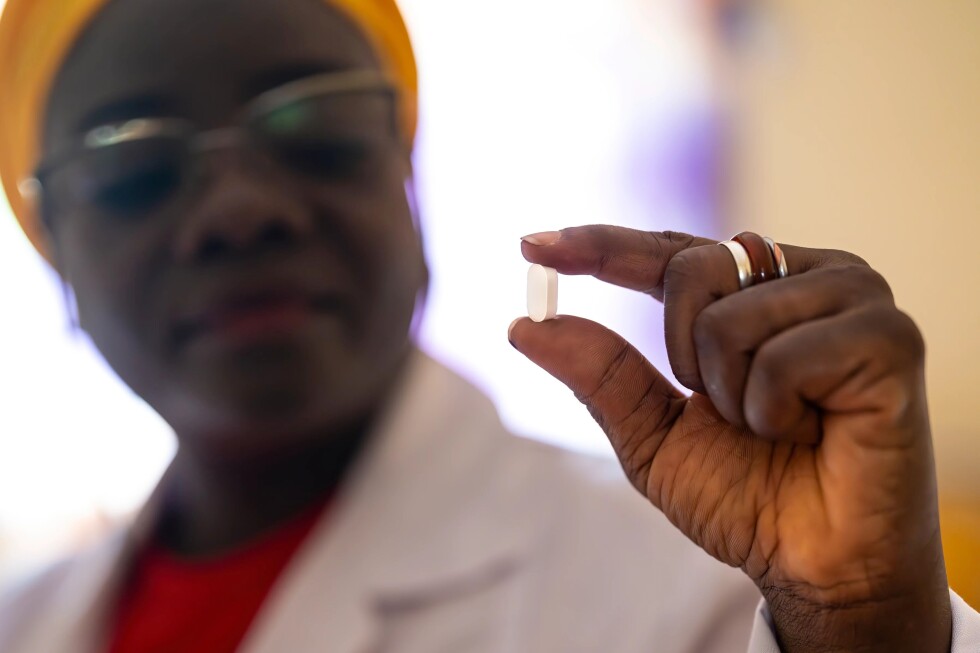
    NORTON, Zimbabwe — While Lesotho’s Lishoeshoe soccer club suffered a decisive 5-0 defeat against South Africa’s Mamelodi Sundowns in a regional Under-17 girls’ tournament final, the actual victory extended far beyond the scoreline. This unique sporting event, hosted in Zimbabwe, represented a groundbreaking initiative blending athletics with public health education, specifically targeting cervical cancer prevention through HPV vaccination awareness.

    The tournament, organized through a collaborative effort between Africa’s soccer governing body CAF, the European soccer association, GAVI the Vaccine Alliance, and multiple African health ministries, brought together approximately 200 adolescent girls from six nations. Dubbed the ‘Goal Getters’ campaign, this innovative program previously launched in Tanzania and Eswatini before culminating in Zimbabwe during December.

    For participants like 16-year-old winger Nteboheleng Leticia Sooane, the educational component overshadowed competitive results. ‘Participating provided invaluable learning opportunities to disseminate crucial health information despite our loss in the finals,’ Sooane remarked while awaiting her medal in rain-drenched Norton stadium, near Harare.

    The initiative addresses a critical health emergency: cervical cancer claims a woman’s life every two minutes globally, with Africa bearing the heaviest burden. According to GAVI, the freely administered HPV vaccine for girls aged 9-14 can prevent up to 90% of cervical cancer cases, potentially saving families thousands in future treatment costs.

    Post-COVID-19 pandemic, Africa has significantly intensified HPV vaccination efforts. WHO data indicates coverage for at least one dose increased to 40% in 2023 from 28% the previous year, trailing only the Americas region. This progress stems from expanded government-backed campaigns supported by GAVI.

    ‘Goal Getters ingeniously merges two teenage passions—sports and health—creating secure environments where girls feel empowered and trusted,’ explained GAVI spokesman Olly Cann. The tournament launch featured vibrant dance and musical performances, while sidelines saw mothers visiting nearby clinics, some attracted by prominent women’s soccer figures, to vaccinate their children.

    HPV (human papillomavirus), a prevalent sexually transmitted virus, represents the primary cervical cancer cause. While most infections resolve naturally, persistent cases can develop into cancer years later. Cervical cancer ranks as the fourth most common female cancer worldwide, claiming approximately 350,000 lives annually. Africa accounts for nearly one-quarter of global deaths, with 19 of the 20 most affected nations located in sub-Saharan Africa.

    Zimbabwe faces particularly severe challenges, recording the highest cervical cancer rates among its female population with about 2,000 annual deaths. In a strategic move ahead of the tournament, Zimbabwe transitioned to a single-dose HPV vaccine regimen, aiming to improve uptake compared to the two-dose program initiated nationally in 2018.

    Despite medical advances, misinformation and reproductive health stigma present substantial obstacles. At Harare’s Budiriro Polyclinic in January, only two 10-year-olds arrived for vaccination—a typical turnout according to health officials, necessitating school-based vaccination programs.

    ‘Families frequently avoid clinic vaccinations, and even school follow-ups encounter refusals primarily due to religious beliefs,’ noted Barbara Mashonga, the clinic’s community mobilization lead. ‘Some parents mistakenly perceive these injections as covert family planning methods that might impair future fertility. These misconceptions underscore why health education remains central to our campaign.’

    Soccer-oriented initiatives help bridge this awareness gap. ‘We’re embracing these opportunities to enhance community wellbeing through football,’ stated Nqobile Magwizi, president of Zimbabwe’s football association, during celebrations for tournament winners Mamelodi Sundowns.

    For Sooane, the message transcended athletic competition: ‘Cancer remains a severe disease, so every child should receive vaccination for protection. We came here to learn about maintaining our health intact.’

  • Skipping doctor visits to save money? UAE experts say it can cost you more later

    Skipping doctor visits to save money? UAE experts say it can cost you more later

    Healthcare professionals in the United Arab Emirates are issuing urgent warnings about the dangerous trend of residents postponing medical care to reduce immediate expenses. As insurance premiums and out-of-pocket costs continue to rise, many individuals are opting to skip routine doctor visits, diagnostic tests, and preventive screenings—a strategy that experts confirm ultimately results in more severe health complications and substantially higher medical bills.

    Insurance specialists have observed concerning behavioral shifts among policyholders facing increased financial pressures. Anas Mistareehi, General Manager at E-sanad Insurance Brokers, noted that outpatient services typically become the first casualty of cost-cutting measures. ‘Patients frequently defer routine consultations or essential testing because each visit represents an immediate financial burden,’ Mistareehi explained. ‘This short-term approach often culminates in the development of more serious medical conditions requiring extensive treatment.’

    The most frequently neglected healthcare services include preventive screenings, blood tests, physiotherapy sessions, and mental health support—precisely the interventions that could identify and address health issues before they escalate. Mahdi Attya, Insurance and Commercial Strategy Leader at MSS Advisors, emphasized that chronic conditions such as diabetes, hypertension, and elevated cholesterol levels deteriorate without proper management. ‘Ignoring these conditions doesn’t make them disappear; it transforms them into acute problems demanding hospitalization and expensive long-term medication,’ Attya stated.

    Experts identify the selection of inadequate insurance plans as a critical error made by cost-conscious residents. Choosing cheaper policies frequently leads to restricted hospital networks, elevated co-payment requirements, and insufficient outpatient coverage—all of which can generate unexpected expenses reaching thousands of dirhams. Families with children and senior citizens face particular vulnerability due to their increased healthcare utilization patterns.

    Healthcare professionals stress that emergency care, chronic disease management, essential medications, and inpatient coverage should never be compromised regardless of financial considerations. Attya advises residents approaching insurance renewal periods to thoroughly evaluate their coverage options and seek professional guidance if necessary. ‘The fundamental principle remains unchanged: timely medical intervention proves both safer and more economical than deferred treatment that allows conditions to worsen,’ he concluded.

  • NSW Health warning Sydney residents after cases of measles confirmed

    NSW Health warning Sydney residents after cases of measles confirmed

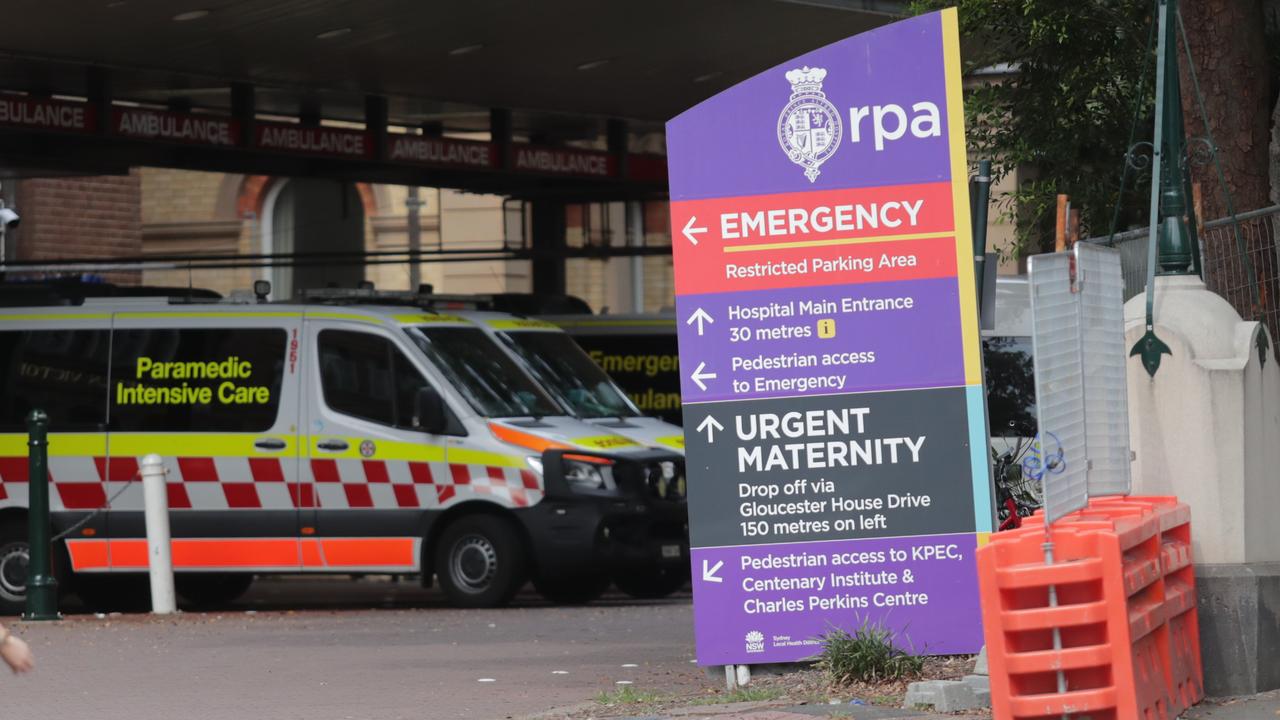
    Sydney health authorities have escalated public health warnings following confirmation of two additional measles cases, including one acquired through local transmission. This development occurs merely one week after a confirmed measles case participated in the Centennial Parkrun event, heightening concerns about community spread.

    The New South Wales Health Department reports a significant surge in infections, with four cases identified within the past week and thirteen confirmed cases since December 1, 2025. Health officials attribute this increased transmission risk to returning international travelers from regions experiencing measles outbreaks, particularly South-East Asia.

    Dr. Leena Gupta, Director of Sydney Local Health District’s Public Health Unit, emphasized the critical importance of symptom vigilance. ‘We’re observing measles cases visiting numerous locations across Sydney while unknowingly infectious, including healthcare facilities,’ Dr. Gupta stated. ‘While these specific locations no longer pose ongoing risks, the pattern of exposure warrants heightened awareness.’

    The recently identified local transmission case marks a concerning development in the outbreak’s trajectory. Health authorities have implemented thorough contact tracing procedures and maintain regularly updated exposure location lists on the NSW Health website.

    Medical professionals advise that individuals potentially exposed to the virus should monitor for characteristic symptoms including fever, respiratory issues, sore eyes, and the distinctive red blotchy rash that typically emerges three to four days after initial symptoms. Dr. Gupta specifically recommended that ‘anyone developing symptoms who visited identified exposure locations should contact healthcare providers in advance to prevent potential waiting room exposures.’

    The public health response includes reinforced vaccination recommendations, particularly for those born after 1965 who may require second measles vaccine doses. Health authorities highlight that measles vaccination can prevent disease progression even after exposure if administered promptly.

    This measles alert expansion follows last week’s confirmed case at Centennial Parkrun, where an infectious individual participated between 7:00-8:30 AM on January 17, 2026. Investigation continues regarding potential connections between the parkrun case and exposures across Western Greater Sydney.