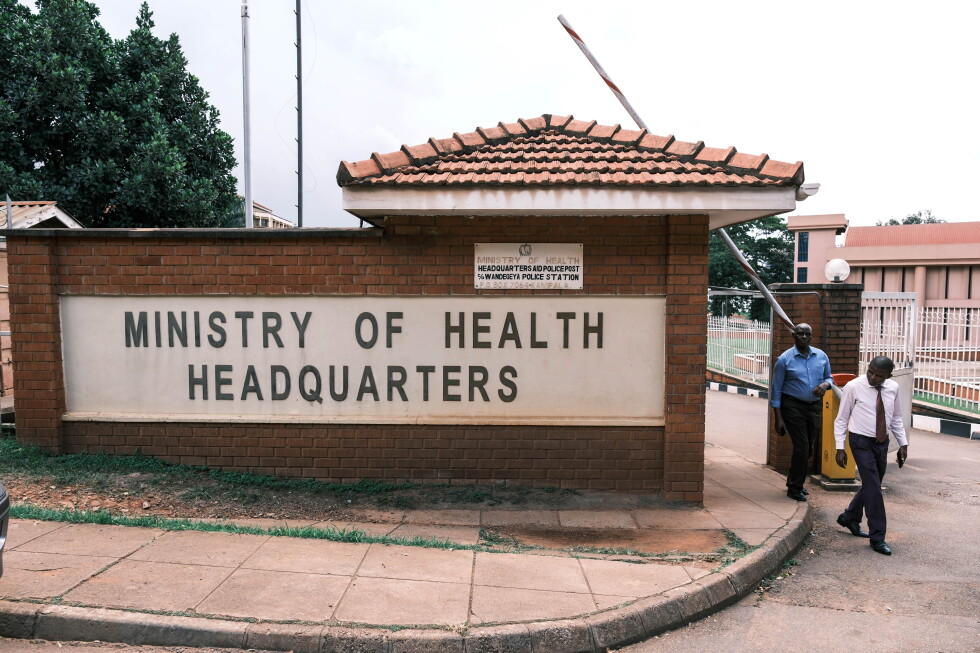
KAMPALA, UGANDA – In a fresh update to the expanding Ebola outbreak that originated in the Democratic Republic of the Congo, Ugandan health officials announced two additional confirmed infections on Monday, pushing the total number of active cases in the East African nation to seven. All Ugandan cases can be traced directly to the ongoing outbreak centered in eastern DR Congo, which health experts confirm was circulating for days or even weeks before Congolese authorities officially declared the public health emergency on May 15. The cross-border spread first reached Uganda on May 11, when a 59-year-old Congolese national sought care at a Kampala hospital. He died three days later, before clinicians confirmed he was infected with the Ebola virus. Two more Congolese travelers seeking medical treatment in Uganda subsequently tested positive for the virus. Over the weekend, Ugandan authorities confirmed the first locally transmitted infections: a commercial driver and a frontline health worker who had both been exposed to the initial Congolese patient who died in mid-May. Monday’s announcement added two more local cases, both health workers employed at a private Kampala facility who tested positive for the virus. Dr. Charles Olaro, Uganda’s national director of health services, confirmed in an official statement that both newly identified patients have been transferred to a specialized Ebola treatment unit and are currently receiving targeted care. To slow community transmission, Ugandan President Yoweri Museveni has rolled out a series of urgent public health measures, including a national appeal to residents to abandon the common cultural practice of handshakes to reduce viral spread. He also issued an order postponing a major annual religious gathering that typically draws thousands of pilgrims from the Congo and other neighboring countries to a Catholic basilica on the outskirts of Kampala, scheduled to take place before June 3. Additional containment measures include a temporary halt to all cross-border public transportation and commercial flights between Uganda and the DR Congo to limit unchecked movement across the shared border. The crisis unfolding in the DR Congo is far more severe: Congolese authorities reported Sunday that suspected Ebola cases have surpassed 900, with the vast majority concentrated in eastern Ituri province, the epicenter of the current outbreak. Response efforts in the region have been severely hampered by widespread public fear, anger, and deep-seated frustration among local communities, a legacy of decades of armed conflict that has also eroded trust in national authorities. Violent attacks on Ebola treatment centers have further disrupted emergency response work. The DR Congo has recorded more than a dozen Ebola outbreaks since the virus was first identified, but public health experts warn that recent cuts to international aid from wealthy nations including the United States have left eastern Congo uniquely vulnerable to large-scale spread. Aid organizations on the ground confirm they lack critical personal protective equipment for frontline health workers, including face shields and full-body hazmat suits, as well as insufficient diagnostic testing kits and materials for safe burial of contagious victims, a core step to halting transmission. The current outbreak is caused by the Bundibugyo strain of Ebola, a variant for which no approved vaccine or targeted treatment currently exists. The World Health Organization has already declared this outbreak a Public Health Emergency of International Concern, the highest global alert level for infectious disease events. Public health officials identify contact tracing and rapid isolation of exposed individuals as the most critical interventions to stop the virus from spreading widely. Ebola typically causes severe hemorrhagic fever, and the WHO notes that a species of fruit bat is the natural reservoir for the virus. The pathogen spreads through direct contact with bodily fluids of an infected person, or contact with contaminated surfaces and materials.
分类: health
-
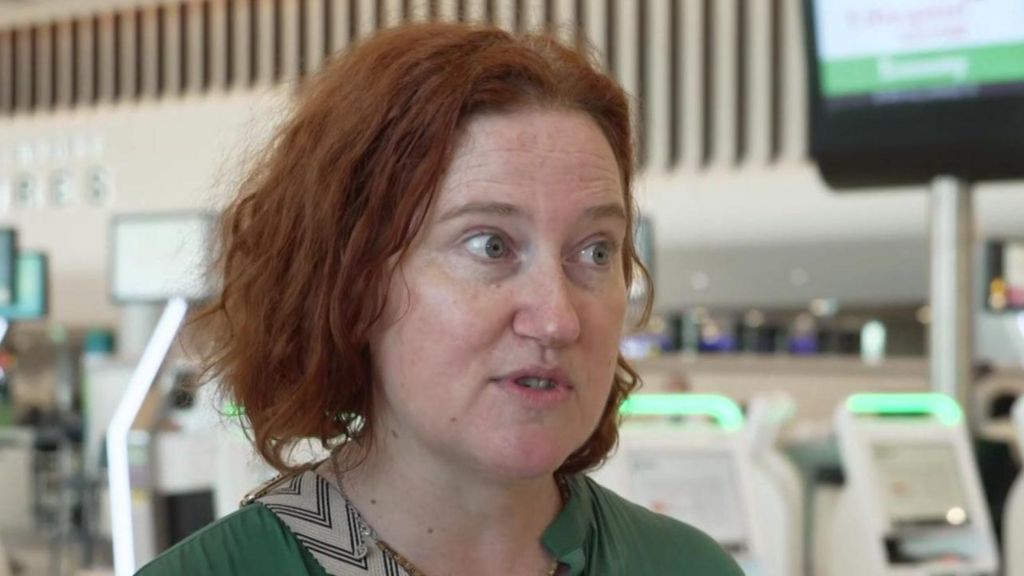
Ebola outbreak poses massive challenges, warns nurse
As the Democratic Republic of the Congo (DRC) grapples with a rapidly accelerating Ebola outbreak that has already claimed hundreds of lives, a senior leader from international medical charity Médecins Sans Frontières (MSF) has sounded the alarm over crippling gaps in the global response to the crisis.
Kate White, an MSF programme manager with hands-on experience responding to previous Ebola outbreaks across Africa, departed Manchester Airport on Sunday to join the international relief mission deployed to the affected region. In the lead-up to her departure, she outlined the cascading challenges that aid groups are facing on the ground, starting with a critical shortage of deployable resources.
Already, the outbreak has taken a devastating toll on frontline responders: three Red Cross volunteers, who were working to manage remains of Ebola victims — one of the highest-risk roles in any outbreak response — died earlier this month after contracting the virus. Official figures place the current toll at more than 200 suspected deaths and over 850 suspected cases across the affected regions, with the World Health Organization (WHO) confirming last week that transmission is outpacing early projections. The WHO has already designated the event a Public Health Emergency of International Concern (PHEIC), the highest level of global public health alert.
What makes this outbreak uniquely dangerous, responders and public health officials agree, is the absence of ready-to-use medical tools to fight it. No approved vaccine exists for this specific strain of Ebola, and while experimental candidates are in late-stage development, none have been cleared for widespread deployment. There are also no approved antiviral treatments targeted at this variant, leaving clinicians only able to provide supportive care rather than curative treatment.
White called the lack of accessible, scalable countermeasures decades after the first major Ebola outbreaks a stark indictment of global public health priorities. “After all these years of responding to Ebola outbreaks across the continent, we still don’t have comprehensive medical countermeasures — vaccines, treatments, rapid-rollout diagnostic testing — that we can deploy immediately,” she said. “That says a great deal about the current state of global health equity.”
She also raised alarms over additional logistical barriers, including airspace closures that are slowing the movement of frontline workers and critical life-saving supplies into affected zones. “The sheer volume of resources we need to get into the DRC right now is massive, and any delay puts more lives at risk,” she added.
Beyond treatment and supplies, White emphasized that major improvements to diagnostic capacity are urgently needed across all affected geographic areas. Faster, more widespread testing ensures that patients without Ebola are not unnecessarily held in treatment centres, allowing them to return to their families quickly once they recover from other unrelated illnesses. Current testing gaps mean that goal remains out of reach, she said.
A years-long pattern of small, contained Ebola outbreaks in remote rural African regions has shifted in recent decades, as urbanization brings growing human populations into closer contact with the natural animal reservoirs that host the virus. Ebola, a viral hemorrhagic fever that jumps from animals to humans, typically causes flu-like symptoms including fever, headache and fatigue that emerge between 2 and 21 days after exposure. As the disease progresses, patients develop vomiting, diarrhoea, and in severe cases organ failure and uncontrolled bleeding. The virus spreads through direct contact with infected bodily fluids such as blood or vomit, making proper personal protective equipment for frontline workers non-negotiable.
This specific outbreak carries additional unique challenges: the epicentre is located in a conflict-affected region of the DRC, where insecurity complicates access for aid workers, and the virus circulated undetected for a significant period of time before being identified. “By the time we picked it up, it had already been spreading for quite a while, which means we don’t have a full picture of all transmission chains,” White explained. “Without that clarity, getting the outbreak under control becomes far more difficult.”
As responders on the ground work to screen travellers, trace contacts, and slow transmission, White stressed that immediate scaled-up support from the international community is critical to turning the tide of the outbreak.
-
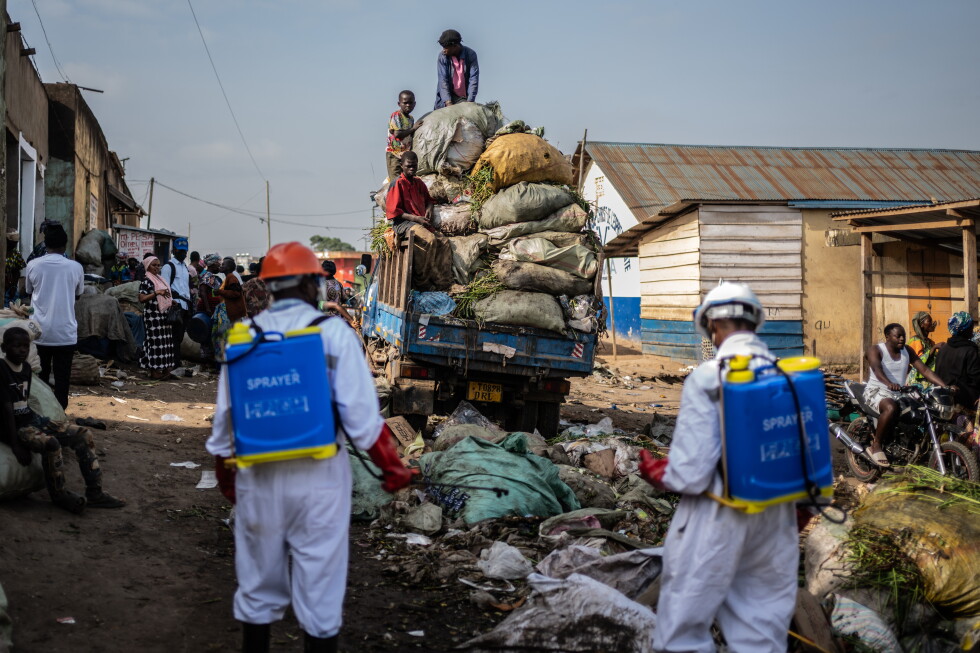
Attacks on Ebola treatment centers are one of several problems affecting Congo’s outbreak response
The declaration of the ongoing Ebola outbreak in eastern Democratic Republic of the Congo as a global public health emergency has laid bare the cascading, interconnected crises that are crippling authorities’ and aid groups’ efforts to contain the spread of the virus. Most vividly highlighted by recent arson attacks on two Ebola treatment centers in Ituri Province — the core of the current outbreak — these overlapping challenges range from long-running violent conflict to systemic underfunding and deep-rooted community distrust, turning what should be a coordinated public health response into one of the world’s most intractable humanitarian emergencies.
Decades of persistent instability have left eastern Congo mired in chronic insecurity, with dozens of separate rebel factions operating across the region, many with alleged foreign backing or ties to extremist groups like the Islamic State. While Ituri Province, where the outbreak was first detected, remains nominally under Congolese government control, that authority is extremely fragile. The Ugandan Islamist Allied Democratic Forces, a faction linked to IS, has carried out consistent attacks on civilian targets across the province, and worsening insecurity in the years leading up to the outbreak already forced hundreds of medical workers to flee their posts. A pre-outbreak assessment from Doctors Without Borders described overwhelmed local health facilities and “catastrophic” living conditions across large swathes of Ituri, setting the stage for a rapid, unchallenged spread of the virus.
The United Nations Office for the Coordination of Humanitarian Affairs estimates that nearly 1 million Ituri residents have been displaced from their homes by ongoing conflict, meaning the Ebola outbreak is unfolding in a region already shattered by displacement and broken public infrastructure. Public health experts have flagged particularly high risk of explosive spread in large overcrowded displacement camps surrounding Bunia, the provincial capital where the first confirmed Ebola cases were recorded.
As of the latest updates, Congolese authorities have recorded more than 700 suspected cases and over 170 suspected deaths, the vast majority in Ituri. The outbreak has already spilled beyond the province’s borders: cases have been confirmed in North Kivu and South Kivu, eastern provinces partially controlled by the Rwanda-backed M23 rebel group, and across the international border into neighboring Uganda. This fragmented territory — with some areas under government control, others under rebel authority, and a patchwork of independent aid groups operating across all regions — has made unified, consistent outbreak response nearly impossible.
Compounding the security and infrastructure challenges is a devastating wave of international aid cuts implemented last year by the United States and other wealthy donor nations. Public health experts say these cuts gutted local health systems’ already limited capacity to detect and respond to new infectious disease outbreaks, a critical gap in a region that has weathered more than a dozen previous Ebola outbreaks on its soil.
Aid groups working on the ground in the outbreak zone report they lack almost all the essential supplies needed to mount an effective response: personal protective equipment for frontline health workers, diagnostic testing kits, and even body bags required for the safe burial of contagious Ebola victims. Julienne Lusenge, president of local aid organization Women’s Solidarity for Inclusive Peace and Development, which runs a small hospital near Bunia, said the group has pleaded for additional support from international partners with little result. “We only have hand sanitizer and a few masks for the nurses,” Lusenge said. Complicating matters further, this outbreak is caused by the Bundibugyo strain of Ebola, for which no widely approved vaccine or targeted treatment currently exists.
The deepest crisis facing response efforts, however, is widespread backlash and anger from local communities, a resentment that boiled over into the arson attacks on treatment centers in Rwampara and Mongbwalu, the two hardest-hit towns in the outbreak. Colin Thomas-Jensen, impact director at the Aurora Humanitarian Initiative, explained that this anger stems from decades of neglect: local residents have endured years of violence from foreign-linked rebel groups, with little protection from their own government or international peacekeeping forces. A second major flashpoint has been strict Ebola burial protocols, which require authorities to take charge of burials to limit transmission when families would traditionally prepare bodies and host large funeral gatherings.
Witnesses and police confirm the first arson attack in Rwampara was carried out by a group of local young people seeking to retrieve the body of a friend who had died of Ebola. The crowd accused the international aid group operating the center of covering up the true cause of death and lying about the scope of the outbreak. In response to rising spread and community unrest, Congolese authorities have now banned all funeral wakes and public gatherings of more than 50 people across northeastern Congo, and deployed armed soldiers and police to guard safe burials carried out by aid workers.
Speaking on the overlapping emergencies derailing the response, the nonprofit Physicians for Human Rights described the situation as a perfect storm of catastrophe. “A devastating set of emergencies are converging,” the group noted, turning a public health crisis into one of the world’s worst ongoing humanitarian disasters.
-

GP bulk billing surges across Australia as Anthony Albanese bets big on health
Fresh official data released by Australia’s Department of Health has delivered promising results for the Albanese government’s ambitious Medicare overhaul, showing a national surge in general practitioner bulk billing rates across the first quarter of 2026, though one jurisdiction continues to trail behind the rest of the country.
Between January and March 2026, the national average bulk billing rate for GP services climbed 4.6 percentage points to hit 81.9%, according to the official statistics. The Northern Territory recorded the most dramatic growth, with a 13.7 percentage point jump that pushed its total bulk billing rate to 89.8%, the highest of any Australian state or territory. New South Wales and Victoria saw moderate gains of between 4 and 5.5 percentage points, bringing their final rates to 83.7% and 85.6% respectively. Queensland’s rate rose 4.0 points to 79.5%, South Australia added 5.9 points to reach 80.4%, Western Australia gained 4.6 points to hit 74%, and Tasmania grew 5.7 points to 78%. The only outlier is the Australian Capital Territory, where growth stalled at just 1.4 percentage points, leaving the jurisdiction with a bulk billing rate of just over 54% — the lowest in the nation by a significant margin.
Federal Health Minister Mark Butler framed the new data as clear proof that the government’s targeted investments to strengthen Medicare are delivering tangible results for Australian families. “This proves unequivocally that our policies are working,” Butler said. “We are transforming frontline primary care and helping households keep their health costs down — that benefits both public health and household budgets.” He added that the government has not only halted the steady decline of Medicare that occurred under the previous administration, but reversed that trajectory entirely, strengthening the public health scheme dramatically.
A key driver of the growth, Butler noted, has been the rollout of Medicare Urgent Care Clinics, which have now hit a major milestone of three million total visits for non-life threatening urgent care cases. Currently, more than 3,800 bulk billing clinics operate across Australia, more than 1,400 of which converted from mixed billing models to full bulk billing under the government’s incentives. As a result, roughly 97% of all Australians now live within a 20-minute drive of a bulk billing clinic, expanding access dramatically for people across the country. Even for non-concessional patients, who typically face higher out-of-pocket costs, bulk billing rates have climbed 8.5 percentage points year-on-year to reach 72.5% in the first quarter of 2026.
Alongside the positive bulk billing results, Butler has also launched Australia’s first ever national public health campaign focused on menopause and perimenopause, developed in response to findings from the Senate Inquiry into Menopause and Perimenopause. That inquiry uncovered widespread gaps in public knowledge, rampant stigma, and limited access to trusted support for women experiencing menopausal symptoms.
Federal Women Minister Katy Gallagher explained that the new campaign is designed to address these gaps by delivering accessible, evidence-based information tailored to the diverse experiences of women across the country. “For far too long, silence and stigma have left women in the dark about menopause — it shouldn’t come as a surprise,” Gallagher said. “Every woman experiences perimenopause and menopause differently, so it is critical that this campaign meets diverse needs, makes information accessible, and ensures every woman feels seen and supported.” She added that raising awareness across the broader community, including families and workplaces, is also a core goal of the initiative, to improve outcomes for women’s overall health and wellbeing.
The multi-channel campaign will run across digital platforms, television, cinema advertising and social media through to December 2026, reaching audiences across the country with evidence-based educational content.
-
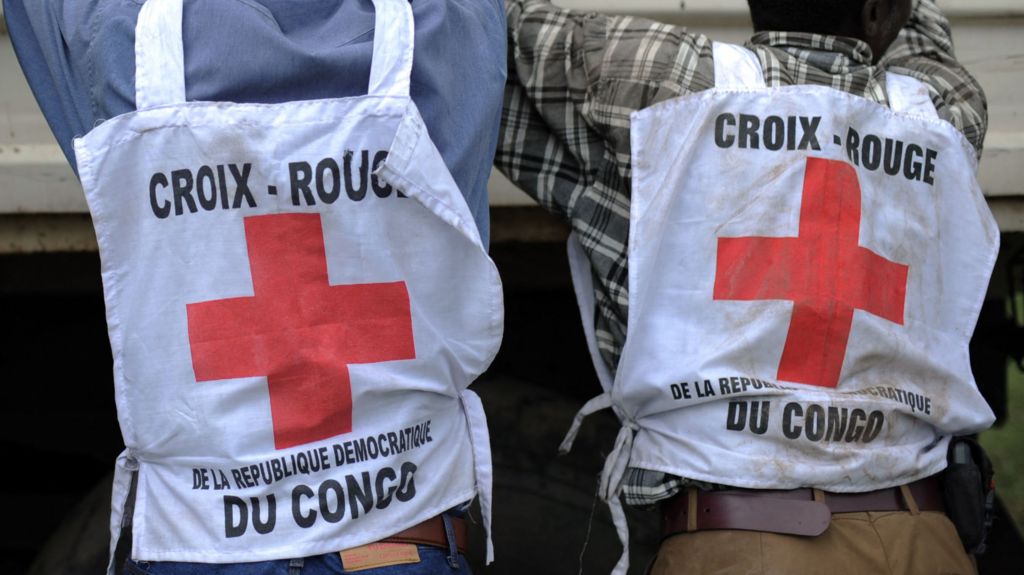
Red Cross volunteers die from suspected Ebola in DR Congo
A devastating chapter of the ongoing Ebola outbreak in the Democratic Republic of Congo (DRC) has claimed the lives of three Red Cross volunteers, who likely contracted the virus while handling deceased bodies before public health officials identified the growing epidemic, the International Federation of Red Cross and Red Crescent Societies (IFRC) has confirmed.
The three volunteers – Alikana Udumusi Augustin, Sezabo Katanabo and Ajiko Chandiru Viviane – were working on a non-Ebola related community project in the conflict-affected eastern province of Ituri when they were exposed to the virus on March 27, weeks before the outbreak was formally detected. They passed away between May 5 and May 16 in Mongbwalu, the town now recognized as the epicenter of the epidemic, and are counted among the earliest recorded fatalities of this outbreak.
As of the latest updates, the outbreak has been linked to more than 170 suspected deaths and over 750 suspected cases across eastern DRC. Paying tribute to the fallen workers, the IFRC honored them for serving their local communities “with courage and humanity” in a public statement.
On May 24, the World Health Organization (WHO) upgraded the public health risk assessment of the DRC outbreak from “high” to “very high”, acknowledging the rapid spread of the virus. WHO Director-General Dr Tedros Adhanom Ghebreyesus noted that while the regional risk across the African continent remains categorized as “high”, the global risk level is still classified as “low”.
A particularly challenging aspect of this outbreak is the Ebola strain involved: the rare Bundibugyo variant, which has no licensed, proven effective vaccine and carries a mortality rate of roughly one third of all confirmed infections. Health authorities have repeatedly emphasized that Ebola spreads easily through contact with bodily fluids of infected people, and remains highly contagious in deceased bodies even after death, making safe body management a high-risk task.
The outbreak has already spread beyond DRC’s borders. Neighboring Uganda confirmed three new confirmed cases on May 24, bringing the country’s total to five confirmed infections. The Africa Centres for Disease Control (Africa CDC) issued an urgent alert the same day, warning that 10 additional African countries – Angola, Burundi, the Central African Republic, the Republic of Congo, Ethiopia, Kenya, Rwanda, South Sudan, Tanzania and Zambia – face significant risk of imported cases and local spread.
Response efforts have been complicated by both community distrust and ongoing armed conflict in eastern DRC. On May 23, Médecins Sans Frontières (MSF) reported that an Ebola treatment tent it had set up in Mongbwalu was burned by local community members. The organization noted that the rapidly evolving outbreak has left many residents with deep uncertainty and fear, adding that the incident underscores the urgent need for sustained community engagement and trust-building to enable effective response.
The unrest follows another incident a day earlier, when an angry crowd in a separate district of Ituri set fire to part of a local hospital after authorities blocked the family and friends of a young man suspected of dying from Ebola from taking his body for a traditional burial. Beyond Ituri, confirmed cases have also been detected in North Kivu and South Kivu, where large swathes of territory are controlled by the M23 rebel group. Ongoing armed conflict in these areas has severely restricted access for public health response teams, creating additional barriers to containing the spread of the virus.
-
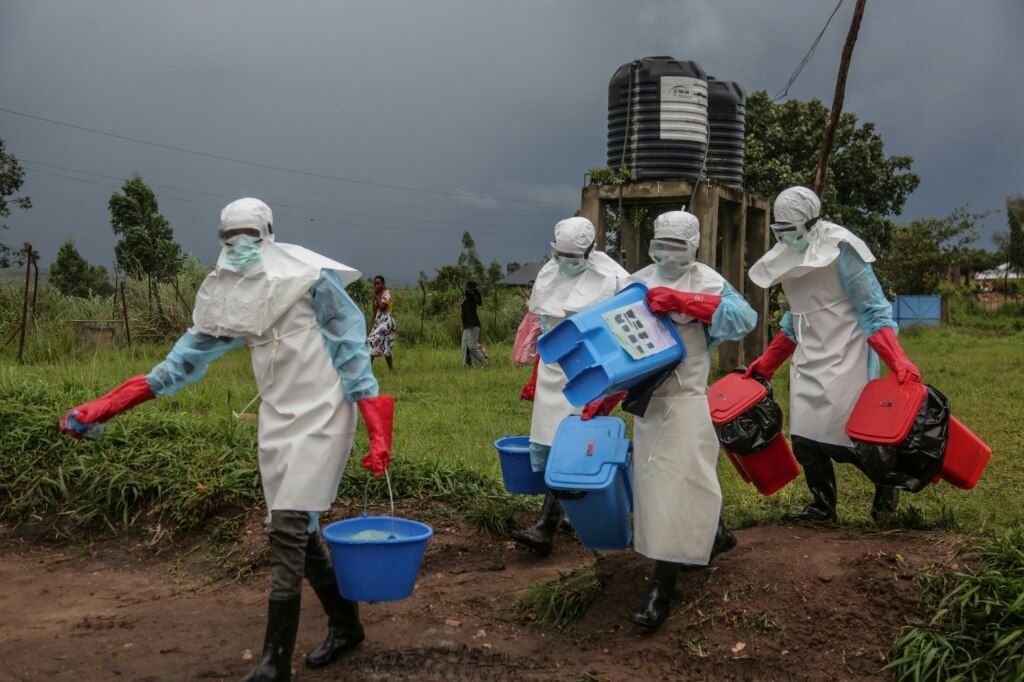
Ebola claims more lives, other African countries seen at risk
A worsening Ebola outbreak across central Africa has triggered new alarm this week, with Uganda reporting three fresh confirmed cases and the International Federation of Red Cross and Red Crescent Societies (IFRC) announcing three volunteer deaths in the neighboring Democratic Republic of the Congo. Health authorities are now warning that the deadly, highly contagious virus could extend beyond the two most affected nations to reach multiple other countries across the continent, pushing global health bodies to label the outbreak an international public health emergency.\n\nSpeaking over the weekend, Jean Kaseya, director of the Africa Centres for Disease Control and Prevention (Africa CDC), confirmed that 10 additional African nations have been flagged as at immediate risk of transmission: Angola, Burundi, the Central African Republic, the Republic of Congo, Ethiopia, Kenya, Rwanda, South Sudan, Tanzania and Zambia. Kaseya cited two major structural challenges fueling the outbreak’s spread: high cross-border population mobility across the region and widespread persistent insecurity that complicates outbreak response efforts.\n\nThe three new cases confirmed by Ugandan health officials on Saturday bring the east African nation’s total confirmed infections to five since the outbreak was first detected in both Uganda and the DRC on May 15. To date, Uganda has recorded one fatality from the virus, and the three newly confirmed patients – a Ugandan commercial driver, a Ugandan frontline health worker, and a Congolese woman – all remain alive as of Saturday’s update. Contact tracing has linked all three new cases back to initial cross-border infections originating in the DRC: the driver was operating the vehicle that carried the first confirmed Congolese patient into Uganda, the health worker was exposed while treating that infected patient, and the third case is a Congolese woman who crossed into Uganda for travel before returning to the DRC and testing positive.\n\nEbola is a lethal viral hemorrhagic fever that spreads through direct contact with infected bodily fluids, and can progress to severe internal bleeding, multi-organ failure, and death in a large share of untreated cases. The current outbreak is centered in conflict-ravaged eastern DRC, where the virus was first detected in Ituri province before spreading to the neighboring South Kivu region. Updated data from the World Health Organization (WHO), released Friday, puts the DRC’s current outbreak at 82 confirmed cases and seven confirmed deaths, alongside nearly 750 suspected cases and 177 suspected deaths that have yet to be formally verified.\n\nThe three Red Cross volunteers who died were Congolese staff deployed to Ituri for a humanitarian mission unrelated to Ebola response. On March 27, the group was tasked with managing the collection and burial of deceased community members, when the outbreak was still circulating undetected in the region. The IFRC confirmed Saturday that the three volunteers are among the first known fatalities linked to the current outbreak. Since the first recorded Ebola outbreak in 1976, the virus has killed more than 15,000 people across Africa over the past 50 years.\n\nLast Friday, the WHO upgraded the DRC’s national risk level for the outbreak to its highest classification: “very high”, while labeling the regional risk for central Africa “high” and maintaining the global risk classification at “low”. Unlike better-known Ebola strains, the current outbreak is caused by the rare Bundibugyo strain, for which no widely approved vaccines or targeted antiviral treatments are currently available. Outbreak investigators also suspect the virus was spreading undetected across the DRC for weeks before it was formally identified, allowing transmission to accelerate across border areas.\n\nFollowing confirmation of its first two cases, Uganda implemented a full suspension of public cross-border transport with the DRC last Thursday to slow transmission. The outbreak has laid bare the structural challenges of responding to a major epidemic in eastern DRC, a region that has faced decades of persistent conflict controlled by dozens of armed non-state groups. State health and administrative services have been largely absent from rural areas of Ituri for generations, and much of South Kivu is currently controlled by the Rwandan-backed M23 armed group, which has no prior experience managing large-scale public health emergencies like Ebola.\n\nAddressing a joint press conference in Addis Ababa alongside Kaseya, Congolese Health Minister Samuel Roger Kamba framed the outbreak as a shared global and regional responsibility. “This is everyone’s problem,” Kamba said, adding that the Congolese national government requires full territorial control across eastern DRC to implement effective outbreak containment measures and stop the virus from spreading further across the continent.
-
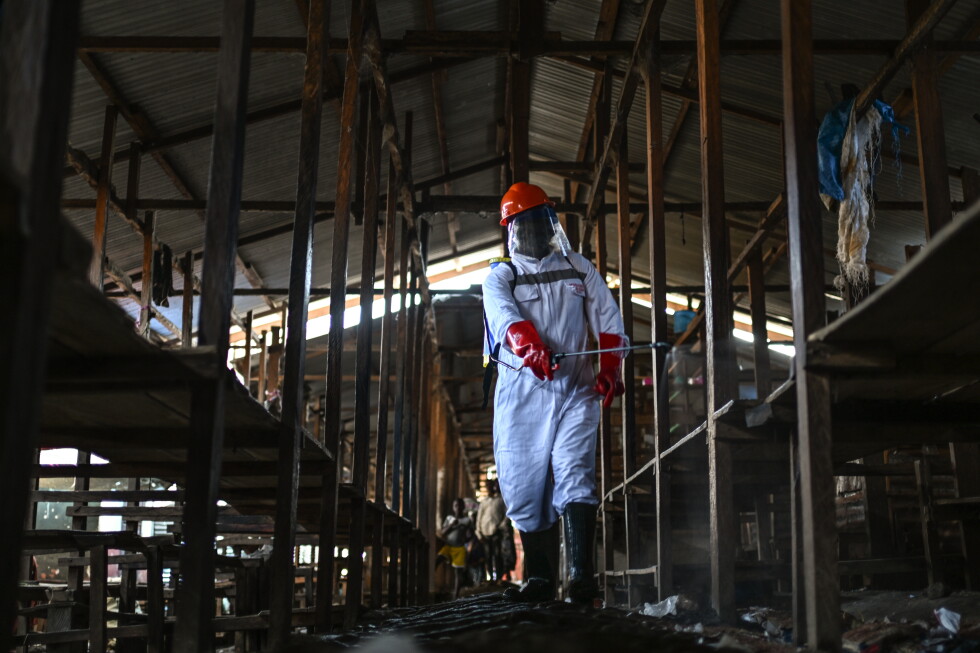
An Ebola treatment tent set ablaze again in eastern Congo with 18 suspected cases escaping
BUNIA, Democratic Republic of Congo — A growing wave of community distrust around the ongoing Bundibugyo Ebola outbreak in eastern Congo has boiled over into a second arson attack on a public health facility in less than a week, triggering a dangerous escape of infected patients and deepening concerns over virus containment efforts. Local hospital director Dr. Richard Lokudi, head of Mongbwalu General Reference Hospital, confirmed to the Associated Press that unidentified assailants targeted an MSF (Doctors Without Borders) isolation tent late Friday. The tent had been purpose-built to house both confirmed and suspected cases of the rare Bundibugyo strain of Ebola, which is currently driving the outbreak centered on the Mongbwalu area.
In the wake of the attack, 18 patients being monitored for possible Ebola infection fled the facility into the surrounding community, a development that public health officials warn drastically elevates transmission risks. “We strongly condemn this act, as it caused panic among the staff of the Mongbwalu Referral Hospital and also resulted in the escape of 18 suspected cases into the community,” Lokudi said. The attack marks the second targeting of Ebola response infrastructure in the region this week: just two days prior, a separate treatment center in nearby Rwampara was burned to the ground by community members after authorities blocked family members from recovering the body of a local man who had died from the virus.
This tension stems from a critical point of conflict between public health guidelines and local cultural practices: Ebola corpses are extremely contagious, and traditional funeral gatherings and body preparation are among the most common pathways for large-scale secondary spread. To curb transmission, authorities manage burials of confirmed and suspected Ebola victims whenever possible, a policy that frequently sparks pushback from grieving family and community members.
As community tensions mount, regional authorities have implemented strict new public health measures to slow the outbreak. On Friday, officials in northeastern Congo announced a ban on funeral wakes and all public gatherings of more than 50 people. The World Health Organization has also upgraded its risk assessment for the outbreak, raising the domestic risk level from “high” to “very high” while noting that the risk of global spread remains low at this stage.
As of Friday, WHO Director-General Tedros Adhanom Ghebreyesus reported that 82 confirmed cases and seven confirmed deaths have been recorded, but he warned that the actual size of the outbreak is far larger than official confirmed counts. Currently, surveillance systems are tracking 750 additional suspected cases and 175 suspected deaths, numbers expected to rise as public health workers expand monitoring across the region.
A unique factor complicating the response to this outbreak is the lack of an approved vaccine for the Bundibugyo strain. The virus spread undetected for weeks across Ituri province after the first recorded death, when initial testing incorrectly targeted the more common Zaire Ebola strain and returned negative results, delaying the activation of a full response. Most recently, the revelation that three International Federation of Red Cross and Red Crescent Societies volunteers died from the virus in Mongbwalu after contracting it during a non-Ebola body management mission on March 27 has pushed back the estimated timeline of the outbreak. Previously, the first confirmed death was dated to late April in Bunia, Ituri’s capital.
Top African public health leaders have emphasized that repairing community trust is a core component of any effective response. “A response to the outbreak must include building trust with communities,” said Dr. Jean Kaseya, director-general of the Africa Centers for Disease Control and Prevention. On Saturday, a burial for Ebola victims in Bunia proceeded only under heavy armed security, a stark indicator of the ongoing friction between response teams and local communities. The Red Cross has confirmed that three of its volunteers have died from the virus linked to this outbreak, marking a major loss for the humanitarian effort working to contain the spread.
-
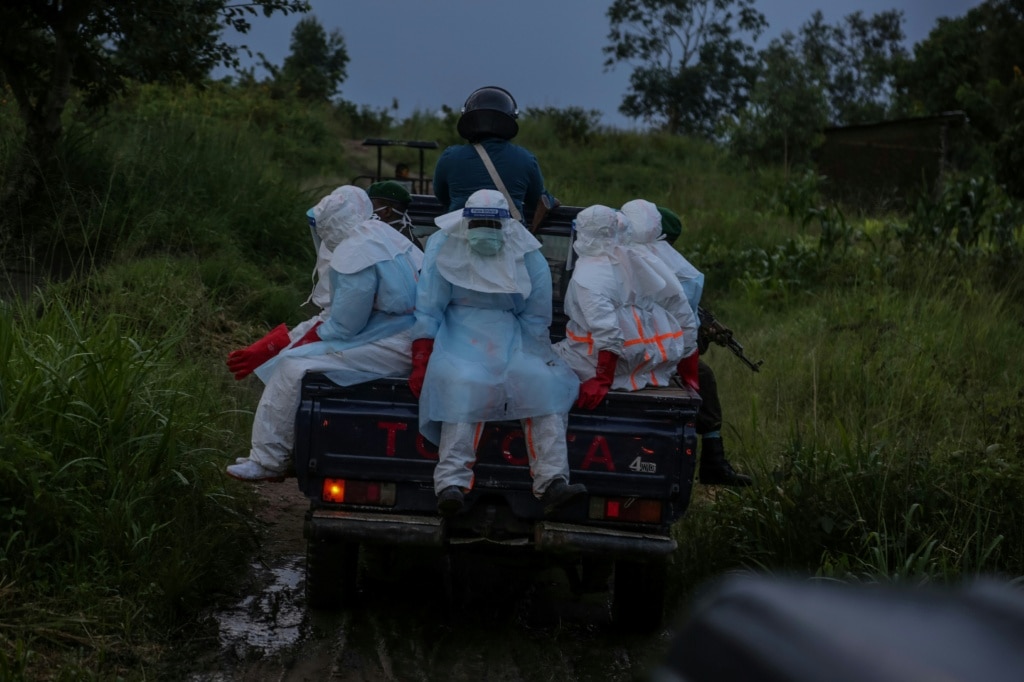
Uganda confirms new Ebola cases, linked to DR Congo
Ugandan health officials announced Saturday that three new positive Ebola cases have been detected in the country, all linked to an ongoing, rapidly spreading outbreak centered in the neighboring Democratic Republic of the Congo that the World Health Organization has already designated a public health emergency of international concern. This update brings Uganda’s total number of confirmed Ebola infections to five since the virus first crossed the country’s border and was detected locally on May 15.
Health authorities have publicly identified the three newly confirmed patients: a Ugandan long-haul driver, a Ugandan frontline healthcare worker, and a female patient from the DRC, where the outbreak originated. In an official statement posted to the social platform X, the Ugandan Ministry of Health confirmed that all three patients are still alive as of Saturday’s update.
The new diagnoses come just one day after the WHO upgraded the overall risk level of the DRC Ebola outbreak to its highest classification, “very high,” for the DRC itself. The UN health agency also noted that the regional risk level across central Africa remains “high,” while the global risk level is still categorized as “low.”
Ebola is an extremely virulent viral pathogen that spreads exclusively through direct contact with infected bodily fluids. In severe cases, it triggers catastrophic systemic symptoms including unstoppable internal bleeding and complete organ failure, with high mortality rates for unmanaged cases. According to the latest WHO data, the DRC has recorded 82 confirmed Ebola cases and seven confirmed deaths from the current outbreak, alongside nearly 750 suspected cases and 177 additional suspected fatalities.
Outbreak investigators say the epidemic spread undetected for an unknown period before it was officially identified. Complicating response efforts further, the outbreak is caused by the rare Bundibugyo Ebola strain, for which no specifically approved vaccines or targeted therapeutic treatments currently exist.
Days before the new cases were announced, on Thursday, Uganda enacted strict border control measures, suspending all public cross-border passenger and cargo transport to and from the DRC, after confirming the country’s first two Ebola cases. Both of those initial cases involved Congolese citizens who crossed the border into Uganda, and one of those patients died from the infection.
Contact tracing has revealed clear transmission links between the initial cross-border cases and the three new diagnoses. The infected Ugandan driver was operating the vehicle that carried the first ill Congolese patient into Uganda, while the Ugandan healthcare worker contracted the virus while providing care to that same infected cross-border patient. The third new case, the Congolese woman, had traveled to Kampala to receive treatment for abdominal pain, was discharged in apparent good health on May 14, and tested positive for Ebola after she returned to the DRC.
Ugandan health authorities stated that all known close contacts of the confirmed cases have already been identified and are currently under active, close medical monitoring to catch any new potential infections early.
WHO Director-General Tedros Adhanom Ghebreyesus warned Friday that the ongoing response to the outbreak in the DRC faces unprecedented challenges. The epicenter of the epidemic lies in the eastern DRC, a region that has been torn by decades of persistent conflict between dozens of armed rebel groups and government forces, leaving it unstable and largely cut off from formal state services. This remote, insecure environment has forced response teams to work under extreme conditions to slow virus transmission and track down the contacts of all confirmed infected people.
The outbreak was first detected in the DRC’s Ituri province, and has since spread into areas of South Kivu that are currently controlled by the Rwanda-backed M23 militia. State healthcare infrastructure has been largely non-existent in rural parts of Ituri for decades, and local residents have grown increasingly critical of the Congolese national government for what they say is an unacceptably slow and under-resourced response to the crisis. Meanwhile, the M23 militia, which controls the affected parts of South Kivu, has no prior experience managing a large-scale outbreak of a deadly disease like Ebola, which has killed more than 15,000 people across Africa over the past 50 years.
-
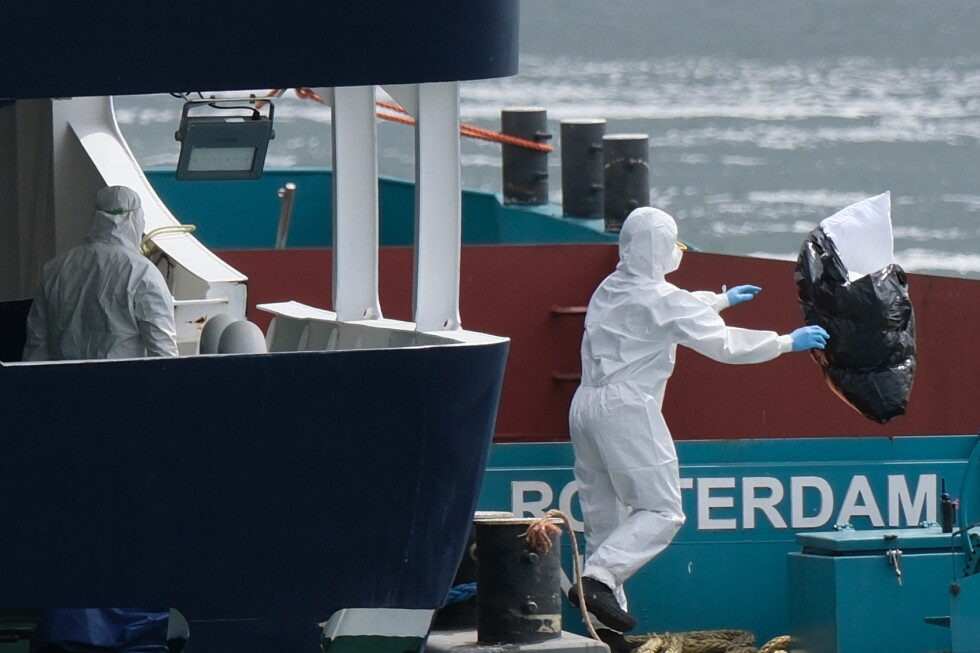
How South African scientists identified hantavirus on a cruise ship thousands of miles away
On the morning of May 1, as South Africa paused to observe the Labor Day public holiday, leading South African infectious disease specialist Lucille Blumberg logged into her work email and encountered an urgent alert that would launch a rapid, cross-continental disease investigation. The message came from a public health colleague based in the United Kingdom, who was monitoring disease activity across remote South Atlantic British overseas territories. It detailed a worrying situation: a passenger from a Dutch cruise ship sailing thousands of miles across the Atlantic had been medically evacuated and admitted to a Johannesburg hospital for suspected pneumonia, with multiple other passengers and crew on the vessel already showing symptoms of illness.
The passenger had been evacuated from the ship off Ascension Island, one of the British territories the UK-based colleague monitors, and Blumberg was asked to lead the follow-up investigation into the mysterious illness. Within hours, Blumberg and a team of specialists from South Africa’s National Institute for Communicable Diseases were mobilized, putting aside holiday plans to race against the clock to identify the cause of the growing outbreak on board the MV Hondius cruise liner.
“Even though it was a public holiday, we moved, we moved really fast,” Blumberg recalled in an interview with the Associated Press. “It was busy. There were many conversations. There were online discussions, and there was laboratory testing happening at the time.” In what would become a defining display of global public health collaboration, the team achieved a breakthrough in less than 24 hours, confirming the evacuated patient was infected with hantavirus, a rare pathogen carried and spread by rodents.
### A Methodical Process of Elimination
When the elderly British patient first arrived at the private Johannesburg hospital, he was in critical condition, and clinicians had no clear answer for what was causing his severe respiratory illness. By the time he was evacuated from the ship, two elderly Dutch passengers who had fallen ill on the cruise had already died, but the full scope of the outbreak had not yet come into focus. Health authorities on Ascension Island had only reported a cluster of pneumonia-like illnesses to the World Health Organization (WHO) without identifying a root cause.Initially, Blumberg and her team prioritized the most likely causes of a respiratory outbreak on a cruise ship. Their first working theories were Legionella, a common bacterium linked to cruise ship and hotel pneumonia outbreaks that causes Legionnaires’ disease, and avian influenza, since the ship’s itinerary included stops at South Atlantic islands where bird flu is well documented. “Legionella is well described in outbreaks in hotels and on cruise ships, and influenza certainly is. These people had visited islands where avian influenza is well documented,” Blumberg explained.
Initial tests for both pathogens came back negative. The team ran a full panel of tests for dozens of other common respiratory illnesses, and all of those also returned negative results. It was only when the team shifted their focus to the ship’s full itinerary and the profile of passengers that a new lead emerged: the MV Hondius had sailed from Argentina, and most passengers on board were avid bird watchers who had spent time exploring remote areas of South America that are home to large rodent populations.
### Global Collaboration Drives Rapid Diagnosis
The new clue led the South African team to test for a less common but well-documented pathogen in southern South America: hantavirus, specifically the Andes strain that is endemic to parts of Chile and Argentina. Their work was greatly accelerated by close collaboration with hantavirus specialists based in South America and the United States, with the WHO coordinating cross-border communication between experts. “You can get onto a Zoom online and ask your questions and get advice. This is not something every day. So that was quite extraordinary,” Blumberg noted of the international cooperation.By Saturday morning, just two days after the initial alert, Blumberg contacted the director of South Africa’s only laboratory equipped to test for hantavirus. Within hours, the lab director had mobilized her team on the weekend to process the samples. “I said, we want to do hanta, and she said, ‘yeah, I’m coming,’” Blumberg recalled. That same afternoon, initial tests on the evacuated patient’s blood samples came back positive for hantavirus. The team ran a second round of confirmatory testing to rule out error, and the positive result was upheld.
### Confirmation Paves the Way for Targeted Outbreak Response
The positive diagnosis, which also confirmed the pathogen was the Andes hantavirus strain, allowed the WHO to immediately alert the cruise ship leadership and formally declare a hantavirus outbreak on board. Unlike most hantavirus strains, which cannot spread easily between humans, the Andes variant can pass from person to person, making rapid identification critical to implementing appropriate safety measures. After the diagnosis, Blumberg’s team also moved quickly to test tissue samples from a deceased Dutch passenger, one of the two who had died earlier in the outbreak. The woman had disembarked at St. Helena to accompany her husband’s remains before traveling to South Africa where she later died, and her posthumous test also returned positive for hantavirus.“It was a bit of a wow moment,” Blumberg said. “And at least once you know what you’re dealing with, it’s much easier to respond.” As of the latest update from South Africa’s health ministry, the British patient who was the first confirmed case is now recovering in hospital and showing steady improvement. Meanwhile, the MV Hondius has completed its journey to its home port of Rotterdam in the Netherlands, where the vessel was thoroughly disinfected and all remaining crew have disembarked for monitoring.
With 25 years of experience responding to disease outbreaks around the world, Blumberg framed the rapid identification of the cruise ship hantavirus as a case study in effective public health practice. “I’ve been doing outbreaks for 25 years. That’s what we do. We do them every day,” she said. “I think the important thing was to respond immediately to a question that clearly was urgent and then to take it from there.”
-
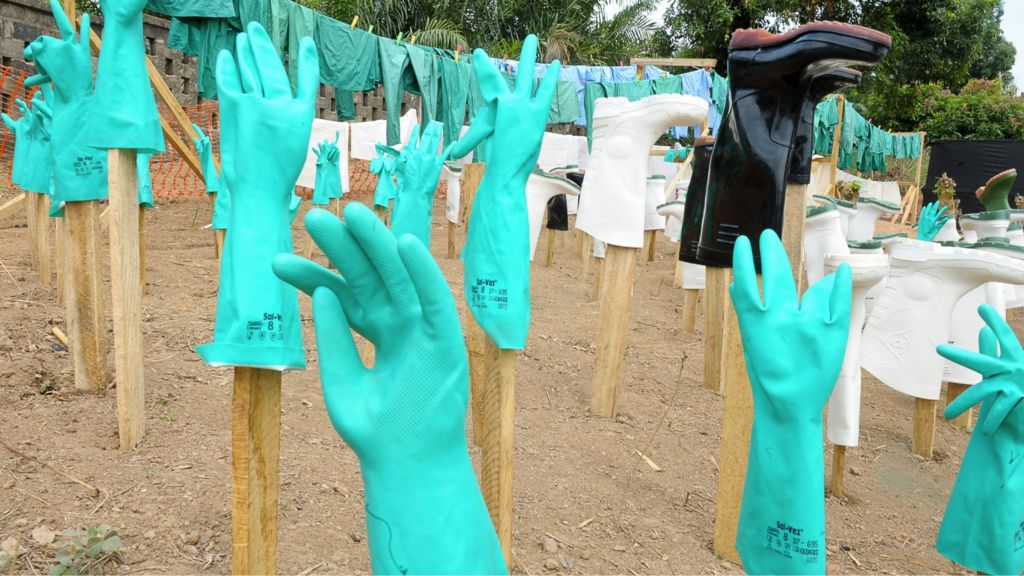
‘Speed, money and compassion’ – lessons from an Ebola survivor and other experts
More than a decade after West Africa suffered the deadliest Ebola epidemic in recorded history, a new outbreak in the eastern Democratic Republic of the Congo has stirred traumatic memories for survivors of the earlier crisis, while forcing global health experts to confront gaps in preparedness for rare, untreatable strains of the virus.
Patrick Faley, a Liberian Ebola survivor who lost his four-year-old son to the disease during the 2013–2016 West African outbreak that killed over 11,000 people across Guinea, Liberia and Sierra Leone, says images of medics scrambling to contain the DR Congo outbreak have brought back haunting recollections of loss and chaos. “I saw the burial team taking eight of them,” Faley recalled. “I made new friends although they ended up dying. I was the only person that was left there.”
Faley was recruited as a community health volunteer by Liberia’s Ministry of Health at the height of the West African epidemic, tasked with traveling between rural villages to educate locals on how Ebola spreads through direct contact with bodily fluids, discourage unsafe traditional practices like handshakes and ritual washing of deceased bodies, and dispel dangerous misinformation about the virus. His own infection came after he set aside safety guidance to comfort grieving community members at a colleague’s Ebola funeral: “You have to shake hands; you have to hug people. Forgetting to know that we have a crisis, an emergency crisis in our country.”
Three days after the funeral, Faley fell ill, transforming from a frontline outreach worker to a patient in an overcrowded Monrovia treatment ward, where he watched dozens of patients die waiting for care. He survived the infection, but his wife and young son later contracted the virus. While his wife recovered, four-year-old Momo did not survive.
Today, the lessons learned from Faley’s experience and the broader West African outbreak are shaping the public health response to the new DR Congo outbreak, where the World Health Organization (WHO) has confirmed over 170 deaths so far. One key change adopted from past outbreaks is an immediate ban on traditional funerals for suspected Ebola cases to cut transmission chains — but the policy has already sparked community unrest. Last Thursday, a crowd angry over authorities’ refusal to release a body for burial set fire to part of a hospital near the outbreak epicenter in Bunia.
Dr. Patrick Otim, the WHO’s Africa area manager, emphasized that integrating past lessons into the current response is non-negotiable, and that community buy-in is as critical as medical infrastructure. “One of the biggest lessons from the West Africa outbreak and previous Ebola outbreaks in DRC is that speed matters,” Otim explained. “Early delays in detecting cases, isolating patients and engaging communities can allow transmission chains to expand very quickly.” He added that outbreaks cannot be controlled by medical intervention alone: “Community trust is essential. Safe and dignified burials, local leadership engagement and clear communication are just as important as laboratories and treatment centers.”
This outbreak marks the 17th Ebola event recorded in DR Congo since the virus was first identified in 1976, but it carries unique challenges: it is only the third global outbreak of the rare Bundibugyo Ebola strain, a variant that circulates far less often than the common Zaire strain. Unlike the 2013–2016 West African outbreak, which was eventually curbed with the first approved Ebola vaccine Ervebo, no approved vaccine or specific treatment exists for Bundibugyo.
Professor Thomas Geisbert, a leading Ebola researcher at the University of Texas Medical Branch and co-inventor of Ervebo, explained that the genetic makeup of Bundibugyo differs from Zaire by roughly 30%, rendering existing stockpiled vaccines ineffective. “Just because a vaccine works against one particular type of a virus doesn’t mean it’s going to work against another one,” he said. Ervebo remains the only Ebola vaccine currently available in the global emergency stockpile.
Developing new vaccines is an expensive, time-consuming process that has long been overlooked by profit-driven pharmaceutical companies, Geisbert noted. He and other researchers have already made progress on a Bundibugyo vaccine built on Ervebo’s existing framework, with preclinical trials in non-human primates showing 83% protection. However, the candidate has not yet moved to human testing. Geisbert estimates that moving a vaccine from laboratory development to full-scale deployment can cost more than $1 billion, a price tag that has so far discouraged private sector investment. Teams at the University of Oxford have also announced they are developing a candidate that could be ready for human trials within two to three months, and the WHO says a fully tested, deployable vaccine could take up to nine months to deliver.
Kenyan biochemistry professor Wallace Bulimo of the University of Nairobi said the current outbreak exposes a long-standing failure to prioritize research on less common Ebola strains, which were first identified as a distinct variant in 2007. “Why is it that we have not actually done a lot of work on this virus? And yet we knew it was there,” Bulimo said. “It was first discovered in 2007, so we should have actually never ignored it.”
Faley, who has experienced first-hand the fallout of mismanaged community outreach, warns response teams against openly telling locals that the current outbreak has no cure. Doing so, he argues, will discourage sick people from seeking treatment and fuel stigma, as communities believe seeking care is a death sentence. He also cautions against the common pitfalls of a sudden influx of international aid: large numbers of foreign responders can stoke fear and distrust in local communities, which played a role in slowing the West African response early on. Currently, tons of aid have been shipped to the outbreak epicenter in Ituri province, and multiple international medical and UN agencies are preparing to deploy support teams.
Unlike the early days of the West African outbreak, DR Congo has built up one of the world’s most experienced workforces for Ebola response over the past decade, having managed 16 prior outbreaks. Otim stressed that the Congolese government is leading the current response, and the country has built robust expertise in everything from case detection to outbreak coordination. The biggest challenges do not stem from a lack of experience, he said — instead, they come from the region’s difficult operating environment: long-standing insecurity from armed groups, widespread population displacement, crumbling infrastructure, and constant cross-population movement all make containment far more complex.
Experts warn the outbreak may already be larger than official counts show, as confirmation of the first case took three weeks: the initial patient, a nurse, developed symptoms on April 24, but the outbreak was not confirmed until mid-May. While the situation remains serious, there are small points of cautious optimism: the historical case fatality rate for Bundibugyo is roughly 30%, lower than many other Ebola strains. Still, Geisbert noted that Bundibugyo has a longer incubation period than other variants, which means infected people can unknowingly spread the virus in communities for longer before developing symptoms.
On a more encouraging note, the WHO plans to prioritize experimental use of the antiviral drug Obladesivir, which was developed during the COVID-19 pandemic, under strict clinical protocols. Researchers hope the drug may prevent infection in people who have been exposed to confirmed Ebola cases.
For his part, Faley says he stands ready to support affected communities in DR Congo, drawing on his own experience as a survivor to help people navigate the trauma of the outbreak. “Our arms are open as Liberians,” he said. “Our arms are open in order to help our colleagues who will be surviving, to give them a proper perspective, what it means to survive Ebola. I will always be here to advocate for survival.”