分类: health

  • Home visits and WeChat platform aid Ningxia patients

    Home visits and WeChat platform aid Ningxia patients

    In the Ningxia Hui Autonomous Region, a innovative healthcare initiative blending traditional home visits with modern digital platforms is revolutionizing chronic disease management for elderly patients. This program provides regular medical check-ups and personalized treatment adjustments directly in patients’ homes, supplemented by continuous digital monitoring through WeChat-based communication channels.

    Seventy-year-old Zhang Younsheng, a hypertension patient of twelve years, exemplifies the program’s success. As a stage 2 patient, he qualifies for contracted family doctor services that bring comprehensive medical care to his doorstep. Dr. Chen Wenchang, his assigned family physician, conducts routine visits to monitor Zhang’s blood pressure, evaluate his condition, and fine-tune his medication regimen.

    ‘The doctor’s regular visits provide tremendous peace of mind,’ Zhang noted. ‘Not only does he adjust my medications during each visit, but he also offers clear explanations about proper dosage and administration.’

    The initiative represents a significant advancement in regional healthcare infrastructure, particularly in Shizuishan where such visits have become standardized practice. By combining the personal touch of in-home medical consultations with the convenience and accessibility of digital health platforms, Ningxia’s healthcare authorities have created a hybrid model that addresses both medical and accessibility challenges.

    This approach demonstrates how traditional medical practices can effectively integrate with digital technology to create more responsive, patient-centered healthcare solutions, especially valuable for elderly patients managing long-term chronic conditions in remote areas.

  • Quttainah Hospital earns JCI re-accreditation, reinforcing its leadership in ethical elective care

    Quttainah Hospital earns JCI re-accreditation, reinforcing its leadership in ethical elective care

    Dubai’s Quttainah Medical Center has once again achieved the coveted Joint Commission International (JCI) re-accreditation, solidifying its status as a premier institution for ethical elective and aesthetic healthcare in the Middle East. This distinguished recognition, awarded following an exhaustive evaluation process, validates the hospital’s unwavering dedication to exceptional patient safety protocols, clinical excellence, and organizational integrity.

    The JCI Gold Seal represents the highest global standard in healthcare quality, with accreditation demanding strict adherence to over 1,300 measurable criteria spanning clinical outcomes, infection prevention, facility management, and staff credentialing. Quttainah Hospital’s successful renewal demonstrates not merely compliance but consistent exceeding of these rigorous international benchmarks.

    This accomplishment carries substantial implications for both the institution and Dubai’s expanding medical tourism sector. The re-accreditation enhances patient confidence in selecting ethically-grounded elective procedures, supports Dubai’s strategic vision to become a world-class medical destination, and establishes new quality standards for regional healthcare providers.

    Hospital leadership emphasized the cultural significance behind this achievement. Founder and Chairman Dr. Adel Quttainah stated, ‘This accreditation transcends ceremonial recognition—it embodies our daily commitment to patient-centered care. While aesthetic excellence remains our trademark, creating an environment where patients feel secure, valued, and comprehensively supported defines our fundamental philosophy.’

    Chief Medical Officer Dr. Mohamed Omran elaborated on operational excellence: ‘Reattaining the JCI Gold Seal reflects meticulous attention to detail across every care continuum—from initial consultation through postoperative recovery. Our integrated systems prioritize patient protection while delivering treatments that meet stringent international protocols, a responsibility we embrace with profound seriousness.’

    The re-accreditation positions Quttainah Hospital at the forefront of Dubai’s medical landscape, potentially influencing broader healthcare standards while reinforcing the emirate’s growing reputation as a trusted global destination for medical tourism.

  • Movember is nearly over: Why men’s health awareness should include financial well-being

    Movember is nearly over: Why men’s health awareness should include financial well-being

    As Movember awareness month concludes, alarming data from the Gulf region reveals a critical intersection between men’s health and financial stability. Zurich International Life Ltd.’s 2025 Customer Claims Report, analyzing three years of data across UAE, Bahrain, and Qatar, presents compelling evidence that demands a paradigm shift in how we approach men’s wellness.

    The statistics paint a concerning picture: 58% of men’s living-benefit claims resulted from heart attacks or strokes, while cancer accounted for 33%. Mortality figures prove equally sobering—cardiovascular events claim every second male life, with cancer responsible for one in four deaths.

    In a region where single-income households frequently support entire families, health professionals now emphasize that medical protection alone proves insufficient. Prashant Sharma, CFA, Vice President – Life at The Continental Group, explains the crucial distinction: “Medical insurance pays the hospital; critical-illness insurance pays the household. It bridges the gap between getting better and getting back to work by covering mortgages, school fees, and everyday costs that don’t stop when income does.”

    This evolving perspective recognizes that many men, despite being primary providers, often overlook their vulnerability. Insurance experts note that while awareness campaigns like Movember and Pink October have successfully normalized health screenings, the conversation must now expand to encompass economic resilience.

    Industry professionals advocate for integrated solutions that combine preventive measures with financial protection. Sanghamitra Banerjee, Life Insurance Manager, highlights how insurers now incorporate wellness programs, preventive health checkups, and mental health support alongside traditional coverage. She emphasizes that critical illness riders provide essential interim relief during medical crises, offering both financial and mental security.

    The report underscores employers’ vital role in closing protection gaps. Many organizations still overlook critical illness coverage when designing employee benefits programs, despite its potential to safeguard both staff and their families during health emergencies.

    This comprehensive approach to men’s health—merging physical wellness with financial preparedness—represents the next frontier in holistic well-being for Gulf communities, where health stability directly correlates with family security.

  • Bird flu poses pandemic risk worse than Covid-19, says France research centre

    Bird flu poses pandemic risk worse than Covid-19, says France research centre

    Leading French researchers at Institut Pasteur have issued a stark warning that avian influenza could potentially trigger a global health crisis surpassing the devastation caused by COVID-19. Dr. Marie-Anne Rameix-Welti, Medical Director of the institute’s respiratory infections center, emphasized that while current human infections remain rare, the virus’s adaptation for human-to-human transmission would create pandemic conditions of unprecedented severity.

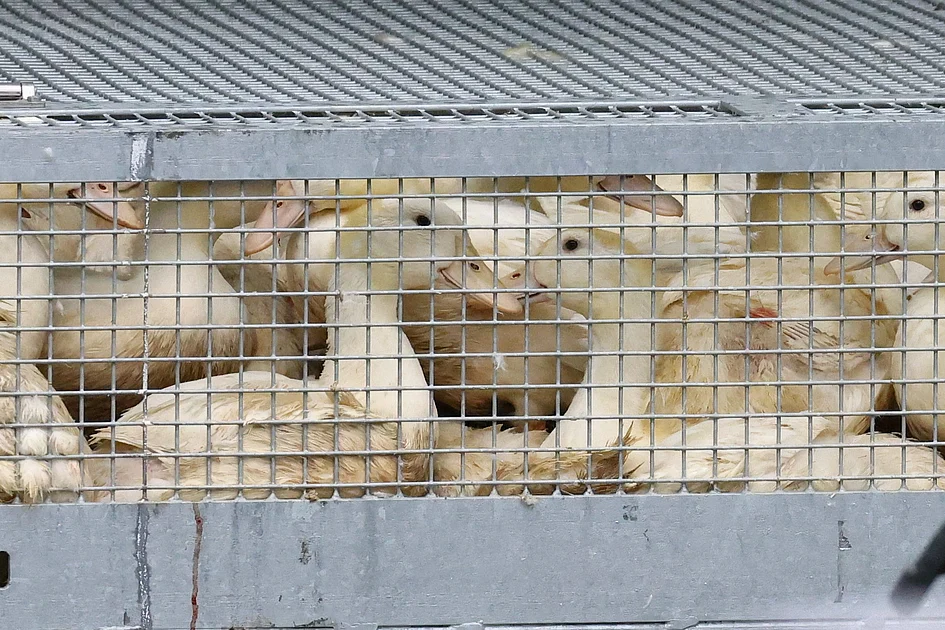
    The highly pathogenic H5 avian influenza strain has already necessitated the culling of hundreds of millions of birds worldwide, creating significant disruptions to food supplies and driving price increases across global markets. Unlike seasonal influenza strains H1 and H3, against which humans maintain some antibody protection, the H5 variant presents a completely novel threat to human immune systems.

    According to World Health Organization data spanning 2003-2025, nearly 1,000 human cases have been documented primarily in Egypt, Indonesia, and Vietnam, with a startling 48% mortality rate. Recent developments include the first documented human case of H5N5 in Washington state, where an immunocompromised individual succumbed to the infection.

    Despite these concerning developments, international health authorities maintain that the immediate risk of human pandemic remains relatively low. Gregorio Torres of the World Organisation for Animal Health advises continued vigilance while reassuring the public about current safety measures for food consumption and outdoor activities.

    The scientific community highlights several advantages in pandemic preparedness compared to the initial COVID-19 response. Multiple vaccine candidates stand ready for rapid deployment, manufacturing protocols have been established for swift vaccine production, and strategic stockpiles of effective antiviral medications have been maintained specifically for influenza threats.

  • Africa urged to chart new paths amid funding cuts

    Africa urged to chart new paths amid funding cuts

    Amid unprecedented cuts in global health funding, Africa finds itself at a pivotal juncture, grappling with the dual challenges of sustaining its healthcare systems and redefining its approach to self-reliance. Health experts are urging African nations to shift from despair to determination, emphasizing the need for innovative solutions and sustainable financing models. Catherine Kyobutungi, Executive Director of the African Population and Health Research Center, highlights the urgency of moving beyond the immediate crisis to strategize long-term resilience. Since January, the continent has felt the impact of significant funding reductions from major donors, including the United States and OECD countries. While programs like HIV and malaria have maintained some stability, critical areas such as maternal and child health, as well as water and sanitation, have suffered severe cuts. Kyobutungi warns that these cuts not only threaten immediate healthcare delivery but also set a concerning precedent for the unpredictability of aid. However, many African leaders and experts view this crisis as an opportunity to transform the continent’s healthcare systems. During the Africa Health Sovereignty Summit in Ghana, leaders advocated for sustainable health financing through domestic resource mobilization and reduced reliance on external aid. Daniel Mwai, Kenya’s presidential health adviser, emphasized that achieving sustainability requires robust political and technical leadership, meticulous planning, and a willingness to rethink priorities. As Africa navigates this funding crisis, the path forward lies in innovation, self-reliance, and a renewed commitment to building resilient healthcare systems.

  • AI takes on rising role in healthcare

    AI takes on rising role in healthcare

    Artificial Intelligence (AI) is increasingly transforming the healthcare sector, driving efficiency and expanding resources in underserved areas. At Beijing Chest Hospital, radiologist Hou Dailun has observed remarkable improvements since the introduction of an AI system in 2020. The system assists in analyzing CT scans for lung nodules, processing hundreds of slices in seconds and providing precise data on size, shape, and density. This innovation has slashed the time required for analysis from over 20 minutes to mere seconds, enabling the department to interpret results for 600 patients daily. This advancement is part of China’s broader strategy to integrate AI into healthcare, as outlined in a recent guideline by the National Health Commission. The guideline aims to make AI-assisted diagnostic imaging widely available in secondary-level hospitals by 2030, emphasizing data quality, research, and development. AI is also being deployed at the grassroots level, such as at Beiqijia Community Health Service Center, where an online system tracks blood sugar levels for diabetic patients and offers dietary recommendations. Despite its benefits, AI remains an auxiliary tool, with human oversight essential to address its limitations and ensure patient safety. The future of AI in healthcare is promising, with potential to enhance diagnosis, treatment, and chronic disease management, while requiring robust regulation and collaboration across sectors.

  • ‘I panic every time she coughs’ – Delhi’s toxic air is making its children sick

    ‘I panic every time she coughs’ – Delhi’s toxic air is making its children sick

    Delhi, the Indian capital, is grappling with a severe air pollution crisis, with children emerging as the most vulnerable victims. Hospitals across the city are witnessing a surge in young patients suffering from respiratory issues, a direct consequence of the hazardous air quality. The situation has reached alarming levels, with the Air Quality Index (AQI) consistently hovering between 300 and 400, far exceeding the World Health Organization’s recommended limit. Fine particulate matter (PM2.5), which can penetrate deep into the lungs, is a major contributor to the health crisis. Pediatric clinics are overwhelmed, with doctors reporting a tenfold increase in pollution-related illnesses among children. Dr. Shishir Bhatnagar, a pediatrician in Noida, noted that 50-70% of his patients during the pollution season suffer from breathing difficulties, compared to 20-30% in normal times. The government has implemented emergency measures, including halting construction and banning polluting vehicles, but these efforts have failed to curb the smog. Parents like Khushboo Bharti, whose one-year-old daughter Samaira was hospitalized with pneumonia, are living in constant fear. Research underscores the long-term health risks for children, including stunted development, weakened immunity, and cognitive impairments. A recent study from the University of Cambridge linked air pollution to a higher risk of dementia. Many families are considering relocating to safer environments, but for the economically disadvantaged, escape is not an option. Dr. A Fathahudeen, a pulmonologist, warns that chronic exposure to pollution can lead to irreversible lung damage in children. While schools have shifted to hybrid learning and outdoor activities have been curtailed, parents question how long they can keep their children indoors. The crisis has sparked protests and calls for urgent action to protect the health of Delhi’s youngest residents.

  • ‘Lifesaver’: UAE women hail US step to drop warning on menopause symptoms therapy

    ‘Lifesaver’: UAE women hail US step to drop warning on menopause symptoms therapy

    A landmark regulatory shift by the U.S. Food and Drug Administration (FDA) to eliminate stringent ‘black box’ warnings from most menopausal hormone replacement therapy (HRT) products is being celebrated as a transformative development for women’s healthcare in the United Arab Emirates. Medical professionals predict this decision will catalyze a significant surge in women seeking treatment, empowering them to pursue personalized strategies for managing menopause symptoms.

    The FDA’s action reverses a decades-old cautionary stance established in the early 2000s, which was based on a study that initially suggested a non-significant increase in breast cancer risk. This warning had created widespread apprehension, causing a dramatic decline in HRT usage. The updated regulatory position now aligns with contemporary scientific evidence demonstrating that initiating therapy within ten years of menopause onset, or before age 60, presents a favourable risk-benefit profile for most women.

    Dr. Aysha Salam, Specialist in Obstetrics and Laparoscopic Gynaecology at Aster Hospital Mankhool, described the development as “a pivotal moment for women in the UAE, potentially leading to increased access to evidence-based menopausal care.” She emphasized that this change facilitates more informed health decisions, moving away from a generalized approach to menopause management.

    The emotional resonance of this decision is profound among UAE residents. Dubai resident Fathimath Shehnaz characterized HRT as a “lifesaver” that alleviated her severe symptoms following a hysterectomy. “The hot flashes were unbearable,” she recounted. “Within one day of starting treatment, I could feel the difference.”

    Despite established benefits—including a documented 50% reduction in heart attack risk, 64% decrease in cognitive decline, and 35% lower Alzheimer’s risk—persistent misconceptions continue to deter women from treatment. Dr. Milena Caccelli, Endocrinologist at metabolic.health, noted that outdated fears surrounding cancer and cardiovascular risks have created disproportionate anxiety, often causing women to delay seeking appropriate medical care.

    Medical experts conclude that the FDA’s updated stance will foster more individualized prescribing practices, enhance patient-clinician dialogue, and ultimately improve quality of life for women navigating menopause by providing clearer access to safe and effective treatments.

  • Hair transplant costs in Turkey: What’s included and what to expect

    Hair transplant costs in Turkey: What’s included and what to expect

    Turkey has emerged as a premier destination for hair transplantation, offering a unique blend of affordability, quality, and comprehensive care. With costs ranging from $2,500 to $6,500, Turkish clinics provide a cost-effective alternative to Western countries like the UK, Europe, and the US. Renowned clinics such as Asli Tarcan Clinic employ experienced surgeons and utilize advanced techniques, ensuring natural results and a seamless recovery process.

    What sets Turkey apart is its all-inclusive packages, which typically cover accommodation, airport transfers, surgery, and aftercare. Patients can enjoy stays in 4- or 5-star hotels, private airport transfers, and access to specialized medical expertise. The competitive pricing is driven by factors such as affordable living costs, a robust medical tourism industry, and shorter waiting times.

    Turkish clinics also prioritize aftercare, offering virtual consultations, wound care instructions, medication guidance, and more. The success rate of hair transplants in Turkey exceeds 95%, making it a reliable choice for international patients. Additionally, the country’s convenient tourism arrangements, from arrival to departure, enhance the overall experience.

    Choosing the right clinic and understanding the inclusions in the package are crucial for a successful treatment. With proper research and planning, patients can achieve long-lasting results and enjoy a comfortable, cost-effective medical tourism experience in Turkey.

  • Chinese researchers help realize non-invasive insulin delivery through skin

    Chinese researchers help realize non-invasive insulin delivery through skin

    Millions of diabetes patients worldwide may soon bid farewell to the discomfort of daily insulin injections, thanks to a groundbreaking discovery by Chinese researchers. A team led by scholars from Zhejiang University has achieved the world’s first non-invasive delivery of insulin through the skin, offering a pain-free alternative with efficacy comparable to traditional injections. The findings, published in the prestigious journal Nature, mark a significant leap in diabetes treatment. The innovative approach utilizes a polymer called OP, which exhibits exceptional permeability in skin tissues, enabling the delivery of insulin without disrupting the skin barrier. This breakthrough not only addresses the physical and psychological challenges associated with injections but also opens doors for the transdermal delivery of other biological macromolecules, such as therapeutic proteins and monoclonal antibodies. The technology, already transferred to enterprises for clinical translation, holds immense potential to revolutionize treatment for chronic diseases requiring long-term injections.