分类: environment

  • India is adding biofuels to petrol – but many drivers are unhappy

    India is adding biofuels to petrol – but many drivers are unhappy

    India’s ambitious push to roll out a 20% ethanol-blended petrol standard, E20, across all national fuel stations has sparked sharp public pushback, igniting a heated debate over the rapidity of the energy transition, vehicle compatibility, and consumer rights. As the world’s third-largest car market and the biggest global market for two-wheelers, India launched the policy to cut reliance on costly crude oil imports, lower greenhouse gas emissions, and support domestic agricultural sectors that produce the sugarcane and maize used to make ethanol. The accelerated transition, however, has left millions of vehicle owners grappling with unanticipated costs and uncertainty.

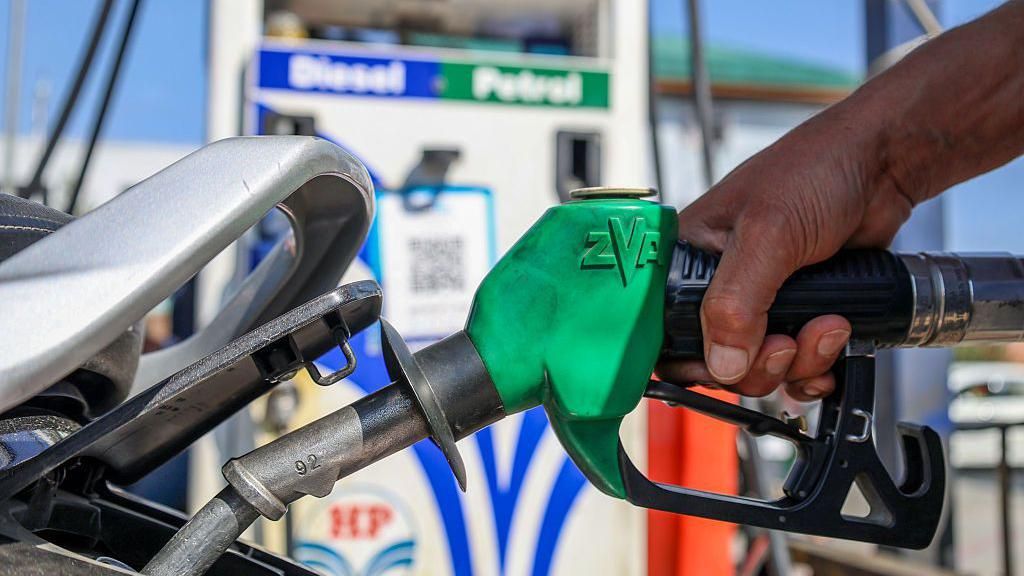
    India first began integrating ethanol into petrol supplies in the mid-2000s, gradually increasing the blend ratio to 10% over nearly two decades. In April 2025, the government moved forward five years on its original timeline to mandate E20 as the default petrol available at all pumps, replacing the 10% blend that 75% of the country’s on-road vehicles were engineered to accommodate. While unblended petrol remains an option for consumers, it is priced 40% to 50% higher than E20 depending on the state, and many drivers remain unaware they can request the non-blended alternative.

    In recent months, consumer frustration has boiled over into public protest and a flood of complaints on social media. Thousands of drivers have reported issues including increased engine wear, reduced vehicle performance, and noticeably lower fuel efficiency. Last week, a mass protest organized by an entrepreneur aligned with the opposition Congress party drew dozens of motorists in central Delhi, where demonstrators accused the national government of unilaterally imposing the new fuel standard without giving consumers a viable choice or sufficient preparation time.

    The administration of Prime Minister Narendra Modi has rejected these complaints, framing them as misleading misinformation spread across social platforms. In an official statement released last month, the government asserted that E20 was rolled out only after years of extensive testing and poses no risk of engine damage. Officials have also launched a public outreach campaign to debunk popular myths about the blend and highlight its long-term environmental and economic benefits, and enlisted major domestic and international automakers to back their claims.

    In an unusual display of coordinated support for the policy, six leading automakers appeared alongside government officials at a recent press conference to defend E20’s safety. Rahul Bharti, senior corporate affairs executive at Maruti Suzuki, India’s largest car manufacturer, noted that the company had serviced more than 15 million older, non-E20-compliant vehicles and found no evidence of widespread fuel-related mechanical faults. Automakers did acknowledge that E20 delivers a 3% to 3.5% drop in fuel efficiency compared to 10% blended petrol, a consequence of ethanol’s lower energy density. Independent analysts, however, estimate the actual reduction in fuel economy ranges much higher, between 4% and 12%.

    From a policy perspective, the E20 mandate aligns with India’s broader strategic goals: cutting a $100 billion-plus annual crude oil import bill, boosting farm incomes by creating new demand for food crops, and reducing carbon emissions to meet the country’s net-zero climate targets. Government data indicates the policy has already delivered measurable progress on these targets, and recent global oil market volatility sparked by the Iran conflict has only strengthened the government’s case for domestic fuel production. India is not alone in this shift: other major oil-importing Asian nations including Indonesia and Vietnam are also moving quickly to expand ethanol blending and flex-fuel vehicle programs.

    Critics point to Brazil, the global gold standard for ethanol integration that Indian officials frequently cite as a model, to argue that New Delhi has skipped a critical step in the transition. Brazil built its ethanol-compatible vehicle fleet gradually over four decades before mandating higher blend ratios, and gives consumers a clear choice between multiple fuel options at competitive prices. By contrast, India compressed its shift from a 10% to 20% mandatory blend into just three years, moving to the new standard five years ahead of its original 2030 target.

    Industry analysts confirm that the vast majority of India’s active vehicle fleet is not engineered to handle the higher ethanol content. Puneet Gupta, director of automotive research firm Mobility Global, estimates that more than 75% of on-road vehicles are not E20-compliant. A 2024 analysis by the Thomson Reuters Foundation reached the same conclusion, finding that only 20% of petrol vehicles sold in India over the past 15 years were designed to accommodate a 20% ethanol blend.

    Interviews with mechanics and service centre operators across major Indian cities paint a mixed picture of on-the-ground impacts. While some service technicians report no unusual increase in fuel-related issues, others have documented a rise in problems they link directly to higher ethanol levels. Mohammed Arif, a Mumbai-based motorcycle mechanic, told reporters he has seen a steady increase in older bikes brought in for carburettor cleaning to remove sticky fuel residue buildup, a problem he attributes to E20. The extra maintenance adds recurring costs for vehicle owners, he noted. Basil Jacob, who runs a car service centre in Mumbai, added that customers consistently report lower fuel mileage, forcing them to refuel more often even as E20 is priced the same as the previous 10% blend at the pump. “They’re paying the same per litre but getting fewer kilometres,” Jacob explained.

    Some industry experts warn that the most significant impacts may be slow to emerge, developing gradually over thousands of kilometres of use. Hormazd Sorabjee, editor of *Autocar India*, explained that ethanol naturally absorbs moisture, which can separate from fuel over time and cause corrosion in fuel delivery systems after 10,000 to 20,000 kilometres of use. Ethanol can also loosen built-up carbon deposits in older engines, which can clog fuel pumps and injectors and lead to accelerated component wear. Sorabjee noted that well-maintained vehicles may avoid major issues, and that some social media concerns are overstated, but acknowledged that long-term incremental costs are likely for owners of non-compliant vehicles.

    A 2025 survey of more than 44,000 owners of pre-2023 petrol vehicles conducted by community platform LocalCircles found a sharp increase in drivers reporting unusual wear and tear and unexpected repair needs. To date, however, no independent public scientific study has confirmed either consumer claims of widespread damage or government and automaker assertions that extensive testing proves E20 is safe for all vehicles. This evidence gap has only deepened public confusion and distrust.

    “If you’re going to force this on the public, you should be able to prove it’s safe,” a senior anonymous industry expert told reporters, adding that given the confirmed drop in fuel efficiency, E20 should be priced lower than standard petrol and remain optional rather than mandatory.

    The debate is further complicated by widespread uncertainty over vehicle warranty and insurance coverage for fuel-related damage. It remains unclear whether automakers will honour warranty claims for fuel system failures in non-compliant vehicles that use E20, and insurance coverage rules remain equally muddled. Last month, private insurer ICICI Lombard sparked public outcry after a blog post suggested that using E20 in a non-compliant vehicle could be considered driver negligence and lead to claim denial. The insurer quickly reversed its position, confirming that motor policies remain valid for E20 use, but experts note that most policies only cover accidental damage, not gradual wear and tear caused by fuel use.

    For India’s cost-conscious consumer market, where vehicle ownership represents a major long-term financial investment for most households, the uncertainty surrounding E20 has become a top everyday concern.
  • Woodside pursues protesters over 2023 stinky gas stunt in the WA Supreme Court

    Woodside pursues protesters over 2023 stinky gas stunt in the WA Supreme Court

    A high-stakes legal clash between energy giant Woodside Energy and three convicted climate activists is set to resume next week in Western Australia’s Supreme Court, as the company pushes to force the protesters to disclose the identities of other co-conspirators behind a disruptive 2023 protest that forced the evacuation of thousands of staff.

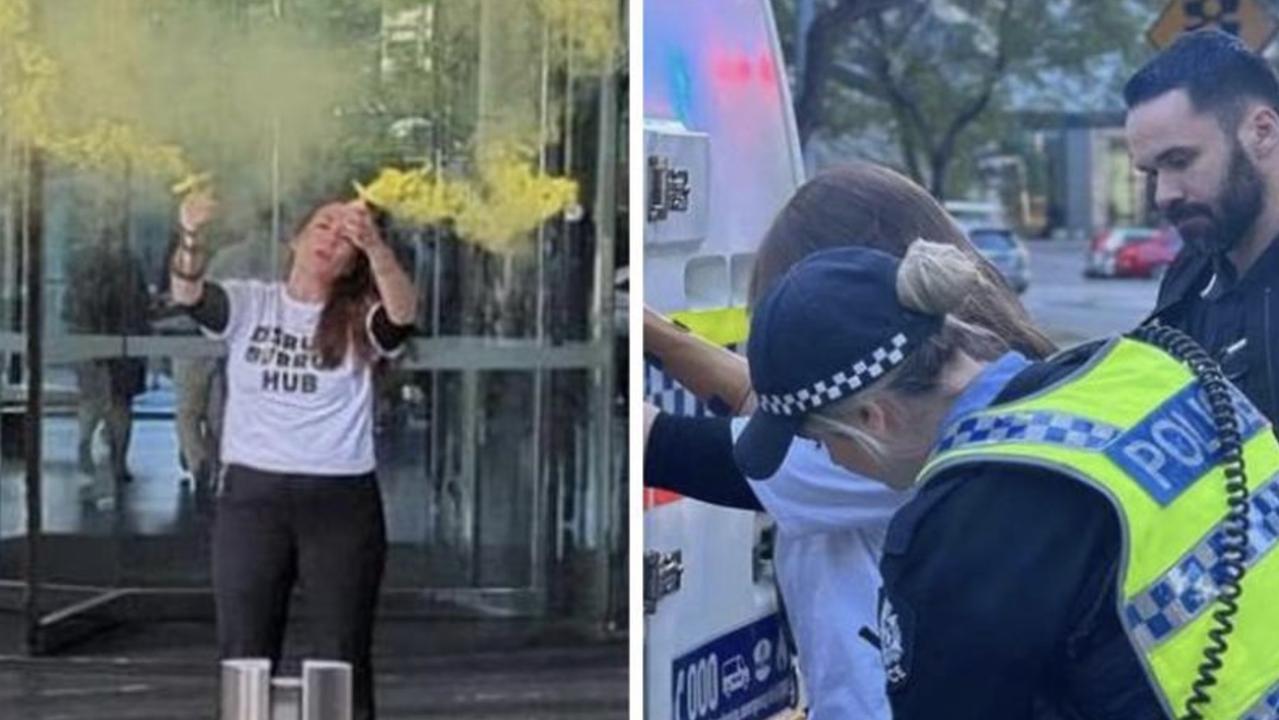
    The incident at the center of the dispute dates back to 2023, when three environmental activists affiliated with the Disrupt Burrup Hub campaign carried out a deliberate stunt inside Woodside’s Perth headquarters. Activist Kristen Morrissey deployed a foul-smelling “stench bomb” in the building’s main lobby, with logistical support from co-activists Joana Partyka and Emil Davey. The action was deliberately designed to be mistaken for a toxic gas leak, triggering a full evacuation that displaced roughly 2,000 employees from the site.

    The protest was organized to draw public attention to Woodside’s controversial Burrup Hub gas expansion project. Activists argue the project poses severe threats to both the global climate and sacred Aboriginal cultural heritage sites located in the project area. Last year, all three activists pleaded guilty to criminal charges in the WA District Court. Morrissey and Partyka received suspended prison sentences, while Davey was ordered to complete a community-based sentence.

    Months before the criminal case concluded, Woodside first issued a demand to the activists: hand over internal documentation that would reveal the identities of other people involved in planning and executing the 2023 stunt, or face civil litigation. When the activists refused to comply while criminal proceedings were still ongoing, Woodside followed through on its threat and filed a civil suit against the trio in the WA Supreme Court five months after the initial warning.

    When the case returns to court on July 16, Woodside’s legal team is widely expected to formally ask the Supreme Court to compel the three protesters to disclose the names of other collaborators. In its court filings, Woodside argues that the stunt caused measurable financial harm, including costs for cleaning services, lost workplace productivity, and other damages, and that the company has legal grounds to pursue claims against all responsible parties.

    But activists and their legal representatives have framed the legal action as a blatant campaign of intimidation against climate campaigners speaking out against the company’s fossil fuel expansion. “This is a blatant attempt by Woodside to threaten, intimidate and silence young campaigners sounding the alarm about their gas expansion,” Davey said in a statement ahead of the hearing. Represented by the advocacy group Climate Defenders Australia, Davey added that the Burrup Hub project destroys both sacred Aboriginal cultural sites and contributes to planetary damage for future generations, and that the campaign has successfully held the company accountable for its actions.

    “Every Australian now understands that the gas industry is ripping us all off and refusing to pay its fair share,” Davey said.

    Partyka echoed Davey’s criticism, describing the legal action as a calculated attempt to bully peaceful citizens challenging a multi-billion dollar corporation. Instead of discouraging her activism, Partyka said Woodside’s legal push only confirms how effective the campaign has been at disrupting the company’s plans.

    “Far from cowing me, Woodside’s legal move serves only to confirm the significant impact of our campaign. Woodside is trying to prevent people from doing this again, because it was so successful,” Partyka said. “Woodside may have endless resources at their disposal to pursue legal action against me, but they sure as hell don’t have history on their side.”

    The upcoming court hearing will mark the next major step in a conflict that has become a flashpoint for tensions between fossil fuel developers and climate campaigners opposing new fossil gas projects in Australia.

  • Rescuers search for 5 missing people after a deadly landslide in India’s Kerala state

    Rescuers search for 5 missing people after a deadly landslide in India’s Kerala state

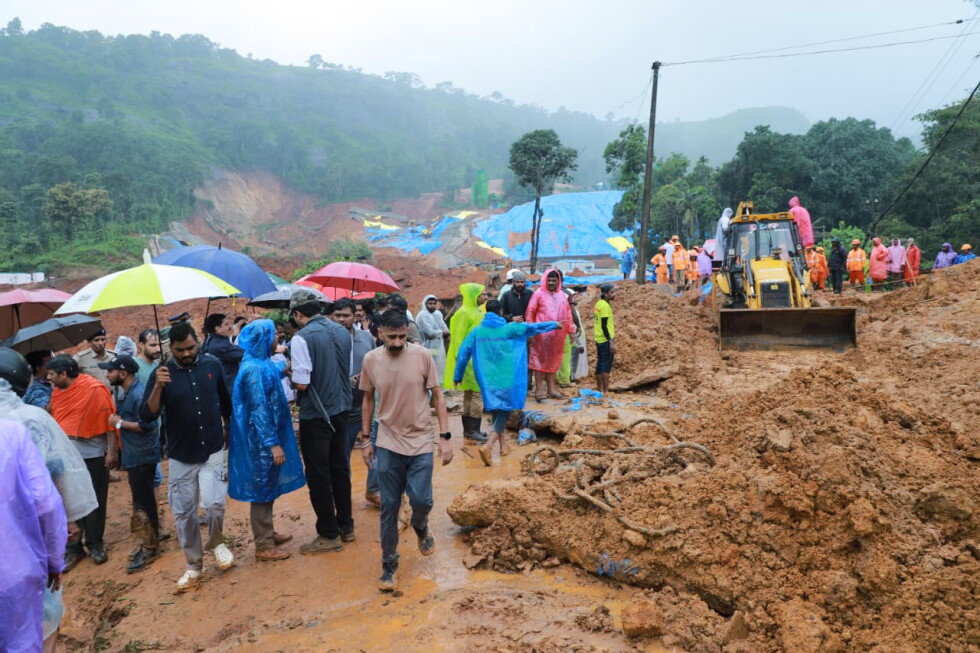
    Rescue operations are underway in the scenic hill district of Wayanad in India’s southern Kerala state, where a catastrophic landslide triggered by intense monsoon downpours has left three people dead and five others unaccounted for. The disaster struck at a tunnel construction site Wednesday, when a massive wall of mud broke loose during heavy rain, tearing through the work area. Seven workers caught in the slide were pulled out with injuries and are currently receiving care at a local hospital.

    Footage of the incident captured the full force of the disaster: a large earthen embankment collapsing under relentless rainfall, uprooting mature trees and sweeping away the temporary metal and fabric barriers that ringed the construction zone. Local law enforcement has segmented the search area into multiple operational zones to coordinate the effort, which includes specialized disaster response teams and sniffer dogs brought in to locate the missing. According to local police official Devamanohar, who spoke to reporters on the ground, ongoing heavy rainfall has significantly slowed progress and complicated search efforts.

    In a surprising turn, Kerala’s Home Minister T. Siddique has publicly labeled the disaster not a natural event, but a man-made tragedy caused by negligent construction practices. Speaking to India’s official Press Trust of India news agency, Siddique alleged that the landslide occurred because construction crews dumped excavated earth in an unscientific manner, and failed to remove construction debris despite prior official warnings about the hazard. The construction company at the center of the allegations has rejected all claims of responsibility, telling the news agency that the landslide originated on elevated terrain far from the actual construction site, making the project blameless for the disaster.

    State authorities have launched a formal investigation to determine the root cause of the incident and assign accountability for the casualties. This landslide is part of a growing pattern of deadly monsoon-related disasters across South Asia. Last year alone, extreme rainfall events including cloudbursts, widespread flooding, and multiple landslides across India caused devastating losses of life and widespread destruction of property.

    Climate researchers have repeatedly warned that human-induced climate change is altering the behavior of South Asia’s iconic monsoon seasons, which typically bring two periods of rainfall between June and December. Once a predictable, life-sustaining weather pattern, monsoons now produce erratic, extreme downpours that dump massive volumes of water over short time frames, punctuated by extended dry periods that create drought conditions. This shift not only increases the risk of catastrophic landslides in hilly, deforested or development-heavy regions like Wayanad, but also threatens food and water security across the entire subcontinent.

  • A southern Chinese region reels from floods and destruction from remnants of tropical storm

    A southern Chinese region reels from floods and destruction from remnants of tropical storm

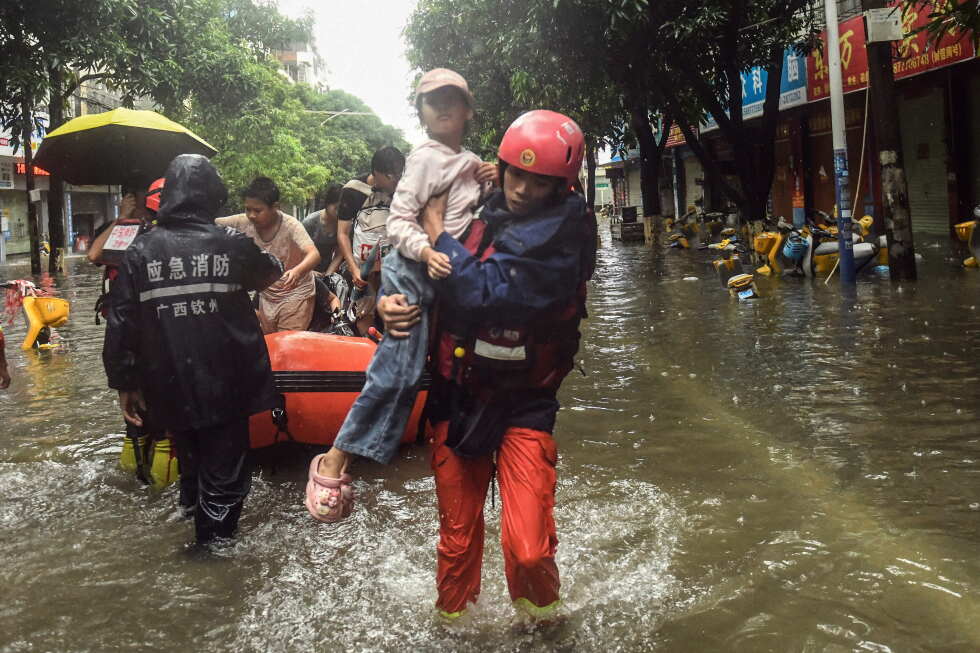
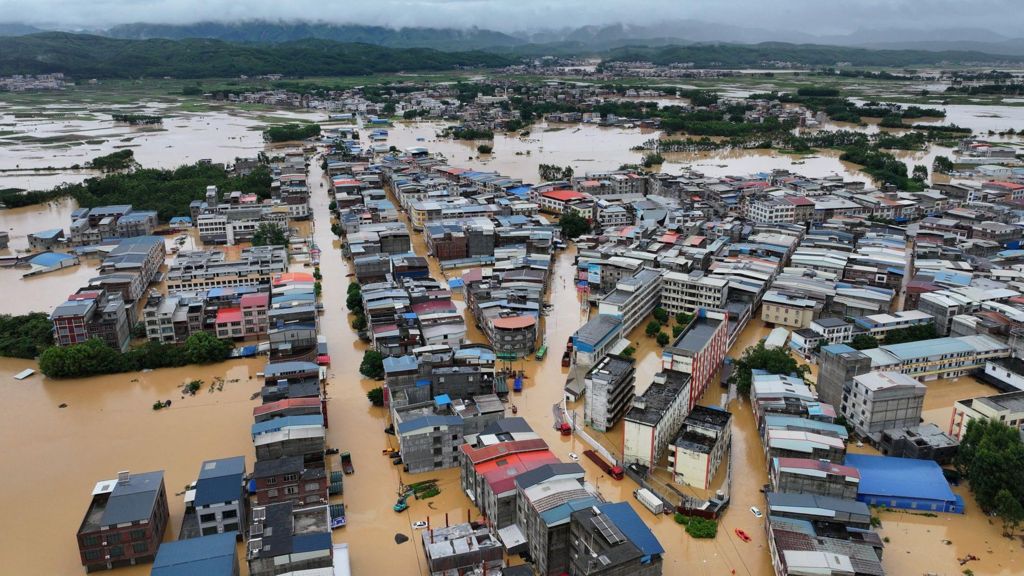
    As remnants of Tropical Storm Maysak dumped historic volumes of rain across southern China’s Guangxi Zhuang Autonomous Region, authorities and local residents are grappling with widespread destruction, massive displacement, and a growing humanitarian crisis that emerged by Wednesday. As of Tuesday evening, regional officials confirmed six fatalities and 11 people still unaccounted for in the flood disaster, with more than 130,000 local residents forced to evacuate their inundated communities, according to the region’s official propaganda office.

    Many stranded residents remained trapped in affected areas waiting for emergency rescue teams to reach them, even days after the worst of the rainfall began. Lu Xiaofei, a professional working in the nearby tech hub of Shenzhen, shared details of her brother’s trapped family in Lu Village, located in Guangxi’s Qintang District. Her brother, his wife, their 9-month-old infant, his parents, and elderly grandfather have been confined to the second floor of their home, after floodwaters rose to more than the height of an adult. Since Tuesday morning, the household has been cut off from both electricity and running water, Lu told the Associated Press in a phone interview.

    Lu added that her brother reported flood levels climbed further overnight, leaving the family in an increasingly desperate situation: their supplies of drinkable water are nearly exhausted, and local emergency responders have not yet reached their community. Dozens of nearby villagers face identical unaddressed crises, she said. Many other trapped residents have turned to social media to plead for assistance, posting footage of their submerged neighborhoods and drawing public attention to critical shortages of food, water, and emergency supplies.

    Local Chinese outlet Litchi News has also reported a secondary hazard spreading through Hengzhou City: snakes from commercial breeding facilities were swept away by floodwaters and are now loose across populated areas. Multiple residents have reported the loose snakes attempting to enter local homes, with more than a dozen people already bitten by the wandering reptiles, according to a local villager quoted by the outlet.

    China’s National Meteorological Center confirmed that relentless heavy rain has pummeled central-eastern and southern districts of Guangxi since last Saturday. Cumulative rainfall totals have hit between 100 and 400 millimeters (4 to 16 inches) across most affected areas, while the hardest-hit locations have recorded more than 900 millimeters (35 inches) of total precipitation. Forecasters warned that additional heavy rainfall would continue to batter the region through Wednesday, worsening already dangerous flood conditions. In response to safety risks, multiple regional passenger train services have been suspended indefinitely.

    As Guangxi continues its emergency response to Maysak’s aftermath, a new severe weather threat is already approaching southeastern China: Super Typhoon Bavi is projected to make landfall in the region over the coming weekend. The extreme weather disaster in China is part of a broader pattern of deadly monsoon and tropical storm activity across South and East Asia this season. In southeastern Bangladesh, monsoon rain-triggered landslides have killed multiple Rohingya refugees, including five children, while neighboring India has seen more than a dozen fatalities from severe monsoon flooding across its northern and eastern regions over the past three days.

    This reporting featured contributions from AP writer Fu Ting based in Washington, D.C.

  • A mountain of rubbish in Indonesia has been on fire for more than a week

    A mountain of rubbish in Indonesia has been on fire for more than a week

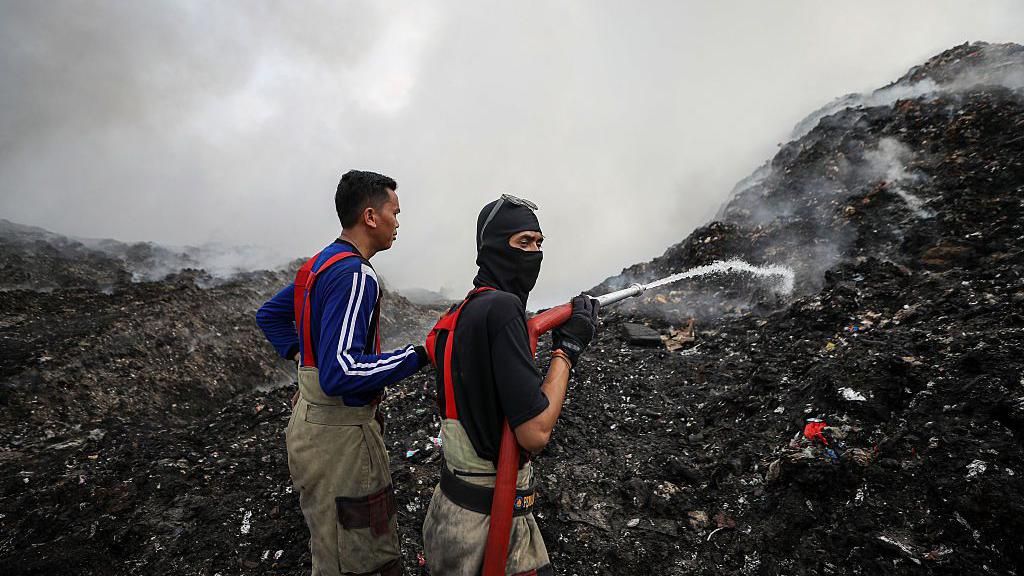
    An eight-day underground fire that has ravaged a massive open-air waste mountain on the outskirts of Jakarta has pushed hundreds of residents from their homes, pushed local hospitals to treat a surge of respiratory illness, and laid bare a systemic national waste management crisis decades in the making. The inferno, which ignited on June 30 at the Jatiwaringin Landfill in Tangerang Regency, has spread across more than 15 hectares of piled waste, blanketing nearby residential neighborhoods in thick, toxic smoke that pushed local air quality into hazardous levels, according to Indonesia’s Ministry of Environment.

    Initial investigations by environmental activists point to a buildup of methane gas released by decomposing organic waste trapped beneath thousands of tons of uncompacted rubbish as the most likely cause. A small initial spark, fanned by strong seasonal winds, spread the fire across multiple hard-to-reach sections of the waste mountain, where deep-seated smoldering continues to plague firefighting efforts eight days on. Unlike conventional surface fires, this blaze burns within the compacted layers of waste, requiring specialized response tactics. Authorities have deployed a large contingent of resources including helicopters, water tankers, bulldozers, and surveillance drones to contain and extinguish the fire, with officials projecting full containment by the end of the week.

    For local residents, the impact has been immediate and devastating. Hundreds have been forced to evacuate their smoke-filled homes to government-run emergency shelters, with many reporting severe respiratory irritation from toxic fumes. “The smoke was so thick you couldn’t see anyone,” 45-year-old local resident Sarmanah told reporters. “It stings the nose, makes you cough and have a runny nose, and makes you unable to breathe… We were forced to leave the house because we couldn’t take it anymore.” As of the latest update, local health authorities have examined at least 234 residents for smoke-related respiratory issues, with 72 confirmed cases of acute respiratory tract infection. While hazardous air quality has eased slightly in recent days, active hotspots and smoldering pockets of fire remain in the western and southern sections of the landfill.

    Environmental campaigners say the Jatiwaringin fire is not an isolated accident, but a predictable “ecological disaster resulting from systemic negligence” that has plagued Indonesia’s waste management sector for years. According to the Indonesian environmental NGO Forum for the Environment (Walhi), the Jatiwaringin facility was only designed to handle 2,700 tons of waste per day, which meets just 59% of Tangerang Regency’s total daily waste output. The excess waste is dumped illegally in unregulated open sites within 100 meters of residential neighborhoods, creating sprawling, unmanaged waste mountains that trap methane and create a persistent public safety risk.

    Long before the current blaze, local residents reported constant issues with foul odors, pest infestations, and fears of catastrophic landslides from the overgrown waste piles. Climate change and more frequent extreme heat waves have exacerbated the risk, turning these unregulated dumping grounds into what activists describe as “time bombs” waiting for a single spark to ignite. This pattern is not unique to Jatiwaringin: major landfill fires swept across multiple Indonesian sites in 2023, including a 40-hectare blaze at Bandung Regency’s Sarimukti Landfill and a fire that destroyed 80% of a 35-hectare Tangerang landfill, both linked to methane buildup from poor waste management.

    In response to the disaster, Indonesian officials announced that a full investigation into the cause of the Jatiwaringin fire will begin once extinguishing operations are complete. The Ministry of Environment and Forestry also plans to conduct a nationwide evaluation of 390 landfills starting in early August 2026, and confirmed that Jatiwaringin already received administrative sanctions for poor management practices in 2025. Authorities have ordered local governments to transition to controlled landfill systems, where waste is compacted and regularly covered with soil to reduce methane buildup and fire risk.

    But activists warn that incremental changes and emergency responses are not enough to address the root of the crisis. Walhi campaigner Wahyu Eka Styawan argues that persistent underfunding for regional waste management, weak enforcement of existing environmental regulations, and a lack of public education on source-separated organic waste have created conditions where disasters like this are inevitable. “This is a time bomb of accumulated waste management problems that have been ignored for years without fundamental improvements,” Wahyu said. Without systemic changes that reduce waste at the source, implement consistent sorting, and process organic waste to prevent methane formation, he added, “It could definitely catch fire again if the pattern isn’t changed. Once the weather gets hot again, be prepared for more fires.”

  • ‘The water just came so fast’: Typhoon triggers floods and rare tornadoes in China

    ‘The water just came so fast’: Typhoon triggers floods and rare tornadoes in China

    The 2026 Pacific typhoon season has opened with a catastrophic blow as Typhoon Maysak tore through southern and central China over the weekend, leaving at least 15 people dead, tens of thousands displaced, and widespread destruction in its wake. Characterized by sudden onset and intense, short-duration gale-force winds, the storm dumped unprecedented volumes of rain across southern Guangxi Zhuang Autonomous Region, triggering dam breaches, riverbank overflows and flash floods that engulfed communities in mere hours.

    In Renhe Village, located near the regional capital Nanning, the downpour began on a seemingly typical Sunday. What started as routine seasonal rain quickly escalated into an unmanageable disaster: by the early hours of Monday, floodwaters reached knee height across the village, and by dawn, the entire first floors of residential buildings were fully submerged. Local resident Zhou, who is currently staying outside Guangxi, recounted the chaos of the evacuation to the BBC, noting that the flood advanced so rapidly that fleeing villagers had no time to grab essential supplies including food.

    Zhou’s family is among more than 60,000 people displaced across Guangxi, with official figures putting the total number of people affected by the deluge at close to 90,000. Even days after the storm hit, thousands of residents remain trapped on rooftops and in isolated mountain communities, struggling with critical shortages of food and clean water. Zhou told reporters that four-month-old niece of hers, still trapped in the village with other family members, has been without milk for more than 24 hours. Trapped communities gathered on higher ground are also rapidly running out of basic necessities, as a lack of sufficient rescue personnel and equipment slows relief efforts. Another local resident, Huang from Yunbiao Town, told the BBC that floodwaters submerged entire villages in just 10 minutes, leaving rescuers unable to reach every vulnerable resident in time. “The lifeboats they brought were too small to travel far through the swollen floodwaters, and there simply were not enough workers to cover all the affected areas,” Huang explained. Compounding the danger, widespread power and internet outages have cut off communication between trapped residents and their family members outside the disaster zone, leaving many to wait in agonizing uncertainty for news of their loved ones.

    Worsening the already dangerous conditions, floodwaters have swept both wild snakes and commercially farmed snakes from local farms into residential areas. A video shared with the BBC from a local village chat group shows a large black snake slithering across the mud-caked floor of a flooded home, as onlookers react in alarm. Commercially raised snakes are common in parts of China, farmed for use in traditional medicine, meat, and the production of anti-venom, making their escape into flooded communities an added lethal hazard for displaced residents waiting for rescue.

    The impact of Typhoon Maysak extended hundreds of kilometers north to central China’s Hubei Province, where the storm’s warm southern air collided with cold northern air masses to spawn rare tornadoes – the first to hit the region since 2021. The twisters swept through the cities of Ezhou and Huanggang, leaving 11 dead, thousands of homes damaged, and widespread panic. Videos circulating on Chinese social media capture the chaos: outdoor dining furniture is tossed through the air by powerful winds, electrical sparks fly across storm-battered streets, and diners scream as they scramble for safety. In one devastating incident in Huanggang, a man was sucked out of his 12th-floor apartment after the tornado shattered his windows, blowing him and his furniture out onto the street. He remains in intensive care as of the latest updates. A Huanggang student told the BBC he initially expected an ordinary summer thunderstorm, until he saw debris flying through the air outside his dormitory window. “Many students were cut by flying broken glass,” he said. “It wasn’t until the wind stopped that I realized I had just survived a major disaster.”

    Tragedy from this season’s early extreme weather has also struck other parts of northern China. Over the weekend, flash floods in Tongliao, Inner Mongolia, killed two cattle farmers, while record-breaking rainfall in Fushun, Liaoning Province, left three people dead. Average rainfall in parts of Fushun between 1 a.m. and 7 a.m. local time shattered all historical records for the region, according to state media.

    In response to the widespread devastation, Chinese President Xi Jinping has ordered all-out rescue and relief operations across affected regions, emphasizing the critical importance of treating injured residents, resettling displaced communities, and executing disaster prevention work effectively. State media has broadcast regular footage of rescue crews in life vests and helmets navigating swollen floodwaters on inflatable boats to reach trapped residents. However, local authorities in Nanning have warned that continuing extremely heavy rainfall is hampering ongoing search and rescue efforts, slowing access to isolated communities.

    As emergency crews work to reach those trapped, a new threat is already approaching on the horizon: meteorological forecasts show Super Typhoon Bavi is currently churning across the western Pacific, on track to make landfall on China’s eastern coast later this week, bringing the risk of a second wave of extreme weather and flooding for already strained disaster response teams.

  • Hyundai’s new steel mill sparks hopes and fears in Louisiana

    Hyundai’s new steel mill sparks hopes and fears in Louisiana

    On a drizzly March morning in 2025, South Korean industrial giant Hyundai staged a high-profile announcement at the White House, flanked by then-President Donald Trump, top Republican leaders, and Louisiana Governor Jeff Landry. The company revealed it would pour nearly $6 billion into a cutting-edge new steel mill in Louisiana, built to supply domestic metal for its existing vehicle factories in Alabama and Georgia. Trump framed the investment as a direct win for his administration’s trade tariff policies, while Hyundai executives touted the thousands of new jobs the facility would bring to the Bayou State. What the event omitted, however, was a far more transformative detail: this mill could become the lowest-carbon iron and steel production facility the United States has ever constructed.

    Steelmaking is one of the global economy’s most carbon-intensive sectors, responsible for roughly 9 percent of total worldwide greenhouse gas emissions. Unlike the coal-fueled blast furnaces that built America’s 19th-century steel industry—many of which still operate across the Midwest today—Hyundai’s planned Ascension Parish facility is not designed to run on coal. Last summer, company leaders told Louisiana officials the plant will eventually run on hydrogen, a carbon-free fuel that can be produced entirely from renewable electricity and water. Executives described the project as a potential “catalyst for the hydrogen ecosystem” across the Gulf South, while helping Hyundai meet rising global demand for sustainably manufactured steel.

    This development marks a rare bright spot for U.S. steel decarbonization, a movement that has stalled in recent years amid economic headwinds and federal policy rollbacks. Under the previous Biden administration, two major U.S. steel firms, SSAB and Cleveland-Cliffs, were set to receive $500 million each in federal funding to develop hydrogen-powered steel production. Both projects were ultimately scrapped.

    Kelvin Wells Jr., an industrial organizer with the Sierra Club’s Delta Chapter based in Baton Rouge, called the project an opportunity to redefine Louisiana’s industrial identity and accelerate the state’s clean energy transition. But despite that promise, critical questions remain unanswered: whether Hyundai will actually deliver on its hydrogen decarbonization pledges remains far from certain.

    According to the company’s permit filings, Hyundai will launch operations in 2029 running primarily on natural gas, a plan Hyundai confirmed publicly to Canary Media. The company says it will capture and store all carbon dioxide produced during initial operations, a process that cuts coal-based steel emissions by roughly two-thirds—but still generates far more pollution than steel produced with green hydrogen from renewables, and faces intense pushback from carbon capture critics. When asked to set a timeline for a full transition to green hydrogen, a Hyundai representative noted, “It is difficult to pinpoint when hydrogen will become economically viable.”

    For local residents of Ascension Parish, where the mill is being built on the grounds of a former sugarcane plantation, uncertainty around the project extends far beyond hydrogen plans. The region sits along Louisiana’s infamous “Cancer Alley,” a stretch of the Mississippi River between Baton Rouge and New Orleans already saturated with petrochemical facilities and oil refineries that have driven disproportionately high rates of chronic illness and pollution in low-income and Black communities. Locals hope the new steel mill will deliver tangible benefits instead of repeating the harms of past industrial development, but say Hyundai has yet to respond to their repeated requests for community engagement.

    The project’s closest major population center is Donaldsonville, a town of 7,000 that boasts a historic place in U.S. political history as the site of the nation’s first Black mayor, elected in 1868. Today, the parish has one of the highest poverty rates in Louisiana, despite decades of industrial development in the region. Glenn Price, who leads a local neighborhood organization and is a member of grassroots coalition Good Neighbors Louisiana, says he is skeptical the project will deliver quality local jobs. Past industrial facilities in the area have prioritized hiring out-of-state workers, he notes, and Hyundai has a documented record of labor and safety violations at its U.S. auto plants. Price also worries the mill will add to the region’s already unbearable pollution burden, bringing no meaningful improvement to public health.

    Good Neighbors Louisiana is pushing Hyundai to codify its pledges on pollution reduction, green hydrogen transition, and worker protections into a legally binding community benefits agreement, and is calling on the state to conduct a full environmental justice analysis before approving final permits. Recently, the group won a small early victory: Hyundai agreed to convert nine gas-fired process heaters to cleaner electric equipment, a change the company says will reduce harmful pollutant emissions.

    “We can’t stop industrial development from coming here—we don’t have that power,” Price explained during an interview at Donaldsonville’s public library. “If they’re coming in, we just want them to make solid commitments to our community. We’re fighting to get the best outcome we can.”

    The 1,700-acre Hyundai site sits at the core of a proposed 17,000-acre industrial mega-hub called RiverPlex MegaPark, developed jointly by Hyundai, CF Industries, and other major energy firms. The project would expand industrial development into rural farmland currently owned by descendants of formerly enslaved people and sharecroppers, sparking fears of displacement among long-time local residents.

    To speed up negotiations for the project, at least 10 local elected officials in Ascension Parish have signed non-disclosure agreements with Louisiana Economic Development, the state’s economic development agency, enabling officials to privately negotiate a $2.6 billion incentive package for Hyundai. This level of secrecy has become standard under Governor Landry’s administration, but local environmental groups have filed a lawsuit to block the practice. A spokesperson for Louisiana Economic Development defended NDAs as a “standard part of economic development projects” across the country, arguing that “by engaging local elected officials early while protecting sensitive business information during negotiations, Louisiana is able to compete for transformational projects that create opportunity, grow wages and strengthen communities across the state.”

    Local resident Ashley Gaignard, president of Rural Roots Louisiana, questions why details that are supposed to serve the public good must be kept hidden. “I want to see my community thrive,” she said. “I just don’t want to do it at the cost of risking our water, our air, our lives.”

    Not all local residents are opposed, however. Deletrick Dickerson, a safety representative for the United Steelworkers union who lives in Ascension Parish and works at a nearby alumina refinery, says the project could deliver transformative benefits if it prioritizes hiring local workers from the region’s majority-Black, economically disadvantaged river communities. “We just want everything to be open and honest,” he said.

    In a written statement to Canary Media, Hyundai-Posco Louisiana Steel, the U.S.-based subsidiary leading the project, addressed community concerns directly. The company says it is using “advanced technologies to minimize emissions of harmful and toxic substances,” that the project “is designed to comply with all applicable environmental regulations and permit requirements,” that it will “prioritize hiring local residents to the greatest extent possible,” and that “safety will be our top priority.”

    Unlike traditional coal-fired U.S. steel mills, Hyundai’s Louisiana facility will combine two lower-carbon production technologies into one operation: a direct reduction furnace to process raw iron ore, which can run on natural gas, hydrogen, or a mix of the two, and two electric arc furnaces to produce finished steel. Only three direct reduction facilities currently operate in the U.S., all running on natural gas, including a large Nucor operation just across the Mississippi River from Hyundai’s site. Electric arc furnaces are already common across the U.S., but most rely on recycled scrap metal to produce steel; Hyundai will use its own domestically produced direct reduced iron to manufacture high-grade steel suitable for vehicle production.

    The project is a direct response to trade policy shifts: Trump administration steel tariffs raised costs for imported steel, pushing Hyundai to bring more of its supply chain to the U.S. Building a new coal-fired blast furnace makes no economic or environmental sense today, so the company opted for a flexible new design that can adapt to future decarbonization. Hyundai also plans to sell its low-carbon Louisiana steel to other automakers, as growing global policy pressure—including the European Union’s carbon border adjustment tax—and consumer demand increase the market for sustainably produced steel, while Hyundai itself must meet South Korea’s national carbon neutrality targets.

    “This project is not just about producing steel — it’s about producing a better future,” Hyeongjin Kim of Hyundai Steel told Louisiana leaders last year.

    In May 2026, Hyundai signed a $650 million contract with Italian industrial equipment manufacturer Danieli to supply the electric arc furnaces and direct reduction system for the plant. Andrea Diasparro, Danieli’s group sales director and executive board member, says the equipment is purpose-built to enable a seamless transition from natural gas to hydrogen. “No additional equipment has to be implemented for the plant to be hydrogen-ready, in the case that hydrogen is available at a reasonable price,” he explained. The system also includes built-in carbon capture technology, which Hyundai will use during its initial natural gas phase.

    For climate advocates like Angelle Bradford Rosenberg, a medical scientist and leader of the Sierra Club’s Delta Chapter, the lack of a binding timeline for transition is a major red flag. “There’s no mechanism in Louisiana for watchdogging that sort of thing,” she said. “We need those commitments from corporations in the beginning, because we cannot trust that it will come later.” Good Neighbors Louisiana has repeatedly invited Hyundai representatives to attend public community events, she says, and has yet to receive a response.

    Louisiana already produces millions of tons of conventional hydrogen annually for the chemical sector, made from natural gas in a carbon-intensive process. Industry plans to transition to lower-carbon hydrogen: so-called “blue hydrogen” is produced from natural gas with carbon capture and storage, while “green hydrogen” is made by splitting water with renewable-powered electrolyzers, producing no carbon emissions. Hyundai has indicated it plans to transition first to blue hydrogen, with a ready supply next door from CF Industries’ planned $4 billion blue ammonia facility, which will produce hydrogen and store emissions underground.

    Opinions on blue hydrogen are deeply divided. Local environmental groups and even some Republican state policymakers oppose carbon capture and storage, citing concerns about underground injection risks, potential leakage, and the continued reliance on fossil fuels. But the nonprofit Clean Air Task Force, a leading climate advocacy organization, frames CCS-enabled blue hydrogen as a critical intermediate step to build out hydrogen infrastructure and drive down costs for future green hydrogen adoption. “We really see CCS-enabled hydrogen as a way to jump-start the economy and lead us into electrolytic [green] hydrogen in the future,” said Lindsay Cooper Phillips, senior Gulf Coast policy manager for the Clean Air Task Force. “It’s challenging for someone like Hyundai to just start off there.”

    Green hydrogen, widely seen as the end goal for zero-carbon steelmaking, still faces major structural barriers in Louisiana and across the U.S. Global supplies remain limited, and production costs are still prohibitively high for large-scale industrial use. Political shifts have made the challenge even greater: the Trump administration has cut and paralyzed federal funding for new clean hydrogen projects, Governor Landry has stalled the low-carbon hydrogen policy initiatives launched by his Democratic predecessor, and Louisiana has barely begun to build out renewable energy generation capacity.

    That makes Hyundai’s 2029 launch plan to start with natural gas unsurprising, if disappointing for decarbonization advocates. “The production of green hydrogen has not yet reached the scale, nor cost, necessary for feasible implementation to replace natural gas,” Hyundai wrote in its December 2025 permit application to the Louisiana Department of Environmental Quality. The company says it will transition to green hydrogen once sufficient supply is available, but has not disclosed a public timeline.

    Even as the hydrogen future remains uncertain, the region is already preparing for the mill’s arrival. Earlier this year, River Parishes Community College broke ground on a dedicated Hyundai Training Center in Donaldsonville, which will offer a two-year training program to prepare local workers for jobs at the mill. Korean investors have purchased hotels and residential property in downtown Donaldsonville to house new workers, and the first Korean-owned businesses have opened. Industrial gas supplier Air Liquide is investing $350 million to build a new air separation unit in nearby St. James Parish, which will supply purified oxygen to Hyundai’s electric arc furnaces by pipeline, and the facility is on track to launch in 2028. Air Liquide, one of the world’s largest hydrogen producers, says it stands ready to partner with Hyundai if the company moves forward with hydrogen adoption. “That could be another project for us tomorrow,” said Matthieu Giard, a group vice president for Air Liquide.

    For a full transition to green hydrogen, however, Louisiana will need to build roughly three gigawatts of new renewable energy capacity, according to Clean Air Task Force estimates—more than the total amount of solar energy currently installed across the entire state. Today, natural gas power plants generate the vast majority of Louisiana’s electricity, with only a small contribution from nuclear power. Entergy Louisiana, Hyundai’s electricity provider, plans to add up to three gigawatts of solar capacity in coming years, and private developers are advancing plans for the state’s first three onshore wind farms. However, large-scale offshore wind development in the Gulf of Mexico has been effectively halted following policy rollbacks by the Trump administration.

    If Hyundai delivers on its decarbonization pledges, the project could mark a turning point for the entire U.S. steel industry, paving the way for a full clean transition of one of the nation’s oldest and most polluting industrial sectors. For local advocates, that potential is what makes the fight for accountability so important. They remain torn between cautious hope for a cleaner, more prosperous future and deep skepticism that the project will deliver on its promises.

    “The Hyundai plant is huge for the United States and for us,” Bradford Rosenberg said. “We want to make sure we get it right.”

  • Warming climate, pollution and unplanned growth push Kashmir’s lakes toward disappearance

    Warming climate, pollution and unplanned growth push Kashmir’s lakes toward disappearance

    Against the snow-capped backdrop of the Himalayan mountains, the iconic shikara wooden boats glide gracefully across Srinagar’s Dal Lake each morning, a postcard-perfect image that has drawn tourists to Indian-controlled Kashmir for generations. But behind this picturesque facade, one of South Asia’s most celebrated natural landmarks is quietly dying — and it is far from alone. A toxic combination of unregulated pollution, unplanned residential and agricultural encroachment, invasive vegetation, and climate-driven warming is pushing Dal Lake and hundreds of Kashmir’s other natural lakes toward irreversible collapse, with devastating consequences for local ecosystems, livelihoods, and the region’s core tourism economy.

    Official government data underscores the scale of the crisis. A 2025 Indian government analysis found that since 1967, 315 of Kashmir’s 697 recorded natural lakes have vanished entirely, while another 203 have shrunk dramatically in surface area. Dozens of water bodies once mapped as full-year lakes have been reduced to shallow seasonal marshes, and many have been completely paved over or converted to farmland to accommodate the region’s growing population.

    Dal Lake, which anchors Srinagar’s tourism sector and has long been the cultural heart of Kashmir, is among the fortunate few: it receives consistent, funded restoration attention from local authorities, a luxury most other Kashmir lakes do not get. Even so, the work of keeping the lake clear of choking invasive weeds and accumulated waste is a grueling, seemingly futile battle for the frontline workers tasked with its protection.

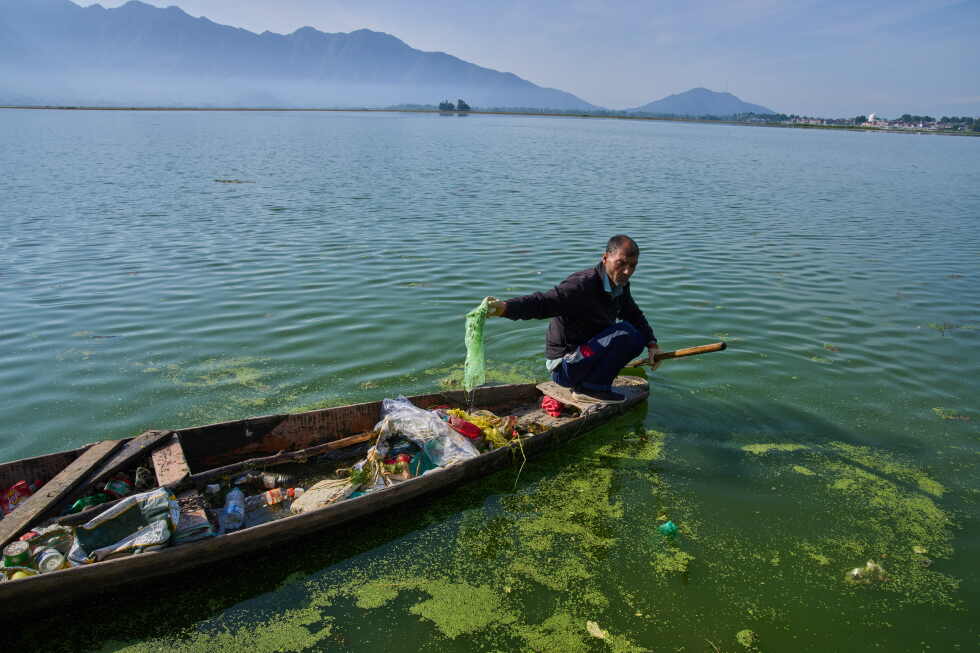
    “We are afraid to touch the water with bare hands,” explained Ghulam Rasool, a weed cleaner employed by the local Lake Conservation and Management Authority (LCMA), during an on-site interview in May 2026. “Whenever we need to clean something by hand, we wear gloves, because without them our hands quickly develop painful allergies. Sometimes it feels impossible to keep up. Sewage drains flow directly into the lake, and water streams coming down from the mountains bring all kinds of waste — diapers, plastic bottles, every sort of garbage you can imagine.”

    Every day, dozens of cleaners like Rasool work alongside heavy excavators to pull tons of weeds and solid waste from Dal Lake’s waters, with mounds of cleared debris visible along the lake’s shoreline. The root of the invasive weed problem, LCMA officials explain, lies in the untreated human waste that still flows into the lake. While more than 75% of Srinagar’s population is connected to a municipal sewage treatment system, thousands of unregulated homes built along the lake’s banks remain unconnected, flushing nitrogen- and phosphorus-rich waste directly into the water that fuels explosive invasive weed growth.

    Encroachment by residential construction and agricultural land has also chipped away at Dal Lake’s boundaries for decades. Where open water once stretched, small farm plots and illegal structures connected by rickety wooden footbridges are now commonplace, with cattle grazing openly on reclaimed land that was once part of the lake. The same pattern plays out across nearly every major lake in the region, including Wular Lake, Kashmir’s largest freshwater body located 40 miles northwest of Srinagar.

    Climate change has supercharged this slow decline, scientists warn. The Himalayan region is warming at a rate faster than the global average, amplified by the region’s high elevation. This rapid warming has triggered earlier spring snowmelt, reduced overall winter snowfall, and brought more frequent extreme rainfall events, all of which disrupt the steady flow of water that feeds Kashmir’s lakes. Glacial melt has also increased the volume of sediment carried downstream into lakes, filling them in faster and reducing their overall depth over time.

    “While glacial melt can deliver a short-term increase in water flow, over the long term it erodes the natural water storage system that sustains rivers and lakes through dry summer months,” noted Sher Muhammad, a glaciologist with the International Centre for Integrated Mountain Development, based in Kathmandu. Irrfan Rashid, an environmental scientist at the University of Kashmir, added that climate change has upended nearly every core sector of Kashmir’s economy. “It has impacted hydropower generation, tourism, and even our high-value apple and saffron farms, all hit by erratic extreme weather in recent years,” he said.

    For fishing communities that have relied on Kashmir’s lakes for centuries, the damage is already catastrophic. At Wular Lake, which historically acted as a natural flood buffer for the Jhelum River, 45-year-old fisherman Abdul Rasheed says his daily income has plummeted from roughly 1,000 rupees ($11) per day just a decade ago to just 100 to 200 rupees ($1 to $2) per full night of fishing. The lake has grown so shallow that navigating fishing boats through dense patches of invasive vegetation is nearly impossible, and decades of encroachment have reduced its total surface area by 45% since 1907, according to a 2007 analysis by conservation group Wetlands International. The same report warned that Wular’s degradation increases flood risk across the entire Kashmir Valley, because the lake can no longer absorb excess overflow from the Jhelum during monsoon season.

    “Now even a skilled fisherman comes home with no more than 1 kilogram of fish, when a novice could catch 4 kilograms when I was young,” said 55-year-old veteran Wular fisher Bashir Ahmed. Most local fishers, he added, doubt future generations will be able to make a living from the lake at all.

    Local authorities acknowledge that the crisis demands far more funding and coordinated action than what is currently allocated, but say they are working with existing resources to slow degradation. The LCMA, established in 1997, brings together civil engineers, ecologists, forest officials, and law enforcement to address encroachment and pollution, but systemic change requires broader policy action and public buy-in to save Kashmir’s iconic lakes.

    This reporting was supported by private foundation funding for AP’s climate and environmental coverage, with the AP retaining full editorial control over all content.

  • People aren’t the only ones hit by heat. What to do if you see wildlife affected by hot temperatures

    People aren’t the only ones hit by heat. What to do if you see wildlife affected by hot temperatures

    As record-breaking extreme heat and suffocating humidity blanket much of Europe this summer, the harm of soaring temperatures extends far beyond human communities. Native birds and wild animals across the continent are facing unrelenting heat stress, with little opportunity to cool down and recover. Among at-risk wildlife, birds hold an outsize role in global ecosystem health: they facilitate plant pollination, naturally control invasive pest populations, spread native plant seeds across landscapes, and even act as early bioindicators of broader ecological disruption. Wildlife experts have outlined clear guidance for how members of the public can identify birds in heat distress, offer safe assistance, and interact responsibly with other heat-impacted wildlife during the ongoing heat event.

    To understand the risk birds face, it is first important to contextualize their natural heat adaptations. David Bird, emeritus professor of wildlife biology at McGill University, explains that birds are an extraordinarily diverse group, and many species have evolved specialized traits to cope with extended periods of warm weather. Unlike mammals, birds naturally maintain higher core body temperatures, typically resting around 38 degrees Celsius (100 degrees Fahrenheit) or slightly higher. To regulate their internal heat, birds can adjust the positioning of their feathers to reflect sunlight and increase airflow through their complex network of respiratory air sacs, alongside making targeted behavioral changes to avoid overheating.

    Even with these adaptations, every bird species has an upper limit to the heat it can withstand, warns Aimee Van Tatenhove, a postdoctoral fellow at the Cornell Lab of Ornithology. “This level differs by species, and as you can imagine, species that live closer to the poles are often much more susceptible to heat than species that live closer to the equator,” Van Tatenhove noted. “Prolonged intense heat like Europe is experiencing right now is likely pushing many species toward their maximum heat tolerances, putting them at risk of heat illness or death.”

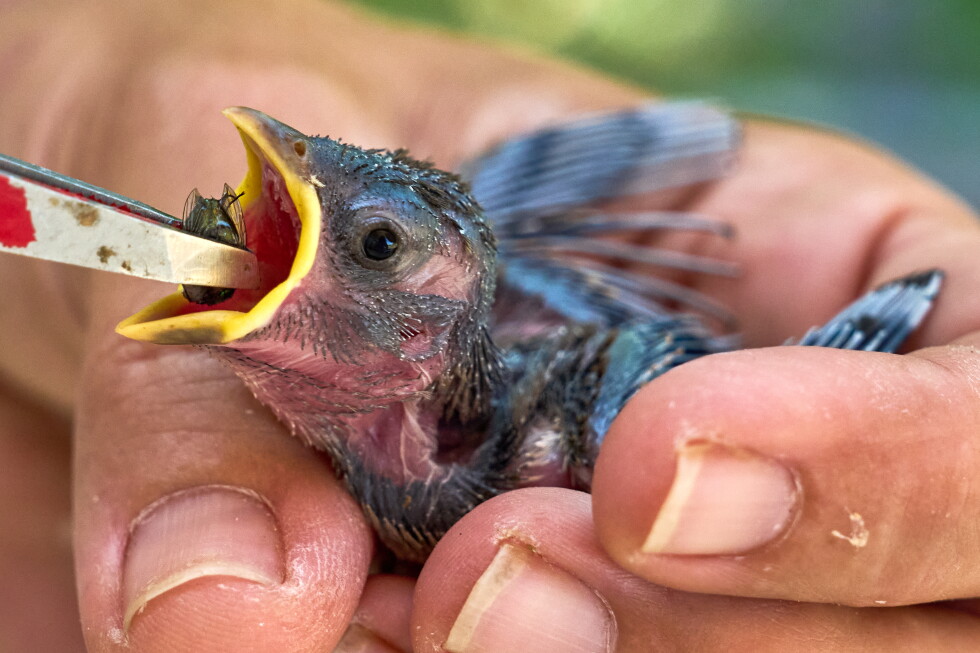
    Unlike humans and many other mammal species, birds do not have sweat glands to cool their bodies through evaporative cooling. Instead, they rely on a set of alternative natural cooling mechanisms. Common backyard bird species often use gape: opening their beaks and panting to expel excess heat, a behavior nearly identical to how domestic dogs cool down on hot days. Other species use a strategy called gular fluttering, rapidly vibrating the thin pouch skin on their necks to increase heat exchange. Birds will also actively seek out shaded areas to avoid direct midday sun, and dip into shallow water sources like birdbaths, fountains and small ponds to bring down their core temperature.

    When it comes to helping birds survive extreme heat, experts say there are several simple, low-effort measures members of the public can take to support local populations, though full protection during a record heat wave remains difficult. In the short term, households can place shallow containers of clean water in shaded, predator-safe areas around yards and public green spaces. Experts emphasize the importance of regularly cleaning these water sources to prevent the spread of avian disease. Maintaining stocked bird feeders is another simple step: this provides easy access to food for birds that avoid expending energy foraging in sweltering heat, and helps offset losses of natural insect populations— a core food source for many bird species that have declined sharply due to long-term climate change and pollution. For longer-term support, households that have outdoor space can plant layered native vegetation, including low-growing shrubs and taller canopy trees, to create permanent shaded habitats for local bird communities.

    For heat-stressed birds that do not appear to be accessing the cooling and food resources people provide, experts advise against unnecessary intervention. “These birds know better than what we do about what is comfortable for them,” explained Jack Kottwitz, assistant professor at Michigan State University’s College of Veterinary Medicine. Most birds will actively seek out cooler temperatures on their own, moving to lower shaded perches or even areas near moving air from fans or natural breezes.

    Guidance for other wild animals follows a similar core rule: avoid unnecessary intervention. Experts warn that offering unfamiliar food or water to non-avian wildlife, or attempting to bring wild animals into indoor spaces, can do more harm than good. Signs of extreme heat stress often overlap with symptoms of contagious diseases that wild animals can carry, so the only safe course of action when encountering a sick or injured heat-stressed animal is to contact a local licensed wildlife rehabilitator, who has the training and resources to provide appropriate care. “The best thing for wildlife is to let them be wild,” said Lisa Duke, sanctuary grounds manager at the W.K. Kellogg Bird Sanctuary, which is affiliated with Michigan State University. “They know what to do with their bodies.”

    This reporting was produced by Alexa St. John, an Associated Press climate reporter. AP’s climate and environmental coverage receives financial support from multiple private foundations, with the AP retaining full editorial control over all content.

  • Greece is paying fishermen to catch toxic toadfish invading the warming Mediterranean

    Greece is paying fishermen to catch toxic toadfish invading the warming Mediterranean

    Climate change has triggered an unprecedented biological shift in the Mediterranean Sea, pushing a toxic, invasive species northward into Greek waters—and prompting Athens to roll out an unusual solution to contain the disruption: a cash-for-catch bounty program targeting the dangerous invader.

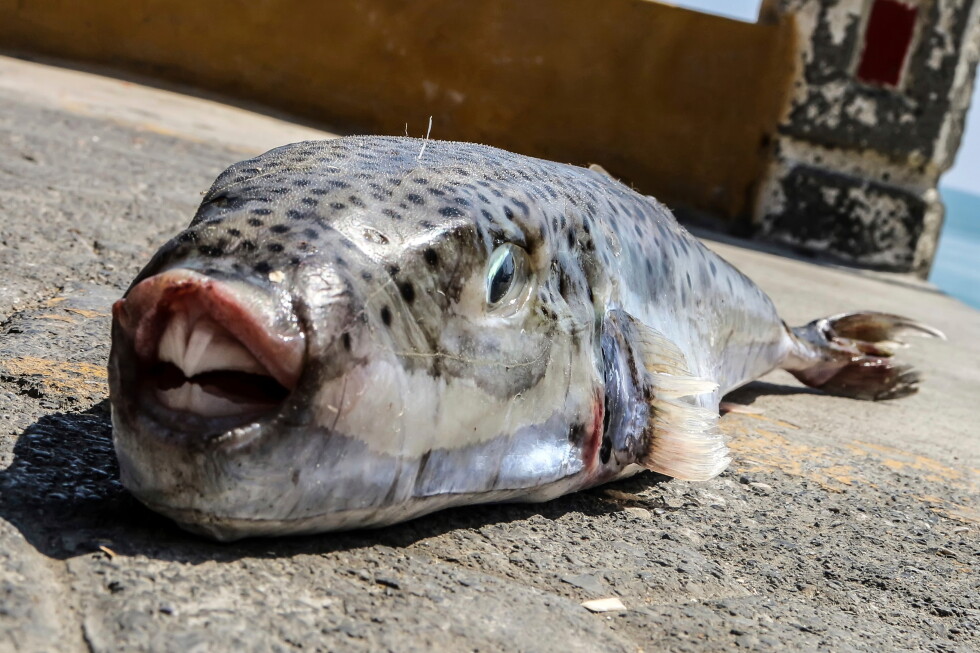
    The species in question is the silver-cheeked toadfish, a member of the pufferfish family native to tropical marine ecosystems. Identified by its streamlined torpedo frame and distinct human-like teeth, the creature carries an extremely potent neurotoxin in its skin and internal organs that can trigger fatal heart failure if ingested by humans.

    While Greek authorities have confirmed no sightings of the toadfish in popular resort bathing zones around Greek islands, the invasive species has already caused severe economic damage to fishing communities operating off the coast of Crete and other nearby island groups. Local fishermen report that the toadfish routinely tear through commercial fishing nets to feed on already caught target species, leaving gear destroyed and catches depleted.

    Giorgos Kyriakakis, a representative of a Cretan fishermen’s association, explained the scope of the problem in an interview with Greek public broadcaster ERT on Friday. “It’s got to the point where we might go out fishing one day and then spend the next three days fixing our nets,” Kyriakakis said. “They eat our catch and damage our nets — that’s very costly.”

    Ecologists trace the toadfish’s arrival in the Mediterranean to two interconnected factors: the species originally entered the sea via the Suez Canal from the Red Sea, and rapidly expanding northward as ocean temperatures rise due to human-caused climate change. The invasion of this toxic species is not unique to Greece; neighboring Cyprus launched an identical cash bounty program earlier this year to address its own toadfish infestation.

    Greece’s formal program launched Friday, with the government offering a payout of 5.33 euros per kilogram (equivalent to roughly $2.75 per pound) for every toadfish turned in by fishermen. According to Agriculture Minister Margaritis Schinas, a former vice president of the European Commission, this is the first time Greece has implemented a targeted eradication measure of this kind.

    All collected toadfish will be frozen at local government facilities before being incinerated to prevent the neurotoxin from entering the food supply, Schinas confirmed. He also noted that the program, which initially covers only the currently affected island regions, will likely be expanded to all Greek territorial waters in the coming months to stop the species from spreading further.

    Public anxiety around the toadfish has grown in recent weeks after Greek fishing crews shared viral videos online showing the species biting through solid objects including soda cans and wooden planks, highlighting the strength of its jaws. In response to rising public concern, the Greek Red Cross issued an official public health advisory, outlining first aid procedures for bite-related bleeding and warning the public of the lethal risk posed by the neurotoxin stored in the fish’s organs.

    Despite the valid concerns of fishing communities, medical and tourism stakeholders on Crete have urged the public to avoid overreaction. In a joint statement released Friday by 16 local medical and tourism associations, leaders emphasized that the presence of the toadfish in Mediterranean waters has been documented by scientists for years, and there is no immediate or hidden threat to recreational swimmers.

    “Marine predators do not threaten the safety of visitors and residents,” the statement read. “Exaggeration is often a feature of public debate.”