As our four-wheel drive rumbles along the dusty bush tracks of Western Australia’s Dryandra Woodland, a sharp instruction cuts through the quiet: “Eyes peeled.” Every passenger leans forward, scanning the crevices of fallen logs, the edges of low scrub, and gaps between bright wildflower blooms, searching for a flash of distinct stripes or a sudden dart of movement. We are hunting for the numbat – one of Australia’s rarest marsupials, a small, striped creature that looks like a cross between a chipmunk and an anteater.
Once widespread across the entire southern half of the Australian continent, numbats now cling to survival in just a handful of isolated protected pockets, Dryandra Woodland chief among them. Every spring, a team of volunteer researchers and conservation scientists gathers here to conduct their annual population survey, a painstaking process that maps the species’ trajectory and tracks whether decades of work are paying off. This year, there is good news to celebrate: after being classified as endangered for decades, the numbat has just been removed from the International Union for Conservation of Nature’s Red List of threatened species, reclassified as near-threatened. It is a rare glimmer of hope in a country facing what scientists call an unfolding extinction emergency.
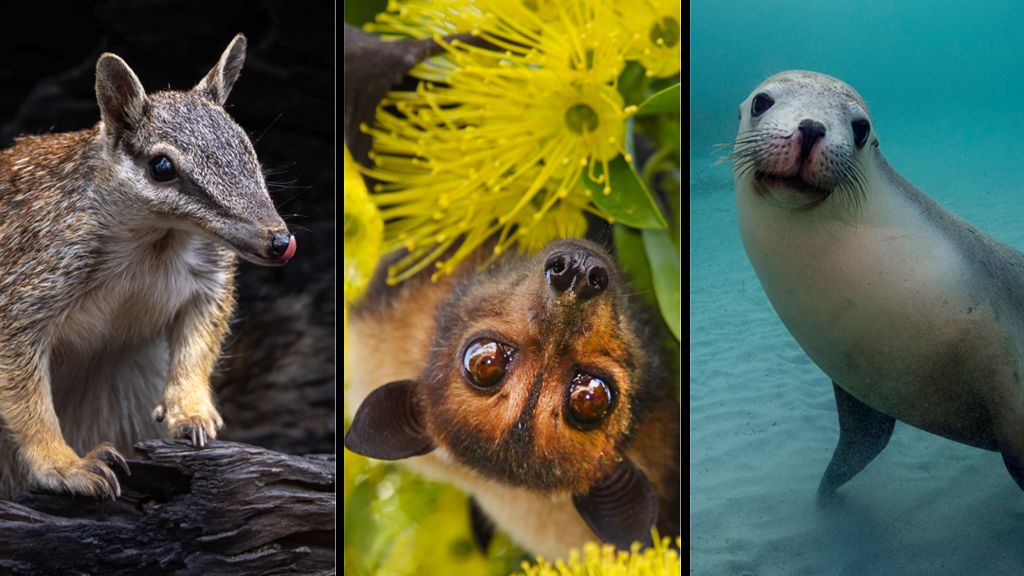
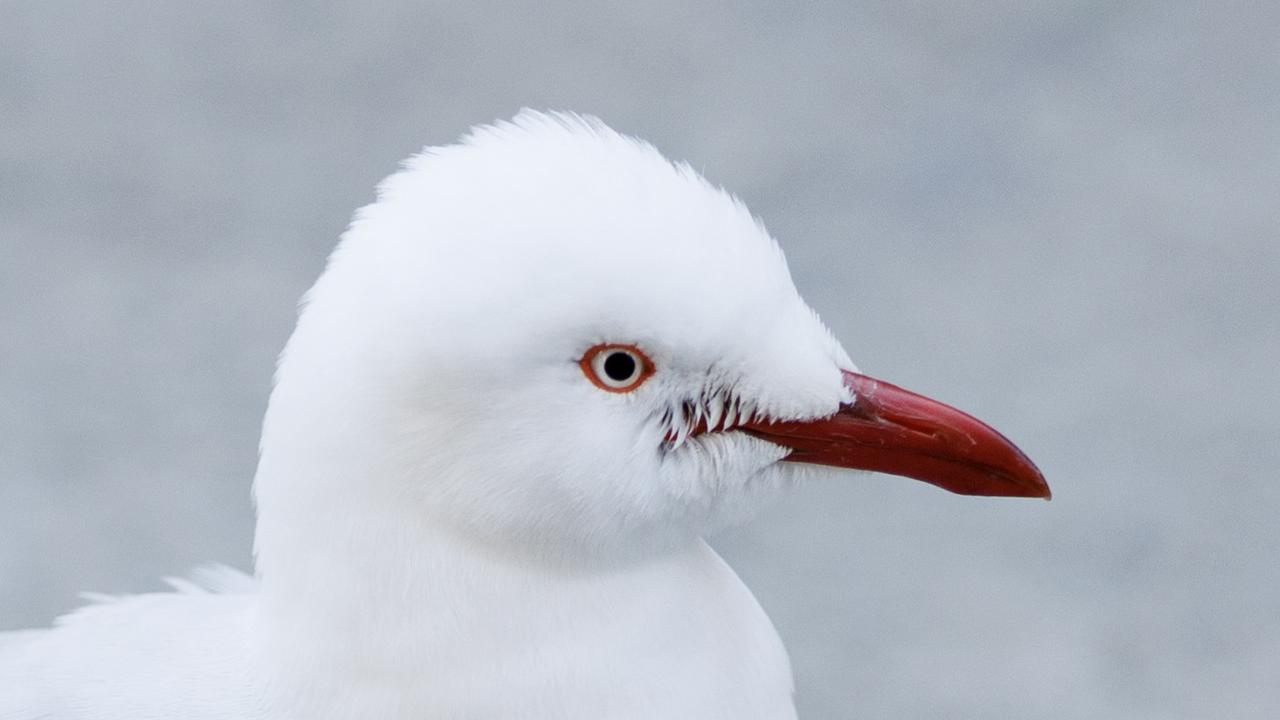
South-western Australia is the frontline of this crisis. This small region is one of the last remaining refuges for a host of species on the brink of extinction: the endangered Carnaby’s cockatoo, which glides overhead during our survey; the Gilbert’s potoroo, the world’s rarest marsupial, which survives only on a single small island off the coast; and the increasingly rare Australian sea lion, which hunts in the sapphire coastal waters nearby. Australia has long been famous as a global biodiversity hotspot, home to more than 80% of plant and animal species found nowhere else on Earth. But today, it is widely recognized as the global extinction capital, losing an average of four unique species every decade, a rate of decline that is accelerating.
For decades, underfunded conservationists and dedicated volunteers have fought to slow the tide of threats pushing species toward disappearance. But without urgent systemic change and political courage, experts warn the biodiversity Australia claims to cherish faces catastrophic collapse. “It’s not even a case of imagining it, it’s happening in front of our own eyes,” Professor Euan Ritchie, a leading mammal ecologist, told the BBC.
Spotting a numbat in the wild is no small feat, explains Dr. Tony Friend, the pioneering conservation biologist who has led numbat recovery efforts at Dryandra since the 1980s. Roughly the size of a squirrel, the numbat is a master of camouflage, blending perfectly into the sun-dappled bush. When Dr. Friend first arrived at Dryandra, the local numbat population numbered fewer than 50 individuals. The threats he documented then – habitat loss, invasive predators, disease, and climate change – remain the same drivers of extinction across Australia today.
Each spring, when young numbats first venture out of their burrows, the Numbat Taskforce, a volunteer group that makes Dr. Friend’s under-resourced work possible, conducts a daily survey circuit. Teams of spotters position themselves at every window, with one volunteer perched in the open bed of a pickup truck, ducking low to avoid overhanging tree branches. For every numbat spotted, the team logs GPS coordinates, measures distance from the road, and uses a statistical model to estimate population density and overall species health. This year, the team reports, sightings have been unusually frequent.
On our five-hour cruise through the woodland, we spot brightly colored parrots, grazing wallabies, a large goanna, and a pair of foraging echidnas – but no numbats for hours. Along the route, constant reminders of the threats numbats still face are visible: razed farmland tightly borders the protected woodland, and purpose-built poison bait stations sit along the trails, designed to kill feral cats and foxes – invasive predators that kill an estimated 3 billion native Australian animals every year.
Across the country, multiple overlapping threats are pushing species toward extinction. Vast swathes of critical native habitat are cleared annually for urban development, farming, mining, and timber production. Invasive species – from fire ants and cane toads to foxes and feral cats – leave a trail of destruction in their wake. Invasive weeds choke native bushland, chlamydia has pushed koalas to the brink of extinction across most of their range, and the skin-eating chytrid fungus has already caused seven native frog extinctions, with more expected to follow.
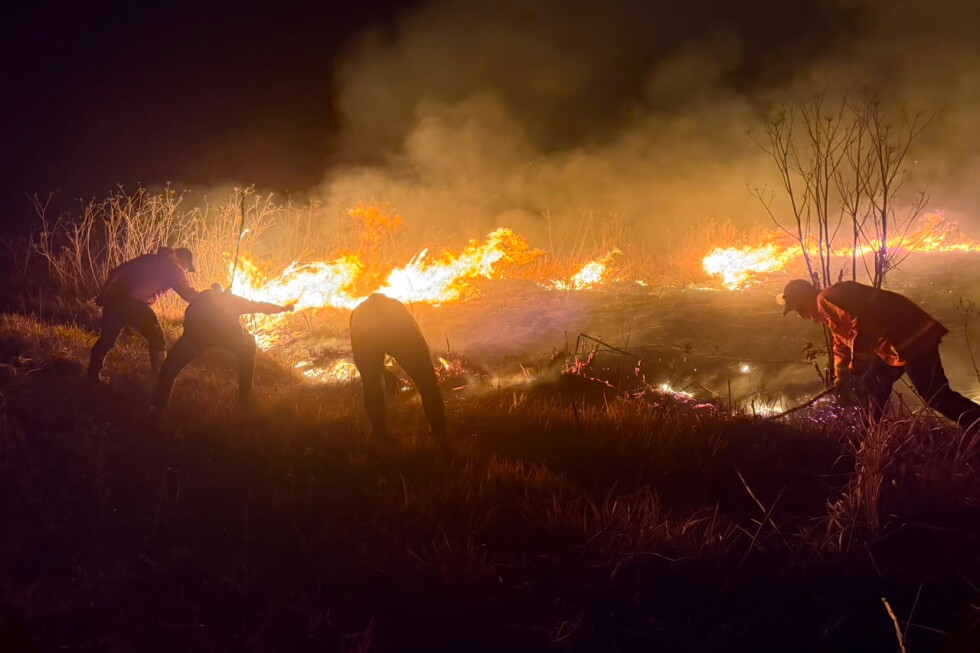
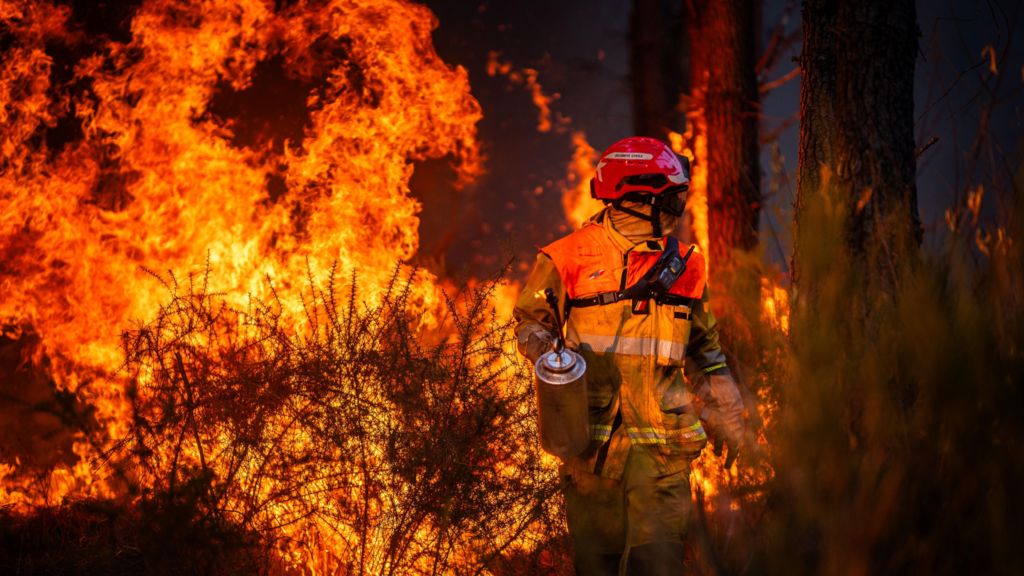
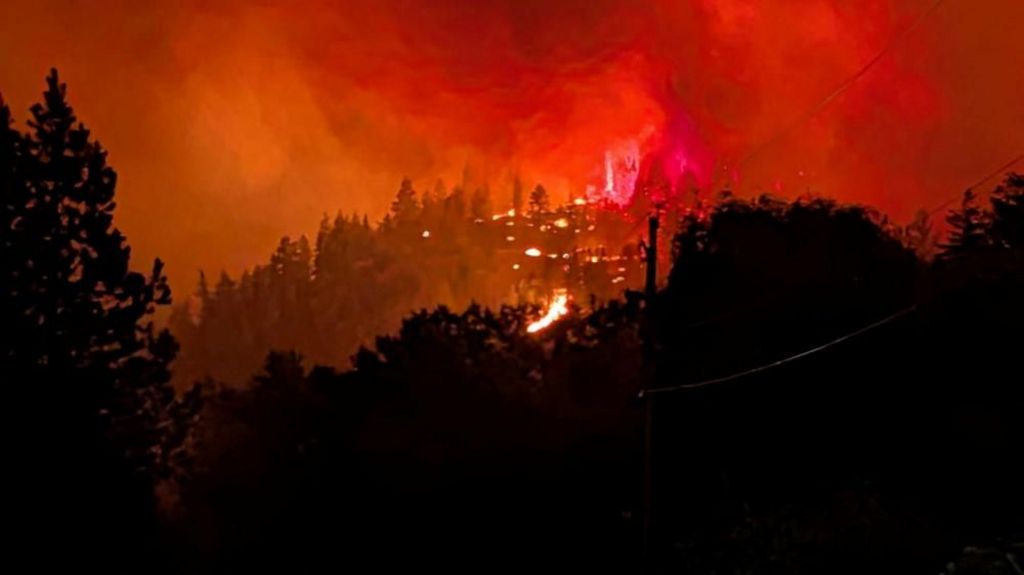
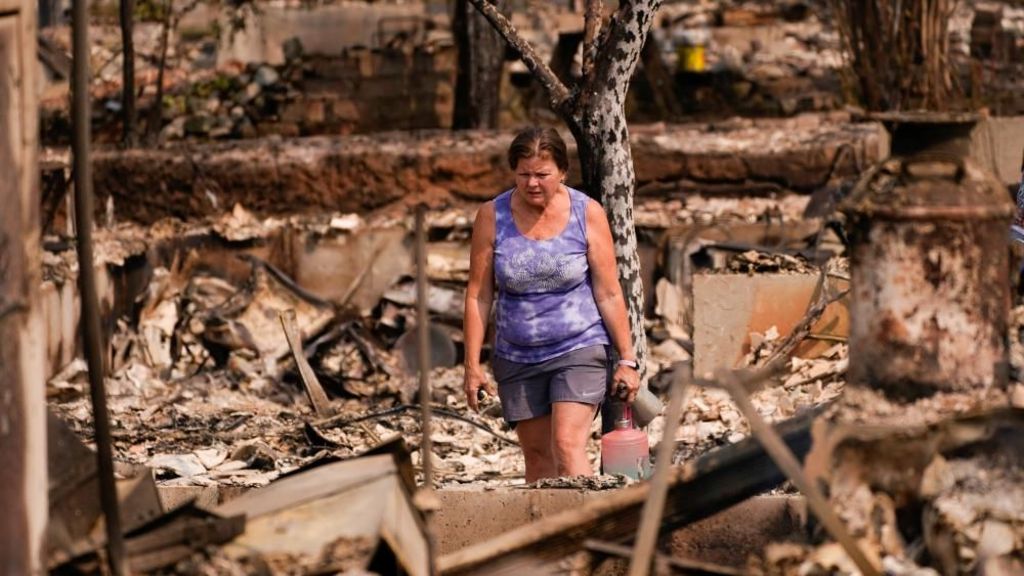
Climate change has amplified every existing threat. Extreme heat events kill thousands of native flying foxes, which drop dead from trees when temperatures climb past tolerable limits. For many other species, rising temperatures eliminate critical food sources or destroy habitats. Climate change also increases the frequency and severity of catastrophic natural disasters: the 2019-2020 Black Summer bushfires killed an estimated 3 billion animals, and subsequent years of record-breaking flooding have caused widespread wildlife loss that researchers have not yet been able to fully quantify.
As threats stack up, once-widespread species are now confined to small, disconnected fragments of habitat, making them far more vulnerable to extinction. But while the overall trend is dire, small, determined recovery efforts are delivering rare wins. At Perth Zoo, a captive breeding program prepares young numbats for release into Dryandra Woodland, boosting the wild population’s genetic diversity. “When you get that feedback: your babies have got babies, it’s very satisfying,” Vicki Power, a senior zoo keeper, says of the program. Captive breeding has helped establish new wild populations for dozens of threatened species, though many cannot survive in unfenced wild areas due to persistent predator threats, and isolated fenced reserves face their own challenges of inbreeding and overpopulation.
While habitat protection and restoration projects are expanding across the country, they are not keeping pace with ongoing habitat destruction, particularly in the most biodiversity-rich regions. Scientists are also working to combat wildlife disease and preserve genetic material of threatened species for future resurrection efforts, but these efforts are expensive, labor-intensive, and only buy limited time for most at-risk species.
The world is currently in the midst of the sixth mass extinction event in Earth’s history, the first driven entirely by human activity – and Australia is leading this grim trend. Australia has more mammal extinctions than any other country, and ranks among the highest for species loss across all taxonomic groups. “Despite Australia being one of the wealthiest countries per capita in the world and having more than its fair share of world-leading scientists… we have a truly awful record of conserving species,” Ritchie says. “And things aren’t getting better.”
The Australian government’s official list of extinct species stands at 67, but independent researchers estimate at least 100 unique Australian plant and animal species have already been lost forever, with the true figure likely far higher, as new extinct species are still being discovered decades after they disappeared. While the rate of extinction has held steady at roughly four per decade, the number of species currently classified as threatened continues to climb rapidly, and the decline of many at-risk populations is accelerating.
This trajectory carries severe, far-reaching consequences for all Australians, experts warn. Australia’s biodiversity underpins the entire national economy, supporting sectors from agriculture to tourism. Potential scientific breakthroughs in medicine, agriculture, and climate adaptation could be lost forever if species go extinct before they can be studied. For First Nations Australians, biodiversity loss also threatens deeply held cultural traditions and connections to country. “We think of ourselves as custodians of all life on Earth… so there’s a much more personal and social feeling of loss that comes when these things are not doing well or we lose them forever,” says Jack Pascoe, an ecologist and member of the Yuin Aboriginal nation.
While environmental protection is primarily a state responsibility in Australia, the federal government oversees matters of national biodiversity importance. The center-left Labor government took office in 2022 promising that no new extinctions would occur on its watch, and has positioned environmental protection as a core priority for its term. “It’s well understood that nature is facing many challenges in the world today, both here in Australia, and overseas… we are losing biodiversity at an alarming rate,” Environment Minister Murray Watt told the BBC in a statement.
The government has significantly increased national emissions reduction targets, scaled up investment in renewable energy, earned some praise for its work to recover critically endangered mammal species, and passed landmark environment law reform last year, hailed as the most significant in a generation. Australia has also committed to an ambitious national target to halt and reverse biodiversity loss by 2030. But many conservation experts remain skeptical that these commitments will translate into meaningful change.
The new laws only provide the regulatory framework for change. The critical substance – binding national environmental standards and a powerful federal watchdog to enforce them – is still being developed. Many in the conservation sector argue that the core problem is not a lack of regulatory tools, but a lack of political will to use them to protect the environment over economic interests. Robert Hill, Australia’s longest-serving environment minister, who led the last major national environment reforms in 1999 under the conservative Howard government, admits that successive governments over the past 30 years have failed to do enough to protect biodiversity – including his own. “We should have done more too,” he says.
Many of the challenges Hill faced three decades ago still plague current leaders. Australia’s national wealth has long been built on the extraction of natural resources, a sector that remains a core part of the national economy and a major source of government funding for public services like healthcare and housing. Powerful industry lobbying, overlapping jurisdictional conflicts between state and federal governments, and bureaucratic red tape all create major barriers to meaningful action. Even when federal leaders want to act, these pressures often derail environmental protections, as seen in 2023, when the Albanese government rushed through laws to protect Tasmania’s A$1.4 billion salmon farming industry, ignoring internal departmental warnings about the threat the industry poses to the endangered Maugean Skate, a rare ray found only in Tasmanian waters. “The axe falls on the environmental outcome if there’s the alternative of an economic one,” Hill says. “Even if [the federal government] does want to act, it’s still got to have the political strength to turn its aspirations into reality.”
Many conservation leaders also argue that greater regulation alone is not enough. Currently, most on-the-ground conservation work relies on donations from philanthropists and unpaid volunteer labor, and dozens of critical projects are stalled due to lack of funding. The federal government currently spends roughly A$700 million annually on nature protection. Conservation experts estimate the country needs to spend A$33 billion – 1% of national GDP – annually to reverse biodiversity loss. A major imbalance in government spending exacerbates this gap: research by conservation analyst Paul Elton estimates that the Australian government still spends more than A$26 billion annually on subsidies for harmful industries including mining, intensive agriculture, and fossil fuels – despite signing global pledges to phase out these harmful subsidies. “For every dollar the government is spending on positive biodiversity conservation action, there’s A$26 being spent on subsidies that are causing harm to nature,” Elton says. “That’s a pretty stark imbalance.”
Minister Watt did not directly address questions about funding demands from conservation groups, but said: “We remain committed to long-term environmental recovery, in partnership with state and local governments, community and environmental groups.”
While public support for environmental protection has grown in recent years, experts are skeptical that governments will prioritize biodiversity action over competing political and economic demands until voters demand change. “The community will say to you, we should spend a lot of money on the environment. And then if you say, ‘Well, what are you prepared to sacrifice to ensure that funding base?’, then they’re no longer interested,” Hill says.
Against this backdrop of systemic challenge and slow progress, conservation advocates say small wins like the numbat’s recovery are what keep them going. Today, there are roughly 3,000 numbats living in the wild across Australia, and the Dryandra population has grown tenfold since Dr. Friend first began his work in the 1980s. After five hours of fruitless scanning on our survey, excited shouts ring out from the driver’s seat and the back of the truck: a numbat stands frozen, alert, at the end of a hollow log. Within the next hour, we spot eight more numbats, including two pairs of curious young pups blinking in the dusky afternoon light. This year’s full population count, Dr. Friend says later, is one of the best on record.
Even so, Dr. Friend warns the numbat is not yet out of danger. He fears the species’ removal from the endangered list will lead to cuts in critical funding and support needed to cement its recovery. He points to the woylie, a small native marsupial also known as the brush-tailed bettong, which recovered enough to be removed from the threatened list, only to be added back a decade later in a more precarious state. “But I remind people they’re not out of the woods yet,” Dr. Friend says. “We can’t walk away, and say ‘no, they’re fine,’ you know? It’s got to be accepted that continued work is needed to keep that animal on the planet.”