分类: entertainment

  • BTS crowned ‘Artist of the Year’ at American Music Awards

    BTS crowned ‘Artist of the Year’ at American Music Awards

    The 2025 American Music Awards (AMAs) delivered one of the most anticipated wins of the ceremony, as South Korean global K-pop phenomenon BTS claimed the prestigious Artist of the Year award for the second consecutive year, outperforming some of the biggest names in Western popular music to solidify their standing as the world’s most popular musical act. The seven-member group, which includes RM, Jin, Suga, J-Hope, Jimin, V, and Jung Kook, edged out A-list competitors Taylor Swift, Bruno Mars, Bad Bunny, and Lady Gaga to take home the AMAs’ highest honor, the latest in a string of career milestones following the band’s highly anticipated return from an extended break earlier this year.

    After pausing group activities in 2022 to allow all members to complete South Korea’s mandatory military service, BTS made their full group comeback in March 2025 with the release of their fifth studio album *Arirang*, and quickly launched a $1 billion world tour that has broken venue attendance and revenue records across every stop. Beyond the top Artist of the Year prize, the group also added a second AMA to their 2025 collection, winning Song of the Summer for their *Arirang* lead single “SWIM”. In a testament to the growing global influence of their Korean label, fellow labelmates Katseye took home New Artist of the Year in the same ceremony.

    Other notable winners from this year’s AMAs included “GOLDEN”, the breakout viral single from the hit animated film *K-Pop Demon Hunters*, which claimed the award for Song of the Year, while Sabrina Carpenter won Album of the Year for her project *Man’s Best Friend*. For the Song of the Summer category, BTS also defeated additional high-profile nominees Harry Styles, Tame Impala, and PinkPantheress to secure the win.

    Unlike many major music awards where winners are selected by industry panels, the AMAs structure its voting process entirely around public participation: nominees are shortlisted based on commercial performance metrics like streaming and sales, but the final decision rests entirely on fan votes cast through the official AMAs website and social media platforms. This format makes the awards a de facto test of a star’s global fan base mobilization — and no fandom has a longer or more proven track record of coordinated engagement than BTS’s dedicated fan community, known universally as ARMY, an acronym for Adorable Representative M.C. for Youth.

    With millions of devoted members spread across dozens of countries, the decentralized ARMY network has long been cited as the core engine behind BTS’s unprecedented meteoric rise from a small South Korean hip-hop act to a global cultural phenomenon. ARMY regularly organizes coordinated online campaigns to boost the group’s streaming numbers, flood radio stations with song requests, and sell out stadium tours in minutes, demonstrating a level of dedication unmatched by most other fan communities worldwide.

    Accepting the award on behalf of the group, BTS leader RM, 31, centered his acceptance speech on gratitude to the fandom that delivered the win. “Armys, we did it once again! Since this is a fan-voted award, our biggest thanks and gratitude, as always, go to Armys all over the world,” he told the ceremony audience.

    Critical reception to BTS’s comeback album *Arirang* has been largely positive, with BBC music critics hailing the project as a “genuine return to form” that rekindled the creative fire that drove the group’s earliest global successes. Speaking during the acceptance, member J-Hope, 32, echoed RM’s thanks to fans for embracing the group’s new work. “We’ve had such an overwhelming response to this album. Honestly, thank you for embracing *Arirang* and every single song on this album. We’re so grateful,” he said.

    Member Jimin, 30, also thanked fans for their ongoing support through the group’s world tour, which is currently traveling across North America. “Thank you for following us on tour and showing us so much love in every city. And to all the Armys who always support and love us, thank you. We love you,” he added.

    The record-breaking world tour is scheduled to wrap in June 2025 with a series of homecoming shows in Busan, South Korea, timed to coincide with the 13th anniversary of BTS’s original debut in 2012. For the group, the back-to-back Artist of the Year wins at the AMAs, one of the most watched mainstream music awards in the United States, confirms that their global popularity has only grown stronger in the years since their initial hiatus, cementing their legacy as one of the most successful musical acts of the 21st century.
  • Jazz legend Sonny Rollins dies aged 95

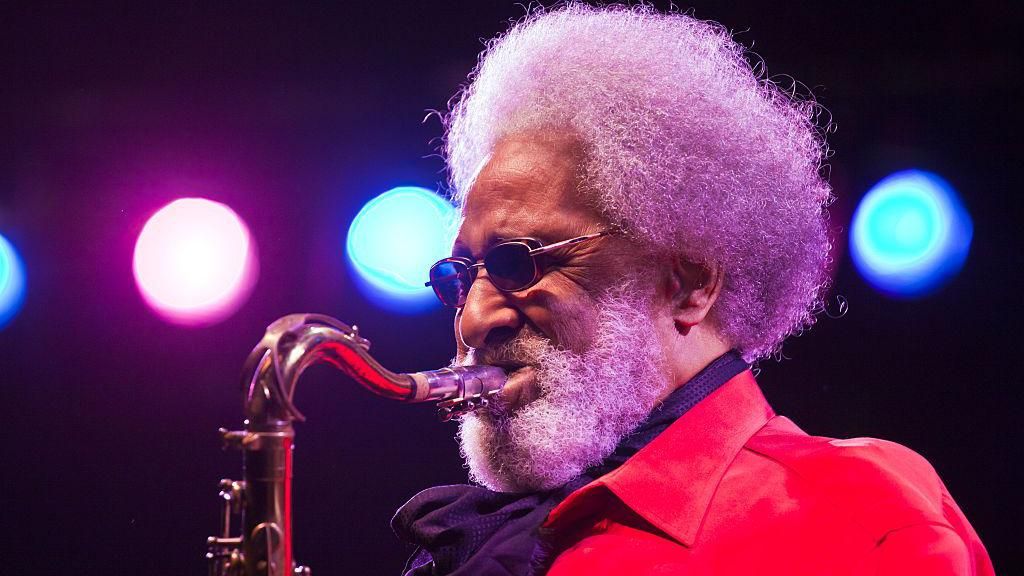
    Jazz legend Sonny Rollins dies aged 95

    The global jazz community is mourning the loss of one of its most transformative figures on Monday, as iconic saxophonist Sonny Rollins – widely nicknamed the ‘Saxophone Colossus’ – passed away at his home in Woodstock, New York, at the age of 95. No official cause of death has been released to the public, per a statement from his publicist, who remembered Rollins as one of the most decorated and impactful artists in the history of American music.

    Rollins’ legendary seven-decade career took root in the late 1940s, when he emerged on the vibrant New York jazz scene and quickly caught the attention of the genre’s biggest names. Gifted with an unparalleled intuitive talent for improvisation, he was taken under the wing of legendary pianist Thelonious Monk early in his career, and went on to collaborate with a who’s who of 20th century jazz greats, including Charlie Parker, Miles Davis, John Coltrane, Art Blakey, and Bud Powell. Over the course of his career, he released more than 60 full-length albums as a bandleader and claimed two Grammy Awards for his work, before a respiratory illness forced him to step away from performance and retire in 2014.

    Rollins’ connection to his signature instrument began far earlier than his professional debut, as he recalled in a past interview with *Jazz Times*. When he was just seven years old, his mother gave him his first alto saxophone, and the young musician felt an immediate, lifelong bond. ‘I got the saxophone and I went into the bedroom and I started playing – that was it. I was in seventh heaven… I could have been there forever,’ he said.

    One of his most iconic career milestones came in 1956, when he released his sixth studio album, *Saxophone Colossus* – the record that cemented his reputation as a revolutionary force in jazz and gave him his enduring nickname. As his star grew in the early 1960s, Rollins developed a daily routine of practicing for hours on end on New York City’s Williamsburg Bridge, a quiet escape from the bustle of the city that inspired his beloved 1962 album *The Bridge*. In the years since, that connection has spurred repeated public calls to rename the bridge in his honor.

    Famously known for his sprawling, dynamic solos, Rollins is widely regarded as one of the greatest improvisers in jazz history. He once told PBS that he approached every performance with no pre-planned material, stepping on stage with a blank mind and only a loose grasp of the core structure of his pieces. ‘Improvising on it, that I leave completely to the forces,’ he explained. ‘Sometimes I’m surprised by what comes out.’

    Alongside his musical legacy, Rollins held deep spiritual beliefs about creativity and life beyond his time on earth. A 2009 quote from Rollins was included alongside the announcement of his passing, reflecting that perspective: ‘I think when the creative person ends, he continues in the next existence. I’m a person who believes this life isn’t the be-all and end-all of everything. A spiritual person doesn’t feel like that.’

  • Sonny Rollins, last jazz ‘colossus,’ dead at 95

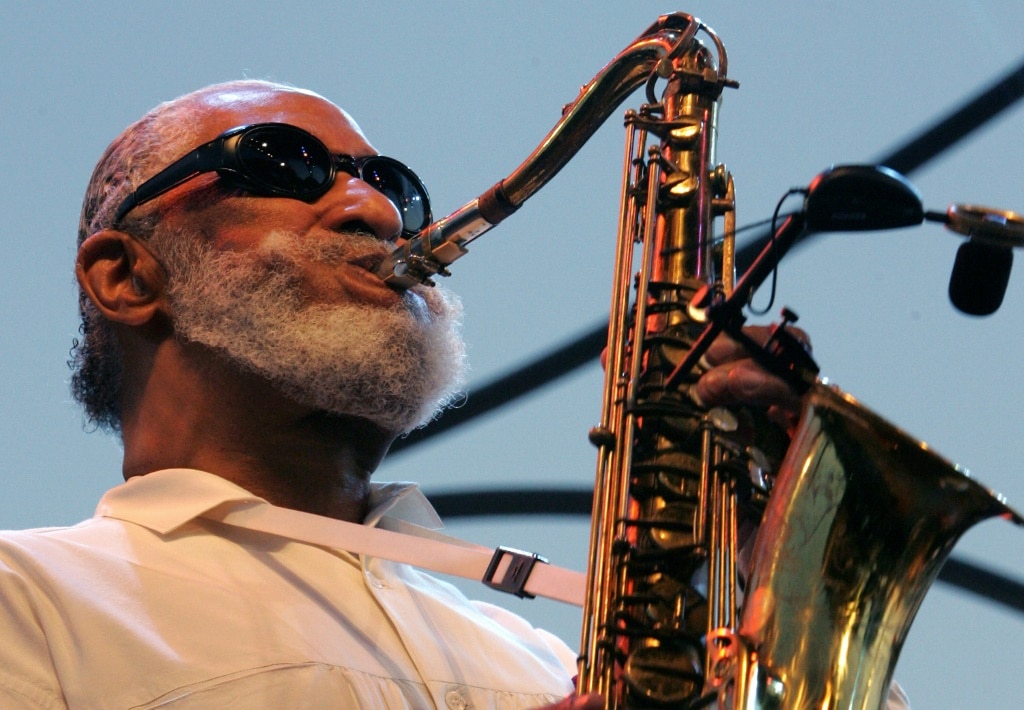
    Sonny Rollins, last jazz ‘colossus,’ dead at 95

    The world of jazz has lost its last iconic giant from the genre’s golden age. Sonny Rollins, the trailblazing American tenor saxophonist universally known as the ‘Saxophone Colossus’, passed away at his home in Woodstock, New York, on Monday at the age of 95. The announcement of his death was shared in a heartfelt post on his official social media accounts, which confirmed the news of his peaceful passing.

    A creative visionary who constantly reinvented his art across seven decades, Rollins transformed jazz into a medium for both social commentary and spiritual exploration. His bold, resonant saxophone lines gave voice to the aspirations of Black Americans during the civil rights movement, channeled collective national grief in the wake of the September 11 attacks, and reflected the mystical insights he gained during years of spiritual retreats in Asia. Born in Harlem to parents who migrated from the U.S. Virgin Islands, Rollins rose to join the ranks of the most influential saxophonists in jazz history, alongside legends including Charlie Parker, Coleman Hawkins, and John Coltrane — with whom he shared an affectionate yet complex artistic relationship.

    Unlike many of his contemporaries from jazz’s post-WWII golden era, Rollins lived a remarkably long, disciplined life, continuing to refine and remaster his work well into his 80s, even as chronic respiratory issues gradually limited his public performances. When asked in a 2016 interview with Agence France-Presse about the secret to his longevity, Rollins attributed it to two things: his lifelong practice of yoga, which helped him stay focused and avoid the substance abuse that cut short the lives of many fellow artists, and his unquenchable thirst for creative growth. “I’m still alive because I’m still learning,” he famously said in that interview.

    Rollins’ signature sound was distinct among major saxophonists of his generation: a biting, heavy delivery that often challenged listeners rather than soothing them, paired with an intricate, holistic approach to composition that framed music as a lifelong search for universal truth. His iconic nickname originated from his breakthrough 1956 album *Saxophone Colossus*, a record that redefined the hard bop genre, bringing raw, new power to the tenor sax while stripping jazz of unnecessary structural constraints. One of the album’s most enduring tracks, “St. Thomas”, wove in the Caribbean calypso rhythms Rollins had heard growing up, a nod to his Virgin Islands heritage that remains his most recognizable composition.

    One of the most legendary stories of Rollins’ career came in the early 1960s, when overwhelmed by the pressure of his rising fame, he stepped away from the spotlight to practice daily on New York City’s Williamsburg Bridge, which connects Brooklyn to Manhattan’s Lower East Side. For three years, he played for nearly every waking hour, even through the cold of winter, turning the busy bridge into his private rehearsal space. This self-imposed public sabbatical yielded one of his most acclaimed albums, 1962’s *The Bridge*, and in recent years, proposals have circulated to rename the Williamsburg Bridge in his honor. Rollins also crossed over to mainstream audiences outside of jazz, making a notable guest appearance on The Rolling Stones’ 1981 hit album *Tattoo You*.

    By his mid-20s, Rollins had already shared stages and recording studios with nearly every jazz legend of the era, including Parker, Miles Davis, and Thelonious Monk, with whom he was particularly close early in his career. He famously cut the classic 1957 album *Brilliant Corners* alongside the pioneering pianist. While many framed Rollins’ relationship with Coltrane as a rivalry — the two both pushed jazz into new creative territory and shared a fascination with Indian spirituality — Rollins offered a warm reflection on their connection later in life. Where Coltrane was known for his graceful, gentle texture, Rollins brought a firmer, more tangible command of musical dynamics, approaching composition with the intentional craft of a classical composer. The pair only recorded together once, on the title track of Rollins’ 1956 album *Tenor Madness*. Looking back on his early career, Rollins acknowledged he had been overly brash with his idols: “I look back on my relationship with Coltrane, and my relationship with Monk — a lot of stupid things I did with those people that I would not have done if I was more mature,” he said, calling Coltrane “a beautiful, beautiful human being.” Rollins was predeceased by his wife and manager of nearly 40 years, Lucille, who died in 2004.

    Following his 1956 breakthrough, Rollins continued to innovate on 1957’s *Way Out West*, where he introduced his signature “strolling” technique: unaccompanied sax solos that flow over only bass and drums, forgoing the traditional piano chords that anchored most jazz ensembles of the era. Rollins often described his improvisational style as rooted in intuition rather than conscious planning. “When I play and I improvise, I don’t think, because music comes from the subconscious, someplace else,” he told news outlet The Root. “I’m just a human, so when I play my horn, I get into a state where the music plays me. I’m just standing up there and fingering my horn and blowing.”

    His commitment to yoga extended far beyond physical health; the breathing techniques and mental discipline it afforded him deepened his fluency on the sax. A decade after his Williamsburg Bridge sabbatical, Rollins stepped away again in 1966, this time to study Zen meditation in Japan before moving to an ashram on the outskirts of Mumbai, India, where he arrived with nothing but a suitcase and his saxophone. Under the guidance of spiritual teacher Swami Chinmayananda, he spent his days studying and discussing sacred Vedic texts, performing rarely, before bringing his spiritual learnings into his music with works like *Patanjali*, named for the ancient founder of yoga. “Jazz artists were trying to find a way to express life through our improvisations. The music has got to mean something,” he later told National Public Radio.

    Beyond his artistic innovations, Rollins was unafraid to use his platform to advance social justice. His 1958 work *Freedom Suite* was an explicit artistic statement in support of the rising civil rights movement. While the 20-minute instrumental piece spoke to artistic freedom on its surface, Rollins made its political purpose unmistakeable in the album’s liner notes — a strikingly bold stance for a Black artist of the era. “America is deeply rooted in Negro culture: its colloquialisms; its humor; its music,” he wrote. “How ironic that the Negro, who more than any other people can claim America’s culture as his own, is being persecuted and repressed; that the Negro, who has exemplified the humanities in his very existence, is being rewarded with inhumanity.” The album was so controversial that a later reissue was released under an alternate title, and Rollins faced pushback when performing the piece in the Jim Crow South. He doubled down on his advocacy for Black pride with *Airegin*, a fast-paced classic whose name is an anagram for Nigeria.

    Late in his life, Rollins once again turned to music to process collective trauma after the September 11, 2001 attacks. Living just six blocks from the World Trade Center, he evacuated his home by walking down 40 flights of stairs and suffered respiratory irritation from the attack’s toxic fumes. Just four days later, he drove to Boston (all commercial flights were grounded nationwide) to perform a memorial concert that was later released as a live tribute album to the attacks’ victims.

    After decades in New York City, Rollins retired to a quiet farm in upstate New York, where he had space to continue his meditation practice. In his final years, he acknowledged a growing pessimism about humanity’s trajectory, noting that he and his fellow mid-century artists once believed music could help bring about world peace. “But then I learned, and I lived a little longer,” he told AFP. “I realized that this world will never change. This world is meant to be a place of war, killing, everything — sickness, illness, death. That’s this world.”

  • Virgin Australia unveils Toy Story 5 themed aircraft ahead of Disney Pixar film release

    Virgin Australia unveils Toy Story 5 themed aircraft ahead of Disney Pixar film release

    Australian airline Virgin Australia has launched its first co-branded aircraft livery in nearly a decade, teaming up with Disney and Pixar to roll out a one-of-a-kind Toy Story 5 themed Boeing 737-800 that will traverse the country’s domestic network ahead of the animated sequel’s theatrical premiere on June 18. The airline officially revealed the custom-painted plane on Monday, which features beloved franchise characters Woody, Jessie and Buzz Lightyear across its entire exterior, kicking off a months-long cross-platform marketing campaign that brings the Toy Story magic to every step of the passenger travel journey.

    This large-scale collaboration marks a celebratory milestone for the Toy Story franchise, which first captured audiences’ hearts more than 30 years ago. The custom aircraft is projected to be seen by hundreds of thousands of travelers, including international visitors exploring Australia, turning the plane itself into a flying billboard for the upcoming film. Beyond the eye-catching exterior livery, the partnership includes a full slate of themed activations rolling out across airport terminals, Virgin Australia lounges, and onboard domestic flights through mid-July.

    Starting June 1, young passengers traveling with the airline will receive complimentary Toy Story 5-branded giveaways, including custom coloring activity packs. The airline’s inflight entertainment system will also add the entire existing Toy Story film collection to its library, alongside more than 60 other popular Disney movies for travelers to enjoy during their journey. Between June 15 and July 19, domestic passengers will be able to participate in a branded inflight game, with one grand prize winner receiving a Pixar-themed trip to Tokyo for up to four people.

    One of the most charming additions to the campaign is Virgin Australia’s new “Toy Tickets” initiative, which lets children request personalized, official-looking boarding passes for the teddy bears and soft toys that accompany them on their trips. The concept for this unique offering was inspired by a real customer incident: a young child who accidentally left their beloved teddy bear on a Virgin Australia flight, and was reunited with the toy after the airline helped track it down.

    Exclusive perks are also being offered to top loyalty program members: selected Velocity Frequent Flyer Platinum Plus members across Australia will receive access to special private screenings of Toy Story 5 ahead of its wide release.

    Libby Minogue, Virgin Australia’s chief marketing and customer operations officer, explained that the partnership was designed to weave the beloved film franchise into the entire travel experience, creating memorable moments for guests of all ages. “Toy Story has always been about more than just characters, it’s the nostalgia and joy it holds for so many people,” Minogue said. “Through our partnership with The Walt Disney Company Australia, we’re bringing the magic into the travel experience, creating moments of surprise and delight for our guests in a way that is distinctly Virgin Australia.”

    Minogue added that the collaboration aligns with the airline’s ongoing goal of reimagining air travel for modern passengers, while delivering enhanced value to its loyalty program members: “We are always looking for new ways to bring wonderful to flying and this partnership with Disney is the start of something magical and allows us to reimagine the travel experience in new and engaging ways, while delivering greater value for our Velocity Frequent Flyer members.”

    Kylie Watson-Wheeler, senior vice-president and managing director of The Walt Disney Company Australia and New Zealand, echoed that excitement, noting that the collaboration lets fans of all generations celebrate the launch of the new sequel. “We’re thrilled to see Disney and Pixar’s Toy Story 5 take flight with Virgin Australia in this special celebration of the film,” Watson-Wheeler said. “Our iconic Toy Story characters and story have a special place in the hearts of generations. We can’t wait to see all the magical ways this collaboration brings joy to Virgin Australia customers.”

  • ‘Party in the back’: Competitors vie for European mullet crown

    ‘Party in the back’: Competitors vie for European mullet crown

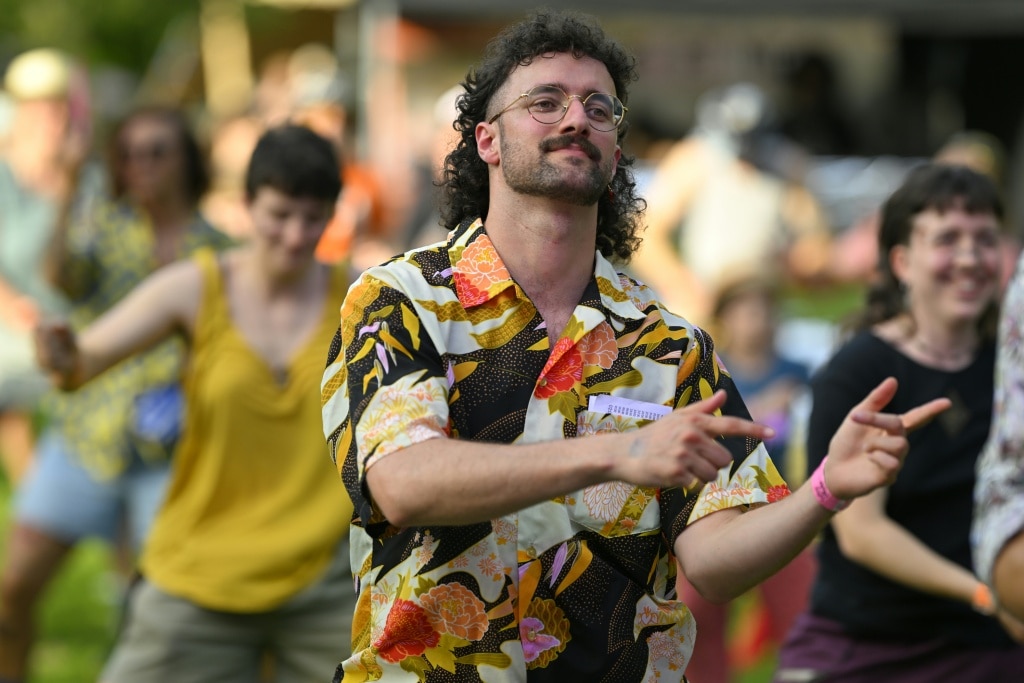
    Hundreds of bold-haired enthusiasts flocked to southern Belgium this weekend to compete in the 4th annual European Mullet Championship, a joyful celebration of the iconic divisive hairstyle that has staged a surprising cultural comeback in recent years. Famed for its timeless tagline “business in the front, party in the back”, the mullet balances sharp, cropped sections at the front and sides with long, unapologetically flowing hair at the nape of the neck. First catapulted to mainstream popularity in the 1980s, the style quickly fell out of favor and was widely mocked for decades before reemerging as a subversive, countercultural statement among fans around the world.

    The Belgian competition, inspired by a similar event launched in Australia, drew aspiring contenders from across Europe this year, with participants traveling from as far as France, Spain and England to showcase their takes on the cut. For the community that has rallied around the hairstyle, the mullet is far more than a passing fashion trend—it is a core part of identity and a way of life. “The mullet is open—to others, to difference, to adventure. It has a wild side,” explained event spokesperson David Hubert, who competes under the pseudonym Edgar Funkel.

    Unlike typical hair competitions that judge only technical skill or aesthetic perfection, the European Mullet Championship prioritizes personality and shared values alongside styling. Hopefuls first completed a detailed personal questionnaire to help judges get to know them beyond their hair. “Of course, we choose a great hairstyle, but what we really want is to choose a wonderful person,” said 39-year-old jury member Lolita Demoustiez, who goes by Dalita. “What matters is that the person carrying the mullet truly embodies values such as tolerance, kindness and the freedom to be oneself.”

    For many participants, the cut has had tangible, life-changing impacts. Christine, a 60-year-old Belgian competitor, shared that her striking silver grey mullet helped her navigate a recent period of intense personal hardship. “It feels absolutely brilliant, and I still haven’t taken any antidepressants,” she said, grinning as she showed off her hairstyle. “Long live the mullet!”

    After preliminary selections, roughly 50 finalists took the stage to show off their mullets for a cheering crowd of spectators. Judges awarded titles across multiple categories, including junior mullet, traditional mullet, unusual mullet and veteran mullet, to celebrate the diversity of styles within the community. When the final votes were counted, the 2026 overall European crown went to the duo of 44-year-old Berenice and 46-year-old Samuel, who are known to their fans by their shared nickname BesaMulet.

  • Electronic music meets orchestra as DJ Black Coffee stuns O2 crowds

    Electronic music meets orchestra as DJ Black Coffee stuns O2 crowds

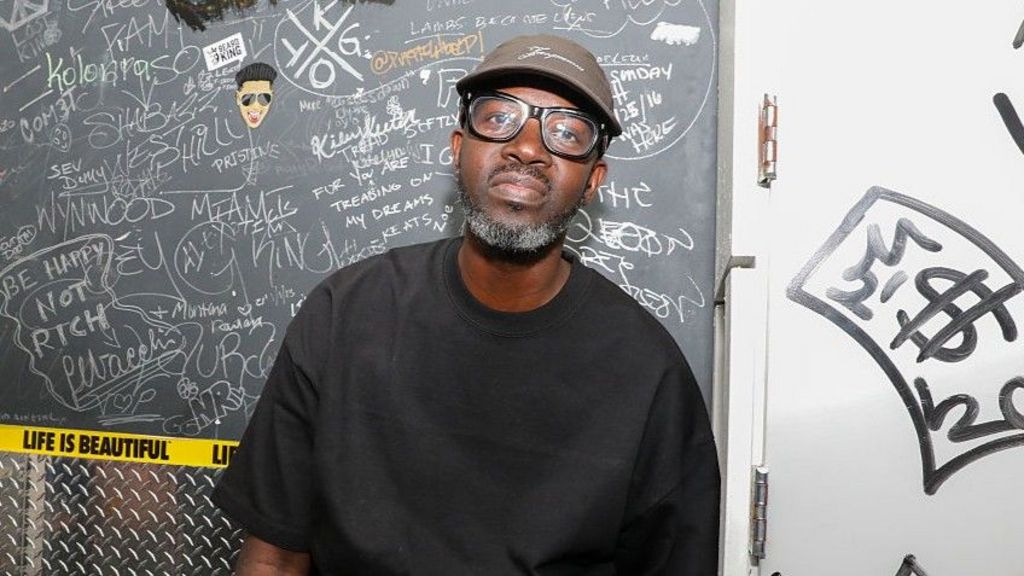
    On a sweltering 28-degree Celsius Friday afternoon in London, thousands of music fans have packed the sidewalks outside the O2 Arena, queuing eagerly for a sold-out headline show from one of the world’s most celebrated electronic music talents. Backstage, as a full live orchestra runs through its final rehearsals and a film crew captures every moment for a coming documentary, South African superstar Black Coffee – the Grammy-winning DJ born Nkosinathi Maphumulo – sits calmly preparing for one of the biggest performances of his decades-long career. Fresh off this sold-out London spectacle, he is set to fly directly to Spain to kick off his annual summer residency in Ibiza, a gig that has cemented his status as a mainstay of the global dance scene.\n\nGreeted mid-interview by his special guest for the night, multi-platinum US singer Alicia Keys, Black Coffee smiles and apologizes gently, noting he is keeping her waiting to wrap up the conversation. For the iconic artist, this O2 Arena performance is far more than just another stop on a world tour: it marks the full-circle culmination of a musical journey that first brought him to London’s underground club circuit decades ago.\n\n“I played this venue’s smaller Indigo room years ago, so stepping into the main arena has always been a huge milestone for me,” he shared in the pre-show interview with the BBC. This concert’s production is one of the most ambitious of his career: a three-hour immersive experience billed as *Afropolitan House O2*, pairing his signature deep house beats with the live orchestra, A-list guest performers, and unannounced surprise appearances. Maphumulo notes that London’s long, storied history as a global hub for club culture means audiences here expect a one-of-a-kind experience that cannot be replicated anywhere else. “London’s crowd is punchier, groovier, and the city’s club scene has deep ties to Ibiza’s culture,” he explains. “I had to craft an entirely unique set just for this night.”\n\nBeyond the milestone show, London holds a deeply personal meaning for the DJ: it was the first global city that helped launch his career beyond South Africa’s borders. “One of my earliest breakout singles blew up here,” he recalls. “London was always a core part of my dream. I basically grew up as an artist here.”\n\nBehind his stratospheric global success lies a powerful story of resilience in the face of unthinkable tragedy. In 1990, amid nationwide celebrations following Nelson Mandela’s release from prison, a 20-something Maphumulo was involved in a devastating car crash that claimed two lives and left him with a permanent, disabling injury to his left arm. “That accident completely changed my entire life,” he says. “It was a massive setback, and I was still just a kid who’d always dreamed of being a DJ. But one day I just made the choice: I wasn’t going to stop chasing that dream.”\n\nThat relentless grit turned him into one of the most commercially successful and respected musical exports Africa has ever produced. Even with all his success, however, he remains outspoken about the gaps in support that hold back the next generation of South African artists. “We still haven’t built the sustainable infrastructure to take young artists from zero to a sustainable career,” he argues. “Every artist has to scramble to find their own path right now – some make it, far more don’t. What we need is structured systems that guide emerging talent step by step.”\n\nMaphumulo is equally vocal about redefining how African artists are framed and recognized on the global stage. While the phrase “African excellence” has become a popular celebration of the continent’s rising creative stars, he rejects the limiting label outright. “I don’t like that wording,” he says. “I just want excellence. If we want to be seen as global players, we should show up as global players – not ‘African global players.’” He argues that artists from the African continent no longer need to wait for validation or opportunities from Western institutions in Europe and North America. “Whatever seats we haven’t been offered at the table, we need to build our own tables. We can’t keep waiting for an invitation.”\n\nThat uncompromising philosophy shaped one of the proudest moments of his career: his Grammy Award win. Maphumulo deliberately chose not to enter the award ceremony’s genre categories specifically designated for African or world music, instead opting to compete directly against mainstream international peers in broad, open categories. “That win was very strategic,” he explains. “I wanted to be nominated alongside my peers – the people I tour with, work alongside, travel with. We don’t need a smaller, separate table.” He believes that win marked a critical turning point for African artists, who are increasingly breaking into global markets on equal footing rather than as niche acts. “It may not click for a lot of people right now, but that moment was a landmark for music from the African continent.”\n\nAs the interview wraps up, stage managers call Maphumulo to the wings, the show moments from starting. When the house lights drop, the orchestra weaves lush orchestration around his signature steady beats and vivid, soulful melodies, while large-scale shadow projections dance across a massive circular curtain hanging above the decks. True to his reputation, Black Coffee delivers a performance that lives up to decades of buildup, leaving the sold-out crowd screaming for more.

  • Russian war drama among favourites for top Cannes prize

    Russian war drama among favourites for top Cannes prize

    The 79th Cannes Film Festival is drawing to a close this Saturday, with a star-studded awards ceremony set to crown this year’s Palme d’Or winner following two weeks of glitzy premieres, industry parties, and global cinematic showcases. Among the crowded field of standout competitors, one title has risen to the forefront of pundits’ predictions: *Minotaur*, a taut family drama from exiled Russian filmmaker Andrey Zvyagintsev, rooted in the context of Russia’s full-scale invasion of Ukraine.

    The film centers on a cold, manipulative Russian businessman navigating the chaos of the country’s military mobilization for the war. In an interview with AFP, Zvyagintsev noted that his work carries a clear political message: “Those who agree that it’s time to put an end to this hell, and that it’s a nightmare and a disaster for Russia, those people will understand this film clearly.”

    While *Minotaur* holds the top spot among early favorites, it faces stiff competition from a diverse slate of international contenders. Critics also highlight *La Bola Negra*, a high-budget Spanish production exploring multiple queer experiences; the stylized black-and-white historical drama *Fatherland*; and *Fjord*, led by Norwegian star Renate Reinsve. Dark horses in the race include *A Man of His Time*, a historical piece following an ambitious official in France’s World War II collaborationist government, and *All of a Sudden*, the acclaimed quiet drama from Japanese director Ryusuke Hamaguchi.

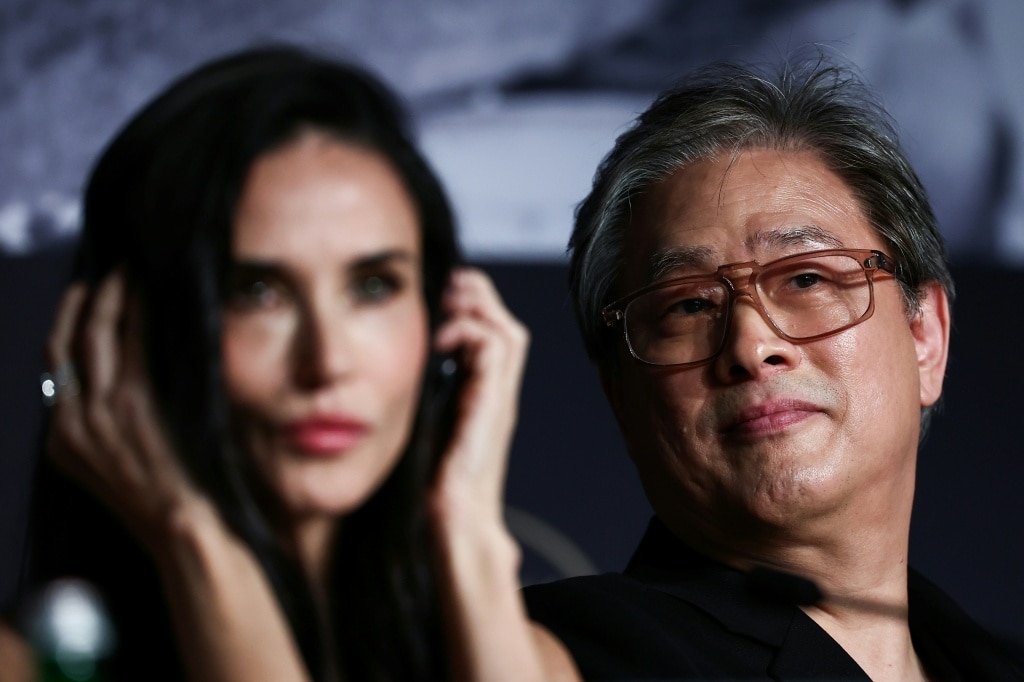
    Deciding the winner will be an international jury led by iconic South Korean filmmaker Park Chan-wook, with panelists including Hollywood A-lister Demi Moore and Oscar-winning director Chloe Zhao of *Nomadland* fame. The winner will be revealed during Saturday evening’s closing ceremony. Last year’s top honor went to *It Was Just an Accident*, a political thriller from jailed dissident Iranian director Jafar Panahi that examines torture and state violence in the Islamic Republic.

    Ahead of the main prize announcement, several awards have already been distributed across the festival’s parallel and side competitions. Iranian documentary *Rehearsals for a Revolution*, directed by exiled actress-filmmaker Pegah Ahangarani about political repression in Iran, took home the festival’s top documentary honor.

    In a historic moment for Nepali cinema, *Elephants in the Fog* — the first Nepali feature ever selected for Cannes official competition — claimed the Certain Regard section jury prize. Its entirely transgender cast celebrated the win with song and dance on stage, with lead actor Pushpa Thing Lama wrapping the Nepalese flag around director Abinash Bikram Shah’s neck during an emotional embrace. The Certain Regard top prize went to Austrian director Sandra Wollner for *Everytime*, described by jurors as a “gripping tale on grief.”

    In other early awards, 18-year-old Bradley Fiomona Dembeasset took home the best actor honor for his performance in *Congo Boy*, a crowd-pleasing rap drama following a Central African refugee that saw the young actor discovered during an open street casting in Bangui, the capital of the Central African Republic. British director Clio Barnard’s *I See Buildings Fall Like Lightning*, a portrait of five childhood friends that was one of the United Kingdom’s only feature entries at this year’s festival, claimed the top prize at the parallel Directors’ Fortnight section.

    While this year’s edition drew its usual share of A-list Hollywood stars from John Travolta to Cate Blanchett, major U.S. studios were notably absent from the lineup. No major American production house opted to premiere a big-budget blockbuster at Cannes this year, following the same absence from the February Berlin International Film Festival — a gap that has sparked industry discussion about why leading studios including Disney, Universal, and Warner Bros. are stepping back from major European film events.

    Beyond the race for the Palme d’Or, two key industry issues dominated conversation throughout the 11-day festival: the rising role of artificial intelligence in filmmaking production, and ongoing gender imbalance in the industry. Just five out of the 21 films competing for the festival’s top prize this year are directed by women, a statistic that has drawn renewed criticism from advocates calling for more equitable representation in global cinema.

  • The Palme d’Or will be handed out Saturday in Cannes. Here’s what to look for

    The Palme d’Or will be handed out Saturday in Cannes. Here’s what to look for

    The 79th Cannes Film Festival, one of the most prestigious annual gatherings in global cinema, is set to conclude this Saturday with the coveted Palme d’Or award ceremony, the crowning honor of the international film calendar. This year, however, the race for the top prize has defied conventional expectations, with no clear favorite emerging from the 22 competing features – a dynamic that has left pundits and audiences guessing heading into the closing event.

    By widespread critical consensus, the 2025 edition of Cannes has not been considered among the festival’s standout years. Major Hollywood studios and A-list productions largely skipped this year’s lineup, draining some of the red carpet glitz and mainstream media buzz that typically surrounds the French Riviera event. Many of the officially selected competition titles also failed to deliver knockout reviews from attending critics, with the global cultural conversation that Cannes usually fuels far more muted than in past editions.

    Yet this lack of a consensus front-runner has opened up unprecedented flexibility for the nine-member jury, led by acclaimed South Korean director Park Chan-wook, who won the Palme d’Or himself in 2022 for *Decision to Leave*. A Palme d’Or victory is career-changing for any filmmaker: it instantly catapults a film’s global profile, brings major distribution offers across international markets, and often positions the winning work as an early contender for Academy Award recognition.

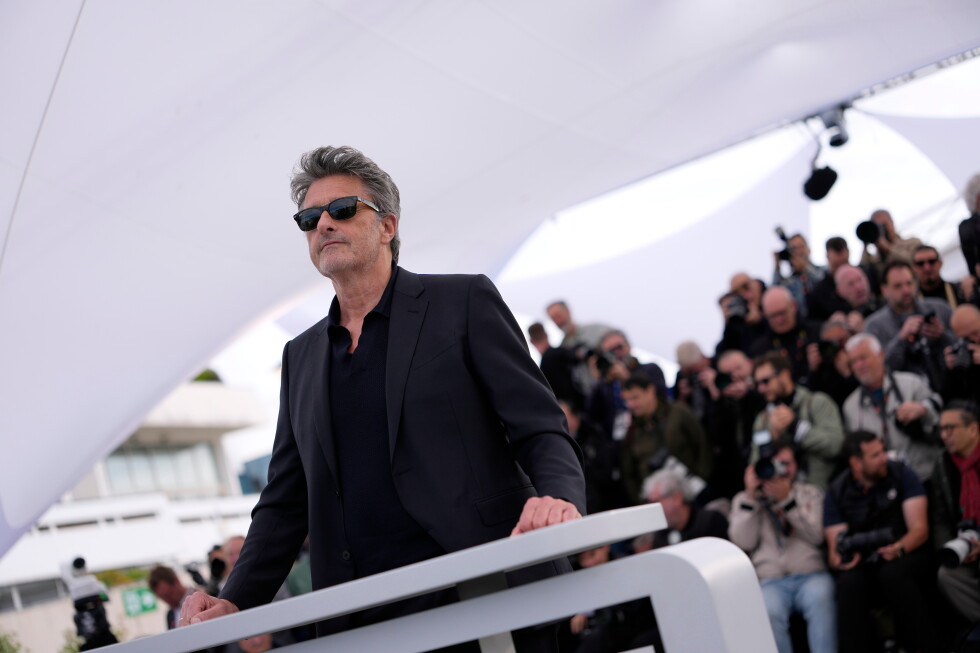
    Heading into the final days, several titles have risen to the top of critics’ prediction lists. These include Polish director Pawel Pawlikowski’s *Fatherland*, a black-and-white meditation on the intertwined fates of art and politics in post-World War II Europe; Japanese auteur Ryusuke Hamaguchi’s *All of a Sudden*, a sprawling three-hour tender drama centered on elder care; Russian filmmaker Andrey Zvyagintsev’s *Minotaur*, a gritty take on crime and moral reckoning in modern Russia; and Romanian director Cristian Mungiu’s *Fjord*, a tense thriller set in Norway that explores the failures of the country’s child welfare system.

    In a late twist on the festival’s penultimate day, a surprising dark horse candidate surged into contention. *The Black Ball*, directed by Spanish duo Javier Calvo and Javier Ambrossi, earned one of the most enthusiastic audience receptions of the entire 12-day event. The sweeping multi-generational drama follows the interconnected lives of three gay men from different eras, resonating deeply with viewers and emerging as a surprise fan favorite.

    Predicting the Palme d’Or has always been notoriously difficult, even when a clear favorite exists. Jury deliberations are held entirely behind closed doors, and any of the 22 competing films are eligible to take home the top honor. This year’s jury also boasts a diverse roster of global talent, including Oscar-winning director Chloé Zhao, actress Demi Moore and Swedish star Stellan Skarsgård, making their collective decision even harder to forecast.

    In the lead-up to Saturday’s ceremony, winning contenders are notified that they will receive an award but are not told which honor they will take home. In addition to the Palme d’Or, the jury will hand out awards for best actress, best actor, the Grand Prix, and other secondary honors, with standard festival practice dictating that only one award is granted per film.

    This year, one of the most remarkable streaks in modern cinema is also on the line: American independent distribution label Neon has backed the last six consecutive Palme d’Or winners. The streak includes 2024’s *Anora*, which went on to win the Oscar for Best Picture earlier this year, and 2025’s winner Jafar Panahi’s *It Was Just an Accident*. Whether the distribution company can extend its unprecedented run remains to be seen.

    The closing ceremony will also proceed with one notable absence. Legendary entertainer Barbra Streisand was originally scheduled to attend to receive an honorary Palme d’Or for her lifetime contribution to cinema, but a knee injury forced her to cancel her trip. Festival organizers have confirmed they will still proceed with the tribute to Streisand in her absence.

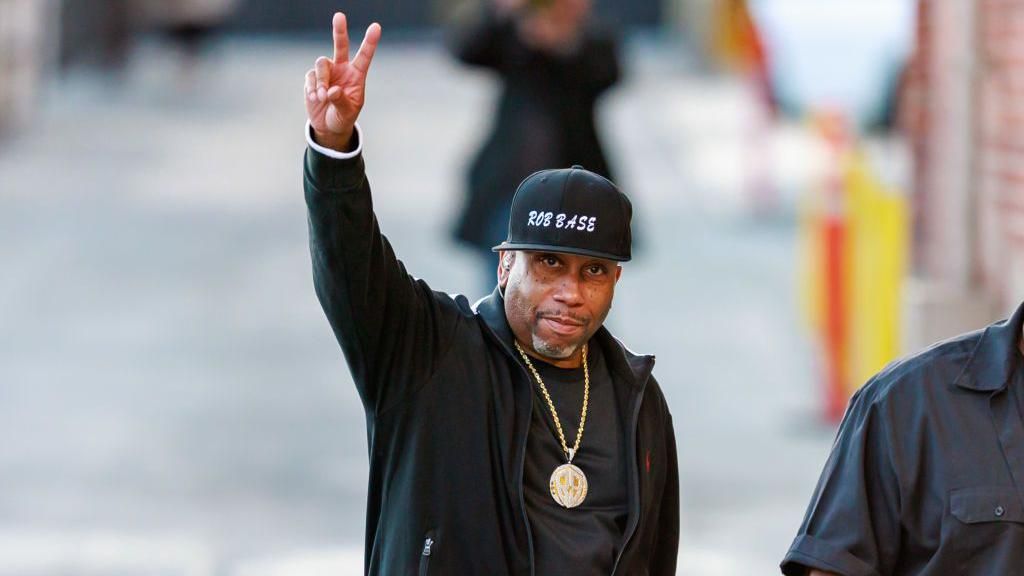
  • Hit songwriter and rapper Rob Base dies age 59

    Hit songwriter and rapper Rob Base dies age 59

    The world of hip-hop is mourning the loss of one of its most influential 1980s icons, Rob Base, who has passed away at the age of 59 following a long, private struggle with cancer. The legendary artist, born Robert Ginyard, drew his final breath on May 18, just a handful of days after celebrating his 59th birthday, according to an official statement shared to his verified Instagram account.

    The announcement confirmed that Base died peacefully while surrounded by his closest family members, closing out a battle with cancer that he had kept out of the public eye for an extended period. “Thank you for the music, the memories, and the moments that became the soundtrack to our lives,” the statement read. “Rob’s music, energy, and legacy helped shape a generation and brought joy to millions around the world. Beyond the stage, he was a loving father, family man, friend, and creative force whose impact will never be forgotten.”

    A native of Harlem, New York, Base rose to global fame as one half of the iconic hip-hop duo Rob Base & DJ E-Z Rock. The pair broke into the mainstream in 1988 with the release of their career-defining hit *It Takes Two*, a track that would go on to redefine late-80s hip-hop and cement their place in music history. The single quickly climbed the music charts, peaking at the No. 3 position on Billboard’s Hot Dance/Club Songs chart, and eventually earned a platinum certification from the Recording Industry Association of America for exceeding one million units sold.

    Decades after its initial release, *It Takes Two* remains one of the most recognizable and sampled tracks in popular music. Big-name artists including Snoop Dogg and the Black Eyed Peas have drawn on the song’s iconic beat and hooks for their own work, and the track has been featured in dozens of major Hollywood productions, most notably the 2009 hit romantic comedy *The Proposal* starring A-list leads Sandra Bullock and Ryan Reynolds.

    Base’s musical partner DJ E-Z Rock, born Rodney Bryce, died in 2014 at the age of 56 due to complications linked to diabetes. Tributes have already begun pouring in from across the music industry, with fans and fellow artists honoring Base’s contributions to hip-hop culture and the lasting legacy of his hit track that continues to bring joy to new generations of listeners.

  • Watch: Miley Cyrus receives her star in the Hollywood Walk of Fame

    Watch: Miley Cyrus receives her star in the Hollywood Walk of Fame

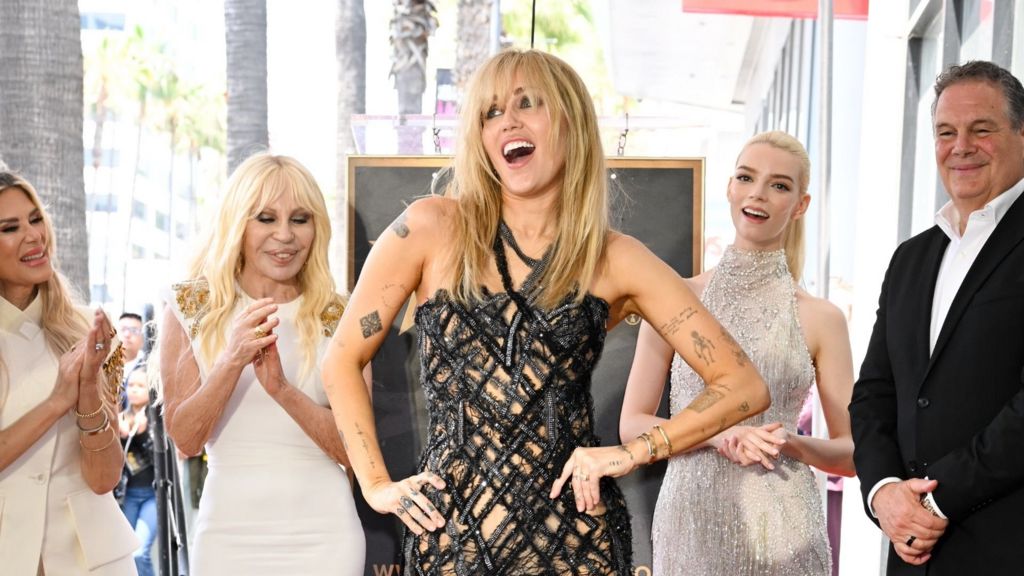
    A landmark moment unfolded on Hollywood’s iconic sidewalk this week, as global pop superstar Miley Cyrus cemented her decades-long career in entertainment with the unveiling of her very own star on the Hollywood Walk of Fame. The outdoor ceremony drew crowds of adoring fans and entertainment industry insiders alike, all gathering to honor the multi-hyphenate artist’s contributions to music and film over more than 20 years in the public eye.

    Two of Cyrus’ most high-profile collaborators and friends took the stage to deliver heartfelt personal tributes ahead of the star’s unveiling. Leading the remarks was acclaimed Hollywood actress Anya Taylor-Joy, known for her award-winning work in films and series ranging from *The Queen’s Gambit* to *The Northman*, who shared insights into Cyrus’ artistic fearlessness and off-stage generosity. Following Taylor-Joy, legendary fashion designer and industry icon Donatella Versace, who has collaborated with Cyrus on numerous red carpet and tour looks, offered her own tribute, highlighting the singer’s unapologetic authenticity and impact on global pop culture.

    The Hollywood Walk of Fame selection committee, which approves just a handful of new honorees each year, recognized Cyrus for her cross-generational appeal and trailblazing work as a musician, actor, and cultural figure. Since rising to fame as a teen star on the Disney Channel, Cyrus has built a career defined by constant evolution, releasing seven multi-platinum studio albums, selling out world tours, and earning dozens of industry awards including multiple Grammy nominations. For fans in attendance at the ceremony, the star marked a long-overdue recognition of an artist who has remained a staple of popular culture for more than two decades.