分类: entertainment

  • Author honoured with Caribbean literature prize

    Author honoured with Caribbean literature prize

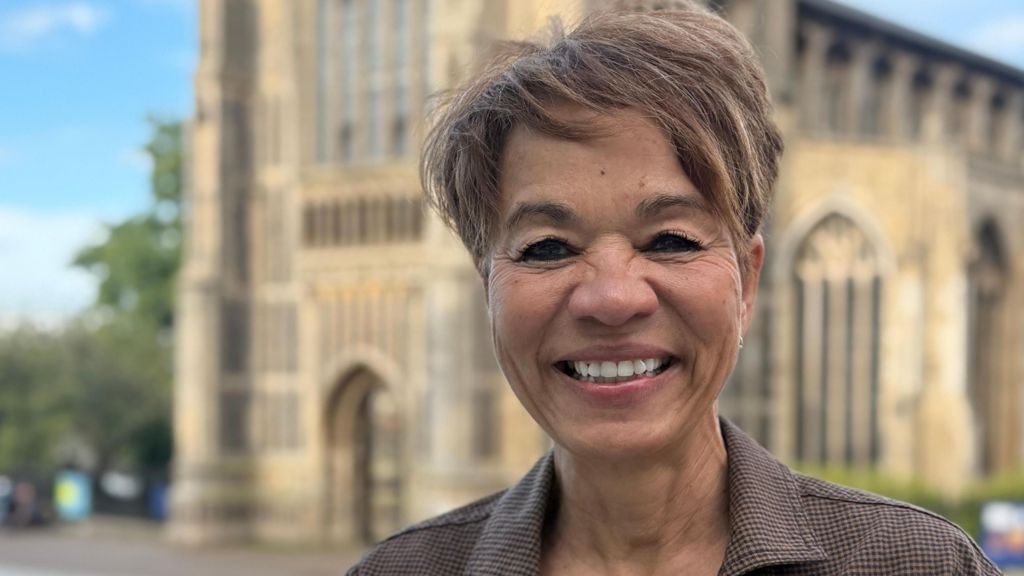
    One of the most prestigious honors in Caribbean literary circles has found its 2025 recipient: Guyanese-born author and University of East Anglia creative writing professor Tessa McWatt, who has won the OCM Bocas Prize for Caribbean Literature for her deeply personal memoir *The Snag: A Mother, A Forest and Wild Grief*. The award was presented during a formal ceremony held in Port of Spain, Trinidad and Tobago, the Caribbean nation that held special meaning for McWatt’s late mother.

    Widely recognized as the leading international award for writing rooted in Caribbean experience, the OCM Bocas Prize carries exceptional prestige for authors working in the region and across the global Caribbean diaspora. For McWatt, the honor is far more than a personal career milestone — it is a tribute to the woman at the heart of her memoir.

    In an interview with BBC Look East, McWatt shared that winning the prize felt like “a real joy, as it feels like a win for my mother, who is the central figure in the book and my heart’s inspiration.” The memoir traces the two-month-long journey of losing McWatt’s mother to dementia, from the difficult transition of moving her out of her long-time home to the quiet, profound lessons McWatt learned while caring for her.

    What sets the work apart is how it weaves personal grief into a broader meditation on collective loss. While navigating her mother’s decline, McWatt also grieved the death of a close friend, supported another friend facing a stage four cancer diagnosis, and confronted the growing “climate grief” tied to widespread environmental destruction, exacerbated by cascading global crises including the COVID-19 pandemic and ongoing armed conflict. Rather than turning away from this overlapping pain, McWatt set out to explore how to embrace grief as a natural, meaningful part of life.

    The book’s evocative title draws from a forestry term: a “snag” refers to a dead or dying tree left standing in a woodland. While many might see such a tree as useless and ready for removal, ecologists recognize snags as critical to forest ecosystems — they provide habitat for wildlife, cycle nutrients back into the soil, and sustain the forest’s long-term health. For McWatt, this concept became a powerful metaphor for her mother’s journey with dementia, and for the inherent value of aging and lives nearing their end.

    “It became a metaphor for my mum and richness of the elderly and the richness of watching someone go through dementia. I was learning some amazing things from her,” McWatt explained.

    Receiving the award in Port of Spain held extra emotional weight for the author, who noted her mother traveled to Trinidad every year. “It felt like going home and to give that honour to her there, it was really lovely. It was an award for her,” she said.

    For emerging writers hoping to share their own vulnerable stories, McWatt offered simple, direct advice: “write your truth, don’t stop.”

  • Insider tour of the Sagrada Familia reveals 5 divine enigmas and hidden treasures

    Insider tour of the Sagrada Familia reveals 5 divine enigmas and hidden treasures

    Barcelona’s iconic Sagrada Familia basilica has captivated visitors and worshippers for decades with its dreamlike sandcastle-inspired spires, intricately carved stone foliage that mimics nature, and a light-drenched kaleidoscopic interior filled with untold secrets. Even those who attend services regularly at Antoni Gaudí’s unfinished masterpiece still find themselves stopped in their tracks by new details that slip past unnoticed on first, or hundredth, view. Ahead of Pope Leo XIV’s highly anticipated papal Mass scheduled for Wednesday night, the basilica’s Catalan rector Josep Turull — who has overseen parish activities here for eight years — gave The Associated Press an exclusive private tour to highlight some of the site’s most underappreciated hidden treasures. As Turull puts it: “We say that one of the elements of the Sagrada Familia Basilica is that you never exhaust it. I have spent the last eight years as its rector, and each day I discover something new.”

    ### Mysteries Carved Into the Basilica’s Façades
    Every intricate detail woven into the Sagrada Familia’s multiple elaborately decorated façades carries intentional meaning, ranging from straightforward religious imagery to cryptic puzzles that reward close observation. The stark Façade of the Passion, which faces west, was designed by Gaudí to embody the agony of Christ’s final days. Its angular, contorted figures with strained bodies are intentionally harsh and unforgiving, “as if made of bones,” in Gaudí’s own words. Decades after Gaudí’s death, sculptor Josep Subirachs added subtle playful touches to soften the unrelenting misery of the narrative: Gaudí himself is carved above the central entrance, gazing across at Christ as he carries his cross toward Calvary. Next to the iconic scene of Judas betraying Jesus with a kiss sits a Sudoku-style numbered grid, a “magic square” that adds up to 33 — Jesus’s age at crucifixion — in every direction, a subtle reminder of the inevitability of Christ’s sacrifice. Further along the façade, tucked into the scene of Peter denying Jesus, a tiny square labyrinth carries its own message: Turull explains it symbolizes the need to hold fast to faith when one feels lost in life.

    ### Living Nature Atop the World’s Tallest Church
    When the Tower of Jesus Christ was completed in October 2022, the Sagrada Familia claimed the title of the world’s tallest church, and following his Mass on Wednesday, Pope Leo XIV will step outside the basilica to bless this iconic new addition. The soaring spires of Gaudí’s design are packed with natural imagery: from the rooster that marks Peter’s denial to reptile-shaped gargoyles and overflowing cornucopias of fruit that crown each tower. Most surprisingly, the heights are also home to living, breathing wildlife: a breeding pair of peregrine falcons and their offspring have made the St. James Tower their nest for more than 20 years. The falcons do double duty, keeping the nuisance pigeon population under control and restoring a natural ecological cycle that broke down when the species disappeared from Barcelona in the 1970s. The Sagrada Familia was selected as an ideal reintroduction site because it was one of the falcons’ last remaining nesting spots in the city before their local extinction, and the population has thrived here ever since. Turull notes that the swift predators “recover the cycle of natural life” in the heart of central Barcelona, fitting perfectly with Gaudí’s philosophy of drawing inspiration from the natural world.

    ### The Spiritual Heart Underground: Gaudí’s Final Resting Place
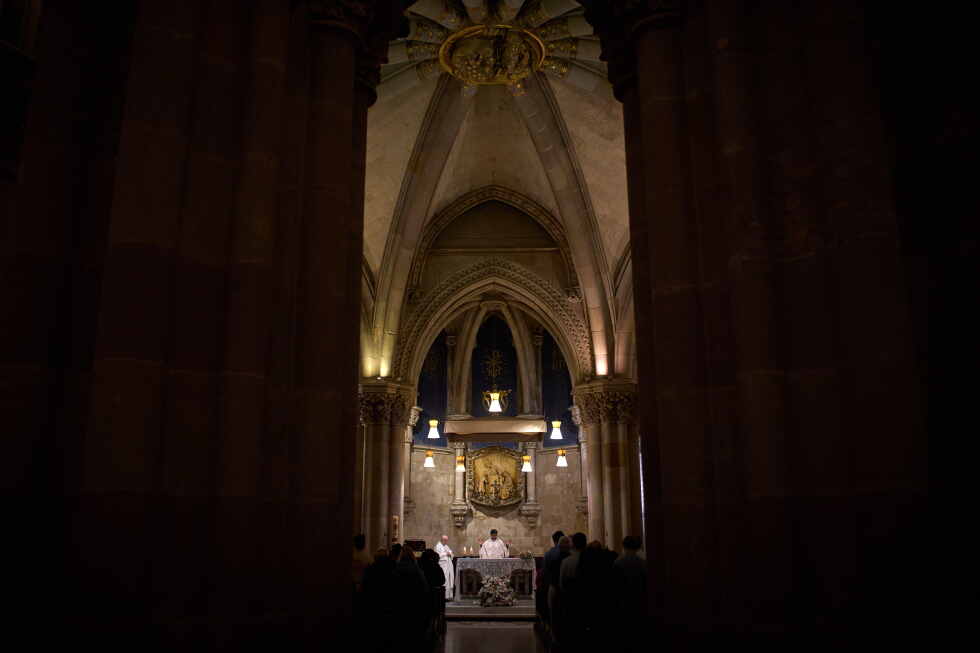
    For the more than 4.5 million tourists that visit the Sagrada Familia each year, jostling for photos of the colored light pouring through stained-glass windows and following guided tours of the main nave, the basilica’s “spiritual heart” is easily overlooked. To find it, visitors must slip through a unassuming side entrance and descend a short staircase to a small, quiet underground chapel. Here, the noise of tourism fades away, leaving space for small groups of worshippers to gather for silent Mass. It is also here that Antoni Gaudí — a devout Catholic who dedicated more than 40 years of his life to the Sagrada Familia — is buried in a simple, discreet tomb in a wall nook. Gaudí died exactly 100 years before Pope Leo XIV’s visit, killed instantly when he was struck by a streetcar in 1926. Today, worshippers and visitors come to the crypt to ask for Gaudí’s intercession, leaving candles at his tomb out of trust that their prayers will be answered. The Vatican is currently in the late stages of the canonization process for Gaudí: Pope Francis declared him venerable in 2025, and the Vatican is now reviewing a claimed miracle attributed to his intercession. If confirmed, Gaudí will be beatified, followed by canonization as a saint after a second verified miracle. The basilica has invited Pope Leo XIV to pray at Gaudí’s tomb during his visit, though it remains unconfirmed whether he will do so.

    ### Small Surprises: A Natural Holy Water Basin and a Papal Changing Room
    Even on the path to and from the crypt, small details reflect Gaudí’s obsession with integrating nature into his design. Before ascending back to the main level of the basilica, Turull pauses at a large, genuine seashell brought to Barcelona from the Philippines, set in hand-wrought iron and mounted on a column to serve as a holy water basin. It is a quiet example of Gaudí’s core design philosophy: “Gaudí always takes nature as an example,” Turull explains.

    Higher up in the basilica, up a winding staircase, a sunlit private changing room prepared specifically for Pope Leo XIV holds two intricately designed oak cabinets crafted by Gaudí himself, which hold the basilica’s most precious clerical relics and vestments. One of the most treasured pieces already stored there is the chasuble worn by Pope Benedict XVI when he consecrated the Sagrada Familia in 2010. For his visit, a brand-new chasuble is being hand-sewn at a local workshop specifically for the Mass, featuring custom details tied to the newly completed Tower of Jesus Christ and the historic occasion. Turull is keeping the full design under wraps for now: some details, he says, are meant to be a surprise for the day.

    This report includes contributions from AP videojournalist Hernán Muñoz.

  • Salt: integral ingredient of sumo stars’ art

    Salt: integral ingredient of sumo stars’ art

    Next weekend, the streets of Paris will host a rare showcase of one of Japan’s most ancient and culturally significant martial traditions: professional sumo wrestling. While audiences will focus on the power and ritual of the competing rikishi (sumo wrestlers), an unexpected, unsung star of the two-day landmark event – the first major sumo tournament held in France since 1995 – is entirely homegrown: 200 kilograms of specially prepared Guerande salt harvested from France’s Atlantic coast.

    For sumo, a sport deeply intertwined with sacred Shinto religious traditions, salt is far more than a random ceremonial accessory. It is a non-negotiable foundation of the sport, and no official tournament can proceed without it, according to David Rothschild, lead organizer of the Paris event.

    Sumo competition is structured around a sequence of time-honored rituals rooted in Shinto spiritual beliefs. Each gesture carries deep symbolic meaning: when wrestlers clap their hands at the start of the pre-bout ceremony, they are calling on divine spirits to witness the match. The stamping of their feet is a deliberate act to drive malevolent demons from the ring. And the scattering of salt serves the critical purpose of purifying the dohyo – the 4.55-meter-diameter wrestling ring – clearing the space of any bad fortune that could bring injury, curses, or misfortune to the competitors.

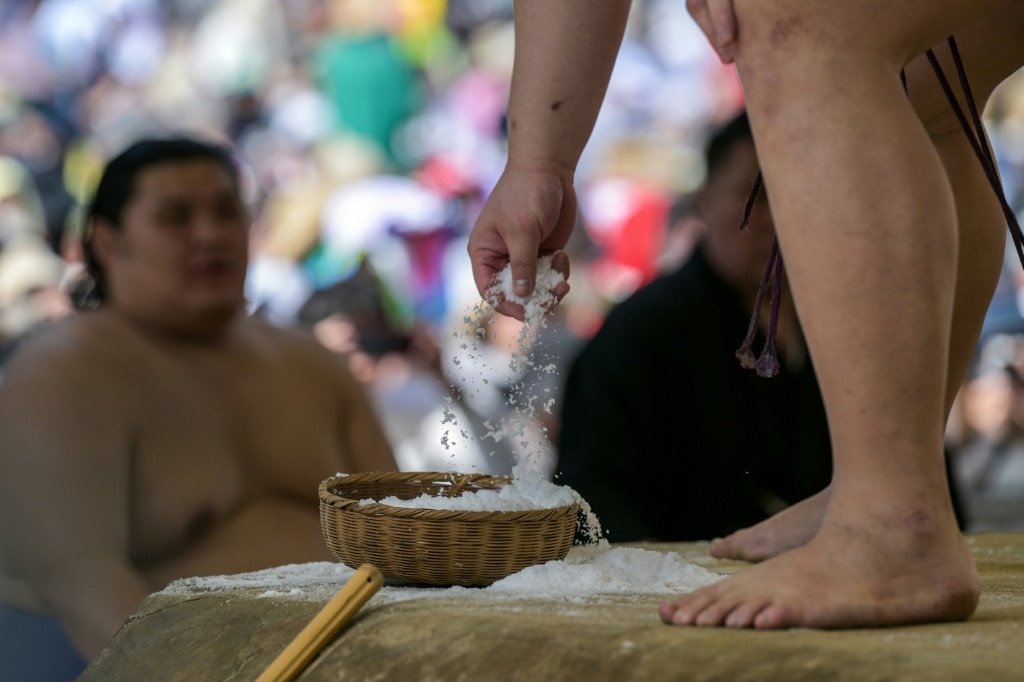
    Before every match, each rikishi throws a large handful of salt onto the dohyo in a practice that has become one of sumo’s most iconic and recognizable images. Throughout the tournament, the clay surface of the ring is kept dusted with a thin layer of salt, with yobidashi (ring announcers) regularly sweeping and replenishing the layer to maintain its purity. For the two-day Paris event, that adds up to a total need of 200 kilograms of salt for all the rituals and preparations.

    When organizers reached out to Meredith and Gautier Ferard, third-generation salt producers based in the coastal French town of Le Croisic, the unusual large order caught them by surprise. “It’s definitely not the kind of request we get every day,” Meredith Ferard told reporters. “But I thought, why not take it on?”

    The organizers provided extremely specific requirements for the custom salt to meet sumo’s unique needs. “They asked for a bright white salt, and above all, a very fine grain to avoid damaging the soft skin on the wrestlers’ feet,” Meredith explained. Natural sodium chloride crystals naturally form sharp, cubic shapes, and for wrestlers who carry massive body weights, walking across coarse, sharp grains could cause painful cuts and abrasions over the course of the tournament.

    To meet these specs, the Ferards processed their 2024 summer-harvested fleur de sel through a months-long custom preparation process: after harvesting, the salt was stored, dried, dehumidified, sieved multiple times, and finally ground by hand to achieve the perfect fine texture.

    While supplying salt for a sumo tournament is an unusual departure for their small business, Meredith notes that salt – often called “white gold” for its cultural and economic value across human history – carries sacred meaning in many global traditions, just as it does in Shinto.

    “For us, this connection to sacredness is already part of our daily work,” she said. “My office looks out over the salt marshes that have been shaped by human hands for 2,000 years. Our product is entirely natural, entirely handmade. So it feels completely natural that our salt would take on this sacred role for the sumo tournament. I just hope it meets everyone’s expectations, that the wrestlers are happy with it, and that it fulfills its ceremonial purpose for their bouts.”

  • Pope Leo XIV met Bad Bunny in Madrid on Monday: Vatican

    Pope Leo XIV met Bad Bunny in Madrid on Monday: Vatican

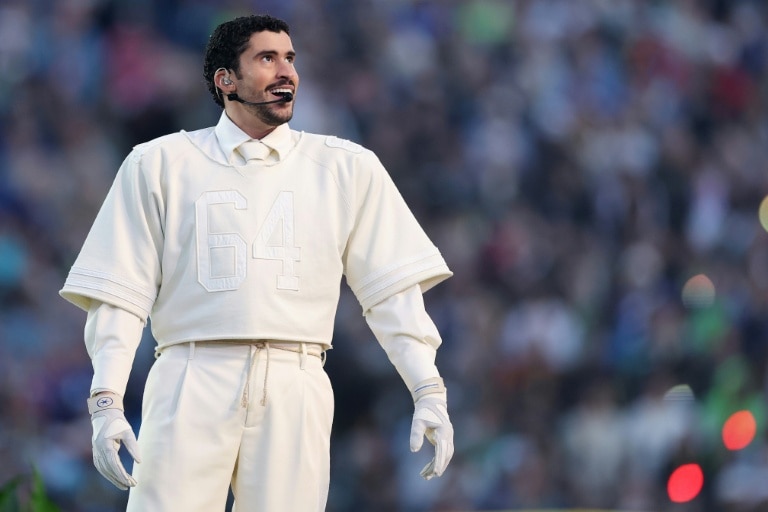
    The Vatican has officially confirmed an unexpected, headline-grabbing meeting between Pope Leo XIV and Puerto Rican pop sensation Bad Bunny in the Spanish capital of Madrid this week. The brief encounter took place on Monday, while Pope Leo was in the middle of a high-profile state visit to the historically Catholic nation. Vatican spokesperson Matteo Bruni confirmed the news to reporters on Tuesday, clarifying details of the unplanned interaction. Bruni stated that Bad Bunny was accompanied by his family and a small group of associates when Pope Leo greeted the gathering shortly before departing Madrid’s Santiago Bernabéu Stadium, the iconic home ground of Real Football Club Madrid. Approximately 80,000 devotees had packed into the venue that day for a major gathering between the pontiff and Madrid’s diocesan Catholic community, marking the third day of his five-day trip to Spain.

    The timing of the meeting was a striking coincidence: Bad Bunny is currently in Madrid wrapping up a string of sold-out shows at the Metropolitano Stadium, home to Real Madrid’s cross-city rival Atletico Madrid, as part of his wildly successful *Debi Tirar Mas Fotos* (I Should Have Taken More Photos) world tour. According to local Spanish media reports, representatives from both the papal delegation and Bad Bunny’s team are still working to identify the appropriate moment to release the official photographs captured during the meeting.

    The overlapping visits have sparked discussion among cultural observers about shifting religious and cultural trends in Spain, where rates of traditional religious observance have fallen steadily over the past several decades. Many analysts note that modern young people in the country often navigate a tension between long-held spiritual ties and the pull of mainstream secular pop culture. Ahead of his arrival in Madrid, Pope Leo addressed this very dynamic while speaking to reporters aboard his flight to the capital on Saturday. The pontiff said he was encouraged by recent reports showing growing curiosity about the Catholic Church among young Spaniards, adding that he viewed the overlapping events as a meaningful reflection of modern life. “I think many will see Bad Bunny. But I think there will also be a few here to see the pope. And that says something,” the pontiff remarked, framing the simultaneous cultural moments as a reflection of the diverse priorities of contemporary youth.

  • Pop-up art show takes over German president’s residence before yearslong renovation

    Pop-up art show takes over German president’s residence before yearslong renovation

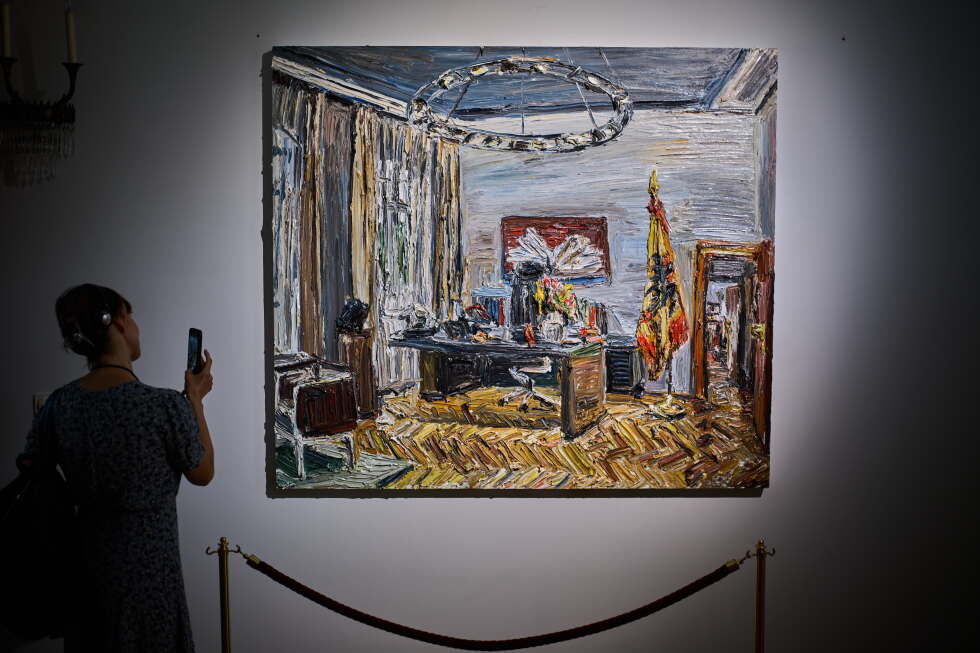
    BERLIN — Ahead of an extensive eight-year renovation project that will close Germany’s iconic presidential residence Bellevue Palace to all activities, a special temporary contemporary art exhibition is set to welcome visitors starting this Friday, turning a normally restricted political space into an open forum for creative expression.

    At a press preview held Monday, German President Frank-Walter Steinmeier opened the event, expressing enthusiasm for the unusual collaboration that makes use of the already half-cleared palace. The 18th-century former Prussian royal palace will undergo major infrastructure upgrades, including full roof repairs, a modern new air conditioning system, and refurbished working office spaces. With construction scheduled to run through the next eight years, Steinmeier — whose second and final presidential term is set to conclude next year — will never take up residence in the building again after the renovation is completed.

    Steinmeier emphasized the deep connection between democratic society and free artistic creation in his remarks. “We need art,” he stated. “A democracy without free art loses its capacity for self-criticism, and art without freedom loses its social relevance.”

    Organized by Berlin’s Academy of Arts, the exhibition carries the title *Freiraum Kunst*, translated roughly as “Free Art Space.” Academy president Manos Tsangaris thanked the president for the extraordinary chance to occupy the historic presidential spaces for the show. “An opportunity like this to truly bring art to life is something we greatly appreciate,” he said.

    The exhibition will run through June 28, and for the first time in modern history, the normally restricted official residence will be open to all members of the public who secure a free ticket via online booking. Public interest in getting a rare behind-the-scenes look at the presidential seat has already been overwhelming: the ticketing website crashed within just a few hours of launching last month due to unprecedented visitor demand.

    The show features works from a roster of high-profile German contemporary artists, including Katharina Grosse, Wolfgang Tillmans, and Monica Bonvicini, spanning multiple mediums from immersive video and audio installations to fine art photography and traditional oil painting. Many works engage directly with the building’s identity as a center of German political life, as curators gave all participating artists full creative freedom to develop their chosen themes.

    One of the most thought-provoking pieces greets visitors right at the entrance: two contrasting paintings by street artist El Bocho. The first is a large-scale portrait of a young woman with vivid orange hair, titled *Die Bundespräsidentin* (The Female President). Hung directly opposite it is a second work, *Die Alten* (The Old Ones), which depicts three faceless men in formal business suits. Curator Anh-Linh Ngo explained that the pairing is designed to prompt public discussion of the question: why has Germany never elected a woman to the position of president in its post-reunification history?

    Another notable work takes a playful approach to the palace’s political function. Artist Karin Sander created a 36-centimeter (14-inch) plaster miniature sculpture of Steinmeier, placed on the main pedestal in the palace’s formal speech room. This is the only space artists were not permitted to alter: it must remain fully functional to accommodate any ad hoc speeches the president may need to deliver before the full relocation is completed this summer. The tiny sculpture now stands at the center of the room, under the room’s grand chandeliers and framed by soft light-blue silk curtains, remaining in place until Steinmeier moves permanently to his new interim residence located near Berlin’s main central train station.

    Before exiting their tour, visitors will pass through the palace’s former main lobby, which will host a rotating schedule of public programming throughout the exhibition’s run, including film screenings, contemporary dance performances, live music sets, and literary readings. Attendees will also have multiple opportunities to meet and interact with the participating artists.

    The full relocation of presidential operations from Bellevue Palace is already underway, and is on track to be completed by the end of this summer.

  • John Lithgow and Lesley Manville lead Tony Award winners

    John Lithgow and Lesley Manville lead Tony Award winners

    The annual Tony Awards, Broadway’s most prestigious ceremony honoring excellence in U.S. theatrical performance over the preceding year, wrapped its 2025 iteration Sunday night with historic wins for veteran actors and a dominant showing from a classic American drama revival.

    Eighty-year-old John Lithgow closed out a decades-long Broadway career by taking home the award for Best Leading Actor in a Play for his turn as iconic children’s author Roald Dahl in *Giant*, making him the oldest male actor ever to claim a Tony. Lithgow’s first Tony win came 53 years earlier, for his 1972 performance in the Broadway production *Changing Rooms*, a gap he referenced in his acceptance speech. “Two Tony bookends with 53 years between them,” Lithgow told the crowd. “In those years, I have worked with hundreds of just fantastic theatre artists. I’ve had dozens and dozens of ecstatic moments on the stage, but I have to tell you right now, this moment has got to be one of the best.”

    British stage and screen star Lesley Manville earned her first ever Tony Award for Best Leading Actress in a Play, recognizing her portrayal of Jocasta in the revival of Greek tragedy *Oedipus*. Manville, who made her Broadway debut with this production, spoke about her shock at the win. “I’m a bit overwhelmed, it was my first time on Broadway so this is such a big deal,” she said. She also paid tribute to her fellow nominees—Rose Byrne, Carrie Coon, Susannah Flood and Kelli O’Hara—before jokingly calling out for more opportunities for female performers: “Would someone like to write a play for five women? We are quite bankable.” Notably, both Lithgow and Manville’s winning productions ran at UK venues before transferring to Broadway, mirroring their success at the previous year’s Olivier Awards.

    Arthur Miller’s *Death of a Salesman* emerged as the night’s biggest overall winner, taking home six Tony Awards including the coveted prize for Best Revival of a Play. Laurie Metcalf, the Bafta and Oscar-nominated performer known for her work on *Roseanne* and *Lady Bird*, added a Tony to her collection for Best Supporting Actress in a Play for her role in the production. In her acceptance speech, Metcalf looked back to her early training, paying homage to the group of peers she met as a theatre student in college, naming the ensemble that included Gary Sinise and John Malkovich. “When I was in college, I met six fellow students in the theatre department. We worked really hard to amuse each other, and I still consider them family – and I still draw on lessons that I learned from them,” she said.

    The production’s win also marked the first Tony Award for controversial producer Scott Rudin, who stepped back from all Broadway projects in 2021 following public allegations of widespread bullying and abusive behavior toward his employees. At the time, Rudin acknowledged his “history of troubling interactions with colleagues” and issued an apology for the pain his conduct caused. Rudin did not attend Sunday’s ceremony, and the Best Play Revival trophy was accepted on the production’s behalf by cast member Nathan Lane, who centered his remarks on the legacy of playwright Arthur Miller rather than the producer.

    Other major winners from the night included *Ragtime*, the period drama following three families chasing the American Dream at the turn of the 20th century, which took home two Tonys including Best Revival of a Musical. *Schmigadoon!*, a stage adaptation of the canceled Apple TV+ comedy series that pays homage to Broadway’s golden age, also earned two awards, including the night’s top honor for Best Musical. Producer Christine Schwarzman joked in her speech that the show’s Broadway transfer only happened because of the streamer’s decision to end the series. “I think I should start by thanking Apple TV for cancelling the third season of *Schmigadoon!*, the TV show, because without them dropping it, we couldn’t have picked it up and ran with it,” she said.

    The punk-rock musical adaptation of the 1987 cult vampire film *The Lost Boys* also matched *Ragtime* and *Schmigadoon!* with two wins, while the reimagined *Cats: The Jellicle Ball* took home three awards. *Liberation*, the sweeping feminist epic that recently won the 2025 Pulitzer Prize for Drama, claimed the Tony for Best Play.

    Pop singer Pink, self-described “Broadway’s biggest fan,” hosted the 2025 ceremony, opening the night with a reworked rendition of *Lady Marmalade* that winked at many of the night’s nominees before paying tribute to Broadway’s workforce. “I wanted to be here to pay tribute to the hardest-working people in showbiz,” she told the audience.

  • Hundreds of Charlie Chaplin lookalikes gather in Switzerland

    Hundreds of Charlie Chaplin lookalikes gather in Switzerland

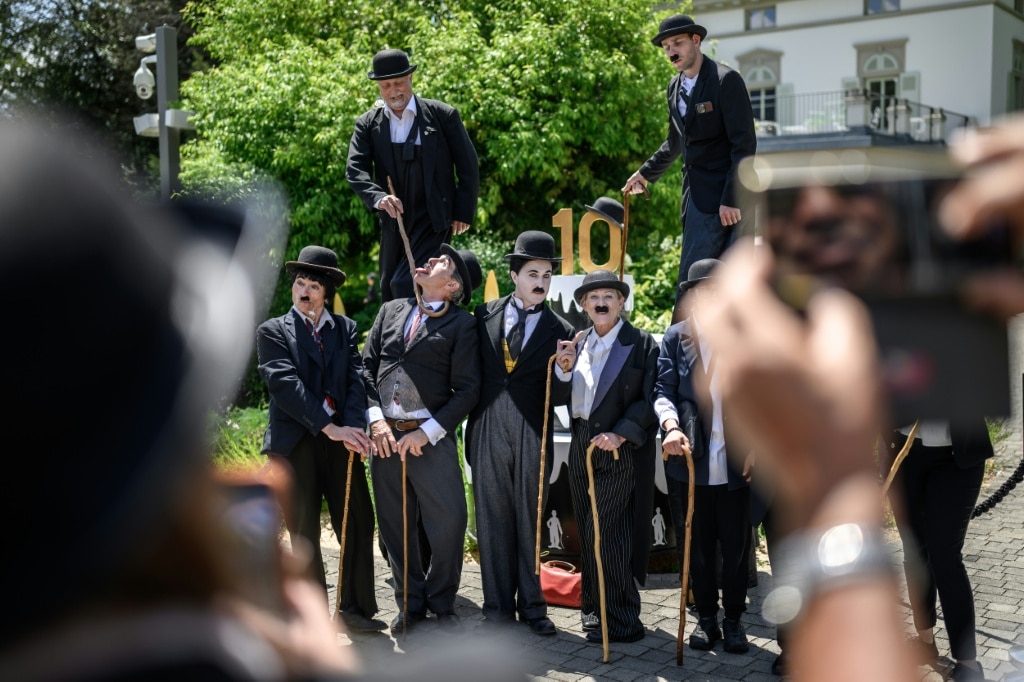
    On a sun-drenched Sunday in western Switzerland, hundreds of devotees of one of cinema’s most enduring icons came together for a celebration decades in the making. More than 400 attendees, each outfitted in Charlie Chaplin’s signature black bowler hat, neat toothbrush moustache and iconic walking cane, converged on the Charlie Chaplin Museum located at Corsier-sur-Vevey, the former estate where the legendary filmmaker spent the final quarter-century of his life. The gathering was organized to mark the 10th anniversary of the museum’s opening, with a shared goal of reclaiming the world record for the largest assembly of Charlie Chaplin lookalikes — a title the site already held after 662 impersonators turned out for a 2017 event.

    When final counts were tallied, Sunday’s turnout hit 429 participants, falling short of the 2017 benchmark. But the shortfall did little to dim the joyful, reverent atmosphere that filled the sprawling lawns of Manoir de Ban, Chaplin’s former manor. Instead of focusing on the record, attendees gathered to form a giant number “10” across the grass, a visible tribute to a decade of museum operations and a century of Chaplin’s cultural impact.

    For many participants, the event was far more than a record attempt: it was a chance to honor the values and legacy of the man who changed global cinema. Anthony Champeil, a 36-year-old French actor who regularly portrays Chaplin on stage, perfectly embodied the silent film star’s signature look, and spoke of his overwhelming joy at the gathering. “We are at Chaplin’s place with people who are passionate about Chaplin,” Champeil told reporters from Agence France-Presse. Reflecting on Chaplin’s well-documented belief that people should hold onto childlike curiosity and joy throughout their lives, Champeil added that he was certain the icon would have delighted in hundreds of “big kids” gathering to celebrate his work. “I find it marvellous,” he said.

    The Manoir de Ban estate, located roughly 26 kilometers outside the Swiss city of Lausanne, holds deep personal meaning for Chaplin’s legacy. After being barred from re-entering the United States in the 1950s amid Cold War anti-communist paranoia over unproven claims of Soviet sympathies, Chaplin settled in Switzerland with his wife Oona and their eight children. He lived at the manor until his death in 1977 at the age of 88, and the property was converted into a museum dedicated to his life and career a decade ago.

    Alice Kauffmann, who brought her young children to the event dressed as tiny Chaplins, described the gathering as deeply moving. Echoing the sentiments of many attendees, she noted that the event brought to life the humanistic values Chaplin wove into his most iconic films, including *The Great Dictator*, *The Kid* and Modern Times. “He defended love, respect and beautiful values,” Kauffmann said. Fifty-two-year-old Sophie Teteule echoed that praise, saying, “I think it is magnificent that we can gather today, so long after he left us. It is a marvellous moment in his honour.”

    Even event organizers downplayed the disappointment of falling short of the record. Museum spokeswoman Olivia Baliguet told AFP that the result was no failure. “Nothing is lost,” she said, leaving the door open for another attempt — possibly next year, or ahead of the museum’s 20th anniversary.

  • Mexicans chase a world record wave – but is the trend even Mexican?

    Mexicans chase a world record wave – but is the trend even Mexican?

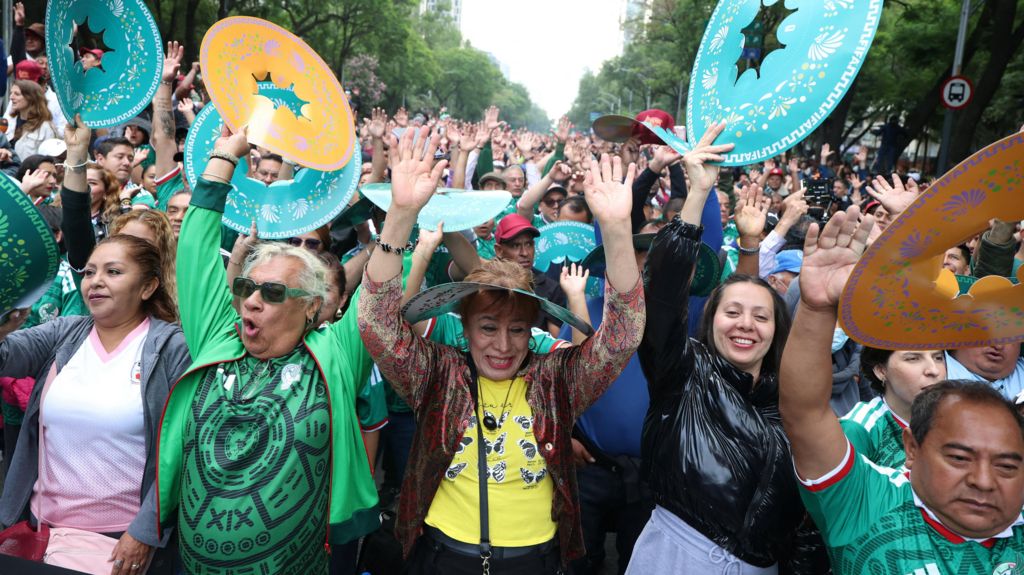
    Forty years after the stadium spectator wave cemented its global reputation under the name ‘Mexican wave’ during the 1986 FIFA World Cup hosted in Mexico, Mexico City is stepping forward to claim a new world record for the largest collective wave in history.

    The current Guinness World Record for the biggest wave has stood for nearly 18 years: it was set at a NASCAR racing event in Tennessee, United States, in 2008, when 157,574 spectators joined together to create the sweeping, rippling crowd movement that has become a staple at sporting events worldwide. To beat that mark, Mexico City organizers picked an unconventional non-stadium venue that would allow the wave to spread continuously across thousands of participants: Paseo de la Reforma, the city’s world-famous tree-lined arterial boulevard modeled after European grand thoroughfares.

    On Saturday, thousands of enthusiastic participants lined both sides of the iconic avenue. Dressed in the Mexican national men’s football team’s signature bright green jerseys in many cases, the crowd went through multiple practice rounds before making their official record attempt. Chants of “Mexico! Mexico!” rang out across the avenue as thousands raised their arms in unison to carry the ripple down the length of the road. For now, official adjudicators from Guinness World Records are still reviewing data from the attempt to confirm whether Mexico City has successfully taken the crown from the 2008 NASCAR record.

    Beyond the record attempt, the event reignites a long-running conversation about the origins of the beloved crowd tradition. While the global name ‘Mexican wave’ ties the phenomenon closely to Mexico thanks to its 1986 World Cup breakthrough, many credit American entertainer George Henderson, widely known as Krazy George, with creating and directing the first full stadium wave. Henderson says he first launched the movement during a 1981 Major League Baseball game between the Oakland Athletics and New York Yankees in California.

    Recalling the moment, Henderson explained that the Athletics had dropped two straight away games, and by the third inning he was eager to try something completely new to energize the crowd. He worked with fans across three sections of the stadium to explain the concept. The first two attempts fell flat, but the third successfully rolled all the way around the stadium, and the fourth produced a steady, continuous ripple. ‘The place was going crazy,’ Henderson recalled. The game was broadcast nationally, so the concept quickly spread to fans of other sports across North America. It was not until the 1986 World Cup in Mexico, however, that the wave was broadcast to a massive global audience, turning it into an international staple of spectator culture – and earning it the widespread ‘Mexican wave’ name outside North America.

    The uniquely collective nature of the wave has even drawn the attention of scientific researchers curious about crowd behavior. In 2002, a team of physicists from the Hungarian Academy of Sciences’ statistical and biological physics group decided to map the mechanics of the stadium wave, publishing their findings in the leading academic journal *Nature*. Lead researcher Illes Farkas told NPR the team was drawn to the project because crowd behavior in a wave offers a clear parallel to particle movement in physical systems.

    The team’s analysis uncovered clear, consistent patterns: most spontaneous human waves travel clockwise around stadiums at a speed of roughly 12 meters, equal to about 20 spectator seats, per second. Shockingly, they also found that a self-sustaining wave only needs between 25 and 35 initiating participants to get rolling in a large stadium. The mathematical model the team used to explain the wave’s spread was not newly developed for the research – it was the same framework already used to describe how forest fires spread and how electrical signals propagate through heart tissue.

    Beyond the physics, sports writer Chris Hunt, author of *World Cup Stories*, told the BBC that the wave also carries varied cultural meanings depending on context. While it is most commonly seen as a symbol of collective joy and excitement among spectators, it can also signal boredom when a match is slow or uneventful. ‘When a match drags and nothing interesting is happening on the pitch, fans feel it’s a way to make the most of the money they paid for their tickets,’ Hunt explained. Context also dictates whether a wave is likely to appear at all: a tense goalless draw in the final minutes of a World Cup final will almost never see a wave, while a lopsided friendly match with the home team leading handily is far more likely to spark the familiar ripple.

  • A raucous Copenhagen crowd cheers Denmark’s 2026 Mullet Championship

    A raucous Copenhagen crowd cheers Denmark’s 2026 Mullet Championship

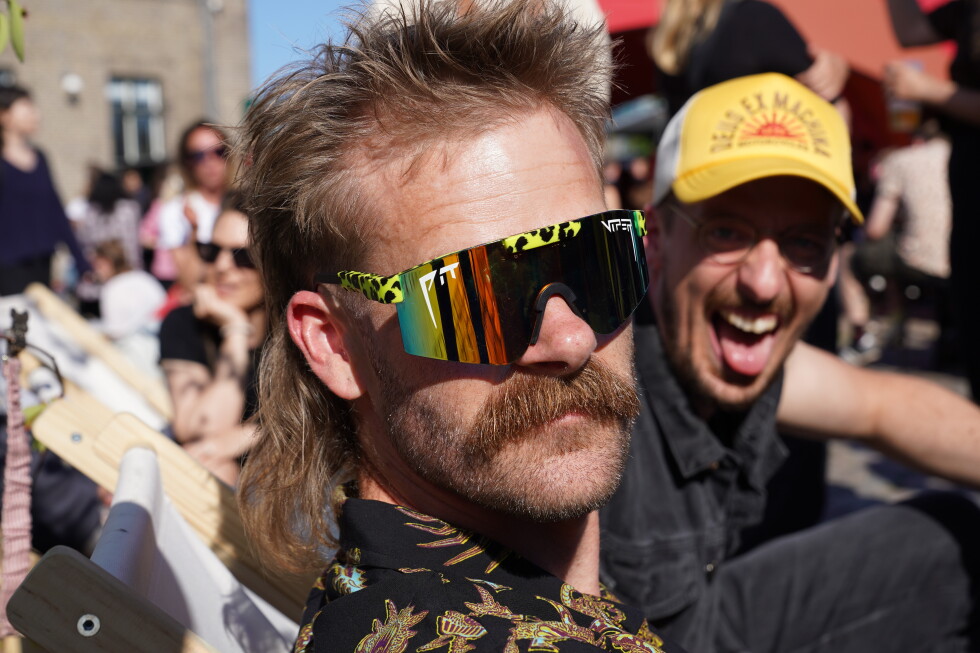
    On a vibrant outdoor stage in the heart of Copenhagen, more than 1,000 cheering spectators packed together on Saturday to honor one of fashion’s most divisive yet enduring looks: the mullet. The iconic cut, defined by its sharp contrast of cropped strands at the front and flowing length at the back, took center stage at the 2026 Danish Mullet Championship, the fourth iteration of an event born from one enthusiast’s personal passion.

    The competition traces its roots back to organizer Steffen Stiw Weber, a 37-year-old electrician who launched the national contest after a hair transplant left him growing his own mullet. When Weber discovered he was ineligible to enter an existing mullet competition in the United States as a non-U.S. citizen, he took matters into his own hands. “I was like, OK, I have to do it on my own here in Denmark,” he recalled with a grin. For Weber, the celebration of the mullet fills a unique niche in modern digital culture: amid social media pressures to present polished, perfect appearances, the mullet stands out as a deliberate act of breaking the mold. “I think that’s why people have to stand out from the crowd,” he explained.

    Twelve carefully coiffed contestants stepped into the spotlight on Saturday, vying for the top title under the judging criteria that extended far beyond just the cut itself. Judges evaluated each competitor on style, originality, stage presence and what event organizers call “mullet moves” — the personal flair competitors bring to their on-stage showcase. Bobby Agren, a Copenhagen-based salon owner and one of the event’s judges, explained the ethos that guides the competition: “I like the finesse, the twist, the nostalgia. I like it if it looks ridiculous or maybe ugly in a beautiful way.” Each contestant got 60 seconds alone on the stage to show off their cut and their personality, leading to a lineup of over-the-top, memorable performances. The evening featured everything from beer-swilling theatrical bits and sharp body-popping dance routines to an impromptu live saxophone performance. One competitor even crafted their mullet to mimic the pattern of the Danish flag, drawing roars of approval from the crowd.

    The audience’s loud chants and cheers fueled the energy of every performer, with the crowd’s enthusiasm building with each routine. After each set, judges held up handwritten scorecards to tally points, building tension for the final announcement. When the scores were counted, 43-year-old construction worker Thomas Berg claimed the first-place title after a showstopping performance: clad in neon green athletic wear, he wowed judges by bouncing frantically on a trampoline mid-set, finishing off his mullet with a bright orange headband. After accepting his prize, Berg called the event what it is at its core: a lighthearted celebration of self-expression. “I think it’s just funny. It’s just a big party,” he said. “It’s just nice to be a bit outside the box.”

    While the mullet has experienced a sharp resurgence in global popularity in recent years, its history stretches back decades, even centuries. Though the style likely predates modern barbering as we know it, the Oxford English Dictionary credits iconic hip-hop group the Beastie Boys with popularizing the term “mullet” after they released their track “Mullet Head” on the 1994 album *Ill Communication*. The cut rose to mainstream popularity in the 1980s, embraced by professional ice hockey players and rock musicians alike, before falling out of mainstream fashion favor. Famously, fashion bible Vogue once labeled the mullet “history’s most divisive hairstyle.”

    The COVID-19 pandemic sparked a new wave of mullet enthusiasm around the world, when widespread salon closures left lockdown-weary people growing out their hair without professional trims. British culture magazine i-D even declared 2020 “the year of the mullet,” cementing the cut’s comeback. Today, mullet competitions are held across the globe, with Belgium hosting the European Mullet Cup just one month before the Danish event. For Agren, this cycle is nothing new for fashion trends. “It comes back every 20-30 years. There’s always a circular motion in fashion,” he noted, pointing to the mullet’s enduring ability to capture public attention decades after its first moment in the spotlight.

  • Ragas and symphonies: Indian maestro Ilaiyaraaja is still reshaping music 50 years on

    Ragas and symphonies: Indian maestro Ilaiyaraaja is still reshaping music 50 years on

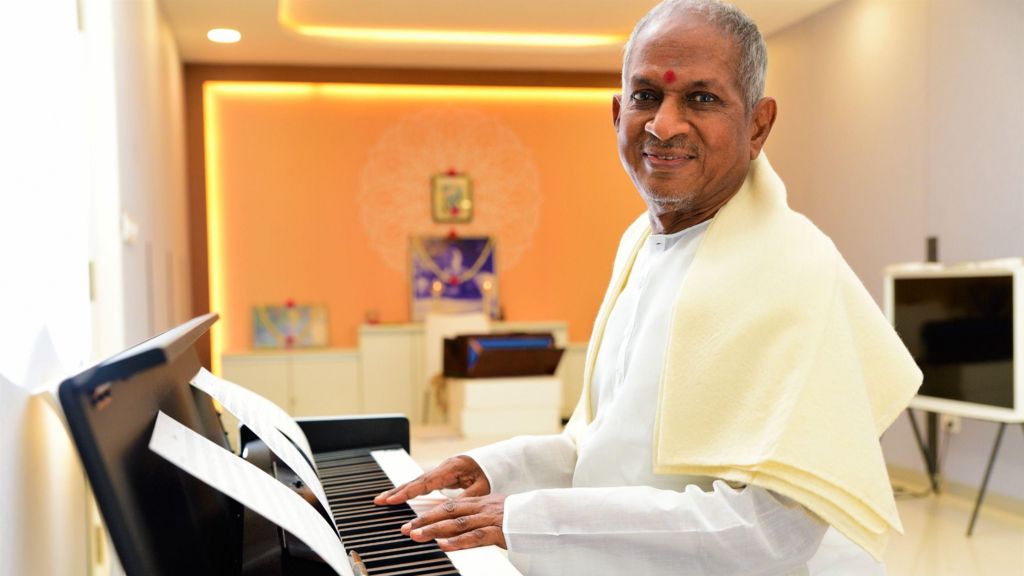
    Fifty years after he first stepped onto the Indian film music scene, Ilaiyaraaja — affectionately known to millions of devotees as “the Maestro” — still resonates across generations, his compositions filling living rooms, sold-out concert venues and cinema screens from one end of India to the other.

    Now 83 years old, the Tamil Nadu-born composer has carved out an unmatched place in Indian cinematic history: he has scored music for more than 1,000 feature films across nine different languages, a feat no other composer in the industry has matched. His career, built from humble, poverty-stricken origins, reimagined the very sound of South Indian film music, starting with his game-changing 1976 debut *Annakili* that marked a watershed moment for the art form.

    Renowned Carnatic musician TM Krishna notes that Ilaiyaraaja’s arrival upended long-held conventions of Indian film scoring, bringing a fresh perspective rooted in a wholly distinct social and artistic background. Before Ilaiyaraaja’s breakthrough, most mainstream Indian film music drew almost exclusively from traditional Indian classical roots, with Western symphonic influences rarely integrated into popular soundtracks. Unlike his predecessors, Ilaiyaraaja drew freely from a vast global tapestry of musical traditions, weaving disparate styles into a cohesive, singular sound that remains instantly recognizable to fans.

    “What’s unique is that he creates a cohesiveness to all the different forms he’s taken from different genres of music. That is the genius of Ilaiyaraaja,” Krishna explained.

    Following the massive success of *Annakili*, Ilaiyaraaja went on to produce hundreds of hit scores across multiple Indian languages, including iconic works for *Pathinaaru Vayathinile*, *Olangal*, *Sadma*, *Geetanjali*, *Chinna Gounder* and *Nayakan*. Across his career, he has composed more than 8,000 original film songs, many rooted deeply in Tamil Nadu’s rural folk and ballad traditions that shaped his childhood. Just last year, he made history as the first Indian composer to write and perform a full Western classical symphony with London’s Royal Philharmonic Orchestra, an achievement the orchestra called a “milestone in global music history.”

    Born R Gnanathesikan in 1943 in the small Tamil Nadu town of Pannaipuram, Ilaiyaraaja grew up immersed in the rural folk music that his father, a cardamom estate supervisor, sang regularly. When he was just seven, his father died suddenly, leaving his mother Chinnathayammal to support the entire household alone through years of severe financial hardship. “We went through a difficult period,” recalled Gangai Amaran, Ilaiyaraaja’s younger brother who would later go on to become a celebrated music composer in his own right, in an interview with the BBC.

    Born into a poor, socially marginalized family, Ilaiyaraaja faced steep barriers to professional opportunity from childhood. But music was a constant: his eldest brother, singer and playwright Paavalar Varadharajan, performed regularly at Communist Party events, which held major sway in the region in the 1950s. “We travelled from village to village with our elder brother. That’s how we learnt folk and rural musical traditions,” Amaran said. When Varadharajan fell ill ahead of a major performance, their mother convinced a young Ilaiyaraaja to step in — marking his first ever public performance.

    Forced to drop out of school at 14, Ilaiyaraaja moved with his brothers to Madras (now Chennai) in 1968 to pursue work in the film industry. He later recalled walking miles to save money on bus fares and often going to bed hungry as he struggled to get a foothold in the industry. He studied Western music under Dhanraj Master, mastering guitar and piano while diving deep into the works of Bach, Beethoven, Mozart and Schubert. “It’s God’s gift. Learning and mastering musical instruments came to him naturally,” Amaran said.

    In 1969, Ilaiyaraaja landed a role as an assistant to leading film composer GK Venkatesh, who would become his mentor and encouraged him to develop his own orchestral writing. He built his skills as a session guitarist while drafting his own original compositions, following a grueling daily routine for years: early morning music lessons, full days of recording sessions, and late returns home close to midnight. By the time he got his big break, he had already contributed to more than 200 films, honing his craft and building critical industry connections.

    His breakthrough came when writer and lyricist Panchu Arunachalam invited him to pitch for the upcoming film *Annakili*. With no instrument available to play at the meeting, Ilaiyaraaja used a wooden table as a percussion instrument to sing his composition for the producers, who left instantly impressed. Arunachalam also rebranded the young composer, giving him the name Ilaiyaraaja — meaning “young king” in Tamil.

    The runaway success of *Annakili* catapulted Ilaiyaraaja to fame, and he quickly became the most in-demand composer in South Indian cinema. As music critic Shaji Chen notes, his rise aligned perfectly with a technological shift that transformed how Indians consumed music: the advent of affordable cassette tapes and personal music systems allowed audiences to listen to their favorite tracks on demand, moving beyond the limited reach of state-run radio and public vinyl playings. At the peak of his career, Ilaiyaraaja scored more than 50 films in a single year, and audiences frequently packed cinemas repeatedly just to hear his compositions — with many hit films running for more than 100 days in theaters driven primarily by the popularity of his scores.

    “He understands the emotional textures and themes of a film. He brings out those emotions. That is why his scores stand out,” says music critic Suanshu Khurana.

    One of his most iconic works, *Rakkamma Kaiya Thattu* from the 1991 gangster drama *Thalapathi*, perfectly exemplifies his signature style. The track fuses Tamil folk traditions, Carnatic structure, Western classical fugue and polka, with shifting tempos and subtle rhythmic flourishes tying together its contrasting sections. In a 2002 global poll run by the BBC World Service, the track was voted the fourth most popular song in the world.

    A lifelong relentless experimenter, Ilaiyaraaja regularly blended Carnatic ragas, Indian folk melodies, and Western classical works from composers like Schubert and Mozart into single cohesive compositions. During a recent performance of his *Valiant* symphony in Chennai, he explained how he wove themes from Schubert’s Unfinished Symphony into *Idhayam Pogudhey*, a track from his 1979 Tamil film *Puthiya Vaarpukkal*. “They [styles] were from two different cultures. But I wanted to prove that they were not different; it’s the same thing,” he said.

    Ilaiyaraaja dominated Tamil film music through the 1980s, and even after the rise of AR Rahman in the early 1990s, he remained a defining force in Indian music — and a key influence on the next generation of composers. Before rising to fame himself, Rahman worked as a keyboard player in Ilaiyaraaja’s orchestra, and in 2019 he called working with the Maestro equivalent to attending a top music school. “His life itself has been an inspiration to me,” Rahman said.

    To date, Ilaiyaraaja has delivered hit scores for decades of beloved films, including *Nizhalkuthu*, *Virumaandi* and *Cheeni Kum*, and has also composed original works based on ancient Tamil devotional literature, including the acclaimed *Thiruvasagam*. In 2018, he was awarded the Padma Vibhushan, India’s second-highest civilian honor, in recognition of his contributions to the arts.

    Even at 83, Ilaiyaraaja shows no signs of slowing down: he still scores music for several films every year, recently performed his *Valiant Symphony* in major Indian cities Chennai and Bengaluru, and continues to tour internationally for live concert performances. A new generation of listeners is now discovering his work through streaming platforms and viral remixes, with one 1983 Malayalam track *Kiliye Kiliye* recently finding a new mainstream audience after being featured in the recent film *Lokah Chapter 1: Chandra*.

    In recent years, Ilaiyaraaja has also made headlines for high-profile legal battles over royalty rights and the unauthorized use of his work by third parties. Beyond his musical innovations, his decades-long career also upended long-standing social barriers in Carnatic music, a field long dominated by upper-caste musicians and closed to artists from marginalized backgrounds. Ilaiyaraaja’s mastery of the form forced a reckoning with old hierarchies, breaking down barriers for future generations of composers.

    “He transcended social and caste hierarchies through his music,” Krishna says.