分类: business

  • Banks warn millions will be hurt by Trump’s 10% cap on credit card interest rates

    Banks warn millions will be hurt by Trump’s 10% cap on credit card interest rates

    The U.S. financial sector has issued stark warnings regarding former President Donald Trump’s proposal to impose a 10% cap on credit card interest rates, asserting this measure would trigger severe credit restrictions affecting millions of American households and small businesses. Announced on January 14, 2026, as a response to mounting voter concerns about living costs, the proposed one-year cap scheduled to commence on January 20 has drawn immediate industry backlash.

    Financial institutions and industry coalitions have mobilized to counter the proposal, presenting data suggesting catastrophic consequences for credit accessibility. According to the Electronic Payments Coalition, representing major financial entities and payment networks, approximately 82-88% of open credit card accounts held by consumers with credit scores below 740 would face either complete closure or substantial credit limitations under such a cap.

    Richard Hunt, Executive Chairman of the Electronic Payments Coalition, characterized the proposal as counterproductive, stating: “While a government-mandated price cap might appear superficially appealing, its implementation would produce precisely the opposite of its intended effect—harming families, constraining economic opportunity, and ultimately weakening our national economy.”

    Industry analysts project that the cap would render credit card operations unprofitable for lenders, forcing widespread account closures particularly affecting subprime borrowers. Even consumers with stronger credit profiles would likely encounter increased annual fees, reduced rewards programs, and additional monthly charges as financial institutions seek to offset lost revenue.

    Current market data underscores the significance of high interest rates to industry profitability. The Consumer Financial Protection Bureau reported average APRs reaching 25.2% for general purpose cards and 31.3% for private label cards in 2024—the highest levels recorded since 2015. Concurrently, the proportion of cardholders making only minimum payments reached its highest point in nine years, indicating growing financial strain among consumers.

    Michael Miller, Morningstar analyst, noted the proposal’s uncertain implementation pathway, suggesting congressional action would be required: “President Trump’s statement primarily functions as a symbolic gesture rather than concrete policy. While we consider actual implementation unlikely, the potential consequences for credit card profitability would be dire if enacted.”

    Countervailing research from Vanderbilt University’s Policy Accelerator, published in September 2025, indicates consumers could save approximately $100 billion annually under a 10% cap, though borrowers with credit scores below 760 might experience reduced rewards benefits. Brian Shearer, the center’s competition and regulatory policy director, challenged industry warnings: “Claims regarding massive account closures overlook the substantial profit margins currently enjoyed by credit card issuers. Our analysis indicates significant room for efficiency improvements without compromising access.”

  • Dubai: Gold and silver prices reach new record highs

    Dubai: Gold and silver prices reach new record highs

    Dubai’s precious metals market witnessed a historic surge on Wednesday, January 14, 2026, as gold and silver prices shattered previous records amid escalating global uncertainties and shifting monetary policy expectations. The 24K gold variant climbed dramatically by nearly Dh3 to reach Dh558 per gram during morning trading sessions, while 22K gold followed closely at Dh516.75 per gram. Other gold categories demonstrated parallel upward trajectories, with 21K, 18K and 14K varieties rising to Dh495.5, Dh424.5 and Dh331.25 per gram respectively.

    This remarkable rally extended beyond regional markets, with global spot gold achieving an unprecedented $4,637.81 per ounce—representing a one percent increase—while silver prices breached the psychological $90 barrier for the first time in history, ultimately settling at $91.53.

    Financial experts attribute this surge to a confluence of geopolitical and economic factors. The ongoing tensions between Iran and the United States have significantly bolstered the appeal of safe-haven assets, while recent US Consumer Price Index data for December, which registered at 2.7 percent, aligned with market expectations regarding inflationary trends.

    Vijay Valecha, Chief Investment Officer at Century Financial, identified multiple drivers behind the precious metals rally. ‘Concerns regarding Federal Reserve independence, escalating geopolitical risks, and persistent anticipations of accommodative US monetary policy have collectively fueled this remarkable performance,’ he stated. Valecha further noted that pressure on Federal Reserve Chair Jerome Powell, including reported legal challenges related to congressional testimony, has additionally stimulated gold demand. A weakening US dollar has concurrently enhanced the attractiveness of non-yielding assets like bullion.

    From a technical perspective, Valecha indicated that gold faces immediate resistance near the $4,660 threshold, suggesting potential volatility in upcoming trading sessions as markets continue to digest evolving global economic conditions and geopolitical developments.

  • Trilateral links will boost growth

    Trilateral links will boost growth

    A powerful economic corridor is rapidly emerging between China, the Association of Southeast Asian Nations (ASEAN), and the Gulf Cooperation Council (GCC), creating unprecedented opportunities for trilateral collaboration and growth. This strategic partnership is reshaping global economic dynamics and establishing new benchmarks for cross-regional cooperation.

    Andre Kwok, a Hong Kong-based venture capitalist, exemplifies this trend through his monthly travels between these regions. His work spans diverse sectors including food and agriculture, banking, and financial technologies. “We’re witnessing significant capital movement, particularly from Middle East family offices expanding through Singapore and into markets like Indonesia and Malaysia,” noted Kwok, Director of Rainmaker Ventures and Tomorrow City Co-Investment Ltd.

    The economic statistics reveal substantial commercial engagement. In 2024, ASEAN-GCC trade reached $63 billion, positioning GCC as ASEAN’s fifth-largest external trading partner. Simultaneously, China-GCC trade exceeded $288 billion, while China-ASEAN merchandise trade approached the trillion-dollar mark at $982.34 billion.

    According to Muath Seyam, Senior Fellow at the Asia Middle East Center for Research and Dialogue, these relationships have entered “a new phase of strategic depth and institutionalization.” Seyam emphasizes China’s “dual and catalytic role as both a shared partner and competitive motivator” in this evolving dynamic.

    The convergence of China’s Belt and Road Initiative with ASEAN’s Connectivity Master Plan 2025 and various GCC Vision 2030 reforms creates synergistic opportunities in infrastructure financing, maritime logistics, and digital corridors. This alignment is driving coordinated development across the regions.

    Educational and cultural exchanges represent another growing dimension. Abdullah Al-Hashem, former GCC Assistant Secretary-General, highlights the need for enhanced educational ties, noting the absence of ASEAN universities in GCC nations. “Knowledge sharing and technology transfer are crucial for strengthening relations,” stated Al-Hashem, currently a professor at Kuwait University.

    Abdulrahim Naqi, former Secretary-General of the Federation of GCC Chambers, identifies infrastructure, electricity, water management, and transportation as prime sectors for collaboration. He particularly emphasizes ASEAN’s agricultural expertise as vital for GCC food security initiatives.

    The private sector is positioned to drive this trilateral cooperation forward, with chambers of commerce, Islamic banks, and industrial groups facilitating dialogue and partnership development. As these economic corridors continue to develop, they promise to redefine global trade patterns and create new centers of economic influence.

  • Slowdown in Dubai? Property data from 2025 proves analysts wrong

    Slowdown in Dubai? Property data from 2025 proves analysts wrong

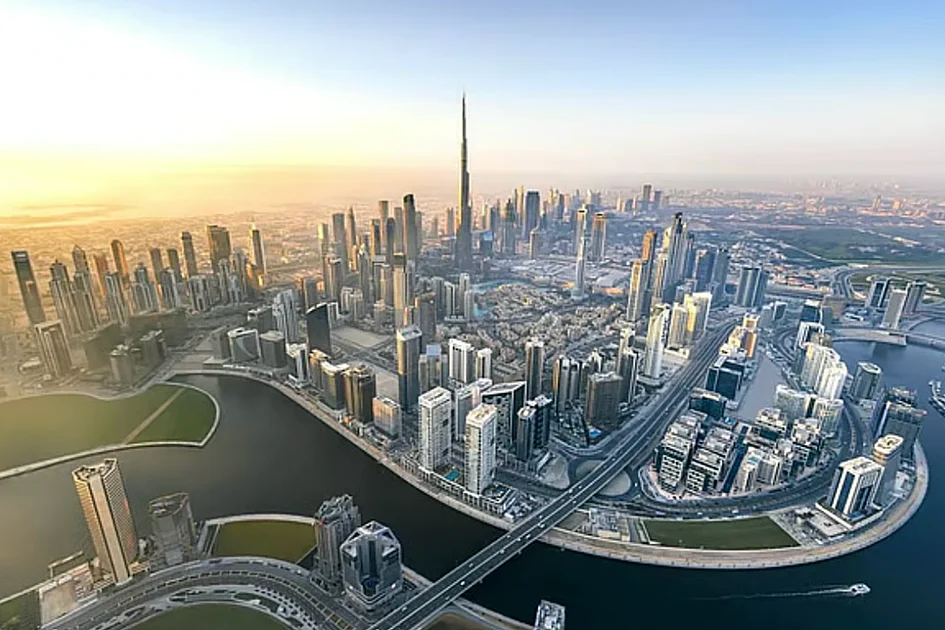
    Dubai’s property market has delivered a stunning rebuttal to pessimistic forecasts, achieving unprecedented growth throughout 2025 that has fundamentally reshaped market expectations. According to official data released by the Dubai Land Department, the emirate recorded over 270,000 real estate transactions valued at Dh917 billion, representing a remarkable 20 percent year-on-year increase in volume.

    This exceptional performance directly contradicts projections made by global ratings agency Fitch in 2024, which had anticipated price corrections of up to 15 percent across 2025 due to anticipated supply increases. Instead, the market demonstrated robust growth across all key metrics, with average prices increasing by approximately 7 percent according to DLD figures, while internal data from major agencies showed even stronger appreciation trends.

    Industry leaders emphasize that Dubai’s real estate expansion is fundamentally driven rather than speculative. Lewis Allsopp, Chairman of Allsopp & Allsopp, stated: “All key metrics—transaction volume, pricing, and average prices—show consistent growth. The narrative of a slowdown simply doesn’t align with the actual data.”

    The market’s strength stems from multiple structural factors including sustained population growth, continued inflow of high-net-worth individuals, long-term residency initiatives, and comprehensive infrastructure development. Real estate investments during 2025 exceeded Dh680 billion across 258,600 deals, representing a 29 percent value increase and 20 percent growth in transaction numbers. The investor base expanded significantly to approximately 193,100 participants, including 129,600 new entrants.

    Humaira Vaqqas, Senior Consultant at Range International Properties, noted: “The record transaction volumes demonstrate sustained end-user demand alongside institutional and international investor confidence. The market has evolved into a more transparent and regulated ecosystem, maintaining momentum while avoiding extreme volatility.”

    Looking toward 2026, industry executives express even greater optimism based on sustained demand drivers, affordable project launches, and Dubai’s positioning as a global real estate hub. The market’s performance aligns with the objectives of the Dubai Real Estate Sector Strategy 2033, which aims to increase transaction volume by 70 percent to reach Dh1 trillion.

  • US-China biotech summit builds bridges for innovative drug partnerships

    US-China biotech summit builds bridges for innovative drug partnerships

    SAN FRANCISCO – Top pharmaceutical executives and global investors convened at the 2026 China FIC Innovation and Collaboration Summit on Sunday, signaling a new era of cross-border biotechnology cooperation as China’s drug licensing deals surpassed $130 billion in value last year.

    The summit, organized by the Zhongguancun First-in-Class Innovative Drug Strategic Development Alliance, functioned as both a global showcase and launch platform for China’s most promising pharmaceutical innovations. The event specifically aimed to bridge Chinese biotech firms with international industry leaders while stimulating increased multinational investment in China’s rapidly expanding healthcare sector.

    A representative from the Beijing Investment Promotion Service Center described China’s evolution from producing derivative ‘Me-Too’ medications to pioneering transformative ‘First-in-Class’ therapies as evidence of an entirely new innovation ecosystem. She characterized the summit as a ‘vital two-way bridge’ connecting global expertise with Chinese technological advancement.

    China’s pharmaceutical ascendancy rests on several foundational strengths: a unified market of 1.4 billion people with healthcare coverage extending to 1.33 billion citizens provides unprecedented scale for clinical development and commercialization. The country’s regulatory framework now operates in full compliance with International Council for Harmonisation guidelines while balancing innovation incentives with accessibility through volume-based procurement systems.

    Regulatory approvals have accelerated dramatically, with Chinese authorities greenlighting a record 76 innovative drugs in 2025 alone. These streamlined review processes have created clearer pathways for synchronized global drug development and simultaneous international market launches.

    Despite global geopolitical tensions, Chinese Consul General in San Francisco Zhang Jianmin emphasized that economic interdependence remains an undeniable reality. ‘The biopharmaceutical sector depends fundamentally on global supply chains, cross-border clinical research, and international data sharing,’ Zhang noted. ‘Many challenges exceed any single nation’s capabilities – US-China collaboration immeasurably increases our chances of solving humanity’s most pressing health challenges.’

    California State Treasurer Fiona Ma reinforced this collaborative vision, highlighting the state’s substantial healthcare investments through voter-approved bonds for stem cell research, children’s hospitals, and behavioral health services. ‘With AI capabilities and digital connectivity, we must abandon research silos,’ Ma stated. ‘Shared research accelerates discoveries and enhances global health outcomes.’

    Industry veteran Joseph Scheeren of the French National Academy of Pharmacy offered an optimistic assessment: ‘Chinese companies are moving aggressively toward global expansion through partnership deals that position them as worldwide development partners. With sufficient resources and continued commitment, China possesses extraordinary potential in pharmaceutical innovation.’

    The summit revealed significant untapped potential – while China now contributes approximately 30% of the global innovative drug pipeline, only a fraction of these developments have involved international transactions. Nine cutting-edge projects were selected from nearly 30 applications for detailed pitching sessions, spanning multiple therapeutic areas and technological frontiers.

  • Luxury retailer Saks Global files for bankruptcy

    Luxury retailer Saks Global files for bankruptcy

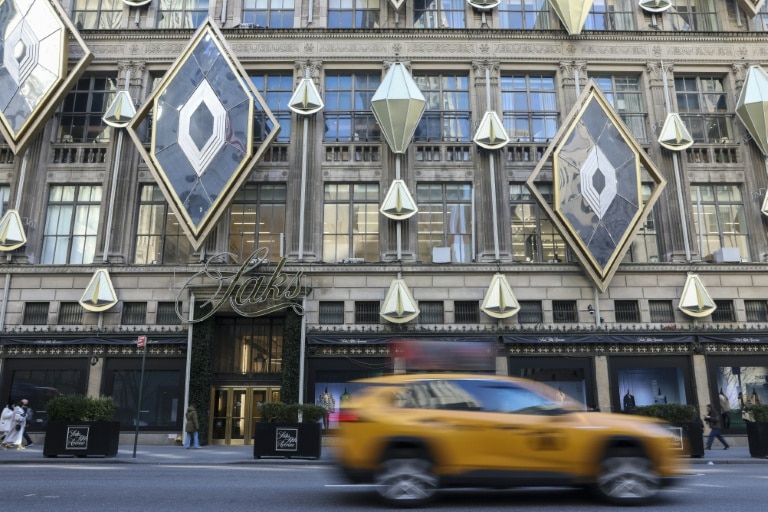
    In a seismic shift for the high-end retail sector, Saks Global—the powerhouse parent company of iconic department stores Saks Fifth Avenue, Neiman Marcus, and Bergdorf Goodman—has formally commenced Chapter 11 bankruptcy proceedings. The filing was submitted to the U.S. Bankruptcy Court for the Southern District of Texas on Wednesday, marking a critical juncture for the struggling luxury conglomerate.

    The company cited an unsustainable debt burden as the primary catalyst for this decision, specifically pointing to a recent default on a $100 million interest payment connected to its monumental $2.7 billion acquisition of Neiman Marcus earlier this year. Court filings reveal the company estimates its assets and liabilities each fall within the staggering range of $1 billion to $10 billion.

    In a strategic move to navigate its restructuring, Saks Global has secured a substantial $1.75 billion debtor-in-possession (DIP) financing package. This capital infusion is designed to ensure operational continuity throughout the bankruptcy process. The company has explicitly assured that all its retail locations will remain open, customer programs and gift cards will be honored, vendor payments will proceed, and employee payroll and benefits will continue uninterrupted.

    Concurrent with the filing, a significant leadership overhaul was announced. Geoffroy van Raemdonck, the former head of Neiman Marcus Group, has been appointed Chief Executive Officer with immediate effect, succeeding Richard Baker. In an official statement, van Raemdonck framed the bankruptcy as a ‘defining moment’ for the company, stating it presents a ‘meaningful opportunity to strengthen the foundation of our business and position it for the future.’ He further indicated that the group will be conducting a thorough evaluation of its ‘operational footprint’ to strategically invest in areas with the ‘greatest long-term potential,’ signaling potential store optimizations or closures ahead.

  • India asks e-commerce apps to stop ’10-minute’ delivery service

    India asks e-commerce apps to stop ’10-minute’ delivery service

    In a landmark regulatory intervention, India’s federal government has formally directed rapid-delivery platforms to eliminate their controversial ultra-fast delivery commitments following widespread protests over hazardous working conditions for gig workers. The directive emerged from high-level discussions between the Ministry of Labour and leading quick-commerce companies including Zomato-owned Blinkit and Zepto, which have revolutionized urban consumption patterns through minute-scale delivery promises.

    The government’s intervention comes as a direct response to a massive nationwide strike in December that saw thousands of delivery riders demanding dignified working conditions, fair compensation, and enhanced safety protocols. While these platforms have gained enormous popularity among urban consumers seeking instant access to groceries, electronics, and household essentials, their operational model has faced mounting criticism for placing excessive pressure on delivery personnel.

    According to anonymous ministry officials, companies have been instructed to cease promotional activities emphasizing unrealistically tight delivery windows. Blinkit has already initiated compliance by removing explicit 10-minute delivery guarantees from its branding, with other major players expected to implement similar changes imminently. However, real-time app monitoring revealed persistent sub-10-minute delivery estimates in numerous locations, suggesting operational practices may evolve gradually despite policy changes.

    The rapid expansion of India’s quick-commerce sector—accelerated by pandemic-era consumption shifts—represents a microcosm of the nation’s broader gig economy transformation. Official projections indicate gig workforce growth from 7.7 million in 2021 to an estimated 23.5 million by 2030, highlighting the systemic significance of these labor issues.

    Worker testimonials collected by BBC investigators reveal a harsh reality beneath the convenience economy: riders face substantial financial penalties for missed deadlines, routinely work 12-hour shifts, and earn approximately 20,000 rupees ($220) monthly despite constant safety risks. Researchers note that while classified as independent contractors, these workers remain algorithmically dependent on platforms for livelihood generation without access to social security benefits or career development opportunities.

    Labor organizations have welcomed the government’s intervention as a crucial first step toward protecting worker welfare. However, industry observers caution that systemic pressures may persist through more subtle algorithmic incentives that continue rewarding delivery speed. Mixed reactions among riders themselves reflect skepticism about whether regulatory changes will translate into tangible improvements in earnings or working conditions, with many emphasizing that structural reforms must address fundamental compensation and dignity issues beyond mere timeline adjustments.

  • China’s car exports surged in 2025, but domestic demand slowed

    China’s car exports surged in 2025, but domestic demand slowed

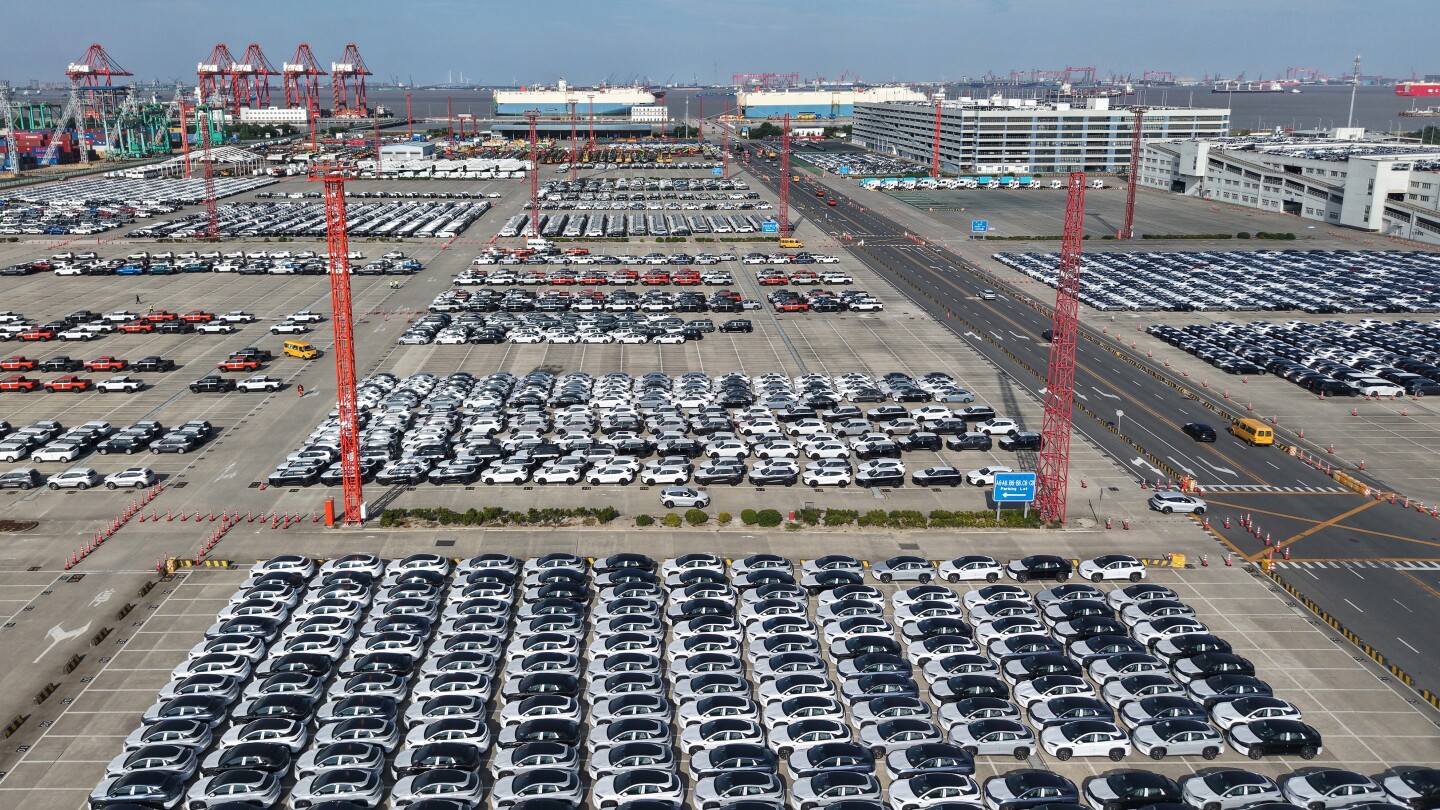
    China’s automotive industry demonstrated remarkable export performance in 2025, achieving a 21% year-on-year increase in vehicle shipments despite weakening domestic demand. According to the China Association of Automobile Manufacturers, this growth was primarily driven by a dramatic doubling of new energy vehicle exports, including electric vehicles and plug-in hybrids, which reached 2.6 million units.

    The export surge comes as Chinese automakers increasingly look to international markets to counter intense competition and price wars at home. Total vehicle exports surpassed 7 million units, reflecting strategic global expansion efforts. While domestic passenger car sales showed modest annual growth of 6% to 24 million units, December 2025 witnessed an 18% year-on-year decline, signaling concerning domestic market trends.

    International analysts project continued expansion, with Deutsche Bank forecasting a 13% increase in passenger vehicle exports for 2026. The European Union’s recent agreement with China on resolving EV import disputes is expected to further accelerate export growth to European markets. Industry experts predict Chinese EV exports to the EU will grow approximately 20% annually between 2026 and 2028.

    Key export regions include Russia, Latin America, the Middle East, Europe, and Southeast Asia, collectively representing about 70% of 2025 export volumes. However, Chinese manufacturers face significant barriers in premium markets like the United States and Canada, where substantial EV tariffs remain in effect.

    The competitive landscape shifted notably in 2025 as BYD surpassed Tesla to become the world’s largest EV manufacturer, though the Chinese company reported an 18% year-on-year delivery decline in December 2025. Analysts from UBS and S&P Global Ratings anticipate continued domestic market challenges in 2026, particularly for vehicles priced below 150,000 yuan ($21,510), as government subsidy structures transition from flat rates to price-based systems.

  • Elderly care economy to get a fillip

    Elderly care economy to get a fillip

    China has launched a sweeping national initiative to transform its substantial aging demographic into a dynamic economic driver while simultaneously enhancing senior welfare. The ambitious policy framework, unveiled jointly by multiple government ministries, specifically targets the nation’s population of over 310 million citizens aged 60 and above.

    The comprehensive strategy, formally titled “Several Measures on Cultivating Elderly Care Business Entities and Promoting Silver Economy,” represents a coordinated effort between the Ministry of Civil Affairs, Ministry of Commerce, and Ministry of Industry and Information Technology. The initiative aims to cultivate a robust silver economy by empowering commercial enterprises, stimulating consumption patterns, and integrating cutting-edge technological solutions.

    Li Banghua, Director of the Elderly Care Service Department at the Ministry of Civil Affairs, emphasized the dual significance of this development: “Cultivating the silver economy is crucial for addressing aging population challenges while simultaneously creating fresh economic growth vectors and expanding domestic consumption demand.”

    The policy measures encourage elderly care institutions to expand home-based care services through chain operation models, while simultaneously directing e-commerce platforms and major retail supermarkets to improve supply-demand alignment for senior care services. This approach aims to make elderly care services more accessible, convenient, and personalized through both digital and physical channels.

    Guo Hanqiao, Deputy Director of the Ministry’s Aging Services Department, highlighted the strategy’s focus on creating integrated consumption scenarios: “We’re merging elderly care services with consumer opportunities to enhance accessibility of age-friendly products. We’ll utilize county-level care service platforms and senior activity centers as demonstration and distribution points for product exhibition, rental, and sales.”

    In a significant integration effort, the Ministry of Commerce has incorporated elderly care services into the national 15-minute convenient life circle initiative, which had established approximately 6,300 pilot circles by July 2025. These circles provide comprehensive services including elderly care, domestic assistance, dining, and retail, currently benefiting 129 million citizens.

    The initiative also promotes the development of senior-friendly commercial infrastructure, with Zhejiang province already implementing specialized shopping streets designed for older adults. These include nostalgic theme theaters, retro dance halls, and social platforms in Hangzhou, complemented by over 570 organized activities generating more than 100 million yuan in personal spending.

    Technology integration forms another critical component, with the Ministry of Industry and Information Technology prioritizing the development and deployment of humanoid robots, health monitoring devices, and rehabilitation aids for home, community, and institutional use. The ministry is additionally advancing high-end medical devices including cochlear implants and rehabilitation training systems through clinical testing support.

    E-commerce platforms are being directed to optimize senior-friendly interfaces and establish dedicated silver economy shopping channels, with more than 10 major platforms already receiving accessibility enhancements to improve the online shopping experience for older adults. Additional consumer stimulation measures include specialized senior discounts and themed shopping events designed to boost expenditure within this demographic.

  • Energy giants lift ASX for third day, offsetting big four bank losses

    Energy giants lift ASX for third day, offsetting big four bank losses

    Australia’s sharemarket has demonstrated remarkable resilience by securing its third consecutive daily advance, overcoming significant banking sector weakness through substantial gains in energy commodities driven by escalating Middle Eastern geopolitical tensions.

    The benchmark S&P/ASX 200 index climbed 12.10 points (0.14%) to settle at 8820.60, while the broader All Ordinaries index gained 13.30 points (0.15%) to close at 9151.80. The Australian dollar simultaneously strengthened against the US currency, appreciating 0.21% to reach 66.97 US cents.

    Market performance revealed significant sector divergence, with eight of eleven industry sectors finishing positively. Energy equities emerged as the standout performers, surging 2.40% as West Texas Intermediate crude oil reached a ten-week peak amid supply disruption concerns. Major energy producers Woodside Energy (+2.62% to $23.92), Santos (+2.77% to $6.31), and Beach Energy (+5.24% to $1.205) all recorded substantial gains.

    IG market analyst Tony Sycamore attributed the oil price surge to anti-government protests in Iran that threatened approximately 3.3 million barrels of daily production. ‘The violent government response, with reports of thousands killed or arrested, has prompted US President Donald Trump to issue threats of military action and implement 25% tariffs on nations conducting business with Iran,’ Sycamore noted. Additional supply concerns emerged after suspected Ukrainian drones struck four Greek-managed oil tankers in the Black Sea on Tuesday.

    The materials sector provided additional support following G7 discussions addressing supply chain vulnerabilities for critical minerals. Mineral Resources advanced 1.39% to $61.34, Alpha HPA jumped 3.49% to $0.89, and Wildcat Resources climbed 4.71% to $0.445. Major iron ore producers BHP (+1.13%), Rio Tinto (+0.78%), and Fortescue (+0.35%) all closed higher despite precious metals including gold, aluminium, and copper retreating from record highs.

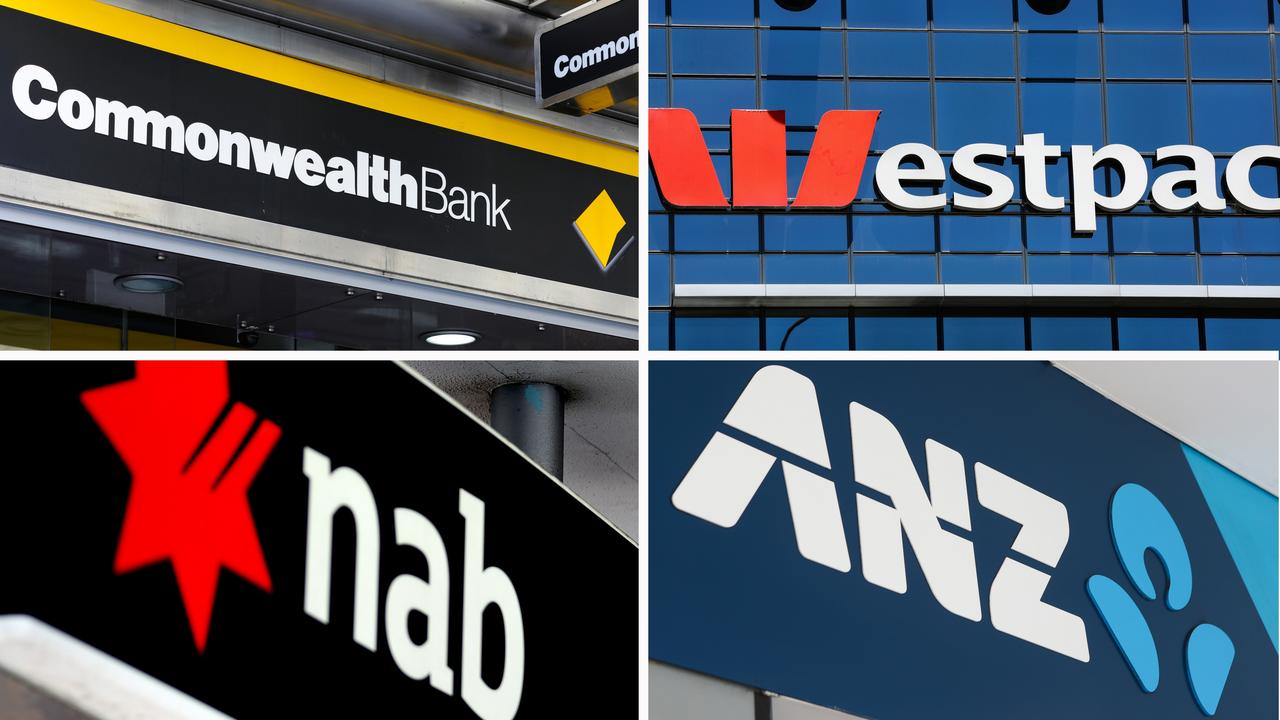
    These gains partially offset substantial banking sector weakness, with financial stocks declining 0.73% collectively. Commonwealth Bank led the downturn, falling 1.25% to $152.88, followed by National Australia Bank (-1.13% to $41.91), Westpac (-0.57% to $38.28), and ANZ (-0.27% to $36.38).

    Individual stock movements featured Neuren Pharmaceuticals soaring 6.06% to $20.47 after projecting potential 2028 sales of $US700 million for its Rett syndrome treatment DAYBUE. Endeavour Group rebounded 2.16% to $3.78 following profit guidance of $400-411 million for the December half. Conversely, Humm Group declined 0.68% to $0.74 as directors opposed a ‘reckless and flawed’ board restructuring proposal.