分类: business

  • China, US start economic, trade talks in Paris

    China, US start economic, trade talks in Paris

    Senior Chinese and American officials initiated a new round of economic and trade negotiations in Paris on Sunday, marking a significant diplomatic engagement between the world’s two largest economies. The talks, held at the Organization for Economic Cooperation and Development headquarters, represent the first major bilateral economic discussions since the heads of state met in Busan.

    China’s delegation is headed by Vice-Premier He Lifeng, a prominent member of the Political Bureau of the Communist Party of China Central Committee, underscoring the importance Beijing places on these negotiations. The discussions are proceeding under the framework established during previous high-level communications between the two nations’ leaders, including their recent meeting in South Korea and multiple telephone conversations.

    According to a statement released by China’s Ministry of Commerce on Friday, both parties will address mutual concerns regarding economic and trade matters. The Paris venue provides a neutral ground for these delicate negotiations, which come at a critical juncture in global economic relations. The OECD’s involvement suggests both technical and policy dimensions will be explored during the talks.

    The resumption of formal trade dialogue signals a potential thaw in economic relations between the two powers, though substantial challenges remain. Market analysts and trade experts are closely monitoring the proceedings for indications of policy shifts or potential agreements that could impact global supply chains, tariff structures, and international trade norms.

  • ‘Gruesome’ war bets fuel calls for crackdown on prediction markets

    ‘Gruesome’ war bets fuel calls for crackdown on prediction markets

    The rapid expansion of prediction markets in the United States has triggered intense regulatory debates and ethical concerns as platforms enable betting on sensitive geopolitical events, including potential assassinations and military actions. These digital platforms, which function similarly to stock exchanges, have witnessed explosive growth with over $44 billion in trades despite operating in a legal gray area.

    Recent controversial wagers include markets speculating on the removal of Iran’s Ayatollah Ali Khamenei, nuclear detonation probabilities, and military operations involving Venezuela and Israel. Such bets directly challenge US financial regulations that explicitly prohibit trading on contracts involving war, terrorism, assassination, or other illegal activities.

    The regulatory landscape became increasingly complex after a legal victory allowed prediction markets to accept election bets during the 2024 presidential campaign. This development prompted firms like Polymarket and Kalshi to expand their offerings, though both companies have since removed particularly sensitive markets following public scrutiny. Polymarket alone facilitated an estimated $500 million in bets related to potential Iran conflict scenarios before withdrawing nuclear-related markets.

    Critics including Public Citizen and Better Markets argue these platforms enable war profiteering, create national security risks, and facilitate insider trading opportunities. The controversy has sparked multiple legal battles across states, with traditional gaming firms intensifying lobbying efforts to subject prediction markets to similar regulations and taxation.

    The regulatory approach has shifted significantly following the 2024 election. The Commodities Futures Trading Commission (CFTC) under the Trump administration has withdrawn proposed bans on sports and politics-related event contracts, taking the side of prediction market firms in ongoing legal challenges. CFTC Chairman Michael Selig contends these contracts serve ‘legitimate economic functions’ by allowing businesses to hedge against event-driven risks.

    In response to mounting pressure, major platforms have implemented stricter self-regulation measures. Kalshi, advertising itself as a ‘regulated exchange,’ has publicly disclosed insider trading investigations and punishments, while Polymarket has enhanced monitoring of suspicious activity. Both companies now face the challenge of balancing market freedom with ethical considerations and regulatory compliance in an increasingly scrutinized industry.

  • Aussie mortgage holders face double whammy as rates set to surge

    Aussie mortgage holders face double whammy as rates set to surge

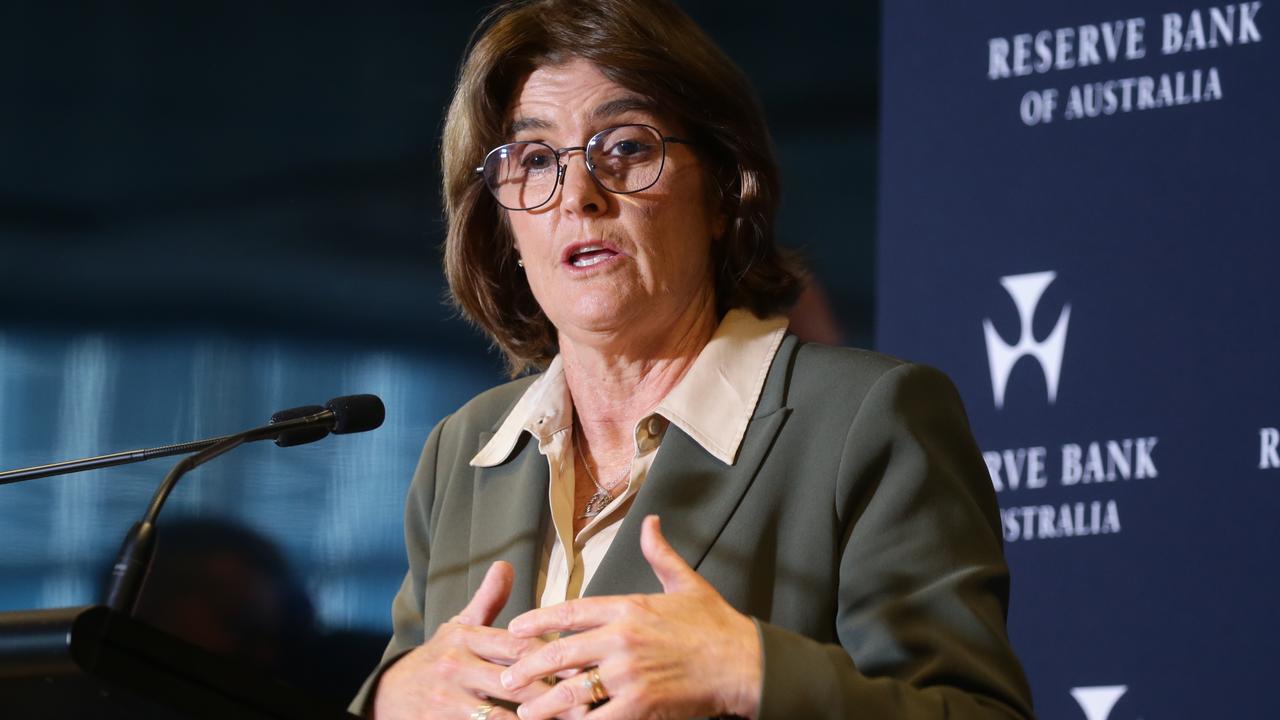
    Australia’s economic landscape faces severe turbulence as geopolitical tensions in the Middle East create compounding domestic pressures. With the Reserve Bank of Australia poised to implement consecutive interest rate hikes in March and May, households confront an unprecedented convergence of monetary tightening and energy-driven inflation.

    The blockade of the Strait of Hormuz—a critical maritime passage handling approximately 19% of global oil shipments—has precipitated a 30% surge in worldwide crude prices. This development has reignited concerns about stagflation, an economic phenomenon characterized by stagnant growth coupled with rampant inflation last witnessed during the 1970s oil crisis.

    Financial institutions uniformly anticipate the official cash rate reaching 4.30% by May, potentially climbing to 4.60% by year’s end—the highest level since October 2011. Treasurer Jim Chalmers acknowledges Treasury projections indicating inflation could spike into the high 4% range, significantly exceeding January’s 3.8% figure.

    Energy economists note that while advanced economies have reduced oil dependency since the 1970s, prolonged closure of the Strait would severely impact emerging markets through fertilizer and food price inflation. Domestically, AMP chief economist Shane Oliver warns consumers face a ‘double whammy’ of elevated mortgage costs and soaring fuel expenses, likely triggering reduced discretionary spending.

    The RBA’s dilemma centers on whether to counteract energy-driven inflation through rate hikes despite the consequent suppression of household spending power. Market analysts observe that bond markets are pricing in additional rate increases through 2026, reflecting persistent anxiety over combined geopolitical instability and domestic inflationary pressures.

  • Trump seeks to close $1.6 trillion revenue gap with raft of new tariffs

    Trump seeks to close $1.6 trillion revenue gap with raft of new tariffs

    The Trump administration has initiated a comprehensive trade investigation strategy to recover approximately $1.6 trillion in lost tariff revenue following a Supreme Court decision that invalidated the president’s previous import taxes. This revenue was considered crucial for offsetting the substantial costs associated with recent tax cuts.

    Rather than utilizing emergency powers that enabled immediate tariff implementation, the administration is now employing Section 301 of the 1974 Trade Act—a more complex legal framework requiring extensive consultations, public hearings, and industry input. This approach allows affected U.S. companies to seek exemptions and potentially contest the tariffs, creating uncertainty about the ultimate revenue recovery.

    Two major investigations have been launched: the first examines 16 economies including the EU, China, South Korea, and Japan for allegedly subsidizing excessive factory capacity that disadvantages U.S. manufacturing. The second investigation targets dozens of countries including the EU, China, Mexico, Canada, Australia, and Brazil for potentially permitting goods produced through forced labor practices.

    According to economic experts, the administration faces significant challenges in recreating the previous tariff structure. While the 10% temporary tariff currently in effect can only last 150 days, the new investigations cover approximately 70% of imports initially and nearly all imports under the second probe. This breadth suggests the primary objective is revenue generation rather than addressing specific trade concerns.

    Multiple economic studies, including those from the Federal Reserve Bank of New York and Harvard University, indicate that American companies and consumers ultimately bear the cost of tariffs—contrary to the administration’s assertion that foreign countries fund U.S. government services. The Congressional Budget Office estimates the tax cut legislation will add $4.7 trillion to the national debt over a decade, with tariffs previously projected to offset about $3 trillion of that cost.

  • South Africa bracing for impacts from rising tensions

    South Africa bracing for impacts from rising tensions

    South Africa is preparing for significant economic repercussions stemming from escalating Middle East conflicts, with experts warning of sustained pressure on energy prices, supply chain logistics, and overall trade competitiveness.

    According to Raymond Parsons, economics lecturer at North-West University Business School, the regional instability immediately raises red flags for global economic stability, though some nations face greater vulnerability than others. “Western Cape exporters and agricultural sectors are already reporting substantial logistical disruptions and rising input costs directly attributable to the Middle East conflict,” Parsons noted.

    The shipping industry is experiencing pronounced cost-push inflation, as confirmed by the latest analysis from the South African Association of Freight Forwarders. Bunker fuel prices have surged amid global oil market volatility, while elevated war-risk premiums and conflict-related surcharges are driving up both import and export expenses. Compounding these challenges, extended voyage distances and scheduling disruptions have created growing capacity constraints, increasing inventory risks for traders nationwide.

    Economist Dawie Roodt identified two critical domestic vulnerabilities exacerbating South Africa’s situation: diminished refinery capacity and uncertainties regarding strategic fuel reserves. The nation has become increasingly dependent on imported refined products, particularly diesel, which is experiencing global shortages. The Cape Chamber of Commerce and Industry reported diesel prices have increased by 62-65 cents per liter (approximately 3 percent), significantly impacting land-based freight transportation that dominates South African logistics.

    Parsons referenced International Monetary Fund analysis indicating that oil prices reaching $100 per barrel could reduce global growth by 0.4 percent while adding 1.2 percent to worldwide inflation. As a net petroleum importer relying heavily on supplies from the United Arab Emirates and India, South Africa ranks among economies most exposed to energy market disruptions. The ultimate impact will depend on conflict duration, oil price sustainability, and which economies maintain substantial energy import dependencies.

    The Department of Mineral Resources and Energy confirmed it is closely monitoring Middle East developments and their potential effects on global oil markets. Officials acknowledged that continued international crude price increases will likely result in higher pump prices starting April 2026.

    Thembisa Fakude, director at Africa-Asia Dialogues think tank, warned that any disruption to the Strait of Hormuz would create ripple effects throughout South Africa’s economy, given the nation’s extensive trade relationships with Gulf countries already experiencing goods movement complications.

  • Fears for press freedom as billionaire takes control of East Africa’s largest media house

    Fears for press freedom as billionaire takes control of East Africa’s largest media house

    East Africa’s media landscape faces a transformative shift following Tanzanian billionaire Rostam Aziz’s acquisition of a controlling 54% stake in Nation Media Group (NMG), the region’s largest media conglomerate. The transaction, executed through Aziz’s investment vehicle Taarifa Ltd, requires regulatory approval across multiple jurisdictions where NMG operates.

    This development has ignited intense scrutiny regarding the future of independent journalism across Kenya, Tanzania, Uganda, and Rwanda, where NMG’s outlets including Daily Nation, Mwananchi, and Daily Monitor have long served as bastions of reliable information. The acquisition marks the end of an era for NMG, which was established in 1959 by the Aga Khan Foundation as a development-oriented media institution.

    Aziz, a former parliamentarian with Tanzania’s ruling CCM party and Forbes-recognized billionaire, possesses extensive political connections throughout the region. His relationships with Kenyan President William Ruto, former President Uhuru Kenyatta, and Tanzanian leadership have raised concerns about potential editorial influence despite his public commitments to press freedom.

    At a Nairobi press conference, the 65-year-old magnate emphasized his dedication to “credible and independent journalism,” describing it as essential for societal development. He characterized the investment as purely commercial and strategic, aimed at modernizing the media group’s digital infrastructure.

    Media analysts and former NMG editors have expressed apprehension about the ownership transition. Churchill Otieno of the Africa Editors Forum noted that NMG has historically functioned as part of East Africa’s democratic infrastructure, while former editor Bernard Mwinzi highlighted the unique insulation from political pressures that the previous ownership structure provided.

    Market response has been overwhelmingly positive, with NMG shares surging 28.3% to a two-year high following the announcement. Aziz has pledged substantial investment in digital transformation, offering hope for a media organization that has faced years of print revenue decline and operational restructuring.

    The business mogul brings media experience through his co-founding of Mwananchi Communications and previous ownership of Habari Corporation. His assurances of editorial independence now face real-world testing as East Africans watch for any shifts in coverage, particularly with Kenya approaching election season.

  • China, US set for new round of trade talks

    China, US set for new round of trade talks

    Senior economic officials from China and the United States are preparing for a critical round of trade discussions scheduled to take place in France this week. The sixth round of high-level economic and trade consultations will be led by Chinese Vice-Premier He Lifeng, who will meet with US counterparts from Saturday through Tuesday to address bilateral concerns.

    The negotiations occur against a backdrop of renewed trade tensions, following the United States’ recent initiation of Section 301 investigations targeting China and several other trading partners. Analysts interpret this move as an attempt by Washington to create negotiating leverage through unilateral trade tools, particularly after the US Supreme Court limited broader tariff authorities last month.

    Chinese officials have responded to the investigations with firm opposition, urging the US to ‘correct its wrongdoings and return to the right track of resolution through dialogue.’ Beijing has emphasized its readiness to implement necessary measures to protect its legitimate rights and interests should the investigations proceed.

    Despite the Supreme Court ruling that reduced some tariff levels, analysts note that US duties on Chinese goods remain historically elevated. The immediate US response to the court decision involved invoking Section 122 of the Trade Act of 1974, implementing a 10 percent import surcharge on all trading partners effective from February 24 through July 23.

    Key negotiation topics are expected to include extending the current tariff truce, easing export controls, and identifying areas of mutual economic interest. Particular focus will center on Washington’s desire for increased access to strategic rare earth materials and Beijing’s demands for reduced restrictions on high-technology exports. Experts emphasize that establishing clear boundaries in these sectors is crucial for preventing fragmentation within global technology ecosystems.

    Additional negotiation points may include expanding agricultural trade flows, improving conditions for financial and digital services, and addressing logistical challenges. Normalizing agricultural trade would leverage the natural economic complementarity between the two nations, creating stability in a historically volatile relationship.

    The outcome of these discussions carries significant implications for global economic stability, with international markets closely monitoring any indications of progress between the world’s two largest economies.

  • Iran war hits Turkey’s fragile economy as investors flee following oil shock

    Iran war hits Turkey’s fragile economy as investors flee following oil shock

    Turkey’s economy faces mounting pressure from the escalating US-Israeli conflict with Iran, exacerbating pre-existing economic vulnerabilities through soaring inflation, massive capital flight, and a rapidly widening current account deficit.

    Economic instability was already brewing before the regional tensions intensified. February witnessed a 2.96 percent monthly consumer price increase, elevating the 12-month inflation average to 33.39 percent—more than double the government’s year-end target of 16 percent.

    According to an anonymous international banker speaking with Middle East Eye, foreign investors have executed a rapid withdrawal from Turkish markets since late February, liquidating an estimated $25-30 billion in assets. This capital flight has forced Turkey’s central bank, under Governor Fatih Karahan’s leadership, to aggressively deploy multiple intervention mechanisms to preserve market stability, reportedly expending approximately $25 billion in foreign reserves over a critical 10-day period.

    Market volatility intensified amid fears of potential Strait of Hormuz closures, driving energy price surges that particularly threaten Turkey as a net energy importer. The central bank responded by halting its rate-cutting cycle, effectively maintaining overnight lending rates at 40 percent to contain financial turbulence.

    Turkey’s current account deficit reached a record $6.8 billion in January, primarily driven by gold and energy imports—a situation severely worsened by recent oil price increases. Economic analysts warn that sustained oil prices around $100 per barrel could add five percentage points to annual inflation, dramatically complicating the government’s economic targets.

    Each $10 oil price increase widens Turkey’s annual current account deficit by approximately $5.1 billion. The $30-per-barrel surge since January could potentially add $15 billion to the deficit, with economist Iris Cibre projecting a potential $35 billion deficit if current energy price conditions persist.

    In response to soaring oil prices, Finance Minister Mehmet Simsek revived a fuel tax mechanism designed to shield consumers from price spikes while combating domestic inflation. However, experts caution that regional conflict dynamics—including three Iranian missile attacks near Turkey’s Adana province—could jeopardize vital tourism revenue if travelers perceive heightened security risks near popular coastal destinations.

    Timothy Ash, a seasoned observer of Turkey’s economy, criticized the central bank’s response, arguing that extreme geopolitical risks warranted immediate rate hikes rather than paused easing. He suggested Iran appears determined to prolong hostilities until obtaining security assurances, sanctions relief, and economic assistance, indicating continued regional instability ahead.

  • Guangzhou Baiyun International Airport cements its position as a key global aviation hub

    Guangzhou Baiyun International Airport cements its position as a key global aviation hub

    Guangzhou Baiyun International Airport has conclusively established itself as a premier global aviation hub following unprecedented operational metrics recorded during the recently concluded Spring Festival travel period. Official data reveals the airport managed an extraordinary volume of over 2.05 million inbound and outbound passenger movements, marking a substantial 16.1 percent increase compared to the previous year.

  • Germans head to Polish pumps as oil price bites

    Germans head to Polish pumps as oil price bites

    Amidst soaring fuel prices exacerbated by Middle East tensions, German motorists are increasingly crossing the border into Poland seeking affordable petrol and diesel. The geopolitical conflict has triggered a significant surge at German pumps, with current prices reaching €2.01 per liter for Super E10 petrol and €2.13 for diesel according to ADAC, Germany’s leading motoring association—representing increases of approximately 15% and 24% respectively since February.

    The price differential stems primarily from Poland’s substantially lower value-added tax and fuel duty rates, creating an economic incentive for border-hopping consumers. One German insurance professional, Joerg, exemplified this trend by making his first fuel pilgrimage from Frankfurt an der Oder to the Polish town of Slubice. ‘I need to do considerable driving next week and petrol is markedly cheaper here,’ he explained while refueling his Opel Tigra.

    This cross-border consumer behavior has intensified political pressure on Chancellor Friedrich Merz’s administration, which campaigned on economic revitalization but now faces growing public discontent over living costs. Despite Economy Minister Katherina Reiche’s implementation of daily price increase limitations, critics argue the measures insufficiently address consumer concerns.

    Markus Soeder, leader of Bavaria’s CSU party, articulated this dissatisfaction to broadcasters RTL and ntv: ‘Merely restricting stations to one daily price hike proves inadequate when they simply compensate with larger increases.’ He joined mounting calls for stronger anti-price gouging interventions.

    The Finance Ministry maintains that the government doesn’t profit from the price surge, noting only VAT revenues increase with higher fuel costs. Nevertheless, for practical Germans like Berlin industrial mechanic Melanie Adam, who regularly travels to Poland for fuel and cigarettes, the solution remains straightforward: ‘It’s simply more economical to pop over here. The government should reduce environmental taxes—if Poland can make it work, why can’t Germany?’

    While expressing frustration with domestic policies, Joerg acknowledged his geographical privilege: ‘I’m fortunate to live here where Poland is accessible. Not everyone has this option.’ As the Middle East conflict continues disrupting global oil supplies, German drivers appear likely to maintain their cross-border fuel strategies indefinitely.