分类: business

  • Asian shares gain and oil slips back despite a barrage of attacks by Iran

    Asian shares gain and oil slips back despite a barrage of attacks by Iran

    Asian equity markets demonstrated remarkable resilience on Wednesday, posting significant gains despite ongoing geopolitical turbulence in the Middle East. Major benchmarks across the region advanced as investors welcomed a modest pullback in oil prices from recent multi-year highs.

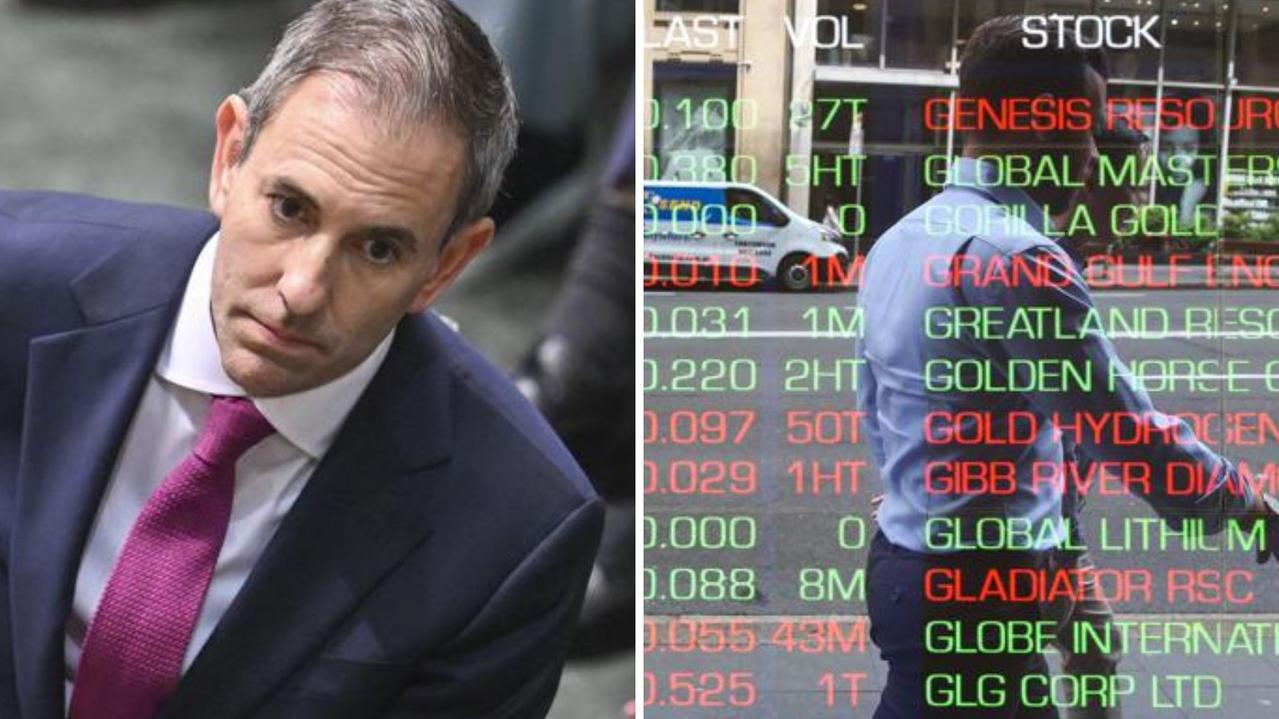
    Japan’s Nikkei 225 surged 2.6% to close at 55,106.69, buoyed by stronger-than-expected export data for February. South Korea’s Kospi outperformed with an impressive 3.8% leap to 5,854.28. The bullish sentiment extended to Australia’s S&P/ASX 200, which climbed 0.5% to 8,653.40, while Taiwan’s Taiex added 1.3% and India’s Sensex advanced 0.6%.

    The market optimism emerged despite Iran’s continued military provocations against Gulf neighbors and Israel, including missile attacks that resulted in casualties near Tel Aviv. Rather than reacting to geopolitical tensions, investors focused on the commodity markets, where Brent crude declined 2.3% to approximately $101 per barrel after briefly surpassing $106 earlier in the week. U.S. benchmark crude experienced an even steeper drop, falling more than 3% to $93.17 per barrel.

    Analysts from ING Bank noted that global oil flows remain significantly constrained, with the strategically vital Strait of Hormuz—through which roughly 20% of the world’s crude passes—facing operational challenges due to regional conflicts.

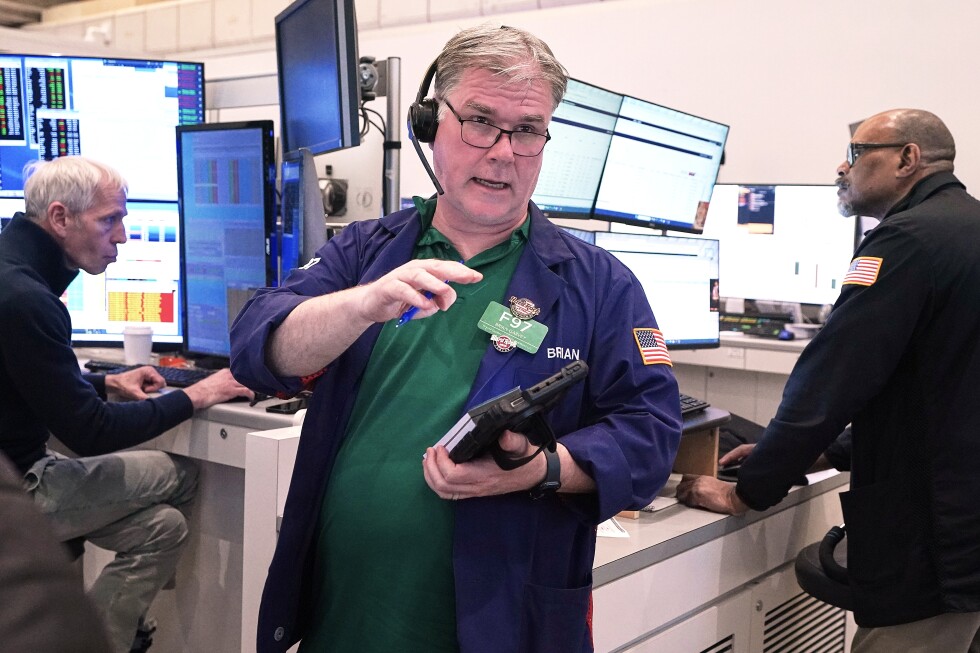
    The positive momentum carried into U.S. futures, which rose 0.4% following moderate gains on Wall Street. Market participants maintained cautious optimism ahead of the Federal Reserve’s impending interest rate decision, with widespread expectations that policymakers would maintain current rates amid persistent inflationary pressures fueled by energy costs.

    Individual corporate developments included Delta Air Lines soaring 6.6% after raising its revenue forecast, citing robust travel demand that could potentially offset rising jet fuel expenses. Uber Technologies advanced 4.2% following its announcement of an expanded partnership with Nvidia to deploy autonomous vehicles in major U.S. cities starting next year.

    Currency markets saw the U.S. dollar retreat slightly against the Japanese yen to 158.85, while the euro edged lower to $1.1539.

  • Trump’s tariffs were supposed to help manufacturers. But instead, they’re hurting

    Trump’s tariffs were supposed to help manufacturers. But instead, they’re hurting

    WASHINGTON — The implementation of tariff-centered economic policies under the Trump administration has generated severe unintended consequences for American manufacturing enterprises, contrary to their intended protective purpose. Jay Allen, an Arkansas-based manufacturer and initial supporter of President Trump, exemplifies this troubling trend as his industrial equipment company faces substantial operational challenges directly attributable to import taxes.

    Allen Engineering Corp., which produces high-value concrete installation equipment, has experienced significant financial strain due to increased costs for essential imported components including engines, steel, gearboxes, and clutches. These tariff-induced cost escalations have forced the company to operate at a financial loss, reduce its workforce from 205 to 140 employees, and implement price increases of 8-10% on products that can reach $100,000 per unit.

    Statistical evidence indicates a broader national pattern contradicting the administration’s manufacturing objectives. During President Trump’s first full year back in office, approximately 98,000 manufacturing jobs were eliminated nationwide. Additionally, American companies are currently pursuing litigation against the administration seeking over $130 billion in tariff reimbursements, while federal deficit projections continue to rise.

    The White House maintains an optimistic outlook, with acting Council of Economic Advisers Chairman Pierre Yared emphasizing that factory revival requires time for production capabilities to develop fully. Administration officials point to elevated construction spending, increased factory construction hiring, and improved manufacturing productivity as indicators of eventual positive outcomes.

    However, economic analysts note that current construction growth primarily stems from initiatives launched during the Biden administration, particularly the CHIPS and Science Act which provided substantial subsidies for computer chip manufacturing facilities. According to Skanda Amarnath of Employ America, manufacturing construction spending has actually declined during Trump’s presidency, with current activity largely reflecting completion of projects initiated under previous policies.

    The fundamental uncertainty surrounding tariff implementation has created significant obstacles for manufacturing investment decisions. President Trump has enacted over 50 formal tariff actions alongside numerous informal threats, generating a complex landscape of announcements, reversals, exemptions, and legal challenges. This unpredictability discourages capital investment, as evidenced by Allen Engineering’s dilemma regarding a potential $20 million investment in domestic engine production amid uncertain trade policy longevity.

    Academic analysis from University of Toronto economist Joseph Steinberg suggests that even under optimal conditions, manufacturing employment would require approximately a decade to recover to pre-tariff levels. The current environment, characterized by policy instability and limited international cooperation, falls substantially short of this ideal scenario.

    Small and medium-sized manufacturers bear disproportionate burden from these policies, as they lack the lobbying influence and brand recognition of major corporations to mitigate tariff impacts. The Association of Equipment Manufacturers reports that America’s global manufacturing share significantly trails China’s, prompting calls for targeted tax credits and exemptions for components unavailable domestically at scale.

    Steel tariffs implemented in March and increased to 50% in June have particularly affected equipment manufacturers. Glen Calder of Calder Brothers, a South Carolina-based asphalt equipment manufacturer, reported immediate 25% price increases on domestic steel preceding formal tariff implementation, with sustained elevated pricing thereafter.

    Despite intended objectives to enhance competitiveness against China, U.S. manufacturing trade imbalances have worsened under current policies. China’s global trade surplus reached a record $1.2 trillion, highlighting structural limitations in the administration’s unilateral approach to trade policy. Lori Wallach of the American Economic Liberties Project notes that the avoidance of international cooperation and failure to build multinational coalitions has left American manufacturers at a competitive disadvantage in addressing fundamental issues like currency manipulation and subsidy enforcement.

  • Oil’s monopoly kaput, China to be top supplier of energy security

    Oil’s monopoly kaput, China to be top supplier of energy security

    The ongoing Middle East conflict has triggered a fundamental reassessment of global energy security, dramatically accelerating demand for China’s clean energy technologies. Contrary to earlier predictions that markets couldn’t absorb more Chinese exports, recent trade data reveals unprecedented growth in China’s energy technology shipments to global markets.

    China’s 2025 trade surplus expanded by 20% year-on-year to reach $1.2 trillion, defying existing tariff barriers. While exports to the United States declined by 20%, this was more than offset by substantial increases elsewhere. Exports to ASEAN nations surged by 13%, while African imports of Chinese goods jumped by 26%. Preliminary 2026 data shows even more dramatic growth, with dollar-denominated exports increasing by 22% in January-February, including extraordinary spikes of 27% to ASEAN countries and 47% to African markets.

    The Middle East conflict has fundamentally undermined confidence in oil-based energy systems, with the closure of the Strait of Hormuz demonstrating the vulnerability of petroleum supply chains. This security crisis has created unprecedented demand for energy alternatives, positioning China—as the world’s dominant manufacturer of electric vehicles, batteries, solar panels, wind turbines, and nuclear technology—as the new guarantor of global energy security.

    Technological breakthroughs have been central to this transformation. Battery prices have plummeted 90% over the past 15 years, while solar panel costs have dropped 85% during the same period. Chinese manufacturers like BYD now offer electric vehicles with 1,000-kilometer ranges and 5-10 minute charging capabilities, while NIO has established comprehensive battery swapping networks across China.

    The economic advantages have become undeniable: electric vehicles are now 3-4 times more energy efficient than internal combustion engines and are priced at approximately half the cost of equivalent conventional vehicles in Western markets. With oil prices potentially doubling from pre-conflict levels, the financial case for transition has become overwhelming.

    This shift is reversing what economists call the Lucas Paradox—the historical anomaly where capital flowed from poorer to richer nations. China’s manufacturing output now exceeds that of the United States, European Union, India, Japan, United Kingdom, and Russia combined. The Belt and Road Initiative has further diversified China’s trade relationships, with 2025 engagement reaching $210 billion, nearly double previous records.

    The changing energy landscape represents more than market fluctuation—it signals a fundamental restructuring of global economic relationships and energy infrastructure, with developing nations positioned to benefit most significantly from reduced dependence on volatile hydrocarbon markets.

  • Japan records trade surplus as export growth balances out weak China demand

    Japan records trade surplus as export growth balances out weak China demand

    Japan’s economic landscape shifted in February as the nation posted a trade surplus of 57.3 billion yen ($360 million), marking a significant reversal from January’s 1.15 trillion yen deficit. According to preliminary data released by the Finance Ministry, exports expanded by a robust 4.2% year-on-year to 9.57 trillion yen, exceeding market expectations. This growth occurred alongside a 10.2% increase in imports, which reached 9.51 trillion yen.

    The recovery comes despite notable headwinds. Shipments to China, Japan’s largest trading partner, contracted by 10.9%, a decline partially attributed to the timing of the Lunar New Year holidays which dampened seasonal demand. Similarly, exports to the United States fell by 8%, pressured by a 15% tariff on Japanese automobiles imposed during the Trump administration that continues to burden automakers and supply chains.

    Geopolitical tensions and energy market volatility present ongoing challenges. The effective closure of the Strait of Hormuz due to conflict has driven Brent crude prices to approximately $100 per barrel, threatening to increase import costs for a nation that relies almost entirely on foreign oil. Conversely, the yen’s pronounced weakness—trading near 159 against the U.S. dollar compared to 150 a year ago—is providing an unexpected boost to export competitiveness.

    European markets emerged as a bright spot, with exports surging 17%, while shipments to the rest of Asia grew by 2.8%. Investors are now closely monitoring the Bank of Japan’s upcoming policy decision and the potential outcomes from the anticipated summit between former President Trump and Prime Minister Sanae Takaichi, which could significantly influence future trade relations.

  • Paraguay becomes final South American country to approve Mercosur-European Union trade deal

    Paraguay becomes final South American country to approve Mercosur-European Union trade deal

    SANTIAGO, Chile — In a landmark decision that concludes a quarter-century of negotiations, Paraguay has become the final founding member of the Mercosur trade bloc to ratify the comprehensive free trade agreement with the European Union. This ratification establishes one of the world’s most significant economic zones, encompassing over 700 million people and representing approximately 25% of global GDP.

    The Paraguayan Chamber of Deputies unanimously approved the agreement with all 58 present legislators endorsing the deal, following the Senate’s approval nearly two weeks prior. The legislation now awaits President Santiago Peña’s signature to complete the national ratification process.

    This development marks the culmination of ratification by all Mercosur founding nations, with Uruguay and Argentina having approved the agreement in late February, followed by Brazil’s unanimous Senate ratification in early March. Bolivia, Mercosur’s newest member, did not participate in initial negotiations but will have the opportunity to join the agreement in subsequent years.

    During a marathon parliamentary session exceeding nine hours, legislators across party lines celebrated the achievement. Deputy Rodrigo Gamarra, presiding officer of the Mercosur Parliament, declared: “This constitutes a historic agreement for Paraguay, our region, and the global community. We are establishing what may become the world’s largest market.”

    The agreement represents a significant breakthrough after prolonged negotiations marked by periodic hesitations. Deputy Juanma Añazco characterized the pact as “the bridge to full integration,” while Deputy Alejandro Aguilera noted the historical significance of overcoming “years and years of negotiations and reluctance.”

    Opposition members likewise expressed support, with independent Deputy Raúl Benítez emphasizing that “where there is isolation, we respond with multilateralism.”

    On the European side, the European Commission has indicated it will provisionally implement the agreement while a legal challenge proceeds through the European Court of Justice. The pact faces opposition from France, left-wing political groups, and agricultural organizations concerned about potential destabilization of European farming sectors.

    European Commission President Ursula von der Leyen, alongside Brazilian President Luiz Inácio Lula da Silva, emerged as a principal architect of the agreement, which she described as “one of the most significant trade agreements of the first half of this century.” She further noted that “Mercosur embodies the spirit with which Europe operates on the global stage,” enhancing European strength and independence.

    The treaty emerges amid global political fragmentation and economic realignments, with several European nations confronting security challenges and strained transatlantic relations.

  • China lends support to major Ethiopian fertilizer project

    China lends support to major Ethiopian fertilizer project

    In a landmark move for African industrialization, Chinese energy conglomerate GCL Group has entered into a comprehensive 25-year natural gas supply agreement valued at approximately $4.2 billion with Nigeria’s Dangote Group. This strategic partnership will fuel a transformative fertilizer manufacturing project in Ethiopia that promises to reshape agricultural production across East Africa.

    The agreement, finalized during recent ceremonies in Lagos, establishes an integrated energy-to-agriculture value chain connecting Ethiopia’s Ogaden Basin gas reserves with industrial manufacturing capabilities. GCL will extract and supply natural gas from the Calub Gas Field, transporting it via a dedicated 108-kilometer pipeline to Dangote’s state-of-the-art urea fertilizer complex in the Somali Region. With operations scheduled to commence in 2029, the facility will boast an annual production capacity of 3 million tons, positioning it as East Africa’s premier modern fertilizer production center.

    The $2.5 billion project features an equity structure with Dangote Group controlling 60% ownership while Ethiopian Investment Holdings maintains a 40% stake. This arrangement reflects a collaborative approach to African industrial development that combines international expertise with local investment participation.

    Aliko Dangote, founder of the eponymous conglomerate, emphasized the strategic significance of breaking Africa’s cycle of exporting raw materials while importing finished goods. “This partnership establishes an efficient value chain from natural gas extraction to fertilizer production,” Dangote stated, “ultimately strengthening Africa’s capacity to secure its own food supply through agricultural self-sufficiency.”

    GCL Chairman Zhu Gongshan characterized the agreement as a milestone in China-Africa industrial cooperation, highlighting how the partnership merges Chinese energy infrastructure expertise with Dangote’s extensive manufacturing footprint across the continent. The project represents an evolution in China-Ethiopia relations, which have deepened through practical cooperation across infrastructure, manufacturing, and energy sectors in recent years.

    Industry analysts project substantial market impacts, noting that East African nations currently depend heavily on imported fertilizers to meet agricultural demands. Upon completion, the complex is expected to fully satisfy Ethiopia’s domestic urea requirements while generating surplus for regional export markets.

    Beyond fertilizer production, the initiative promises broad economic benefits including thousands of local employment opportunities, infrastructure development enhancements, and strengthened energy security. The integrated model—connecting upstream gas production, midstream transportation, and downstream manufacturing—establishes a new paradigm for large-scale China-Africa industrial collaboration while advancing low-carbon industrial production through natural gas utilization.

  • Beyond the surplus: China’s 50 billion yuan-a-day buying power

    Beyond the surplus: China’s 50 billion yuan-a-day buying power

    While global attention frequently centers on China’s substantial trade surplus, a compelling counter-narrative reveals the nation’s massive import capacity that fundamentally reshapes global trade dynamics. Official data indicates China maintains an extraordinary import rhythm, purchasing approximately 35 million yuan worth of goods every minute, accumulating to nearly 50 billion yuan daily and approximately 18.5 trillion yuan annually.

    This sustained import performance has secured China’s position as the world’s second-largest import market for 17 consecutive years, demonstrating consistent and massive demand for international products and commodities. The scale of China’s importing activity represents a crucial economic engine for exporting nations worldwide, creating substantial market opportunities across diverse sectors including agriculture, technology, manufacturing, and consumer goods.

    The import figures challenge simplified characterizations of China’s trade relationships, revealing a complex economic ecosystem where China functions simultaneously as both global supplier and massive consumer. This dual role highlights the interdependence of global supply chains and China’s integral position within international trade networks.

    Recent developments including China’s continued market liberalization measures and participation in multilateral trade agreements suggest this import trajectory will likely intensify, potentially creating new opportunities for international exporters seeking access to China’s vast consumer market and industrial base.

  • Australian first-home buyers face grim market as property prices continue to surge

    Australian first-home buyers face grim market as property prices continue to surge

    Australia’s blistering property market is exhibiting definitive signs of deceleration in response to consecutive interest rate hikes by the Reserve Bank of Australia (RBA). However, this cooling trend delivers a paradoxical outcome for aspiring homeowners, failing to translate into improved affordability or accessibility for those attempting to enter the market.

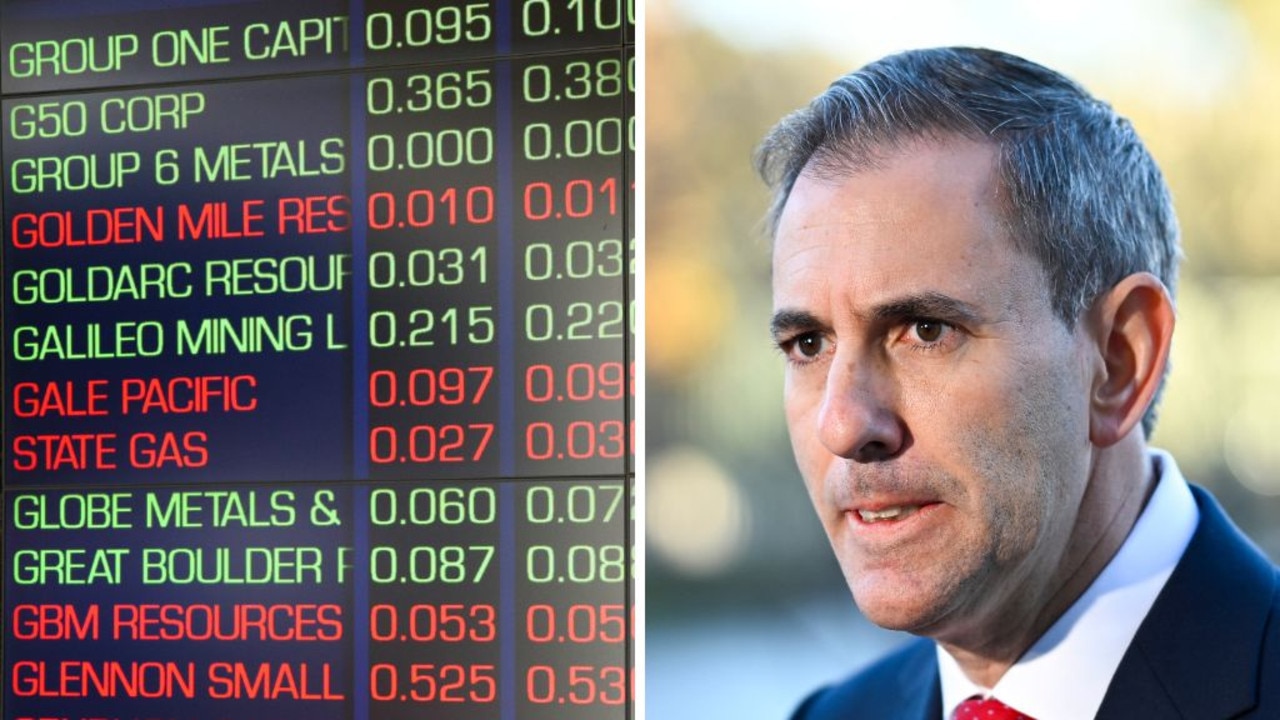
    The official cash rate now stands at a substantial 4.10 percent, its highest point since April 2025, following aggressive back-to-back increases in February and March. Financial markets are bracing for additional monetary tightening, potentially as soon as May, which would entirely erase the interest rate relief experienced throughout 2025.

    Independent economist Eliza Owen provides a sobering analysis, indicating that while price declines are materializing, they are concentrated in the premium segment of the market. ‘Typically, the higher end demonstrates greater sensitivity to interest rate fluctuations because, in dollar terms, borrowing capacity experiences a more significant reduction,’ Ms. Owen explained. She further noted that government incentives, such as the 5 percent deposit scheme, are ironically sustaining demand at the lower end, creating intensified competition among first-home buyers and counteracting the downward price pressure from rate rises.

    Compounding the issue are external economic shocks, including oil price volatility stemming from geopolitical tensions involving the US, Israel, and Iran. Ms. Owen forecasts a ‘mild decline’ in the markets of Sydney and Melbourne, with other cities and regional areas continuing to see price growth, albeit at a reduced pace. A critical factor limiting a major correction is supply constraint; as market conditions deteriorate, potential sellers and developers withdraw, opting to hold properties and shelve new projects rather than sell into a weakening market.

    Supporting this view, recent data from Proptrack reveals a landmark milestone: the combined capital city median house price surpassed $1 million for the first time in February. Hobart led monthly growth with a 1.0 percent increase, followed by Brisbane and Adelaide at 0.7 percent each. Brisbane’s annual surge of $153,500 brought its median to $1,046,000, while Adelaide’s rose $118,600 to $929,000. Regional markets have notably outperformed capitals, climbing 0.6 percent in February and 10.5 percent year-on-year.

    Despite these daunting figures, not all hope is lost for new entrants. Metricon CEO Brad Duggan emphasized that housing remains a long-term decision, and delaying a purchase could be counterproductive if supply constraints persist. Data from his firm indicates that 40 percent of current customers are first-home buyers who are adapting their strategies—often compromising on location or design—rather than abandoning their ownership ambitions entirely, demonstrating resilience in the face of stretched affordability.

  • Chinese tea brands make a splash in Southeast Asia

    Chinese tea brands make a splash in Southeast Asia

    Southeast Asia has become the primary international expansion frontier for China’s premier tea beverage brands, marking a significant milestone in their global commercialization journey. This strategic movement represents more than mere business expansion—it symbolizes the fusion of traditional Chinese tea culture with vibrant tropical flavors, creating innovative health-conscious products that resonate deeply with regional consumers.

    The market penetration began gaining substantial momentum when Mixue inaugurated its inaugural overseas establishment in Hanoi, Vietnam, back in 2018. This pioneering move established the blueprint for subsequent expansions by other major Chinese beverage chains including Chagee, Heytea, and Naisnow, all of which accelerated their regional presence following the COVID-19 pandemic period.

    Industry analysts observe that these brands are capitalizing on Southeast Asia’s considerable market potential through culturally adaptive strategies. The successful formula combines China’s ancient tea traditions with locally inspired fruit infusions, delivering distinctive taste experiences that align with contemporary health and wellness trends.

    Beyond commercial success, this expansion serves as a cultural bridge, introducing international consumers to the richness and diversity of Chinese tea heritage while simultaneously demonstrating China’s growing soft power in the global food and beverage sector. The strategic positioning in geographically and culturally proximate Southeast Asian markets provides these brands with ideal testing grounds for future global ventures.

  • Asia braces for sweeping tariffs

    Asia braces for sweeping tariffs

    Multiple Asian economies are preparing for significant trade disruptions following the United States’ initiation of extensive Section 301 investigations, which could result in substantial tariffs on critical export sectors. This development comes in the wake of a landmark US Supreme Court decision on February 20 that declared “reciprocal tariffs” unlawful under current trade legislation.

    The investigations leverage Section 301 of the US Trade Act of 1974, which empowers the Office of the US Trade Representative (USTR) to examine allegedly unfair foreign trade practices. Upon identifying violations, the US government can implement tariffs or other trade restrictions to compel policy changes from trading partners.

    Malaysian Investment, Trade and Industry Minister Johari Ghani identified several vulnerable sectors including electrical and electronics, oil and gas, and plantation commodities such as palm oil. He emphasized that the Supreme Court ruling necessitates specific justification for tariffs rather than blanket impositions, stating that “if they claim it is due to trade surplus, they must specify the industry involved.”

    The USTR has launched two major investigations targeting 16 trading partners—including China, the European Union, Norway, Singapore, Cambodia, Indonesia, Malaysia, Bangladesh, Mexico, Japan and India—alleging structural excess capacity in manufacturing. A subsequent probe targets 60 economies over forced labor allegations.

    Singapore’s Ministry of Trade and Industry has challenged the factual basis of the investigations, noting significant discrepancies in trade data. While the USTR cited a $27 billion bilateral trade surplus for Singapore in 2024, official data from the US Bureau of Economic Analysis indicates Singapore actually maintained a trade deficit of approximately $27 billion with the United States.

    The investigations have drawn strong criticism across Asia. South Korea’s minor progressive Jinbo Party spokeswoman Son Sol condemned “the US’ unilateral act of aggression that shatters international trade order,” noting that the probes target key Korean sectors including automotive and semiconductor industries.

    Analysts from Singapore’s DBS Bank characterize the Section 301 moves as a “plan B” for the US administration following the Supreme Court’s rejection of reciprocal tariffs. The bank notes this approach aims to establish a more durable legal foundation for tariffs ahead of the July expiration of temporary global tariff measures.

    For smaller economies like Cambodia, where nearly 40% of exports destination is the US, the investigations highlight the urgent need for more resilient export strategies. Arnaud Darc, chairman of hospitality company Thalias, observed that “small economies rarely get to choose the moment their structural assumptions are tested.”

    In response to the trade pressure, South Korea’s National Assembly recently passed special legislation enabling $350 billion in US investments, fulfilling a commitment made previously in exchange for reduced tariffs. Trade Minister Yeo Han-koo emphasized that fulfilling investment promises represents the most effective approach to stabilizing tariff conditions.