分类: business

  • UAE’s 3 airlines rated among world’s 5 safest; Etihad ranked safest globally

    UAE’s 3 airlines rated among world’s 5 safest; Etihad ranked safest globally

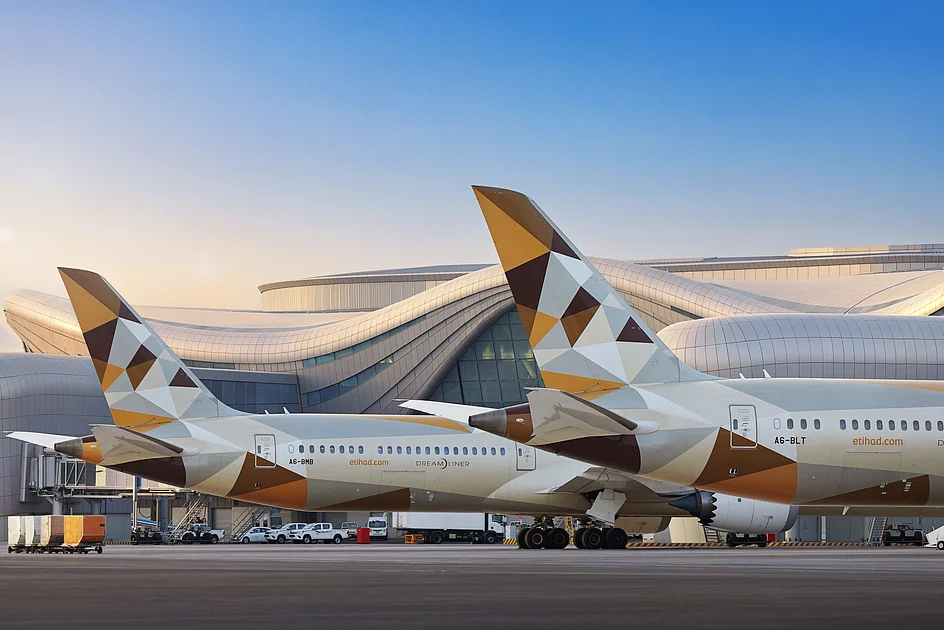
    The United Arab Emirates has cemented its position as a global leader in aviation safety, with three of its carriers securing spots among the world’s top five safest airlines according to AirlineRatings’ prestigious 2026 assessment. Etihad Airways achieved the remarkable distinction of being ranked the world’s safest airline, marking the first time a Gulf carrier has claimed the top position.

    The comprehensive safety evaluation, which analyzed 25 full-service and budget carriers, placed Etihad at the pinnacle followed by Cathay Pacific, Qantas, Qatar Airways, and Emirates completing the top five. The rankings considered multiple safety parameters including fleet age, incident rates, crash history, cockpit safety advancements, and independent onboard safety audits.

    Sharon Petersen, CEO of AirlineRatings, emphasized that Etihad’s achievement resulted from a combination of factors: “A young fleet, advancements in cockpit safety particularly around turbulence management, a crash-free history, and the lowest incident rate per flight of any airline on our list. Their excellent adherence to turbulence management in the cabin during our independent audit was particularly impressive.”

    Antonoaldo Neves, CEO of Etihad Airways, expressed pride in receiving “one of the most respected airline safety awards in the world,” noting that the achievement “reflects the strength of our safety culture, the dedication of our people, and the aviation excellence of our region.”

    The UAE’s aviation success story is underpinned by substantial investments exceeding billions of dollars in new, fuel-efficient aircraft. This strategic commitment was demonstrated during the Dubai Airshow 2025, where UAE carriers—Emirates, Etihad Airways, and flydubai—collectively ordered over 500 commercial and cargo aircraft valued at approximately Dh420 billion.

    In the budget airline category, flydubai secured fourth position, making it the only regional carrier in the top ten safest low-cost airlines. HK Express led the budget rankings, followed by Jetstar Airways and Scoot.

    Petersen highlighted the remarkably narrow safety margins between top carriers, noting that incident rates across all listed airlines ranged between 0.002 and 0.09 per flight—a testament to the industry’s overall safety standards. “Inclusion in the top 25 reflects not just excellence in aircraft and operations but the crucial role of skilled aircrew and robust safety practices,” she added.

    The 2026 rankings also welcomed new entrants including Starlux and Fiji Airways, while Spring Airlines China became the first Chinese carrier to appear in AirlineRatings’ rankings.

  • Gold and silver hit record highs as global tensions drive investors

    Gold and silver hit record highs as global tensions drive investors

    Precious metals skyrocketed to unprecedented levels during Tuesday’s trading session as escalating geopolitical tensions and concerns over U.S. Federal Reserve independence triggered a massive flight to safety among global investors. The remarkable rally saw gold bullion momentarily touch an all-time high of $US4,629.94 before experiencing some pullback, while silver simultaneously climbed to $US85.50 per ounce.

    The Australian market reflected this commodities surge with the benchmark ASX 200 advancing 49.10 points (0.56%) to close at 8805.50, while the broader All Ordinaries index gained 45.80 points (0.50%) to finish at 9138.50. Materials stocks emerged as the standout performers, rallying more than two percent as the triple threat of record-breaking gold, silver, and copper prices created a powerful tailwind for mining companies.

    Market analyst Kyle Rodda of Capital.com attributed the sustained precious metals rally to growing investor apprehension. ‘Gold and silver achieved fresh record highs as the search for dollar alternatives intensifies,’ Rodda observed. ‘Despite the extended rally, the uptrend appears fundamentally sound with conspicuously strong underlying drivers.’

    The commodities boom propelled major mining giants to significant gains. BHP shares advanced 2.30% to $47.58, while Rio Tinto jumped 2.18% to $145.53. Gold specialists Northern Star Resources led sector gains with a 3.62% surge to $26.35, with Evolution Mining adding 2.01% to $13.17.

    Australia’s banking sector contributed substantially to market momentum, with all four major institutions posting solid gains. Commonwealth Bank traded 0.48% higher at $154.82, Westpac added 1.10% to $38.50, NAB leapt 1.85% to $42.39, and ANZ jumped 1.64% to $36.48.

    However, the market advance displayed sectoral unevenness, with only four of eleven sectors finishing higher. Energy shares retreated following recent oil price volatility, with Woodside falling 1.73% and Ampol slumping 4.82%. Consumer discretionary stocks similarly underperformed, led by declines in JB Hi-Fi, Eagers Automotive, and Breville.

    Individual corporate developments included Endeavour Group shares dropping 2.89% after forecasting lower margins, and GQG Partners plummeting 8.64% despite reporting increased funds under management. Defense contractors Austal and DroneShield bucked the negative trend with notable gains, possibly reflecting heightened geopolitical concerns.

  • Asian shares mostly rise and Tokyo hits a record, tracking fresh highs on Wall Street

    Asian shares mostly rise and Tokyo hits a record, tracking fresh highs on Wall Street

    Asian financial markets experienced a broad upswing on Tuesday, with Japan’s benchmark index leading the charge following record-breaking performances on Wall Street. The trading session saw mixed movements in U.S. futures and moderate gains in oil prices.

    Japan’s Nikkei 225 index soared dramatically, climbing 3.1% to reach an unprecedented intraday peak of 53,814.79 as markets reopened after a national holiday. This remarkable surge was primarily fueled by substantial advances in technology stocks. Leading the rally, semiconductor testing equipment manufacturer Advantest witnessed an impressive 8.5% jump, while chip producer Tokyo Electron advanced 8.3%. Conglomerate SoftBank Group also contributed significantly to the market optimism with a 4.3% gain.

    Market analysts are closely monitoring political developments in Japan, where Prime Minister Sanae Takaichi is reportedly considering calling a snap election. This strategic move would potentially strengthen her administration’s mandate for implementing expanded government spending policies.

    Other Asian markets demonstrated varied performance. Hong Kong’s Hang Seng Index progressed 1% to reach 26,877.01, bolstered by the spectacular debut of Chinese chip designer GigaDevice Semiconductor, which skyrocketed 54% in early trading. Meanwhile, China’s Shanghai Composite experienced a marginal decline of less than 0.1%, settling at 4,163.84.

    South Korea’s Kospi achieved fresh intraday records with a 0.6% increase to 4,651.67. Australia’s S&P/ASX 200 advanced 0.8% to 8,830.60, and Taiwan’s Taiex rose 0.5%. India’s Sensex presented a contrasting picture, declining 0.3% amid regional optimism.

    The market enthusiasm occurred against the backdrop of ongoing tensions between U.S. President Donald Trump and Federal Reserve Chair Jerome Powell. Investors appeared to balance concerns about potential erosion of Fed independence against expectations that presidential pressure might accelerate interest rate reductions. The Justice Department’s subpoena of the Fed regarding Powell’s testimony about headquarters renovations has further complicated this relationship.

    Monday’s trading concluded with Wall Street achieving new milestones: The S&P 500 gained 0.2% to reach 6,977.27, the Dow Jones Industrial Average edged up 0.2% to 49,590.20, and the Nasdaq composite rose 0.3% to 23,733.90.

    In corporate developments, Alphabet Inc. (Google’s parent company) saw its market valuation exceed $4 trillion following Apple’s announcement of integrating Google’s Gemini technology to enhance its Siri virtual assistant. Conversely, credit card companies faced significant losses after President Trump proposed implementing a one-year, 10% cap on credit card interest rates, potentially impacting industry profitability. Synchrony Financial dropped 8.4%, Capital One Financial declined 6.4%, and American Express decreased 4.3%.

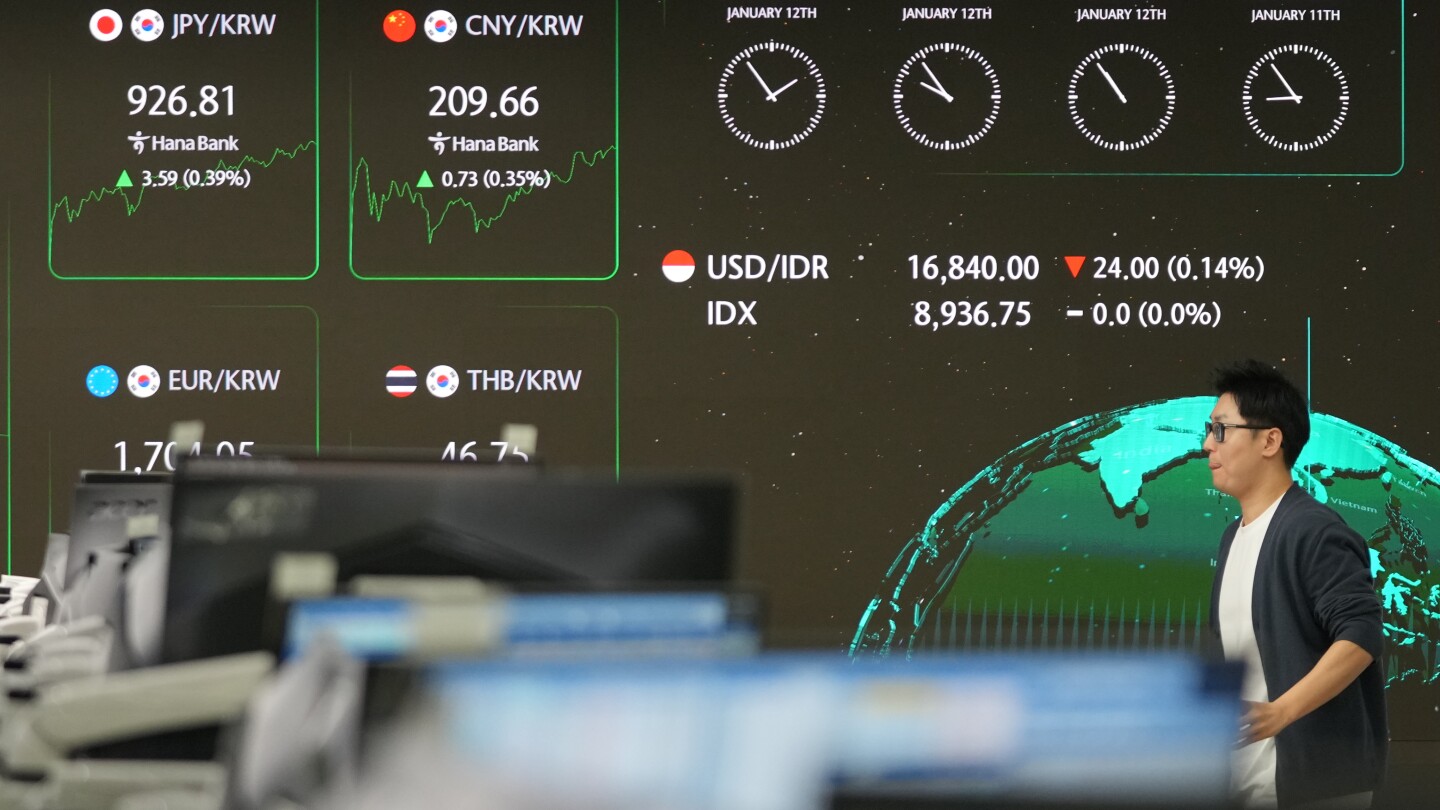
    Commodity markets showed mixed activity with gold prices dipping 0.2% while silver advanced 0.8%. Currency markets witnessed the dollar strengthening to 158.72 yen from 158.07 yen, trading near yearly highs, while the euro slightly weakened to $1.1666 from $1.1667.

  • Trump Organization and Saudi developer unveil $10bn in projects

    Trump Organization and Saudi developer unveil $10bn in projects

    The Trump Organization has significantly expanded its partnership with Saudi Arabian real estate developers through two major projects valued collectively at approximately $10 billion. This expansion represents one of the family business’s most substantial international ventures during Donald Trump’s political career.

    Dar Global, a subsidiary of the Saudi development giant Dar al-Arkan with close government ties, officially launched Trump Plaza Jeddah on Monday. The $1 billion project will feature luxury apartments, premium office spaces, exclusive townhouses, and a private park. According to company statements, the development aims to create a ‘carefully curated urban ecosystem’ targeting global residents seeking premium living and working spaces in Jeddah.

    Simultaneously, the Trump Organization and Dar al-Arkan revealed plans for a separate massive golf resort spanning 2.6 million square meters in Diriyah, located outside Riyadh. This historic area, recognized as a UNESCO World Heritage Site and the ancestral home of the Saudi royal family, is undergoing a comprehensive $63 billion transformation into a luxury destination.

    Eric Trump, representing the family business, emphasized the organization’s ‘commitment to world-class quality and iconic design’ through these ventures. He specifically noted the Trump family’s ‘confidence in Jeddah as a dynamic, globally relevant city.’

    These developments coincide with Saudi Arabia’s broader economic strategy to attract foreign investment across multiple sectors, including real estate. In January, the kingdom announced policy changes allowing non-Saudis to purchase property in major cities like Riyadh and Jeddah, signaling a significant shift in its approach to foreign ownership.

    The Trump Organization operates internationally primarily through licensing agreements, where foreign developers pay substantial fees for the right to use the Trump brand. According to financial reports, Dar Global’s licensing arrangement generated $21.9 million for the Trump family business last year alone.

    These business dealings have drawn scrutiny due to their timing amid Donald Trump’s political activities. While the former president has denied personally benefiting from his family’s international ventures, critics have raised concerns about potential conflicts of interest given his political connections to Gulf governments.

    The Saudi partnership represents the Trump Organization’s most significant overseas collaboration, with additional projects underway in Oman (a golf course and luxury hotel), Qatar (Trump International Golf Club and villas), and the UAE (an 80-story Trump hotel featuring ‘the highest outdoor pool in the world’).

  • Dubai hits Dh917 billion in real estate transactions, Sheikh Mohammed announces

    Dubai hits Dh917 billion in real estate transactions, Sheikh Mohammed announces

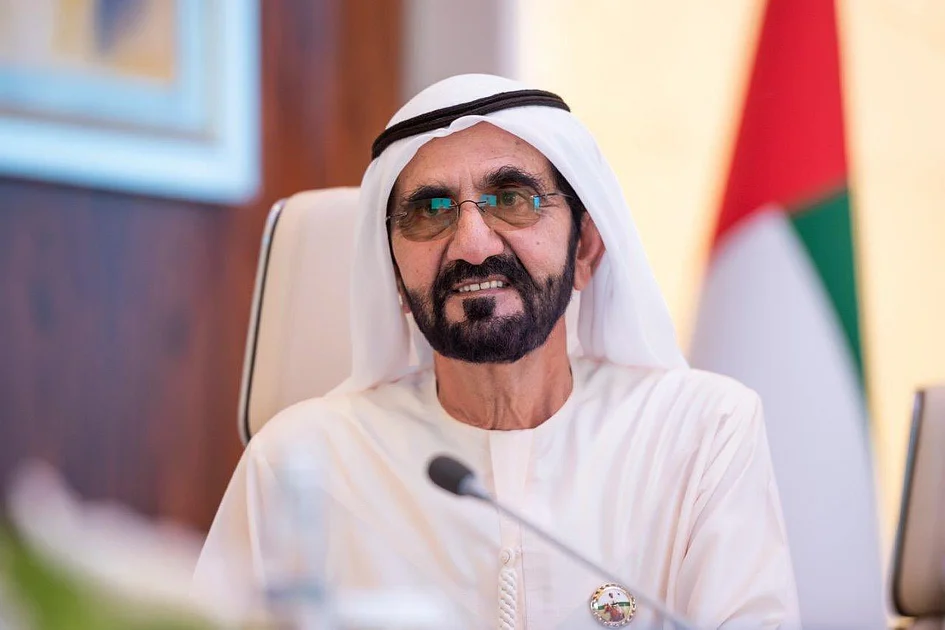
    Dubai’s real estate market has achieved an extraordinary milestone, recording a staggering Dh917 billion in transactions by the end of 2025. This announcement came directly from His Highness Sheikh Mohammed bin Rashid Al Maktoum, Ruler of Dubai, who revealed that this performance has dramatically exceeded strategic expectations set years earlier.

    The emirate’s original roadmap envisioned reaching Dh1 trillion in real estate transactions by 2033. The current figures demonstrate accelerated growth that has outpaced all projections. Sheikh Mohammed expressed profound gratitude to global investors for their sustained confidence in Dubai’s economy, stating: “We promise everyone that we are continuing to develop all our sectors to provide the best opportunities for those who have placed their trust in our national economy. In the UAE, we say what we do, and we do what we say.”

    Comprehensive market analysis reveals unprecedented growth across all metrics. The sector closed 2025 with 215,700 property sales—an 18.7% increase in transaction volume and a remarkable 30.9% surge in sales value compared to 2024 figures. Overall real estate activity reached 3.11 million transactions encompassing sales, leases, and various services, representing a 7% year-on-year increase.

    Investment patterns showed equally impressive dynamics, with real estate investments surpassing Dh680 billion across 258,600 deals. This represents a 29% growth in value and 20% increase in transaction numbers. The investor base expanded significantly to approximately 193,100 participants, including 129,600 new entrants to the market.

    Notably, women investors demonstrated substantial market engagement, investing Dh154 billion through 76,700 transactions—recording 31% growth in value and 24% in volume. Luxury property investments reached Dh3.98 billion, while market analysis indicated an average transition period of 4.8 years from renter to investor status.

    Geographical distribution of activity highlighted balanced growth across Dubai. Al Barsha South Fourth led in transaction numbers, while Business Bay dominated in transaction value. Palm Jumeirah commanded the highest mortgage values, demonstrating the diversity of investment opportunities throughout the emirate.

    This exceptional performance aligns with the Dubai Real Estate Sector Strategy 2033 and the broader Dubai Economic Agenda D33, which aims to double the emirate’s economy and cement its position among the world’s leading economic cities. The results underscore Dubai’s economic resilience, strategic planning effectiveness, and its ability to maintain quality of life while pursuing ambitious growth objectives.

  • Dubai closes 2025 with its strongest ever property sales quarter at Dh187 billion

    Dubai closes 2025 with its strongest ever property sales quarter at Dh187 billion

    Dubai’s property market concluded 2025 with unprecedented momentum, achieving a record-breaking Dh187.47 billion in sales transactions during the fourth quarter according to data released by Property Finder, the Middle East and North Africa’s leading property portal. This remarkable performance represents the strongest quarterly sales figures in the emirate’s history, demonstrating sustained investor confidence and market resilience.

    The final quarter’s achievement was propelled by three consecutive months of exceptional performance: October recorded Dh59 billion, followed by two months of Dh64 billion each in November and December. This consistent upward trajectory underscores Dubai’s position as a premier global investment destination, attracting substantial international capital across diverse property segments.

    Market analysis reveals distinct patterns across Dubai’s residential corridors. Premium neighborhoods including Palm Jumeirah, Dubai Marina, and Downtown Dubai maintained their dominance in transaction values, driven by limited supply and robust demand from high-net-worth international buyers. Simultaneously, thoughtfully developed mid-market communities such as Jumeirah Village Circle experienced heightened activity, particularly in the competitive off-plan sector, catering to budget-conscious purchasers.

    Market dynamics show Business Bay continuing to attract investors through its mixed-use amenities and central location, while Dubai Hills Estate demonstrated balanced demand across both villa and apartment segments within its mature, master-planned environment.

    Rental market data indicates apartments commanding 80% of search interest, with studios and one-bedroom units showing increased popularity year-on-year. This shift suggests that rising rental rates throughout 2025 have prompted more individuals and smaller families to seek compact, affordable accommodations. The sales market mirrors this trend, with apartments accounting for 61% of buyer searches compared to 39% for villas.

    Cherif Sleiman, Chief Revenue Officer at Property Finder, characterized the performance as “structural and demand-led,” emphasizing that market momentum is “anchored in depth, diversity, and pricing resilience rather than short-term speculative activity.” This assessment points toward sustainable growth patterns heading into 2026, benefiting both buyers and investors across market segments.

  • Household spending spree shows first sign of cracking amid interest rate fears

    Household spending spree shows first sign of cracking amid interest rate fears

    Australian households are exhibiting a remarkable economic paradox: maintaining the fastest spending pace in two years while simultaneously reaching unprecedented levels of financial pessimism. The latest Westpac-Melbourne Institute consumer sentiment index reveals a concerning trend, dropping 1.7% to 92.9 in January following December’s dramatic 9% collapse. This psychological downturn occurs despite recent Australian Bureau of Statistics data showing a robust 6.3% spending surge through November—the most vigorous consumption rate in 24 months.

    The primary driver of this confidence crisis stems from shifting mortgage rate expectations. Matthew Hassan, Westpac’s Head of Australian Macro-Forecasting, notes that nearly two-thirds of consumers now anticipate higher mortgage rates within the next year—more than double September’s figures. This anxiety persists as the Reserve Bank of Australia prepares for its February 2-3 meeting, with economists divided between maintaining the current 3.60% rate or implementing a 25-basis-point increase to 3.85%.

    Compounding financial concerns, job security anxieties have emerged despite Australia’s stable 4.3% unemployment rate maintained through five of the past six months. Housing market pressures further exacerbate the situation, particularly in Queensland, Western Australia, and South Australia where Proptrack data shows dramatic price surges: Brisbane (14.6%), Perth (17.2%), and Adelaide (12.8%).

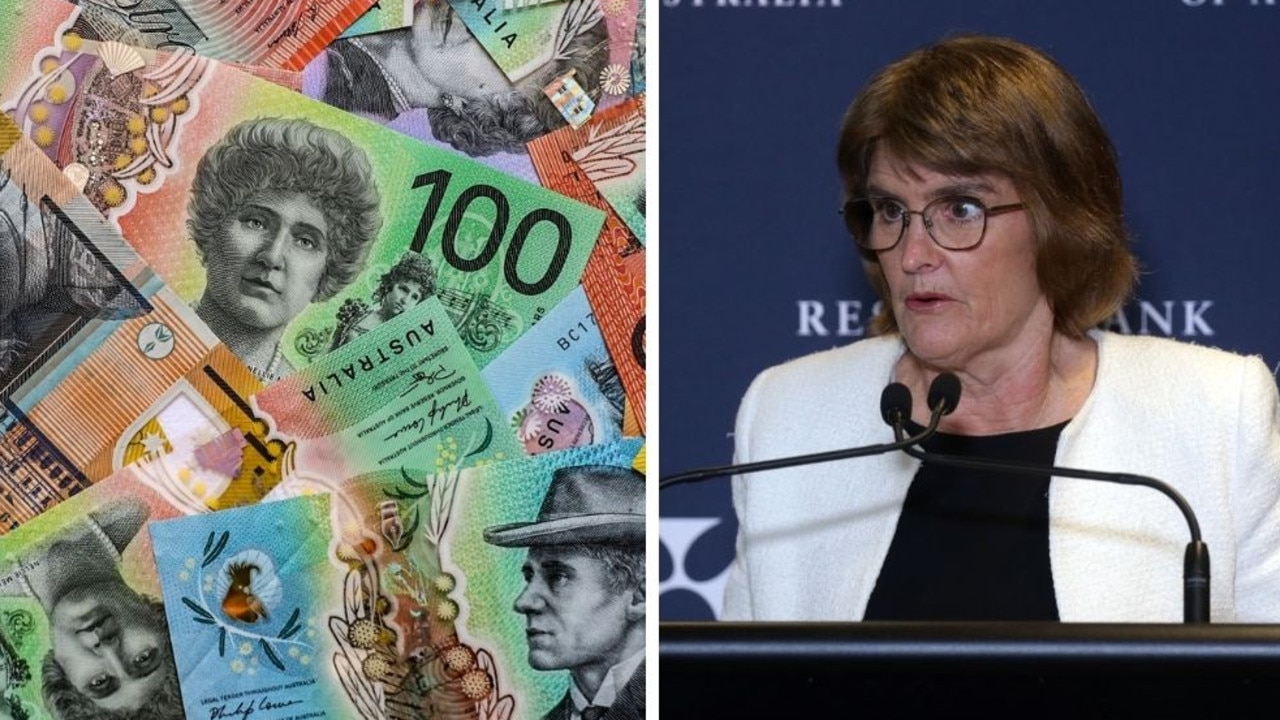
    AMP economist My Bui suggests this confidence deterioration signals the end of the recent spending boom, predicting more contained expenditure in December and January. The situation presents RBA Governor Michele Bullock with a complex policy challenge as she attempts to interpret how Black Friday sales and value-conscious consumption patterns might influence future inflation and rate decisions.

  • FAB, T. Rowe Price forge alliance to enhance investment solutions

    FAB, T. Rowe Price forge alliance to enhance investment solutions

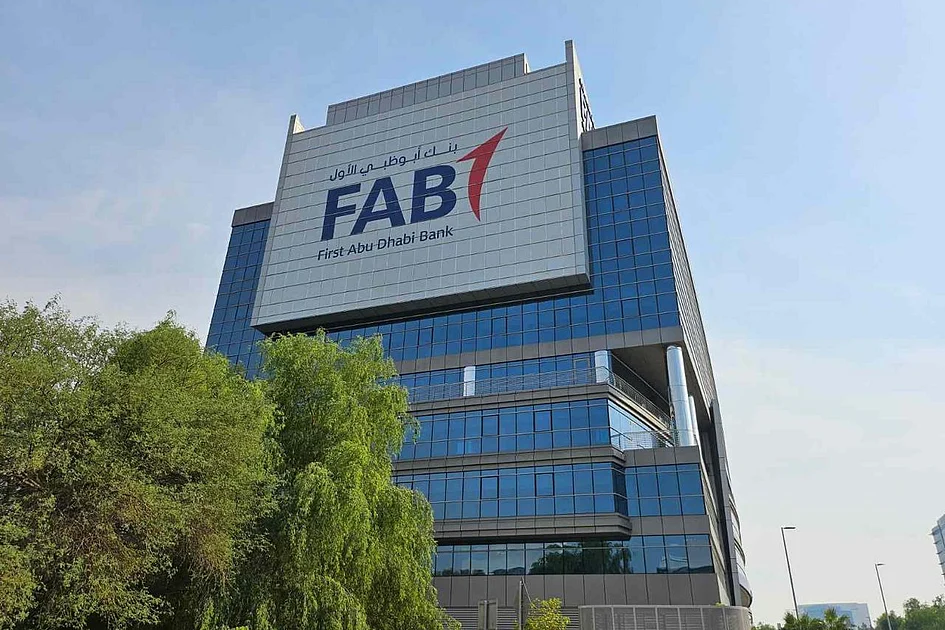
    In a significant development for the Gulf region’s financial sector, First Abu Dhabi Bank (FAB) has established a comprehensive strategic partnership with renowned global asset management firm T. Rowe Price. This alliance, formally announced in Abu Dhabi on Monday, represents a major advancement in investment capabilities available throughout the Gulf Cooperation Council (GCC) countries.

    The collaboration strategically positions T. Rowe Price as FAB’s primary investment partner, granting the bank’s diverse client base unprecedented access to sophisticated investment strategies. These encompass global equities, fixed income securities, alternative investments, and multi-asset solutions curated by one of the world’s most respected asset managers.

    This partnership is specifically engineered to enhance FAB’s investment offerings across all client segments, including retail investors, private banking clients, and institutional organizations. By integrating T. Rowe Price’s extensive global research infrastructure and proven active management expertise, FAB aims to deliver more sophisticated, internationally calibrated investment products tailored to regional market dynamics.

    The synergy combines FAB’s extensive regional presence, deep market understanding, and substantial client network with T. Rowe Price’s decades of global investment experience and product innovation. This fusion of capabilities will facilitate the development of customized investment solutions addressing the evolving requirements of GCC investors while promoting international standards within the region’s financial ecosystem.

    Hana Al Rostamani, Group CEO of First Abu Dhabi Bank, emphasized that this partnership demonstrates FAB’s ongoing commitment to enhancing investment sophistication and expanding solution diversity. She noted that collaborating with a globally recognized asset manager reinforces FAB’s position as a premier financial partner dedicated to delivering exceptional value across client segments.

    Rob Sharps, Chair, CEO and President of T. Rowe Price, expressed enthusiasm about expanding the firm’s Middle Eastern presence through this long-term strategic alliance. He highlighted that the partnership reflects T. Rowe Price’s commitment to developing innovative global collaborations and delivering world-class investment solutions specifically designed for GCC public and private market investors.

  • Dubai retail and warehouse markets surge amid tight supply and rising demand

    Dubai retail and warehouse markets surge amid tight supply and rising demand

    Dubai’s commercial property sector demonstrated exceptional resilience during the third quarter of 2025, with both retail and warehouse markets experiencing unprecedented growth driven by robust demand and severely constrained supply. According to Cavendish Maxwell’s comprehensive market analysis, retail sales transactions shattered records by exceeding Dh1 billion in a single quarter for the first time in the emirate’s history.

    The retail segment witnessed remarkable transaction volume increases, surging 78.7% quarter-on-quarter and 27.2% year-on-year. Off-plan deals emerged as the primary growth catalyst, skyrocketing 133% compared to the previous quarter and 64.7% from the previous year. Approximately 400 retail sales transactions were finalized during this period, reflecting intense investor appetite fueled by Dubai’s expanding population and record-breaking tourism numbers.

    Leasing markets experienced a paradigm shift as prime retail space became increasingly scarce. Tenants demonstrated a clear preference for renewing existing leases rather than relocating, with renewal contracts increasing 6.1% annually while new rental agreements plummeted 32.2%. This supply-demand imbalance triggered substantial rental growth across key commercial districts, with rates escalating between 7% and 15% in premium locations including Downtown Dubai, Dubai Marina, and Business Bay. Citywide retail rents advanced 7.7% year-on-year.

    The warehouse market mirrored this trend of constrained supply and rising costs. Although overall rental transactions decreased 8.3% year-on-year to approximately 4,200 deals, renewal activity surged dramatically by 62.2%, indicating occupiers’ strong preference for operational continuity. Industrial rental rates achieved double-digit growth, averaging 16.8% year-on-year across major logistics hubs including Jebel Ali, Dubai Investment Park, and Ras Al Khor, with increases ranging from 12% to 21%.

    Market experts attribute this sustained growth to structural factors including e-commerce expansion, Dubai’s consolidating position as a regional logistics hub, and unprecedented tourism performance. Major mall operators Emaar and Majid Al Futtaim reported average portfolio occupancies of 98%, with flagship destinations continuing to attract substantial footfall.

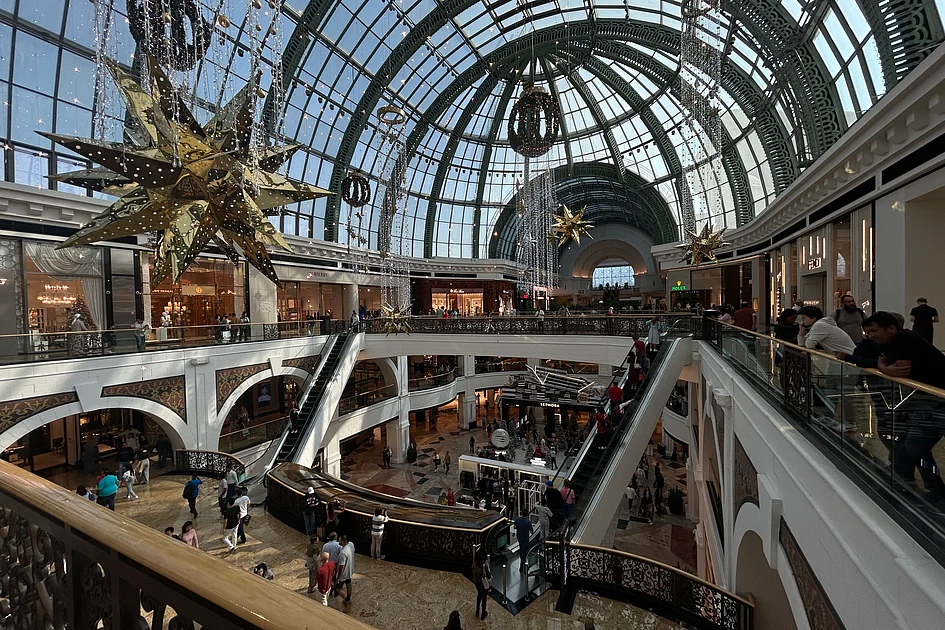
    Future development strategies are evolving to address market dynamics, focusing on smaller community shopping centers catering to daily needs alongside mega-expansions such as the Dh5 billion upgrade at Mall of the Emirates. The warehouse sector shows no indications of cooling, with persistent supply constraints and escalating demand from logistics and online retail expected to maintain upward pressure on rental rates. Industry analysts conclude that location security and long-term stability now carry greater strategic value than cost considerations in Dubai’s rapidly evolving commercial landscape.

  • Haier ranks first in global sales for 17th consecutive year

    Haier ranks first in global sales for 17th consecutive year

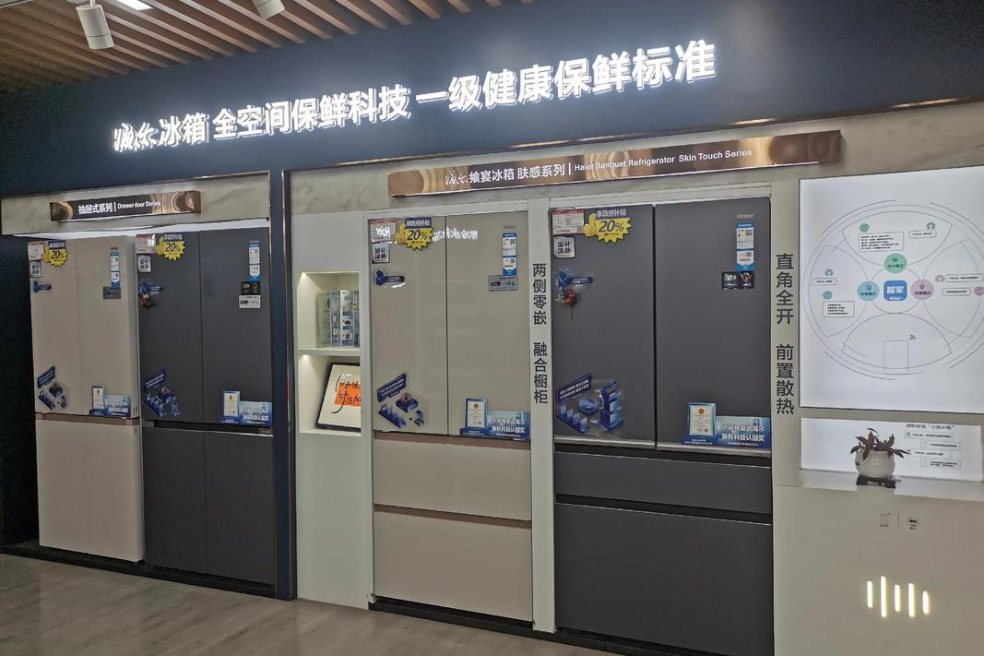
    Chinese multinational home appliances corporation Haier has secured its position as the world’s retail sales leader for major appliances throughout 2025, according to the latest data released by Euromonitor International. This remarkable achievement marks the seventeenth consecutive year that the Qingdao-based enterprise has maintained global market supremacy in the appliance sector.

    Haier’s international expansion strategy, initiated in 1991 with targeted entry into European markets, reached a significant milestone in 2016 when the company achieved operational break-even across its global network. The manufacturer has since developed an extensive worldwide infrastructure comprising 10 major R&D centers, 71 research institutes, 35 industrial parks, and 163 manufacturing facilities strategically positioned across international markets.

    The corporation’s global footprint now encompasses sales and service operations in over 200 countries and territories, serving an estimated one billion households worldwide. This expansive network supports Haier’s continuous innovation and market adaptation capabilities, contributing significantly to its sustained market leadership despite intensifying global competition and evolving consumer preferences in the home appliances industry.