分类: business

  • Taiwan hails its ‘best’ trade deal with US, as China protests

    Taiwan hails its ‘best’ trade deal with US, as China protests

    Taiwanese Premier Cho Jung-tai has characterized the newly established US-Taiwan trade agreement as the most favorable tariff arrangement available to nations maintaining trade surpluses with Washington. This assessment emerged alongside strong condemnation from Chinese officials in Beijing regarding the bilateral pact.

    The groundbreaking agreement, negotiated following former President Donald Trump’s proposed sweeping tariffs on multiple US trading partners, reduces US tariffs on Taiwanese goods to 15% in exchange for substantial investments totaling $250 billion within the American technology sector. This tariff rate aligns with those previously extended to the European Union, Japan, and South Korea, representing a significant reduction from the initially proposed 32% rate that was later adjusted to 20%.

    Premier Cho emphasized the strategic importance of this development, stating: “This demonstrates that the US views Taiwan as an important strategic partner. Our objective has been to lower mutual tariffs, and according to negotiation outcomes, Taiwan has successfully secured 15% tariffs without additional fees.”

    The arrangement includes specific provisions benefiting multiple industries: automotive and wood furniture sectors receive the 15% tariff rate without supplementary charges, while certain aerospace components gain complete tariff exemption. Semiconductor producers investing in the United States will qualify for preferential tariff treatment, including exemptions.

    The agreement establishes an economic partnership framework that will facilitate the creation of world-class industrial parks across the United States, aimed at bolstering domestic manufacturing capabilities. The US Department of Commerce described the pact as “a historic trade deal that will drive a massive reshoring of America’s semiconductor sector.”

    China’s Foreign Ministry spokesperson Guo Jiakun expressed firm opposition to the agreement, reiterating Beijing’s position against any sovereign-implicating agreements between countries maintaining diplomatic relations with China and Taiwan, which China claims as its territory.

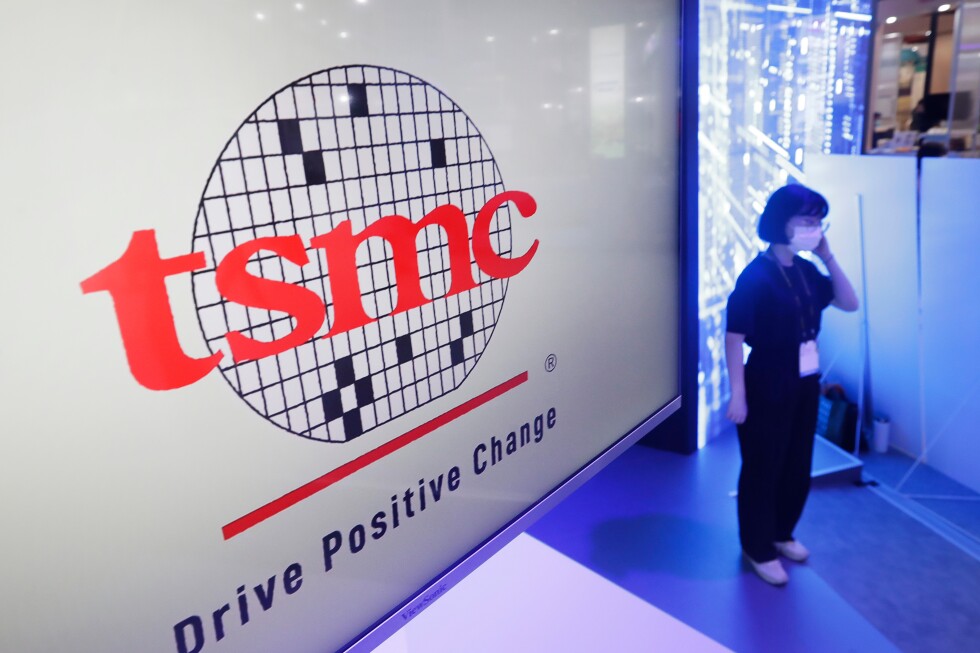
    The timing of the agreement coincides with Taiwan Semiconductor Manufacturing Company’s (TSMC) announcement of plans to increase capital spending by nearly 40% this year, following a 35% surge in quarterly net profit driven by artificial intelligence demand. TSMC has committed approximately $165 billion to US investments and is accelerating construction of new fabrication plants in Arizona.

    The agreement requires ratification by Taiwan’s parliament, where opposition lawmakers have raised concerns about potential impacts on the island’s domestic semiconductor industry. Despite these concerns and ongoing geopolitical tensions with China, Taiwan prioritized strengthening economic relations with the United States, according to trade expert Ryan Majerus, a former official in both Trump and Biden administrations.


  • The president and the public give the US economy different grades

    The president and the public give the US economy different grades

    A stark divergence has emerged between America’s robust economic performance and the public’s increasingly gloomy perception of economic conditions. While President Trump continues to award the economy his highest marks, consumer sentiment surveys reveal a dramatically different assessment from the American public.

    The Conference Board’s Consumer Confidence Index concluded 2025 significantly below its January peak, while the University of Michigan’s index, despite modest recent gains, remains nearly 25% lower than year-ago levels. This pessimism translates directly into political approval ratings, with only 36% endorsing the president’s economic management in recent NPR/Marist polling—the lowest reading in six years. Remarkably, over half of respondents believed the economy had already entered recessionary territory.

    This public sentiment contrasts sharply with conventional economic indicators. Equity markets delivered impressive returns throughout 2025, with the Dow Jones gaining 13%, the S&P 500 advancing 16%, and the NASDAQ surging 20%. Corporate profits followed suit, with S&P 500 companies recording 13% growth and analysts projecting additional 15-16% gains for 2026. The artificial intelligence revolution continues to drive substantial investment in data infrastructure and technological capabilities.

    Gross domestic product figures further contradict the pessimistic narrative. After adjusting for inflation and seasonal variations, third-quarter GDP expanded at a robust 4.3% annual rate, significantly exceeding historical averages, while the second quarter posted a solid 3.8% growth rate.

    The explanation for this perception gap lies in the uneven distribution of economic benefits. Despite strong aggregate numbers, job creation has stagnated, and although unemployment remains relatively low at 4.6%, anxieties about artificial intelligence displacing workers persist across even high-performing sectors. The Federal Reserve Bank of New York’s December survey revealed that expectations of finding new employment after job loss plummeted to a record low of 43.1%.

    Inflation concerns continue to weigh heavily on consumer psychology. With rates persistently hovering around 3%—nearly a full percentage point above the Federal Reserve’s target—Americans remain frustrated by elevated price levels rather than merely the pace of increases. Supply chain disruptions during the pandemic drove prices to unusually high levels in 2022, and consumers have grown impatient waiting for normalization.

    Additional structural challenges include housing affordability constraints, with 30-year mortgage rates remaining at approximately 6.2%, and the inflationary impact of presidential tariffs. The administration’s recent consideration of quick fixes, such as proposed credit-card interest rate caps, reflects growing recognition that macroeconomic statistics alone cannot overcome the public’s lived economic experience.

  • Venezuelan acting president calls for oil industry reforms to attract foreign investment

    Venezuelan acting president calls for oil industry reforms to attract foreign investment

    In a pivotal address to the National Assembly, Venezuela’s Acting President Delcy Rodriguez unveiled sweeping reform proposals for the nation’s crucial oil industry, signaling a strategic shift toward attracting international investment and stimulating economic recovery. The January 15th address—Rodriguez’s first annual report since assuming leadership—comes amid significant political changes following recent developments in Caracas.

    Rodriguez emphasized that the proposed legislative changes would fundamentally transform the operational landscape of Venezuela’s petroleum sector, creating more favorable conditions for external partnerships and collaboration. The acting president revealed that December 2025 production figures reached 1.2 million barrels, demonstrating the sector’s potential despite recent challenges.

    The administration plans to channel oil export revenues toward three primary areas: strengthening the public healthcare infrastructure, accelerating economic development initiatives, and advancing critical infrastructure projects. Rodriguez characterized this moment as a ‘historic turning point’ for Venezuela, emphasizing the government’s commitment to exploring ‘pragmatic and diversified approaches’ to foreign exchange and international engagement.

    Significantly, Rodriguez articulated Venezuela’s intention to rebuild relationships ‘on the foundation of mutual respect,’ specifically mentioning the United States among other international partners. This statement suggests a potential recalibration of foreign policy following recent geopolitical events.

    The proposed oil industry reforms represent the most substantial economic policy initiative since Rodriguez assumed leadership, potentially marking a new chapter in Venezuela’s approach to managing its vast hydrocarbon resources and international relations.

  • How the White House and governors want to fix AI-driven power shortages and price spikes

    How the White House and governors want to fix AI-driven power shortages and price spikes

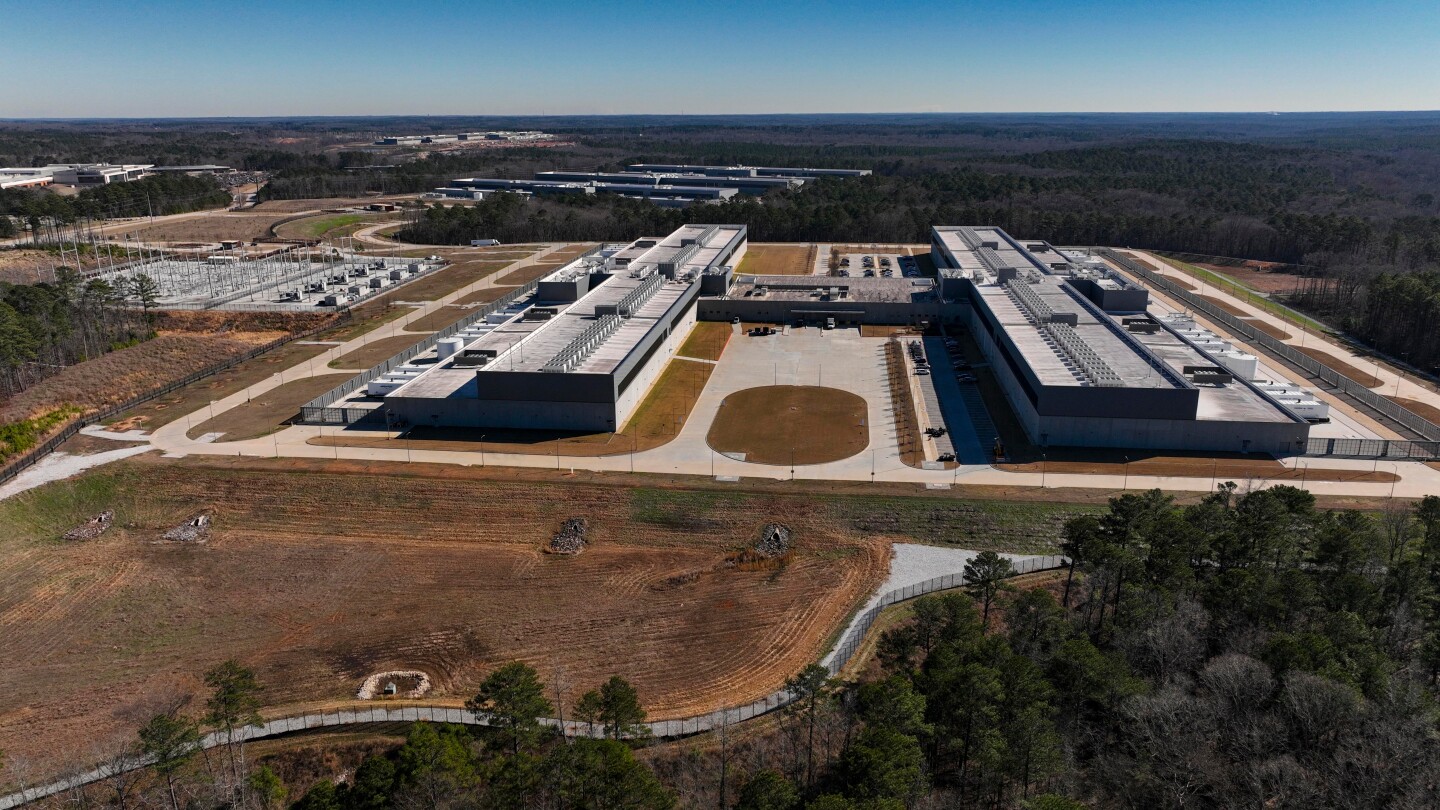
    A bipartisan coalition of state governors joined Trump administration officials in a unified push on Friday, demanding urgent action from the nation’s largest grid operator to expand electricity generation capacity. The extraordinary pressure campaign targets PJM Interconnection, which manages the mid-Atlantic power network serving 13 states and Washington D.C., amid growing concerns that artificial intelligence development could trigger widespread blackouts while dramatically increasing consumer electricity costs.

    Interior Secretary Doug Burgum framed the situation as a national security imperative, stating that winning the AI race against China requires massive power infrastructure investments. “We know that with the demands of AI and the productivity that comes with that, it’s going to transform every job and every company,” Burgum told reporters at the Eisenhower Executive Office Building. “But we need to be able to power that in the race we are in against China.”

    The proposed solution involves creating a specialized power auction allowing technology companies to directly bid on contracts for new power plant construction. This market-based approach would shift the financial burden of data center energy needs from residential consumers to the tech corporations driving demand. Additionally, officials want PJM to extend wholesale electricity price caps implemented last year that limit consumer cost increases through mid-2028.

    Governors Glenn Youngkin (Virginia), Wes Moore (Maryland), and Josh Shapiro (Pennsylvania) expressed mounting frustration with PJM’s response to the crisis. Moore emphasized that “we need for PJM to take action, we need for PJM to take it seriously,” while Youngkin characterized the situation as a “massive, massive crisis.”

    The urgency stems from alarming trends: analysts warn that data centers are consuming increasingly enormous power resources, with mid-Atlantic ratepayers already covering billions in infrastructure costs for facilities that haven’t been built. Meanwhile, electricity bills are rising faster than inflation nationwide, with many Americans falling behind on payments.

    Industry representatives from the Edison Electric Institute support the innovative bidding concept, though energy market experts question its feasibility within existing regulatory frameworks. Rob Gramlich of Grid Strategies LLC noted that PJM faces unique challenges, including longer permitting processes than states like Texas and complications from energy deregulation that left utilities without long-term power contracts.

    The standoff highlights the complex balance between technological advancement, consumer protection, and infrastructure development as America’s power grid faces unprecedented demands from the digital economy.

  • Survey says slowing economy is the No. 1 worry for US businesses in China, not trade friction

    Survey says slowing economy is the No. 1 worry for US businesses in China, not trade friction

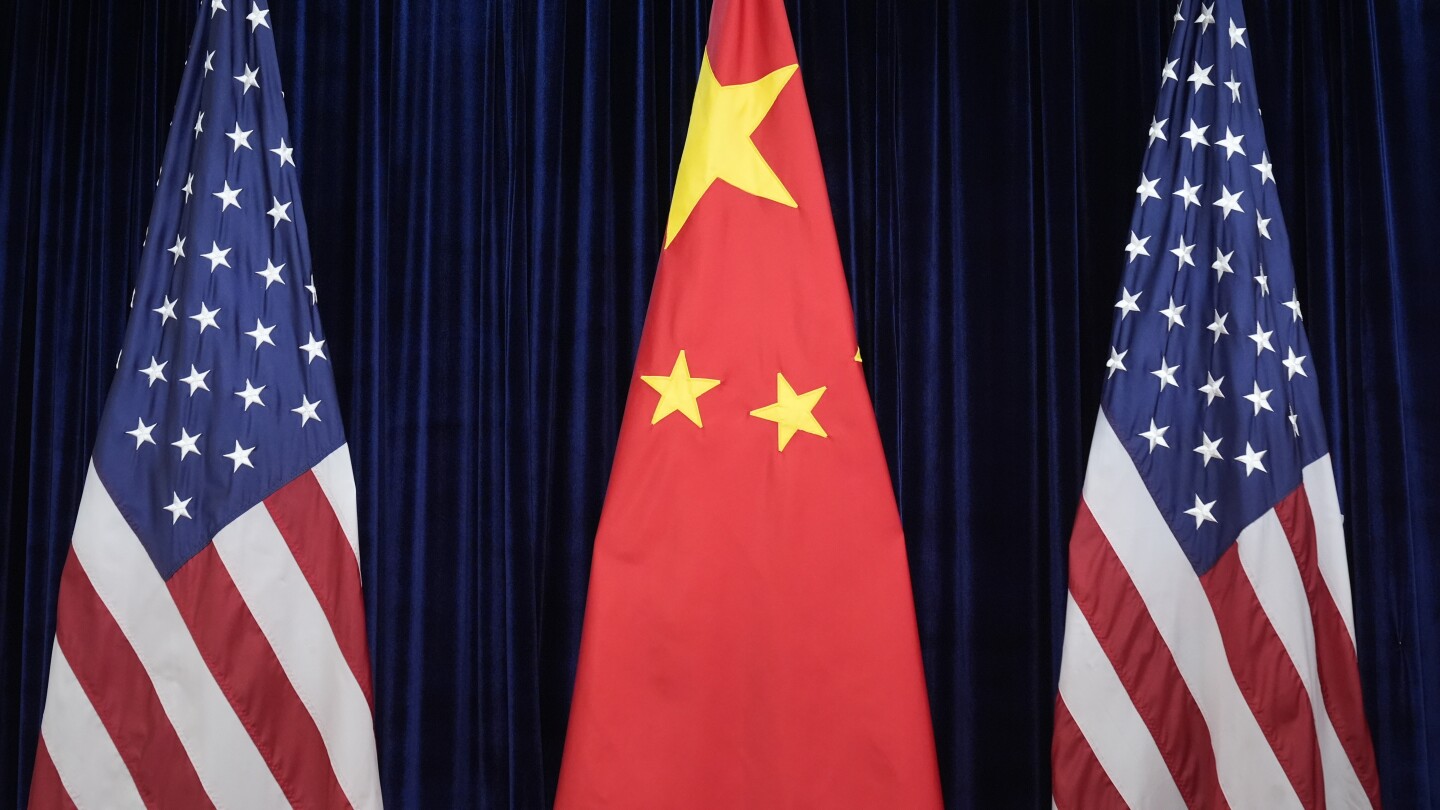
    A comprehensive survey conducted by the American Chamber of Commerce in China indicates that U.S. corporations operating in China now perceive the nation’s economic deceleration as a more pressing concern than bilateral trade disputes. The report, published Friday, reveals that 64% of the 368 responding companies identify China’s slowing growth as their primary challenge, while 58% cite ongoing U.S.-China trade tensions as a significant obstacle.

    This shifting priority reflects the substantial footprint of American businesses within China’s domestic market, which serves approximately 1.4 billion consumers. Many of these enterprises maintain operations focused exclusively on Chinese market consumption rather than export-oriented models.

    Economic projections suggest China’s expansion will continue moderating this year following an approximate 5% growth rate in 2025. Last year’s export performance exceeded import growth, resulting in a record trade surplus nearing $1.2 trillion.

    Despite these challenges, business sentiment has demonstrated improvement compared to previous years. Over half of surveyed companies reported profitability in 2025, marking a significant increase from the previous year’s figures. This optimism persists even as overall foreign direct investment in China declined by 7.5% year-over-year during the first eleven months of 2025, totaling 693 billion yuan ($99 billion).

    The current trade truce between Washington and Beijing, established after President Trump’s reinstatement of tariffs reaching 145% on Chinese imports, has provided some operational stability. Anticipated diplomatic exchanges, including Trump’s potential April visit to Beijing and reciprocal travel by Chinese leader Xi Jinping to the United States, may further influence commercial relations.

    AmCham China President Michael Hart emphasized during a media briefing that while companies acknowledge political realities, their focus remains on capitalizing on business opportunities. He noted perceived Chinese government interest in maintaining foreign investment channels, particularly from American enterprises.

    The survey conducted between October 22 and November 20, 2023, coincided with the extension of the U.S.-China trade truce agreement during the leaders’ meeting in South Korea.

  • Dubai real estate shows strength as developers drive sales across luxury and affordable sectors

    Dubai real estate shows strength as developers drive sales across luxury and affordable sectors

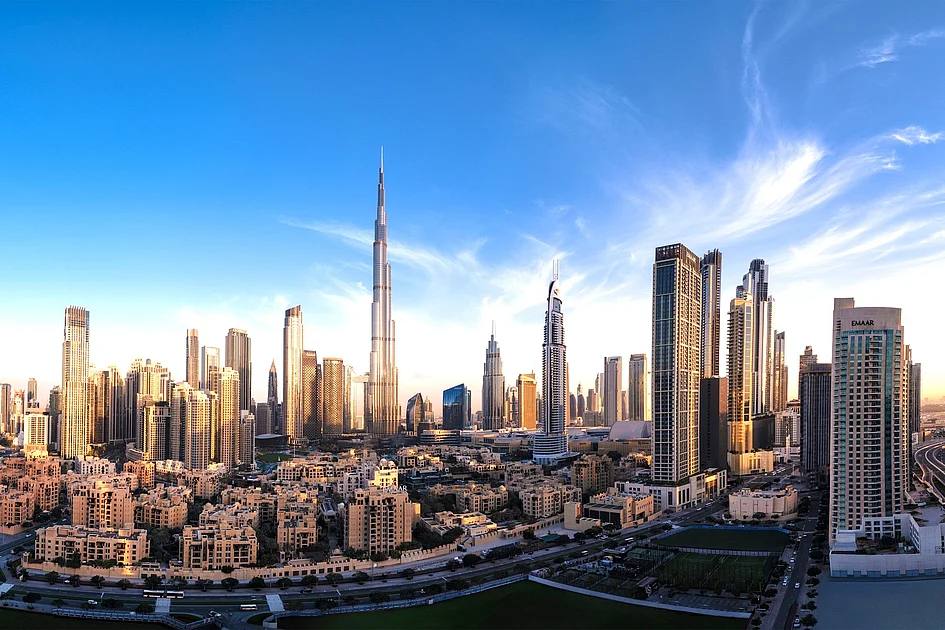
    Dubai’s property sector exhibited remarkable resilience and diversification throughout 2025, with leading developers driving substantial transaction volumes across both premium and affordable market segments. According to comprehensive market data, the emirate’s real estate landscape maintained balanced growth between properties valued above AED 15 million and those below AED 2 million, indicating broad-based market health that continues to attract both investors and end-users.

    Market analysis conducted by fäm Properties reveals Emaar Properties consolidated its dominant market position through exceptional performance across multiple metrics. The developer achieved sales totaling AED 65.8 billion, significantly outpacing competitors while simultaneously delivering 27 projects comprising 7,318 units throughout the year. Emaar further demonstrated its market leadership by launching 54 new projects and maintaining 51,032 homes under construction by year’s end.

    The competitive landscape witnessed notable shifts as Binghatti Properties ascended four positions to claim the top spot in overall sales volume, completing 17,061 transactions compared to Damac Properties’ 15,393 and Emaar’s 13,149 deals. This achievement marked a particularly memorable year for the rapidly growing developer.

    Segment-specific analysis revealed distinct leadership patterns. Nakheel dominated the luxury sector (properties exceeding AED 15 million) with AED 16.9 billion generated from 672 high-value transactions, followed closely by Emaar at AED 15.7 billion (680 transactions) and Meraas at AED 9.5 billion (289 transactions). In the affordable segment (properties under AED 2 million), Binghatti maintained its strong performance with AED 16.2 billion from 14,627 transactions, while Damac recorded AED 8.4 billion from 6,828 transactions.

    Firas Al Msaddi, Chief Executive Officer of fäm Properties, emphasized the significance of this balanced market performance: ‘The concurrent strength exhibited across both luxury and affordable sectors demonstrates that market demand is broadly distributed rather than concentrated in specific segments. This diversification indicates a healthy market environment with sustained interest from both investment-focused buyers and primary residence seekers.’

    The consistent performance across market segments throughout 2025 has reinforced confidence in Dubai’s real estate market stability and long-term growth prospects, positioning the emirate as a multifaceted property investment destination.

  • Ras Al Khaimah real estate witnessing strong progress as Wynn rapidly moves towards completion

    Ras Al Khaimah real estate witnessing strong progress as Wynn rapidly moves towards completion

    Ras Al Khaimah’s property sector is demonstrating extraordinary momentum as 2026 begins, characterized by unprecedented investor confidence, transformative destination projects, and substantial increases in both sales values and transaction volumes. By the conclusion of Q2 2025, total real estate sales in the emirate had surpassed Dh2.33 billion, highlighting consistent demand across residential categories alongside expanding off-plan launches and broader market accessibility initiatives.

    The growth trajectory has been especially notable in premium coastal communities. Al Hamra Village witnessed average villa prices per square foot surge by approximately 42%, while apartment markets in both Al Hamra and Al Marjan Island recorded impressive double-digit gains, with price increases exceeding 30% and 21% per square foot respectively.

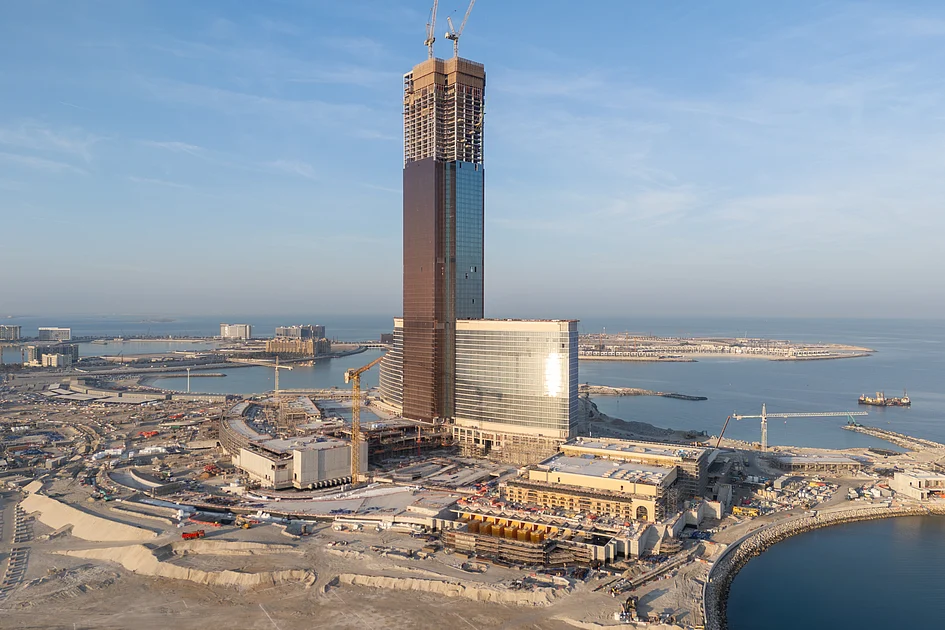
    This robust market performance is being propelled by landmark developments including the Wynn Al Marjan integrated resort, anticipated to stimulate long-term tourism and investment flows, alongside mixed-use projects such as RAK Central that are fundamentally reshaping the urban fabric of the emirate. With residential prices climbing 14-15% year-on-year and transaction volumes reaching multi-year peaks, Ras Al Khaimah is rapidly transforming from a niche alternative into one of the UAE’s most compelling growth markets, attracting both end-users and international investors seeking resilient returns.

    Several major projects have commenced construction in anticipation of the Wynn launch. ELEVATE has officially broken ground on the highly anticipated Mondrian Al Marjan Island Beach Residences, initiating construction for a landmark residential destination developed in collaboration with Ennismore, the global lifestyle hospitality group behind the Mondrian brand. The development achieved remarkable market success, securing over Dh700 million in sales within just two hours of its launch.

    Simultaneously, ATARA Development has commenced construction on The Residences at Sheraton Al Marjan Island Resort, marking a significant milestone for the GCC’s first Sheraton Residences. The beachfront project is progressing steadily under the leadership of ATARA’s in-house construction division, Rakhat Construction, with enabling works underway and 5% of overall progress already completed.

    Industry leaders have emphasized the transformative impact of these developments. Arch. Abdulla Al Abdouli, Group CEO of Marjan, noted that these milestones demonstrate the remarkable velocity at which Al Marjan Island is evolving into a world-class destination, significantly contributing to the growing trajectory of Ras Al Khaimah’s real estate and tourism sectors.

  • VLCC International unveils re-launch of VLCC Al Ain Clinic

    VLCC International unveils re-launch of VLCC Al Ain Clinic

    VLCC International has officially reopened its transformed Al Ain Clinic, marking a significant expansion of its integrative health and aesthetics services in the United Arab Emirates. The newly enhanced facility now features specialized dermatology and laser departments alongside advanced weight management and non-surgical body contouring technologies.

    The reopening ceremony was attended by senior VLCC leadership including Founder Vandana Luthra, Managing Director and Group CEO Vikas Gupta, and Chief Business Officer Roshan Sharma, alongside distinguished guests from the Al Ain community.

    Founder Vandana Luthra emphasized the company’s evolution over three decades: ‘What began as a focused approach to weight loss has grown into an integrated ecosystem addressing preventive, personalised, and science-backed care. Today’s consumer seeks long-term wellbeing rather than quick fixes, and VLCC continues to pioneer this shift by combining expertise, innovation, and trust at scale.’

    Vikas Gupta highlighted the strategic importance of the Al Ain market, noting the clinic’s upgrades reflect VLCC’s philosophy of ‘Beautiful You, Delivered by Science.’ The facility now offers expanded capabilities with advanced medical and aesthetic services while maintaining the core values trusted by clients for years.

    The Middle East and GCC region represent a critical component of VLCC’s growth strategy, supported by a medical team of over 20 senior doctors across markets. This expert-led approach has driven substantial momentum, with the company recording over 40% year-on-year growth in its dermatology business.

    Looking forward, Roshan Sharma revealed expansion plans including advanced hair treatments, surgical solutions, and a dedicated men’s category within their integrative model. The VLCC Subscribe program offers customers unlimited access to weight management, beauty, laser, and dermatology services without session limitations, while initiatives like the Orange Day Sale provide exclusive offers while maintaining high care standards.

  • Praana Paris founders’ enduring love affair central to the brand’s masterpieces

    Praana Paris founders’ enduring love affair central to the brand’s masterpieces

    In the competitive landscape of luxury fashion, Praana Paris emerges as a distinctive UAE-based brand with an extraordinary origin story rooted in the romantic journey of its founders. Pradeep and Anastasia, whose union defied conventional boundaries of culture, faith, and age, have channeled their personal narrative into the very essence of their luxury leather goods company.

    The brand’s nomenclature itself represents this fusion—’Pra’ derived from Pradeep and ‘Ana’ from Anastasia—while simultaneously evoking ‘Prana,’ the Sanskrit concept denoting life force energy. This symbolic naming reflects the philosophical foundation upon which the enterprise is built.

    Drawing inspiration from Parisian romance and architectural elegance, while grounded in Emirati resilience, Praana Paris creates leather accessories characterized by exceptional balance, sophisticated form, and meticulous artisanal craftsmanship. Each piece embodies the founders’ shared values: an uncompromising commitment to detail, superior quality standards, and a philosophy of timeless elegance that transcends seasonal trends.

    The United Arab Emirates served as both backdrop and catalyst for this venture, providing the environment where diverse cultural perspectives could converge and flourish. The founders acknowledge the Emirates’ role in fostering the confidence necessary to pursue their vision despite societal complexities and challenges.

    This February marks a significant milestone as Praana Paris inaugurates its flagship boutique at Abu Dhabi’s Marina Mall. The space is designed to offer clients an immersive experience of the brand’s ethos—from the tactile sensation of premium leather to the visual appreciation of precision craftsmanship. The boutique represents not merely a retail environment but a physical manifestation of the founders’ journey, inviting customers to engage with products that blend emotional resonance with luxury design.

    The emergence of Praana Paris illustrates how personal narratives can transform into compelling brand identities within the luxury sector, demonstrating that authentic stories can become powerful differentiators in markets saturated with conventional heritage narratives.

  • How realistic is India’s quest for magnets made of rare earths

    How realistic is India’s quest for magnets made of rare earths

    India has launched an ambitious 73-billion-rupee ($800 million) strategic initiative to establish domestic production of rare earth magnets, aiming to reduce its critical dependence on Chinese supplies in this vital segment of the global supply chain. Approved in November 2025, this comprehensive scheme represents India’s calculated response to vulnerabilities exposed during recent trade tensions with China, which temporarily disrupted supplies to automotive and electronics manufacturers.

    These powerful permanent magnets serve as essential components across multiple high-tech industries, including electric vehicles, wind turbines, smartphones, medical imaging equipment, and defense systems. Rather than attempting to develop a complete rare earth ecosystem—an enormously complex and capital-intensive undertaking—India is strategically focusing on magnet production as the most efficient path toward achieving meaningful self-reliance.

    The program offers capital investment and sales-linked incentives to selected manufacturers targeting annual production of 6,000 tonnes within seven years. This production target aligns with projected domestic demand, which government officials anticipate will double within the next five years. Currently, India imports 80-90% of its magnets and related materials from China, which maintains overwhelming dominance with over 90% of global rare earth processing capacity. Official data reveals India imported approximately $221 million worth of these critical components in 2025 alone.

    Despite substantial financial commitment, industry experts emphasize that monetary investment alone cannot guarantee success. India faces significant technological hurdles, as countries like Japan, South Korea, and Germany have spent decades refining their magnet production capabilities. Neha Mukherjee of Benchmark Mineral Intelligence notes: “This initiative represents a positive directional step, but merely a beginning. India will require strategic international partnerships to import technology, develop workforce expertise, and ultimately build indigenous capabilities.”

    Raw material availability presents another formidable challenge. Although India possesses the world’s third-largest rare earth reserves (approximately 8% of global total), it accounts for less than 1% of worldwide mining output. Most reserves exist in coastal sands across Kerala, Tamil Nadu, Odisha, Andhra Pradesh, Maharashtra, and Gujarat. Currently, only one operational mine exists in Andhra Pradesh, whose output was predominantly exported to Japan until recent government intervention to prioritize domestic needs.

    Furthermore, India’s mineral profile complicates production ambitions. While the nation has surpluses of lighter rare earth elements like neodymium, it lacks extractable quantities of heavier elements including dysprosium and terbium—critical components for high-performance magnets. This imbalance raises fundamental questions about whether domestically manufactured magnets might still rely on Chinese raw materials.

    Competitive pricing represents another crucial consideration. Chinese magnets benefit from established economies of scale and lower production costs. Unless Indian manufacturers can achieve comparable pricing through government support and efficiency gains, imported magnets may continue dominating the market. Some experts suggest extending incentives to magnet purchasers alongside manufacturers to stimulate domestic adoption.

    India joins a growing global movement seeking alternatives to Chinese rare earth dominance. The European Union, Australia, and other nations have launched similar initiatives following supply disruptions. As EY India specialist Rajnish Gupta observes: “The timing of China’s export controls surprised many nations, highlighting shared vulnerabilities in critical supply chains.”

    Despite the multifaceted challenges, the program signifies India’s serious commitment to developing strategic autonomy in this crucial technological domain. As Dr. PV Sunder Raju of the National Geophysical Research Institute emphasizes: “Strong research and development foundations are essential—simply allocating funds cannot guarantee viable production.” Research facilities including a recently inaugurated unit at the Bhabha Atomic Research Centre and public-private partnerships aiming for 5,000-tonne annual production by 2030 demonstrate progress, though neither has yet reported commercial output.

    The initiative’s success will ultimately depend on India’s ability to simultaneously master complex technologies, secure reliable material inputs, achieve competitive scale, and develop entire supply chain ecosystems. While the path forward remains challenging, as Mukherjee concludes: “If capacity scaling doesn’t occur, dependency persists. China continues expanding production—India must match this growth trajectory to achieve meaningful independence.”