分类: business

  • US Fed raises inflation outlook over ‘uncertain’ Iran war impact

    US Fed raises inflation outlook over ‘uncertain’ Iran war impact

    The Federal Reserve maintained its benchmark interest rates unchanged during Wednesday’s policy meeting while elevating inflation projections through 2026, citing economic uncertainties stemming from the Middle East conflict. The decision, reached through an 11-1 vote, keeps the federal funds rate within the 3.50% to 3.75% range despite mounting political pressure for reductions.

    Chair Jerome Powell addressed the complex economic landscape, noting that escalating energy prices resulting from regional tensions would inevitably drive inflation upward. However, he emphasized the premature nature of quantifying the conflict’s full economic impact, stating policymakers must adopt a ‘wait-and-see’ approach regarding duration and magnitude.

    The revised projections indicate the Fed now anticipates its preferred inflation gauge—the personal consumption expenditures (PCE) index—to reach 2.7% by December 2026, substantially above the previous 2.4% forecast. This adjustment reflects growing concerns about persistent price pressures alongside emerging geopolitical risks.

    Powell simultaneously addressed personal scrutiny regarding his leadership, vehemently declaring his intention to remain on the Federal Reserve Board until completion of a Justice Department investigation into alleged cost overruns during headquarters renovations. His current term as chair concludes in May, though his governor tenure extends through 2028.

    The monetary policy statement acknowledged elevated economic uncertainty despite solid expansion pace, with job gains remaining subdued and unemployment stable. The Fed’s economic projections maintained 2.4% GDP growth expectations for fourth-quarter 2024 while holding unemployment forecasts at 4.4%.

    Notably, dissenting voice Stephen Miran—a former Trump economic advisor—advocated for a quarter-point reduction, highlighting internal divisions regarding optimal policy direction. Economic analysts observed concerning indicators within the projections, with some characterizing the combination of stagnant growth, rising unemployment, and persistent inflation as approaching stagflation-like conditions.

    Powell dismissed stagflation concerns during his press briefing, reserving the term for more severe circumstances while maintaining cautious optimism about fundamental economic strength amid unprecedented global uncertainty.

  • US holds interest rates as Iran war triggers oil shock

    US holds interest rates as Iran war triggers oil shock

    The United States Federal Reserve has unanimously decided to maintain current interest rates, marking another period of monetary policy stability as geopolitical tensions with Iran introduce significant economic complications. The central bank’s benchmark rate remains anchored at 3.5%-3.75%, unchanged since December, reflecting a cautious approach by policymakers navigating turbulent economic waters.

    The recent military engagement between the US-Israel coalition and Iran has triggered a substantial surge in global oil prices, creating fresh concerns about inflationary pressures that had previously shown signs of moderation. This development has introduced unexpected challenges for monetary authorities who must now balance multiple economic indicators pointing in different directions.

    Despite explicit pressure from the White House, where President Donald Trump has advocated for aggressive rate reductions to stimulate borrowing and economic activity, Federal Reserve officials have maintained their measured stance. The complexity of current economic conditions – characterized by persistent inflation concerns alongside ambiguous employment data – has reinforced the institution’s commitment to data-driven decision-making rather than political considerations.

    Financial analysts now anticipate that the combination of energy market volatility and ongoing military conflict has substantially diminished the likelihood of near-term rate cuts. Market expectations have consequently shifted, with most economists projecting no policy easing until at least the final quarter of this year, representing a significant departure from earlier forecasts that suggested mid-year reductions.

    The Federal Reserve’s decision-making process appears increasingly influenced by external factors beyond traditional domestic economic metrics, underscoring how global geopolitical events can directly impact monetary policy trajectories in the world’s largest economy.

  • Advertised salaries are rising but soaring bills crush any gains

    Advertised salaries are rising but soaring bills crush any gains

    New data from Australia’s leading employment platform reveals a paradoxical economic situation where rising advertised salaries provide little respite for households grappling with escalating living expenses. According to the latest figures, advertised salaries increased by 0.4% in February compared to the previous month, marking a 3.9% annual increase and accelerating to 4.2% growth over the past six months—the fastest pace recorded since early 2024.

    Despite these nominal wage improvements, Seek’s Chief Economist Blair Chapman emphasizes that Australian families face mounting financial pressure from multiple fronts. “Consumer prices have resumed rapid growth, mortgage costs continue climbing, and global uncertainties are creating additional upward pressure on household expenses,” Chapman stated.

    The economic challenges have been exacerbated by recent monetary policy decisions, with the Reserve Bank of Australia raising the official cash rate from 3.85% to 4.1%. Major financial institutions promptly transferred this increase to consumers through higher borrowing costs. Simultaneously, geopolitical tensions in the Middle East have driven global oil prices from $79 to over $140 per barrel, translating directly to a 10-cent-per-litre increase at Australian fuel pumps for every $14.07 per barrel price surge.

    Compounding these financial pressures, Australia’s job market shows concerning contraction signals. Job advertisements declined by 0.5% in January, marking the seventh consecutive monthly decrease. Year-over-year comparisons reveal a 2.6% reduction in available positions. Regional analysis indicates New South Wales experienced the most significant decline at 1.1%, followed by Victoria (1.0%) and Queensland (0.8%). Western Australia emerged as the sole region recording positive growth with a 0.2% increase.

    Chapman attributes this downward trend to “broad caution in the labour market” likely to persist amid growing global uncertainties. The economist specifically addressed technological concerns, noting that while automation through AI might seem a plausible explanation, current data does not support significant negative impact on job advertisement volumes.

  • Zero tariffs to boost Kenya’s farm exports

    Zero tariffs to boost Kenya’s farm exports

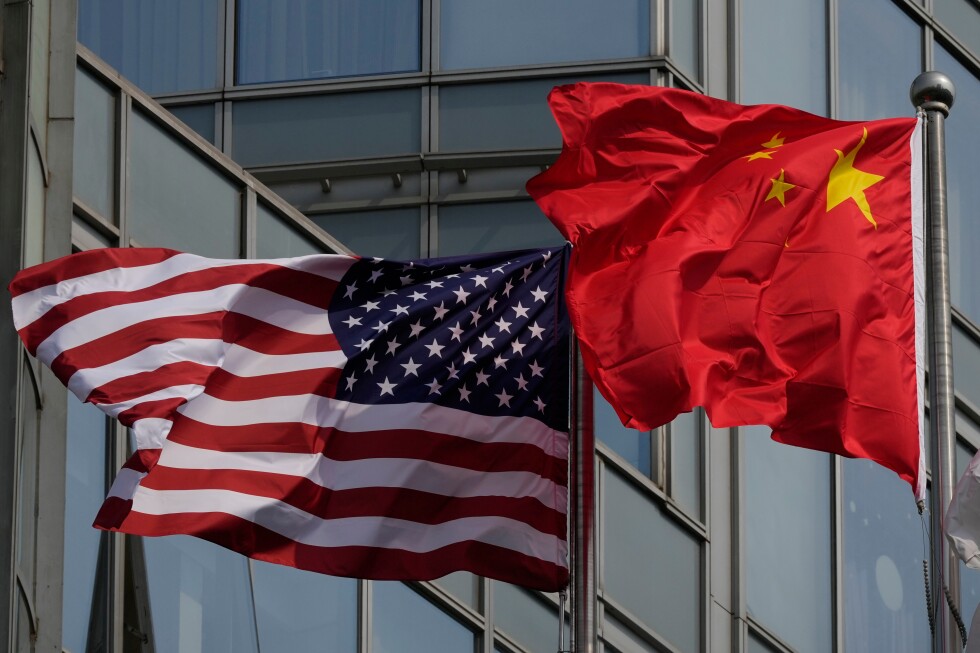
    Nairobi, Kenya – A landmark trade policy shift is poised to revolutionize Kenya’s agricultural export landscape as China prepares to implement full duty-free access for African products beginning May 1. This strategic development positions Kenya to harness unprecedented market opportunities in the world’s second-largest economy, potentially reshaping the nation’s agricultural industrialization trajectory.

    The tariff elimination, announced by Chinese authorities in February, extends to 53 African nations maintaining diplomatic relations with Beijing. For Kenya, this represents a catalytic moment to accelerate its export-led industrialization agenda across key agricultural sectors including tea, coffee, avocados, and macadamia nuts.

    Mutahi Kagwe, Kenya’s Cabinet Secretary for Agriculture and Livestock Development, emphasized the transformative potential during recent consultations with Chinese Ambassador Guo Haiyan. “This arrangement fundamentally alters our export calculus,” Kagwe stated. “We’re transitioning from predominantly raw commodity exports to value-added processing targeting a consumer market exceeding 1.4 billion people.”

    The policy framework eliminates previous tariff variations that affected Kenyan horticultural products, fresh and frozen avocados, macadamia nuts, cut flowers, vegetables, and herbs. Ambassador Guo noted the growing Chinese consumer appreciation for Kenyan agricultural products, with coffee and tea exports reaching $24 million in the previous year – representing 10.8% of Kenya’s agricultural exports to China and an 8.8% year-on-year growth.

    Beyond market access, bilateral cooperation is expanding into agricultural technology transfer and capacity building. Kenyan agricultural students will gain internship opportunities in modern farming and processing techniques, while regulatory agencies are intensifying quality assurance measures to meet China’s phytosanitary requirements.

    Legal scholar Patrick Lumumba characterized the development as a strategic opening for African economies to advance domestic industrialization while deepening trade partnerships. The policy reflects China’s structured approach to South-South cooperation while challenging African nations to enhance regional integration and value-addition capabilities.

    This tariff elimination initiative operates within the broader Framework of China-Africa Cooperation, signaling strengthened economic diplomacy between Nairobi and Beijing that extends beyond traditional trade parameters into technical collaboration and sustainable agricultural development.

  • Asia-Pacific scrambles amid oil shock

    Asia-Pacific scrambles amid oil shock

    The Asia-Pacific region faces mounting economic pressures as escalating conflict in the Middle East triggers significant oil market disruptions, forcing governments to implement emergency measures and households to reconsider traditional celebrations.

    Global energy markets have been thrown into turmoil since February 28th when joint U.S.-Israel military operations commenced against Iran. The subsequent closure of the Strait of Hormuz shipping lane and production cuts announced by Gulf oil producers including Kuwait, the UAE, and Iraq sent crude prices surging past $120 per barrel on March 9th—marking the first breach of the $100 threshold since July 2022.

    This energy shock is reverberating across consumer economies throughout the region. In Indonesia, the world’s most populous Muslim-majority nation, thousands are abandoning the annual ‘mudik’ tradition—the mass exodus of urban workers returning to their hometowns for Eid al-Fitr celebrations. Transportation ministry data indicates a nearly 2% decline in travelers, with approximately 143.9 million people opting out of the customary journey.

    Jakarta residents Nugrah Wisnu Adi, a computer repair shop owner, and Murniati, a vegetable vendor, exemplify this trend. Both have canceled their homecoming plans due to concerns about rising transportation costs and anticipated increases in basic commodity prices.

    According to Nawazish Mirza, Professor of Finance at Excelia Business School in France, “Fuel and transport costs roughly account for 10 to 15 percent of consumer price indices in several Asian economies. This means oil spikes quickly ripple through food distribution and manufacturing supply chains.”

    The International Energy Agency responded on March 11th by announcing the release of 400 million barrels from emergency reserves. Member nations Japan, South Korea, and Australia have initiated record strategic petroleum releases, with Japan deploying reserves equivalent to 45 days of domestic demand.

    Investment bank Nomura warns the region faces a “stagflationary shock”—a combination of high inflation and economic stagnation—with severity dependent on the duration of supply disruptions. The analysis reveals stark disparities in regional preparedness: Japan and South Korea maintain crude reserves covering 200 days of demand, while Indonesia possesses only a 25-day stockpile and the Philippines approximately 60 days.

    Governments across the region are implementing diverse countermeasures. Philippine government offices have adopted four-day work weeks, while Pakistan, Thailand, and Vietnam are promoting remote work arrangements. Malaysia has intensified anti-smuggling enforcement, and South Korea and Thailand have imposed domestic fuel price caps.

    Energy analysts highlight that the crisis may accelerate renewable energy adoption. Dinita Setyawati, senior analyst at energy policy think tank Ember, notes that prolonged volatility could “widen disparity between more developed Asia and emerging economies in the region.”

    The Institute for Energy Economics and Financial Analysis (IEEFA) emphasizes that renewables offer a financially sustainable solution. Ramnath Iyer, IEEFA’s Sustainable Finance Lead for Asia, points to compelling economics: “The levelized cost of energy for solar and wind is only $40 per megawatt-hour, compared to approximately $130 for natural gas at current LNG prices.”

    As the region navigates this energy crisis, the collective response may ultimately determine whether current challenges become catalysts for accelerated energy transition or sources of prolonged economic hardship.

  • US stocks inch higher amid oil prices surge, upcoming Fed decision

    US stocks inch higher amid oil prices surge, upcoming Fed decision

    Wall Street registered modest gains during Tuesday’s trading session as investors balanced concerns over escalating oil prices with anticipation for the Federal Reserve’s imminent policy decision.

    The Dow Jones Industrial Average advanced 0.1% to close at 46,993.26, while the S&P 500 climbed 0.25% to 6,716.09. The technology-heavy Nasdaq Composite Index outperformed with a 0.47% gain, finishing at 22,479.53.

    Market performance displayed sector divergence, with eight of the eleven primary S&P 500 sectors closing positively. Energy and consumer discretionary sectors emerged as frontrunners, posting gains of 1.02% and 1% respectively. Conversely, healthcare and consumer staples sectors faced downward pressure, declining 0.92% and 0.48%.

    Commodity markets remained highly volatile as West Texas Intermediate crude futures for April delivery surged 2.9% to settle at $96.21 per barrel. The global benchmark Brent crude followed suit, closing at $103.42 per barrel. This sustained oil price escalation presents complex challenges for central banks contemplating monetary policy normalization.

    The Federal Reserve commenced its two-day policy meeting amid significantly tempered expectations for near-term interest rate reductions. Market analytics from the CME FedWatch tool indicate a 99% probability that the central bank will maintain current rate levels.

    Corporate developments included Nvidia’s annual developer conference, where CEO Jensen Huang announced multiple strategic partnerships and projected $1 trillion in chip sales through 2027. Despite this optimistic forecast, Nvidia shares declined 0.69%.

    Amazon demonstrated strength with a 1.63% ascent following CEO Andy Jassy’s internal comments suggesting artificial intelligence could potentially double Amazon Web Services’ previously projected sales.

    Tencent Music Entertainment Group experienced substantial volatility, with its US-listed shares plummeting nearly 25% after reporting disappointing fiscal fourth-quarter results that failed to meet investor expectations.

    The airline sector defied rising jet fuel costs, with Delta Air Lines soaring 6.56% after raising its current-quarter revenue outlook and maintaining profit projections. This positive guidance created a ripple effect, boosting American Airlines Group and United Airlines shares by over 3% each on anticipations of strengthened quarterly revenue.

  • Indian eateries reel under acute cooking gas crunch

    Indian eateries reel under acute cooking gas crunch

    India’s culinary landscape faces unprecedented challenges as commercial liquefied petroleum gas (LPG) shortages, triggered by escalating Middle East tensions, force widespread operational changes across the hospitality sector. The crisis has particularly impacted urban centers including Kolkata, Mumbai, and Delhi, where restaurateurs are implementing emergency measures to maintain operations.

    In Kolkata, restaurant owner Chhanda Chakraborty has transitioned from traditional LPG stoves to induction cooktops and coal-fired tandoors. “Several establishments have eliminated tea and dosa from their menus, opting instead for rice-lentils, sandwiches, and cold beverages,” Chakraborty noted, highlighting how eateries are streamlining offerings to conserve limited fuel resources.

    The supply chain disruption stems from India’s significant dependence on imported LPG, with approximately 62% of the nation’s 31.3 million metric tons annual consumption sourced externally. Critical shipping routes through the Strait of Hormuz, which handles 85-90% of Persian Gulf imports, have experienced severe disruptions due to ongoing US-Israeli conflicts with Iran.

    Professor Swaran Singh of Jawaharlal Nehru University explains: “The hospitality industry’s heavy reliance on LPG coincides with usage by power plants, fertilizer facilities, and urban gas networks. Current tensions have created substantial delays, supply interruptions, and price escalations in LPG imports.”

    Industry associations in major metropolitan areas report suspension rates reaching 20% of food establishments in Mumbai and Kolkata. Many smaller operations, particularly roadside vendors serving millions daily, face imminent closure without immediate supply restoration.

    Government response includes multi-faceted strategies: prioritizing household LPG allocation, negotiating safe passage for Indian-flagged vessels through conflict zones, and directing oil refineries to maximize LPG production. However, economists like Abhirup Sarkar warn that prolonged disruption could establish a “new normal” with significant economic ramifications across multiple sectors.

    While Iran permits limited Indian shipments on case-by-case approvals, industry experts anticipate no rapid resolution until regional conflicts subside, leaving India’s food service industry navigating uncertain operational terrain.

  • Australian sharemarket rallies to five-day high on US interest rate hopes, BHP and Woodside announce new chief executives

    Australian sharemarket rallies to five-day high on US interest rate hopes, BHP and Woodside announce new chief executives

    Australian equities surged to a five-day peak on Wednesday as investor attention pivoted from geopolitical tensions in the Middle East to anticipated monetary policy adjustments by the U.S. Federal Reserve. The benchmark S&P/ASX 200 advanced 26.30 points (0.31%) to close at 8640.60, while the broader All Ordinaries index gained 28.30 points (0.32%) to settle at 8847.70.

    The technology sector emerged as the standout performer, with NextDC leading the charge with a 3.55% surge to $13.71. Software provider Xero climbed 2.28% to $79.39, while family safety application developer Life360 jumped 2.85% to $19.48.

    Market dynamics displayed remarkable resilience despite ongoing Middle Eastern conflicts, with falling oil prices providing unexpected support. Brent crude futures declined approximately 2.5% to $100.81 per barrel, even as tensions persisted in the Strait of Hormuz. This decline contributed to gains among mining equities, with BHP advancing 0.72% to $50.09 and Rio Tinto rising 0.77% to $156.38. Fortescue Metals bucked the trend, sliding 1.25% to $19.70.

    Kyle Rodda, senior financial market analyst at Capital.com, noted that markets appeared ‘largely benign overnight, although the risks haven’t diminished.’ He observed that ‘signs of trickling supply from Iran out of the region to China and other allies have eased fears about completely choking off energy exports.’

    Corporate developments included significant leadership changes at two mining giants. BHP announced CEO Mike Henry’s departure after 25 years, with American division president Brandon Craig appointed as his successor. Woodside Energy revealed former ExxonMobil executive Liz Westcott would assume its chief executive role.

    The healthcare sector proved the sole decliner, dragged down by heavyweight CSL’s 2.23% drop to $138. Pro Medicus retreated 2.19% to $125.31, while Cochlear declined 0.73% to $172.43.

    In individual stock movements, Humm Group surged 6.11% to $0.70 after Australia’s Takeover Panel found disclosure issues regarding Credit Corp’s bid. Conversely, ARN Media fell 1.47% to $0.34 following its contract termination with broadcaster Kyle Sandilands.

  • A new U.S. trade deal with Indonesia secures fossil fuels and access to critical minerals

    A new U.S. trade deal with Indonesia secures fossil fuels and access to critical minerals

    HANOI, Vietnam (AP) — A landmark trade agreement between Indonesia and the United States has fundamentally transformed their economic relationship, aligning Jakarta’s substantial natural resources with Washington’s strategic objectives. The comprehensive pact grants U.S. investors enhanced access to Indonesia’s critical minerals sector while committing Indonesia to significant purchases of American energy products including crude oil and liquefied petroleum gas.

    The agreement establishes reciprocal benefits: Indonesia secures reduced tariff rates on key exports including palm oil, coffee, cocoa, spices, and rubber, with duties dropping from a threatened 32% to 19%. Meanwhile, the United States gains assured access to Indonesia’s mineral wealth, particularly nickel and rare earth elements essential for electric vehicle batteries and clean energy technologies.

    This development occurs against the backdrop of intensifying Sino-American competition for influence in Southeast Asia. Indonesia, as the world’s largest nickel producer, finds itself balancing relationships with both superpowers. Chinese companies currently dominate Indonesia’s mineral processing sector, operating numerous nickel smelters and industrial parks.

    The pact includes several groundbreaking provisions: Indonesia will facilitate American investment across the entire mineral value chain, from exploration to export, while relaxing restrictions on critical mineral exports to the U.S. The agreement also commits both nations to cooperate on developing small modular nuclear reactors and establishing a U.S. coal export corridor from America’s West Coast.

    Energy transition analysts note the agreement marks a significant shift from previous climate cooperation frameworks. The Trump administration’s withdrawal from the Just Energy Transition Partnership, which promised billions for reducing coal use, contrasts with the current emphasis on fossil fuel exports. Indonesia’s solar energy development remains notably limited compared to regional neighbors, with less than 1 gigawatt installed compared to Vietnam’s 2 GW and India’s 60 GW.

    The agreement’s implementation faces uncertainties following the U.S. Supreme Court’s ruling against presidential tariff authority and requires ratification by Indonesia’s parliament. Some provisions, including those affecting halal certification requirements in the Muslim-majority nation, have drawn domestic criticism.

    Regional observers suggest the Indonesia-U.S. deal may establish precedents for other Southeast Asian nations currently negotiating with Washington, particularly Vietnam, as the United States seeks to secure alternative supply chains and reduce dependence on Chinese-dominated critical mineral markets.

  • Middle East war: global economic fallout

    Middle East war: global economic fallout

    The ongoing Middle East conflict continues to send shockwaves through global energy markets, with multiple nations implementing emergency measures to address supply disruptions. Oil prices exhibited volatility on Wednesday, with West Texas Intermediate dropping over 3% to approximately $93 in Asian trading, while Brent crude declined more than 2% yet maintained above $101 per barrel. This reversal followed Tuesday’s price surge triggered by Iran’s renewed attacks on oil-producing neighboring countries.

    Supply chain adaptations are emerging as key strategies to navigate the crisis. South Korea announced a significant arrangement with the United Arab Emirates to receive 18 million additional barrels of oil through alternative channels that bypass the strategically critical Strait of Hormuz. This development is particularly significant given that approximately 70% of South Korea’s oil imports traditionally transit through this vulnerable waterway.

    The Strait of Hormuz itself remains a focal point of geopolitical tension. Tracking data indicates Iran is selectively permitting passage to vessels from nations it considers friendly, while Iraqi officials are negotiating for safe passage of their oil tankers. Mohamed Bagher Ghalibaf, Speaker of Iran’s Parliament, issued a stark warning that the strategic waterway “won’t return to its pre-war status,” suggesting permanent alterations to global energy transit routes.

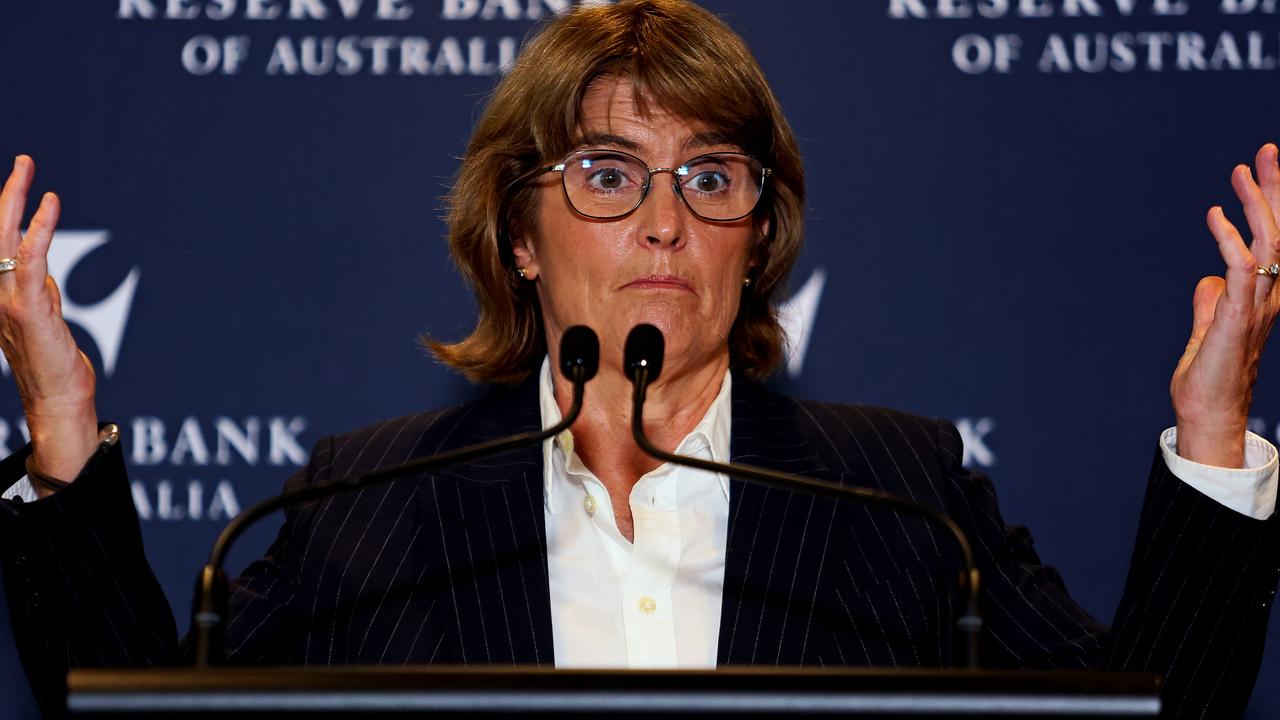
    International responses reflect the conflict’s widening economic impact. Germany has moved to empower its competition watchdog to investigate energy companies suspected of exploiting the crisis through unjustified fuel price increases. Meanwhile, Australia’s Reserve Bank implemented a 25 basis point interest rate hike to 4.10%, explicitly citing “sharply higher fuel prices” driven by the Middle East conflict.

    Consumer-level effects are becoming increasingly visible across continents. In Thailand, motorists formed extensive queues at petrol stations from Bangkok to Chiang Rai province amid worsening shortages and anticipated price increases following the expiration of government-imposed diesel price caps. The aviation sector also faces mounting pressure, with Scandinavian airline SAS announcing the cancellation of at least a thousand April flights due to unsustainable fuel costs, while U.S. carriers warned of challenging months ahead if current price levels persist.

    The situation remains fluid, with Iran’s Foreign Minister Abbas Araghchi asserting on social media platform X that the “wave of global repercussions has only begun and will hit all — regardless of wealth, faith, or race.” This statement underscores the potentially far-reaching economic consequences extending well beyond immediate energy supply concerns.