分类: business

  • Xinjiang leads China in cross-border rail traffic, central Asian connectivity in 2025

    Xinjiang leads China in cross-border rail traffic, central Asian connectivity in 2025

    Northwest China’s Xinjiang Uygur Autonomous Region has solidified its position as the nation’s foremost hub for Eurasian connectivity, achieving unprecedented cross-border rail traffic volumes throughout 2025. Regional authorities confirmed on January 17, 2026, that Xinjiang’s strategic ports handled the highest rail freight volume across all Chinese provinces, marking a significant milestone in China’s transnational infrastructure development.

    The region has simultaneously emerged as the dominant aviation corridor to Central Asia, with flights connecting regional capital Urumqi to Kazakhstan, Kyrgyzstan, Tajikistan, Uzbekistan and Turkmenistan comprising 35.1% of China’s total passenger flights to these nations. This dual achievement in both rail and air connectivity demonstrates Xinjiang’s evolving role as a critical nexus in China’s Belt and Road Initiative.

    With 19 operational ports, Xinjiang implemented comprehensive measures to accommodate diverse logistical requirements. At Urumqi’s international port, the introduction of specialized cargo zones and expedited clearance protocols for priority shipments catalyzed a remarkable 170.6% year-on-year surge in international cargo flights, according to Liu Peng, an official with the Xinjiang Immigration Inspection General Station.

    The region welcomed over 58 million international travelers in 2025, drawn by cross-border commerce, tourism opportunities, and border-area cultural exchanges. To accommodate this substantial influx, immigration service centers established at major ports including Horgos and Urumqi now provide integrated services encompassing policy consultation, emergency medical assistance, and currency exchange facilities.

    Through strategic investments in ‘smart port’ infrastructure and continued institutional reforms, Xinjiang is enhancing its capacity as China’s primary conduit to Central Asia and beyond, effectively bridging economic networks across Eurasia with increasing operational efficiency.

  • Adaptability key for businesses amid challenges

    Adaptability key for businesses amid challenges

    At its annual gala in New York on Thursday, the China General Chamber of Commerce-USA (CGCC) convened approximately 300 senior executives, government officials, and business leaders to address navigating ongoing trade complexities between the world’s two largest economies. The event, themed “Together We Gallop Toward the Future,” served as a platform to emphasize resilience and the critical need for sustained dialogue.

    CGCC Chairman Hu Wei, who also serves as President and CEO of Bank of China USA, outlined the significant challenges member companies currently face. These include escalating operational costs, persistent supply chain disruptions, and increasing regulatory hurdles in cross-border commerce. Despite these headwinds, Hu highlighted the remarkable adaptability demonstrated by Chinese businesses operating in the US. He issued a call to action for policymakers in both nations to heed the business community’s perspective, stating, “I have witnessed firsthand the power of dialogue and engagement… real progress is made through steady relationship and is in action.”

    Chinese Ambassador to the US Xie Feng delivered a keynote address reinforcing China’s commitment to high-quality development and high-standard opening-up, irrespective of the external environment. He pointed to burgeoning industrial clusters in strategic sectors like new energy, advanced materials, aviation, aerospace, and the low-altitude economy as sources of future multi-trillion-yuan markets. Ambassador Xie also announced plans to expand pilot programs opening value-added telecommunications, biotechnology, and wholly foreign-owned hospitals to foreign investment. While urging deeper cooperation, he called on American officials to foster a more open, fair, and non-discriminatory environment for Chinese enterprises, including providing visa and border entry facilitation.

    The gala also recognized standout corporate achievements. Vornado Realty Trust received the “Outstanding Partner of the Year” award for its long-standing professional collaborations with CGCC members. Michael Franco, President and CFO of Vornado, celebrated these relationships built on “mutual respect and confidence,” and announced that Chinese pop culture brand Pop Mart would open a new flagship store in its Times Square retail space. Pop Mart, alongside construction machinery giant Sany Group and Sunon Furniture LLC, were honored as “Brands of the Year” for embodying creativity, resilience, and a future-driven spirit. Sany North America President Xiang Fei encapsulated the evening’s sentiment, remarking, “Success is not just about revenue and size. It’s about delivering our values,” and reaffirming a commitment to strengthening US-China cooperation through long-term investment.

  • Kashgar area of Xinjiang Pilot FTZ sees robust growth over past two years

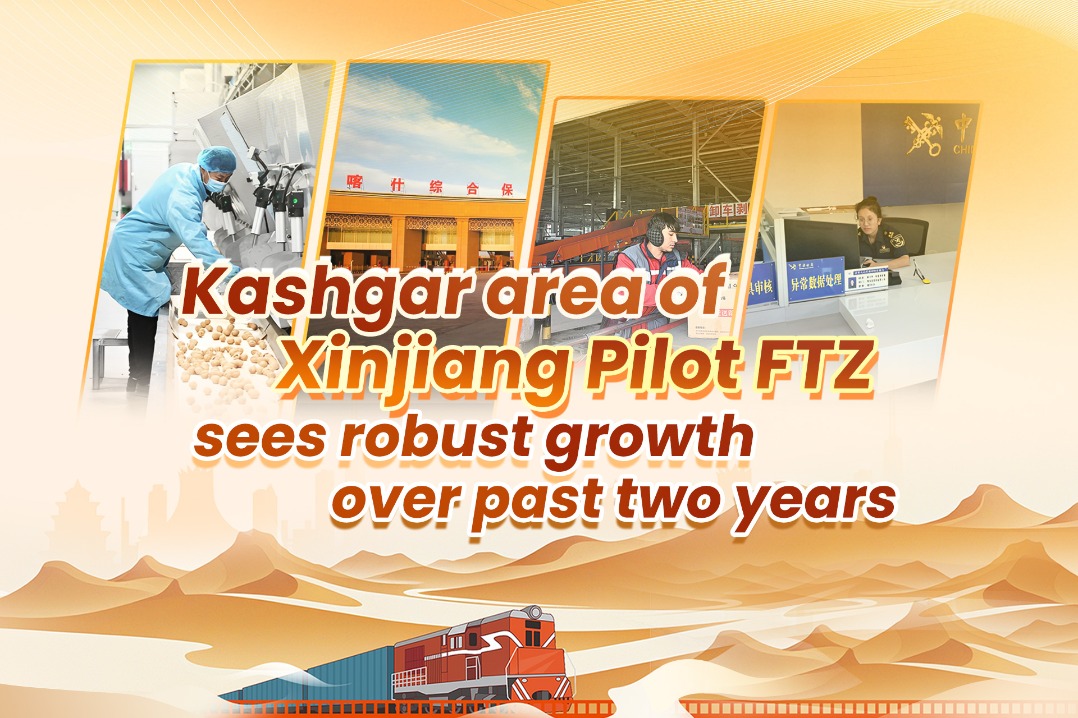
    Kashgar area of Xinjiang Pilot FTZ sees robust growth over past two years

    The Kashgar area within China’s Xinjiang Pilot Free Trade Zone has demonstrated remarkable economic expansion since its establishment in November 2023, establishing itself as a thriving hub for regional commerce and cross-border trade. Over the past two years, this strategic northwestern region has achieved unprecedented growth metrics through comprehensive institutional reforms and business climate optimization.

    Positioned as China’s gateway to Central and Western Asia, the Kashgar FTZ has leveraged its geographical advantages to create a dynamic ecosystem for international trade and investment. The zone’s success stems from pioneering administrative simplifications, streamlined customs procedures, and innovative financial services specifically designed to facilitate cross-border commerce.

    Key performance indicators reveal substantial progress across multiple sectors. Trade volumes have increased exponentially, with particular strength in agricultural exports, textile manufacturing, and renewable energy technologies. The zone has attracted significant foreign direct investment through competitive tax incentives and specialized industrial parks catering to various sectors including logistics, e-commerce, and high-value processing.

    Infrastructure development has kept pace with economic expansion, with enhanced transportation networks connecting Kashgar to major international markets through road, rail, and air corridors. Digital transformation initiatives have implemented smart customs systems and blockchain-based documentation processes, significantly reducing administrative processing times.

    The zone’s unique positioning has enabled it to serve as a critical bridge for China’s Belt and Road Initiative, facilitating economic cooperation with neighboring countries including Pakistan, Afghanistan, and Central Asian republics. Specialized cross-border e-commerce platforms have emerged as particularly successful, handling growing volumes of international transactions.

    Looking forward, Kashgar FTZ authorities plan to expand into new areas including digital trade, green energy partnerships, and specialized financial services. The continued development of this economic zone represents a significant component of China’s broader strategy to stimulate economic development in its western regions while strengthening international trade connections across Eurasia.

  • China curbs high-frequency trading to de-risk markets

    China curbs high-frequency trading to de-risk markets

    China’s financial markets are experiencing significant turbulence as regulatory authorities escalate their campaign against high-frequency trading (HFT) practices. This strategic move represents a fundamental shift in market oversight philosophy, prioritizing stability and retail investor protection over ultra-rapid trading advantages.

    The Shanghai Composite Index witnessed a notable decline of approximately 2.1% from its recent peak, dropping from 4,188 to 4,101 between January 14-16. Similarly, the Shenzhen Component Index decreased by 1.2% to 14,281, while the CSI 500 Index fell 1.5% to 8,232 during the same period.

    Regulatory intervention has taken concrete form through directives requiring brokers to relocate client servers from exchange-operated data centers. This measure effectively eliminates the ultra-low-latency access crucial for HFT strategies. The Shanghai Futures Exchange has implemented staggered deadlines, with high-speed trading clients required to complete server removal by February’s end, while other participants have until April 30.

    Further regulatory measures include preliminary plans to impose additional two-millisecond latency on connections routed through third-party data centers. This deliberate delay compounds the inherent lag from server relocation, substantially diminishing the speed advantages that define high-frequency trading.

    The crackdown impacts both domestic HFT firms and international market makers operating in China. Prominent global entities including Citadel Securities, Jane Street Group, and Jump Trading are among those facing restricted access to exchange-linked servers.

    According to China Securities Regulatory Commission (CSRC) data, HFT accounts declined by approximately 20% in 2024, totaling about 1,600 as of June 30. Chinese exchanges formally classify high-frequency trading as activity involving more than 300 orders or cancellations per second through a single account, or exceeding 20,000 daily order requests.

    Financial expert Lin Yixiang of Tianxiang Investment Advisory criticized the arbitrary nature of this threshold, noting that while human traders might manage three transactions per second, machine-enabled hundreds create fundamentally different market dynamics. He emphasized that frequent order submission and withdrawal can generate artificial volumes and distorted prices, ultimately disrupting market integrity.

    In parallel developments, the CSRC has tightened margin financing requirements, raising the minimum margin for new trades to 100% from the previous 80% effective January 19. This policy reversal marks a return to full coverage requirements last seen in 2015, significantly reducing maximum leverage available to investors.

    Market analysts have characterized these coordinated measures as part of a broader regulatory effort to cool overheated trading conditions and protect retail investors from sophisticated algorithmic strategies that increasingly incorporate artificial intelligence to exploit market sentiment and social media trends.

  • UAE’s energy company weighs investing in Venezuela as Trump scours for partners: Report

    UAE’s energy company weighs investing in Venezuela as Trump scours for partners: Report

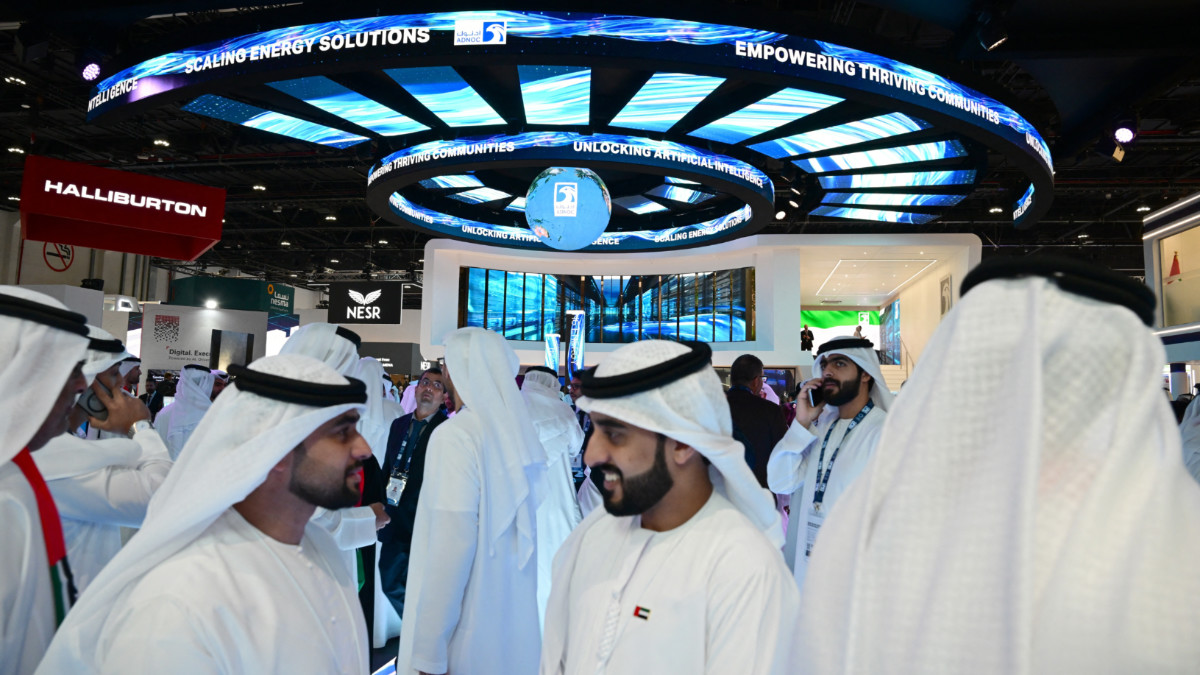
    Abu Dhabi National Oil Company (Adnoc), the state-owned energy giant of the United Arab Emirates, is reportedly considering a strategic entry into Venezuela’s natural gas sector. According to a Bloomberg report, preliminary discussions are underway between Adnoc and another international producer regarding potential investments in Venezuelan energy projects.

    This potential move comes at a time when major U.S. energy corporations have expressed significant reservations about investing in Venezuela despite encouragement from the Trump administration. President Donald Trump has publicly advocated for American companies to invest billions in revitalizing Venezuela’s crumbling energy infrastructure. However, industry leaders like Exxon Mobil have demonstrated reluctance, citing concerns about the country’s investment climate.

    The potential Adnoc involvement aligns with Trump’s objectives and could strengthen UAE-U.S. relations. The Trump administration has shown willingness to adjust sanctions policy to stimulate investor interest in Venezuela, with Treasury Secretary Scott Bessent suggesting possible sanctions relief to attract foreign capital.

    Venezuela possesses the world’s largest oil reserves and holds more than two-thirds of South America’s natural gas reserves. However, decades of economic mismanagement, political instability, and comprehensive U.S. sanctions have crippled its energy industry. Production has plummeted from approximately 3 million barrels per day in the late 1990s to around 800,000 barrels currently.

    Adnoc’s international investment branch, XRG, would potentially utilize Abu Dhabi’s oil revenues to finance the substantial infrastructure investments required to capture Venezuela’s largely wasted natural gas resources. Much of Venezuela’s natural gas is currently lost through flaring—the burning of excess gas during oil extraction—a problem that requires costly infrastructure to address.

    This potential investment follows Adnoc’s previous involvement in regional energy discussions, including previously reported talks about developing Gaza’s undeveloped gas fields as part of reconstruction efforts.

    The geopolitical implications are significant, as the Trump administration maintains control over proceeds from Venezuelan oil sales. The Financial Times recently reported that the first batch of Venezuelan crude sold by the U.S. went to a company whose senior oil trader had donated to Trump’s re-election campaign.

  • Why Pakistan’s war with India led to a boom in arms sales and defence ties

    Why Pakistan’s war with India led to a boom in arms sales and defence ties

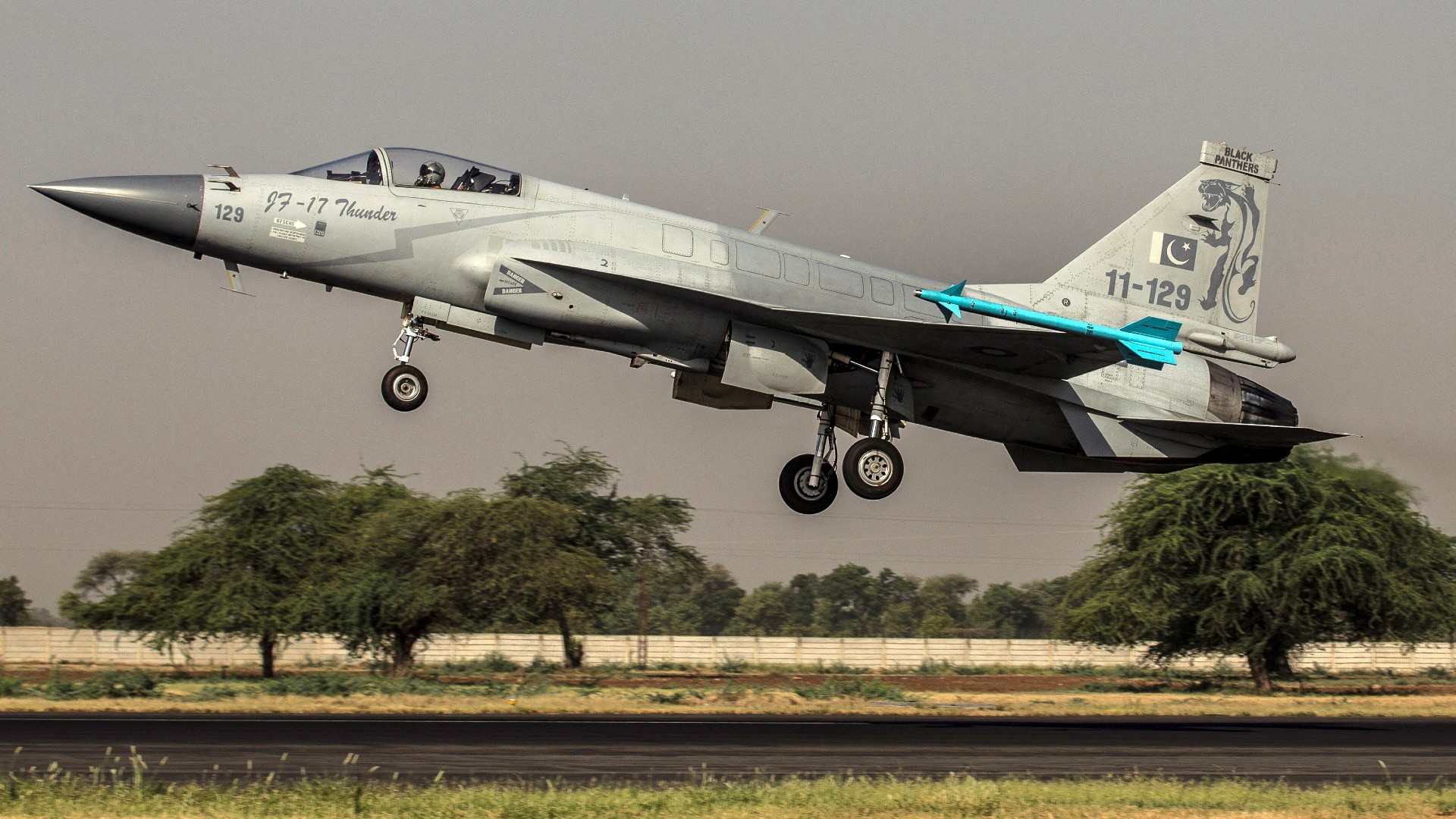
    Pakistan is strategically leveraging its recent aerial engagements with India and shifting global alliances to transform its defense export profile, positioning the domestically assembled JF-17 Thunder fighter jet as a credible alternative to Western aircraft. This multi-role combat platform, developed jointly with China’s Chengdu Aircraft Corporation, is being marketed aggressively to budget-conscious nations across the Middle East, Africa, and Southeast Asia seeking to avoid political conditions typically attached to Western arms deals.

    The turning point in Pakistan’s marketing campaign came after the February 2025 air confrontation with India, which officials cite as demonstrating the JF-17’s operational capabilities against advanced Western platforms, including India’s French-made Rafale fighters. While the exact combat results remain disputed, the engagement provided Islamabad with valuable combat validation narratives that have resonated with potential buyers.

    Significant progress has been made in several key markets. Azerbaijan has emerged as a flagship customer with a $1.6 billion deal for 40 Block III variants, while Nigeria and Myanmar have already incorporated the aircraft into their air forces. Indonesia’s defense minister recently met with Pakistani officials to discuss potential purchases, and Bangladesh’s political changes have created opportunities for defense realignment.

    Africa represents particularly promising territory, with Sudan negotiating a $1.5 billion defense package including JF-17s, attack aircraft, and drones. Libya potentially represents Pakistan’s largest arms export deal ever—a reported $4 billion agreement with General Khalifa Haftar’s Libyan National Army covering fighters, trainer aircraft, and naval systems.

    The most strategically significant development involves Saudi Arabia, where discussions are underway to convert $2 billion of sovereign loans into a JF-17 order. This potential transaction signals Riyadh’s interest in building strategic hedges beyond traditional Western suppliers, particularly following perceived unreliable American support during previous regional crises.

    Despite Pakistan’s enthusiastic marketing, China remains the dominant partner in the JF-17 program, controlling critical avionics and radar systems and retaining veto power over all export agreements. This arrangement creates a unique dynamic where nations seeking Chinese technology can utilize Pakistan as a diplomatic buffer to avoid direct Western backlash.

    For Pakistan’s struggling economy—currently under its 24th IMF program—defense exports represent a potential source of high-value foreign exchange. However, analysts caution that industrial capacity limitations may challenge Pakistan’s ability to fulfill multiple large orders while maintaining its own air force readiness.

  • AGN Skyline Developers breaks ground on Casa Aura, an exclusive family-oriented residential project in Dubai South

    AGN Skyline Developers breaks ground on Casa Aura, an exclusive family-oriented residential project in Dubai South

    AGN Skyline Developers has officially commenced construction on Casa Aura, a meticulously planned family-oriented residential project within Dubai’s rapidly expanding Dubai South district. The groundbreaking ceremony, attended by company leadership, consultants, and project partners, marks the transition from planning to active construction phase for this exclusive development.

    Spanning 2,586.97 square meters across five low-rise stories, Casa Aura represents a strategic expansion of Dubai’s residential offerings tailored specifically for family living. The development incorporates contemporary architectural design paired with premium amenities including a dedicated padel court, swimming pool, state-of-the-art fitness facility, jogging track, basketball court, and open-air cinema. Additional community features include lounge and BBQ areas, children’s play zones, and comprehensive security systems with CCTV surveillance.

    The residential units feature open-plan layouts with expansive balconies, premium European finishes, and integrated smart home technology. Fully equipped kitchens with high-quality appliances, spa-inspired bathrooms, and bedrooms designed for optimal natural light contribute to a refined living environment targeting modern family needs.

    Strategically positioned within the 145-square-kilometer Dubai South master development, Casa Aura benefits from proximity to critical infrastructure including Al Maktoum International Airport, Jebel Ali Port, Expo City Dubai, and major commercial and residential centers. This location places residents within an emerging economic and residential hub with exceptional connectivity.

    From an investment perspective, the project offers a structured payment plan spanning 22 months post-booking, with installments synchronized to construction milestones. The development capitalizes on Dubai South’s growing infrastructure, increasing residential demand, and investor-friendly policies including full tax exemption and on-site visa processing services.

    Abdul Ghaffar, Managing Director and CEO of AGN Skyline Developers, emphasized the project’s philosophy: “Our focus extends beyond construction to creating genuine homes where families can establish roots, build connections, and thrive. Casa Aura embodies our commitment to developing thoughtfully planned communities that deliver lasting value for both residents and investors.”

    With construction now underway, the project advances toward its completion timeline, reinforcing AGN Skyline Developers’ reputation for quality-focused development and timely project execution in Dubai’s competitive real estate market.

  • Earning Dh15,000 salary? Dubai bank launches first digital home loan pre-approval

    Earning Dh15,000 salary? Dubai bank launches first digital home loan pre-approval

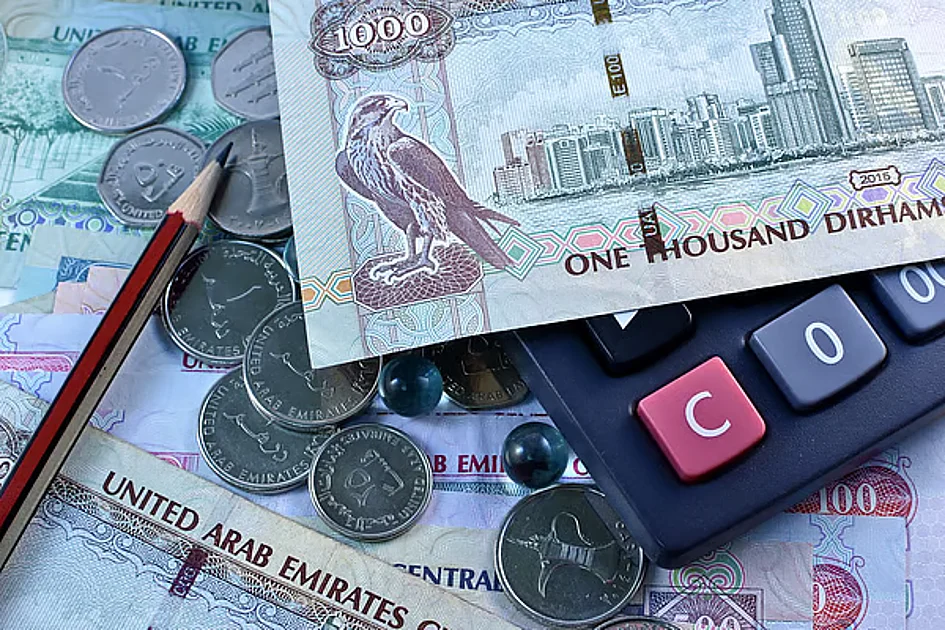
    In a groundbreaking move for the UAE’s real estate finance sector, Mashreq Bank has unveiled the nation’s first fully digital mortgage pre-approval system. This innovative platform enables expatriate residents earning a minimum monthly salary of Dh15,000 to instantly determine their home loan eligibility through an entirely online process.

    The browser-based service generates verified pre-approval letters on the same day of application, revolutionizing what was traditionally a document-intensive procedure. According to Srinivasan Padmanabhan, Head of Mortgages at Mashreq, this digital advancement provides customers with ‘approval in principle’ based on comprehensive financial assessment before they commit to property purchases in Dubai or Abu Dhabi.

    Critical to the approval process is the Central Bank’s regulatory framework, which mandates that a borrower’s total debt burden—including the proposed home loan installment—must not exceed 50% of their monthly income. The system evaluates all financial obligations reflected in credit bureau reports, including auto loans and credit card debts, to determine sustainable repayment capacity.

    While salaried expatriates purchasing their first UAE property can typically finance up to 80% of the property value, the pre-approval mechanism is designed to prevent financial overextension and promote long-term fiscal health. Applicants need only provide their Emirates ID, passport, and IBAN to receive a binding pre-approval commitment rather than merely indicative calculations.

    This digital transformation represents a significant leap forward in mortgage accessibility, offering prospective homeowners clarity on realistic budget parameters before they begin property hunting. The system maintains rigorous standards while streamlining the path to homeownership through technological innovation in the UAE’s dynamic real estate market.

  • Iconic Australian retailer Fletcher Jones to close its doors for good

    Iconic Australian retailer Fletcher Jones to close its doors for good

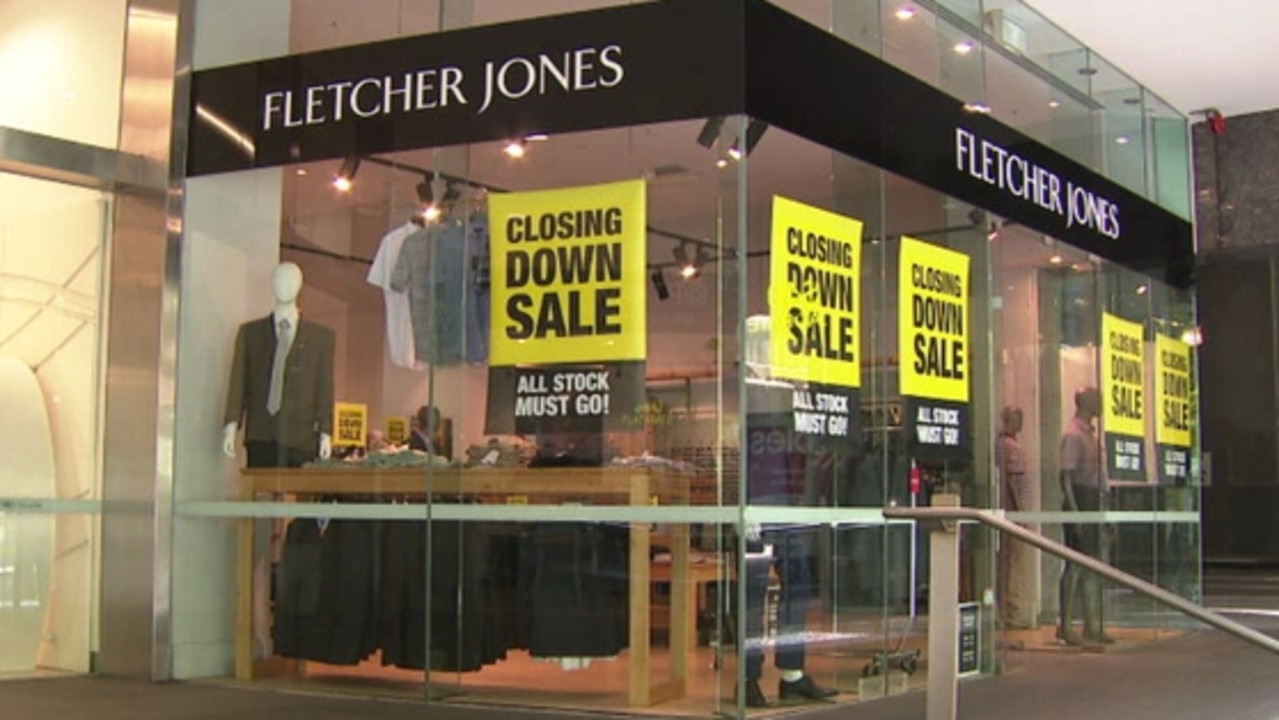
    Australia’s retail sector witnesses another significant departure as Fletcher Jones, a nearly century-old clothing institution, declares its complete shutdown. The heritage brand, renowned for its business and casual wear since the 1920s, will cease all operations including physical stores and online sales by January 2026.

    The company’s decline traces back to its administration crisis fifteen years ago, which precipitated numerous store closures and workforce reductions. Despite its historical significance, Fletcher Jones has experienced a gradual deterioration in market presence leading to this final decision.

    Founded in 1924 by David Fletcher Jones in Warrnambool, Victoria, the enterprise initially specialized in textile sales. Its trajectory changed dramatically in 1941 with a strategic pivot to exclusive high-quality trouser manufacturing. The brand gained substantial momentum during the 1940s, capitalizing on increased demand for military trousers nationwide.

    The iconic Warrnambool factory, now repurposed as a vintage marketplace, remains a testament to the brand’s historical footprint. After family ownership until 1998, the company changed hands and expanded into both menswear and womenswear from the mid-1950s onward, continuing growth even after its founder’s passing in 1977.

    Current proprietor Matthew Gowty has confirmed intentions to sell the brand assets. This announcement follows closely behind another Australian fashion casualty – Sass and Bide, which concluded operations after nearly thirty years of dressing international celebrities including Beyoncé, Rihanna, and Madonna. While Sass and Bide’s online sales will terminate by February’s end, the brand has hinted at future reinvention with an online message stating: ‘It’s not goodbye, it’s see you soon.’

    The consecutive closures of these established retailers signals continuing challenges within Australia’s fashion retail environment, marking a transitional period for the industry.

  • Chinese EVs are making inroads in North America. That worries industry experts

    Chinese EVs are making inroads in North America. That worries industry experts

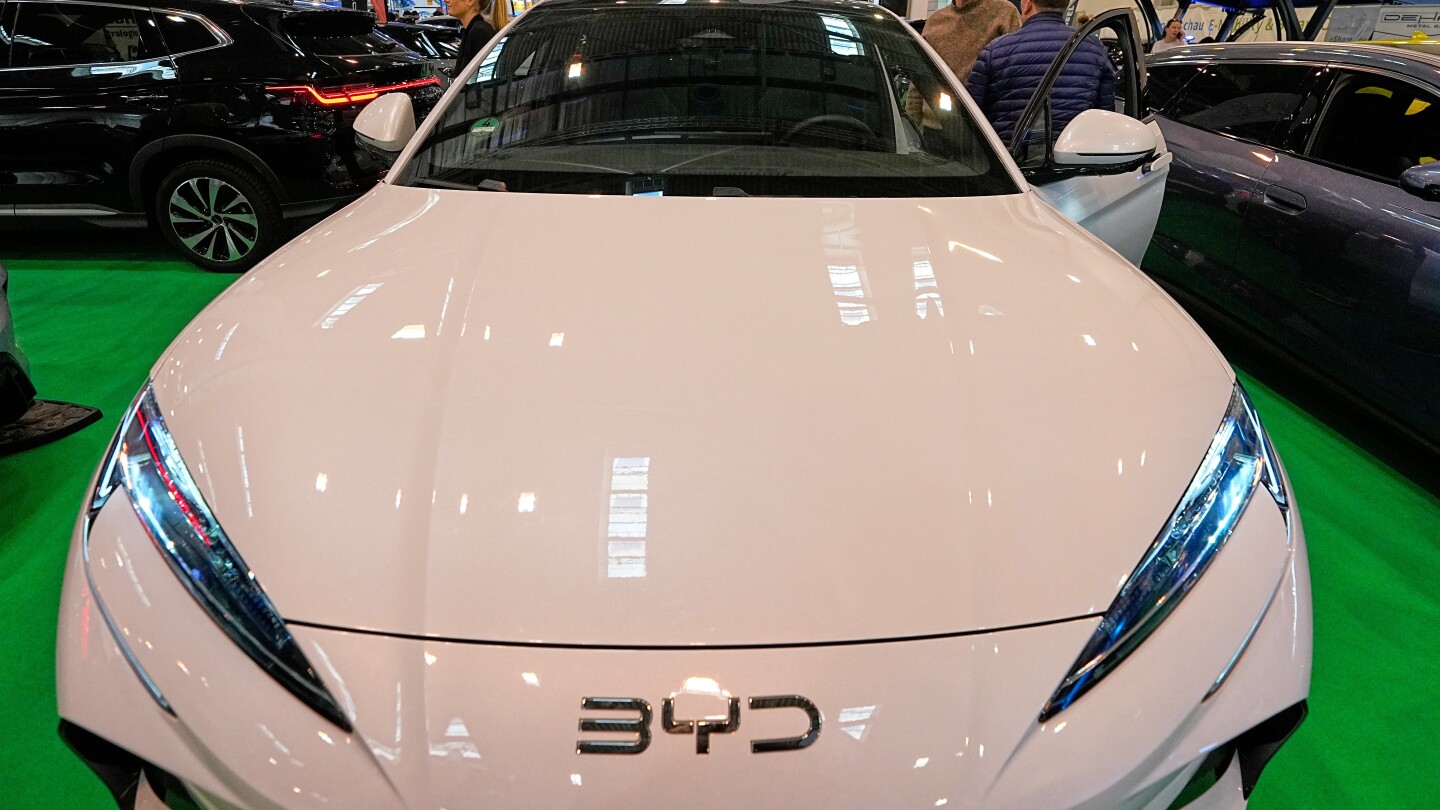
    DETROIT — The global automotive landscape is undergoing a seismic shift as Chinese electric vehicle manufacturers capitalize on Canada’s recent decision to slash EV import tariffs. This strategic trade agreement, which also includes concessions on Canadian agricultural products, creates a formidable gateway for China’s technologically advanced and cost-competitive vehicles into North American markets.

    Industry analysts highlight that Chinese EVs represent a paradigm shift in automotive manufacturing, combining sophisticated connectivity features, lightweight construction techniques, and extended driving ranges at unprecedented price points. With vehicles priced between $10,000-$20,000—compared to America’s $50,000 average for new vehicles—Chinese manufacturers have mastered the production of desirable small and mid-sized cars that major American automakers have largely abandoned in favor of higher-margin trucks and SUVs.

    The timing proves particularly advantageous for Chinese automakers as domestic market conditions weaken while global electrification accelerates. Benchmark Mineral Intelligence data reveals 17% growth in China’s plug-in hybrid and electric vehicle sector alongside Europe’s 33% surge, contrasting sharply with the mere 1% growth in U.S. electrified vehicle sales last year.

    This expansion occurs as American manufacturers scale back ambitious electrification plans, creating a critical competitive vulnerability. The symbolic transfer of Tesla’s EV crown to BYD—which delivered 2.26 million vehicles against Tesla’s 1.64 million in 2025—underscores China’s manufacturing dominance.

    To access Canadian markets, Chinese automakers must meet stringent safety and quality standards comparable to U.S. requirements, potentially incentivizing manufacturing investment in Canada. AlixPartners predicts Chinese brands will capture 30% of the global market by 2030, having already established significant presence in Europe, South America, and Mexico.

    The advancement raises complex questions about data security and market protectionism. Transportation Secretary Sean Duffy recently asserted that China’s automotive investments aim to ‘control the industry,’ reflecting widespread concerns about data collection capabilities in connected vehicles. Despite these concerns, industry experts like AutoForecast Solutions’ Sam Fiorani conclude that ‘the advance of Chinese manufacturers is inevitable,’ noting that Western markets must establish guardrails rather than expect complete market exclusion.