In a landmark move eight years in the making, Australia and the European Union have formally signed a historic free-trade agreement projected to boost Australia’s GDP by $10 billion. While the Albanese government hails the pact as a significant economic achievement, Australia’s meat industry has responded with fierce opposition, labeling the arrangement a devastating blow.
The agreement, signed by Prime Minister Anthony Albanese and European Commission President Ursula von der Leyen, eliminates 98% of EU tariffs on Australian goods, providing substantial benefits for sectors including wine, nuts, fruits, vegetables, honey, olive oil, dairy, grains, and seafood. The government emphasizes that this opens access to a market of 450 million people in the world’s second-largest economy.
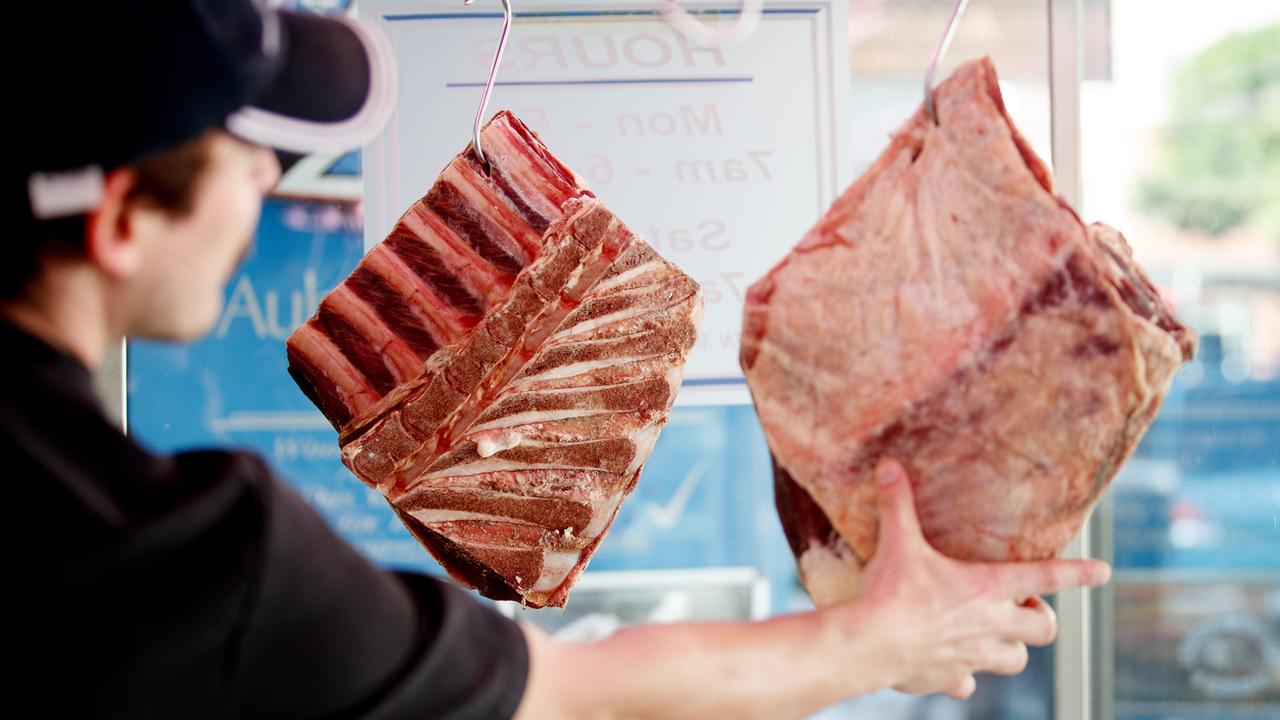
However, the Australian Meat Industry Council (AMIC) has condemned the deal’s provisions for red meat exports. Chief Executive Tim Ryan characterized the outcome as ‘a kick in the guts,’ asserting that the negotiated terms fall severely short of industry expectations and lag behind concessions granted to Australia’s international competitors.
Critical points of contention include a beef quota capped at just 10,200 tonnes for the first five years—approximately 30,600 tonnes less than the volume allocated to competitors, who can export up to 50,000 tonnes. Similarly, the sheep and goat meat quota of 25,000 tonnes is deemed inadequate, with AMIC citing 67,000 tonnes as the minimum acceptable threshold. This pales in comparison to New Zealand’s allocation of 125,000 tonnes under its separate EU agreement.
Ryan criticized the deal for restricting rather than promoting trade, noting it fails to reflect the red meat sector’s substantial contribution to Australia’s export economy. The agreement arrives during a period of heightened pressure for the industry, which has recently faced significant geopolitical challenges, including reduced meat imports by China and restrictive licensing arrangements imposed by Indonesia.
Opposition trade spokesman Matt Canavan expressed skepticism about the deal’s immediate benefits, acknowledging that initial details ‘don’t sound all that attractive.’ The agreement represents a complex balancing act between broad economic gains and specific sectoral disadvantages, highlighting the challenges of negotiating multinational trade partnerships.