分类: business

  • IMF warns of trade tension risk to global growth

    IMF warns of trade tension risk to global growth

    The International Monetary Fund (IMF) has issued a stark warning that escalating trade conflicts and a potential reversal in the artificial intelligence investment boom represent significant threats to global economic stability. In its latest World Economic Outlook assessment, the IMF characterized the current global economic condition as “steady” with “resilient” growth projections for the coming year, while simultaneously highlighting several critical vulnerabilities.

    The IMF’s economic forecast, completed prior to former President Donald Trump’s recent threat to impose tariffs on eight European nations opposing his Greenland acquisition proposal, projects global growth at 3.3% for 2026—an upward revision from the previous 3.1% estimate. This expansion is expected to moderate slightly to 3.2% in 2027. The United Kingdom demonstrated modest improvement with 1.4% growth in 2025, though projections remain at 1.3% for 2026 before accelerating to 1.5% in 2027.

    Inflation trends show promising signs of moderation globally, with estimates declining from 4.1% in 2025 to 3.8% in 2026, and further dropping to 3.4% in 2027. The UK specifically anticipates returning to the 2% inflation target by year’s end as labor market softening continues to suppress wage pressures.

    The fund emphasized that risks to the global outlook “remain tilted to the downside,” particularly noting that excessive optimism about AI capabilities could trigger abrupt market corrections if expectations prove unfounded. Simultaneously, the institution cautioned that renewed trade tensions could prolong uncertainty and substantially dampen economic activity.

    Conversely, the IMF identified potential positive scenarios where AI investments translate into sustainable productivity growth and easing trade disputes provide additional economic momentum. The report noted that despite previous tariff implementations, the global economy had demonstrated a “muted response” thus far, with trade tensions gradually abating since October.

    In a particularly significant declaration, the IMF stressed that central bank independence remains “paramount for macroeconomic stability and economic growth.” This warning follows an unprecedented criminal investigation against US Federal Reserve Chair Jerome Powell, allegedly initiated due to presidential dissatisfaction with interest rate policies. The situation prompted global central bank leaders to express solidarity with Powell while drawing strong criticism from three former Fed chairs.

    The IMF concluded that preserving both legal and operational autonomy of central banks is essential for avoiding fiscal dominance, anchoring inflation expectations, and enabling effective mandate fulfillment.
  • Philippine president announces new gas find in waters facing the disputed South China Sea

    Philippine president announces new gas find in waters facing the disputed South China Sea

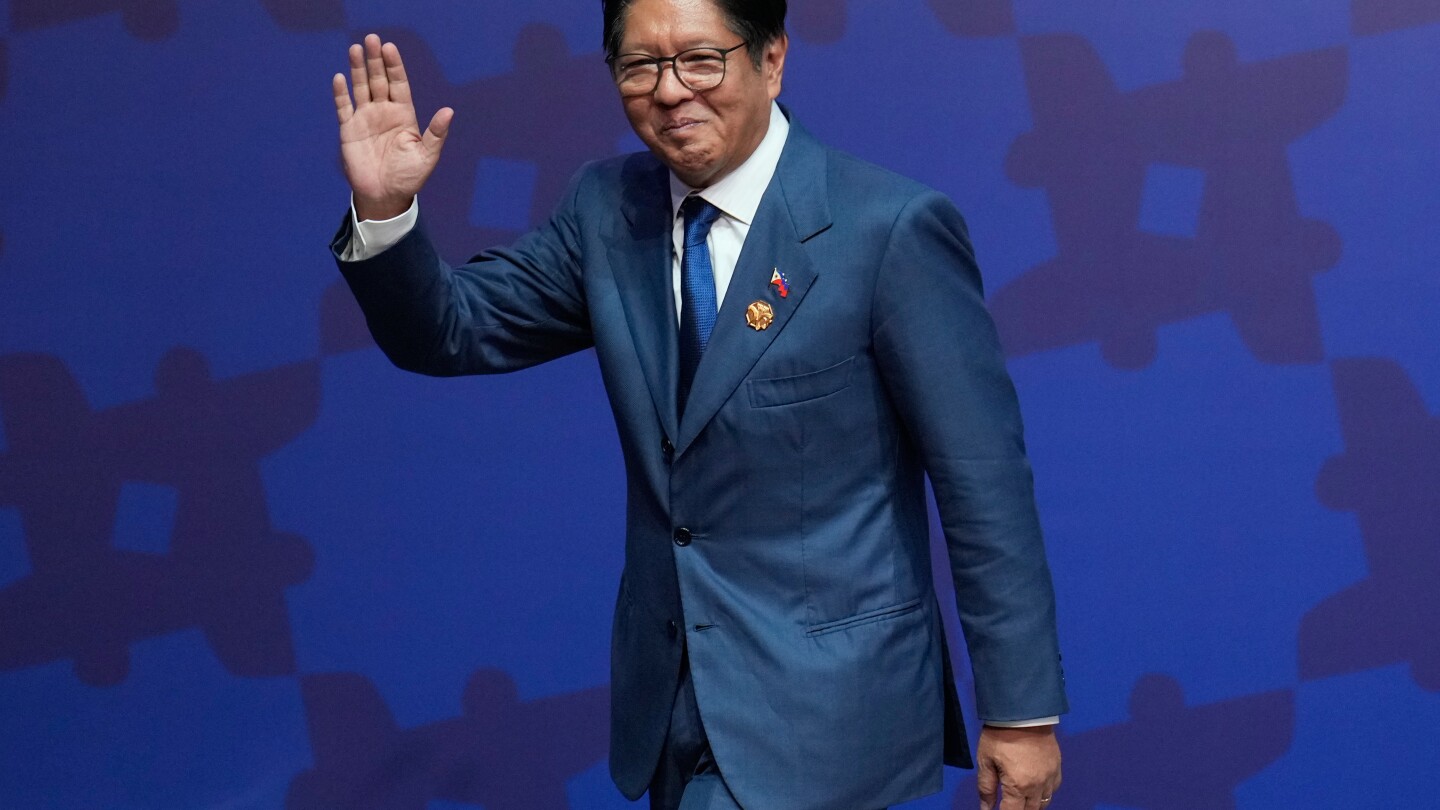
    MANILA, Philippines — In a significant development for national energy security, Philippine President Ferdinand Marcos Jr. has confirmed the discovery of a substantial new natural gas reservoir adjacent to the existing Malampaya field in the West Philippine Sea. The find promises to mitigate potential power shortages while reinforcing domestic energy independence.

    The newly identified deposit, designated Malampaya East 1, is situated approximately 5 kilometers east of the primary production site northwest of Palawan province. Initial assessments indicate the reservoir contains an estimated 98 billion cubic feet of natural gas, with preliminary testing demonstrating a potential daily extraction capacity of 60 million cubic feet.

    President Marcos characterized the discovery as crucial for extending Malampaya’s operational lifespan and ensuring stable electricity generation for Luzon, the nation’s most populous region. The field’s output could potentially power over 5.7 million households annually while yielding valuable condensate fuels.

    This discovery arrives as the original Malampaya field, operational since 2001 and responsible for generating more than 20% of Luzon’s electricity, faces projected production declines. Last year, Marcos extended exploration rights at Malampaya for an additional 15 years to prevent energy shortfalls.

    The geological find occurs within the Philippines’ Exclusive Economic Zone, where the nation maintains sovereign resource rights under international law. However, the discovery highlights ongoing regional complexities, as similar exploration attempts at Reed Bank—another prospective area within the West Philippine Sea—remain stalled due to territorial disputes with China.

    Beijing’s expansive claims over the South China Sea have previously complicated energy exploration efforts by multiple nations, including Vietnam and Malaysia. While the Malampaya East 1 site falls unequivocally within Philippine jurisdiction, its discovery underscores the strategic importance of domestic energy resources amid geopolitical tensions in the contested waterways.

  • Beer supplies across Australia Day long weekend under threat as transport union warns of strike action

    Beer supplies across Australia Day long weekend under threat as transport union warns of strike action

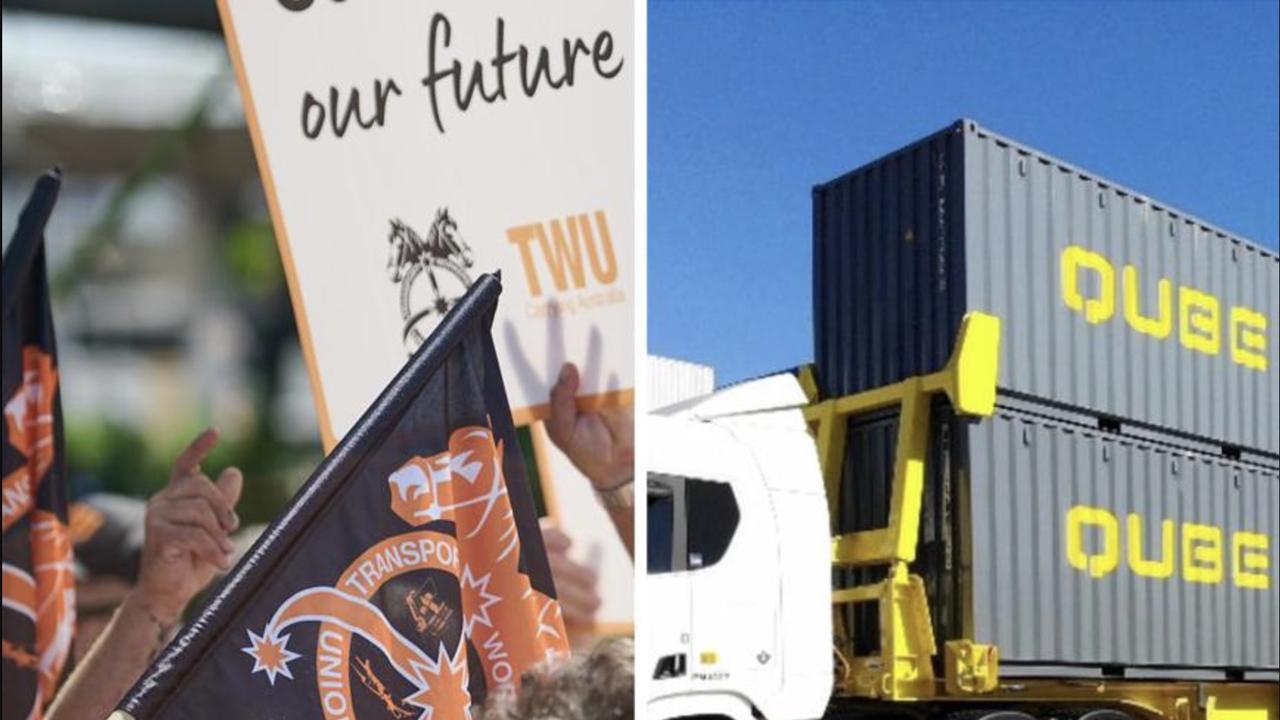
    A nationwide beer shortage threatens to disrupt Australia Day celebrations as transport workers initiate strike action against logistics conglomerate Qube. The Transport Workers Union (TWU) has announced a 24-hour work stoppage commencing at 5am Wednesday, affecting operations in both Western Australia and Victoria.

    The industrial action places critical supplies of Asahi beer, Coca-Cola beverages, and Mondelez chocolate products at risk during the peak holiday period. Union officials cite four years of stagnant wages and unsafe working conditions as primary catalysts for the work stoppage, despite Qube reporting consistent annual profit growth.

    TWU Western Australia State Secretary Tim Dawson emphasized the strategic importance of consolidating state agreements into a national framework, stating this action represents a key component of the union’s 2026 initiative to elevate industry standards. “Transport remains Australia’s most lethal industry,” Dawson noted. “Fragmented agreements and relentless cost reduction measures exacerbate an already dangerous situation.”

    Victorian TWU Director Sam Lynch reinforced these concerns, highlighting the growing disparity between corporate profits and worker compensation. Union representatives maintain that Qube’s offer of 12% wage increases over three years fails to address fundamental safety concerns and does not constitute adequate compensation given inflation rates.

    Qube Logistics has denounced the strike as a “calculated scare campaign” while asserting the implementation of contingency supply arrangements. Company representatives revealed that the action involves minimal workforce participation—merely five drivers in Western Australia and twelve in Victoria—and should not significantly impact supply chains.

    The confrontation represents a broader national debate about wage stagnation, worker safety, and corporate responsibility in Australia’s logistics sector during a period of record corporate profitability.

  • Vietnam sees rapid growth despite tariffs

    Vietnam sees rapid growth despite tariffs

    As Vietnam commences its 14th National Congress this week, economic analysts are spotlighting the nation’s remarkable resilience as an emerging Southeast Asian powerhouse. Defying significant trade headwinds, Vietnam achieved an impressive 8.02% GDP expansion in 2025, positioning it as the fastest-growing economy within ASEAN and among global leaders.

    Burkhard Schrage, interim head of the Management Department at RMIT University Vietnam’s Business School, characterized the achievement as “a landmark accomplishment” and “a bright spot amid continued global volatility.” The congress, running through Sunday, is anticipated to mark a strategic pivot toward a quality-focused growth model emphasizing sustainability and technological sovereignty rather than pure quantitative expansion.

    This transformational shift is reflected in the draft political report which, for the first time, positions science, technology, and innovation at the core of Vietnam’s national development strategy. Schrage described the gathering as “a historic turning point, marking the transition into a new era of national strength and self-reliance.”

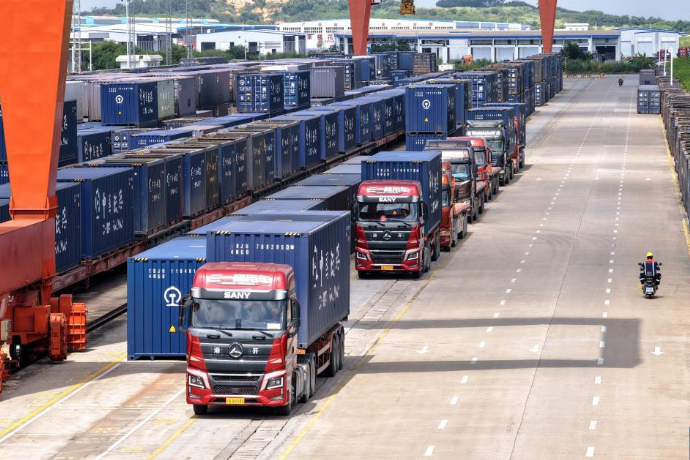
    According to Le Hong Hiep, senior fellow at Singapore’s ISEAS-Yusof Ishak Institute, Vietnam’s economic momentum stems from multiple drivers: robust export performance, heightened foreign direct investment, accelerated infrastructure development, and diversified consumption strategies. Despite facing 20% tariffs imposed by the United States since August, Vietnam’s exports surged 20% year-on-year in the fourth quarter, reaching $475 billion annually—a 17% overall increase. Disbursed FDI inflows simultaneously rose 9% to $27.6 billion, marking a five-year high.

    Hiep noted that 2026 will provide clearer insights into the tariffs’ comprehensive impact on exports and the broader economy. In response, Vietnamese authorities are implementing strategic countermeasures including export diversification away from the US market. “In these efforts, China is also featured significantly in Vietnam’s plans,” Hiep emphasized, noting Hanoi’s intention to increase exports to China to reduce its trade deficit and offset potential declines in shipments to Western economies.

    Infrastructure development represents another critical frontier, with Vietnam increasingly collaborating with China on connectivity projects. Hiep highlighted the logical progression of integrating Vietnam’s infrastructure network with China’s robust systems, noting that such connections would “boost the efficiency and potential of these projects to contribute to the overall economic development of Vietnam.” The state-run Vietnam News Agency recently identified infrastructure breakthroughs as a “foundational pillar” for achieving double-digit growth in 2026.

    Looking toward the future, Schrage projected that Vietnam is entering a “defining decade” that could reshape Southeast Asia’s economic hierarchy, potentially overtaking Thailand as ASEAN’s third-largest economy by 2026 or 2027. By 2030, Vietnam’s economic standing will likely be defined by its transition toward high middle-income status, solidifying its position as a regional economic leader.

  • Gold and silver prices hit high after tariff threat

    Gold and silver prices hit high after tariff threat

    Precious metals markets experienced unprecedented surges as gold and silver prices shattered historical records following escalating geopolitical tensions. The catalyst emerged from President Donald Trump’s announcement of impending tariffs targeting eight European nations that opposed his administration’s proposed acquisition of Greenland.

    Gold reached an extraordinary peak of $4,689.39 per ounce during Monday’s trading session, while silver simultaneously climbed to $94.08 per ounce. This remarkable rally represents the continuation of a bullish trend that has seen gold appreciate by over 60% throughout the previous year, largely driven by mounting global economic uncertainties and geopolitical instability.

    Financial markets exhibited divergent reactions across global regions. Asian exchanges registered moderate declines, with Japan’s Nikkei index closing 0.6% lower. European markets demonstrated more pronounced volatility: London’s FTSE 100 opened with a modest 0.1% decrease, while Germany’s Dax index plummeted 1.4% and France’s Cac 40 experienced a 1.5% downturn. United States markets remained closed for the federal holiday.

    The tariff framework, scheduled for implementation on February 1st, imposes an initial 10% levy on imports from Denmark, Norway, Sweden, France, Germany, the United Kingdom, Netherlands, and Finland. President Trump indicated these tariffs could escalate to 25% and remain effective until negotiations regarding Greenland’s status reach resolution.

    In response to these measures, European Union authorities are reportedly formulating a substantial counter-tariff package valued at approximately €93 billion targeting American imports. Market analysts interpret these developments as reinforcing precious metals’ traditional role as safe-haven assets during periods of international diplomatic strain and economic uncertainty.

    Matt Simpson, Senior Analyst at StoneX, observed: ‘Geopolitical tensions have provided gold bulls with additional impetus to drive the yellow metal to unprecedented valuation levels.’ This sentiment reflects broader market recognition that precious metals typically appreciate during periods of international discord and economic volatility.

  • US futures sink after Trump warns of higher tariffs for 8 countries over Greenland issue

    US futures sink after Trump warns of higher tariffs for 8 countries over Greenland issue

    Financial markets experienced significant turbulence on Monday as U.S. stock futures declined sharply following President Donald Trump’s unexpected threat to impose additional 10% tariffs on imports from eight European nations. The unprecedented move came in response to European opposition to Trump’s aspirations regarding Greenland’s sovereignty.

    The targeted European countries—Denmark, Norway, Sweden, France, Germany, the United Kingdom, the Netherlands, and Finland—issued a strongly worded joint statement condemning the tariff threats as undermining transatlantic relations and potentially triggering a dangerous economic escalation. This represents the most forceful diplomatic rebuke from European allies since Trump’s return to the White House nearly one year ago.

    Market indicators showed substantial losses with S&P 500 futures dropping 0.8% and Dow Jones Industrial Average futures declining 0.7%. According to Stephen Innes of SPI Asset Management, these developments are testing the fundamental strategic alignment and institutional trust that underpin European support, which remains crucial as Europe serves as America’s largest trading partner and primary source of financing.

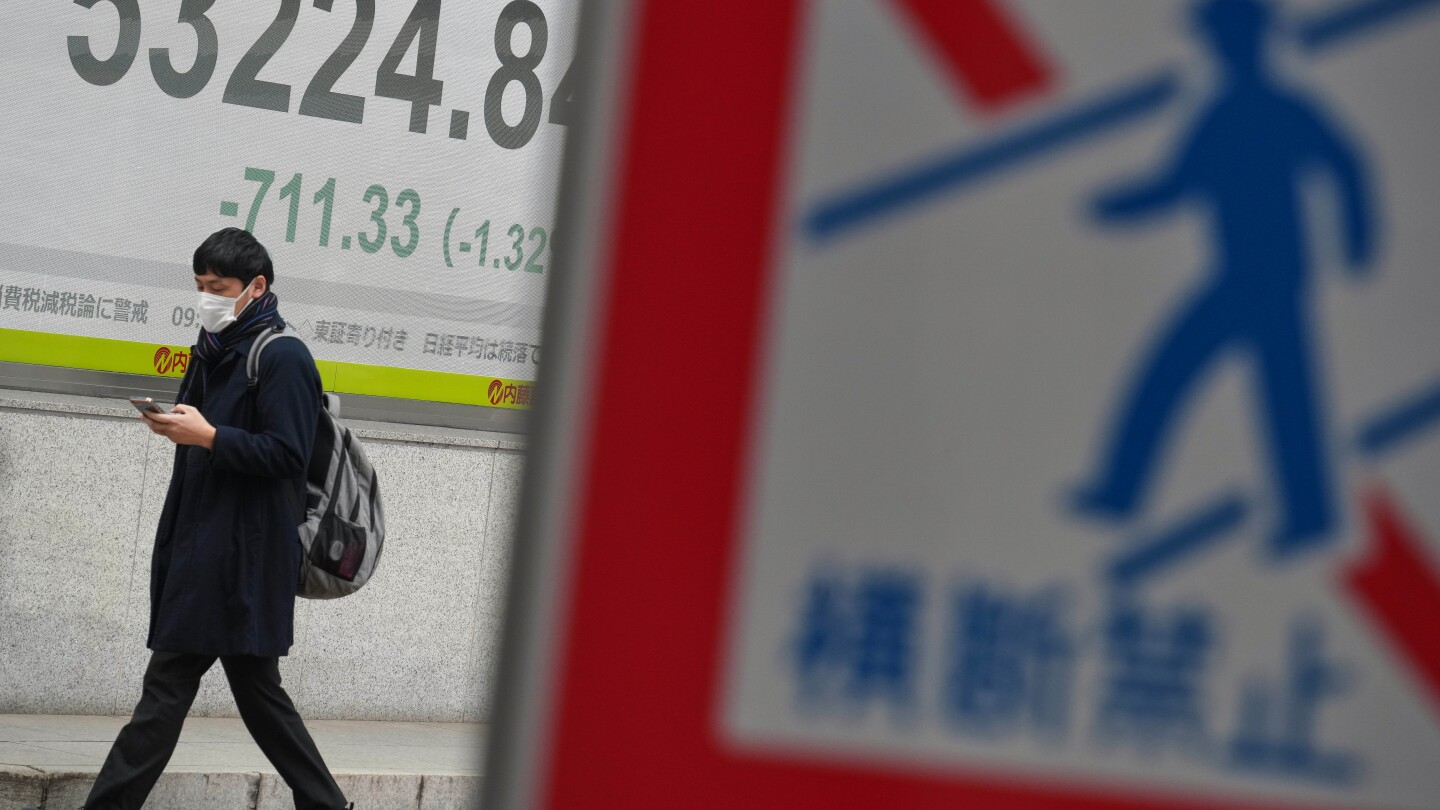
    Asian markets presented a mixed performance amid the global uncertainty. China reported 5% annual economic growth for 2025, though quarter-quarter expansion showed signs of deceleration. Hong Kong’s Hang Seng index declined 0.9% while Shanghai Composite gained 0.3%. Japan’s Nikkei 225 dropped 0.8% amid political developments suggesting potential parliamentary dissolution for snap elections. South Korea’s Kospi notably outperformed with a 1.4% surge to record territory, driven by robust technology sector performance.

    The broader market context reveals ongoing concerns about corporate earnings sustainability, particularly in technology sectors where artificial intelligence-driven valuations face increased scrutiny. This week’s economic calendar includes critical inflation data through the Personal Consumption Expenditures price index—the Federal Reserve’s preferred inflation metric—ahead of the central bank’s upcoming policy meeting where interest rates are expected to remain unchanged amid persistent inflation concerns.

    Commodity markets showed varied movements with crude oil prices experiencing modest declines while precious metals surged significantly, with gold advancing 1.7% and silver jumping 5.2% as investors sought safe-haven assets amidst growing geopolitical tensions.

  • Record gold price fails to stop ASX 200 from dropping after five-day rally

    Record gold price fails to stop ASX 200 from dropping after five-day rally

    Global financial markets experienced significant turbulence as former President Donald Trump’s unexpected trade policy announcement triggered a flight to safe-haven assets. Gold prices surged to an unprecedented $4,690.59 per ounce, while silver reached $94.12, marking historic highs in precious metal trading.

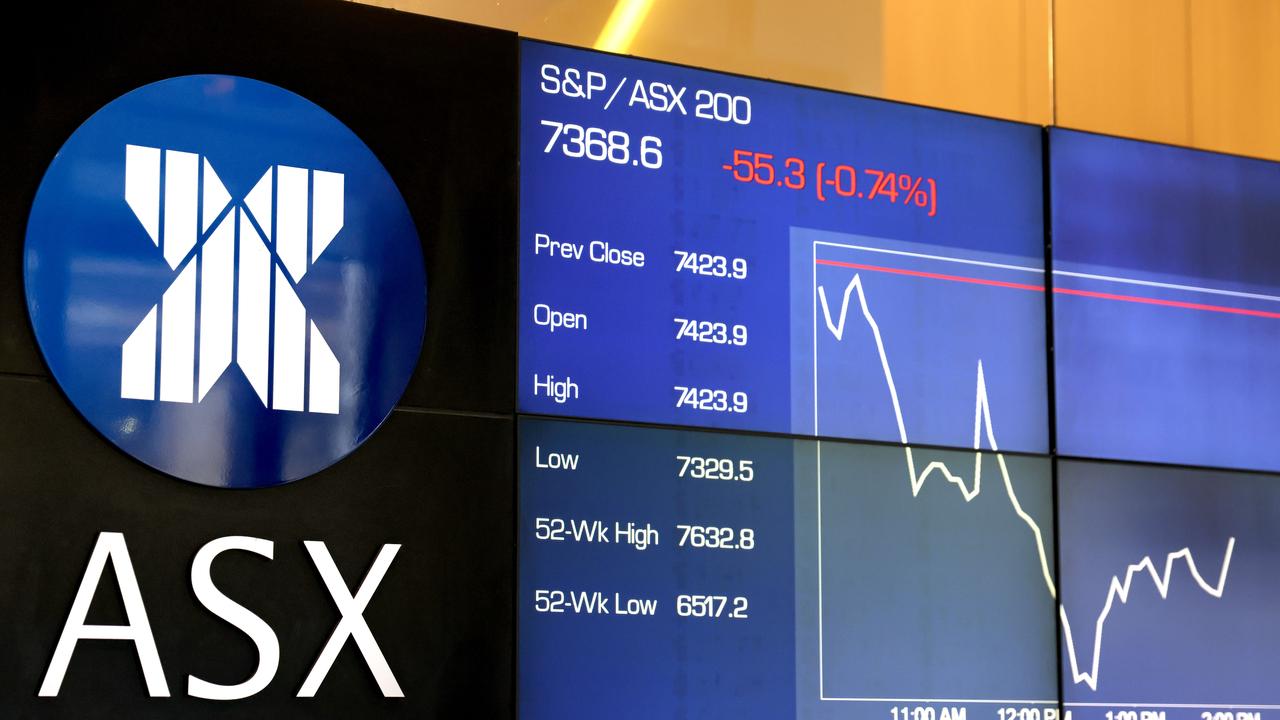
    The Australian sharemarket snapped its five-day winning streak despite the commodity rally, with the benchmark ASX 200 declining 29.40 points (0.33%) to close at 8,874.50. The broader All Ordinaries index similarly fell 31.80 points (0.34%) to 9,194.90. Market analysts attributed the divergence to sector-specific performances, where strengthening commodity prices were offset by substantial declines in technology, consumer discretionary, and financial stocks.

    Trump’s controversial proposal involved imposing 10% export tariffs on eight countries that opposed the United States’ attempted acquisition of Greenland, a largely autonomous Danish territory. This announcement reignited fears of potential trade conflicts between Europe and the United States, prompting investors to seek refuge in traditional safe-haven assets.

    Gold producers emerged as clear market winners, with Northern Star Resources jumping 3.17% to $27.68, Evolution Mining climbing 3.13% to $13.53, and Newmont Corporation adding 1.41% to $171.64. According to eToro market analyst Zavier Wong, “The outlook for precious metals remains positive, particularly for gold and silver. Structural forces are doing much of the heavy lifting, including sustained central bank buying, rising government debt levels and a world that looks increasingly fragmented geopolitically.”

    Technology stocks suffered significant losses, with WiseTech Global slumping 4.40% to $64.07, Xero declining 2.64% to $100.89, and TechnologyOne falling 1.43% to $13.15. Banking shares also retreated, with Commonwealth Bank sliding 0.67% to $153.25, Westpac falling 0.56% to $38.97, NAB slumping 1.05% to $42.22, and ANZ slipping 0.40% to $37.37.

    In corporate developments, A2 Milk shares plummeted 10.64% to $8.40 and entered a trading halt despite no negative financial disclosures. Market speculation suggested investor concerns might be linked to Chinese government data showing declining birth rates. Conversely, City Chic Collective shares jumped 3.57% to $0.14 after reporting $69.2 million in sales revenue for the 26 weeks to December 28. Treasury Wine Estate shares continued their upward trajectory, gaining 0.73% to $5.53 following European billionaire Olivier Goudet increasing his stake to 6.13% of the business.

    The Australian dollar edged higher to 66.96 US cents amid the mixed market performance, reflecting the complex interplay between commodity strength and broader market uncertainties.

  • Libya signs $2.7bn deal to expand Misurata Free Zone, in diversification push

    Libya signs $2.7bn deal to expand Misurata Free Zone, in diversification push

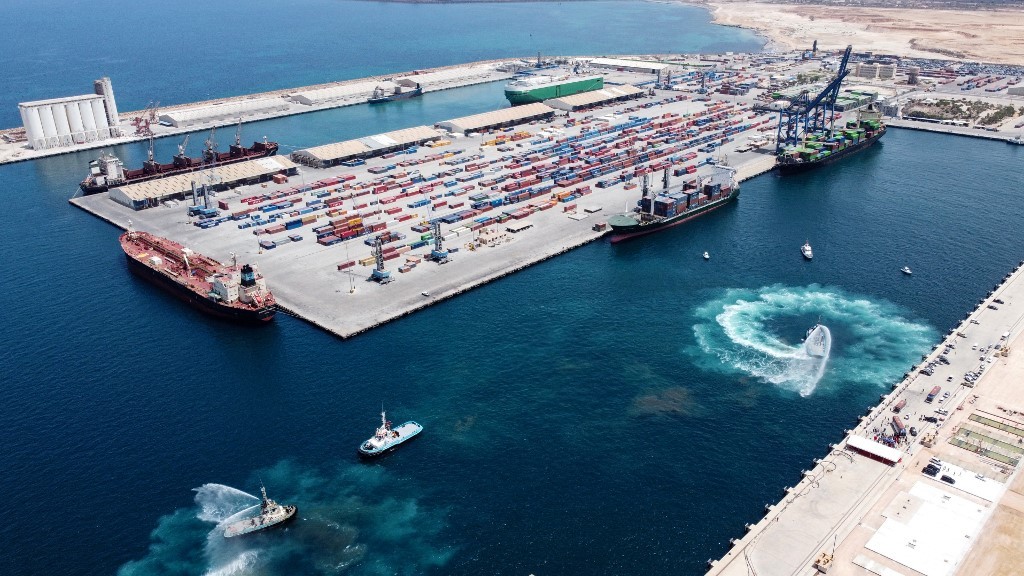
    In a significant economic development, Libya’s Government of National Unity has finalized a landmark strategic partnership with international firms to dramatically expand the Misurata Free Zone. Prime Minister Abdulhamid Dbeibah announced the agreements on Sunday, revealing the project is projected to attract approximately $2.7 billion in foreign investment—a crucial step toward diversifying the nation’s oil-dependent economy.

    The partnership brings together Terminal Investment Limited and Doha-based Maha Capital Partners, combining operational expertise with long-term capital investment. According to government projections, the expanded zone is expected to generate annual operating revenues of around $500 million while transforming the port into a competitive logistics hub connecting Africa, Europe, and the Middle East.

    Prime Minister Dbeibah emphasized the strategic importance of the project in a statement on social media platform X, noting that it “enhances Libya’s position among the region’s largest ports in terms of size and capacity” while relying on “direct foreign investment within a comprehensive international partnership.”

    The expansion represents a conscious effort to reduce Libya’s overwhelming dependence on hydrocarbons, which currently account for more than 95% of economic output. Officials envision the project as a catalyst for broadening the country’s economic base through modernized infrastructure and transformed state assets.

    Substantial employment benefits are anticipated, with the project expected to create approximately 8,400 direct jobs and roughly 60,000 indirect positions. The terminal’s capacity will be increased to handle four million containers annually, up from its current 190-hectare footprint.

    The signing ceremony at the Misurata Free Zone was attended by high-profile figures including Sheikh Mohammed bin Abdulrahman al-Thani and Antonio Tajani. Muhsin Sigutri, the free zone’s chairman, stated that the partnership reflects “Misurata’s determination to build modern, internationally competitive infrastructure that can unlock new industries, support local employment, and strengthen Libya’s position within regional and global supply chains.”

    This development occurs against the backdrop of prolonged instability following the 2011 NATO-backed uprising, which led to rival administrations emerging in eastern and western Libya in 2014, significantly complicating economic recovery efforts.

  • India’s thriving online delivery platforms face a year of reckoning

    India’s thriving online delivery platforms face a year of reckoning

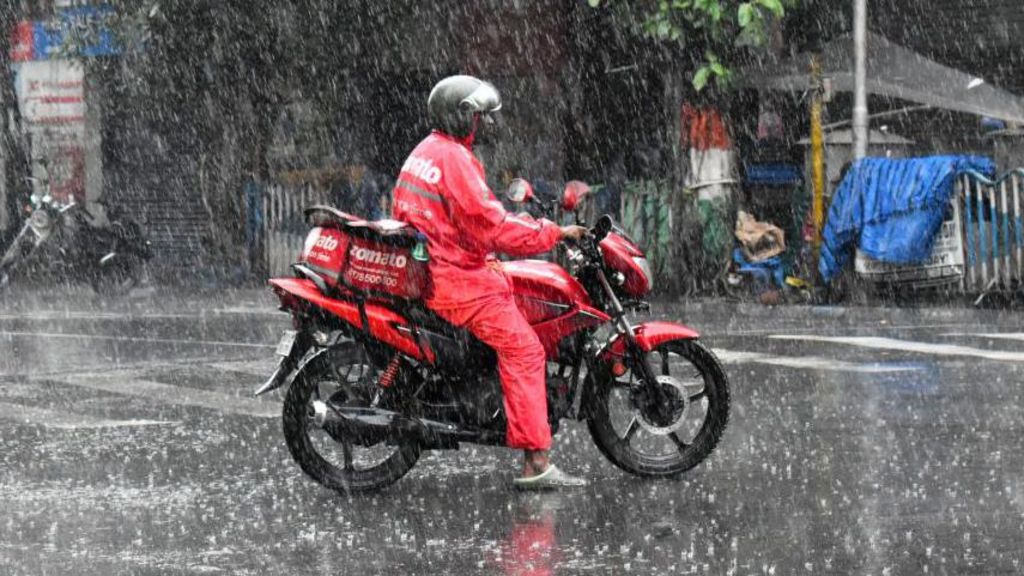
    India’s rapidly expanding gig economy faces unprecedented regulatory challenges as the government implements a ban on ultra-fast 10-minute delivery services. This decisive action follows massive New Year’s Eve strikes involving approximately 200,000 delivery workers who demanded improved working conditions, transparent wage structures, and an end to algorithmic control systems that govern their employment.

    The controversial 10-minute delivery model, pioneered by startups like Zomato, Swiggy, Blinkit, and Instamart, had become synonymous with urban convenience in major Indian cities. These platforms transformed consumer expectations during the pandemic, creating an entire ecosystem of instant gratification for groceries, food, and various services.

    Worker grievances extend beyond delivery time pressures to fundamental issues of fair compensation and job security. Striking employees specifically challenged what they describe as arbitrary algorithmic management of performance ratings and contract terminations, seeking greater transparency in how their earnings are calculated.

    The government’s intervention coincides with impending labor reforms that will extend social security protections to gig workers for the first time. New regulations requiring platforms to provide insurance coverage and benefits for workers completing 90 days of service annually represent a seismic shift in India’s labor landscape.

    Platform executives have mounted vigorous defenses of their business models. Deepinder Goyal, CEO of Eternal (parent company of Zomato and Blinkit), asserted that the 10-minute delivery framework operates safely through strategic dark store placement rather than rider speeding. He presented data showing 75 million orders delivered to 63 million customers on New Year’s Eve despite strike actions, which he attributed to “miscreants.”

    Goyal emphasized the voluntary nature of gig work, noting that delivery personnel typically work limited hours and days monthly. He contended that full-time workers can earn approximately 21,000 rupees monthly (£173, $232), surpassing compensation in India’s informal blue-collar sector.

    However, critics argue these figures obscure hidden costs borne by workers, including onboarding expenses, vehicle maintenance, fuel, and uniform purchases. Research from Primus Partners indicates that 61% of gig workers consider themselves full-time employees, with only 25% receiving insurance or pension benefits.

    The financial implications for platforms are substantial. Companies already operating on thin margins (2.5-4.5% for food delivery, negative returns on groceries) face increased operational costs from compliance with new welfare requirements. Stock prices have reflected these concerns, with Swiggy declining approximately 15% recently.

    This confrontation mirrors global trends where jurisdictions from London to Singapore have strengthened gig worker protections. The outcome will shape not only working conditions for India’s 12 million gig workers (projected to reach 24 million by 2030) but potentially increase consumer costs for delivery services as platforms adjust to regulatory changes.

  • GCC tourism revenues hit $120b as UAE spurs travel boom

    GCC tourism revenues hit $120b as UAE spurs travel boom

    The Gulf Cooperation Council (GCC) has achieved unprecedented growth in its tourism sector, with revenues surging to $120.2 billion in 2024, substantially exceeding pre-pandemic performance levels. This remarkable recovery, representing a 39.6% increase over 2019 figures and an 8.9% year-on-year rise, underscores the region’s successful economic diversification efforts, with the United Arab Emirates acting as the primary catalyst for expansion.

    According to data released by the Statistical Centre for the Cooperation Council for the Arab States of the Gulf (Gulf-Stat), international tourist arrivals reached 72.2 million in 2024, marking a dramatic 51.5% increase compared to pre-crisis levels and elevating the GCC’s share of global tourism to 5.2%. This robust growth trajectory has been driven by strategic investments in aviation infrastructure, liberalized visa policies, and the development of diverse tourism offerings spanning luxury hospitality, cultural experiences, and eco-tourism.

    The UAE has positioned itself at the forefront of this transformation, leveraging its status as a global aviation hub while aggressively expanding into new tourism segments. Dubai and Abu Dhabi continue to break visitor records, supported by increased airline capacity, major international events, and continuous investment in hospitality infrastructure. The World Travel & Tourism Council projects the UAE’s sector will continue outperforming regional averages in coming years.

    Regional travel within the GCC bloc has emerged as a significant growth driver, accounting for 41.3% of total international tourist flows. This intra-regional mobility has grown at an average annual rate of 51.2% between 2019 and 2024, facilitated by joint tourism initiatives and cross-border events. International source markets remain diversified, with the Middle East contributing 18.8% of inbound tourists, followed by Europe (14.6%) and Asia-Pacific (14.5%).

    The tourism boom has triggered substantial infrastructure development across the region. Hotel establishments have expanded to 11,200 properties offering approximately 711,500 rooms, while tourism-related employment has grown to 1.7 million workers in 2024—a 33% increase from 2020. This expansion highlights the sector’s growing importance as a major employer and catalyst for ancillary industries including transportation, retail, and food services.

    Tourism’s direct economic contribution has reached $93.5 billion, representing 4.3% of total regional GDP and achieving 64.1% of the GCC’s Tourism Strategy 2030 targets. The sector has become instrumental in reducing hydrocarbon dependence and building more resilient, service-oriented economies.

    Key performance indicators demonstrate strengthening sector fundamentals, with average tourist stays reaching 8.4 nights and spending per visit averaging $674.60. Gulf-Stat reports the GCC has achieved between 56% and 78% of its 2030 benchmarks across cultural tourism, eco-tourism, and business travel categories.

    The outlook for 2026 remains optimistic, with the IMF and global travel organizations predicting Middle East tourism will continue expanding faster than the global average. This growth is expected to be sustained by rising middle-class travel demand, expanding airline networks, and continued government investment in mega tourism projects, particularly in the UAE where developments in sustainable travel infrastructure are cementing its position as the region’s dominant tourism hub.