分类: business

  • No OTPs? UAE residents get in-app bank alerts as new rule goes into effect

    No OTPs? UAE residents get in-app bank alerts as new rule goes into effect

    Financial institutions across the United Arab Emirates are implementing a significant security overhaul, replacing traditional SMS-based one-time passwords with in-app authentication systems for transaction verification. This strategic shift responds to escalating concerns about sophisticated phishing and social engineering schemes that exploit OTP vulnerabilities to authorize fraudulent payments.

    The transition comes as banking authorities acknowledge the inherent security weaknesses of SMS-delivered codes, which have proven susceptible to interception and manipulation by cybercriminals. The new framework requires customers to verify transactions directly within their banking applications, providing enhanced visibility of payment details before authorization.

    Consumer reactions reflect a nuanced balance between security priorities and convenience considerations. Cosmina Condrat, a kitchen appliance advisor who fell victim to OTP fraud, expressed strong support for the change after losing over Dh1,000 to scammers. ‘The SMS I received didn’t clearly state the amount being charged,’ she recounted. ‘Now I prefer the new system because I can double-check the transaction amount within the app before approval.’

    While some users initially find the additional steps cumbersome, many acknowledge the security benefits. Reema Khan noted that although the process requires opening the banking application rather than simply reading a notification, the added protection outweighs the minor inconvenience. ‘Unless you open the app and approve it, the transaction will not go through,’ she emphasized.

    The implementation has not been without challenges. Some customers report occasional notification delays and the necessity of maintaining internet connectivity for transaction approval. However, banking institutions maintain that the enhanced security measures provide critical protection against the escalating threat of financial fraud in the digital banking landscape.
  • Fragrance World reaches historic milestone in 150+ countries

    Fragrance World reaches historic milestone in 150+ countries

    DUBAI – Fragrance World, the international scent conglomerate, has achieved an extraordinary global footprint by establishing distribution networks across more than 150 countries worldwide. The landmark achievement was commemorated with a spectacular celebration at Expo City Dubai, attended by thousands of international partners and dignitaries.

    The company’s remarkable journey traces back to 1988 when visionary entrepreneur Poland Moosa founded Al Ghuroob in Dubai, laying the groundwork for what would become a fragrance industry powerhouse. The official establishment of Fragrance World in 2004 marked the beginning of an unprecedented expansion story that has transformed the Middle Eastern enterprise into a global phenomenon.

    Headquartered in Dubai, the corporation operates a cutting-edge manufacturing facility employing thousands of workers who produce hundreds of thousands of fragrance units daily. Their diverse portfolio includes successful brands like French Avenue (launched 2012) and the recently introduced Street Origins collection, catering to varied international market preferences.

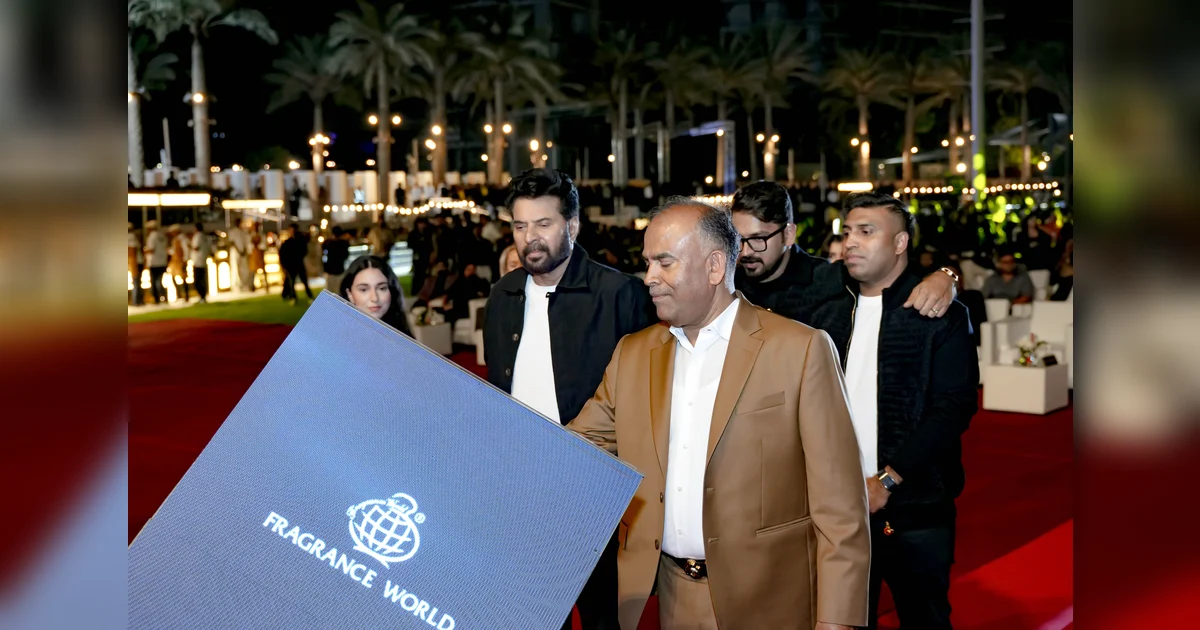
    The celebratory event featured an awe-inspiring drone display that illuminated the Dubai skyline with a commemorative logo digitally authenticated by Founder Moosa. Distinguished attendees included CEO P V Salam, Joint CEO P V Safeer, Labeeb, and legendary film personality Mammootty, alongside global distributors and business leaders.

    Key highlights included the premiere of ‘Kunjon,’ an ambitious docu-fiction film directed by Jeevan Jose that chronicles the brand’s entrepreneurial odyssey across multiple countries with a cast exceeding 200 performers. The celebration also showcased the unveiling of ‘Fragrance of Legacy,’ a biographical work by Sebin Poulose documenting the brand’s evolution and its founder’s visionary leadership.

    The corporation honored its pioneering international partners who facilitated early global expansion, recognizing contributors from Poland, Bulgaria, Russia, and Azerbaijan. A symbolic parade involving over 1,000 factory employees demonstrated the organization’s operational strength and collective unity. The company further demonstrated its commitment to workforce appreciation by distributing gifts exceeding Dh3 million to staff members and recognizing employees with 10-30 years of service.

    This milestone positions Fragrance World among the most extensively distributed fragrance manufacturers globally, representing a significant case study in Middle Eastern brand globalization and entrepreneurial success.

  • Ras Al Khaimah welcomes 1.3 million international visitors in 2025

    Ras Al Khaimah welcomes 1.3 million international visitors in 2025

    Ras Al Khaimah has emerged as a formidable tourism destination, achieving unprecedented growth with 1.3 million international visitors in 2025, marking a 6% increase from the previous year. The emirate’s Tourism Development Authority reported a substantial 12% surge in tourism revenues, underscoring its successful strategic initiatives.

    Phillipa Harrison, CEO of Ras Al Khaimah Tourism Development Authority, characterized 2025 as a landmark year, emphasizing the emirate’s evolution beyond numerical growth to encompass expanded offerings, signature events, new hotel developments, and strengthened global partnerships. The authority remains committed to developing sustainable tourism that delivers long-term value for visitors, investors, and the local community through 2030.

    Market diversification played a crucial role in this success, with exceptional performance across key source regions including the CIS nations, United Kingdom, India, China, and Central and Eastern Europe. Specific countries demonstrated remarkable growth: Romania (+41%), Poland (+22%), Uzbekistan (+19%), Belarus (+26%), India (+14%), China (+19%), UK (+10%), and Russia (+20%).

    High-value tourism segments experienced particularly strong performance, with MICE (meetings, incentives, conferences, and exhibitions) and wedding tourism recording a 25% revenue increase. This reflects Ras Al Khaimah’s growing appeal as a premium destination for business events and luxury celebrations.

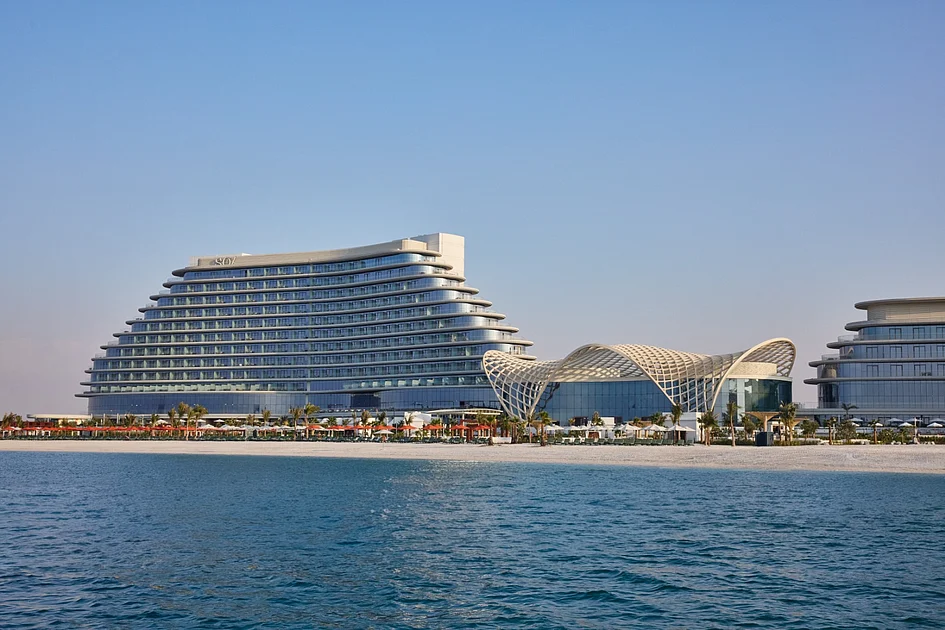
    The emirate’s hospitality landscape continued to expand with strategic openings including Rove Al Marjan Island and SO/ Ras Al Khaimah, introducing new beachfront lifestyle experiences. International luxury brands such as Janu, Four Seasons, Fairmont, Taj, and NH Collection announced new projects, supporting the emirate’s ambitious goal to double hotel capacity by 2030.

    A significant milestone was achieved at Wynn Al Marjan Island, the UAE’s first integrated resort, which topped out its 283-meter, 70-story tower. The $5.1 billion destination resort, scheduled to open in 2027, will feature 1,530 rooms and suites, 22 dining venues, a theater, luxury retail spaces, and a marina. This development is projected to generate over 9,000 jobs and catalyze a new wave of international tourism.

    Major master-planned projects advanced substantially throughout 2025. Marjan Beach, an 85 million square foot development, will incorporate 12,000 hotel keys, 22,000 residential units, and extensive sustainable green spaces. RAK Central, a new mixed-use commercial district, achieved full commercial plot sales within a year, demonstrating strong investor confidence in the emirate’s economic vision.

  • China’s Q4 GDP growth slows to 3-year low, full-year pace meets official target

    China’s Q4 GDP growth slows to 3-year low, full-year pace meets official target

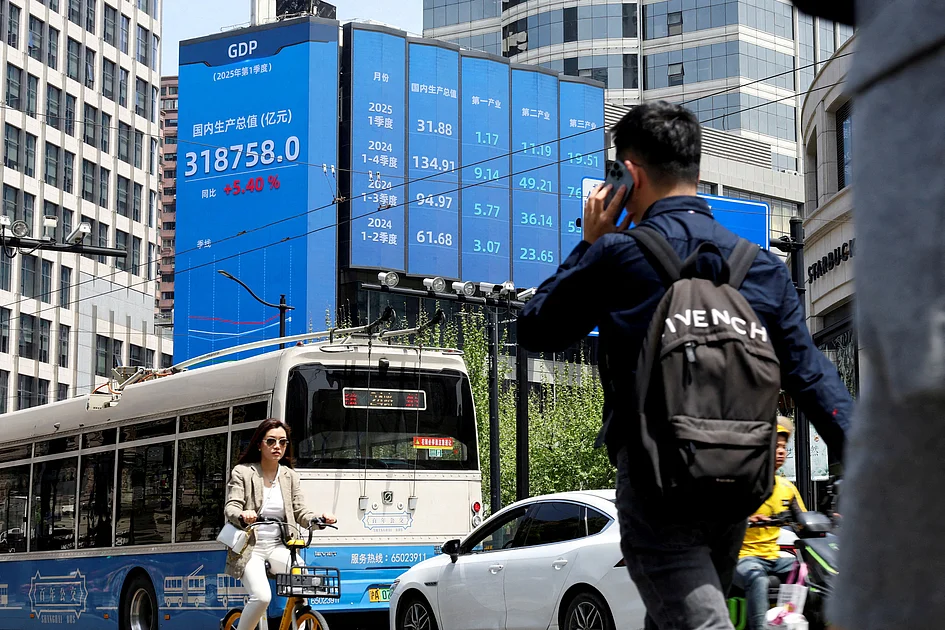
    China’s economic expansion decelerated to its slowest pace in three years during the fourth quarter of 2025, registering 4.5% year-on-year growth according to National Bureau of Statistics data released Monday. While the full-year growth of 5.0% met Beijing’s official target, the quarterly slowdown reveals underlying vulnerabilities in the world’s second-largest economy.

    The manufacturing sector and export performance provided crucial support throughout 2025, with China achieving a record trade surplus of nearly $1.2 trillion. This remarkable export resilience stemmed from strategic diversification to non-U.S. markets amid ongoing trade tensions and smaller-than-anticipated tariff increases from Washington.

    However, this external strength masks significant domestic weaknesses. The economy faces mounting challenges from persistently soft domestic demand, a protracted property market crisis, and deflationary pressures. Fixed asset investment contracted by 3.8% in 2025—the first annual decline since records began in 1996—while property investment plummeted 17.2%.

    Consumption indicators remain particularly concerning. December retail sales grew a meager 0.9%, falling short of analyst expectations and November’s 1.3% growth. This consumption weakness persists despite stable employment figures, with the urban survey-based jobless rate holding at 5.1% in December.

    Policy makers have begun implementing supportive measures, with the central bank recently cutting sector-specific interest rates and indicating potential further reductions in reserve requirements. The government maintains its commitment to “proactive” fiscal policy and ambitions to significantly increase household consumption’s share of the economy over the next five years.

    Analysts note that structural reforms addressing income growth and social safety net strengthening will be crucial for rebalancing the economy away from its current export and investment dependence toward sustainable consumption-led growth.

  • India’s central bank proposes linking BRICS’ digital currencies, sources say

    India’s central bank proposes linking BRICS’ digital currencies, sources say

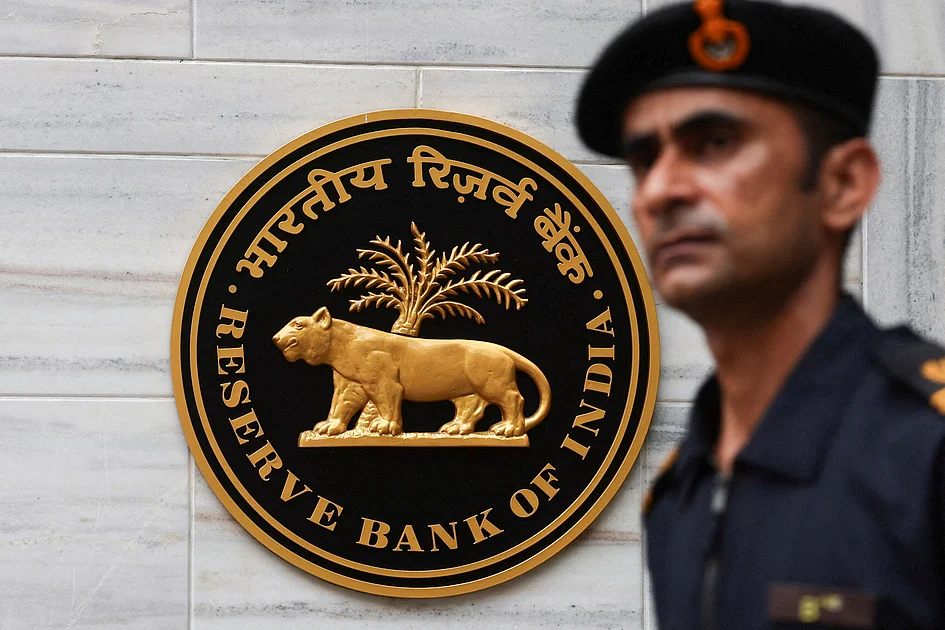
    In a strategic move that could reshape global financial architecture, India’s central bank has advanced a proposal to interconnect the digital currencies of BRICS nations, according to sources familiar with the matter. The Reserve Bank of India (RBI) has recommended including this initiative on the agenda for the 2026 BRICS summit, which India will host later this year.

    The proposal aims to establish technological linkages between central bank digital currencies (CBDCs) of BRICS members—Brazil, Russia, India, China, and South Africa—to facilitate seamless cross-border trade and tourism payments. This development marks the first formal effort to create a multilateral digital currency framework within the bloc, potentially reducing dependency on the U.S. dollar amid escalating geopolitical tensions.

    This initiative builds upon the 2025 BRICS declaration in Rio de Janeiro that advocated for payment system interoperability among member states. While none of the BRICS nations have fully launched their digital currencies, all five core members are conducting advanced pilot projects. India’s e-rupee has attracted approximately 7 million retail users since its December 2022 debut, while China has been aggressively promoting international usage of its digital yuan.

    The RBI has publicly expressed interest in currency linking mechanisms to accelerate cross-border transactions and enhance the global footprint of its currency, though officials maintain these efforts are not explicitly aimed at de-dollarization. Technical and regulatory challenges remain significant, including the need for interoperable technology platforms, governance frameworks, and mechanisms to address trade imbalances.

    Sources indicate that bilateral foreign exchange swap arrangements between central banks are being considered to manage potential trade imbalances. The proposal also contemplates weekly or monthly settlement mechanisms through these swaps. However, progress may be hindered by member states’ reluctance to adopt technological platforms from other countries, requiring consensus on both technical standards and regulatory approaches.

    The initiative emerges against a backdrop of renewed trade tensions, with former U.S. President Donald Trump having previously characterized the BRICS alliance as “anti-American” and threatening tariffs against member states. Previous attempts to deepen economic cooperation within BRICS, including a proposed common currency, have encountered substantial obstacles.

    The RBI has positioned its e-rupee as a regulated alternative to stablecoins, with Deputy Governor T Rabi Sankar recently highlighting concerns about stablecoins’ potential to facilitate illicit payments, undermine monetary stability, and fragment national payment ecosystems.

  • Japan, US narrow first $550 bln investment picks, including SoftBank-linked plan, sources say

    Japan, US narrow first $550 bln investment picks, including SoftBank-linked plan, sources say

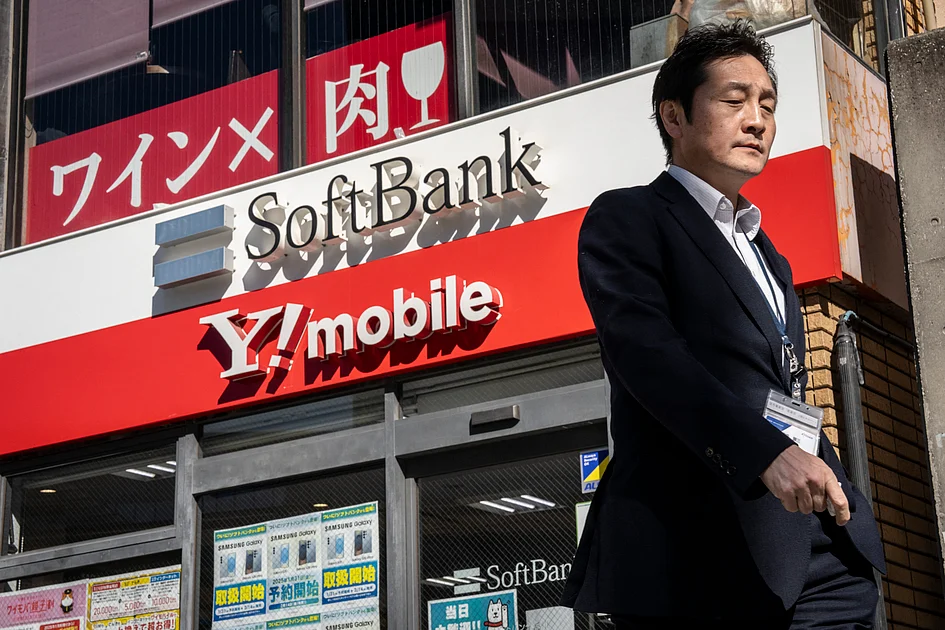
    Japan and the United States have accelerated bilateral negotiations to identify inaugural projects under a monumental $550 billion investment initiative, with a major SoftBank Group infrastructure venture emerging as a leading candidate, according to sources familiar with the discussions.

    The investment framework, originally conceived as part of broader trade negotiations between Tokyo and Washington, represents a strategic economic partnership designed to strengthen supply chain resilience and mutual economic interests. Four individuals with direct knowledge of the proceedings confirmed that governmental committees have intensified deliberations to finalize project selections ahead of Japanese Prime Minister Sanae Takaichi’s anticipated spring visit to the United States.

    Among the shortlisted ventures is a substantial data center development project connected to SoftBank Group, though the technology conglomerate has not publicly commented on its potential involvement. The investment package will incorporate multifaceted financial instruments including direct equity positions, loan facilities, and guarantee mechanisms administered through Japan’s state-owned financial institutions.

    The Japan Bank for International Cooperation (JBIC) and Nippon Export and Investment Insurance (NEXI) will serve as primary vehicles for deploying capital, with preliminary discussions already underway with major Japanese financial institutions regarding co-financing arrangements. Since December, bilateral consultation committees featuring representatives from multiple U.S. departments (Commerce and Energy) and Japanese ministries (Foreign Affairs, Finance, and Industry) have conducted four substantive meetings to evaluate potential investments.

    The final selection process will involve recommendations from a U.S.-led investment committee headed by the Commerce Secretary to President Donald Trump, who retains ultimate authority over project approvals. Japanese officials have emphasized their commitment to advancing the initiative irrespective of pending Supreme Court rulings regarding the legality of presidential tariff authorities, characterizing the investment partnership as a mutually beneficial strategy for strengthening critical supply chains beyond temporary trade disputes.

  • Hungary’s MOL to buy Serbia’s Russia-owned NIS oil company if US approves

    Hungary’s MOL to buy Serbia’s Russia-owned NIS oil company if US approves

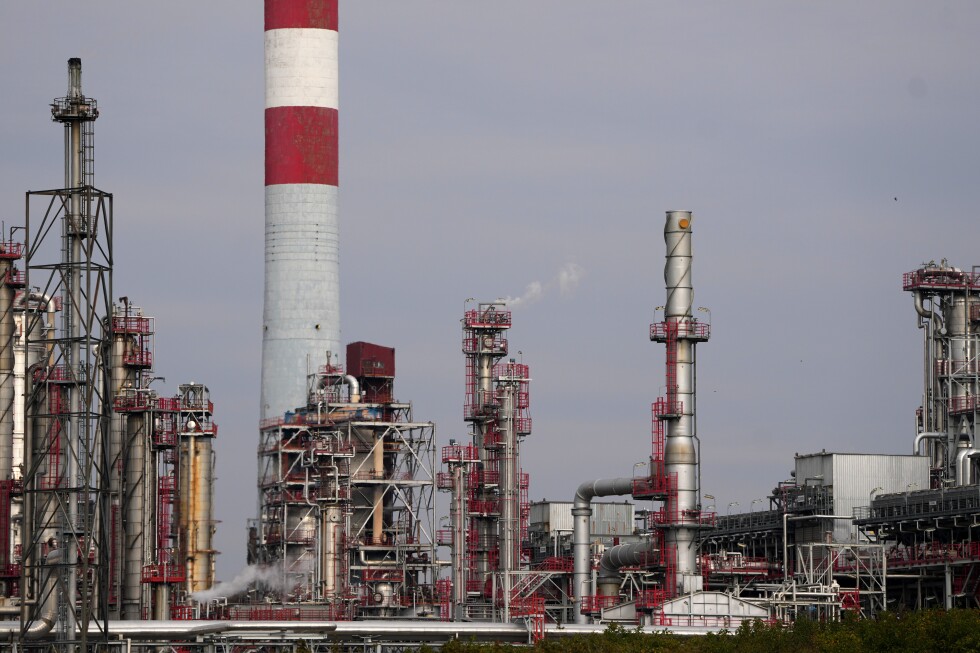
    In a significant development for Central European energy markets, Hungary’s MOL Group has announced a preliminary agreement to purchase a controlling 56.15% stake in Serbia’s primary oil supplier, Naftna Industrija Srbije (NIS), currently owned by Russia’s Gazprom Neft. The transaction, disclosed on Monday, requires explicit approval from the U.S. Office of Foreign Assets Control (OFAC) due to existing American sanctions against the Russian-owned company.

    The acquisition would substantially expand MOL Group’s regional footprint, granting control over Serbia’s sole oil refinery and nearly its entire petroleum market. Company Chairman and CEO Zsolt Hernadi emphasized the strategic importance, stating, “As a reliable regional energy provider, we would like to contribute to the development of Central and Southeastern Europe.”

    Concurrently, MOL is negotiating with Abu Dhabi National Oil Company (ADNOC) of the United Arab Emirates regarding potential minority shareholder participation. Serbian Energy Minister Dubravka Djedovic Handanovic confirmed the arrangement would increase Serbia’s stake in NIS by 5%, elevating its ownership from 29.87% to 34.87%.

    The proposed deal occurs against a complex geopolitical backdrop. Washington imposed sanctions on NIS in 2022 as part of broader measures targeting Russia’s energy sector, with these restrictions taking effect last October. OFAC has granted NIS a license to negotiate the sale until March 24, with the parties aiming to finalize the purchase agreement by March 31.

    Serbia’s position remains diplomatically delicate as the nation pursues European Union membership while maintaining strong ties with Moscow and refusing to implement Western sanctions against Russia following its invasion of Ukraine. Serbia originally sold the majority stake in NIS to Russia in 2008.

  • Dubai Design District expansion: A vision for seamless living, innovation, and relaxation

    Dubai Design District expansion: A vision for seamless living, innovation, and relaxation

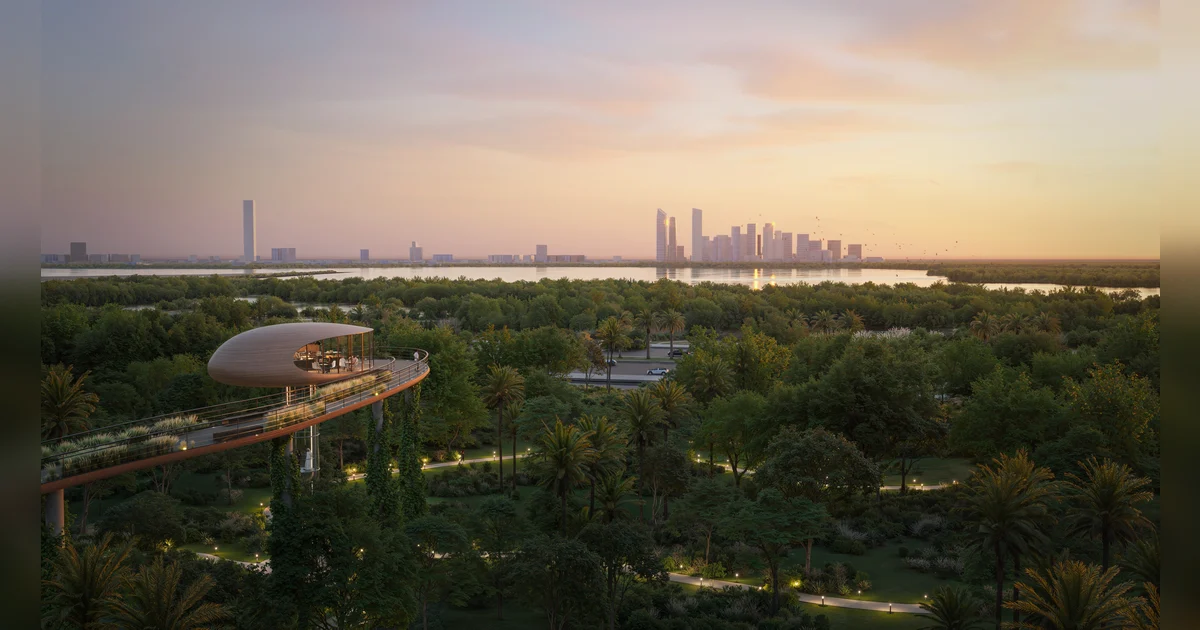
    Dubai Holding Real Estate (DHRE) has unveiled ambitious expansion plans for Dubai Design District (d3), transforming the area into a comprehensive mixed-use destination featuring luxury residences, creative workspaces, and wellness facilities along Dubai Creek. Chief Executive Khalid Al Malik revealed the development strategy that aims to create a seamlessly integrated community where residents can live, work, and innovate within a single, cohesive environment.

    The enhanced masterplan, spanning 18 million square feet between Downtown Dubai and Dubai Creek, represents a significant advancement in urban development. The project introduces ‘The Edit’ residential enclave, comprising three architecturally distinctive towers offering one- to five-bedroom apartments with panoramic views of the waterway and Ras Al Khor Wildlife Sanctuary. These residences are designed to meet growing market demand for premium, design-forward waterfront living.

    A defining feature of the expansion is the Design Line—a fully shaded, pedestrian-oriented thoroughfare that connects the entire district through public art installations, creative spaces, and landscaped corridors. This infrastructure supports walkable urban living while reinforcing d3’s identity as a design-focused neighborhood.

    The development prioritizes sustainability, targeting LEED Silver certification through energy-efficient design, sustainable mobility solutions, and integration with natural landscapes. Five distinct zones will characterize the expanded district: an activated waterfront promenade with contemporary residences, an urban core combining retail and dining with creative ecosystems, a cultural heart featuring performance venues, a wellness-focused area with parks and sports facilities, and a creativity center housing galleries and collaborative studios.

    This expansion aligns with Dubai’s D33 Economic Agenda, strengthening the emirate’s position as a global center for design and innovation. Recent residential launches within d3 have demonstrated strong market performance, with properties like the 280-unit Atelis tower selling out rapidly and The Edit’s 557 design-led homes generating significant interest from local and international buyers.

    Dubai Holding Real Estate, with over three decades of development experience, continues to shape Dubai’s urban landscape through iconic destinations that support sustainable growth in accordance with the Dubai 2040 Urban Master Plan.

  • Barjeel Geojit launches India Opportunities Fund to attract global investors

    Barjeel Geojit launches India Opportunities Fund to attract global investors

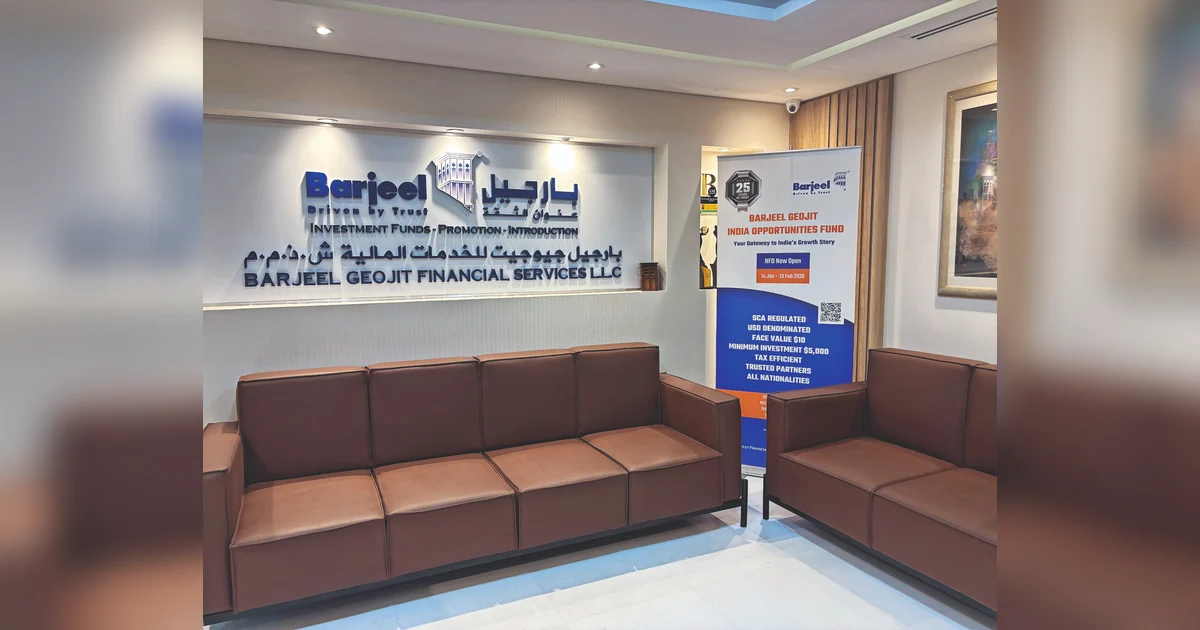
    Barjeel Geojit has officially unveiled its BGIOF (Barjeel Geojit India Opportunities Fund), marking a strategic expansion into investment management backed by a newly acquired mainland Investment Fund Management licence from the UAE’s Securities and Commodities Authority (SCA). This initiative represents a significant evolution for the company, leveraging over 25 years of operational legacy in the UAE and aligning with the nation’s ambition to become a global fund management hub.

    The India-focused umbrella fund is structured to offer multiple sector-specific and market segment sub-funds, providing global investors with diversified exposure to India’s growing economy. The US dollar-denominated fund has set a minimum investment threshold of $5,000, making it accessible to a broad range of international investors.

    The New Fund Offer (NFO) window is currently open for subscription from January 14 to February 13, 2026, offering investors an opportunity to participate in this strategically timed market entry. The fund’s structure allows for targeted investments across various Indian economic sectors, potentially capturing growth in one of the world’s fastest-growing major economies.

    This launch positions Barjeel Geojit at the intersection of UAE’s financial expansion strategy and global investor interest in Indian market opportunities, creating a conduit for international capital seeking exposure to India’s diverse economic landscape.

  • China’s grain and livestock output rise in 2025

    China’s grain and livestock output rise in 2025

    China’s agricultural sector demonstrated remarkable resilience and growth throughout 2025, with official data from the National Bureau of Statistics revealing significant production increases across both grain and livestock categories. The comprehensive report released on January 19, 2026, indicates the nation’s strategic focus on food security continues to yield substantial results.

    Grain production reached an impressive 714.88 million metric tons, representing a 1.2 percent increase compared to 2024 figures. This overall growth was primarily driven by autumn grain output, which constitutes the largest portion of China’s annual harvest, climbing 1.5 percent to reach 536.62 million tons. While summer grain experienced a marginal decline of 0.1 percent settling at 149.75 million tons, early-season rice production saw a 1.2 percent increase totaling 28.51 million tons.

    Breaking down the cereal production specifics, corn output surged by 2.1 percent to 301.24 million tons, while rice production grew modestly by 0.7 percent to 209.04 million tons. Wheat production remained stable at approximately 140.07 million tons, showing negligible change from the previous year. Soybean cultivation, a critical component of China’s agricultural strategy, expanded by 1.3 percent reaching 20.91 million tons.

    The livestock sector achieved a historic milestone with total output of pork, beef, mutton, and poultry exceeding 100 million tons for the first time, reaching 100.72 million tons—a substantial 4.2 percent year-on-year increase. Pork production, which dominates China’s meat sector, grew by 4.1 percent to 59.38 million tons. Poultry meat output witnessed the most dramatic expansion at 6.7 percent growth, reaching 28.37 million tons. Beef production increased by 2.8 percent to 8.01 million tons, though mutton experienced a 4.2 percent decline to 4.96 million tons.

    Dairy production showed modest improvement with milk output rising 0.3 percent to 40.91 million tons, while egg production decreased by 2.5 percent to 34.98 million tons. The report also highlighted significant expansion in hog farming, with the number of slaughtered hogs increasing by 2.4 percent to 719.73 million head. The year-end hog inventory grew by 0.5 percent to 429.67 million head, indicating sustained production capacity for the coming year.