Australia’s benchmark stock index notched its strongest single-day gain in weeks on the final trading session of the week, driven by a wave of investor optimism following news of a 60-day ceasefire extension between the United States and Iran that raises hopes for a long-term de-escalation of Middle East tensions. The ASX 200 closed up 138.80 points, or 1.62%, at 8731.70, while the broader All Ordinaries index followed closely, climbing 145.40 points, or 1.65%, to settle at 8965. The Australian dollar edged slightly lower, dipping 0.02% to 71.60 U.S. cents by market close. The majority of market sectors tracked gains, with nine out of 11 industry groups ending the session in positive territory. Top mining stocks led the rally, as a projected easing of Middle East energy tensions reduced fears of disrupted commodity supply chains. BHP’s share price jumped 2.91% to $62.31, Rio Tinto gained 1.18% to $185.63, and Fortescue Metals Group closed 2.43% higher at $22.31. Technology and consumer discretionary stocks also outperformed broader market averages. Accounting software provider Xero added 0.91% to its value, Technology One rose 2.02% to $29.84, and Codan surged 3.95% to $42.65. In the retail sector, conglomerate Wesfarmers gained 1.67% to $79.79, Afterpay’s parent company Light Wonder rallied 4.23% to $116.73, and electronics retailer JB Hi-Fi closed up 1.17% at $74.49. The sharp afternoon rally kicked off immediately after official confirmation that Washington and Tehran had agreed to extend their temporary ceasefire for two months to create space for formal negotiations on a permanent peace agreement. Global energy markets reacted immediately to the news, with Brent crude futures dropping 0.9% to settle at $92.87 U.S. dollars per barrel, easing fears of sustained high energy costs that have weighed on global economic outlooks in recent months. Samara Hammoud, international economist and currency strategist at Commonwealth Bank, noted in a client note that she holds 70% confidence that a final deal to reopen the strategic Strait of Hormuz will be finalized in the coming days. Hammoud added that U.S. Vice President JD Vance has confirmed the two sides are currently resolving remaining differences over wording in the agreement, with key sticking points including regulations on Iran’s nuclear capabilities. AMP chief economist and head of investment strategy Shane Oliver pointed out that global and Australian markets remain highly sensitive to any developments out of the Middle East, after a week of volatile trading driven by conflicting signals. “The week started on an optimistic note with former President Trump saying last weekend that the ‘final aspects and details of the deal are currently being discussed and will be announced shortly,’” Oliver explained. “But this was followed by new military strikes on Iran and Trump saying he was ‘not satisfied’ with the progress, which pushed oil prices back up. Now, indications point to a tentative agreement that only needs Trump’s final sign-off.” While Oliver acknowledged that ongoing risks of the conflict reigniting remain, he noted that striking a deal is heavily aligned with U.S. political interests ahead of upcoming midterm elections. “But the pressure on Trump to back away from continued escalation and agree to a deal is very high, as his approval rating continues to slide as the election approaches,” he said. In individual company news, Judo Bank was one of the ASX’s top performers, with its share price surging 12.23% to $1.56 after the regional lender announced it had completed a $750 million capital-relief securitization backed by small and medium enterprise loans. The move is expected to significantly strengthen the bank’s balance sheet and support future lending growth. Medical technology firm 4D Medical also notched major gains, rising 18.9% to $3.97 after it secured a commercial partnership deal with SimonMed Imaging, a leading U.S. healthcare provider that operates 170 outpatient imaging centers across the country.
分类: business
-
Australian retailers face ‘simultaneous attacks’ from rising costs and falling demand
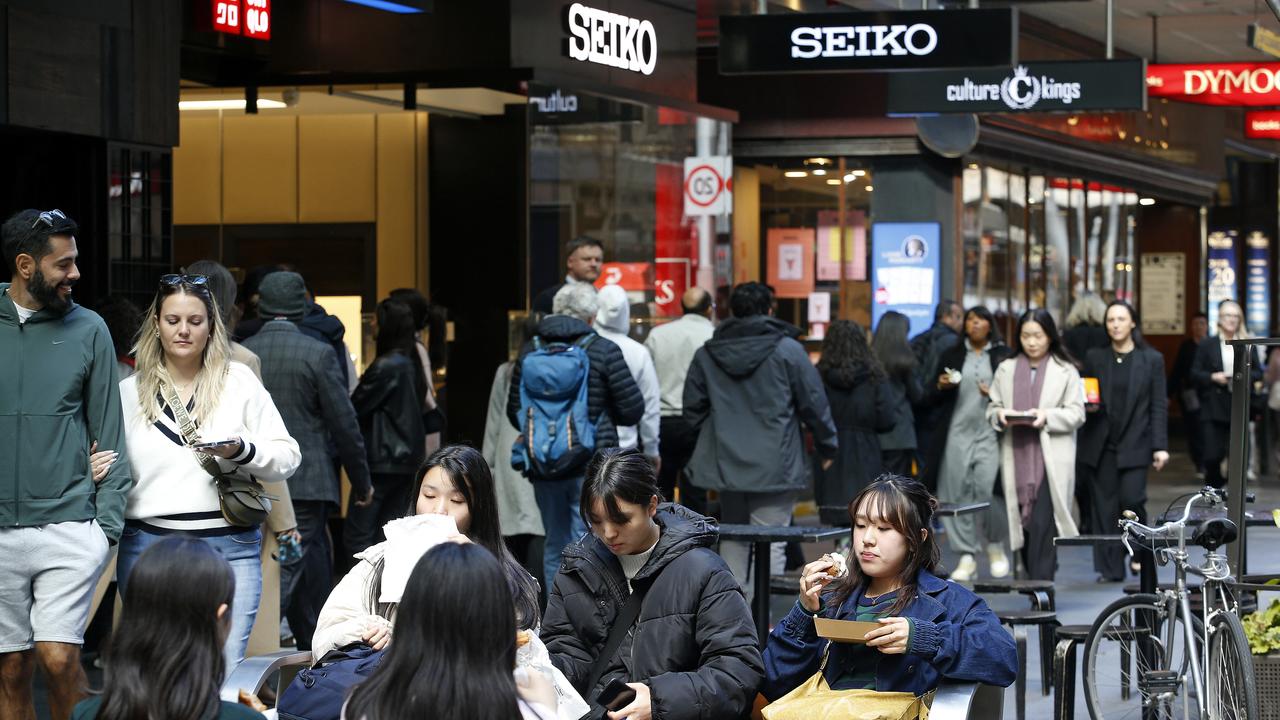
Australia’s retail sector is bracing for significant financial strain as it confronts a dual threat of soaring operational costs and faltering consumer demand, a new report from Deloitte Access Economics has warned. Analysts have framed the overlapping challenges as a classic “pincer movement” that will compress profit margins and drag sales growth lower through 2026.\n\nIn the report’s baseline outlook, annual retail turnover is projected to decelerate to 1.8% growth in 2026, down from an expected 2.3% in 2025. But David Rumbens, Deloitte Access Economics partner and lead author of the analysis, warns that downside risks far outweigh potential upside surprises. Should the ongoing conflict in the Middle East escalate, the report cautions, consumer spending could see almost no expansion for the remainder of 2026.\n\nThe first wave of pressure stems from global supply shocks tied to Middle East tensions, which are pushing up the cost of critical retail inputs. The report estimates that conflict-driven price hikes for fuel, natural gas, fertilizer and plastic will directly add 2.1% to retailers’ overall operating costs. On the demand side, broader cost-of-living pressures have already dragged Australian consumer sentiment to its lowest temporary level in 50 years, leaving households far more cautious about discretionary spending.\n\nRumbens explained that the dual pressures leave retailers with little room to absorb shocks: “The Middle East conflict is pushing up costs as the prices of key inputs including fuel, energy, plastics and fertiliser rise. At the same time, the rising cost of living is once again squeezing household budgets, dampening the outlook for consumer spending.”\n\nRecent official inflation data from the Australian Bureau of Statistics underscores the complicated economic backdrop. Yearly headline inflation dipped slightly from 4.6% in March 2026 to 4.2% in April, a decline driven entirely by temporary government policy measures: a 50% cut to the national fuel excise and a GST rebate for fuel purchases. Since April 1, these policies have saved Australian drivers 26 cents per liter in direct excise cuts and an additional 5.7 cents per liter via the GST rebate. But the trimmed mean inflation rate, a key underlying measure tracked by the Reserve Bank of Australia that strips out volatile price shifts, rose to 3.4% in the 12 months to April, confirming that persistent core price pressures remain embedded in the Australian economy. The temporary fuel relief measures are set to expire on July 1, 2026, which will likely push inflation back upward in the third quarter.\n\nThe report adds that accelerating inflation over the past year has already erased all of the real wage gains Australian households achieved in 2025. Real wages fell 1.3% year-over-year as of March 2026, eroding household purchasing power and directly weakening demand for retail goods.\n\nBreaking down spending trends, Deloitte forecasts that growth in discretionary retail spending will slow sharply from 2.5% in the 12 months to December 2025 to just 0.7% in the 12 months to December 2026. Growth in spending on non-discretionary essentials is projected to tick up slightly from 2.5% to 3% over the same period, but the report notes that even essential spending could pull back later as households ramp up savings to cope with financial uncertainty.\n\n“Discretionary spending is likely to weaken further as the lagged effects of interest rate rises continue to flow through to household budgets, elevated inflation erodes consumers’ purchasing power, and uncertainty surrounding the Middle East conflict persists,” Rumbens said.
-

China’s H200 hunger drives Nvidia chip smugglers to Japan route
Against a backdrop of escalating trade restrictions on advanced semiconductor technology between the United States and China, Taiwanese law enforcement has successfully dismantled a major smuggling ring that exploited a new transit route through Japan to funnel restricted high-end AI servers into China. Three suspects have been taken into custody, and authorities seized 50 Supermicro servers loaded with top-tier Nvidia AI chips, valued at more than $15 million in total. This marks the first documented case of smugglers using Japan as a waypoint for this illicit trade, uncovering a new gap in global export control enforcement.
According to official statements from Taiwan’s Keelung District Prosecutors’ Office, the three suspects—identified only by their surnames You, Wang, and Chen—allegedly orchestrated the scheme to generate massive illegal profits. Fully aware that U.S. export regulations strictly prohibit the sale of these advanced AI systems to mainland China, Hong Kong, and Macau, the trio purchased dozens of servers locally in Taiwan, with each unit carrying a price tag of more than $310,000. To avoid detection, they falsified cargo documentation, mislabeling the shipments and listing a Northeast Asian nation as their final destination. Bloomberg later confirmed that this destination was Japan.
Taiwan’s Coast Guard carried out coordinated raids on 12 locations, including the suspects’ private residences and linked corporate offices, on May 20. In addition to the 50 servers, investigators seized mobile devices, desktop computers, financial ledgers, luxury vehicles, and roughly $280,000 in local currency. Investigators familiar with the case told Bloomberg that at least one illicit shipment successfully transited Japan and reached Hong Kong, which investigators believe was a staging point for delivery to mainland China. A second planned shipment was intercepted before it could depart Taiwan.
Supermicro, officially the Nasdaq-listed Super Micro Computer Inc., specializes in manufacturing custom AI servers powered by Nvidia’s most advanced GPU lines, including the GB200, B200, H200, and H100. In an official statement released after the bust, the company emphasized its commitment to upholding global export regulations and protecting its intellectual property. The firm noted it had collaborated closely with Taiwanese authorities throughout the investigation, adding that the servers had been deceptively acquired after an initial sale to an authorized reseller.
During a press visit to Taipei on May 23, Nvidia CEO Jensen Huang addressed the incident, noting that the company proactively trains all of its business partners on global export control rules. He called on Supermicro to strengthen its internal compliance frameworks to prevent similar illicit diversion from occurring in the future.
This bust is the second major smuggling case linked to Supermicro in 2026. Back in March, U.S. law enforcement charged Supermicro co-founder Yih-Shyan “Wally” Liaw and two other associates with running a separate transshipment network that moved billions of dollars worth of restricted AI servers through Taiwan, Thailand, and Hong Kong to end users in China. Liaw and one co-defendant were arrested in California, while a third suspect remains at large. A May Bloomberg report identified Bangkok-based OBON Corp as the central Southeast Asian player in that network, and named Chinese tech giant Alibaba as an alleged end customer. Alibaba has issued a full denial of any involvement, stating it has no business ties to any of the parties named in the U.S. indictment and has never utilized banned Nvidia chips in its data centers.
When asked about the most recent smuggling case during a regular May 22 media briefing, Chinese Foreign Ministry spokesperson Guo Jiakun dismissed the matter, stating it was not a foreign affairs issue and that he had no knowledge of the incident. Following Bloomberg’s confirmation that Japan was the transit country, most Chinese state-aligned media outlets and independent commentators chose to remain silent on the details of the case.
Industry analysts broadly frame this enforcement action as Taiwan’s first large-scale crackdown on gray-market semiconductor smuggling, a trade that has grown rapidly as the U.S. has tightened restrictions on high-end chip exports to China. The arrest of the three suspects sends a clear signal that authorities are cracking down on illicit supply chain activity, and adds additional compliance pressure on major global technology firms including Nvidia and Supermicro.
The smuggling bust unfolded against a shifting landscape in the U.S.-China chip trade, where Beijing has recently moved to block new Nvidia chip imports in a push to promote domestic semiconductor manufacturing. After Washington initially approved Nvidia’s H200 chip for export to China, Beijing nullified that approval and urged all domestic Chinese tech firms to source chips from local manufacturers such as Huawei Technologies. To date, zero H200 chips have been shipped to China, and Nvidia’s market share in the country has dropped sharply.
In a May 20 interview with CNBC, Huang confirmed that Nvidia’s share of China’s AI accelerator market has plummeted from roughly 95% to effectively zero following successive rounds of U.S. export restrictions. He noted that Huawei has emerged as the primary beneficiary of this shift, with its domestic Ascend line of AI chips on track to generate $12 billion in revenue in 2026. Huang told investors not to expect any near-term progress in regaining access to the Chinese market, but added that Nvidia remains ready to re-enter the market if regulatory conditions change. Huang’s recent inclusion in U.S. President Donald Trump’s trade delegation to Beijing in mid-May had sparked market hopes for a breakthrough on H200 sales, but those expectations were quickly dashed: Beijing not only rejected H200 imports but also enacted a ban on the GeForce RTX 5090D V2, a graphics card specifically designed for the Chinese market to meet U.S. export rules.
Many Chinese commentators have framed Huang’s public comments as proof that China has won the ongoing chip conflict with the U.S., arguing that decades of American chip dominance in the Chinese market has come to an end. One Gansu-based commentator noted that the core goal of U.S. export restrictions—slowing the development of Chinese AI by cutting off access to advanced chips—was flawed from the start. “U.S. policymakers believed China could not develop advanced AI without American chips, but what we have seen is that China has built out its own domestic computing ecosystem that can fully function without external supply,” the commentator wrote.
However, independent observers point out that Beijing’s narrative of victory overlooks ongoing market realities: many major Chinese tech firms still retain strong unmet demand for Nvidia’s high-end chips, and demand for illicit smuggling and alternative workarounds, such as building AI data centers in overseas locations, confirms that demand has not disappeared.
-
‘Brent will shoot up’: US energy executives warn of massive oil supply crunch
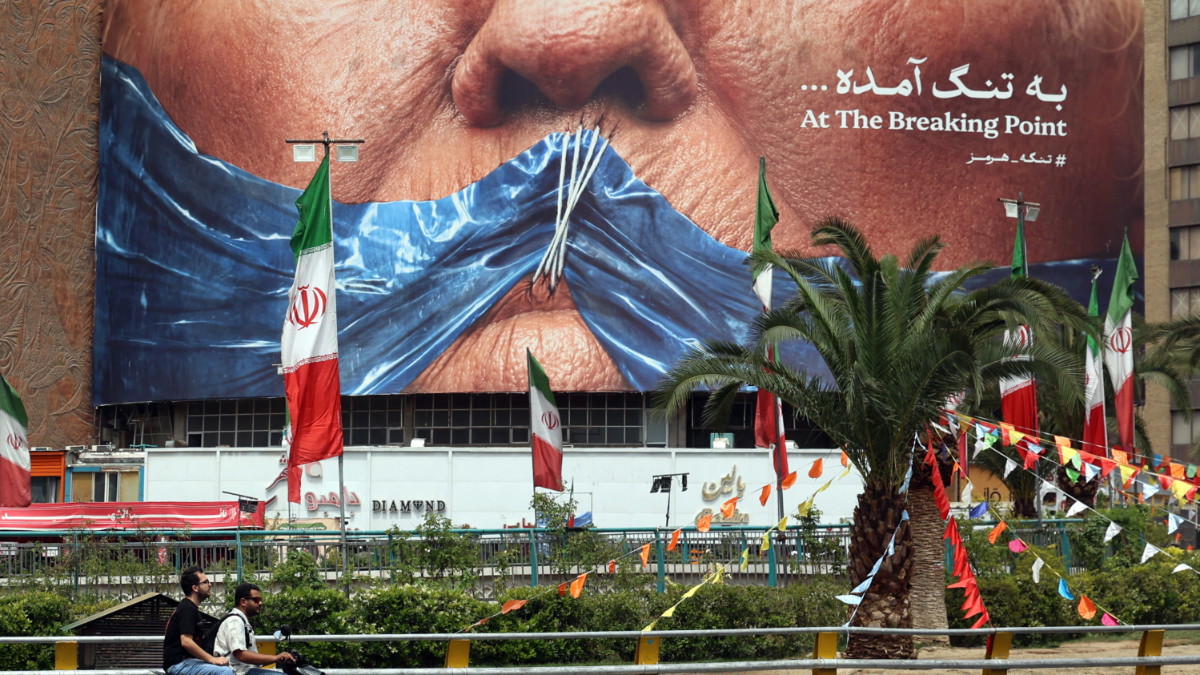
Top leaders of America’s largest energy firms issued a stark warning Thursday: global oil markets are poised for a dramatic price surge this summer, after months of drawing down emergency stockpiles to offset disruptions to shipping through the Strait of Hormuz have left the world with no remaining safety buffers.
Speaking at an energy conference hosted by investment bank Bernstein, Neil Chapman, senior vice president at ExxonMobil, underscored just how tight stockpile levels have become. “We’re approaching unheard of inventory levels. I mean, really, really low levels. You can debate whether that’s going to hit those really low levels in two weeks or three weeks. Once you get to that point, then you’ll see [the] price shoot up,” Chapman told attendees. He projected that once inventories hit their floor, international benchmark dated Brent crude could surge to between $150 and $160 per barrel.
Chevron CEO Mike Wirth echoed those concerns at the same event, noting that the “buffers and the shock absorbers” that have kept oil prices stable in recent months have been steadily depleted. “Over the next few weeks, we’re likely to see those pressures flow through more directly to physical prices, and there’s more upwards pressure that I would expect as we get into June and certainly into July,” Wirth said. If elevated prices persist, he added, the global economy will almost certainly tip into a recession.
As of Thursday trading, Brent crude held at roughly $93 per barrel, marking a 16% drop for the month. That decline stems from market optimism that Washington and Tehran could reach a deal to reopen the strategic waterway. The White House confirmed Thursday it has reached a tentative agreement for a 60-day ceasefire extension to reopen the strait, but the deal still requires formal approval from former U.S. President Donald Trump and senior Iranian leadership. For weeks, U.S. and Israeli media have repeatedly reported that a deal is imminent, though no agreement has yet been finalized.
The Strait of Hormuz, which carried roughly 20% of global oil trade before the outbreak of hostilities, has been closed to most commercial shipping for months. Industry analysts initially predicted an immediate price spike after the closure, but two key factors softened the blow: a sharp drop in Chinese crude oil demand that freed up millions of barrels for other markets, and unprecedented draws from the U.S. Strategic Petroleum Reserve. To date, the U.S. has withdrawn 172 million barrels of oil from its emergency reserve, pushing stockpiles to their lowest level in 40 years. Commercial industry inventories of crude, gasoline, diesel and jet fuel have also dropped to all-time record lows, Chapman confirmed in comments posted to social media from his conference address.
Even with the emergency stockpile releases, U.S. retail gasoline prices have already surged 50% since the onset of the conflict. The U.S., which boasts the world’s largest domestic energy industry, has been far more insulated from price shocks than import-dependent nations. East Asian economies, which rely heavily on Gulf energy exports, are already facing a severe supply crunch, with regional spot prices for crude already hovering near $150 per barrel according to industry experts. Last month, HSBC CEO Georges Elhedery revealed that some importers in South Asia have already paid as much as $286 per barrel to secure shipments, with Sri Lanka recording the highest recorded transaction.
Even if a ceasefire is reached and the strait reopens, the damage to regional energy infrastructure will not be quickly undone. Wirth noted that Gulf energy producers including Bahrain and Qatar have already sustained significant damage to oil and gas facilities, and full repairs will cost billions of dollars, leaving long-term supply constraints even after shipping resumes.
-
Japan, South Korea markets hit records on hopes for a winding down of the Iran war
HONG KONG – Asian equity markets closed out Friday on a robust upward trajectory, with Japan and South Korea’s benchmark indexes climbing to uncharted record highs, driven by growing investor expectations that Washington and Tehran will agree to a 60-day extension of their current ceasefire amid ongoing conflict.
Market sentiment has lifted sharply this week following a revelation from a U.S. official Thursday that negotiators from both sides had reached a tentative agreement that covers both the ceasefire extension and the launch of a new round of negotiations over Iran’s nuclear program. The deal has not yet received public confirmation from Iranian authorities, and still requires formal approval from U.S. President Donald Trump to move forward. Under the terms of the tentative accord, Iran would commit to ending any tolls or restrictions on commercial vessels transiting the Strait of Hormuz, while the U.S. would gradually roll back its existing sea blockade of Iranian ports.
Despite the positive geopolitical breakthrough, oil prices dipped on Friday but remain far higher than they were before the outbreak of the conflict, as the critical global shipping chokepoint of the Strait of Hormuz remains mostly closed for commercial traffic. International benchmark Brent crude fell 1.2% to $91.57 per barrel, while U.S. domestic benchmark crude dropped 1.5% to $87.56 per barrel. For context, both benchmarks traded around $70 per barrel in late February, just before the war began.
Commodities strategists Warren Patterson and Ewa Manthey from ING noted that while rising hopes of a U.S.-Iran deal have pulled oil prices lower from their recent peaks, markets should approach the tentative ceasefire plan with caution. “A reopening of the strait would offer some immediate relief to the oil market with tankers leaving the Persian Gulf. However, the recovery is still uncertain,” the pair wrote in a note published Friday. They added that shipowners may initially be hesitant to reroute vessels through the region over fears the ceasefire could collapse, and that any rebound in Iranian oil and gas output will likely be gradual rather than an immediate flood of new supply to global markets.
Across East Asian exchanges, the gains were led by Japan’s Nikkei 225, which jumped 2.5% to close at an all-time high of 66,329.50. The index got an additional boost from new May inflation data showing Tokyo’s core consumer price growth slowed more than economists had forecast, easing pressure on the Bank of Japan to adjust its long-standing loose monetary policy. South Korea’s benchmark Kospi index surged an even stronger 3.6% to close at a record 8,476.15, with the tech sector driving most gains amid the ongoing global artificial intelligence boom. Samsung Electronics, South Korea’s largest listed company, rose 5.8% on the day.
Other regional indexes posted mixed results: Hong Kong’s Hang Seng Index gained 0.9% to 25,222.38, while mainland China’s Shanghai Composite fell 0.9% to 4,063.56. Australia’s S&P/ASX 200 climbed 1.6% to 8,731.70, Taiwan’s Taiex added 2.5%, and India’s Sensex edged down 0.2% in Friday trading. U.S. stock futures ticked slightly higher ahead of the opening bell Friday, after all three major Wall Street indexes closed at fresh records Thursday: the S&P 500 rose 0.6% to 7,563.63, the Dow Jones Industrial Average inched up less than 0.1% to 50,668.97, and the tech-focused Nasdaq Composite gained 0.9% to 26,917.47. U.S. retail stocks outperformed on Thursday, with discount chain Dollar Tree surging 17.9% and department store Kohl’s jumping 20.6% after both posted better-than-expected quarterly profit results.
In currency markets, the U.S. dollar held steady against the Japanese yen on Friday, trading flat at 159.24 yen, while the euro also remained unchanged at $1.1651.
-
KPMG rocked as chief executive and senior partner quit over client data scandal
One of Australia’s most prominent big four accounting firms, KPMG Australia, has been thrown into turmoil after the abrupt resignations of its chief executive officer Andrew Yates and national audit and assurance leader Julian McPherson, forced by a public board admission that the firm failed catastrophically in its handling of a high-stakes whistleblower complaint. Both departures took effect immediately, with McPherson set to exit the firm entirely once a structured handover of his existing client responsibilities is completed.
In a formal statement released through the firm, Yates took full personal accountability for the institutional failure, noting that he had long championed a transparent “speak-up” culture within the firm. “It is clear that in this case we have let ourselves down and I take accountability,” Yates said.
The controversy centers on explosive allegations raised by a whistleblower regarding misuse of confidential client information by KPMG partners. The whistleblower claims that partners leveraged internal board documents from long-term client Lendlease to gain an unfair competitive advantage when bidding for an external audit contract with major banking group Westpac. When the claims were first raised, KPMG’s initial internal investigation, which received backing from an external legal review, dismissed the allegations out of hand. The firm later conceded that this initial inquiry lacked the required rigor to thoroughly examine the claims, prompting the whistleblower to escalate the matter directly to KPMG Australia’s board. Independent law firm Allens was brought in to revisit the case, and has continued to challenge the findings of the original flawed investigations.
The simultaneous resignations came on the same day that the case was discussed during an Australian parliamentary inquiry held Friday. During the hearing, Labor Senator Deborah O’Neill referenced a letter received by Lendlease CEO Tony Lombardo that confirmed the KPMG team had used the confidential Lendlease materials to inform its Westpac tender bid. Senator O’Neill told the inquiry that Lendlease itself labeled the firm’s actions “not acceptable.”
In a public statement addressing the scandal, the KPMG Australia board openly acknowledged that the firm had “fallen short” on multiple fronts: in its treatment of the whistleblower, in its management of the whistleblower’s concerns, in the execution of the initial investigations, and in the leadership response to the serious allegations. KPMG Australia Chairman Martin Sheppard issued an unreserved apology directly to the whistleblower, saying the firm was committed to systemic reform to prevent similar failures. “We commit to learning from this process to ensure we create an environment where it is safe and easy to surface concerns that will be acted upon,” Sheppard said.
Sheppard also extended apologies to KPMG clients, whose confidential information was not handled with the level of care and respect they are entitled to expect from the firm, as well as to the firm’s broader employee base, noting that the institutional failure does not reflect the daily work and integrity of the majority of KPMG staff. KPMG confirms that a full, independent investigation into the full circumstances of the case remains ongoing, with further updates expected as the probe progresses.
-
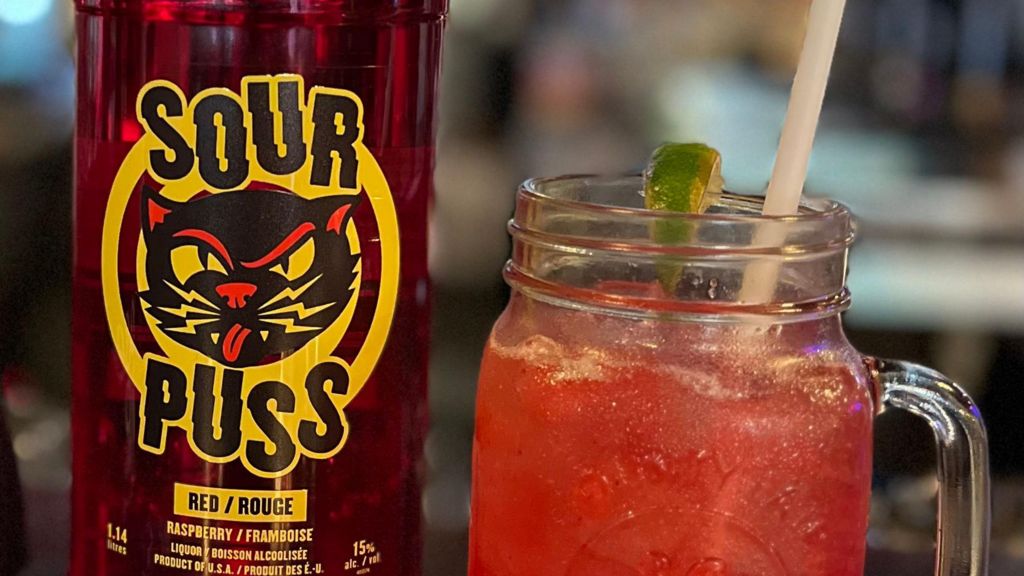
When trade soured, this American liquor maker moved to Canada
The ongoing Canada-U.S. tariff conflict sparked by U.S. President Donald Trump has reshaped the operations of an American liquor company, driving a surprising shift in its manufacturing strategy that highlights the far-reaching ripple effects of cross-border trade disputes.
Minnesota-based family-owned Phillips Distilling Company found itself in an unexpected crisis starting in March 2025, when one of its most popular products, the bright, fruit-flavored liqueur Sour Puss, was suddenly pulled from shelves across most Canadian provinces. What many Canadian consumers like Stephanie Intrevado never knew was that their beloved cult favorite, a staple of university social life, was actually produced in the United States. Intrevado, a 35-year-old Quebec resident who has collected nearly every Sour Puss flavor since she turned 18, says she was shocked when she learned the brand’s origin – and terrified that she would lose access to it entirely.
The provincial boycott of U.S.-made liquor was a direct retaliatory measure against Trump’s new tariffs on key Canadian industries including automotive manufacturing, metals and lumber. Starting with Ontario, home to one of the world’s largest alcohol wholesale systems and a hard-hit auto sector, the boycott quickly spread to major provinces including Quebec and British Columbia. As of May 2026, only Alberta and Saskatchewan – which operate fully privatized liquor retail systems – still allow the sale of U.S.-produced alcohol. Provincial governments, which control alcohol import and sales regulation across most of Canada, hold full authority to restrict what products reach consumers, giving them the power to implement the boycott without federal approval.
For Phillips Distilling, the impact was catastrophic. Canada accounts for the overwhelming majority of global Sour Puss sales; CEO Andy England notes that the brand is effectively a Canadian cultural staple, with U.S. sales volume barely registering. After the boycott took effect, the company lost 70% of its Canadian business overnight, a hit England describes as an unmitigated disaster.
Faced with the collapse of their core market for Sour Puss, Phillips Distilling made a historic decision the company had never before considered: shift a portion of production across the border into Canada. Just weeks after provincial liquor boards halted orders, the company began exploring local manufacturing options. By October 2025, with no end to the trade dispute in sight, Phillips signed a production agreement with Montreal-based alcohol manufacturer Station 22.
The move has paid off. Quebec was the first province to allow the newly Canadian-made Sour Puss back onto shelves, and that approval paved the way for other provinces to follow suit. Today, the product is back in stores across most of Canada, and the company is now classified as a domestic producer for the Canadian market, putting it on a path to recover lost sales. For loyal fans like Intrevado, the return of Sour Puss was cause for celebration: she marked the occasion with an Instagram post featuring her first haul of new raspberry-flavored bottles, writing, “Oh how I’ve missed you.”
Experts note that Phillips Distilling’s ability to pivot makes it a unique case among U.S. alcohol producers hit by the boycott. Meredith Lilly, an international economic policy professor at Ottawa’s Carleton University, explains that unlike geographically-tied products such as Kentucky bourbon or California wine, Sour Puss has no inherent link to its Minnesota origin. The brand also faces little backlash from U.S. consumers because the vast majority of its sales are north of the border, eliminating reputational risk for the company. In an unexpected twist, Lilly adds, the boycott – which she calls an impulsive, heat-of-the-moment response to U.S. tariffs – has accidentally created an economic benefit for Canada by bringing new manufacturing jobs to the country.
Nearly 15 months after the boycott launched, a broader trade agreement between the two countries remains out of reach. The U.S. has repeatedly called the Canadian liquor boycott a major point of contention in ongoing negotiations, while Canadian Prime Minister Mark Carney has stated that provinces would only reconsider lifting the ban if Trump removes tariffs on key Canadian exports. U.S. Commerce Secretary Howard Lutnick has publicly denounced the ban as “outrageous” and “disrespectful.” Lilly cautions that because the final decision to lift the ban rests with individual provinces rather than the federal Canadian government, the boycott remains an unpredictable bargaining chip that is difficult to leverage in national negotiations.
This is not the first time Canada has targeted U.S. alcohol over tariffs during Trump’s presidency: during his first term, then-Prime Minister Justin Trudeau placed tariffs on Kentucky bourbon to pressure Republican-leaning states after Trump imposed steel levies on Canada. That dispute was resolved within a year, but the current conflict has dragged on with no clear resolution in sight. For Phillips Distilling, however, the shift to Canadian production is likely a permanent change. England says the past year of crisis has forced the company to restructure its long-term business model, and whatever outcome comes from ongoing trade negotiations, the production move is here to stay.
-
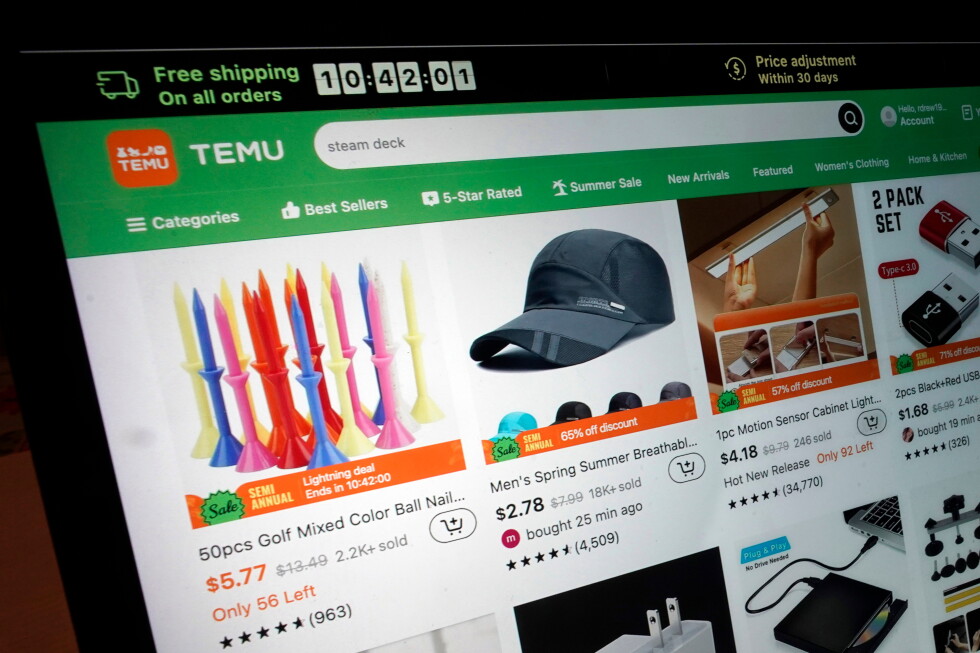
Chinese online retailer Temu hit with $232 million fine over unsafe toys and electronics
BRUSSELS, LONDON – In one of the most significant penalties issued under the European Union’s landmark Digital Services Act (DSA) to date, Chinese e-commerce giant Temu has been fined 200 million euros ($232 million) after regulators concluded the platform systematically failed to shield European consumers from dangerous, non-compliant products ranging from toxic children’s toys to uncertified unsafe electronics.
The penalty, announced Thursday by the European Commission, the EU’s executive governing body, follows a year-long investigation that grew out of 2023 preliminary findings confirming Temu’s marketplace exposed shoppers to widespread risks from goods that violate the bloc’s strict consumer safety standards. The action marks the first formal DSA compliance evaluation of Temu completed by the commission in 2024, and it puts the fast-growing discount retailer on notice to overhaul its platform governance or face further penalties.
The DSA, the EU’s sweeping regulatory framework for large online platforms, mandates that major digital marketplaces implement rigorous systems to root out harmful content and illegal, non-compliant goods, with violations punishable by fines reaching up to 6% of a company’s global annual revenue. For this penalty, regulators settled on a 200 million euro fine, an amount they say reflects the seriousness of Temu’s compliance failures.
Officials detailed that a mystery shopping probe carried out by investigators uncovered alarming levels of non-compliant products across high-risk categories. Among the most troubling finds were a large share of baby toys that contained toxic chemicals exceeding EU safety limits, plus small detachable parts that presented a choking and suffocation hazard for young children. Investigators also discovered dozens of electronic device chargers that failed basic electrical safety testing, putting users at risk of fire or electric shock.
In a statement following the announcement, European Commission Executive Vice-President Henna Virkunnen emphasized that mandatory risk assessments are not perfunctory procedural steps for large platforms. “Temu’s risk assessment underestimates concrete risks, lacks specificity, is not grounded in solid evidence, and is not comprehensive,” Virkunnen said in prepared remarks. “It leaves regulators, users, and the public in the dark about the true scale of potential harm posed by illegal products sold on Temu. Now it is time for Temu to comply with the law.”
Regulators added that Temu’s failure to conduct proper, comprehensive risk assessments for illegal goods on its platform qualifies as an especially severe breach of DSA rules. The commission has given Temu until the end of August 2024 to submit a formal action plan outlining how it will correct its compliance gaps. If Temu fails to meet the deadline or does not implement sufficient reforms, the platform could face additional recurring daily, weekly or monthly fines for continued non-compliance.
Temu, which is owned by China-based PDD Holdings Inc. — the parent company of Chinese domestic e-commerce giant Pinduoduo — has rapidly expanded its European footprint in recent years, attracting 92 million monthly users across the 27-nation bloc. The platform built its customer base by offering ultra-low-priced goods across categories from clothing to home goods, with most inventory shipped directly from third-party sellers based in China.
In response to the penalty, the company pushed back against the commission’s findings. A Temu spokesperson said the company disagrees with the decision and considers the $232 million fine “disproportionate.” The company also noted that the ruling is based on its 2024 evaluation that reflects the platform’s systems at an earlier point in time, “and does not reflect the current state of our systems.”
“Temu engaged constructively with the Commission throughout the process and has since taken further steps to strengthen risk assessment, platform governance, and user protection,” the company added in its official statement.
-
Young Australians back themselves to beat cost-of-living crunch
Against a backdrop of persistent cost-of-living strains, slowing wage growth and ongoing global economic uncertainty, a surprising new trend has emerged in Australia: the nation overall, and its youngest generations in particular, remain far more optimistic about their 12-month financial outlook than many experts would have predicted. This finding comes from new proprietary research conducted by ING, which surveyed more than 2,075 Australian adults aged 18 and over to gauge current consumer sentiment.
The data reveals a stark generational divide in optimism levels. A full 82% of Gen Z respondents and 74% of millennials reported feeling optimistic about the year ahead, compared to just 52% of Gen X and 49 per cent of baby boomers. Matt Bowen, head of consumer and market research at ING, explained the key driver behind this generational gap: time. While younger Australians are not immune to the pinch of rising prices and higher interest rates, they have far more room to adjust their financial trajectories over their working lives compared to older cohorts nearing retirement.
“The younger you are, the more time you have to course correct,” Bowen noted. “Things might feel really tough now, but over the course of a lifetime you can catch up.” For older Australians approaching retirement, by contrast, financial pressures are compounded by tighter time horizons and more complex household financial obligations, leaving less room to recover from unexpected economic setbacks. Today’s economic landscape gives consumers no shortage of causes for concern: inflation remains well above the Reserve Bank of Australia’s 2-3% target range, geopolitical conflicts continue to roil global markets, and wage growth has failed to keep pace with rising living costs for most households. Even as annual headline inflation edged down from 4.6% in March to 4.2% in April, according to Australian Bureau of Statistics data, the RBA’s preferred trimmed mean inflation rate – which strips out volatile price swings to show underlying economic pressure – rose to 3.4% for the 12 months to April, confirming that persistent inflationary pressure remains embedded in the Australian economy.
Despite these headwinds, Bowen argues that years of navigating economic volatility have taught Australian households critical resilience skills, particularly among younger generations who have come of age during an unprecedented period of overlapping crises. “Younger generations in particular entered adulthood through Covid, a couple of wars, geopolitical tensions, and the shift from low to high interest rates,” Bowen said. “Their experience of the economic cycle has been quite compressed over the last little while, and as a result they’ve learnt these things happen, but what is most important is the choices they make within their individual circumstances to get ahead.” This adaptive approach has given rise to what ING dubs the “small wins economy”: instead of making dramatic overhauls to their finances, Australians are focusing on consistent, incremental adjustments to control their costs and build small gains. For example, while 88% of survey respondents reported a rise in grocery costs over the past year – with average weekly grocery spend climbing just $7 from $162 in 2023 to $169 in 2024 – the 7% jump is far more modest than official inflation rates would suggest, thanks to deliberate spending cuts and cost-saving strategies by consumers.
A key cost-saving tool for many households is loyalty programs, which the research found save the average Australian household $255 per year. Beyond grocery savings, Australians are adopting a suite of repeatable, practical financial habits: careful budgeting, prioritizing value when shopping, auditing and cutting unused subscriptions, and comparing financial products across multiple apps. These small steps, Bowen says, add up to a greater sense of control that supports overall optimism, even when big-picture economic conditions remain challenging. Crucially, the research also found that cost-of-living pressures have not shifted Australians’ core long-term financial goals, only changed the timelines and strategies households use to reach them.
Around 34% of all respondents plan to adjust their living situation over the next 12 to 24 months: 10% plan to move into new rental accommodation, 7% aim to purchase a home independently, another 7% plan to buy a home with family members, and 4% are pursuing rentvesting, a strategy where households rent in their desired location while purchasing an investment property in an affordable area. Bowen notes that while traditional milestones like home ownership still matter to most Australians, they are now balanced with new personal priorities that include flexibility, life experience and individual agency. “We’re making more deliberate trade-offs, balancing financial realities with a clear intent to protect the parts of life they value most,” he explained.
Investment also remains a core financial priority for many Australians, especially younger cohorts. Overall, 30% of survey respondents said they plan to invest in shares or exchange-traded funds over the next 12 months. That share jumps to 46% for Gen Z and 43% for millennials, many of whom see investment as a strategic tool to offset cost-of-living pressures, build long-term retirement savings, and capitalize on current market conditions.
-
US-Iran tensions spark $45bn wipe-out on Australian sharemarket
Just days after former US President Donald Trump declared that peace talks between Washington and Tehran were “largely negotiated,” a sudden escalation of hostilities between the two powers sent shockwaves through global financial markets on Thursday, triggering a $45 billion wipe-out of Australian equities and a sharp jump in international crude prices.
The escalation began when the US launched targeted strikes near Iran’s Bandar Abbas port Wednesday, reportedly targeting the head of the Islamic Revolutionary Guard Corps Navy. The following day, the US confirmed it had shot down four Iranian drones over the strategic Strait of Hormuz and destroyed a Iranian drone control tower. In response, Iran claimed it had carried out a retaliatory strike against a US air base in Kuwait and issued a stark warning of more severe reprisals if US offensive operations continued.
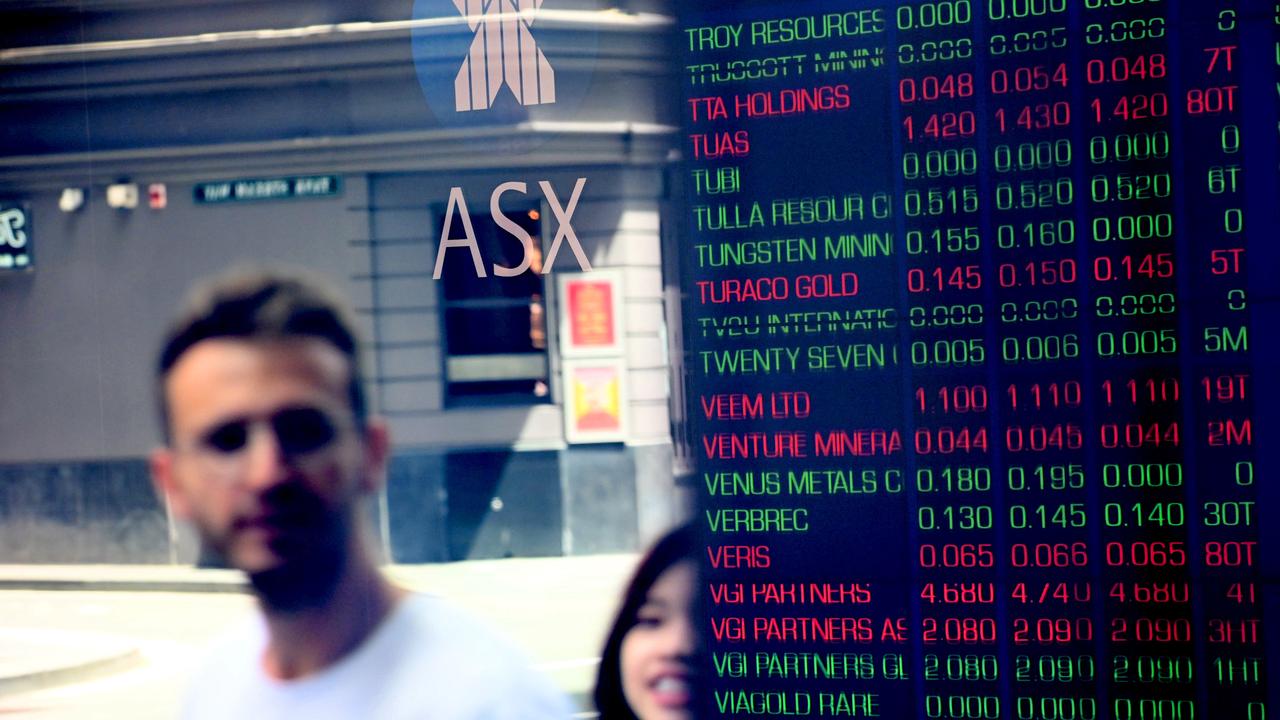
The sudden flare-up of geopolitical risk immediately roiled regional and global markets. For Australian investors, it was one of the toughest trading sessions in recent weeks: the benchmark ASX 200 plunged 124.80 points, or 1.43%, to close at 8592.90, while the broader All Ordinaries index dropped 125.60 points, or 1.40%, to settle at 8819.60. The Australian dollar also weakened against the US dollar, edging 0.16% lower to 71.22 US cents by market close.
Nine out of the 11 tracked market sectors ended the day in negative territory, with only consumer-facing segments bucking the broader sell-off trend. The materials sector, which had enjoyed a five-day winning streak leading into Thursday’s session, led the market declines. Major mining stocks all posted heavy losses: BHP fell 1.19% to $60.55, Rio Tinto dropped 2.53% to $183.46, and Fortescue Metals declined 1.18% to $21.78. Gold mining stocks suffered even steeper falls, dragged down by a 1.83% drop in spot gold prices to US$4373 per ounce: Northern Star Resources sank 7.47% to $18.20, while Evolution Mining closed 7.76% lower at $11.65.
Australia’s major banking group was also caught up in the broad sell-off, with the entire financial sector shedding 1.64% over the session. Commonwealth Bank of Australia led the declines among the big four banks, dropping 2.06% to $161.41, while ANZ fell 1.91% to $34.89, National Australia Bank declined 1.72% to $37.10, and Westpac ended the day down 1.29% at $35.92.Geopolitical uncertainty drove a sharp rally in global oil prices, as investors priced in greater risk of supply disruptions through the Strait of Hormuz, a critical chokepoint for 20% of the world’s daily oil shipments. Benchmark Brent crude jumped as much as 4.3% to hit US$98.20 per barrel, while US West Texas Intermediate crude rose 2.56% to US$91.70 per barrel. Tony Sycamore, a market analyst with IG, noted that while the US administration has signaled it remains committed to moving forward with peace talks, markets reacted instantly to the escalation. “This reignited inflation and fuel security fears, while also sending bond yields and the safe haven US dollar higher,” Sycamore explained.
Against the broader market downturn, two sectors managed to post gains: consumer staples and consumer discretionary stocks. Australia’s two major supermarket chains led the consumer staples rally: Woolworths added 0.92% to close at $34.94, while Coles Group gained 0.75% to end the session at $21.52. Sycamore attributed this outperformance to a better-than-expected national inflation reading released Wednesday, which showed headline inflation rose just 4.2% – lower than market forecasts. “Capitalising on its defensive qualities and coupled with yesterday’s cooler-than-expected inflation reading — which likely gives the Reserve Bank of Australia cover to keep interest rates on hold at 4.35% next month — the Consumer Staples sector emerged as today’s best performer,” Sycamore said. Even with the market turmoil, Sycamore noted that the US is still widely expected to prioritize de-escalation and work toward ending the ongoing regional conflict, leaving the long-term market outlook for now uncertain.