Facing mounting economic headwinds ranging from cross-Pacific trade friction to global market volatility and long-term demographic shifts, Chinese authorities have launched a landmark 360 billion yuan ($53.6 billion) capital infusion into eight major state-owned financial institutions, in a coordinated move to shore up the national financial system and reignite sluggish economic expansion. Led by China’s Ministry of Finance, the targeted cash injection will benefit three of the country’s largest commercial lenders and five top insurance providers — including Industrial and Commercial Bank of China, Agricultural Bank of China, and China Export & Credit Insurance Corporation, according to official statements released Sunday by state news agency Xinhua. Per Xinhua’s reporting, the policy initiative is designed to strengthen the core operating fundamentals, risk resilience, and capacity of these institutions to direct more lending and financial support toward the real economy, the backbone of China’s industrial and employment landscape. This capital injection marks the latest in a series of policy measures rolled out by Beijing to reinvigorate the world’s second-largest economy, which has contended with overlapping challenges in recent quarters. Beyond ongoing trade and technological rivalry with the United States, the economy has felt ripple effects from geopolitical instability such as the Iran conflict, while grappling with structural pressures from a rapidly aging population and shrinking domestic workforce. The Global Times, another leading Chinese state media outlet, noted that the capital boost will equip banks and financial firms with greater capacity to expand credit access for real-economy businesses, while also fortifying the sector against unexpected external disruptions amid widespread uncertainty across global financial markets. For years, Chinese President Xi Jinping has positioned sustained financial stability as a cornerstone of national economic security, framing a resilient financial sector as critical to weathering both domestic and international shocks. The timing of this weekend’s announcement aligns with Beijing’s broader push to recalibrate and rebalance the economy against a backdrop of persistent domestic and external headwinds. Recent official economic data underscores the urgency of the policy move: between April and June this year, China’s year-on-year GDP growth slowed to 4.3%, down from 5% in the first quarter, and falling short of the government’s full-year annual growth target. Weak domestic consumer demand and upward pressure on global oil prices driven by the Iran conflict outweighed strong performance from Chinese exports during the quarter, dragging overall growth down. Back in March, Beijing revised its full-year 2025 growth target down to a range of 4.5% to 5%, the lowest official expansion goal the country has set since 1991. Many independent economic analysts have interpreted this downward adjustment as a deliberate policy choice that gives Chinese authorities more flexibility to acknowledge long-running structural weaknesses in the economy, rather than pursuing unsustainable high growth through excessive stimulus.
分类: business
-

Why a famous Montreal sandwich shop has been forced to swap its soda
Montreal’s culinary landscape is dotted with historic institutions that have defined the city’s food culture for generations, and among the most beloved of these is Schwartz’s, a world-famous smoked meat deli that draws tourists and local patrons alike year after year. For decades, one quiet constant on the menu that kept regulars coming back was its signature black cherry soda, a sweet, bubbly complement to the deli’s rich, savory smoked meat sandwiches that became as much a part of the Schwartz’s experience as the meat itself.
But in a surprising shift that has caught the attention of food lovers across the region, the legendary deli has recently been forced to make an unexpected change: it is swapping out its long-time black cherry soda for a product from a new supplier. While the deli has not released explicit details of the exact pressures that led to the switch, industry insiders point to ongoing supply chain disruptions, shifting production dynamics among regional beverage manufacturers, and changing distribution agreements that have made it impossible for the business to continue sourcing its original product at a viable scale and cost.
The change marks one small but notable example of how even the most established food businesses are not immune to the broader economic and logistical shifts reshaping the food and beverage industry across North America. For many long-time customers, the swap has sparked mild disappointment, as the original soda had become a nostalgic ritual paired with their go-to sandwich order. Still, the deli has noted that it is working to adjust to the new product and hopes that patrons will give the new black cherry soda a chance, emphasizing that its core menu of smoked meat and classic deli sides remains completely unchanged.
-
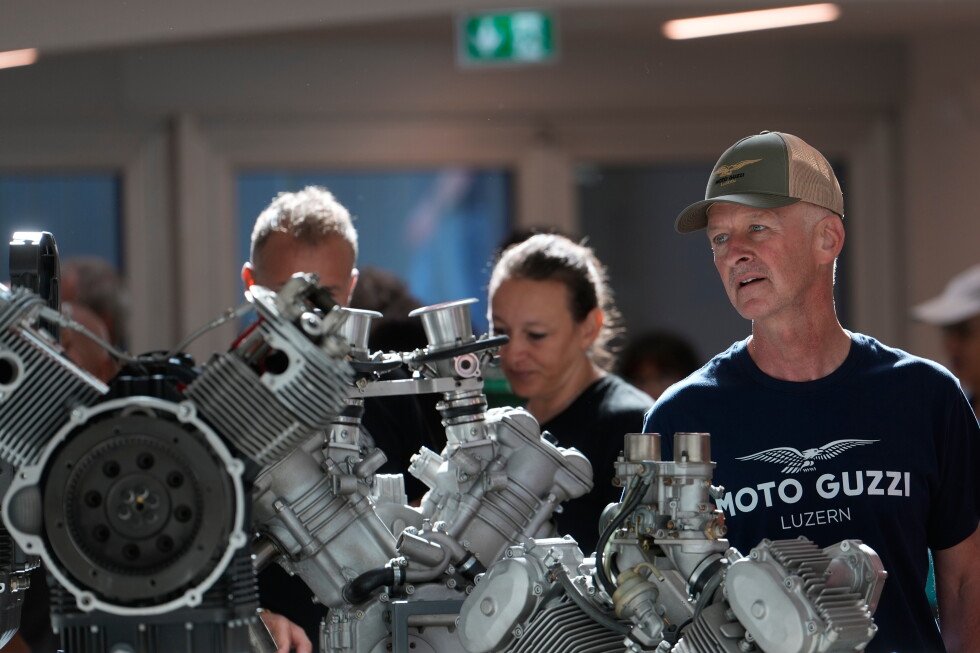
Moto Guzzi’s renovated Lake Como headquarters welcomes a pilgrimage of motorcycle-bound aficionados
Nestled along the glacial shores of Italy’s scenic Lake Como, in the small town of Mandello del Lario, iconic Italian motorcycle manufacturer Moto Guzzi has reopened its historic production hub after a sweeping five-year, €50 million ($58 million) renovation — drawing thousands of die-hard fans from across the globe to its annual World Guzzi Days gathering this year.
The renovation project added 5,500 square meters (nearly 60,000 square feet) of new space to the original campus, which is wedged between rolling alpine mountainsides and the lake’s blue waters. The expansion includes a modernized production facility, a brand-new brand museum, and updated corporate headquarters for the 105-year-old motorcycle maker, which has been owned by Italian industrial group Piaggio — the creator of the legendary Vespa scooter — since 2004.
Thousands of Moto Guzzi owners began arriving as early as Thursday, ahead of the official Saturday gathering that included casual group rides along the lake’s winding, cliffside coastal roads. For enthusiasts, the Mandello del Lario facility has long been a pilgrimage site: it is the only place in the world where every Moto Guzzi motorcycle has been hand-assembled since the brand’s founding, a tradition company leadership says it has no plans to abandon.
Unlike many modern motorcycle manufacturers that have fully automated core assembly processes, Moto Guzzi has retained its handcrafted approach for the core stages of building its signature side-by-side twin-cylinder bikes. Matteo Boddi, head of manufacturing for the Piaggio Group, emphasized that automation only supports the brand’s artisanal core, rather than replacing it.
“Moto Guzzi is handmade, it is an artisanal product, it’s a piece of art,” Boddi explained. “And we never substitute automation for this core part. Automation is for safety and for sustainability.”
The new production line incorporates automated conveyor belts to move raw parts and engines between workstations, and robotic transporters to move completed motorcycles to final testing protocols. The expansion will double the brand’s maximum annual production capacity, allowing it to build up to 30,000 motorcycles per year to meet growing global demand. The renovated facility also adds public observation decks, where visitors can watch skilled technicians assemble each bike from start to finish, just as they have for more than a century.
The renovation project was designed by U.S. architect Greg Lynn, who aimed to open the historic campus to more than just loyal enthusiasts. “We tried to make an accessible place both for passionate motorcyclists and people who are just curious about motorcycles being made in Italy, on Lake Como, and may never even have heard of Moto Guzzi before,” Lynn explained.
Lake Como has long been a go-to destination for A-list celebrity retreats and high-profile events — it served as a filming location for the James Bond film *Casino Royale*, and Hollywood star George Clooney maintains a private waterfront villa on the lake’s shores. But for the thousands of Moto Guzzi fans who gathered this year, the glitz of celebrity culture was secondary to the brand’s enduring legacy and the camaraderie of the global Moto Guzzi community.
Roland Rampnoux, a member of a 150-person Moto Guzzi club based in Paris, has been making regular pilgrimages to the Mandello del Lario factory since 1980. While he praised the updated facility, his passion remained focused on the bikes and the community they have created. “I like the mentality of the people who ride them,” Rampnoux said. “When you see a Moto Guzzi it is immediately recognizable. It is a legendary brand.”
For American enthusiast Timothy Bennett, a 58-year-old resident of Georgia, the gathering marked his second visit to the headquarters. He first attended a scaled-back 100th anniversary celebration held during the COVID-19 pandemic, and has owned Moto Guzzi bikes since his 20s. Bennett bought his first used Moto Guzzi 850-T after seeing the model in a magazine, and now owns a 2018 California 1400 Touring. “The first time I saw one in a magazine, I thought it looked very interesting. And then I went ahead and saved up some money and bought a used one, and fell in love,” Bennett said.
-
How much can Canada fight back in its trade war with the US?
The ongoing trade tensions between the United States and Canada have entered a new phase of escalation, sparking widespread debate over how much leverage Ottawa actually holds to counter Washington’s trade measures. For decades, the bilateral trade relationship between the two North American neighbors has been deeply intertwined, with the United States long standing as Canada’s largest and most economically significant trading partner. This asymmetric dependence has led many analysts to prematurely write off Canada’s ability to push back effectively against aggressive US trade policies, arguing that the smaller Canadian economy would be unable to absorb the shock of further escalation.
However, such assessments overlook the unique structural advantages and strategic leverage that Canada brings to the trade dispute. Beyond its role as a key supplier of energy, agricultural goods, and critical manufacturing inputs to the US economy, Canada maintains diversified trade connections with other major global economies, from the European Union to the Indo-Pacific region, that allow it to offset some losses from US market disruptions. Additionally, Canada’s position within existing regional trade frameworks, including the United States-Mexico-Canada Agreement (USMCA), provides formal dispute resolution mechanisms that Ottawa can leverage to challenge unfair US trade actions, creating a structured avenue for pushback that many other trade partners do not enjoy.
Industry analysts also note that targeted countermeasures from Canada can create meaningful economic pressure on key US sectors that wield significant political influence in Washington. By placing tariffs on high-profile US exports that are produced in politically competitive swing states, Canada can incentivize domestic US industry groups to pressure the American government to de-escalate the conflict. While it is true that the US economy is larger and holds greater overall market power, Canada’s integrated position in North American supply chains means that disruptions caused by an all-out trade war would also carry significant costs for US businesses and consumers, creating a mutual deterrent that limits Washington’s willingness to escalate indefinitely.
As the trade conflict continues to unfold, the outcome will depend not only on economic size but on strategic negotiation, the willingness to leverage international institutional frameworks, and the ability of both sides to manage the domestic political costs of escalation. While Canada faces clear disadvantages in this asymmetric trade fight, it is far from powerless to defend its economic interests, and premature counts of Canada’s ability to push back are likely to prove inaccurate.
-

Why are European countries moving their gold out of North America?
In a move that has sparked widespread discussion among global financial circles, De Nederlandsche Bank (DNB), the central bank of the Netherlands, confirmed this week it has completed the relocation of 86 tons of the country’s gold reserves from storage locations in the United States and Canada to new custody primarily in London. The institution framed the shift as a proactive step to better position the Netherlands for potential severe crises, in light of mounting geopolitical unrest across the globe.
The relocation, carried out between March and August of this year, moves roughly one-quarter of the Netherlands’ total 313 tons of gold previously held in North America. DNB governor Olaf Sleijpen explained that the goal of the operation is to ensure the country’s gold reserves are readily accessible for use should a crisis unfold. “We expect that we will never need to use them, but we do need to strengthen our resilience and preparedness,” Sleijpen stated.
London was selected as the primary new storage location due to its longstanding status as the world’s leading gold trading hub. The bulk of the relocated gold, 59 tons, was reallocated via a book transfer: the Dutch sold their existing holdings in New York and purchased equivalent positions in London, eliminating the need for costly and risky cross-Atlantic physical shipment. Just over 27 tons were physically moved from North America to the Netherlands’ domestic storage facility in Zeist, with a similar volume then transferred from Zeist to the Bank of England’s vaults in London.
The Bank of England, a 300-year-old institution based in central London, is one of the world’s largest gold custodians, holding an estimated 400,000 gold bars valued at more than £200 billion beneath its headquarters. Industry data from the World Gold Council confirms the Bank of England remains the most popular global storage location for central bank gold reserves, even as institutions increasingly diversify their custody arrangements.
This latest relocation is part of a broader trend among European central banks that stretches back more than a decade amid repeated periods of global instability. Earlier this year, France completed the repatriation of all its gold reserves held in the U.S. back to French soil. Between 2012 and 2016, Germany’s Bundesbank repatriated 216 tons of gold from overseas storage: 111 tons from New York and 105 tons from Paris. Goldman Sachs research analysts Lina Thomas and Daan Struyven note this pattern echoes historical responses to global uncertainty: during the Cold War, many European central banks moved a portion of their gold holdings to New York for safe keeping, a shift that is now being reversed in today’s fractured geopolitical climate.
Industry experts agree that while rising geopolitical tensions, including ongoing trade disputes and regional military conflicts, are a contributing factor to the trend of repatriation and relocation, they are not the primary driver for most banks. Joseph Cavatoni, senior market strategist at the World Gold Council, told media there is no evidence that central banks are bracing for an imminent global economic collapse. Instead, he argues, the shift reflects a growing sophistication among reserve asset managers, who are increasingly focused on optimizing the accessibility and utility of their gold holdings.
“Inflation, interest rates and just having gold in a place where it can be traded quickly also played a role,” Cavatoni explained. “I don’t get a sense that there’s an impending doom, but what I do think is people are being better educated around how to manage their reserve assets, growing their reserve assets, and actually thinking more effectively around how to make the most of those assets.”
The growing focus on gold reserve management comes amid a sustained surge in central bank demand for gold that dates back to the 2008 global financial crisis. Over the past four years, central banks globally have accumulated an average of 1,000 tons of gold per year, double the 500-ton annual average recorded over the previous decade, according to World Gold Council data. This demand is only projected to increase over the coming year.
Gold has cemented its reputation as a safe-haven asset in recent years, with its price surging to multiple record highs, including a peak above $5,000 an ounce in January 2025. While prices have pulled back slightly from that all-time high, they remain at historically elevated levels. Analysts at Goldman Sachs project gold will rise to $4,900 per troy ounce by the end of 2026, a $300 increase from August 2025 levels. The sustained strong demand from central banks is cited as a key factor supporting rising gold prices.
The appeal of gold stems from its historic role as a hedge against inflation and geopolitical turmoil. Investment firm Charles Schwab notes that over the past 50 years, gold prices have outpaced growth in the Consumer Price Index, the most widely tracked measure of inflation. Its scarcity and millennia-long status as a store of value make it attractive to investors and central banks alike during periods of economic uncertainty.
While storing gold domestically offers national governments full control over their reserves, it also comes with significant costs. Thomas and Struyven point out that domestic storage requires major investments in physical security, independent audit infrastructure, and insurance, costs that can be prohibitive for smaller central banks.
The rising demand for gold relocation and storage has benefited global logistics firms that specialize in secure precious metal transportation. Nader Antar, executive vice president of Brink’s Global Services, one of the few select companies authorized to handle cross-border central bank gold shipments, told media the firm has seen “increased demand” from central banks in recent years. “Heightened geopolitical and economic uncertainty, along with gold’s growing role as a strategic reserve asset, appear to be contributing to this trend,” Antar noted. Security for these operations is extensive, with industry insiders confirming that rigorous planning and layered security measures are standard to prevent any risk of theft or disruption during transit.
-
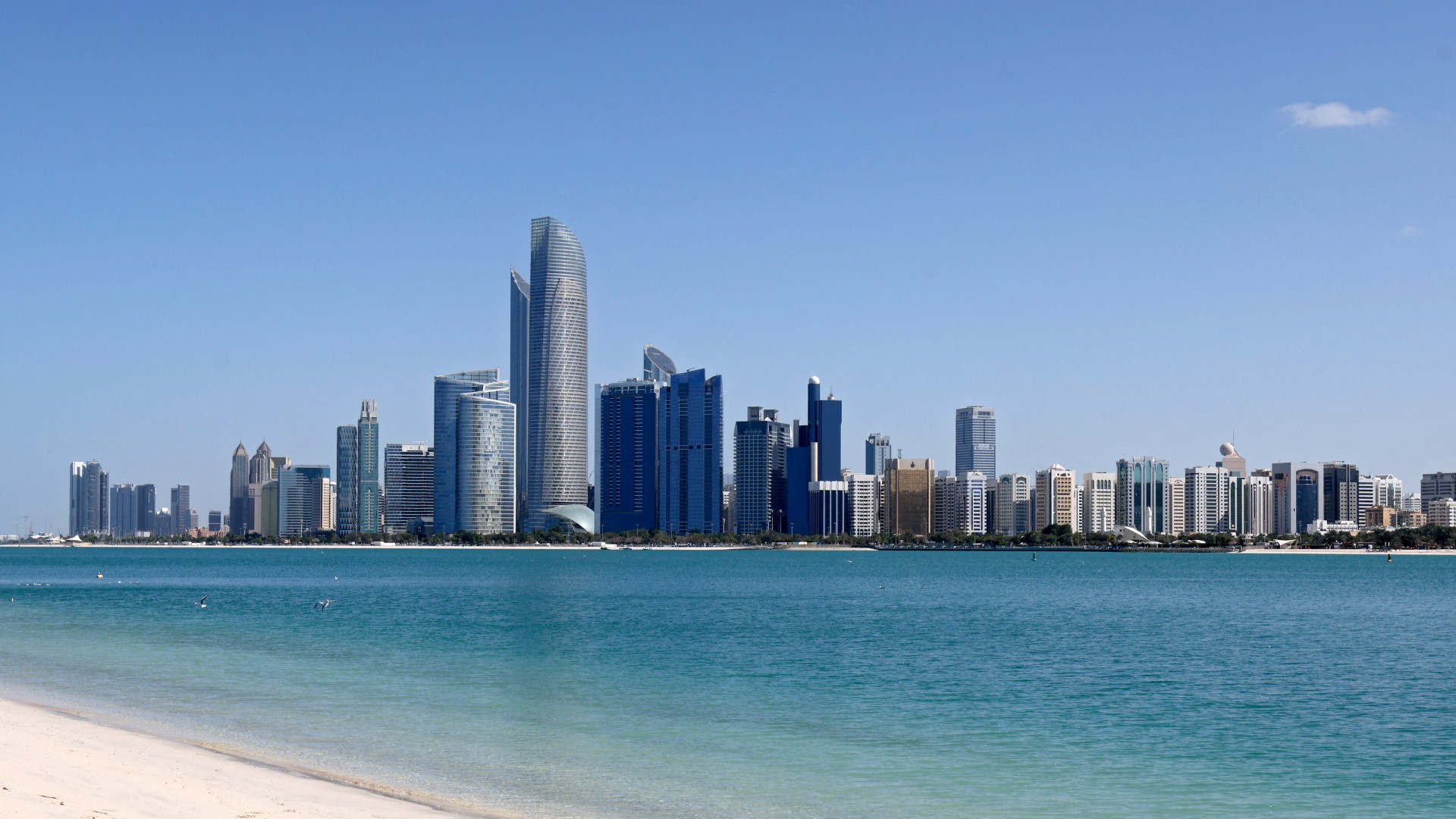
To sustain global influence, Gulf economies recalibrate foreign investments as war drains revenues
The six member states of the Gulf Cooperation Council (GCC) – Bahrain, Kuwait, Oman, Qatar, Saudi Arabia, and the United Arab Emirates – are grappling with severe economic turbulence spurred by the ongoing US-Israeli war on Iran, a conflict that has upended long-standing investment strategies across the region. The escalation of hostilities has injected unprecedented uncertainty into critical maritime trade chokepoints, including the Strait of Hormuz and Bab al-Mandeb, triggering a sharp collapse in cross-border capital flows. Data shows foreign direct investment into the GCC has plummeted by as much as 67 percent since the war commenced in February, eroding a core pillar of regional economic growth.
Beyond the drop in inbound capital, the long-standing capacity of GCC states to deploy large volumes of outbound investment – a tool that has shaped their global financial and political influence over the past 40 years – has come under intense strain. This fiscal pressure has forced widespread strategic recalibration across both cross-border investment portfolios and domestic budget allocations, forcing governments to scale back previously ambitious development targets, most notably in Saudi Arabia.
Justin Alexander, an economist focused on GCC economic dynamics, told Middle East Eye that the conflict has triggered immediate downward pressure on government fiscal revenues. As a result, he explains, some regional governments are no longer able to allocate new capital to their sovereign wealth funds, and a growing number are even drawing down existing SWF assets to cover ongoing public spending obligations.
Kuwait became the first major state to take this step this week, announcing it would borrow from its $1 trillion-plus Future Generations Fund, the country’s primary sovereign wealth vehicle, to close widening gaps in its public budget. Meanwhile, Bloomberg reported earlier this week that Saudi Arabia is actively pursuing up to $8 billion in new loans through its central debt management office, as part of efforts to expand non-oil revenue streams and cover budget shortfalls.At the core of the growing fiscal squeeze is the near-total disruption of GCC oil and natural gas exports stemming from the closure of the Strait of Hormuz, forcing governments to reallocate billions of dollars to emergency domestic infrastructure projects designed to bypass the chokepoint. The most high-profile of these projects is a second oil pipeline the UAE has commenced construction to connect its inland oil fields to the port of Fujairah on the Arabian Sea, which would allow exports to bypass the Strait of Hormuz entirely.
Ben Cahill, a senior fellow at the Washington-based Atlantic Council think tank, notes that these large-scale infrastructure projects have historically been driven more by geopolitical priorities than pure economic efficiency, with collective price tags expected to run into the tens of billions of dollars. “These pipelines are expensive and geopolitically complicated, but the Gulf states will spend serious money for back-up options,” Cahill explained.Securing capital for these urgent domestic projects has become far more challenging amid a 30 percent drop in hydrocarbon export revenues across the bloc, the same fiscal pressure that pushed Kuwait and Saudi Arabia to pursue emergency borrowing this week. Experts note that while Saudi Arabia has regularly taken on debt to fund its large-scale megaprojects in recent years, the current urgency of its borrowing is atypical. For Kuwait, the move to draw down its flagship sovereign wealth fund is nearly unprecedented: the only other time the country pursued such a step was in 1990, immediately after Iraq’s invasion that devastated the country’s economy.
Alexander projects that the ongoing shift from outbound global investment to urgent domestic spending will persist for the foreseeable future. “The demand for domestic spending for recovery and in new infrastructure will compete to some extent with foreign investment priorities,” he said.Not all GCC member states are facing identical pressures or adopting identical responses, according to Robert Mogielnicki, a leading independent researcher and consultant focused on Gulf political economy. While Saudi Arabia has simply accelerated the strategic budget shifts it already had underway before the outbreak of the war, Mogielnicki notes the UAE has prioritized efforts to restore pre-war economic normalcy, while Qatar is still working to manage growing fiscal strains driven by its extensive exposure to trade routes through the Strait of Hormuz.
For years, GCC economies have systematically pursued economic diversification strategies designed to reduce their reliance on volatile hydrocarbon exports, investing heavily in emerging sectors from logistics and tourism to competitive e-sports. Alexander notes that this pre-conflict diversification has provided a critical buffer for regional economies amid the current downturn. While the war has disrupted almost all sectors, broader, more diversified domestic economic bases have softened the blow of collapsing hydrocarbon production.
That said, many of the sectors that were at the core of GCC diversification strategies have also been hit hard by the conflict. Regional tourism arrivals have dropped sharply, delivering record losses to domestic airline and hospitality industries, while returns on foreign tourism investments held by states like Qatar have not been enough to offset lost hydrocarbon export revenues. Other key sectors targeted for diversification, including heavy manufacturing, have also faced major disruptions from the Hormuz closure, with some aluminium processing facilities and digital data centres sustaining direct damage from cross-border strikes, Alexander added.
While economic diversification remains a core long-term policy objective for all GCC states, the war has pushed many planned diversification initiatives down the list of immediate priorities, Mogielnicki explained. He cites the example of the new UAE Fujairah pipeline, a project that was originally framed as a long-term diversification asset but is now primarily a tool to mitigate immediate Hormuz-related export disruptions. These emergency infrastructure projects pull capital away from diversification for growth, creating long-term tradeoffs: “clearly, lots of excess infrastructure is not the most cost-efficient approach to economic diversification,” Mogielnicki said.Outbound foreign investment has long served as a deliberate tool of soft power for GCC states, delivering geopolitical leverage, cultural influence, and structural economic power across the globe. That dual function of investment – delivering both commercial returns and geopolitical influence – remains central to the region’s recalibrated strategies, Alexander says. “Gulf investments often have dual objectives of commercial returns and cementing bilateral relationships.”
Despite the widespread shift to domestic priorities, GCC investors have still closed a number of record-breaking large-scale outbound deals in recent months, though most of these deals had been negotiated and had momentum before the war began. In early August, a Saudi-led consortium completed the $55 billion leveraged buyout of American video game developer Electronic Arts, the studio behind global hit franchises *FIFA* and *The Sims*, marking the largest private buyout of a technology company in corporate history.Even more recently, on August 24, the governments of France and Saudi Arabia announced a joint partnership to build three new theme parks just outside of Paris, including one attraction themed around the global manga franchise Dragon Ball Z. The project is backed by a $7 billion investment from Saudi Arabia’s state-affiliated Qiddiya Investment Company, and was formally announced by French President Emmanuel Macron during an official visit by Crown Prince Mohammed bin Salman – a high-profile public display of how Gulf states continue to use outbound investments to advance their geopolitical standing on the global stage.
Kristian Alexander, a Gulf security analyst at the Middle East Institute, explains that these high-profile outbound investments are designed to deliver both financial returns and expanded cultural influence for Saudi Arabia. “The EA acquisition provides access to global franchises and digital audiences, while the Paris project potentially gives Saudi-owned Qiddiya an international operating platform and European visibility,” he said.
These large outbound deals come as Saudi Arabia faces major setbacks to its domestic megaproject agenda, most recently announcing a full halt to construction on The Line, the 170-kilometer flagship smart city project at the core of the kingdom’s $1 trillion Neom development initiative, with construction not expected to resume until at least 2030. The project has already undergone extensive restructuring after projections showed original costs could balloon by as much as 800 percent, and shrinking oil revenues and logistical challenges have forced the kingdom to pivot its domestic focus to AI data centers and digital infrastructure instead. Even the large-scale domestic investments that once defined the Gulf’s economic boom are now feeling the war’s fallout, forcing rapid reprioritization across government budgets.
For Qatar, global soft power influence continues to be anchored in strategic investments in the international luxury tourism sector, a low-friction path to expanding geopolitical influence that avoids the political scrutiny that comes with investments in sensitive sectors like defense or energy. Over the past three decades, Qatar has accumulated a sprawling portfolio of luxury hospitality acquisitions across major global hubs including New York, London, Paris, Barcelona, Singapore, Rome, and Zurich, giving the small emirate a strategic foothold at the intersection of global luxury and finance. “A tourism project is easier to present as employment, environmental tourism and economic development,” Kristian Alexander explains, making these investments far less politically controversial than alternative forms of influence-building.
The most recent example of this strategy is a new ultra-luxury resort project on Seychelles’ Assomption Island, where a Qatari-led consortium acquired development rights for the high-end property. The site is located adjacent to the Aldabra Atoll, a UNESCO World Heritage Site, and the project has already drawn fierce criticism from global environmental groups concerned about the ecological damage of construction in the sensitive protected ecosystem.
More significantly, Assomption Island was previously selected by the Indian military for development as a new naval outpost, part of New Delhi’s “necklace of diamonds” strategy to counter China’s growing “string of pearls” military and economic presence across the Indian Ocean. The Qatari luxury hotel investment allows Doha to establish a permanent economic and political foothold in this strategically critical region, at a time when Gulf states are increasingly competing with China and India for influence across the Indian Ocean littoral. This project perfectly embodies Qatar’s “luxury diplomacy” model, Kristian Alexander says: “Qatar can consequently obtain presence, relationships and reputational visibility in a strategically important location without requesting the explicit sovereign privileges associated with a military base.”Looking ahead, GCC states recognize that they will need to continue investing abroad to sustain the economic and political influence built up through decades of cross-border dealmaking, particularly as the region takes on an increasingly central diplomatic role in global negotiations over the future of the Strait of Hormuz. But sustaining that outbound investment will become far more challenging in the coming months, as the closure of Hormuz and the war’s broader fiscal toll squeeze government budgets at the worst possible moment. Persistent uncertainty over when hydrocarbon exports will return to pre-war levels adds to the pressure, as urgent domestic infrastructure spending consumes available capital, leaving GCC economies increasingly financially stretched.
-
Hospitality and education boosts US job creation in August
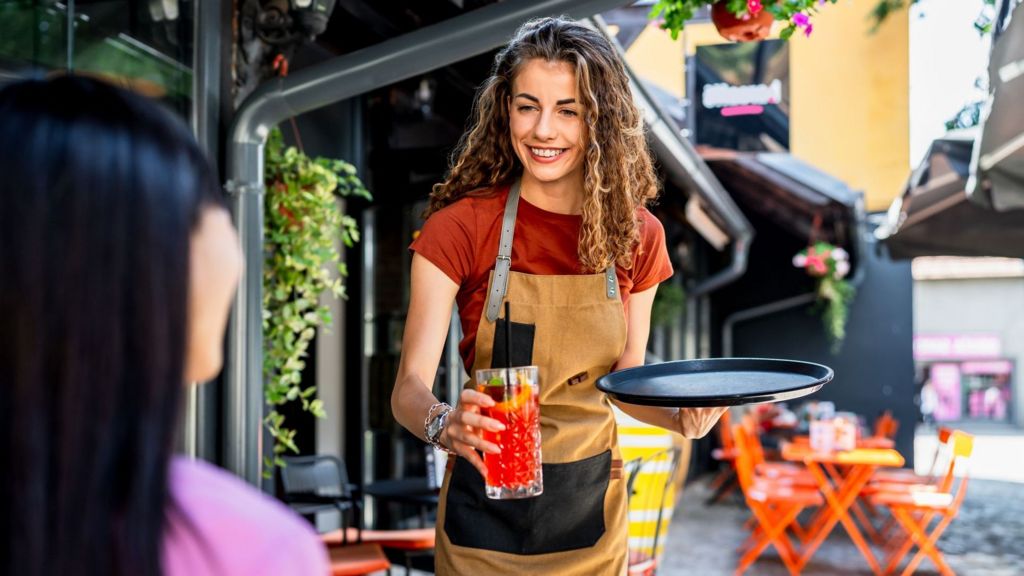
The U.S. labor market delivered a startling upside surprise in August, as newly released government data shows job creation far outpaced expert projections, driven by strong hiring gains in hospitality and education sectors. The world’s largest economy added 162,000 nonfarm payroll positions last month, a figure that comes in nearly three times higher than the 56,000 net new jobs that financial analysts had predicted ahead of the report.
Preliminary data breaks down the growth to two key industries. Hiring jumped at restaurants, bars, and other food and accommodation services, a typical seasonal uptick during the final month of peak summer travel and leisure. The other major contributor was local government education, as school districts across the country bulked up their staffing ahead of the 2024–2025 academic year, which begins in late August and early September for most U.S. public schools.
In addition to the August surprise, the Bureau of Labor Statistics also revised earlier underperforming jobs data from June and July upward. These revisions confirm that the U.S. labor market has maintained more momentum through the middle of the year than initial reports indicated, quelling earlier fears of a sharp slowdown in employment growth.
The stronger-than-expected jobs report has already shifted market expectations for U.S. monetary policy. The Federal Reserve has been watching labor market data closely to gauge the strength of the economy and the impact of prior interest rate adjustments. Analysts now widely anticipate that the central bank will move forward with another interest rate increase at its next policy meeting scheduled for later this September, as persistent labor market strength gives policymakers room to continue tackling still-elevated inflation.
-
Volkswagen board approves plan to cut another 50,000 jobs
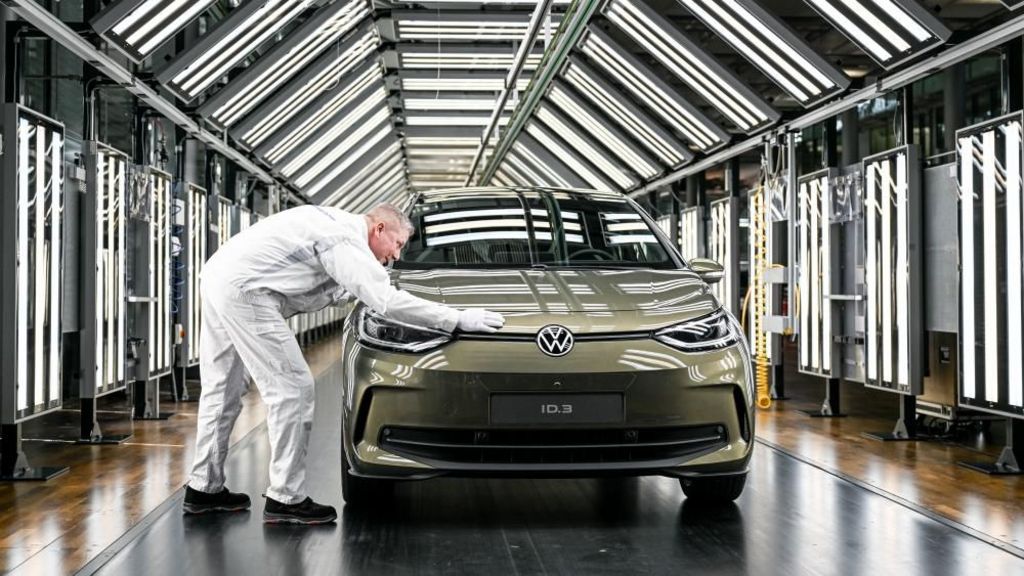
German automotive giant Volkswagen has taken one of the most dramatic steps in its 88-year history, greenlighting a fresh round of 50,000 job cuts that brings the total number of positions targeted for elimination by 2030 to 100,000. This landmark restructuring, first signaled by CEO Oliver Blume back in July, follows an initial 50,000 job cut announcement made by the company in March.
The multinational automaker, whose brand portfolio encompasses mass-market nameplates like Volkswagen, Skoda and Seat alongside luxury marques including Audi, Porsche, Bentley and Lamborghini, is also re-evaluating the future of four underperforming manufacturing facilities across Germany. The plants based in Emden, Zwickau, Hanover and Neckarsulm are currently operating with excess production capacity that outpaces current consumer demand, and company officials confirmed that alternative use cases for the sites are still under active assessment.
Alongside workforce adjustments, Volkswagen outlined sweeping changes to its product lineup: by 2035, the firm will cut the total number of vehicle models it produces in half, while reducing overall product complexity by 75%. The company says it will refocus its resources on high-demand, high-margin “most compelling vehicles” and ramp up production volumes per surviving model, a strategy designed to drive significant cost reductions across operations.
In a formal statement released Thursday, Blume framed the tough decisions as a critical investment in Volkswagen’s long-term viability, arguing the moves send a “strong signal” for the company’s future while demonstrating that leadership is “taking responsibility for our entire workforce.” As of 2025, Volkswagen employs more than 660,000 workers across its global operations.
Christianne Benner, president of Germany’s powerful IG Metall industrial union – Europe’s largest industrial union – and deputy chair of Volkswagen’s supervisory board, acknowledged that the cuts come as the company navigates a serious “crisis situation,” noting that firm leadership had “fought hard for good solutions” amid the pressures it faces.
Volkswagen’s restructuring push comes as the brand confronts mounting industry headwinds that have dragged profits sharply lower in recent years. Once one of the company’s largest and most reliable growth markets, China has seen plummeting Volkswagen sales amid fierce competition from domestic Chinese electric vehicle manufacturers that have leveraged lower production costs and rapid technological innovation to capture market share. Chinese automakers like BYD have seen explosive sales growth not just in their home market, but across the European Union, the United Kingdom, and Southeast Asia as they expand their global footprint. Volkswagen has also faced declining sales in the US market, a downturn partially attributed to longstanding import tariffs on vehicles introduced during the Trump administration.
Market reaction to the approved restructuring plan was broadly positive: Volkswagen’s share price rose roughly 7% in Frankfurt trading during Friday morning hours. Company leadership emphasized that a fundamental reshaping of the firm’s global workforce capacity is non-negotiable to protect long-term competitiveness amid shifting consumer demand and the ongoing industry-wide transition to electric vehicle technology. The new round of cuts will include management roles across the group, matching the scale of the initial 50,000 reductions announced earlier this year.
-
From ‘dog fruit’ to darling: India’s avocado boom
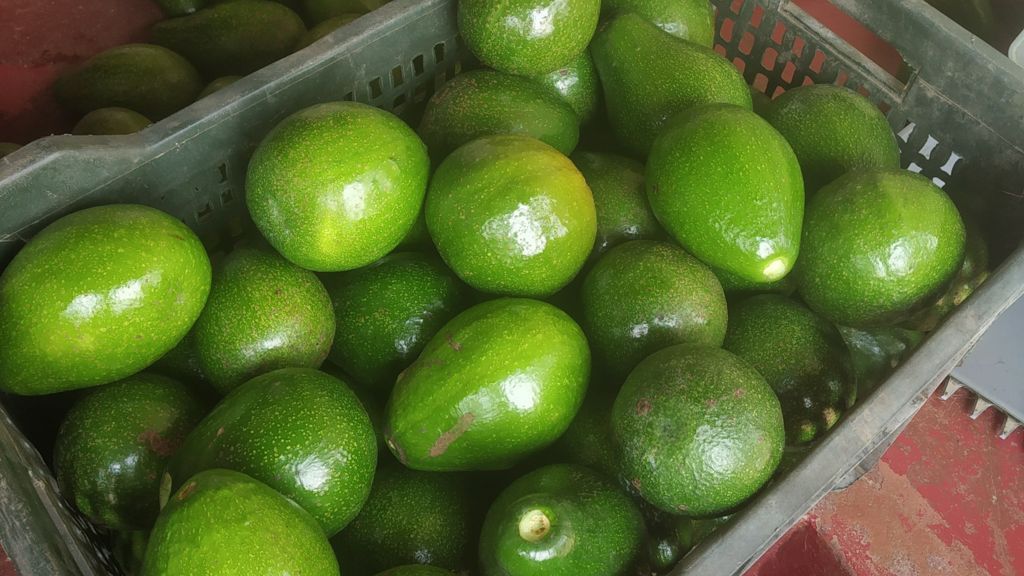
Fifteen years ago, avocados were an afterthought in India, left to rot on branches or be eaten by feral dogs—earning them the unflattering local nickname “dog fruit.” Today, the once-overlooked fruit sits at the center of a fast-growing agricultural revolution, as surging consumer demand transforms how Indian farmers, entrepreneurs, and researchers approach avocado cultivation.
Sunil Bopaiah, a 26-year veteran of India’s plantation industry and current group manager at Kerala-based Cottanad Plantations, has witnessed this shift firsthand. For decades, his operation, which grows cocoa, rubber, coffee, and spices in the hills of Wayanad, used avocados solely as shade trees for coffee crops. No one imagined the fruit would become a profitable standalone venture. That changed around 2011, when Bollywood icon Shilpa Shetty publicly cited avocados as a core part of her skincare routine. The celebrity endorsement triggered an immediate market shift: avocado prices doubled overnight, and they have continued climbing steadily in the years since.
To meet rising demand, Cottanad Plantations has dedicated 40 acres exclusively to avocado cultivation, harvesting between 10 and 15 tonnes of fruit annually. The operation projects output will jump to 40–50 tonnes within the next three to four years, as the team adapts growing practices to suit the crop’s unique needs. Drawing on guidance from South African agricultural experts, the plantation completely redesigned its cultivation approach, switching to raised planting beds and wider tree spacing to protect avocado roots, which are extremely susceptible to fungal disease.
Industry analysts estimate massive untapped potential for Indian avocado production, driven by a yawning gap between domestic supply and consumer demand. Manilal Palliyath, who works to expand India’s avocado sector, notes that India currently produces just 8,000 to 9,000 tonnes of avocados annually, while importing roughly 15,000 tonnes to meet total demand. For many farmers, shifting to avocados also offers a critical buffer against climate volatility that has hurt traditional staple crops. “Coffee and pepper have suffered because of changing climatic conditions, making diversification essential for farmers,” Palliyath explains.
As demand grows, India’s hospitality sector has echoed the call for consistent, high-quality local avocados. Hussain Shahzad, executive chef at Mumbai-based Hunger Inc. Hospitality—which operates popular venues including The Bombay Canteen and Veronica’s—says the group currently relies on imported avocados to meet kitchen needs. While local growers have made great strides in improving cultivation, Shahzad notes that domestic produce still struggles with inconsistent quality, flavor, and availability across seasons and regions. “Imported ones currently offer the consistency we need in terms of flavour, texture, size, and ripening,” he says, adding that the group is eager to shift to local sourcing as the industry matures: “Supporting Indian agriculture and working with indigenous ingredients is central to how we approach food.”
A new generation of Indian entrepreneurs is working to close the quality gap by bringing advanced cultivation techniques and popular foreign varieties to domestic farms. Harshit Godha, founder of the Indo-Israel Avocado Nursery in Bhopal, Madhya Pradesh, launched his business in 2021 after completing a month-long training program on avocado production in Israel. Today, his operation is thriving: over the past five years, he has supplied roughly 18,000 saplings of high-demand international varieties including Hass and Pinkerton to farmers across the country.
Godha notes that Israel’s arid climate has pushed the country to develop the world’s most advanced water-efficient avocado growing technology, making it an ideal model for parts of India facing water scarcity. But scaling commercial production requires a complete shift from traditional Indian growing practices, where avocados were interspersed among other crops as shade trees. Commercial production requires grafting high-yield fruit varieties onto rootstocks bred to tolerate local conditions, rather than growing trees from seed. Producers also must implement aggressive pruning to keep tree heights manageable for harvesting, and plant a precise mix of two avocado varieties to enable cross-pollination—one of the most common mistakes that derails new orchards, Godha explains. “If a farmer gets this planting ratio wrong, the trees will fail to produce fruit, no matter how advanced the irrigation tech is,” he says. “This single botanical detail is what separates a highly profitable, high-yielding orchard from one that looks great on paper but fails in reality.”
Alongside the adoption of foreign varieties, Indian agricultural researchers are working to develop standardized, high-yield domestic avocado varieties adapted to local growing conditions. Dr Ganeshan Karunakaran, principal scientist at the ICAR-Indian Institute of Horticultural Research (IIHR) in Bengaluru, has spent 25 years leading a breeding project that has already released two improved domestic varieties, including Arka Supreme.
Karunakaran explains that the biggest barrier to a consistent domestic avocado market has been genetic variation: most existing backyard avocado trees in India are genetically distinct, leading to inconsistent fruit quality across the supply chain. “Our objective is to provide farmers with uniform, high-yielding, good-quality planting material rather than thousands of different unnamed trees,” he says. He also warns of risks from unregulated nurseries that sell unlabeled or diseased saplings, which can look healthy for years before suddenly dying, leaving farmers with devastating financial losses.
Despite the growing pains, early adopter farmers remain optimistic about avocados’ long-term potential in India. Shiju Sebastian, who planted his first two-acre avocado orchard in Wayanad, Kerala, eight years ago, is already harvesting 3,500 kilograms of fruit annually that sells out entirely in Bengaluru. He now plans to expand his avocado cultivation by another three acres. “Avocado will never fail you. It’s such a loving and lovable fruit. I have fallen in love with this fruit now,” he says, adding that the biggest need for new growers is consistent technical guidance and guaranteed access to retail markets.
-
Asian benchmarks mostly rise after tech stocks lead rally on Wall Street
Following a broad, tech-driven rally on U.S. Wall Street overnight, most major Asian equity benchmarks kicked off Friday morning trading in positive territory, lifting regional investor sentiment across global markets.
Japan’s benchmark Nikkei 225 climbed 0.6% to 64,622.33 in early morning trading, while South Korea’s Kospi notched a steeper 0.9% gain to reach 6,635.67. Hong Kong’s Hang Seng Index outperformed regional peers, jumping 2.1% to 25,751.26, and China’s Shanghai Composite Index added a solid 0.8% to end the morning session at 3,973.27. Australia’s S&P/ASX 200 bucked the regional upward trend, dipping less than 0.1% to 9,011.80 in a muted performance.
The upward momentum spilled into Asian markets after all three major U.S. indexes closed higher on Thursday, driven by cooling 10-year Treasury bond yields and sharp gains for large-cap technology and communication services stocks. High valuations for these sectors give them outsize influence on overall market direction, and their rally pulled broad indexes higher across the board: the S&P 500 gained 1.1%, the Dow Jones Industrial Average rose 1.2%, and the tech-heavy Nasdaq Composite climbed 1.4% by closing bell.
Leading major tech names all posted solid gains. Microsoft rose 2.7%, Apple gained 1%, and Meta Platforms climbed 3%. Leading AI chipmaker Nvidia, whose high-performance processors remain the foundational hardware for cutting-edge artificial intelligence development, added 1.8% following confirmation of its planned $13 billion acquisition of AI platform Hugging Face. The deal will leave Hugging Face’s open-source platform model intact, according to reporting on the transaction. Communication services stocks also contributed heavily to the U.S. rally, extending the upward momentum driven by AI-focused growth expectations.
In energy markets, crude oil prices extended recent gains amid ongoing geopolitical tensions between the U.S. and Iran, which have entered a sixth month of open conflict that has intensified in recent weeks. Benchmark U.S. crude rose 65 cents to $91.95 per barrel, while international benchmark Brent crude climbed 47 cents to $95.95 per barrel. The ongoing conflict is widely cited as the core driver of recent energy price surges, as most global oil shipments from the Middle East pass through the Strait of Hormuz – a chokepoint critical to energy supplies for nations across the globe, including Japan, which imports nearly 100% of its crude oil demand. Tensions escalated further Thursday after Iran fired on Kuwait in retaliation for U.S. bombardments earlier that week, adding to supply uncertainty for global energy markets.
Bond markets saw continued easing of yields that have climbed steadily throughout 2026. The yield on the 10-year Treasury note, which is a key benchmark for mortgage rates and consumer lending across the U.S., fell to 4.77% from 4.79% at the close of Wednesday’s session. At the start of 2026, the 10-year yield sat at just 4.20%, reflecting steady upward movement through the year that has put pressure on equity valuations.
Shifting expectations around U.S. Federal Reserve interest rate policy also supported market gains this week. Many investors now interpret recent comments from Federal Reserve Governor Christopher Waller as a signal that the central bank is less likely to raise its benchmark short-term interest rate at its upcoming policy meeting in two weeks than previously projected. Waller noted that if next week’s incoming inflation data shows cooling price growth, he would support holding interest rates steady at the next meeting, while a hotter-than-expected inflation reading would lead him to back a rate hike.
Market participants are also closely watching the Bank of Japan, which will hold its next policy board meeting later this month. Many analysts expect the central bank to raise its benchmark interest rate, but uncertainty remains over the size of the potential increase. Japan has faced growing market pressure to raise rates to lift the value of the yen against the U.S. dollar, which has traded near multi-decade lows in recent sessions. In Friday currency trading, the U.S. dollar edged only slightly lower against the yen, falling from 155.84 yen to 155.78 yen. The euro held largely steady against the U.S. dollar, trading at $1.1633 compared to $1.1631 in the previous session.