New government data released Thursday reveals that U.S. economic growth rebounded less than analysts projected in the first quarter of 2026, as soaring inflation driven by Middle East conflict-related energy price shocks cooled consumer spending and exposed deep divides in the country’s economic performance.
The world’s largest economy saw gross domestic product expand at an annualized rate of 2.0% between January and March, according to the Commerce Department’s advance estimate. That marks a sharp improvement from the 0.5% growth recorded in the final quarter of 2025, but still underperforms the 2.2% expansion economists had predicted ahead of the report.
The uptick in overall growth was primarily fueled by a jump in business investment and a rebound in federal government spending, which recovered after a disruptive government shutdown in the fourth quarter of 2025. White House spokesperson Kush Desai quickly framed the result as a win for the Trump administration’s policy agenda, crediting the president’s tax cuts and deregulation efforts for driving what he called an “astonishing surge in business investment.”
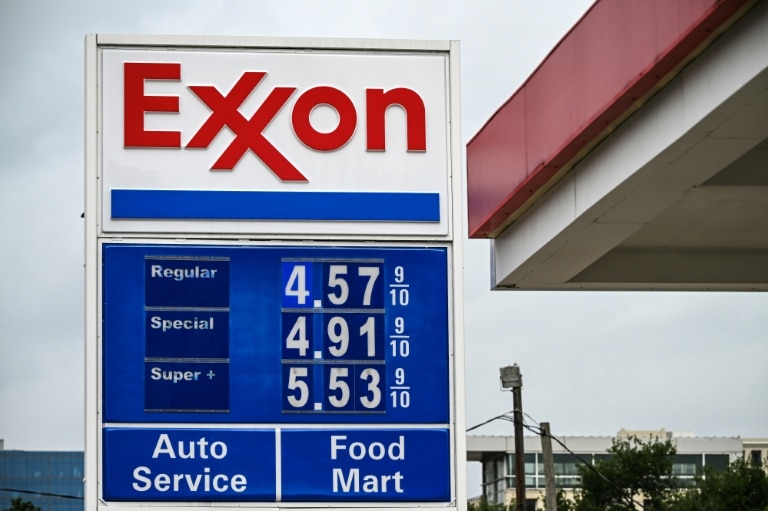
Despite the headline growth number, economic observers warn that strengths in the economy are narrowly concentrated in the booming AI sector, while millions of ordinary households are already showing signs of financial fatigue from rising costs. The conflict-driven energy shock that began after U.S.-Israeli strikes on Iran on February 28, which prompted Tehran to block traffic through the strategic Strait of Hormuz – a critical global transit chokepoint for energy and fertilizer – has sent energy prices soaring worldwide. Data from the American Automobile Association shows the average price for a gallon of regular gasoline in the U.S. has already spiked to $4.30, eating into household budgets that were already stretched.
Inflation data released alongside the GDP report confirms the sharp upward shift in prices: the personal consumption expenditures (PCE) price index, the Federal Reserve’s preferred inflation metric, jumped to 3.5% year-over-year in March, up from 2.8% in February. Even when stripping out volatile food and energy prices, core inflation still rose 3.2% annually, far above the Fed’s long-term 2% target.
Heather Long, chief economist at Navy Federal Credit Union, described the current landscape as a “split-screen economy.” On one side, AI-focused companies and investors are thriving, driving the capital investment boom that lifted the headline GDP number. On the other, middle- and low-income households are grappling with persistent cost-of-living increases. Long noted that nearly half of larger annual tax refunds issued this year have already gone toward covering higher fuel costs for most families, and flagged the slowdown in consumer spending growth to just 1.6% in the first quarter as a “big warning sign” of deeper trouble ahead.
Oliver Allen, senior U.S. economist at Pantheon Macroeconomics, echoed this assessment, pointing out that underlying economic momentum is “anemic” outside of the AI investment surge. He added that multiple headwinds are already weighing on U.S. consumers: a cooling labor market, subdued consumer confidence, sluggish growth in real household income, and the depletion of excess savings accumulated during the COVID-19 pandemic have all combined to dampen spending.
The combination of slowing consumption and rising inflation also carries significant political risks, as the Republican Party prepares to defend its majority in November’s midterm elections. Steeper everyday costs are likely to become a top campaign issue for voters, and could erode support for the incumbent administration.
While some financial analysts, including Chris Zaccarelli, chief investment officer at Northlight Asset Management, believe the U.S. economy has enough resilience to absorb short-term global shocks, Zaccarelli cautioned that growing risks point to a much more challenging outlook for the global economy in the coming months, raising concerns about broader spillover effects from the Middle East energy crisis.