分类: business

  • UAE banks power ahead in Q3, outpacing regional peers

    UAE banks power ahead in Q3, outpacing regional peers

    The United Arab Emirates banking industry has demonstrated exceptional financial performance during the third quarter of 2025, significantly outpacing regional competitors through a combination of strategic initiatives and favorable economic conditions. According to the latest UAE Banking Pulse report from global consulting firm Alvarez & Marsal, the sector’s remarkable growth trajectory has been fueled by expanding loan portfolios, resilient profit margins, and substantial digital transformation investments.

    Macroeconomic foundations have strengthened considerably, with the International Monetary Fund revising upward the UAE’s real GDP growth forecast to 4.8% for fiscal year 2025. This optimistic economic backdrop has facilitated substantial banking sector expansion, evidenced by a 6.5% quarter-on-quarter increase in aggregate net loans and advances alongside a 4.3% growth in deposits. The loan-to-deposit ratio climbed to 77.8%, indicating vigorous credit demand relative to funding growth.

    Despite two interest rate reductions implemented by the US Federal Reserve and the Central Bank of the UAE, financial institutions successfully maintained margin stability through disciplined asset repricing strategies. Net interest margin improved marginally to 2.45% from 2.43% in the previous quarter, while net interest income surged 5% quarter-on-quarter to AED 26.5 billion. Fee and commission income accelerated by 7.3%, highlighting effective revenue diversification across the sector.

    Operational income reached AED 41.9 billion, representing a 3% quarterly increase, though moderating from the 5% growth recorded in Q2. Net income demonstrated robust health with a 4.3% quarterly improvement to AED 23.6 billion, supported by reduced impairment charges and tax expenses. Emirates NBD emerged as a particularly strong performer, delivering 7% growth in net interest income and 6.9% expansion in fee income.

    Performance metrics showed notable improvement with return on equity climbing 25 basis points to 19.6% while return on assets remained stable at 2.1%. Capital adequacy ratios strengthened to 16.6%, providing enhanced buffers against potential market volatility.

    Credit expansion displayed broad-based strength across segments. Corporate and wholesale lending, representing 57.5% of total portfolios, expanded 7.5% quarter-on-quarter. Retail loans grew 4.4%, while government lending rebounded dramatically with 8.1% growth. Emirates NBD led sector lending with a 10.7% increase in net loans, driven by exceptional corporate banking performance.

    Funding dynamics shifted toward time deposits, which surged 9.6% quarter-on-quarter as depositors sought to lock in higher rates, even as current and savings account balances experienced slight contraction. RAKBANK achieved the highest deposit growth at 7.4%, with Dubai Islamic Bank contributing significantly through a 6.4% increase.

    Asset quality metrics showed substantial improvement as the non-performing loan ratio declined to 2.6% from 2.9% in Q2. Coverage improved to 115.2% while the cost of risk eased to 0.45%, supported by a 6.9% reduction in impairment charges. Stage 3 loans decreased 5.9% quarter-on-quarter, reflecting disciplined credit underwriting and enhanced risk management practices.

    Strategic digital initiatives accelerated across the sector. Abu Dhabi Commercial Bank announced over 150 artificial intelligence use cases targeting AED 4 billion in value creation. Dubai Islamic Bank established a partnership with HCLTech to develop Shariah-compliant technological innovations. Abu Dhabi Islamic Bank launched industry-first real-time cross-border transfers to 11 billion global endpoints, while Emirates NBD expanded its near real-time payment network to 40 countries and acquired a 60% stake in India’s RBL Bank for $3 billion.

    Regulatory developments included new financial legislation extending oversight to fintech and digital assets, reinforcing governance and compliance standards across the banking ecosystem.

    Investor sentiment reflected operational strength as UAE banking stocks gained approximately 30% over the past year, positioning the sector among global top performers. Attractive valuations persisted with banks trading at an average price-to-earnings ratio of 8.5x and price-to-book of 1.67x, supported by high-teens returns and robust capital positions.

    The outlook for 2026 remains broadly positive, with analysts anticipating continued balance sheet expansion driven by strong non-hydrocarbon growth and sustained credit demand. While margin pressure may persist amid potential further rate cuts, banks are positioned to offset compression through fee income growth, digital innovation, and cost efficiencies from AI implementation. Asset quality is expected to remain stable supported by prudent risk management and substantial provisioning. With capital buffers at healthy levels and investor confidence sustained by attractive valuations, the sector is poised to maintain its regional outperformer status, though global liquidity trends and geopolitical risks warrant ongoing monitoring.
  • Ruijie Reyee concludes strategic MEA partner connect 2025 in Dubai

    Ruijie Reyee concludes strategic MEA partner connect 2025 in Dubai

    Dubai served as the strategic hub for Ruijie Networks’ MEA Partner Connect 2025, where the global networking solutions pioneer convened 150 key stakeholders from across the Middle East and Africa region. The December 11 gathering brought together value-added distributors, authorized deployment partners, and tiered channel allies to explore emerging opportunities within the Ruijie Reyee ecosystem.

    Amid accelerating digital transformation initiatives throughout MEA, the event spotlighted escalating demand for reliable and simplified networking infrastructure. Ruijie Reyee demonstrated its enhanced partner ecosystem capabilities, showcasing specialized solutions tailored to diverse market requirements. The company unveiled its newly launched cloud platforms—Cloud Pro for enterprise networks and Cloud ISP for small-to-medium service providers—providing partners with hands-on experience and technical insights.

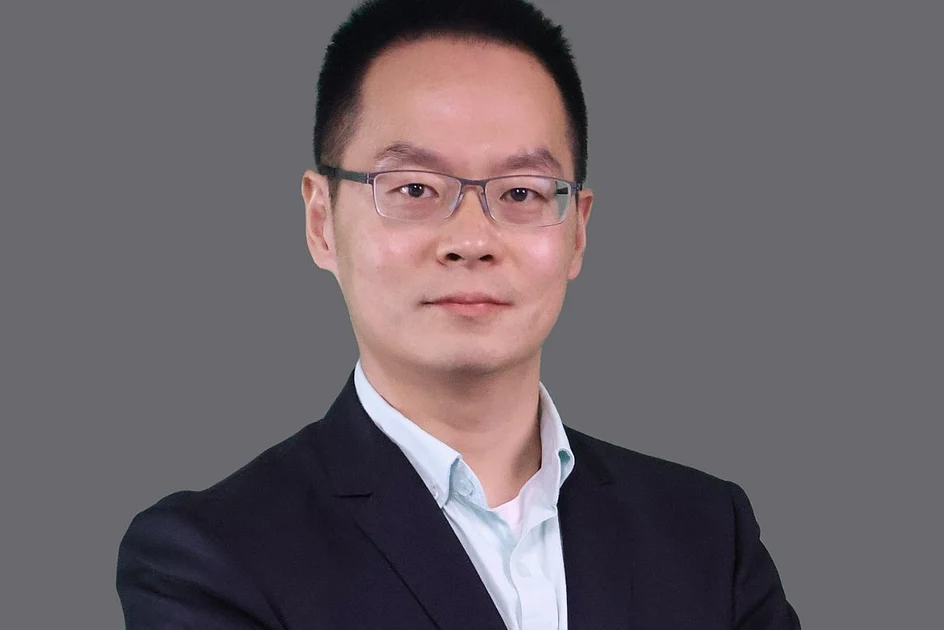
    Ryan Liu, General Manager for Ruijie’s MEA region, emphasized the brand’s regional penetration: ‘Our presence across 50 MEA countries stands as testament to our partners’ dedication. This forum enabled us to share industry trends, demonstrate our latest cloud, SD-WAN, and intelligent networking solutions, while recognizing our partners’ achievements.’

    The strategic conclave offered exclusive access to Ruijie’s regional leadership and technical experts, reinforcing collaborative pathways to capitalize on the region’s expanding market. Designed to fortify strategic alliances, the event underscored Ruijie Reyee’s leadership in innovative networking solutions while delivering actionable business expansion insights.

    Backed by 23 years of industry expertise and eight R&D innovation centers, Ruijie Networks operates through 20,000+ channel partners across 100+ countries. The Reyee sub-brand focuses exclusively on SMB and SME markets, delivering comprehensive networking solutions including wireless access points, switches, security appliances, and Gartner-recognized AI cloud management platforms.

  • Hashgraph Ventures completes first close, cementing Abu Dhabi’s position as a global Web3 hub

    Hashgraph Ventures completes first close, cementing Abu Dhabi’s position as a global Web3 hub

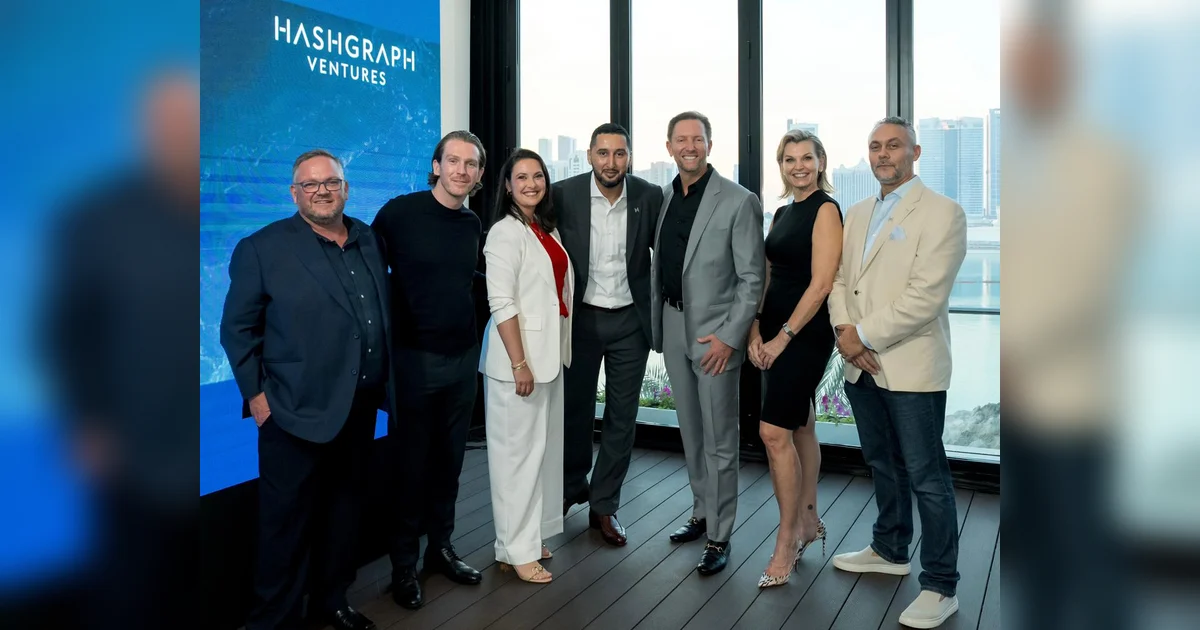
    Abu Dhabi has solidified its standing as a premier global center for Web3 innovation following Hashgraph Ventures’ announcement of successfully completing the first close of its early-stage venture capital fund. The Abu Dhabi Global Market (ADGM)-regulated fund, which specializes in Web3 and artificial intelligence investments, has reached a significant milestone enabling immediate capital deployment to visionary entrepreneurs reshaping the digital economy landscape.

    Having secured its fund management license from ADGM’s Financial Services Regulatory Authority (FSRA) in 2024, Hashgraph Ventures launched a $100 million global venture capital initiative (Hashgraph Venture Fund-I) that exceeded subscription expectations by 20%. The fund’s strategic focus targets blockchain and deep technology enterprises at Seed, Series A, and Series B development stages, positioning itself at the forefront of digital transformation financing.

    In a parallel development demonstrating active deployment, Hashgraph Ventures confirmed its seed investment in Bloxtel—an innovative telecommunications infrastructure company pioneering tokenized eSIM (dSIM) technology and blockchain-powered 5G access points. Bloxtel’s leadership team includes the founders of Simless, the original creators of eSIM technology currently integrated into modern smartphones. This investment represents a strategic move toward decentralizing and simplifying private network deployment through cutting-edge blockchain applications.

    Kamal Youssefi, Co-Founder and Executive Chairman of Hashgraph Ventures, emphasized the significance of this achievement: “This marks a defining moment for Hashgraph Ventures and for the region’s investment and innovation landscape. Abu Dhabi has become a global hub for visionary founders, investors, and policymakers—and we are proud to contribute to its rise as the world’s leading hub for Web3, AI, and decentralized networks.”

    Dara Campbell, Senior Executive Officer of Hashgraph Ventures, added context to the announcement: “To complete our first close and announce a sector-defining investment during Abu Dhabi Finance Week—one of the most influential global finance gatherings—sends a clear message about our intent and ambition. Hashgraph Ventures is building a world-class investment platform from Abu Dhabi, for the world.”

    The successful fund closure and strategic investment underscore the United Arab Emirates’ growing influence in the global digital infrastructure sector, positioning Abu Dhabi as a magnet for technological innovation and substantial venture capital investment in emerging technologies.

  • Liveability now key in Dubai’s luxury real estate market

    Liveability now key in Dubai’s luxury real estate market

    A fundamental transformation is reshaping Dubai’s high-end property sector, where the traditional allure of prestigious brands is being eclipsed by a new premium on holistic wellness and sustainable living. This paradigm shift, driven by an influx of global ultra-high-net-worth (UHNW) individuals, is redefining luxury not as mere opulence but as an ecosystem that enhances physical and mental wellbeing.

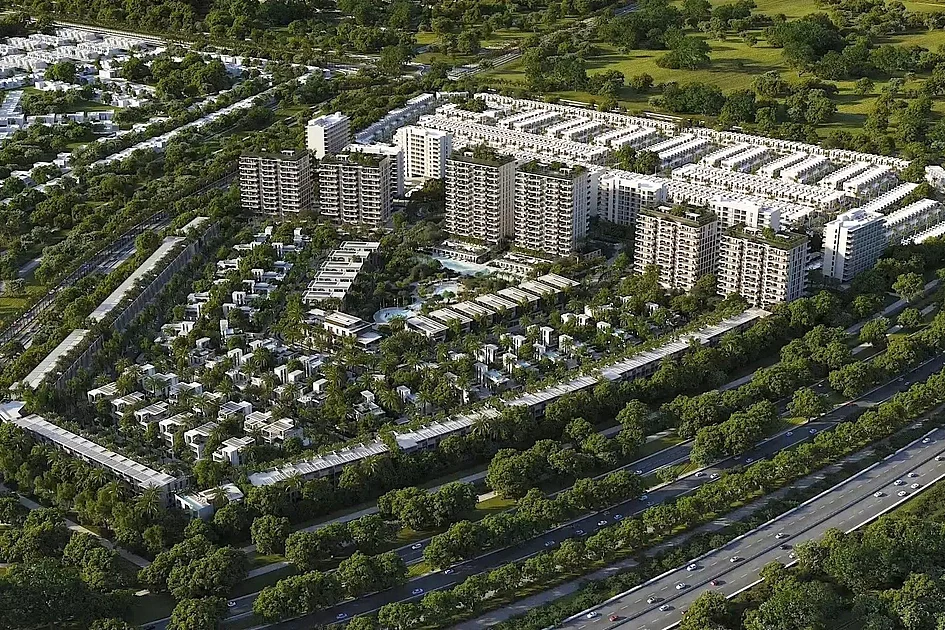
    At the forefront of this movement is MAG Lifestyle Development with its Dh3 billion Keturah Reserve project in Meydan. Conceived as a pioneering ‘bio-living’ community, the development is strategically located a short, low-congestion drive from Downtown Dubai. CEO Talal M. Al Gaddah identifies liveability as the paramount concern for today’s affluent buyers, stating that properties which genuinely elevate resident wellness create a natural, sustainable demand. This, he argues, forms the foundation of a superior investment proposition: “where people insist on living, capital inevitably follows.”

    The design philosophy transcends conventional landscaping. Thousands of Ficus and ‘Rain’ trees from Thailand, alongside sculptural dry gardens, are integral functional infrastructure designed to foster a profound connection to nature. The community will comprise 533 low-rise apartments, 93 sold-out townhouses, and 90 villas, all meticulously crafted to maximize natural light, airflow, and harmony with the environment.

    Enhancements to the original blueprint include expanded residential blocks, upgraded wellness amenities, and improved communal spaces. Apartments, ranging from 1,106 to 4,883 sq ft, are notably larger than market averages. Further elevating the resident experience is a premium concierge service, featuring on-demand Rolls-Royce chauffeur bookings accessible via a dedicated community application.

    In a significant move towards market transparency and integrity, fäm Properties has been appointed as the exclusive Master Agency for the project’s final sales phase. New investors are offered milestone-based payment plans coupled with contractual delivery guarantees. Main contractor CITIC Middle East Contracting LLC is committed to a phased handover schedule, with townhouses completed by Q2 2027, apartments by Q3/Q4 2027, and villas by Q1 2028. This approach is hailed as aligning with the Dubai Land Department’s objectives for robust investor protection and is seen as empowering brokers who prioritize client financial safety.

  • Flydubai launches direct flights between UAE to Riga in Latvia

    Flydubai launches direct flights between UAE to Riga in Latvia

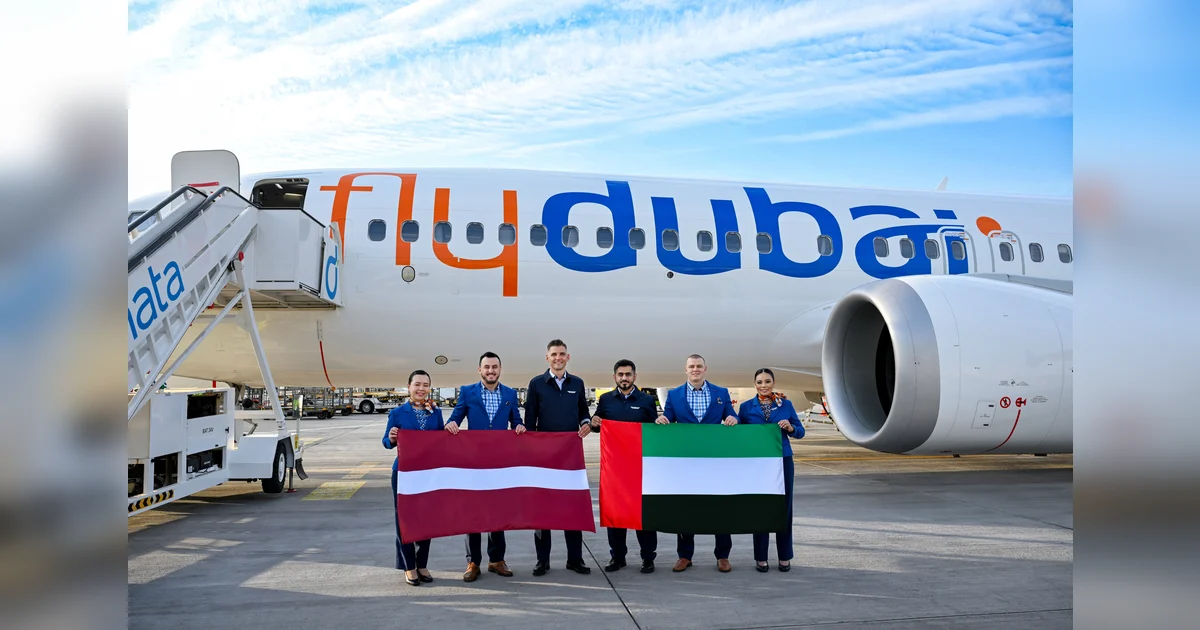
    Dubai-based carrier flydubai has officially launched direct flight services to Riga, Latvia, establishing a new aerial bridge between the United Arab Emirates and the Baltic region. The inaugural flight from Dubai International Airport (DXB) touched down at Riga Airport (RIX) amid ceremonial welcomes from airport authorities, signaling the commencement of scheduled three-weekly operations on this route.

    This strategic expansion represents flydubai’s continued European market penetration, complementing recent service initiations to Chișinău (Moldova), Iași (Romania), and Vilnius (Lithuania). The airline’s European network now encompasses 35 destinations across 20 countries, demonstrating its commitment to connecting underserved markets with Dubai’s global aviation hub.

    UAE Ambassador to Latvia Noora Juma emphasized the diplomatic significance of this aviation milestone, stating: “This launch inaugurates a new chapter in UAE-Latvia relations. The direct air connection will catalyze multidimensional exchange opportunities spanning tourism, commerce, and cultural spheres.”

    Aviation executives highlighted the route’s economic implications. Jeyhun Efendi, flydubai’s Divisional Senior Vice President of Commercial Operations, noted: “Our Riga service reinforces flydubai’s European presence while aligning with our strategic vision of expanding connectivity to dynamic emerging markets. We’re providing passengers with a premium, convenient travel experience supported by ongoing investments in fleet and service enhancements.”

    Riga Airport authorities welcomed the development as a significant enhancement to Baltic connectivity. Laila Odiņa, Chairperson of RIX Riga Airport’s Board, commented: “This connection benefits travelers seeking to explore Dubai’s metropolitan offerings and UAE’s tourism attractions while simultaneously strengthening bilateral economic relations. Conversely, UAE residents gain direct access to the cultural and natural treasures of Baltic and Scandinavian regions.”

    The new route is projected to stimulate bidirectional tourism flows and bolster growing economic ties between the nations, providing Latvian travelers enhanced access to flydubai’s extensive network of onward connections through Dubai’s international aviation hub.

  • Xi Focus: Navigating headwinds and charting new blueprint

    Xi Focus: Navigating headwinds and charting new blueprint

    Beijing has concluded its high-level Central Economic Work Conference, establishing a comprehensive roadmap for China’s economic strategy as the nation prepares to launch its 15th Five-Year Plan period (2026-2030). Chaired by President Xi Jinping, the conference outlined key priorities including implementing proactive macroeconomic policies, expanding domestic demand, optimizing supply chains, and developing a unified national market.

    The meeting occurred against a backdrop of global trade tensions and domestic challenges, yet China’s economy has demonstrated remarkable resilience. Daily economic indicators reveal substantial vitality: approximately 24,000 new businesses emerge nationwide each day, while over 120 billion yuan worth of goods cross borders daily. Cloud data transmission exceeds 1.43 million gigabytes per second, with approximately 6,000 parcels entering logistics networks every second.

    International financial institutions have responded positively to China’s economic performance. The International Monetary Fund recently raised its 2025 growth forecast for China to 5%, with the World Bank, Asian Development Bank, and OECD subsequently increasing their projections. “China’s economy has shown notable resilience despite facing multiple shocks in recent years,” noted IMF representative Sonali Jain-Chandra.

    Throughout the year, President Xi conducted extensive inspections across China’s economic landscape, from northeastern industrial bases to eastern innovation hubs. These visits emphasized the critical importance of maintaining the real economy as the nation’s backbone while advancing manufacturing through high-end, intelligent, and green development pathways.

    Private sector development received particular attention, with enacted legislation promoting private economy growth, targeted measures stimulating private investment, and accelerated clearance of overdue payments to companies. Technological innovation emerged as a central focus, exemplified by companies like Infinigence AI, which has rapidly expanded its cloud capacity to over 25,000 petaflops across 53 data centers in 26 cities.

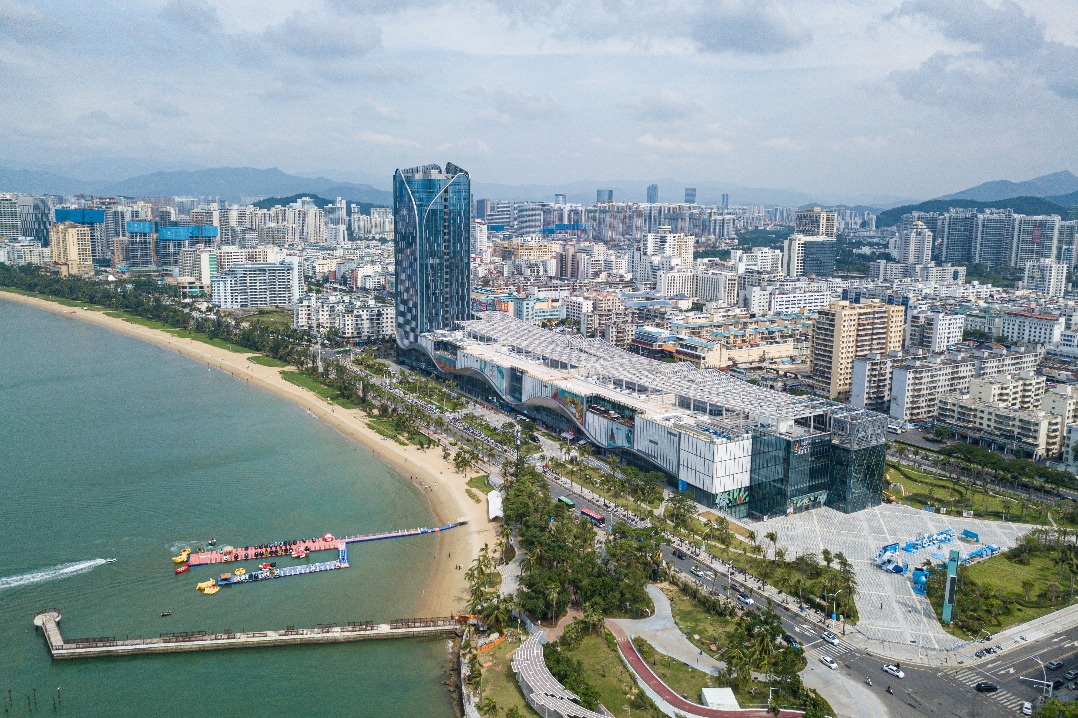
    The strategy emphasizes that reform and opening-up remain China’s primary tools for navigating challenges and unlocking growth potential. Recent symbolic inspections of Hainan Free Trade Port and Guangdong province highlighted China’s commitment to high-standard opening-up and comprehensive reform. In 2025, key measures included accelerating unified market development, enforcing anti-unfair competition laws, and further trimming negative lists for foreign investment.

    Multinational corporations have demonstrated continued confidence in China’s market. FAW-Volkswagen produced its 30 millionth vehicle in October, while Tesla launched its first overseas Megafactory in Shanghai. Siemens Healthineers is constructing new facilities in Shenzhen, and Airbus inaugurated its second Final Assembly Line in Tianjin.

    President Xi has personally reassured international business representatives of China’s commitment to widening market access, ensuring equal treatment for foreign businesses, and maintaining fair competition. The forthcoming five-year plan emphasizes opening wider to the outside world, promoting innovative trade development, expanding two-way investment cooperation, and pursuing high-quality Belt and Road collaboration.

    Spanish economist Pedro Barragán characterized China’s five-year plan as “an anchor of stability” in an unsettled global environment, noting that “as China manages to maintain orderly economic growth and advance reforms, its role as an engine of the global economy will be strengthened.”

  • Dubai prime real estate: Ultra-luxury villas drive global elite investment wave

    Dubai prime real estate: Ultra-luxury villas drive global elite investment wave

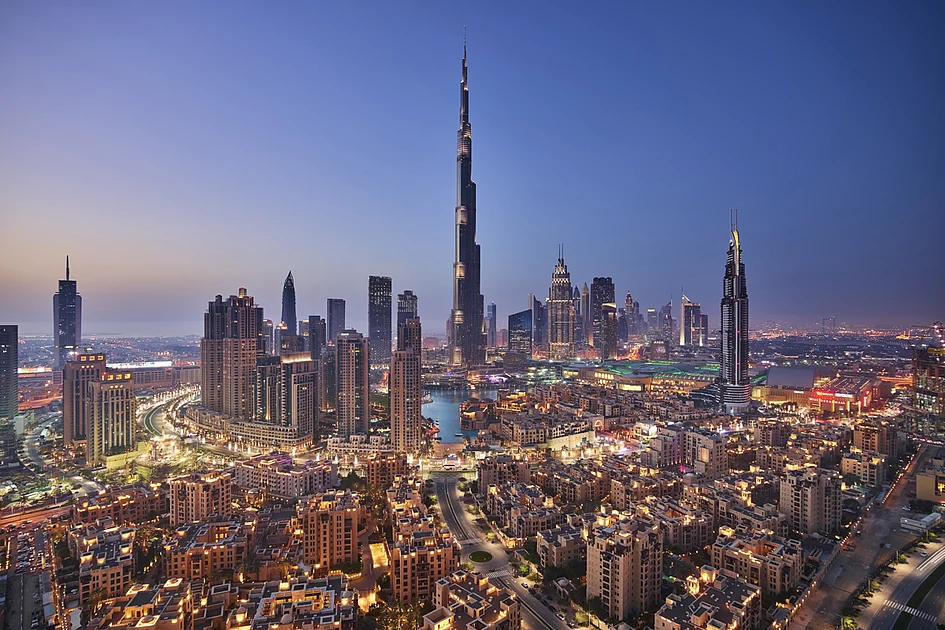
    Amid a cooling global luxury property market, Dubai emerges as a spectacular exception, establishing itself as the world’s premier destination for ultra-high-net-worth individuals. The emirate has witnessed an unprecedented influx of wealth, attracting approximately 10,000 millionaires in 2025 alone while achieving nearly 200% prime property price appreciation over a five-year period.

    This remarkable growth stems from a fundamental structural shift rather than temporary market conditions. According to the Henley & Partners Private Wealth Migration Report, the UAE is projected to absorb $63 billion in private wealth through migrant millionaires in 2025, building upon the 7,200 wealthy individuals who relocated in 2024. These migrants are increasingly becoming permanent residents, drawn by Dubai’s unique combination of tax-free living, investor-friendly regulations, geopolitical stability, and world-class luxury amenities.

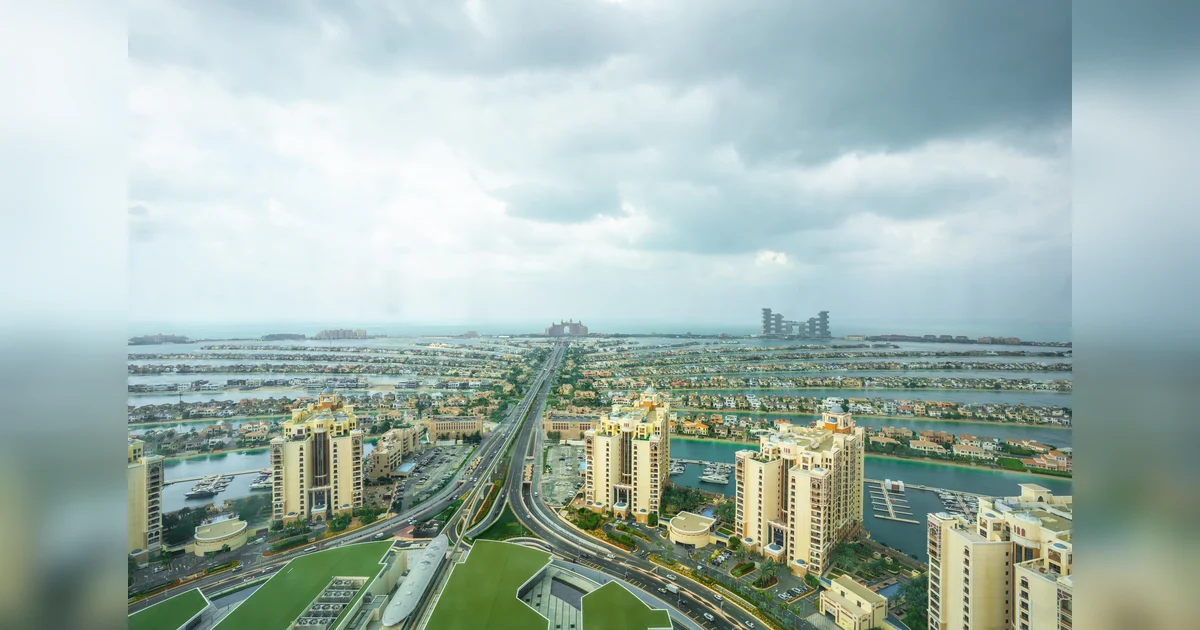
    The ultra-luxury villa segment dominates market activity, representing nearly 70% of sales exceeding $10 million. Prestigious communities including Palm Jumeirah, Dubai Hills, and Downtown Dubai have become epicenters of luxury living, with annual appreciation rates reaching 15-30% for prime properties. The market demonstrated extraordinary momentum in Q3 2025, recording 59,044 sales transactions valued at Dh169 billion—the highest quarterly total in Dubai’s history.

    Several structural advantages underpin Dubai’s sustained appeal. Over half of prime transactions are cash-based, insulating the market from interest rate fluctuations. The regulatory framework offers 100% foreign ownership, zero property taxes, and the security of the Golden Visa program. Additionally, rental yields between 4-7% significantly outperform global hubs like London and New York.

    Demand continues to outstrip supply, particularly in the ultra-prime segment, as Dubai’s population surpasses 4 million. Developers are responding with ambitious projects, such as Sunteck Realty’s Dh15 billion pipeline including a flagship Dh5 billion development near Burj Khalifa. While analysts forecast moderated price growth of approximately 3% in 2026, Dubai’s fundamental advantages—steady wealthy immigration, constrained luxury supply, and strong yields—position it as a enduring global wealth magnet where luxury living and investment convergence redefine modern elite lifestyle.

  • High-end car sales sink in China as its economy slows, taking a toll on European automakers

    High-end car sales sink in China as its economy slows, taking a toll on European automakers

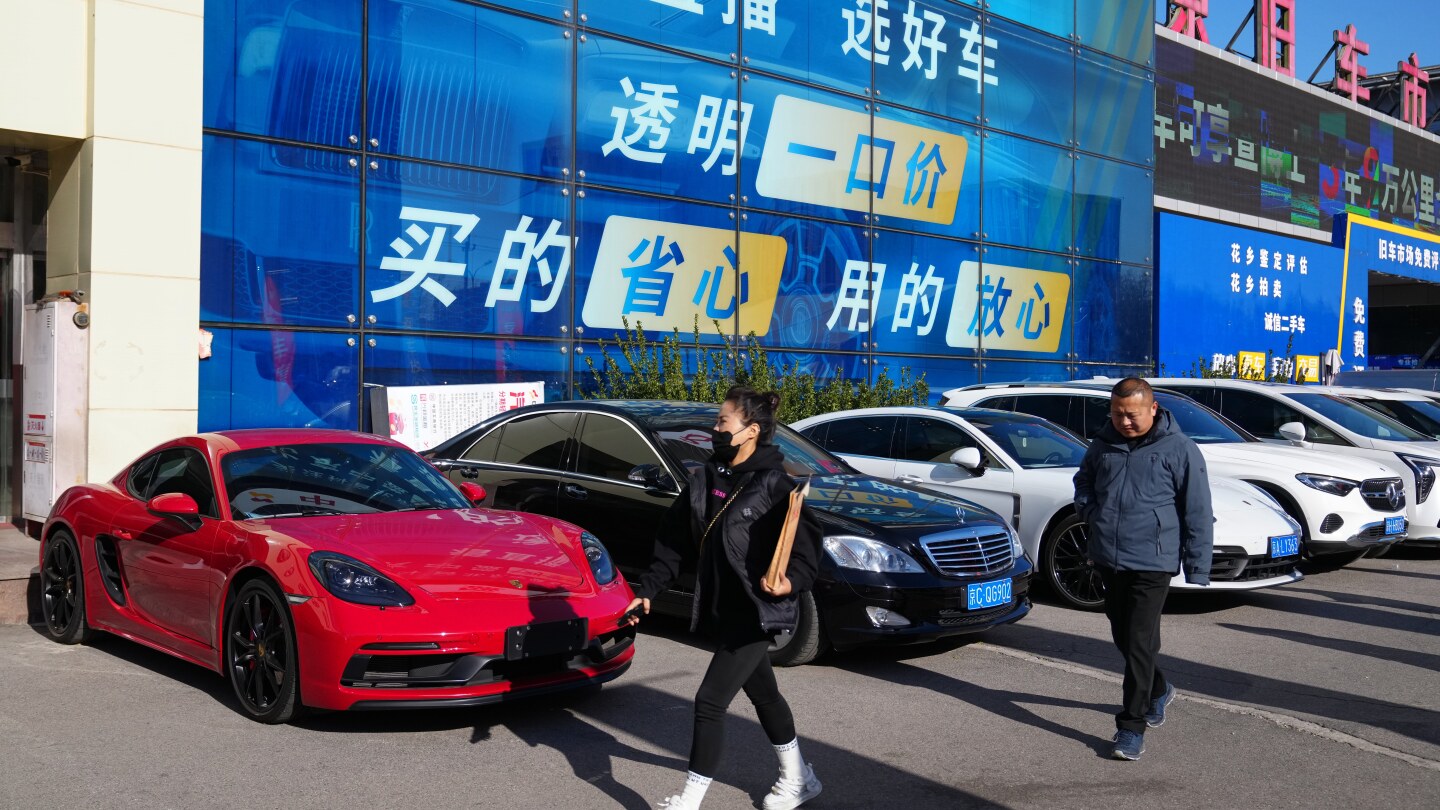
    A significant transformation is underway in China’s automotive sector as consumer preferences increasingly favor affordable domestic vehicles over premium European imports. This shift presents substantial challenges for established luxury automakers including Porsche, Aston Martin, Mercedes-Benz, and BMW that have traditionally dominated the high-end segment of the world’s largest car market.

    Multiple economic factors are driving this market realignment. China’s prolonged property downturn has diminished consumer appetite for major discretionary purchases, while cultural shifts have made affluent buyers more discreet about displaying wealth. According to Paul Gong, Head of China Automotive Industry Research at UBS, these trends have created a more price-sensitive consumer base.

    The Chinese government’s trade-in subsidy program, offering approximately 20,000 yuan ($2,830) for electric and plug-in hybrid vehicle purchases, has further accelerated this transition. Consumers are increasingly selecting entry-level vehicles where this discount represents a more significant percentage of the total price—a category predominantly filled by Chinese manufacturers.

    S&P Global Ratings’ China Autos Director Claire Yuan confirms that slowing economic growth has directly impacted premium vehicle demand. Market data reveals that premium car sales (typically priced above 300,000 yuan or $42,400) have declined from 15% market share in 2023 to 13% through the first three quarters of 2025, reversing years of expansion.

    Chinese manufacturers, particularly electric vehicle leader BYD, have capitalized on this shift through aggressive technological innovation and competitive pricing strategies. These domestic brands have demonstrated remarkable competitiveness even in premium segments, with their overall market share reaching nearly 70% of passenger car sales in the first eleven months of this year.

    The impact on European manufacturers has been substantial: Mercedes-Benz reported a 27% year-on-year sales decline in China during the July-September quarter, while BMW and Mini sales dropped 11.2% through September 2025. Ferrari experienced a 13% shipment decrease to Greater China, its only declining market globally.

    The secondary market reflects similar pressures, with luxury vehicles experiencing significant depreciation. A Beijing Porsche dealership reported a 2024 Panamera model with minimal mileage selling for approximately 950,000 yuan ($134,300)—a substantial discount from its original 1.4 million yuan ($198,454) price tag. Dealers across premium brands report similar valuation declines amid what Mercedes-Benz CEO Ola Källenius describes as ‘hyper-competition’ in the Chinese market.

    Despite record monthly production exceeding 3.5 million units in November, domestic auto sales have contracted by 4% year-on-year as regional subsidy programs expire. This combination of economic pressure, competitive domestic alternatives, and changing consumer behavior has fundamentally altered China’s automotive landscape, creating an increasingly challenging environment for foreign luxury brands.

  • ‘A nightmare’ – The battle over Warner Bros is turning Hollywood upside down

    ‘A nightmare’ – The battle over Warner Bros is turning Hollywood upside down

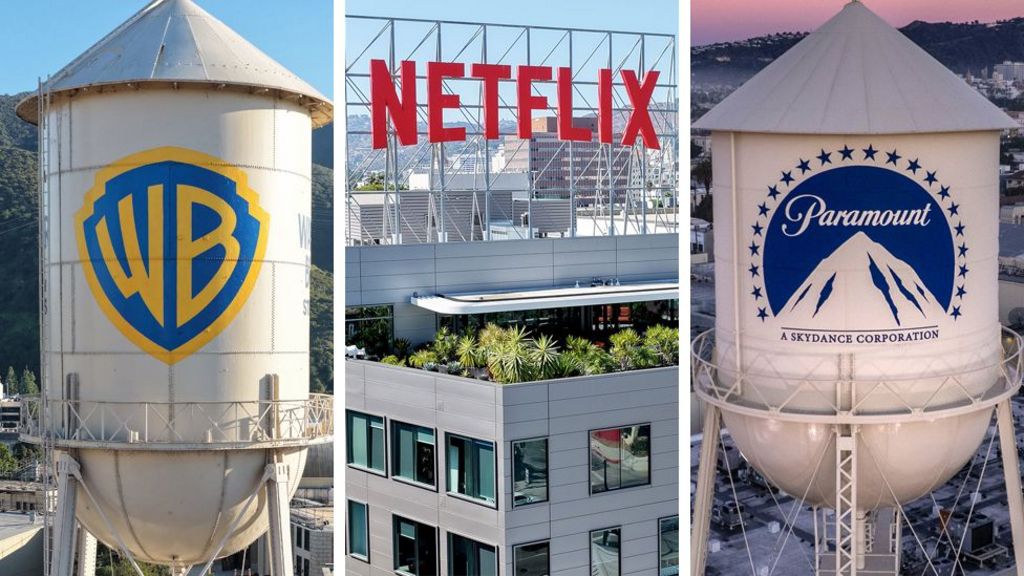
    Hollywood’s creative community characterizes the impending sale of Warner Bros as nothing short of catastrophic, with industry professionals bracing for substantial job losses and fundamental structural changes. The historic studio, responsible for cinematic landmarks from Casablanca to the Harry Potter franchise, now finds itself at the center of a fierce bidding war between streaming giant Netflix and Paramount Skydance.

    The potential acquisition represents the latest seismic shift in an industry still reeling from pandemic-era disruptions and the 2023 labor strikes. Warner’s decline has triggered widespread concern throughout Hollywood, where many view the situation as choosing between two problematic outcomes: domination by a tech company accused of undermining theatrical exhibition (Netflix) or control by billionaires with perceived political affiliations (Paramount).

    Financial dimensions of the competing offers reveal the stakes involved. Netflix seeks to acquire Warner’s most valuable assets—the 102-year-old studio, HBO, and its extensive content library—while leaving legacy television networks like CNN and TNT Sports for separate acquisition. Conversely, Paramount Skydance’s $108 billion hostile takeover bid includes backing from Saudi Arabia, Abu Dhabi, Qatar, and a fund established by Jared Kushner, raising concerns about potential censorship and government influence.

    Industry criticism has increasingly focused on Warner Bros Discovery CEO David Zaslav, who received $51.9 million in compensation last year while the company lost over $11 billion and its stock value declined nearly 7%. Multiple industry professionals compared his leadership style to the fictional Gordon Gekko character from Wall Street, accusing him of prioritizing shareholder returns over institutional legacy.

    The company defended Zaslav’s tenure, noting through communications head Robert Gibbs that under his leadership, Warner has “regained its leadership position with a unique slate of films,” relaunched the DC Universe with a coherent ten-year plan, and achieved global profitability for its streaming service.

    Beyond the corporate maneuvering, the human impact continues to mount. Interviews with dozens of industry professionals reveal an workforce grappling with existential uncertainty. One actor, now homeless with his family, described waking up daily “feeling like I’ve failed in every direction,” while still expressing preference for Netflix ownership over foreign investment.

    The industry’s fundamental contradictions remain unresolved. Netflix has attempted to calm concerns by pledging to maintain theatrical releases, yet many exhibitors remain skeptical given the company’s streaming-first history. As one producer noted, “At least with Paramount, we know movies will make it to the big screen. They didn’t kill movie theatres.”

    Amid the uncertainty, some find hope in Netflix’s restoration of Hollywood’s historic Egyptian Theatre, viewing it as a gesture of commitment to cinematic tradition. Meanwhile, on Warner’s backlot, tourism continues unabated, and those still employed maintain business-as-usual attitudes, with one veteran producer noting they’ve “gone through seven mergers” and believe quality content will ultimately find its market regardless of corporate ownership.

  • Iran raises fuel prices for heavy users to curb consumption, smuggling

    Iran raises fuel prices for heavy users to curb consumption, smuggling

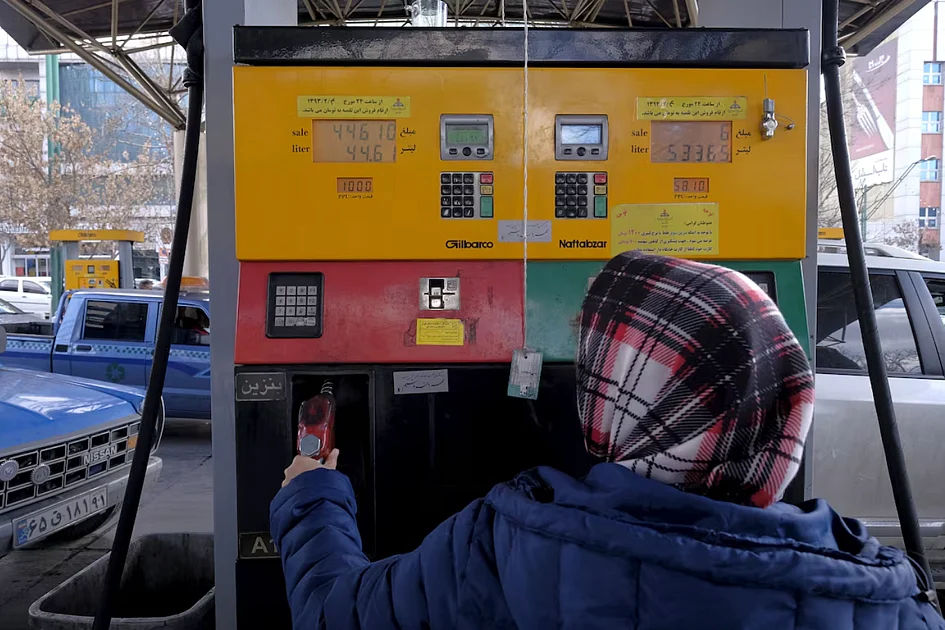
    In a significant economic policy shift, the Iranian government has introduced a revised fuel pricing structure effective Saturday, December 13, 2025. The new system imposes substantially higher rates for heavy consumers while maintaining subsidized prices for moderate users, according to government spokesperson Fatemeh Mohajerani’s announcement on state television.

    The revised pricing mechanism establishes a three-tier system: Regular vehicles can purchase up to 60 liters monthly at the subsidized rate of 15,000 rials per liter, with an additional 100 liters available at 30,000 rials. Consumers exceeding the 160-liter monthly threshold will now pay 50,000 rials per liter – representing a 233% increase from the previous highest tier. Emergency vehicles including ambulances remain exempt from these changes.

    This strategic move addresses Iran’s dual challenges of soaring domestic fuel consumption and widespread gasoline smuggling to neighboring countries, where prices are significantly higher. As an OPEC member with some of the world’s lowest fuel prices, Iran has long struggled with inefficient energy usage patterns that strain government resources.

    The policy adjustment follows careful consideration of potential social implications, particularly memories of the 2019 protests that erupted after previous fuel price hikes. Government officials have emphasized that the graduated approach specifically targets heavy users while protecting essential services and average citizens. Taxi operators, crucial to public transportation, will maintain their existing fuel quotas unchanged.

    Market analysts suggest this measured approach reflects Tehran’s attempt to balance fiscal responsibility with social stability, using economic incentives rather than rationing to modify consumption behavior. The success of this policy may determine future energy sector reforms in Iran’s sanctioned economy.