Dubai’s residential property market has maintained its upward momentum in the third quarter of 2025, with off-plan sales leading the charge. According to a report by Cavendish Maxwell, residential transactions surged to 55,300 deals, reflecting a 17.1% year-on-year increase. This growth is attributed to rising investor confidence and population expansion. The off-plan segment dominated the market, accounting for 76% of total activity, with 42,000 transactions—a 23.6% annual and 18.1% quarterly increase—despite a slowdown in new project launches. Dubai Investments Park (DIP) has emerged as a key destination for affordable housing and high-yield investments, offering competitive pricing and rental returns averaging 9% to 11%. Reportage Group recently launched Verdana 8 and Verdana 9, expanding its successful residential community within DIP. Meanwhile, Ras Al Khaimah’s Al Marjan Island saw apartment prices rise by 16.8% annually, with capital values increasing by 6.3% quarterly. Mondrian Al Marjan Island Beach Residences, developed by ELEVATE and Ennismore, is now open for private sales, featuring 343 residences designed to blend lifestyle, art, and community. Dubai’s property market remains a global investment hotspot, supported by tax-free income, high ROI, and Golden Visa eligibility.
分类: business
-

UAE jobs: Over 265,000 openings in Middle East aviation sector over next 20 years
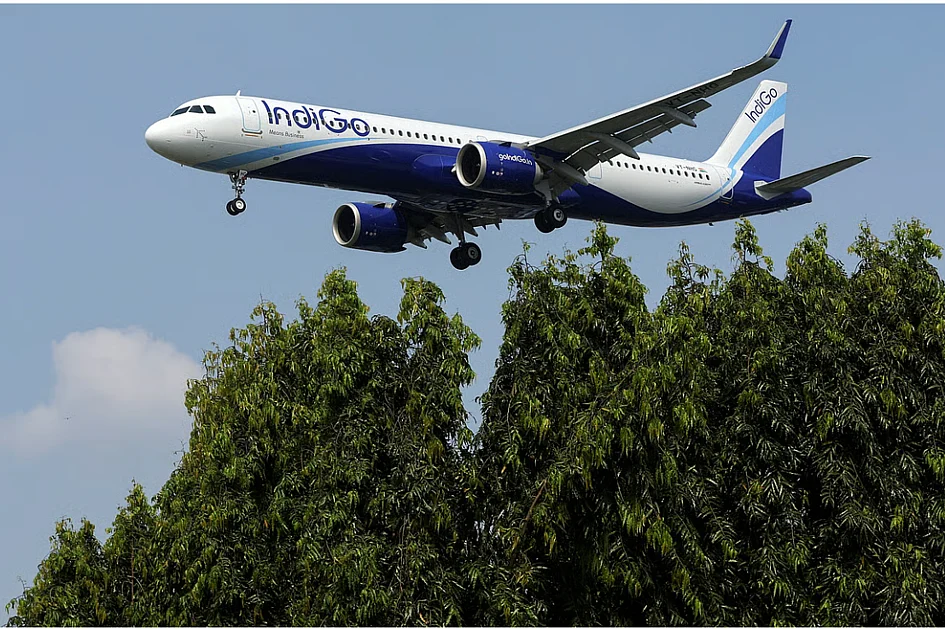
The Middle East’s aviation sector is poised for unprecedented growth, with projections indicating the creation of over 265,000 jobs over the next 20 years. This surge in employment opportunities is driven by substantial investments in new aircraft and airport infrastructure across the UAE and other Gulf countries. According to Airbus, the region will require 69,000 new pilots, 64,000 technicians, and 132,000 cabin crew members to meet the expanding demands of its aviation network. The announcement was made ahead of the Dubai Airshow 2025, a global aviation exhibition expected to attract 150,000 visitors from 115 countries. Dubai is leading the charge with the development of Al Maktoum International Airport, set to become the world’s largest airport upon its completion in the coming years. Airbus also forecasts that the Middle East will need 4,080 new passenger aircraft by 2044, including 2,380 single-aisle and 1,700 widebody jets. Notably, widebody aircraft will account for 42% of total demand, the highest share globally and more than double the world average. This positions the region as a key driver of global aviation growth, leveraging its strategic location as the geographic hub for international air traffic. The UAE’s aviation sector already contributes $92 billion, or 18.2%, to the nation’s GDP. With passenger traffic expected to grow at a compound annual rate of 4.4%, supported by economic development, tourism, and trade, the Middle East is set to transform into a long-haul aviation hub. Gabriel Semelas, Airbus’s president for Africa and the Middle East, emphasized the region’s pivotal role in shaping the future of global aviation.
-

Saudi Arabia reduces salary premiums for foreign talent, recruiters say
Saudi Arabia is recalibrating its approach to attracting foreign talent, reducing the once-generous salary premiums that lured skilled professionals to sectors like construction and manufacturing. This shift aligns with the kingdom’s broader economic transformation under Vision 2030, which aims to diversify its economy away from oil dependence and foster growth in industries such as tourism, real estate, mining, and financial services. Recruiters report that foreign workers can no longer expect the 40% to 100% salary premiums that were common earlier this decade, as companies now adopt more restrained compensation packages. This change reflects a strategic pivot towards sectors like artificial intelligence (AI), logistics, and mining, which are seen as offering better returns compared to infrastructure-heavy megaprojects like NEOM and Trojena. These ambitious projects, while central to Saudi Arabia’s long-term vision, have faced delays and execution challenges, further prompting a rationalization of spending. Lower oil prices and a widening fiscal deficit have also pressured public finances, leading to a slowdown in recruitment and more cost-conscious hiring practices. Despite these adjustments, Saudi Arabia remains an attractive destination for professionals outside the Gulf region, where job markets are tighter and growth is slower. The kingdom has also accelerated labor market reforms, boosting the proportion of Saudi citizens in the private sector and increasing competition for jobs. Unemployment among Saudis is at a historic low, and the number of citizens in private-sector roles has grown by 31% since 2016. To remain competitive, companies must now offer predictable compensation packages that reflect living costs, family-friendly lifestyles, and alignment with the kingdom’s transformative goals.
-

Samsung and other South Korean firms pledge larger domestic investments after US tariff deal
In a significant move to bolster domestic economic growth, South Korea’s corporate titans, including Samsung Electronics and Hyundai Motor Group, have unveiled expansive investment plans following a high-profile meeting with President Lee Jae Myung. This development comes just days after South Korea finalized a landmark trade agreement with the United States, aimed at averting steep tariffs and fostering bilateral economic ties.
-

Dubai: 60% work complete for first flying taxi vertiport near DXB
Dubai is making significant strides in its ambitious plan to launch the world’s first aerial taxi network by 2026, with the construction of its inaugural vertiport near Dubai International Airport (DXB) now 60% complete. Developed by Skyports Infrastructure, this cutting-edge facility spans 3,100 square meters across four floors and features dedicated levels for parking, take-off and landing pads, electric aircraft charging stations, and fully air-conditioned passenger areas. Once operational, the vertiport is expected to handle approximately 42,000 landings annually, catering to around 170,000 passengers. This project is a cornerstone of Dubai’s broader initiative to establish a network of vertiports across key locations, including Zabeel Dubai Mall, Atlantis The Royal on Palm Jumeirah, and Dubai Marina. These sites, developed in collaboration with Emaar Properties, Atlantis The Royal, and Wasl Asset Management Group, will form the backbone of the city’s electric aerial taxi network. The Roads and Transport Authority (RTA) has also completed the first crewed electric vertical take-off and landing (eVTOL) flight in the UAE, conducted with Joby Aviation, marking a pivotal milestone in the project’s development. Mattar Al Tayer, Director-General of RTA, emphasized that the service aims to provide a fast, safe, and convenient mobility option, significantly reducing travel times across the city. For instance, a journey from Dubai International Airport to Palm Jumeirah is expected to take just 10 minutes, compared to 45 minutes by road. The aerial taxis, equipped with six rotors and four battery packs, can carry four passengers and a pilot, reaching speeds of up to 320 km/h with a range of 160 kilometers. Skyports Infrastructure CEO Duncan Walker hailed the vertiport’s development as a historic moment, while Joby Aviation founder JoeBen Bevirt expressed confidence in the project’s progress towards a 2026 commercial rollout. This initiative is part of a multi-agency collaboration involving RTA, the General Civil Aviation Authority, Dubai Civil Aviation Authority, Dubai Air Navigation Services, Skyports Infrastructure, and Joby Aviation.
-

A slowing wartime economy pushes the Kremlin to tap consumers for revenue
Russia’s economy, which experienced robust growth over the past two years driven by military spending on the war in Ukraine, is now showing signs of deceleration. Declining oil revenues, a widening budget deficit, and stabilized defense expenditures have forced the Kremlin to seek new revenue streams. President Vladimir Putin’s administration is turning to ordinary citizens and small businesses to bridge the financial gap. A proposed increase in the value-added tax (VAT) from 20% to 22%, expected to generate up to 1 trillion rubles ($12.3 billion), is already progressing through Russia’s parliament and is set to take effect from January 1, 2025. This move is part of a broader fiscal strategy that includes lowering the VAT collection threshold for businesses and introducing new taxes on alcohol, tobacco, and digital equipment. The economic slowdown, exacerbated by high central bank interest rates and Western sanctions, has pushed the budget deficit to 2.6% of GDP, up from 1.7% last year. Finance Minister Anton Siluanov emphasized that raising revenue through taxes is preferable to increasing borrowing, which could accelerate inflation. While the Kremlin has sufficient funds to sustain its current war efforts for the next 12 to 14 months, experts warn that Putin will soon face tough choices between military spending and consumer welfare.
-

Brazilian coffee, beef and tropical fruit will still be tariffed 40%, says Brazil’s vice president
Brazilian Vice President Geraldo Alckmin announced on Saturday that key Brazilian exports to the United States, including coffee, beef, and tropical fruits, will continue to face a 40% tariff despite President Donald Trump’s recent decision to eliminate certain import taxes. This development follows Trump’s abrupt move on Friday to scrap levies imposed in April, which had initially subjected Brazilian goods to a 10% tariff. However, in July, Trump escalated the tariff to 40%, citing political motivations, including the trial of his ally, former Brazilian President Jair Bolsonaro, whom he labeled a victim of a “witch hunt.” Bolsonaro was later sentenced to 27 years in prison for attempting a coup in September. While Alckmin acknowledged the partial relief for products like orange juice, he emphasized that the 40% tariff remains a significant barrier for other exports. He described Trump’s latest decision as “positive” but highlighted the need to address the ongoing “distortion” in trade relations. The July tariff hike, which coincided with Brazil’s trade deficit with the U.S., strained bilateral ties to historic lows. However, recent diplomatic efforts, including a meeting between Brazilian President Luiz Inácio Lula da Silva and Trump in October, have signaled a thaw in relations. U.S. Secretary of State Marco Rubio and Brazil’s Foreign Minister Mauro Vieira also engaged in talks this week to advance negotiations. Meanwhile, the Trump administration defended the tariffs as a revenue-generating measure, denying their impact on rising consumer prices. In Brazil, industry leaders, such as the Brazilian Association of the Coffee Industry, pledged to monitor the situation closely to safeguard the competitiveness of their sector.
-

UAE’s homegrown specialty roastery elevates coffee culture with immersive ‘Farm to Cup’ showcase
The Brew Crew Coffee, a UAE-based specialty coffee brand, recently hosted an interactive event to highlight its ‘Farm to Cup’ philosophy, emphasizing transparency, sustainability, and craftsmanship in coffee production. The event, held at the company’s flagship roastery and concept space, brought together media representatives, coffee enthusiasts, and hospitality professionals for an immersive experience into the brand’s sourcing, roasting, and flavor profiling processes. Unlike traditional press conferences, the showcase offered a hands-on journey through every stage of coffee production, from farm-level sourcing to final preparation. Founded by brothers Ashjeet Singh Talwar and Sukhjeet Singh Talwar, The Brew Crew Coffee leverages their multi-generational expertise in the international coffee trade to create a consumer-facing brand rooted in integrity and education. Ashjeet Singh Talwar emphasized the brand’s commitment to quality and traceability, stating, ‘Farm to Cup represents our dedication to showcasing the real story behind every roast.’ Sukhjeet Talwar added that the event aimed to engage audiences in the coffee-making process, differentiating the brand in the UAE’s growing specialty coffee market. Since its inception, The Brew Crew Coffee has expanded its presence by offering training workshops, cupping sessions, and customized roasting solutions for B2B and hospitality partners. The brand’s focus on education and collaboration continues to drive its growth in both retail and wholesale segments, reinforcing its vision of making specialty coffee accessible, authentic, and sustainable.
-

Disney channels to return to YouTube TV after companies agree to end fee dispute
In a significant development for streaming services, YouTube TV and Walt Disney have resolved their fee dispute, ensuring the return of Disney-owned channels to the platform. The affected networks, including ABC, ESPN, FX, National Geographic, and Disney Channel, were restored starting Friday, November 15, 2025. The dispute, which began on October 30, had left millions of subscribers without access to crucial programming, such as US Election Day coverage and major live sports events. ESPN’s full sports lineup, including ESPN Unlimited content, will be available to base-plan subscribers at no extra cost by the end of 2026. The disagreement centered on carriage fees, the per-subscriber rates distributors pay to broadcast networks. Disney sought rates comparable to those paid by major distributors, reportedly around $10 per subscriber monthly for ESPN. YouTube TV, leveraging its rapid growth and Google’s financial resources, negotiated terms that avoid immediate price hikes for customers. Walt Disney CEO Bob Iger emphasized that the proposed deal was equitable, aligning with agreements made by other large distributors. The resolution alleviates investor concerns about Disney’s declining TV business, which recently missed quarterly revenue expectations despite strong performance in streaming and parks. Earlier, YouTube TV had faced similar disputes with NBCUniversal, Fox, and Paramount, successfully securing continued access to their networks. The platform also offered a $20 credit to subscribers if the Disney channels remained unavailable for an extended period.
-

Trump signs order to lower tariffs on beef, coffee, other goods
In a significant move to address escalating cost-of-living concerns, US President Donald Trump signed an executive order on Friday to reduce tariffs on essential agricultural imports, including beef, coffee, bananas, and tomatoes. This decision comes as the Trump administration faces mounting pressure from voters grappling with affordability issues, which played a pivotal role in recent elections for New York City mayor and the governors of New Jersey and Virginia. The new tariff exemptions, which are retroactively effective from Thursday, aim to alleviate price pressures on goods that the US cannot sufficiently produce domestically. Products such as avocados, coconuts, and pineapples are also included in the exemption list. The administration’s decision follows a series of trade agreements with Argentina, Guatemala, Ecuador, and El Salvador, which similarly aim to remove ‘reciprocal’ tariffs on goods the US cannot produce in adequate quantities. National Coffee Association president Bill Murray hailed the move, stating it would ease cost-of-living pressures for the majority of American adults who rely on daily coffee consumption. The administration has acknowledged the economic strain on Americans, with Trump’s top economic adviser, Kevin Hassett, vowing to address the issue promptly. While the broader impact of tariffs on inflation remains moderate, policymakers warn that higher levies could continue to affect prices across the economy.