分类: business

  • Crypto fraudster sentenced for ‘epic’ $40bn stablecoin crash

    Crypto fraudster sentenced for ‘epic’ $40bn stablecoin crash

    In a landmark ruling that sends shockwaves through the cryptocurrency industry, former digital currency entrepreneur Do Kwon has been sentenced to 15 years imprisonment for orchestrating what federal prosecutors describe as an “epic, generational” financial fraud. The sentencing by New York District Judge Paul A. Engelmayer concludes a dramatic case involving the catastrophic collapse of two interconnected cryptocurrencies that wiped out approximately $40 billion in investor funds.

    The South Korean national, who co-founded Singapore-based Terraform Labs, admitted to systematically misleading investors about the stability and mechanics of TerraUSD—a so-called stablecoin designed to maintain parity with the US dollar. The sophisticated scheme unraveled in 2022 when both TerraUSD and its sister currency Luna experienced catastrophic failure, triggering widespread repercussions across the cryptocurrency market and contributing to the collapse of several digital asset companies.

    During Thursday’s emotionally charged hearing in Manhattan federal court, Judge Engelmayer delivered scathing remarks about the Stanford-educated entrepreneur’s conduct. “In the annals of federal prosecutions, there are few frauds that have inflicted comparable financial devastation,” the judge stated, emphasizing how Kwon had repeatedly deceived investors who placed their trust in his technological expertise.

    Court documents reveal that when TerraUSD initially dropped below its promised $1 valuation in May 2021, Kwon allegedly instructed a trading firm to secretly purchase massive quantities of the digital coin to artificially inflate its price—while publicly attributing the recovery to sophisticated computer algorithms. This manipulation created a false appearance of stability that prolonged the scheme until its inevitable collapse.

    Kwon, who pleaded guilty in August to conspiracy to defraud and wire fraud charges, expressed contrition during the proceedings. “I have devoted nearly every waking moment of recent years contemplating alternative actions and seeking ways to rectify the damage caused,” the disgraced entrepreneur told the court.

    The case represents one of the most significant prosecutions in the ongoing regulatory crackdown on cryptocurrency misconduct, establishing a crucial legal precedent for holding digital asset creators accountable for fraudulent representations about their products’ stability and underlying technology.


  • Hong Kong’s cultural retail model to land in UAE

    Hong Kong’s cultural retail model to land in UAE

    In a significant cross-continental business development, Hong Kong’s Almad Group and its subsidiary K11 by AC have forged a strategic alliance with Dubai’s prominent Wafi Group. The partnership, formalized on December 11, 2025, establishes a new joint venture named Wafi Anime 11 that will introduce Hong Kong’s innovative cultural retail model to the United Arab Emirates.

    The collaboration represents a strategic market expansion that will provide Chinese consumer brands with direct access to the Middle Eastern market while catering specifically to the region’s Generation Z and Alpha demographics. The venture will focus on anime retail, entertainment experiences, and curated cultural exhibitions that blend Eastern and Western influences.

    This expansion is strategically timed alongside growing tourism connections between China and Dubai. Official data from Dubai’s Department of Economy and Tourism indicates a substantial 31 percent year-on-year increase in Chinese visitors, reaching 824,000 tourists in 2024.

    Sheikh Mana bin Khalifa Al Maktoum, Founder and Chairman of Wafi Group, emphasized the partnership’s broader significance: “Our collaboration will not only enhance Wafi City’s offerings but also fortify the cultural and commercial bridge between the Middle East and China.”

    Adrian Cheng, Founder and Executive Chairman of K11 by AC, highlighted Hong Kong’s unique positioning: “Our expertise lies in connecting Eastern and Western markets. We’re confident that the Chinese consumer brands, premium IP innovations, and immersive experiences we introduce will resonate strongly with the region’s rapidly evolving retail landscape and youthful population.”

    The partnership will launch a series of themed exhibitions starting in 2026, featuring anime, e-sports, and K-Pop elements, addressing the Middle East’s growing demand for youth-oriented cultural experiences.

  • Chinese tourists explore alternative destinations

    Chinese tourists explore alternative destinations

    A significant reconfiguration is underway across Asia-Pacific tourism markets as Chinese travelers pivot from traditional destinations following recent diplomatic strains between Beijing and Tokyo. Travel analytics firms report substantial booking surges for South Korea and Southeast Asian nations as Chinese tourists seek alternatives to Japan.

    Market intelligence from China Trading Desk reveals South Korea has emerged as the foremost overseas destination for Chinese travelers across major booking platforms. CEO Subramania Bhatt noted particularly strong demand for Seoul and Jeju Island, while Singapore, Thailand, Malaysia, and Vietnam are experiencing double-digit percentage increases in search volumes and bookings week-on-week.

    This market shift follows China’s November 14 travel advisory cautioning citizens against visiting Japan due to security concerns, issued after provocative remarks by Japanese Prime Minister Sanae Takaichi regarding Taiwan. Flight cancellation data from Umetrip indicates over 40% of scheduled mainland China-Japan flights were canceled in December, totaling more than 1,900 canceled flights.

    According to Wolfgang Georg Arlt of the China Outbound Tourism Research Institute, the redirection of China’s substantial outbound tourism market—which saw 7.5 million visitors to Japan in the first three quarters of 2025—presents significant opportunities for regional competitors. “There will be a shift not only to South Korea but also to other destinations in ASEAN and other regional destinations,” Arlt confirmed.

    Destination markets are actively capitalizing on this opportunity. South Korea is developing customized tourism products and increasing flight capacity, with Asiana Airlines planning 165 weekly flights to China by March—a 20% capacity increase. Malaysia anticipates approximately 30,000 additional Chinese visitors in December alone, leveraging its visa-free policy and improved flight connectivity.

    Industry experts suggest this redistribution could represent more than a temporary adjustment if travel warnings persist, potentially enabling Southeast Asia and broader Asian destinations to capture a larger structural share of China’s outbound tourism demand, particularly with the approaching Chinese New Year holiday period in February.

  • US Fed cuts interest rate by 25 basis points

    US Fed cuts interest rate by 25 basis points

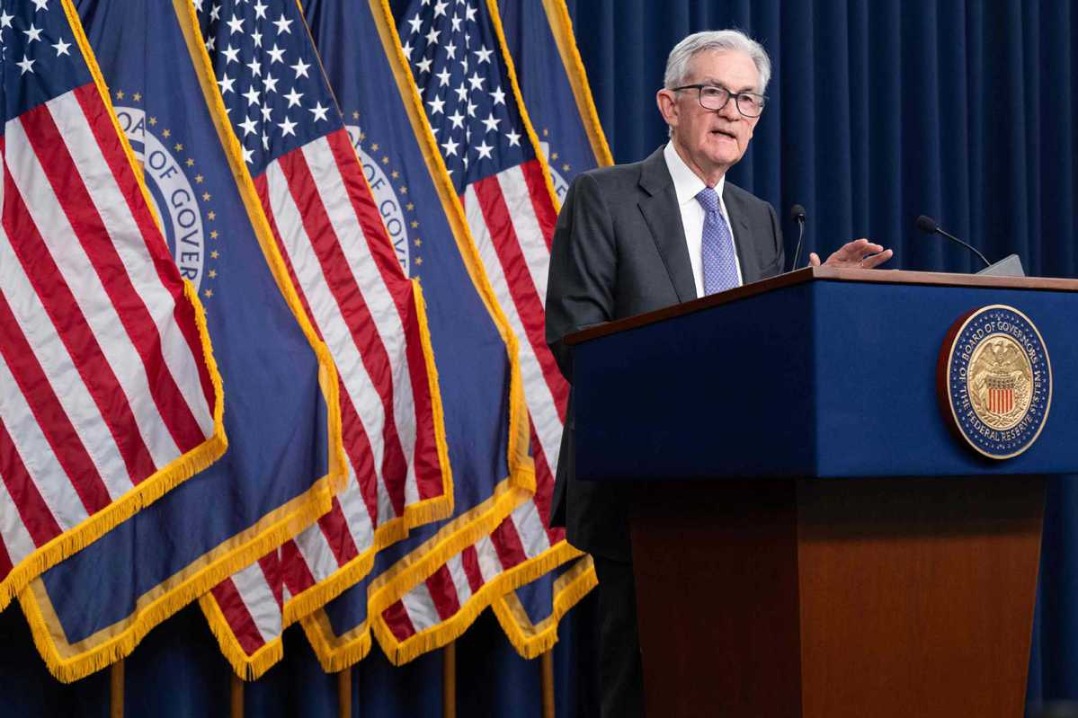
    In a pivotal monetary policy decision, the U.S. Federal Reserve announced a 25 basis point reduction in the federal funds rate on Wednesday, December 10, 2025, lowering the target range to 3.50-3.75 percent. This marks the third consecutive rate cut implemented by the central bank since September, bringing interest rates to their lowest level in approximately three years.

    The Federal Open Market Committee’s decision emerged from a divided governing body confronting competing economic pressures. While inflation remains persistently elevated, exceeding the Fed’s 2 percent target by approximately one percentage point, growing concerns about employment stability ultimately guided the committee’s action.

    Committee officials cited ‘elevated uncertainty about the economic outlook’ in their official statement, specifically noting that ‘downside risks to employment rose in recent months.’ This assessment follows troubling labor market indicators, including recent data from Automatic Data Processing, Inc. showing private companies unexpectedly cut 32,000 workers in November—a stark contrast to economists’ projections of a 40,000-job increase.

    The labor market deterioration has been particularly acute among small businesses, with establishments employing fewer than 50 workers shedding 120,000 positions in November. Mid-sized and large enterprises continued modest hiring during the same period, creating a bifurcated employment landscape.

    Compounding these challenges, the recent 43-day federal government shutdown significantly disrupted economic data collection and exacerbated labor market weaknesses. The statistical disruption means October unemployment data will remain unavailable, while November employment figures—scheduled for release on December 16—will provide crucial insight into the economy’s trajectory.

    The Fed’s unusual third consecutive rate cut reflects the complex balancing act facing policymakers as they navigate elevated inflation concerns against emerging employment vulnerabilities, all while contending with ongoing trade policy uncertainties that continue to influence economic conditions.

  • Farmers will get more money from Trump. They still have more problems

    Farmers will get more money from Trump. They still have more problems

    American agricultural producers are confronting a complex economic landscape as former President Donald Trump’s proposed $12 billion federal assistance package meets mixed reactions across the nation’s farming heartlands. The emergency relief comes as retaliatory trade measures from China continue to disrupt agricultural exports, particularly affecting soybean and sorghum growers who traditionally depend on international markets for over half their production.

    In Randolph, Minnesota, fourth-generation farmer Charlie Radman characterizes the government support as merely “a bridge” rather than a permanent solution. His sentiment echoes throughout agricultural communities where multigenerational farming operations face mounting pressure from declining commodity prices, escalating production costs, and shrinking international market access. Despite these challenges, many growers maintain political support for Trump while expressing concerns about the sustainability of federal stopgap measures.

    The agricultural sector’s predicament stems from China’s strategic shift toward Brazilian and other South American suppliers during recent trade disputes. Although the Trump administration negotiated commitments for China to purchase substantial American soybean volumes—12 million metric tons by February’s end with promised annual purchases of 25 million metric tons over three years—current fulfillment rates hover around merely 25% of these targets, raising doubts about the reliability of such trade agreements.

    Beyond immediate financial assistance, farmers are advocating for diversified market strategies. Minnesota grower Glen Groth emphasizes the need to “open up markets outside of China,” while agricultural organizations promote expanding domestic applications including biodiesel, ethanol, aviation fuel, and animal feed production. Southeast Iowa farmer Dan Keitzer notes that technological advancements and consistent bumper harvests have created surplus production capacities that require expanded demand rather than government subsidies.

    The current $12 billion aid package follows previous Trump-era agricultural bailouts totaling $22 billion in 2019 and $46 billion in 2020, with the latest initiative implementing a $155,000 per-farmer compensation cap and eligibility restrictions for operations exceeding $900,000 in adjusted gross income. Concurrently, the administration has initiated investigations into potential anti-competitive practices throughout the agricultural supply chain, addressing concerns about fertilizer, seed, equipment, and meatpacking conglomerates.

    As farmers finalize planting decisions and financing arrangements for the upcoming season, many express gratitude for governmental recognition of their challenges while maintaining that sustainable solutions must emerge from market access expansion rather than temporary fiscal interventions.

  • Mexico approves up to 50% tariffs on China and other countries

    Mexico approves up to 50% tariffs on China and other countries

    Mexico’s Senate has ratified a comprehensive tariff package targeting over 1,400 imported goods, with significant implications for Chinese manufacturers and other trading partners. The legislation, endorsed by President Claudia Sheinbaum as essential for strengthening domestic industries, will impose duties of up to 50% on products ranging from metals and automobiles to clothing and household appliances.

    The new tariffs, scheduled for implementation on January 1, 2026, will affect dozens of nations without existing free trade agreements with Mexico, including China, Thailand, India, and Indonesia. This strategic move occurs against the backdrop of ongoing negotiations between Mexican officials and the Trump administration regarding potential US import taxes targeting Mexican exports.

    Former President Donald Trump has threatened multiple tariff measures against Mexico, including proposed 50% duties on steel and aluminum, a 25% levy related to fentanyl trafficking prevention, and most recently, a 5% tariff accusation regarding water access for American farmers under an 80-year-old treaty. The United States remains Mexico’s predominant trading partner, adding complexity to these bilateral discussions.

    Beijing had previously cautioned Mexico to exercise careful consideration before implementing these tariffs, highlighting the delicate balance Mexico must maintain between protecting domestic production and managing international trade relationships.

  • Coca-Cola names a company veteran as its new CEO

    Coca-Cola names a company veteran as its new CEO

    In a significant corporate leadership announcement, Coca-Cola revealed Wednesday that Chief Operating Officer Henrique Braun will ascend to the chief executive role effective March 31, 2026. This carefully orchestrated transition will see current Chairman and CEO James Quincey move into the executive chairman position, ensuring continuity in the beverage giant’s strategic direction.

    The 57-year-old Braun brings three decades of extensive company experience to his future role, having most recently served as COO since earlier this year. His comprehensive career at Coca-Cola includes leadership positions across multiple international markets including Brazil, Latin America, Greater China and South Korea. Braun’s diverse expertise spans supply chain management, new business development, marketing innovation, and bottling operations management.

    Born in California and raised in Brazil, Braun’s educational background includes an agricultural engineering degree from the University Federal of Rio de Janeiro, complemented by a master of science degree from Michigan State University and an MBA from Georgia State University.

    David Weinberg, Coca-Cola’s lead independent director, praised outgoing CEO Quincey as a transformative leader who will maintain an active role in the business. During Quincey’s nine-year tenure, the company expanded its portfolio with over 10 additional billion-dollar brands including BodyArmor and Fairlife, while strategically entering the alcoholic beverage market with Topo Chico Hard Seltzer in 2021.

    Quincey’s leadership included a significant 2020 restructuring that streamlined operations by reducing the company’s brand portfolio by half and implementing workforce reductions. This strategic move aimed to focus investments on high-growth products such as Simply and Minute Maid juices.

    As this leadership transition unfolds, Coca-Cola faces ongoing challenges including subdued consumer demand in key markets like the United States and Europe, along with increasing scrutiny of product ingredients. Responding to market pressures, the company recently announced plans to introduce a cane sugar version of its flagship cola, moving away from high-fructose corn syrup.

    Weinberg expressed board confidence in Braun’s ability to leverage the company’s strengths and identify global growth opportunities. Market reaction remained neutral following the announcement, with Coca-Cola shares holding steady in after-hours trading.

  • The Swiss city that lets you pay for most things with bitcoin

    The Swiss city that lets you pay for most things with bitcoin

    Nestled amidst mountain-fringed lakes, the Swiss city of Lugano has transformed into a living laboratory for cryptocurrency adoption. At a local McDonald’s, customers now casually order coffee using bitcoin—a scene that would be extraordinary elsewhere but has become routine in this innovative financial ecosystem.

    The municipal government has spearheaded this digital transformation by distributing free cryptocurrency payment terminals to retail establishments. Approximately 350 shops and restaurants currently accept bitcoin alongside Swiss francs, with even municipal services like preschool childcare now payable in digital currency. The payment process involves simple contactless transactions from mobile bitcoin wallets, with one coffee purchase amounting to approximately 0.00008629 bitcoin ($8.80).

    French visitor Nicolas exemplifies the bitcoin evangelists drawn to Lugano. ‘The remarkable aspect of bitcoin payments is the profound sense of financial liberation,’ he explains. ‘You eliminate dependency on traditional banking systems with their intermediaries and associated costs.’ Nicolas utilizes bitcoin prepaid cards available in Switzerland—physical cards loaded with Swiss francs that convert to bitcoin in digital wallets.

    Luxury retailers along Lugano’s upscale shopping districts have embraced this financial innovation. Cherubino Fry, proprietor of Vintage Nassa luxury bags and watches, cites practical advantages: ‘Transaction fees for bitcoin typically remain below 1%, significantly lower than the 1.7-3.4% charged by credit card companies.’ Though current bitcoin transactions remain sporadic, Fry anticipates substantial growth: ‘Bitcoin adoption will resemble a growing tree—within five to ten years, this tree will become enormous.’

    The city’s ambitious Plan B initiative (B representing bitcoin), launched in 2022 through partnership with cryptocurrency platform Tether, aims to establish Lugano as Europe’s premier bitcoin hub. Director Mir Liponi conducted an eleven-day personal experiment using exclusively bitcoin after encountering traditional banking issues. ‘I successfully managed daily necessities including grocery deliveries and medical services,’ she reports, though noting limitations with public transportation, fuel, dental services, and energy bills.

    Liponi envisions future ‘circular economies where individuals earn, retain, spend, and pay for services entirely in bitcoin.’ This vision contrasts sharply with El Salvador’s troubled bitcoin adoption, where citizens reportedly converted government-distributed bitcoin to dollars and abandoned the cryptocurrency.

    Despite enthusiasm, significant skepticism persists. University of Lugano student Lucia expresses concerns about cryptocurrency associations with ‘criminal activities, dark web transactions, and speculative risks.’ This skepticism turned destructive when vandals demolished a Satoshi Nakamoto statue along Lugano’s lakefront in August—an unusual act of protest in this typically reserved community.

    Professor Sergio Rossi of the University of Fribourg highlights economic risks: ‘Bitcoin’s extreme volatility presents substantial merchant risks. Immediate conversion to stable fiat currencies becomes essential.’ He further warns about platform risks: ‘If digital wallet providers fail, cryptocurrencies disappear permanently—unlike Swiss bank deposits guaranteed up to 100,000 francs.’

    Mayor Michele Foletti dismisses concerns about attracting criminal elements: ‘Both fiat currency and bitcoin can facilitate legal or illegal activities. Criminal organizations actually prefer physical cash for money laundering due to greater anonymity.’ The mayor highlights tangible benefits: 110 cryptocurrency companies have either relocated or launched operations in Lugano, signaling successful economic diversification through digital currency innovation.

  • Expert: Decoupling disastrous for Japan

    Expert: Decoupling disastrous for Japan

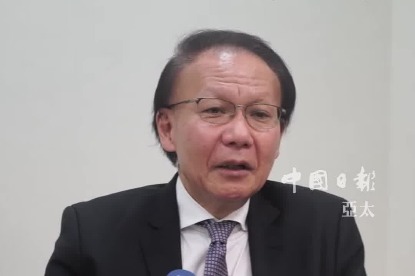
    A prominent Japanese economist has issued a stark warning against economic decoupling from China, characterizing such a move as potentially disastrous for Japan’s economic future. Hidetoshi Tashiro, serving as chief economist at Japan’s Infinity LLC and CEO of Terra Nexus Project Management Services, emphasized that China represents an economic partner that Japan fundamentally “cannot decouple” from due to deeply intertwined supply chain dependencies.

    Tashiro’s analysis highlights China’s unique position as the world’s most extensive and comprehensive production ecosystem, making sustained cooperation not merely beneficial but essential for maintaining Japan’s economic vitality. The economist presented a grave assessment that deliberately undermining this established economic structure would constitute an act of economic “suicide” for Japan, given the catastrophic disruption it would cause to Japanese industries and trade networks.

    The warning comes amid ongoing global discussions about supply chain diversification and economic realignment. Tashiro’s comments serve as a counterpoint to those advocating for reduced economic interdependence with China, arguing instead that the existing manufacturing and supply infrastructure between the two nations has become too integrated and too vital to dismantle without severe consequences.

    This perspective underscores the complex reality facing many advanced economies that must balance geopolitical considerations with economic practicalities, particularly when dealing with a manufacturing powerhouse like China that occupies a central role in global supply chains.

  • Fed Reserve cuts interest rates despite growing divisions

    Fed Reserve cuts interest rates despite growing divisions

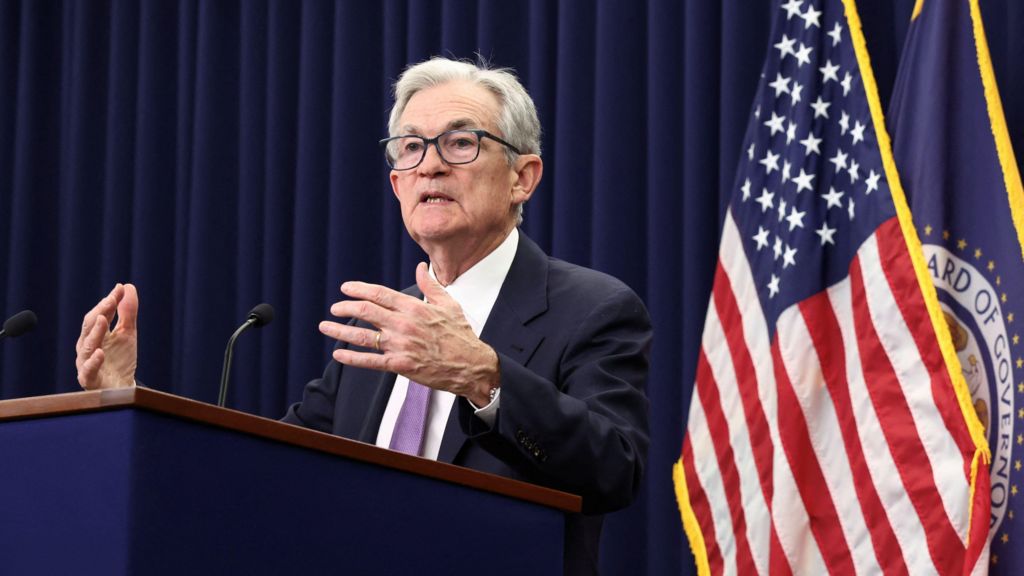
    The U.S. Federal Reserve has implemented its third interest rate reduction of the year, lowering the benchmark rate by 25 basis points to a range of 3.50%-3.75%, marking the lowest level in three years. The decision reveals significant fractures within the central bank’s leadership as policymakers grapple with conflicting economic signals: a deteriorating labor market versus persistent inflationary pressures.

    The rate cut approval was not unanimous, with three Federal Reserve officials dissenting from the majority decision. Stephen Miran, currently on leave from leading Trump’s Council of Economic Advisers, advocated for a more aggressive 50 basis point reduction. Conversely, Austan Goolsbee of the Chicago Fed and Jeffrey Schmid of the Kansas City Fed preferred maintaining the existing rate structure.

    This policy divergence occurs against a backdrop of economic uncertainty exacerbated by the recent prolonged government shutdown, which created data gaps that have left policymakers operating with incomplete information. Recent labor market statistics show unemployment rising to 4.4% in September, while inflation remains elevated at 3%, exceeding the Fed’s 2% target.

    The central bank’s updated economic projections indicate expectations for one additional rate cut in 2026, unchanged from previous forecasts. However, analysts note that incoming data, particularly next week’s November labor market and inflation reports, could significantly alter this outlook.

    Compounding the policy uncertainty, the Fed faces impending leadership changes with Chair Jerome Powell’s term concluding in May 2026. President Trump is expected to announce his nomination for Powell’s successor within weeks, with Kevin Hassett emerging as the leading candidate. Hassett, a longtime Trump economic adviser and former Council of Economic Advisers chair, has consistently defended the president’s economic policies and questioned official economic statistics.

    Market observers express concerns about potential political influence on Fed independence, noting that other candidates including Kevin Warsh, Christopher Waller, and Scott Bessent remain under consideration. The appointment decision could significantly impact market stability depending on the perceived independence of the selected candidate.