分类: business

  • Why a misunderstood wolf from a French supermarket ad is moving viewers worldwide

    Why a misunderstood wolf from a French supermarket ad is moving viewers worldwide

    In an era dominated by algorithm-generated content, a French supermarket’s Christmas advertisement has achieved what most global brands aspire to: genuine emotional connection without employing artificial intelligence. Intermarché’s “Unloved” (Le mal aimé) campaign has resonated across international borders, accumulating hundreds of millions of views since its December release and sparking widespread emotional engagement.

    The two-and-a-half-minute animated film presents the transformative journey of a solitary wolf, traditionally feared by forest creatures, who consciously alters his identity by mastering vegetable cuisine and contributing to a communal Christmas feast. This narrative of self-reinvention and acceptance, framed within painterly animation and live-action sequences, has transcended its commercial origins to become a cultural phenomenon.

    Creative agency Romance, responsible for the campaign, emphasized the deliberate traditional craftsmanship behind the project. “We took time,” stated Victor Chevalier, senior copywriter at Romance, highlighting the months of meticulous work by artists and animators who hand-shaped each expression and movement. This approach stands in stark contrast to the increasing reliance on AI-generated holiday campaigns that many major brands have adopted, often criticized for their emotional emptiness.

    The advertisement’s emotional impact is heightened by its soundtrack featuring Claude François’ classic French pop song “Le mal aimé,” which has experienced renewed popularity since the campaign’s launch. While Intermarché’s primary objective remains grocery sales, the campaign’s architects indicate a broader purpose: addressing contemporary social fragmentation through a universal story of empathy and belonging.

    Social media platforms across Europe and the United States have become arenas for fan engagement, with viewers creating subtitled versions, producing reaction videos, and expressing desire for a feature-length adaptation. The campaign demonstrates that in an age of digital saturation, audiences increasingly value human-crafted narratives over technologically generated spectacle.


  • Drop in Dubai crime rates boosts local economy by up to Dh102.3 billion, study finds

    Drop in Dubai crime rates boosts local economy by up to Dh102.3 billion, study finds

    A groundbreaking economic impact study conducted by global consultancy EY in collaboration with Dubai Police has revealed the profound economic benefits generated by the emirate’s exceptional security environment. The research demonstrates that Dubai’s declining crime rates have contributed between Dh63.9 billion and Dh102.3 billion to the local economy, representing a substantial 14-23% of Dubai’s 2024 economic output.

    The comprehensive analysis, which utilized econometric modeling drawing from 50 countries’ data spanning 1995-2021, establishes security as a fundamental economic catalyst rather than merely a social benefit. Dubai Police’s institutional effectiveness was directly linked to an economic contribution ranging from Dh31.8 billion to Dh50.9 billion annually, equivalent to 7-11% of Dubai’s GDP.

    Beyond the impressive financial metrics, the study highlights how security excellence has become a powerful driver of tourism and foreign investment. Dubai’s safe environment attracts between 7-12 million tourists annually, with Dubai Police credited with contributing 4-6 million of these visitors. The enhanced security reputation also generated additional foreign direct investment ranging from Dh3.6 billion to Dh5.8 billion in 2024.

    The research positions Dubai Police, established in 1956 nearly 15 years before the UAE’s formation, as a pioneering regional law enforcement institution that has implemented advanced techniques to build community trust and quality of life. The study concludes that security represents both a social pillar and a key economic lever that strengthens Dubai’s global position as a premier destination for living, working, and investment within its sustainable growth ecosystem.

  • Region explores innovative tools in green efforts

    Region explores innovative tools in green efforts

    Southeast Asian nations are spearheading an innovative financial mechanism known as transition credits to fast-track their transition from coal dependency to renewable energy sources. This specialized form of carbon credit is gaining traction as a viable solution to address the financial challenges associated with retiring coal plants ahead of schedule.

    Financial experts and energy analysts confirm that these innovative climate financing tools can effectively attract private capital to support the region’s ambitious decarbonization goals. According to Rajiv Behari Lall, professorial research fellow at the Singapore Green Finance Center, carbon credits serve as crucial instruments in unlocking finance for “sustainable decarbonization, which lies at the heart of transition strategies.”

    The mechanism operates by placing a monetary value on emissions avoided through the premature closure of coal facilities. These avoided emissions are converted into tradable assets, creating additional revenue streams that help compensate plant owners, investors, and financial institutions for stranded assets. Mutya Yustika of the Institute for Energy Economics and Financial Analysis emphasizes that transition credits effectively address the financing gap created by retiring coal assets before their planned operational lifespan concludes.

    Singapore has emerged as a regional leader in this initiative, establishing the Transition Credits Coalition (TRACTION) in 2023. This coalition brings together multiple stakeholders, including the governments of Singapore and the Philippines, private banking institutions, and Temasek Holdings. A significant development occurred in August when Temasek-backed GenZero, Keppel, and ACEN signed an agreement to explore the Philippines’ inaugural transition credit project, targeting the early retirement of a Batangas coal plant by 2030—a full decade ahead of schedule.

    TRACTION’s recent report reveals that over 30% of coal plants across 15 Asian markets could qualify for transition credit generation, representing approximately 1 gigaton of carbon dioxide equivalent in annual emissions reductions. However, experts caution that scaling these projects requires predictable carbon revenues and robust risk-mitigation frameworks.

    Despite the promising framework, challenges remain regarding credit valuation standardization and transaction replication complexities. The region’s continuing reliance on coal—with consumption projected to increase by 5% in 2026 according to International Energy Agency data—underscores the urgency of implementing effective transition mechanisms.

    Dinita Setyawati, senior energy analyst at Ember, stresses that establishing “a significant price” on carbon remains more critical than technological breakthroughs or emission-reduction targets for achieving meaningful climate progress. She notes that carbon pricing not only increases operational costs for coal plants but also discourages future investments in the sector.

    The successful implementation of transition credits ultimately depends on market demand and governmental commitment to reassess long-term energy strategies, particularly as declining coal exports signal shifting global energy dynamics.

  • Billionaire offers ‘common-sense’ advice

    Billionaire offers ‘common-sense’ advice

    John Catsimatidis, the 77-year-old billionaire chairman and CEO of Red Apple Group, has built a formidable business empire over five decades through his distinctive ‘common-sense’ philosophy. Beginning with grocery stores, his ventures now span aviation, oil and gas, real estate, and media, amassing a net worth exceeding $4.8 billion. Despite his monumental success, Catsimatidis remains deeply committed to philanthropic initiatives and fostering international cooperation, particularly between the United States and China.

    Born on the Greek island of Nisyros in 1948, Catsimatidis immigrated to the U.S. as an infant. His childhood in West Harlem exposed him to diverse cultures and instilled a strong work ethic. After studying electrical engineering at New York University, he left just eight credits short of his degree to focus full-time on the grocery business. His innovative approach—extending operating hours, accepting food stamps, and cashing checks—set his stores apart from competitors.

    Today, Catsimatidis oversees more than 40 supermarkets in Manhattan and maintains a significant presence in media through his ownership of radio station 77WABC. He hosts programs like The Cats Roundtable, where he emphasizes truthful reporting in an era of declining public trust in media.

    A key focus for Catsimatidis is strengthening U.S.-China relations. He recently attended a cultural concert at Carnegie Hall featuring Chinese musicians and presented a cultural excellence award. ‘The Chinese people are one of the wisest cultures we have,’ he remarked. ‘We should work together for what’s good for the world.’ He also expressed interest in bringing Chinese pandas to New York City as a symbol of cross-cultural friendship.

    Catsimatidis has maintained relationships with prominent political figures, including former President Donald Trump, to whom he reportedly donated $2.4 million last year. Though he ran for New York mayor in 2013 and may consider a gubernatorial bid in 2027, his primary dedication remains to business and philanthropy.

    His book, How Far Do You Want To Go? Lessons from a Common-Sense Billionaire, was published in 2023, with another in progress. He attributes his success to integrity, hard work, and the influence of mentors—values he hopes to pass on to future generations.

  • European Chamber Shanghai Chapter calls for stronger EU-China sustainability ties

    European Chamber Shanghai Chapter calls for stronger EU-China sustainability ties

    SHANGHAI – The European Union Chamber of Commerce in China’s Shanghai Chapter reinforced its call for strengthened sustainability collaboration between the EU and China during its 9th Annual Sustainable Business Awards ceremony held on December 11, 2025.

    The event, which attracted record participation with 78 applications from 45 companies, highlighted environmental, social, and governance (ESG) principles as essential long-term business strategies rather than mere compliance exercises. Chamber leadership emphasized the strategic alignment between European technological expertise and China’s ambitious carbon neutrality targets.

    Carlo D’Andrea, European Chamber Vice-President and Shanghai Chapter Chair, articulated the mutual benefits of this partnership: ‘EU-China collaboration on sustainability creates genuine opportunities for both sides, with European companies’ decarbonization objectives aligning closely with China’s national ambitions.’

    The awards program, inspired by both UN Sustainable Development Goals and China’s domestic policies on rural revitalization and environmental protection, has evolved significantly from its origins. Steven Basart, General Manager of the Shanghai Chapter, noted the program’s transformation ‘from a simple awards initiative into a comprehensive platform for dialogue, learning, and collaboration.’

    This year’s recognition spanned 11 categories including biodiversity conservation, circular innovation, climate action, decarbonization efforts, and Sino-European sustainability collaboration. The rigorous evaluation process, praised by judges including Stina Hinderson of the Swedish Embassy’s CSR Center in Beijing, revealed innovative solutions across companies of all sizes.

    Hinderson observed: ‘Across these areas, we have witnessed numerous impressive solutions from both multinational enterprises and small and medium enterprises, demonstrating that all companies have a role to play in the sustainability transition.’

    The ceremony underscored the growing business commitment to environmental stewardship while facilitating crucial dialogue between European and Chinese stakeholders on shared ecological challenges.

  • Expert: Japanese companies face serious challenges without China’s supply chains

    Expert: Japanese companies face serious challenges without China’s supply chains

    A prominent Japanese economist has issued a stark warning about the profound vulnerabilities facing Japan’s industrial sector due to deteriorating relations with China. Hidetoshi Tashiro, Chief Economist at Infinity LLC and CEO of Terra Nexus Project Management Services, emphasized that the core risk transcends diplomatic tensions and strikes at the very foundation of Japan’s economic infrastructure—its supply chain integration with China.

    Tashiro’s analysis reveals that virtually every major Japanese industry maintains deep and intricate supply chain connections with Chinese manufacturing and production networks. This interdependence, developed over decades of economic cooperation, has created a symbiotic relationship where Japanese companies rely on Chinese components, raw materials, and manufacturing capabilities across multiple sectors including automotive, electronics, and industrial manufacturing.

    The expert cautioned that any significant disruption to these supply networks would create immediate and severe operational challenges for Japanese corporations. The warning comes amid ongoing geopolitical tensions that have prompted discussions about supply chain diversification and decoupling strategies among some international businesses.

    Tashiro’s assessment suggests that Japanese companies lack viable short-term alternatives to replace China’s manufacturing ecosystem, which offers scale, efficiency, and integrated production capabilities that have taken decades to develop. The potential severance of these supply connections could trigger production halts, cost escalations, and competitive disadvantages in global markets.

    The analysis underscores the complex reality that while political relations may fluctuate, economic interdependencies create structural bonds that cannot be easily undone without significant economic consequences. This warning serves as a critical reminder of the delicate balance between geopolitical considerations and economic practicalities in today’s interconnected global economy.

  • Lululemon boss to step down early next year

    Lululemon boss to step down early next year

    Lululemon Athletica, the premium athletic apparel retailer renowned for its high-end yoga wear, announced the departure of Chief Executive Officer Calvin McDonald effective January 2025. McDonald’s exit concludes his seven-year leadership tenure during which the brand experienced both remarkable growth and recent market challenges.

    The executive transition follows a period of significant volatility in Lululemon’s primary North American market, where sales performance has deteriorated substantially. The company’s stock valuation has plummeted approximately 50% over the past twelve months, reflecting investor concerns about increased competition and changing consumer preferences.

    Despite these headwinds, Lululemon recently revised its annual revenue projections upward based on stronger-than-anticipated performance in recent months. This improvement has been largely driven by exceptional results in international markets, particularly China, where consumer demand remains robust.

    McDonald characterized his departure as mutually agreed upon with the board of directors, coinciding with the completion of the company’s five-year strategic plan. In a statement published on LinkedIn, he emphasized the strength of Lululemon’s leadership team and the appropriateness of this timing for organizational change.

    The company faces significant operational challenges, including newly imposed import tariffs that are projected to cost approximately $240 million annually. These tariffs particularly impact Lululemon’s supply chain, which relies heavily on manufacturing facilities in China, Vietnam, and other Asian countries.

    Consumer behavior shifts present additional challenges, with shoppers increasingly seeking value alternatives amid economic pressures. This trend has benefited lower-priced competitors including Vuori and Alo Yoga, intensifying market competition.

    Industry analysts note that Lululemon must reestablish its product differentiation and brand prestige. The company faced product quality issues in recent years, including the withdrawal of its Breezethrough leggings line following customer complaints about comfort and design flaws.

    During McDonald’s tenure, Lululemon achieved substantial revenue growth and global brand expansion. Board Chair Marti Morfitt acknowledged his contributions in building “one of the strongest brands in retail” through innovative products and customer experiences.

    The company has appointed Finance Chief Meghan Frank and Commercial Officer André Maestrini as interim co-CEOs while conducting a comprehensive search for permanent leadership.

  • China’s grain output tops 714 million tons in 2025

    China’s grain output tops 714 million tons in 2025

    China has set a new agricultural milestone with its grain production reaching an unprecedented 714.88 million metric tons in 2025, according to official data released by the National Bureau of Statistics (NBS) on December 12. This achievement marks another consecutive year of bumper harvest for the world’s most populous nation, demonstrating remarkable resilience in agricultural productivity.

    The record output represents a 1.2 percent increase compared to 2024 figures, continuing a positive growth trajectory in China’s agricultural sector. This sustained expansion stems from dual factors: increased planting area and improved yield efficiency. Statistical analysis reveals that grain planting areas expanded for the sixth consecutive year, surpassing 119 million hectares, while output per unit area simultaneously grew by 1.1 percent year-on-year.

    NBS official Wei Fenghua highlighted the strategic measures underpinning this agricultural success. “The stable growth in acreage results from China’s comprehensive approach to arable land protection and quality enhancement,” Wei stated. The multifaceted strategy includes optimized planting structures, reclamation of abandoned farmland, and systematic improvements to agricultural infrastructure.

    Beyond domestic implications, this agricultural milestone carries significant global importance. The substantial harvest strengthens China’s capacity to stabilize international grain markets and contribute to worldwide food security initiatives. Domestically, the achievement provides crucial support for China’s economic recovery momentum and facilitates the transition toward high-quality development models.

    The record harvest establishes a solid foundation for advancing agricultural and rural modernization programs while accelerating comprehensive rural revitalization efforts. This agricultural success story emerges amid global food supply chain uncertainties and climate challenges, positioning China favorably in maintaining strategic food reserves and sustainable development pathways.

  • Prada to launch $930 ‘Made in India’ Kolhapuri sandals after backlash

    Prada to launch $930 ‘Made in India’ Kolhapuri sandals after backlash

    In a significant reversal following accusations of cultural appropriation, Italian luxury giant Prada has established a formal manufacturing partnership with Indian artisans to produce Kolhapuri-inspired sandals. The agreement, signed during the Italy-India Business Forum 2025, commits to producing 2,000 pairs of sandals through collaborations with state-backed entities in Maharashtra and Karnataka.

    The limited-edition collection, branded as ‘Prada Made in India – Inspired by Kolhapuri Chappals,’ represents a reconciliation between global luxury fashion and traditional Indian craftsmanship. Lorenzo Bertelli, Prada’s head of Corporate Social Responsibility, emphasized the hybrid approach: “We’ll merge the original manufacturer’s standard capabilities with our sophisticated manufacturing techniques.”

    Scheduled for global release in February 2026 through Prada’s online platform and 40 select stores worldwide, the sandals will carry a premium price tag of $939 (approximately £800 or 84,000 rupees) – a stark contrast to traditionally priced Kolhapuri sandals.

    The partnership includes substantial investment in artisan development, with approximately 200 Kolhapuri craftspeople receiving three years of specialized training in Italy. Additional technical training will be provided locally through LIDCOM, a Maharashtra state entity supporting leather industries. The Maharashtra government has committed financial assistance to support artisans throughout this five-year agreement, though officials express confidence in its long-term extension.

    This development follows June’s controversy when Prada showcased sandals bearing striking resemblance to traditional Kolhapuri designs without acknowledging their Indian origins. The subsequent backlash prompted the luxury brand to formally recognize the footwear’s cultural heritage and engage with local trade bodies, including the Maharashtra Chamber of Commerce, Industry & Agriculture.

    Kolhapuri sandals, named after their city of origin in Maharashtra, represent a centuries-old craft tradition dating to the 12th century. Characterized by their durable leather construction, intricate braided patterns, and natural dye techniques, these handcrafted sandals have long been valued for their adaptability to India’s climate and their artisanal heritage.

  • Chinese exports to US decline as tariff pressures take a toll

    Chinese exports to US decline as tariff pressures take a toll

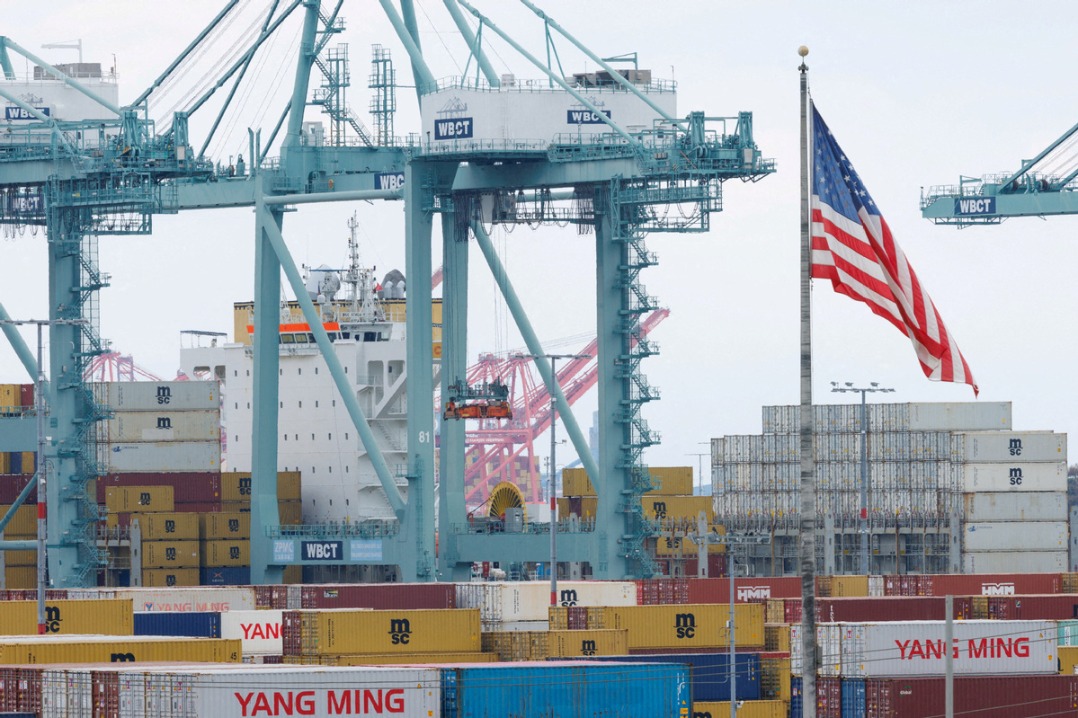
    The ongoing trade friction between the United States and China has manifested in stark export figures for November 2025, with Chinese shipments to American markets declining by approximately 29% year-on-year. This substantial contraction follows a year of volatile trade policy interventions that have reshaped bilateral commerce between the world’s two largest economies.

    Customs data reveals a parallel decline in American exports to China, which fell by 19% during the same period. The current tariff structure maintains substantial barriers, with average levies of 47.5% on Chinese goods entering the United States and 32% on American products reaching Chinese markets, according to analyses from the Peterson Institute for International Economics.

    Despite these bilateral challenges, China’s global export performance demonstrated resilience with a 5.9% increase to $330 billion in November, rebounding from an unexpected contraction the previous month. This growth underscores China’s strategic pivot toward diversifying its export destinations and reducing dependency on any single market.

    Financial analysts observe that China is actively rebalancing its economic model. Peter Boockvar, Chief Investment Officer at OnePoint BFG Wealth Partners, noted: “China continues to rely less on selling goods to the US. With substantial domestic savings, China is incentivizing consumer spending to decrease reliance on manufacturing and exports.”

    The agricultural sector has emerged as a particularly sensitive indicator of trade tensions. American soybean farmers experienced significant market disruption throughout the year, though recent data indicates gradual resumption of Chinese purchasing. In response to these challenges, the U.S. administration announced a $12 billion support package for affected farmers, drawing funds from tariff revenues and agricultural assistance programs.

    Cory Walters, Agricultural Economics professor at the University of Nebraska, emphasized that while temporary aid provides relief, “market access is paramount” for long-term agricultural sustainability. Chinese market share in global exports is projected to expand from 15% to 16.5%, driven by advanced manufacturing sectors including robotics, battery technology, and electric vehicles.

    The October truce agreement between both nations has yet to fully manifest in trade data, with economists anticipating that tariff reductions will gradually reflect in coming months’ export figures.