Taiwan Semiconductor Manufacturing Company (TSMC), the world’s largest semiconductor manufacturer, announced on Thursday a staggering 40% surge in net profit for the July-September quarter, fueled by the growing demand for artificial intelligence (AI) technologies. The company reported a record-breaking net profit of 452.3 billion new Taiwan dollars ($15 billion), surpassing analysts’ expectations. This remarkable performance follows a 30% year-on-year increase in revenue for the same period.
分类: business
-
India’s exports to US plunge as Trump’s 50% tariffs kick in
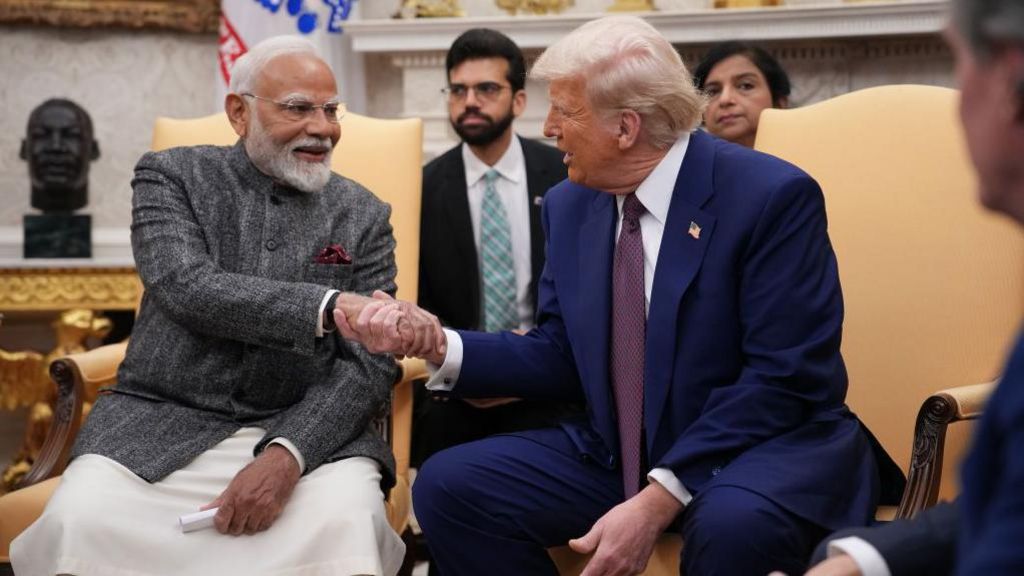
India, a key exporter of garments, shrimp, and gems and jewellery to the United States, has witnessed a dramatic decline in its goods exports to its largest foreign market. Data reveals a sharp 20% drop in September alone, with a staggering 37.5% decline over the past four months, as the impact of steep US tariffs intensifies. The tariffs, which include a 50% levy on Indian goods and an additional 25% penalty for India’s continued oil purchases from Russia, took full effect in August. Ajay Srivastava of the Global Trade Research Initiative (GTRI) noted, ‘The US has become India’s most severely affected market since the tariff escalation began.’ Labour-intensive sectors such as textiles, gems and jewellery, engineering goods, and chemicals have borne the brunt of these measures, suffering significant losses. The decline in exports has also exacerbated India’s trade deficit, which surged to a 13-month high of $32.15 billion in September. While improved trade with countries like the UAE and China has partially offset the US export slump, negotiations between India and the US remain fraught with challenges. Talks resumed last month after a prolonged stalemate, with an Indian delegation currently in the US. Despite claims by former US President Donald Trump that Indian Prime Minister Narendra Modi agreed to halt Russian oil imports, the Indian foreign ministry described discussions as ‘ongoing,’ emphasizing US interest in deepening energy cooperation. Key trade disputes, particularly over access to India’s agriculture and dairy sectors, persist. Washington views India’s farm sector as a lucrative untapped market, but New Delhi has staunchly defended its protectionist stance, citing food security and the livelihoods of millions of small farmers. Bilateral trade between the two nations reached $190 billion in 2024, with ambitious targets to more than double this figure to $500 billion.
-
Asian shares are mostly higher after Wall St ends an erratic day with gains
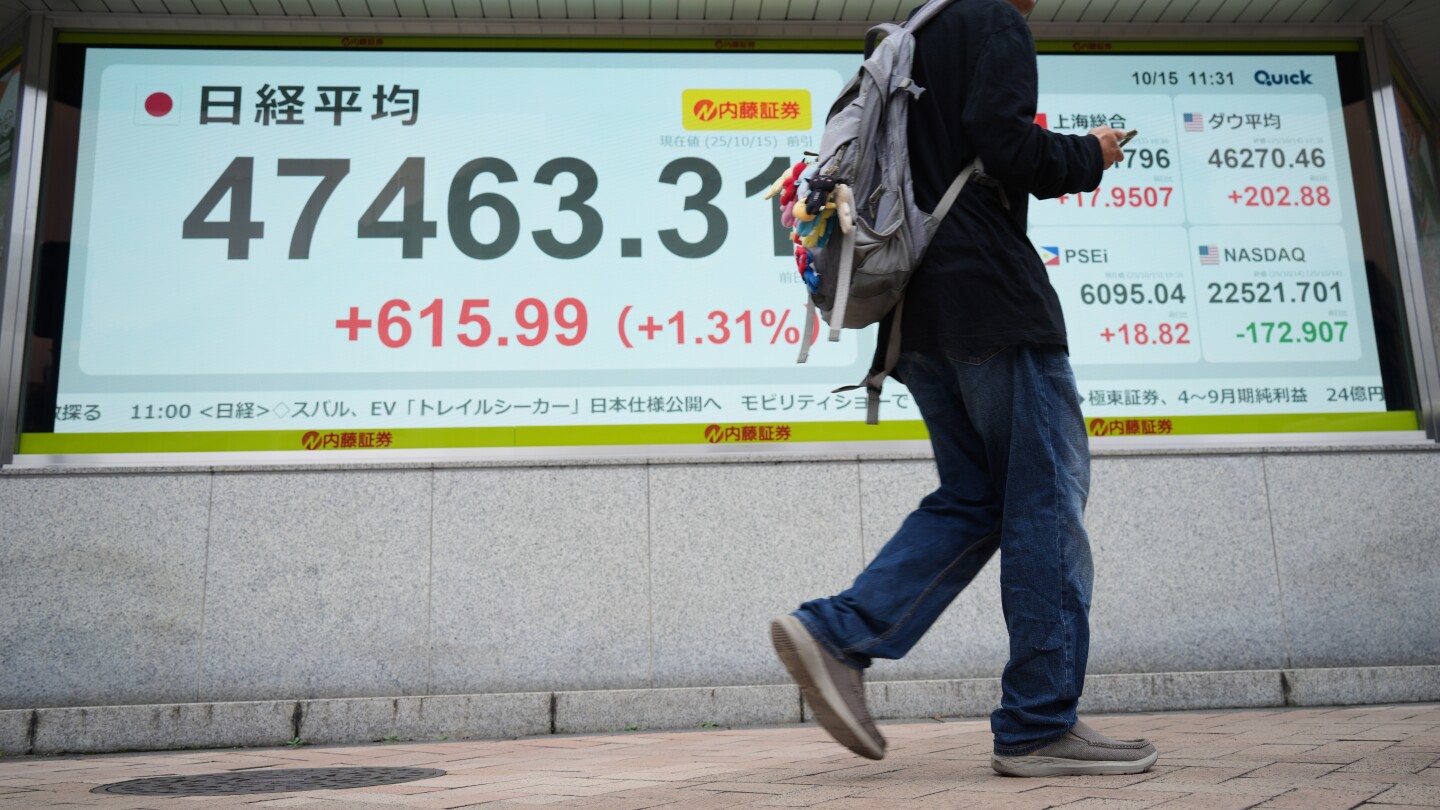
Most Asian stock markets experienced an upward trajectory on Thursday, mirroring the gains observed on Wall Street after a volatile trading session. U.S. futures remained largely unchanged, while oil prices saw an increase. Japan’s Nikkei 225 index climbed 0.8% to 48,069.71, buoyed by a robust start to the earnings season and growing expectations of U.S. interest rate cuts. Despite a 0.9% month-on-month decline in Japan’s core machinery orders for August, the figures showed significant improvement from July’s 4.6% drop. South Korea’s Kospi index surged to a record high, rising 1.8% to 3,722.67, driven by optimism over potential tariff agreements between the U.S. and South Korea. Tech and auto stocks, including Samsung Electronics, Hyundai Motor, and Kia Corp., were among the top performers. In China, Hong Kong’s Hang Seng index dipped 0.4%, while the Shanghai Composite index edged up 0.1%. Australia’s S&P/ASX 200 soared 8% to 9,063.70, surpassing the 9,000 mark for the first time, fueled by gains in gold stocks amid rising gold prices. India’s BSE Sensex and Taiwan’s Taiex also posted gains of 0.5% and 1.5%, respectively. On Wall Street, the S&P 500 and Nasdaq Composite advanced, with technology stocks leading the charge following a strong earnings report from ASML, a key semiconductor equipment supplier. However, concerns over inflated stock prices and delayed economic updates due to the U.S. government shutdown have heightened scrutiny on corporate earnings. In commodity markets, U.S. crude oil and Brent crude prices both rose, while the dollar and euro saw modest gains against the yen.
-
Oil prices dip, stay near 5-month low on US-China trade tensions, looming supply surplus
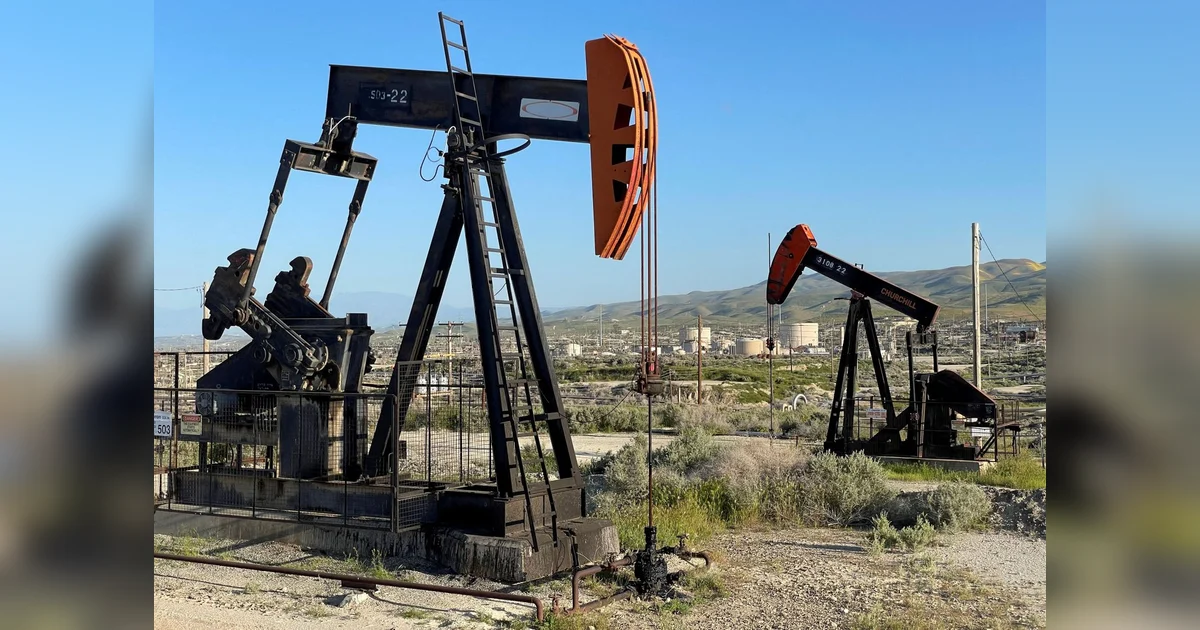
Oil prices continued to hover near a five-month low on Wednesday, driven by escalating trade tensions between the U.S. and China and a forecasted global oil supply surplus by 2026. Brent crude futures dropped by 23 cents, or 0.4%, to $62.16 a barrel, while U.S. West Texas Intermediate futures fell by 14 cents, or 0.2%, to $58.56. Both benchmarks are on track for their lowest closing levels since May 7. The International Energy Agency (IEA) warned that the oil market could face a surplus of up to 4 million barrels per day next year, exacerbated by increased output from OPEC+ and sluggish demand. The U.S.-China trade dispute has intensified recently, with both nations imposing additional port fees on cargo ships, potentially disrupting global freight flows. U.S. Treasury Secretary Scott Bessent emphasized that Washington does not seek to escalate the conflict, noting President Donald Trump’s readiness to meet Chinese President Xi Jinping later this month. Meanwhile, China has tightened rare earth export controls, and Trump has threatened to raise tariffs on Chinese goods to 100%. Deflationary pressures persist in China, with falling consumer and producer prices in September, while U.S. investors anticipate further Federal Reserve rate cuts. In other developments, Britain imposed new sanctions on Russia’s largest oil companies, Lukoil and Rosneft, targeting 51 shadow fleet tankers to curb Kremlin revenues. Azerbaijan reported a 4.2% drop in oil output for the first nine months of the year. U.S. crude stockpiles are expected to rise by 0.2 million barrels, marking the first three-week increase since April.
-
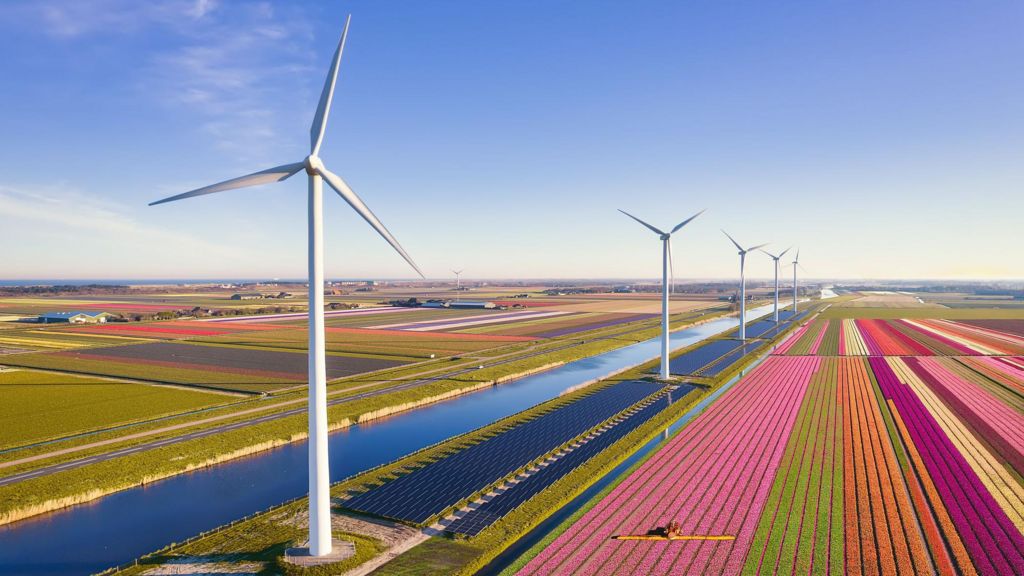
Netherlands’ renewables drive putting pressure on its power grid
The Netherlands, a global leader in renewable energy adoption, is grappling with a severe electricity grid crisis as its rapid shift to wind and solar power overwhelms the existing infrastructure. The country has embraced electric vehicles and renewable energy with remarkable enthusiasm, boasting the highest number of charging points per capita in Europe and more than a third of homes equipped with solar panels. By 2030, offshore wind farms are expected to become the nation’s largest energy source. However, this green transition has come at a cost: the national grid is under immense strain, leading to frequent power outages and widespread grid congestion. Kees-Jan Rameau, CEO of Dutch energy provider Eneco, likens the issue to a ‘traffic jam on the power grid,’ caused by an imbalance between supply and demand. The grid, originally designed for centralized gas-fired power plants, is ill-equipped to handle the decentralized nature of renewable energy. Small power lines in rural areas, where most solar panels and wind turbines are located, are particularly overwhelmed. Damien Ernst, a leading grid expert, warns that resolving this crisis will require billions of dollars and years of investment. The Dutch government has launched initiatives like the ‘Flip the Switch’ campaign to encourage energy conservation during peak hours, but the problem persists. Businesses and households face long waiting lists for grid connections, hampering economic growth and new housing developments. Tennet, the national grid operator, plans to invest €200 billion to reinforce the grid by 2050, but the process is slow and complex. Meanwhile, grid congestion costs the Dutch economy up to €35 billion annually, according to a 2024 report. The Ministry for Climate Policy and Green Growth acknowledges the challenges and is working on a ‘National Grid Congestion Action Plan’ to expedite grid expansion and adjust legislation. Despite these efforts, the Netherlands’ rapid energy transition continues to outpace its infrastructure, highlighting the urgent need for innovative solutions.
-
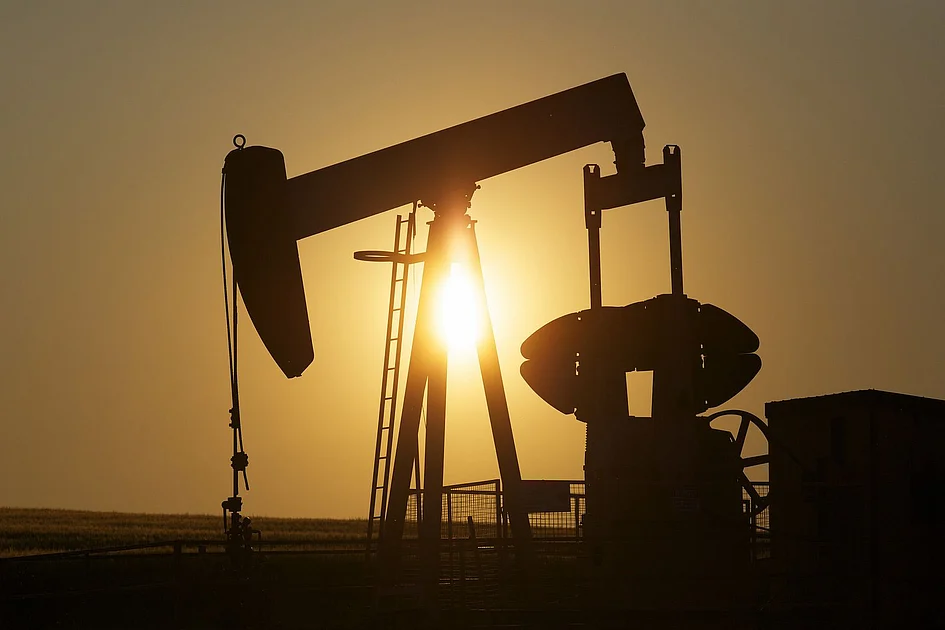
IEA warns of looming oil glut as supply outpaces demand
The International Energy Agency (IEA) has issued a stark warning about a potential global oil surplus, projecting a significant imbalance between supply and demand by 2026. In its October Oil Market Report, the agency revised its supply growth estimates upward, forecasting an increase of 3.0 million barrels per day (bpd) in 2025, up from the previous 2.7 million bpd. This is expected to be followed by a further 2.4 million bpd rise in 2026. Meanwhile, demand growth is anticipated to remain sluggish, with the IEA trimming its 2025 estimate to 710,000 bpd and predicting a modest 700,000 bpd increase in 2026. This marks a sharp deceleration in oil consumption, attributed to macroeconomic challenges and the accelerating shift toward electrification in transportation. The IEA predicts that global supply could exceed demand by as much as 4 million bpd in 2026, a significant jump from its earlier forecast of a 3.3 million bpd surplus. This potential glut is driven by aggressive production increases from OPEC+ and non-OPEC+ producers, including the US, Canada, Brazil, and Guyana. In contrast, OPEC maintains a more optimistic outlook, expecting supply and demand to balance in 2026 due to stronger global consumption. Price forecasts reflect the uncertainty, with analysts predicting Brent crude to average $67.61 per barrel in 2025, while Barclays and Goldman Sachs have revised their projections downward, citing supply pressures. Despite the near-term challenges, some industry leaders anticipate a medium-term rebalancing as higher-cost producers reduce output. The IEA’s warning underscores the growing tension between production ambitions and the realities of the global energy transition.
-

UAE growth forecast leapfrogs global trend, IMF report says
The International Monetary Fund (IMF) has significantly revised its growth projections for the United Arab Emirates (UAE), highlighting the nation’s economic resilience amidst global uncertainties. In its latest World Economic Outlook, the IMF now anticipates the UAE’s real GDP to grow by 4.8% in 2025, up from its April estimate, with a further acceleration to 5.0% in 2026. This optimistic outlook contrasts with a global economic slowdown, where growth is expected to decline from 3.3% in 2024 to 3.1% in 2026. Advanced economies are projected to grow at a modest 1.5%, while emerging markets hover just above 4%. The Middle East and Central Asia are set to see growth rise from 2.6% in 2024 to 3.8% in 2026, with the UAE leading the charge. The IMF attributes the UAE’s robust performance to its diversified economy, strong financial buffers, and strategic reforms. Key drivers include a widening current account surplus, bolstered by non-hydrocarbon exports, and deepening trade agreements with nations like India, Indonesia, Türkiye, and South Korea. The UAE’s financial sector remains stable, with well-capitalized banks, declining non-performing loans, and innovative measures such as the Digital Dirham and stablecoin regulation. The real estate market continues to thrive, supported by population growth and foreign investment, though the IMF cautions against potential shifts in capital flows. Structural reforms in infrastructure, sustainability, and AI further cement the UAE’s position as a forward-looking economic hub. Looking ahead, the UAE’s growth trajectory remains promising, underpinned by sound fiscal policies, regulatory advancements, and a commitment to long-term reforms.
-
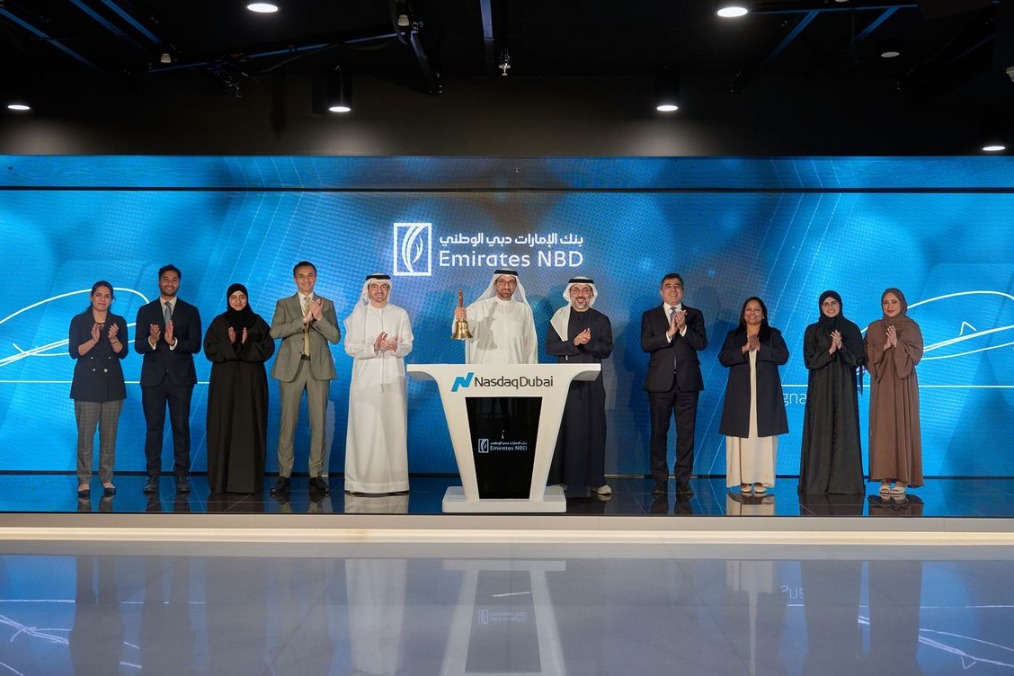
Nasdaq Dubai welcomes CNY1 billion bond listing by Emirates NBD
Nasdaq Dubai has marked a significant milestone with the listing of a CNY1 billion (approximately US$140 million) bond by Emirates NBD Bank. This issuance, part of the bank’s US$20 billion Euro Medium Term Note (EMTN) Programme, features 2.40 percent Notes maturing in 2028. The move signifies Emirates NBD’s re-entry into the Dim Sum market, a platform that facilitates global investors’ access to renminbi-denominated bonds outside mainland China. This strategic issuance not only diversifies the bank’s funding sources but also underscores the robust investor demand for high-quality financial instruments from UAE institutions. With this listing, Emirates NBD’s total debt instruments on Nasdaq Dubai now stand at $5.4 billion across nine issuances, cementing its status as one of the UAE’s most active financial entities on the exchange. The transaction also highlights Dubai’s deepening ties with Asian markets, as renminbi-denominated bonds gain prominence in international capital markets. To commemorate the occasion, Hesham Abdulla Al Qassim, Vice Chairman and Managing Director of Emirates NBD, rang the market-opening bell at Nasdaq Dubai, joined by Hamed Ali, CEO of Nasdaq Dubai and Dubai Financial Market (DFM). Al Qassim emphasized the bank’s commitment to wealth creation for clients, supported by significant capital inflows and a diverse product portfolio. He praised Nasdaq Dubai’s international reputation and regulatory excellence as key factors in choosing the platform for listings. Ali, in turn, highlighted Dubai’s role as a trusted gateway for UAE issuers to connect with global investors, noting the growing appeal of the market and its ability to facilitate diversified funding across currencies and geographies. The total outstanding value of debt securities listed on Nasdaq Dubai has now reached $140 billion, further solidifying the exchange’s position as a leading hub for fixed income in the region.
-
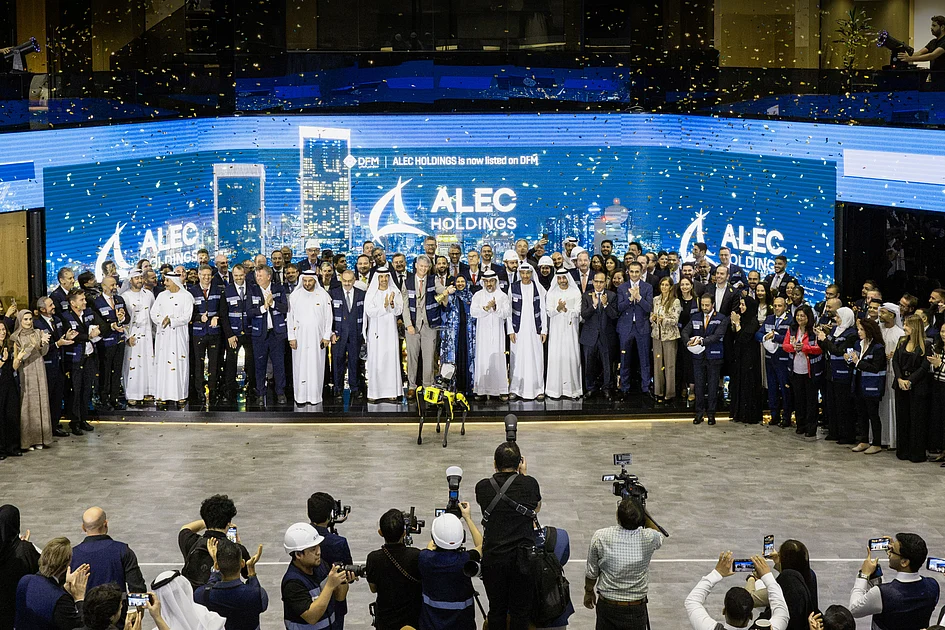
Alec Holdings gains 0.71% on DFM debut in UAE’s largest-ever construction sector IPO
Alec Holdings, a prominent engineering and construction group based in Dubai, marked its debut on the Dubai Financial Market (DFM) with a modest 0.71% gain over its listing price. Opening at Dh1.47, the company’s shares climbed to Dh1.50 before settling, with over 128 million shares traded, amounting to a total value of Dh186.4 million. This listing represents the UAE’s largest-ever initial public offering (IPO) in the construction sector, both in terms of valuation and size, and the first in the sector in over 15 years. The IPO, fully subscribed, raised Dh1.4 billion through the sale of 1 billion existing ordinary shares, representing 20% of the company’s issued share capital. The Investment Corporation of Dubai (ICD), Alec’s sole selling shareholder, retains an 80% stake post-listing. Barry Lewis, CEO of Alec Holdings, highlighted the significance of the listing as a milestone in the company’s journey, emphasizing enhanced governance and transparency. Helal Al Marri, Chairman of the DFM Board of Directors, and Hamed Ali, CEO of DFM and Nasdaq Dubai, also underscored the listing’s role in diversifying Dubai’s capital markets and reinforcing its position as a global financial hub. Alec’s IPO, while modest compared to recent IPOs like Parkin (+31%) and Dubai Taxi (+19%), reflects disciplined pricing and cautious investor sentiment toward private-sector companies. The company plans to distribute dividends, starting with Dh200 million in April 2026, followed by Dh500 million for the 2026 financial year, representing a 7.1% dividend yield at listing. Analysts view Alec’s steady trading range as a sign of healthy consolidation, driven by solid fundamentals rather than speculative gains. The IPO is expected to pave the way for other engineering and infrastructure firms to go public, signaling the UAE’s maturing equity capital markets and positive outlook for future construction-sector floatations.
-
US blasts China as ‘unreliable’ as trade tensions mount
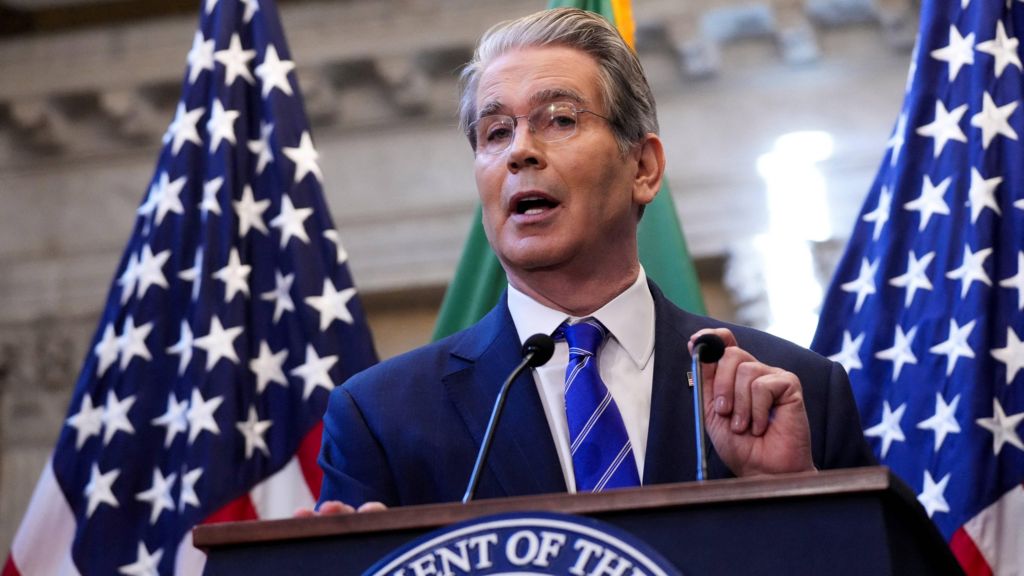
The fragile trade truce between the United States and China appears to be unraveling as top US officials accuse Beijing of undermining agreements reached earlier this year. In a highly orchestrated press conference, US Trade Representative Jamieson Greer and Treasury Secretary Scott Bessent condemned China’s recent moves to tighten export controls on rare earths, lithium batteries, and graphite, labeling them as “economic coercion” and a “global supply chain power grab.” Bessent warned, “If China wants to be an unreliable partner to the world, then the world will have to decouple.” However, he left room for negotiation, expressing optimism that the situation could be de-escalated through dialogue. China, which processes approximately 90% of the world’s rare earths and magnets, announced last week that foreign companies would need government approval to export products containing even minimal amounts of these critical materials. The US responded with threats of imposing a 100% tariff on Chinese imports starting next month, alongside potential export controls on critical software. The escalating tensions have raised fears of a return to an all-out trade war, jeopardizing the fragile truce established in May. Both nations have also introduced new port fees on each other’s ships, further straining relations. Bessent emphasized the need for the US and its allies to collaborate, calling China’s actions “unacceptable” and “highly provocative.” He asserted, “This is China versus the world. We and our allies will neither be commanded nor controlled.” Despite the rhetoric, both sides seem open to discussions, offering a glimmer of hope for resolution.